tel
Email
to top

DUK

  • Kokia yra pagrindinė antikorozinio vamzdžio funkcija?

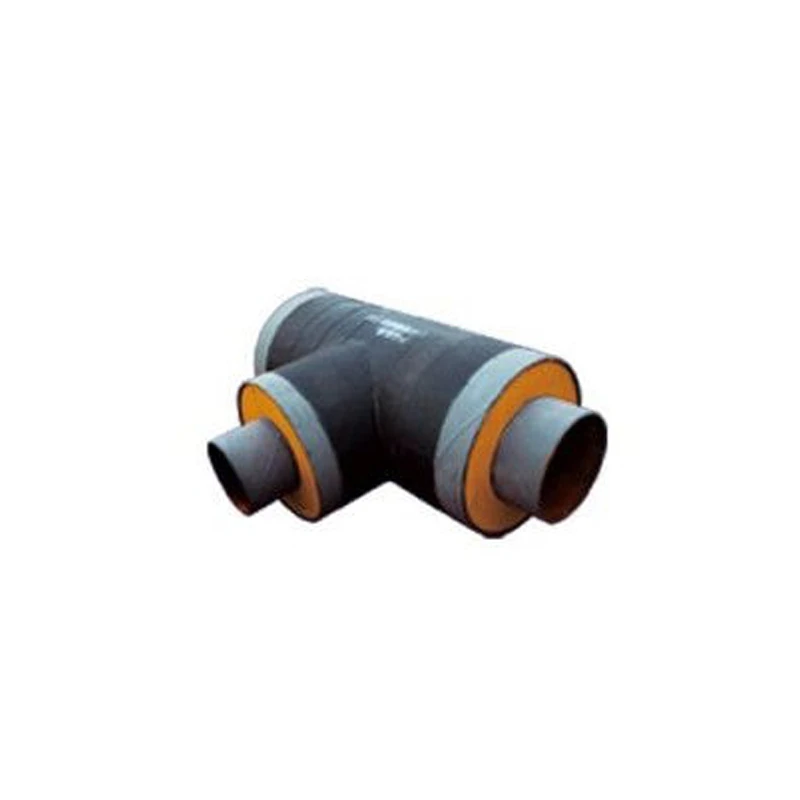
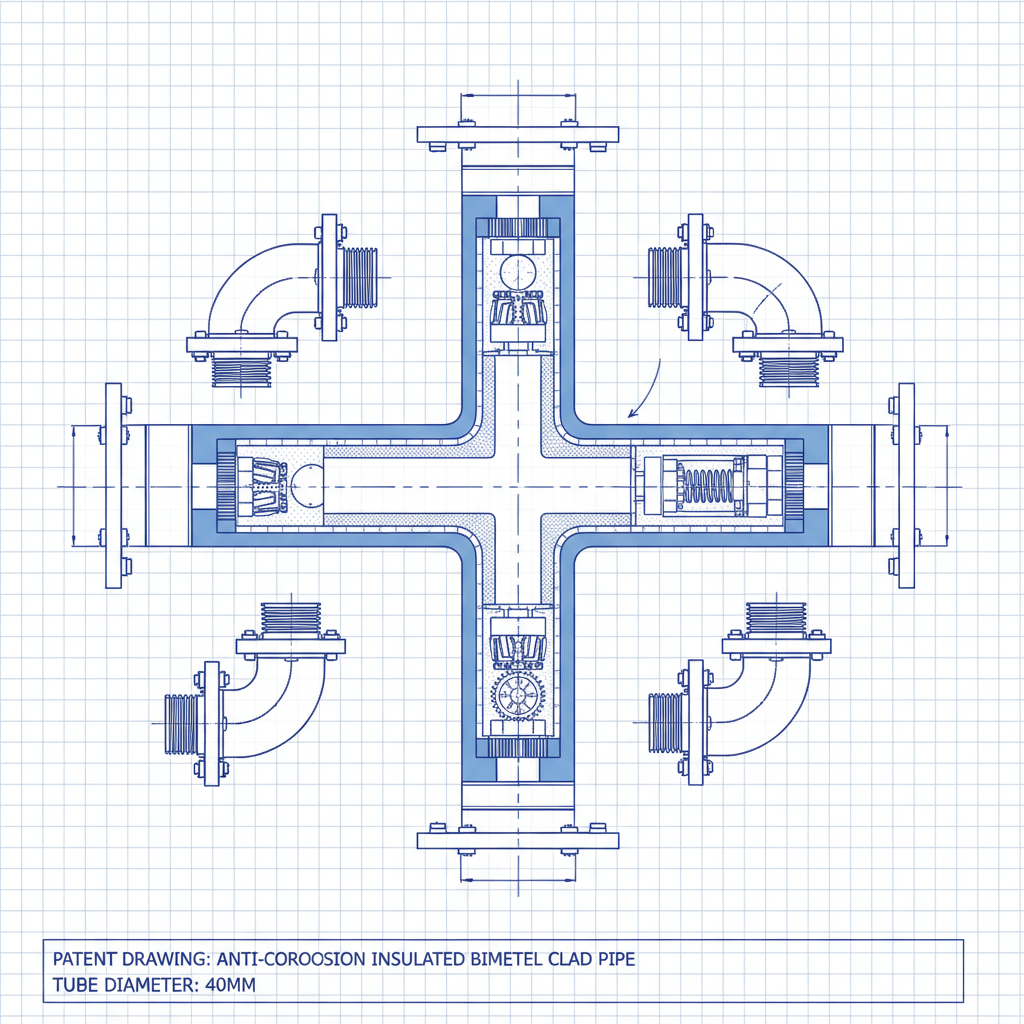
    Pagrindinė antikorozinio vamzdžio funkcija yra apsaugoti vidinį vamzdyną nuo korozijos, kurią gali sukelti įvairūs veiksniai, tokie kaip drėgmė, transportuojamoje terpėje esančios cheminės medžiagos ir aplinka. Be to, jis suteikia šilumos izoliaciją, sumažindamas šilumos nuostolius ar padidėjimą transportuojant skysčius, nesvarbu, ar jie karšti, ar šalti, taip pagerinant energijos vartojimo efektyvumą.
  • Kokios medžiagos dažniausiai naudojamos antikoroziniam izoliuoto vamzdžio antikoroziniam sluoksniui?

    Antikoroziniam sluoksniui dažniausiai naudojamos tokios medžiagos kaip polietilenas (PE), polipropilenas (PP) ir epoksidinės dangos. PE ir PP pasižymi geru cheminiu atsparumu ir fiziniu patvarumu, o epoksidinės dangos gali sudaryti stiprią, lipnią plėvelę, kuri veiksmingai atspari korozijai. Kai kuriais atvejais taip pat padengiamos metalo pagrindu pagamintos antikorozinės dangos, pvz., dažai, kuriuose yra daug cinko, siekiant suteikti papildomą apsaugos nuo rūdžių ir korozijos sluoksnį.
  • Kuriose pramonės šakose plačiai naudojami antikoroziniai vamzdžiai?

    Antikoroziniai vamzdžiai plačiai naudojami naftos ir dujų pramonėje žalios naftos, gamtinių dujų ir rafinuotų naftos produktų transportavimui. Šildymo ir vėsinimo pramonėje jie naudojami centralizuoto šildymo sistemoms, didelių pastatų šalto vandens vamzdynams ir pramoninių procesų šildymo ar vėsinimo linijoms. Jie taip pat labai svarbūs chemijos pramonėje gabenant ėsdinančias chemines medžiagas, taip pat garo ir kondensato vamzdynų energijos gamybos pramonėje.
  • Kaip antikorozinio vamzdžio izoliacinė dalis prisideda prie energijos taupymo?

    Antikorozinio vamzdžio izoliacinės medžiagos, tokios kaip poliuretano putos arba mineralinė vata, šilumos laidumas yra mažas. Kai vidiniu vamzdžiu teka karštas skystis, izoliacija riboja šilumos perdavimą iš karštos terpės į supančią aplinką ir sumažina šilumos nuostolius. Panašiai ir šaltiems skysčiams jis neleidžia šilumai iš išorės patekti į vamzdį, sumažindamas energiją, reikalingą norimai transportuojamo skysčio temperatūrai palaikyti, todėl taupoma energija.
  • Kokie tikrinimo metodai naudojami siekiant užtikrinti antikorozinių vamzdžių kokybę?

    Dažniausiai naudojami neardomieji bandymo metodai. Vizuali apžiūra naudojama norint patikrinti, ar vamzdžio paviršiuje nėra matomų defektų, tokių kaip įtrūkimai, įlenkimai ar dangos pažeidimai. Ultragarsinis bandymas gali aptikti vidinius vamzdžio sienelės trūkumus ir izoliacijos sluoksnio vientisumą. Dangos storio matuokliai naudojami antikorozinės dangos storiui matuoti, siekiant užtikrinti, kad ji atitiktų reikiamus standartus. Be to, antikorozinių priemonių efektyvumui įvertinti gali būti naudojamas elektrinės varžos bandymas.
Naujienos
Įmonė gaminių kokybę vertina kaip įmonės gyvenimą, sukuria patikimą kokybės valdymo sistemą, atitinkančią pramonės ir nacionalinių standartų reikalavimus, kontroliuoja visus įvesties ir išvesties aspektus visame procese, atkreipia dėmesį į kiekvieną smulkmeną ir užtikrina, kad produkto pristatymo rodiklis būtų 100%.
Comprehensive Guide to 4 Inch Steel Tubing Applications and Selection

Comprehensive Guide to 4 Inch Steel Tubing Applications and Selection

Mar.14,2026
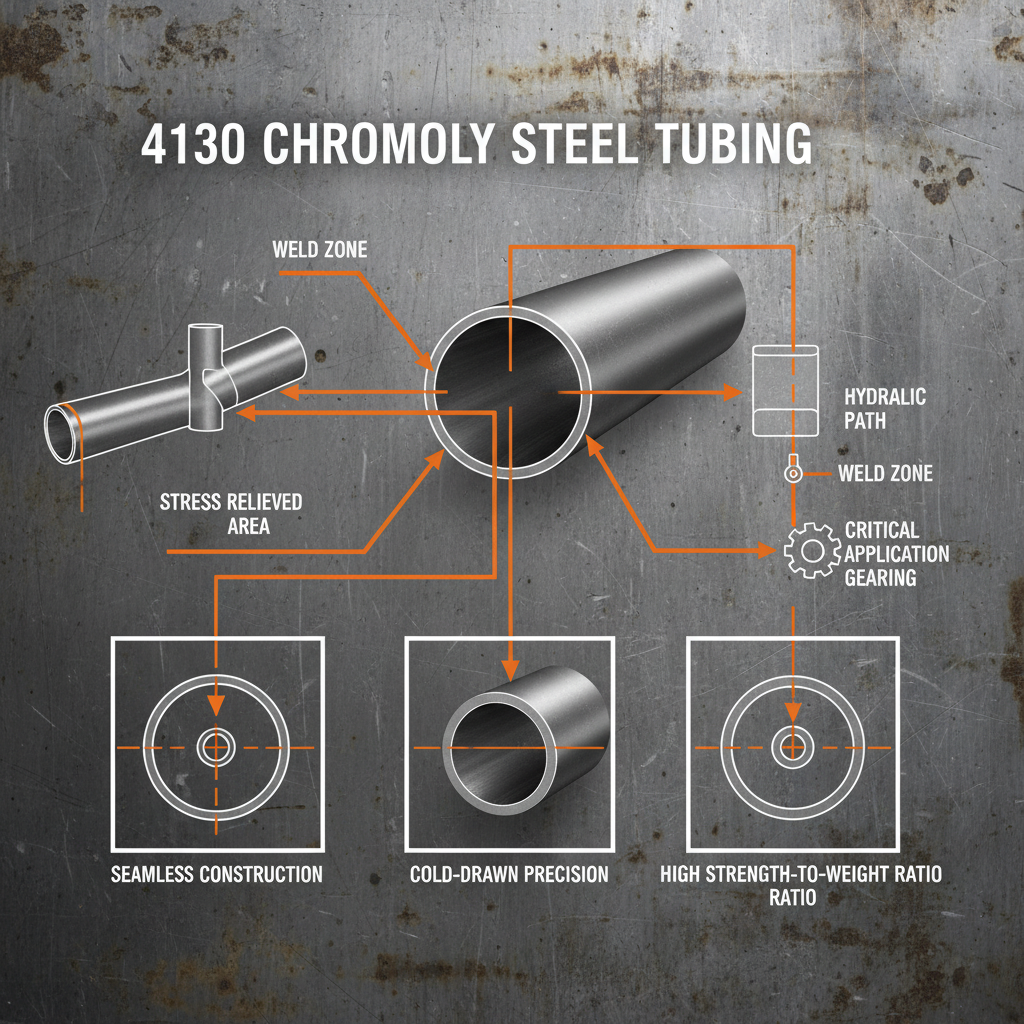
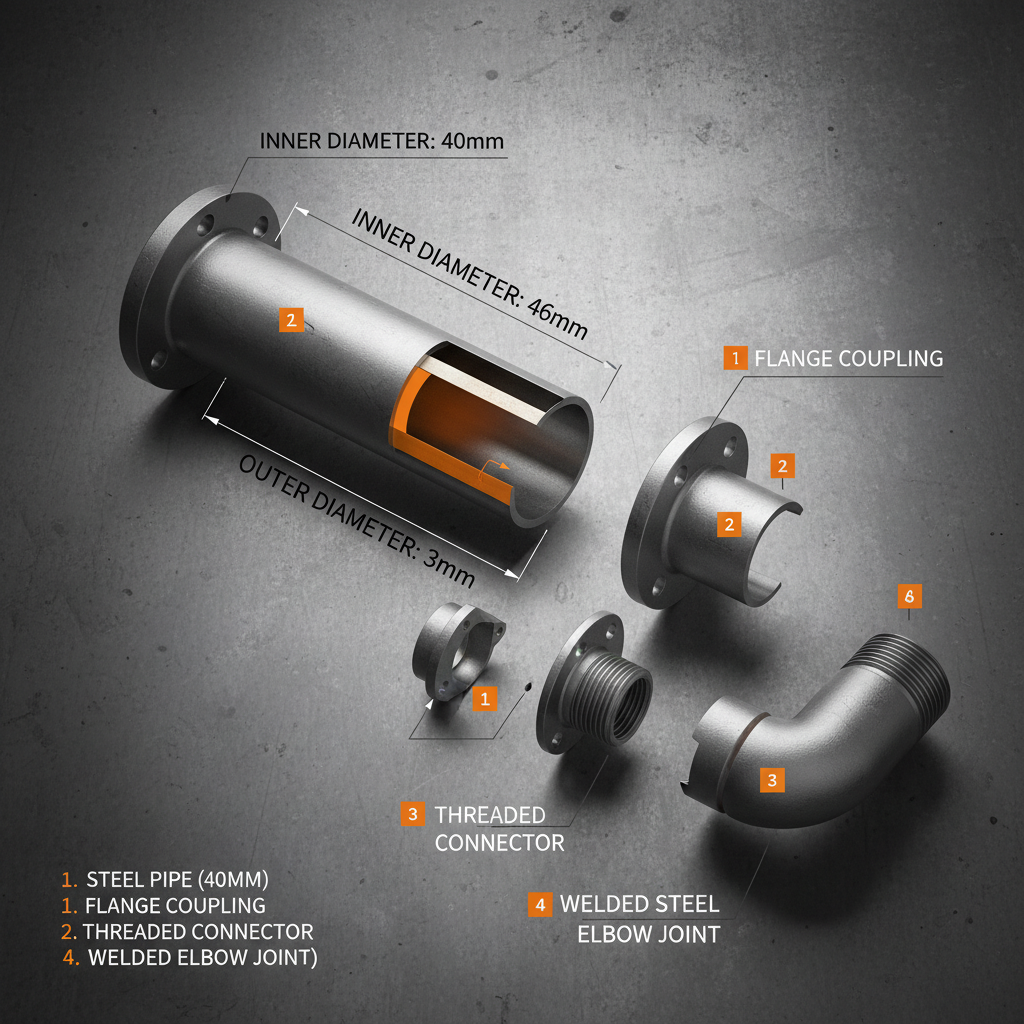
4 inch steel tubing is a versatile material widely utilized across various industries, from construction and manufacturing to automotive and infrastructure. Its strength, durability, and cost-effectiveness make it a preferred choice for numerous applications. This article delves into the characteristics, applications, different types, and considerations when purchasing 4 inch steel tubing, offering a detailed overview for professionals and anyone seeking a deeper understanding of this essential material. Selecting the appropriate steel tubing can significantly impact the performance and longevity of your project. 4 inch steel tubing refers to hollow steel sections with an outer diameter of 4 inches. It’s commonly manufactured through processes like welding, seamless extrusion, or cold drawing. This tubing offers a high strength-to-weight ratio, making it ideal for structural applications.
Comprehensive Guide to 4 Inch Steel Pipe Applications and Specifications

Comprehensive Guide to 4 Inch Steel Pipe Applications and Specifications

Mar.12,2026
4 inch steel pipe is a fundamental component in a vast array of industries, from construction and infrastructure to oil & gas and water management. Its robust nature, durability, and cost-effectiveness make it a preferred choice for conveying fluids and gases. This article will explore the various applications of 4 inch steel pipe, delve into its specifications, and offer guidance on sourcing high-quality pipes from a reliable supplier like Lion Pipeline. Choosing the right steel pipe is crucial for the longevity and safety of your projects, so understanding its properties and uses is essential. The versatility of 4 inch steel pipe allows it to be utilized in numerous applications. In the construction industry, it is frequently used for structural supports, fencing, and handrails. The oil and gas sector relies heavily on these pipes for transporting crude oil, natural gas, and refined products. Water treatment facilities employ them for water distribution and wastewater management. Furthermore, they find application in irrigation systems, fire protection systems, and even in the manufacturing of furniture and other industrial equipment. Its strength and ability to withstand high pressures make it a dependable solution across diverse sectors.
Comprehensive Guide to 4 Inch Stainless Steel Pipe Properties and Applications

Comprehensive Guide to 4 Inch Stainless Steel Pipe Properties and Applications

Mar.11,2026
When sourcing materials for fluid transfer, structural support, or various industrial applications, 4 inch stainless steel pipe stands out as a versatile and reliable choice. This article provides a detailed overview of its properties, applications, grades, and considerations for optimal use. We’ll explore why stainless steel is often preferred over other materials and how to select the right pipe for your specific needs. Choosing the correct piping system is crucial for ensuring efficiency, safety, and longevity in any project. Stainless steel pipes, particularly those with a 4-inch diameter, possess a unique combination of properties that make them ideal for a wide range of applications. Corrosion resistance is paramount, thanks to the chromium content in the alloy, which forms a protective layer against environmental factors. High tensile strength and durability ensure longevity, even under pressure or demanding conditions. They also exhibit excellent temperature resistance, making them suitable for both high and low-temperature applications. Furthermore, stainless steel is hygienic and easy to clean, which is vital in industries like food processing and pharmaceuticals. The smooth internal surface minimizes friction loss, optimizing flow efficiency.
Comprehensive Guide to Durable 4 Inch Stainless Steel Exhaust Pipe Systems

Comprehensive Guide to Durable 4 Inch Stainless Steel Exhaust Pipe Systems

Mar.10,2026
When it comes to exhaust systems for vehicles, machinery, or industrial applications, the choice of materials and dimensions is critical. A 4 inch stainless steel exhaust pipe offers a compelling combination of durability, corrosion resistance, and performance. This article provides an in-depth look at the benefits, applications, and considerations when selecting this type of piping. We’ll explore why Lion Pipeline is a trusted source for high-quality stainless steel exhaust pipes. Choosing the right exhaust system component can significantly impact overall system efficiency and longevity. A 4 inch stainless steel exhaust pipe provides several advantages over other materials like aluminized steel or carbon steel. Stainless steel's inherent corrosion resistance is a major benefit, especially in harsh environments where exposure to moisture, salt, and chemicals is common. Its strength and durability ensure a long service life, reducing the need for frequent replacements.
Comprehensive Guide to 4 Inch Stainless Pipe Applications and Benefits

Comprehensive Guide to 4 Inch Stainless Pipe Applications and Benefits

Mar.09,2026
When selecting piping for a project, especially in industries demanding corrosion resistance and durability, 4 inch stainless pipe is a frequently considered option. This article provides a comprehensive overview of this type of piping, its applications, benefits, and key factors to consider when purchasing. We will delve into the various grades of stainless steel used, common applications, and why choosing a reputable supplier like Lion Pipeline is crucial for ensuring quality and compliance. Stainless steel pipes offer longevity and reduce maintenance, making them a cost-effective solution in the long run. 4 inch stainless steel pipe is renowned for its exceptional corrosion resistance, making it ideal for handling a wide variety of fluids and gases. Unlike carbon steel, stainless steel forms a passive layer of chromium oxide on its surface, protecting it from rust and corrosion. This is particularly important in harsh environments like those found in chemical processing, wastewater treatment, and marine applications. Furthermore, stainless steel pipes offer high strength and durability, capable of withstanding high pressures and temperatures.
Comprehensive Guide to 4 Inch Round Steel Tubing for Global Trade and Applications

Comprehensive Guide to 4 Inch Round Steel Tubing for Global Trade and Applications

Mar.08,2026
4 inch round steel tubing is a versatile structural component widely used across numerous industries, from construction and manufacturing to automotive and agriculture. Its strength, durability, and relatively lightweight nature make it an ideal choice for a wide range of applications. For businesses involved in international steel trading, understanding the nuances of this particular tubing is crucial for meeting client demands and ensuring successful transactions. This article will provide a comprehensive overview of 4 inch round steel tubing, covering its specifications, applications, common standards, and considerations for efficient global sourcing. The term “4 inch round steel tubing” refers to steel pipes with an outer diameter of four inches and a circular cross-section. These tubes are manufactured through various processes, including welding, drawing, and seamless extrusion. The choice of manufacturing method significantly impacts the tube’s strength, precision, and cost. Common steel grades used for 4 inch round steel tubing include A53, A106 (for higher temperature applications), and 1018 carbon steel. Wall thickness varies depending on the application, commonly ranging from schedule 40 to schedule 80, influencing the tube’s load-bearing capacity and weight. Understanding these factors is essential when sourcing steel tubing from international suppliers.
tel email tel top

Jei jus domina mūsų produktai, galite palikti savo informaciją čia ir mes su jumis susisieksime artimiausiu metu.