tel
Email
to top

Häufig gestellte Fragen

  • Was ist die Hauptfunktion eines korrosionsgeschützten isolierten Rohrs?

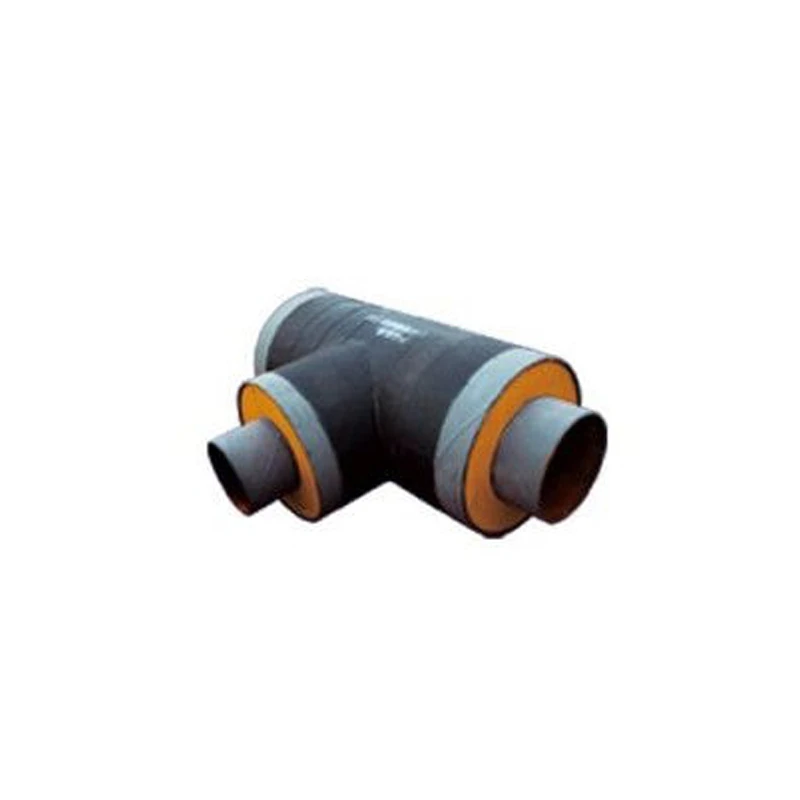
    Die Hauptfunktion eines korrosionsgeschützten isolierten Rohrs besteht darin, die innere Rohrleitung vor Korrosion zu schützen. Diese kann durch verschiedene Faktoren wie Feuchtigkeit, Chemikalien im Transportmedium und die Umgebung verursacht werden. Darüber hinaus bietet es Wärmedämmung, reduziert Wärmeverluste oder -gewinne beim Transport von Flüssigkeiten, egal ob heiß oder kalt, und verbessert so die Energieeffizienz.
  • Welche Materialien werden üblicherweise für die Korrosionsschutzschicht eines korrosionsisolierten Rohrs verwendet?

    Für die Korrosionsschutzschicht werden üblicherweise Materialien wie Polyethylen (PE), Polypropylen (PP) und Epoxidharzbeschichtungen verwendet. PE und PP bieten eine gute chemische Beständigkeit und physikalische Haltbarkeit, während Epoxidharzbeschichtungen einen starken, haftenden Film bilden, der Korrosion wirksam widersteht. In manchen Fällen werden auch metallbasierte Korrosionsschutzbeschichtungen wie zinkhaltige Farben aufgetragen, um eine zusätzliche Schutzschicht gegen Rost und Korrosion zu bieten.
  • In welchen Branchen werden korrosionsisolierte Rohre häufig eingesetzt?

    Korrosionsschutzisolierte Rohre werden in der Öl- und Gasindustrie häufig zum Transport von Rohöl, Erdgas und raffinierten Erdölprodukten eingesetzt. In der Heiz- und Kühlindustrie werden sie für Fernwärmesysteme, Kühlwasserleitungen in großen Gebäuden und industrielle Prozesswärme- oder -kühlungsleitungen verwendet. Auch in der chemischen Industrie sind sie für den Transport korrosiver Chemikalien sowie in der Energieerzeugung für Dampf- und Kondensatleitungen unverzichtbar.
  • Wie trägt der Isolierungsteil eines korrosionsgeschützten isolierten Rohrs zur Energieeinsparung bei?

    Das Isoliermaterial eines korrosionsgeschützten isolierten Rohrs, wie beispielsweise Polyurethanschaum oder Mineralwolle, weist eine geringe Wärmeleitfähigkeit auf. Fließt eine heiße Flüssigkeit durch das Innenrohr, begrenzt die Isolierung die Wärmeübertragung vom heißen Medium an die Umgebung und reduziert so den Wärmeverlust. Ebenso verhindert sie bei kalten Flüssigkeiten das Eindringen von Wärme von außen in das Rohr. Dadurch wird der Energiebedarf zur Aufrechterhaltung der gewünschten Temperatur der transportierten Flüssigkeit minimiert und Energie gespart.
  • Welche Prüfmethoden werden verwendet, um die Qualität korrosionsgeschützter isolierter Rohre sicherzustellen?

    Zerstörungsfreie Prüfverfahren werden üblicherweise eingesetzt. Durch Sichtprüfung wird die Rohroberfläche auf sichtbare Defekte wie Risse, Dellen oder Beschichtungsschäden geprüft. Ultraschallprüfungen können innere Defekte in der Rohrwand und die Unversehrtheit der Isolierschicht erkennen. Schichtdickenmessgeräte messen die Dicke der Korrosionsschutzbeschichtung und stellen sicher, dass sie den erforderlichen Standards entspricht. Zusätzlich kann die Wirksamkeit der Korrosionsschutzmaßnahmen durch elektrische Widerstandsprüfungen beurteilt werden.
Nachricht
Das Unternehmen betrachtet die Produktqualität als das Lebenselixier des Unternehmens, richtet ein solides Qualitätsmanagementsystem gemäß den Anforderungen der Industrie- und nationalen Standards ein, kontrolliert alle Aspekte der Eingabe und Ausgabe im gesamten Prozess, achtet auf jedes Detail und stellt sicher, dass die Erfolgsquote bei der Produktlieferung 100 % beträgt.
Ultimate Guide to 4130 Tubing Strength Performance and Applications
Ultimate Guide to 4130 Tubing Strength Performance and Applications

Apr.16,2026
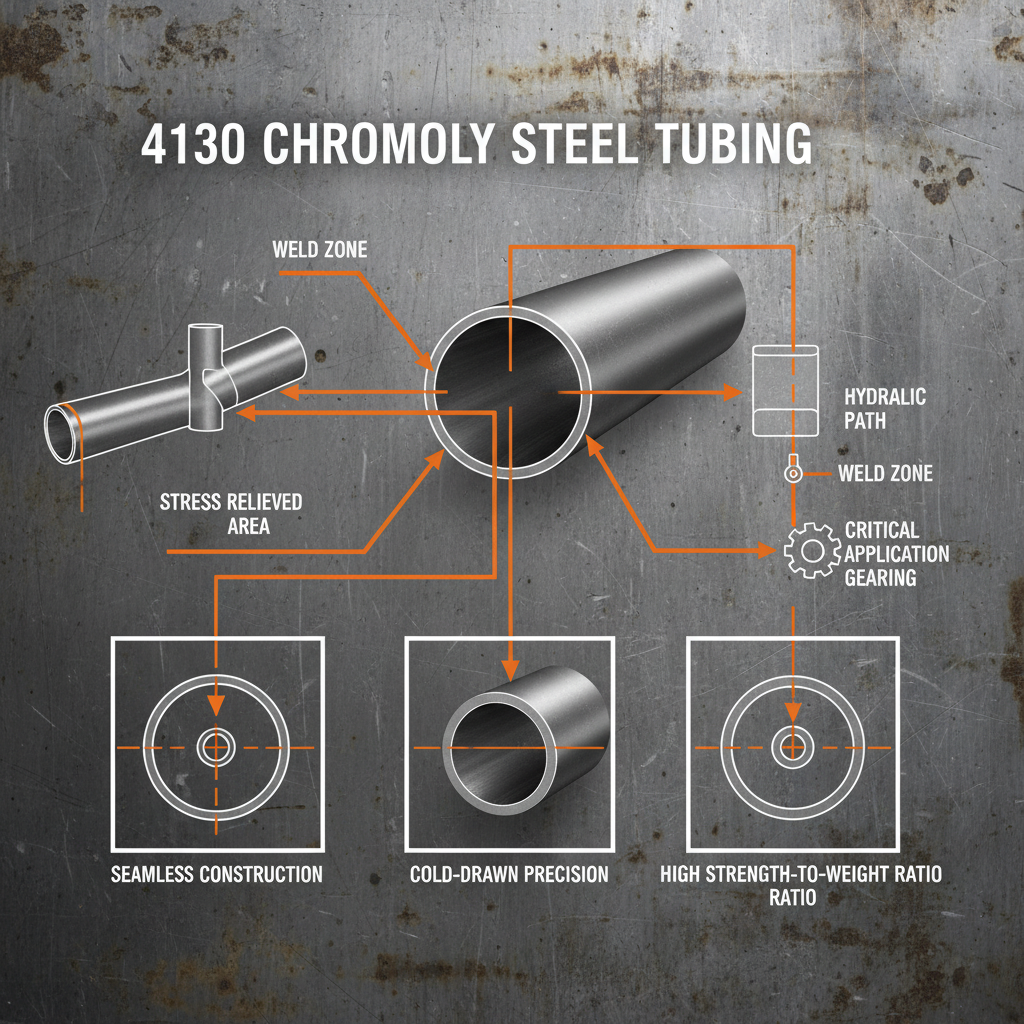
In the world of high-performance engineering, material selection is the foundation of safety and efficiency. 4130 tubing is widely regarded as the gold standard for applications requiring an exceptional strength-to-weight ratio. This chrome-molybdenum alloy steel is engineered to withstand extreme stress while remaining lightweight enough for aerospace and automotive use. Whether you are designing a roll cage, a bicycle frame, or a critical industrial component, understanding the nuances of this material is essential. In this comprehensive guide, we will explore why this specific alloy is preferred by engineers worldwide and how to choose the right specifications for your project.
Properties and Industrial Applications of 4130 steel tubing
Properties and Industrial Applications of 4130 steel tubing

Apr.09,2026
In the world of high-performance engineering, material selection is the foundation of safety and efficiency. 4130 steel tubing is widely recognized as the gold standard for applications requiring an exceptional strength-to-weight ratio. Known for its versatility and reliability, this chromium-molybdenum alloy is the preferred choice for everything from aircraft frames to professional roll cages. Understanding the nuances of this material allows engineers to optimize structural integrity without adding unnecessary bulk. In this comprehensive guide, we will explore why this specific alloy remains a top choice for critical industrial and aerospace components.
Comprehensive Guide to 40mm Steel Tube Applications and Material Selection
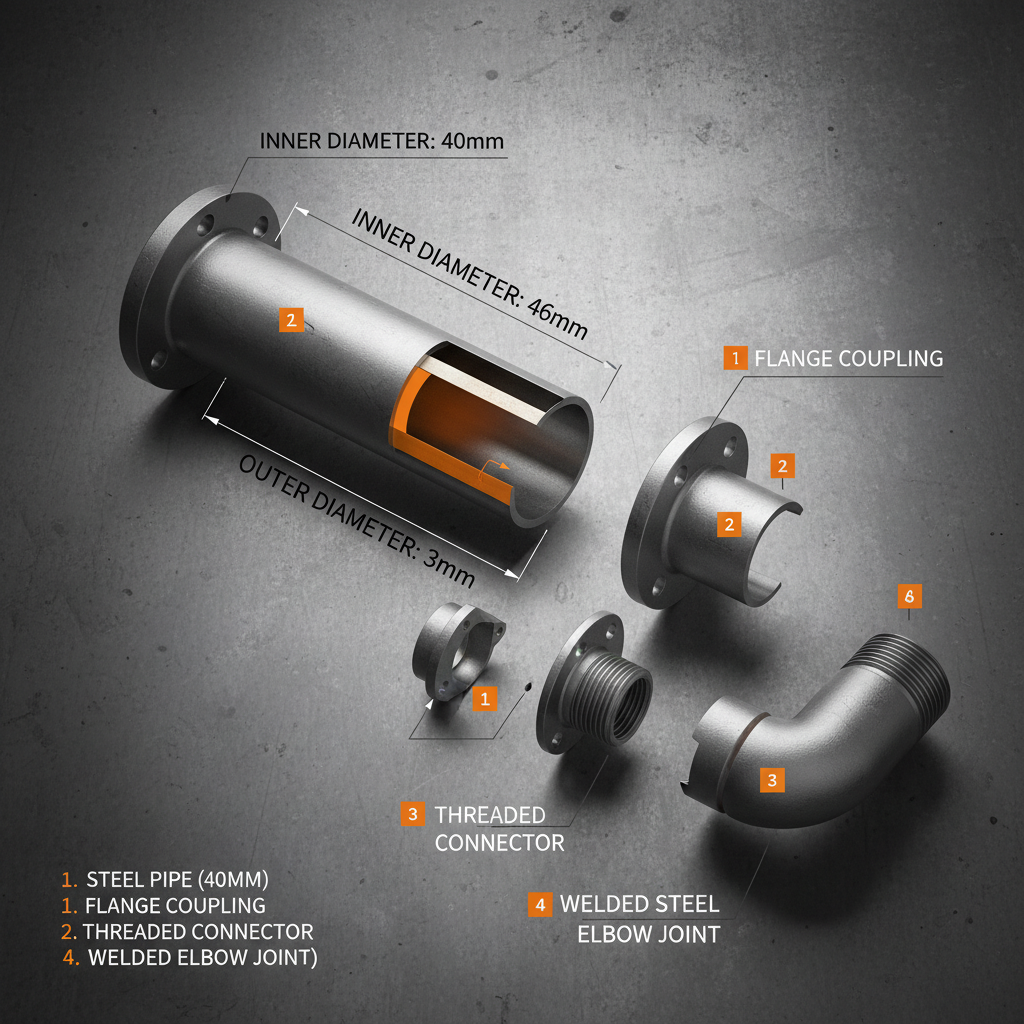
Comprehensive Guide to 40mm Steel Tube Applications and Material Selection

Apr.07,2026
40mm steel tube is a versatile and widely used material in various industries, from construction and manufacturing to automotive and beyond. Its strength, durability, and cost-effectiveness make it an ideal choice for numerous applications. This article will delve into the characteristics, applications, benefits, and considerations when working with 40mm steel tube, providing a comprehensive overview for professionals and anyone interested in this essential material.
Comprehensive Guide to 40mm Steel Pipe Applications and Considerations
Comprehensive Guide to 40mm Steel Pipe Applications and Considerations

Apr.04,2026
40mm steel pipe is a widely used material in various industries due to its strength, durability, and cost-effectiveness. From construction and infrastructure projects to industrial applications and fluid transportation, this pipe size offers a versatile solution. This article will delve into the properties, applications, standards, and key considerations when selecting 40mm steel pipe, helping you make informed decisions for your specific needs.
Comprehensive Guide to 40mm Metal Pipe Applications and Sourcing
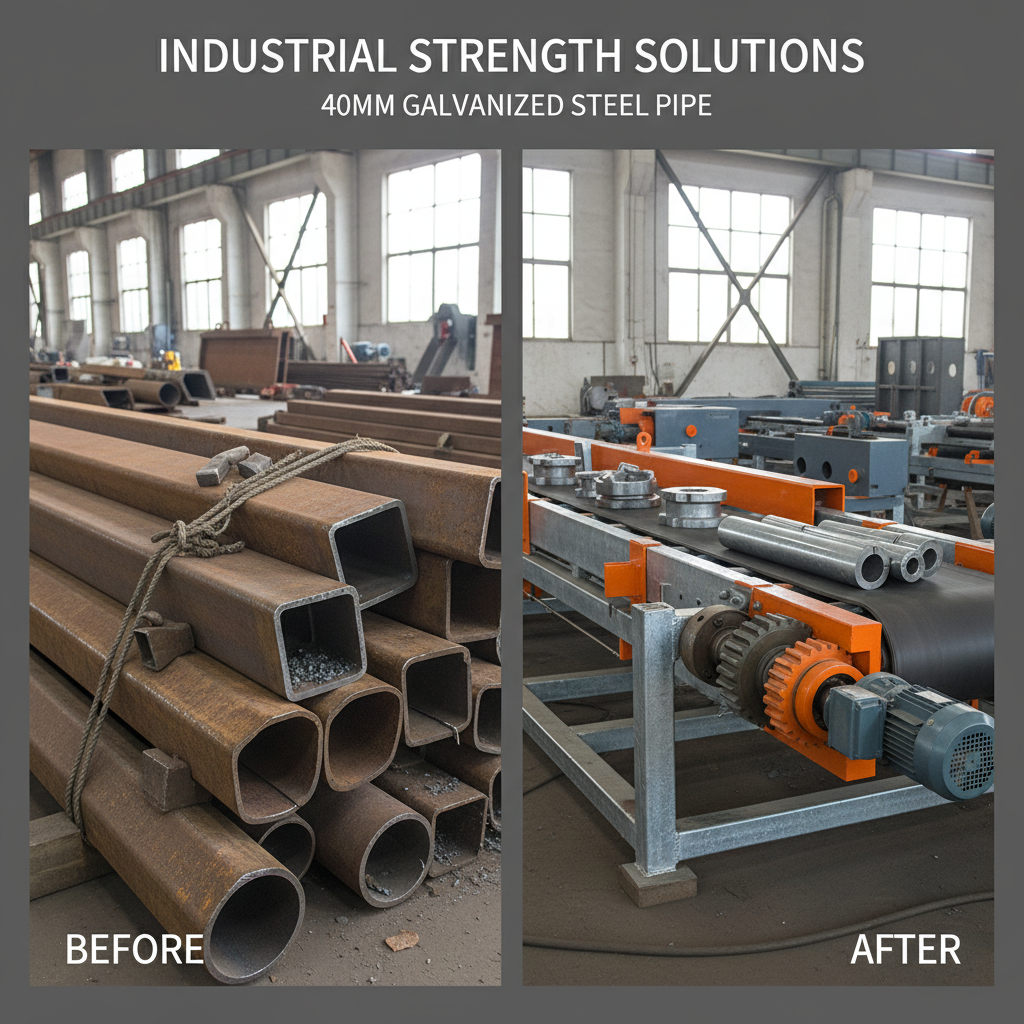
Comprehensive Guide to 40mm Metal Pipe Applications and Sourcing

Mar.31,2026
40mm metal pipe is a crucial component in a wide array of industries, from construction and plumbing to industrial manufacturing and fluid transport. Its strength, durability, and versatility make it a preferred material for countless applications. This article will delve into the specifics of 40mm metal pipe, exploring its various types, common uses, benefits, and where to source high-quality piping solutions.
Comprehensive Guide to 40mm Galvanised Pipe Applications and Specifications

Comprehensive Guide to 40mm Galvanised Pipe Applications and Specifications

Mar.28,2026
When planning a plumbing, structural, or industrial project, selecting the right piping material is crucial. 40mm galvanised pipe is a widely used option known for its strength, durability, and corrosion resistance. This article provides a detailed overview of 40mm galvanised pipes, exploring their applications, benefits, specifications, and considerations for optimal usage. We'll cover everything from what galvanisation is to how to choose the right pipe for your specific needs.
tel email tel top

Wenn Sie an unseren Produkten interessiert sind, können Sie Ihre Informationen hier hinterlassen und wir werden uns in Kürze mit Ihnen in Verbindung setzen.