tel
Email
to top

Veelgestelde vragen

  • Wat is de belangrijkste functie van een corrosiewerende geïsoleerde buis?

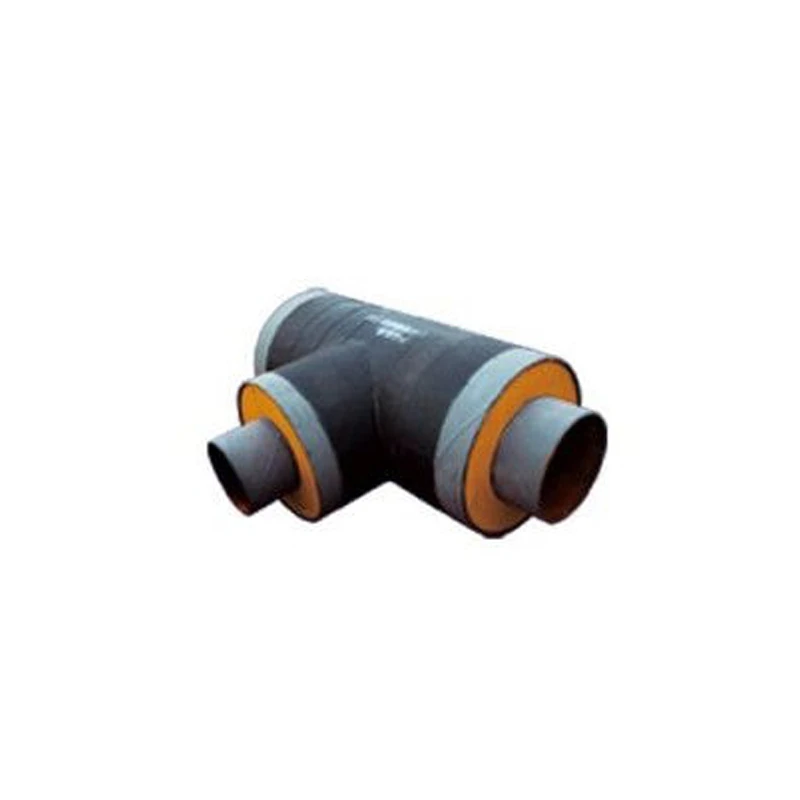
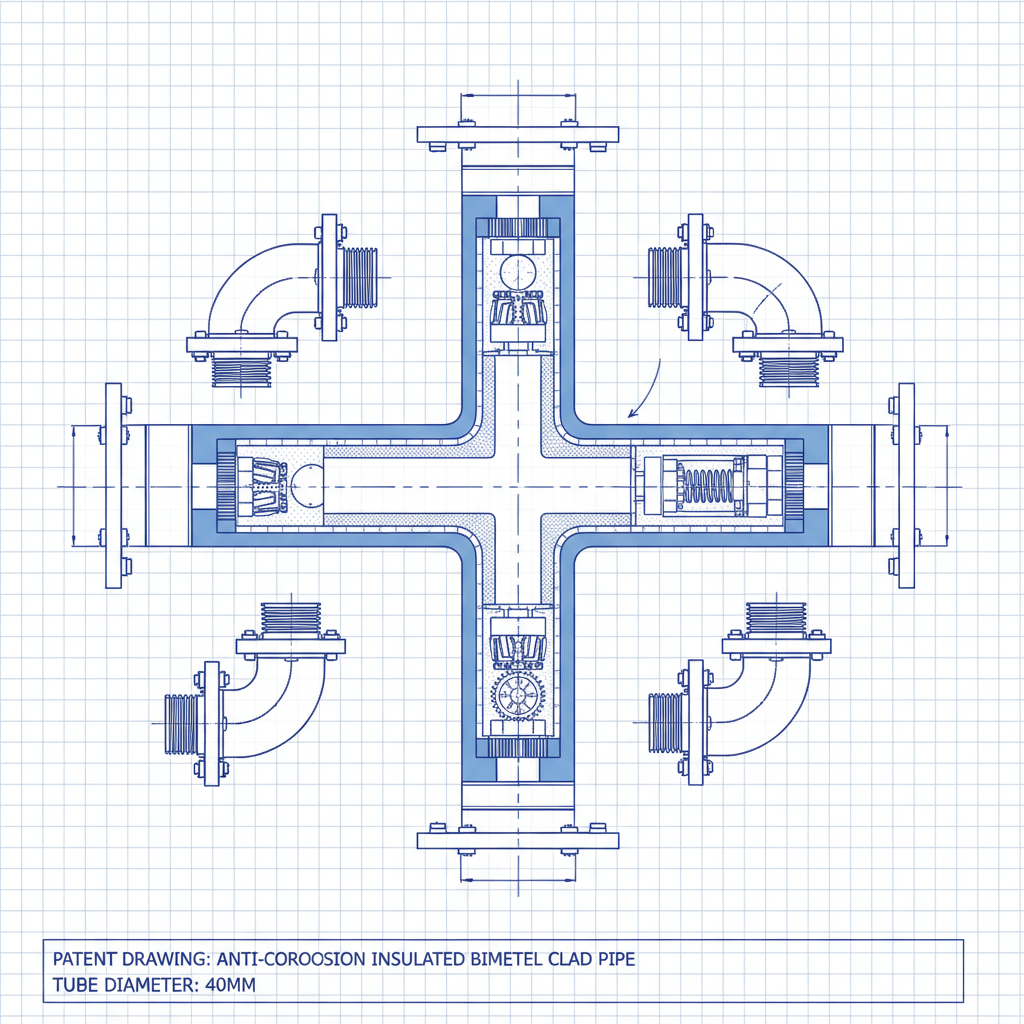
    De belangrijkste functie van een anti-corrosie geïsoleerde pijp is om de binnenpijpleiding te beschermen tegen corrosie, die kan worden veroorzaakt door verschillende factoren zoals vocht, chemicaliën in het getransporteerde medium en de omgeving. Daarnaast biedt het thermische isolatie, waardoor warmteverlies of -winst tijdens het transport van vloeistoffen wordt verminderd, ongeacht of ze warm of koud zijn, en zo de energie-efficiëntie wordt verbeterd.
  • Welke materialen worden doorgaans gebruikt voor de anticorrosielaag van een anticorrosie geïsoleerde buis?

    Voor de anticorrosielaag worden vaak materialen zoals polyethyleen (PE), polypropyleen (PP) en epoxycoatings gebruikt. PE en PP bieden een goede chemische bestendigheid en fysieke duurzaamheid, terwijl epoxycoatings een sterke, hechtende film kunnen vormen die effectief corrosiebestendig is. In sommige gevallen worden ook op metaal gebaseerde anticorrosiecoatings zoals zinkrijke verven aangebracht om een ​​extra beschermingslaag tegen roest en corrosie te bieden.
  • In welke industrieën worden corrosiewerende geïsoleerde buizen veel toegepast?

    Corrosiewerende geïsoleerde leidingen worden veel gebruikt in de olie- en gasindustrie voor het transport van ruwe olie, aardgas en geraffineerde aardolieproducten. In de verwarmings- en koelindustrie worden ze gebruikt voor stadsverwarmingssystemen, gekoelde waterleidingen in grote gebouwen en industriële procesverwarmings- of koelleidingen. Ze zijn ook cruciaal in de chemische industrie voor het transport van corrosieve chemicaliën, evenals in de energieopwekkingsindustrie voor stoom- en condensaatleidingen.
  • Hoe draagt ​​het isolatiegedeelte van een corrosiewerende geïsoleerde buis bij aan energiebesparing?

    Het isolatiemateriaal in een anti-corrosie geïsoleerde pijp, zoals polyurethaanschuim of minerale wol, heeft een lage thermische geleidbaarheid. Wanneer een hete vloeistof door de binnenpijp stroomt, beperkt de isolatie de overdracht van warmte van het hete medium naar de omgeving, waardoor warmteverlies wordt verminderd. Op dezelfde manier voorkomt het voor koude vloeistoffen dat warmte van buitenaf de pijp binnenkomt, waardoor de energie die nodig is om de gewenste temperatuur van de getransporteerde vloeistof te handhaven, wordt geminimaliseerd, wat leidt tot energiebesparing.
  • Welke inspectiemethoden worden gebruikt om de kwaliteit van corrosiewerende geïsoleerde leidingen te waarborgen?

    Niet-destructieve testmethoden worden vaak gebruikt. Visuele inspectie wordt gebruikt om te controleren op zichtbare defecten op het oppervlak van de pijp, zoals scheuren, deuken of coatingschade. Ultrasoon testen kan interne gebreken in de pijpwand en de integriteit van de isolatielaag detecteren. Coatingdiktemeters worden gebruikt om de dikte van de anticorrosiecoating te meten om ervoor te zorgen dat deze voldoet aan de vereiste normen. Daarnaast kan elektrische weerstandstesten worden gebruikt om de effectiviteit van de anticorrosiemaatregelen te beoordelen.
Nieuws
Het bedrijf beschouwt productkwaliteit als de levensader van de onderneming en stelt een solide kwaliteitsmanagementsysteem op dat voldoet aan de eisen van de industriële en nationale normen. Het controleert alle aspecten van input en output in het gehele proces, besteedt aandacht aan elk detail en zorgt ervoor dat het slagingspercentage van de productlevering 100% is.
Ultimate Guide to 4130 Tubing Strength Performance and Applications

Ultimate Guide to 4130 Tubing Strength Performance and Applications

Apr.16,2026
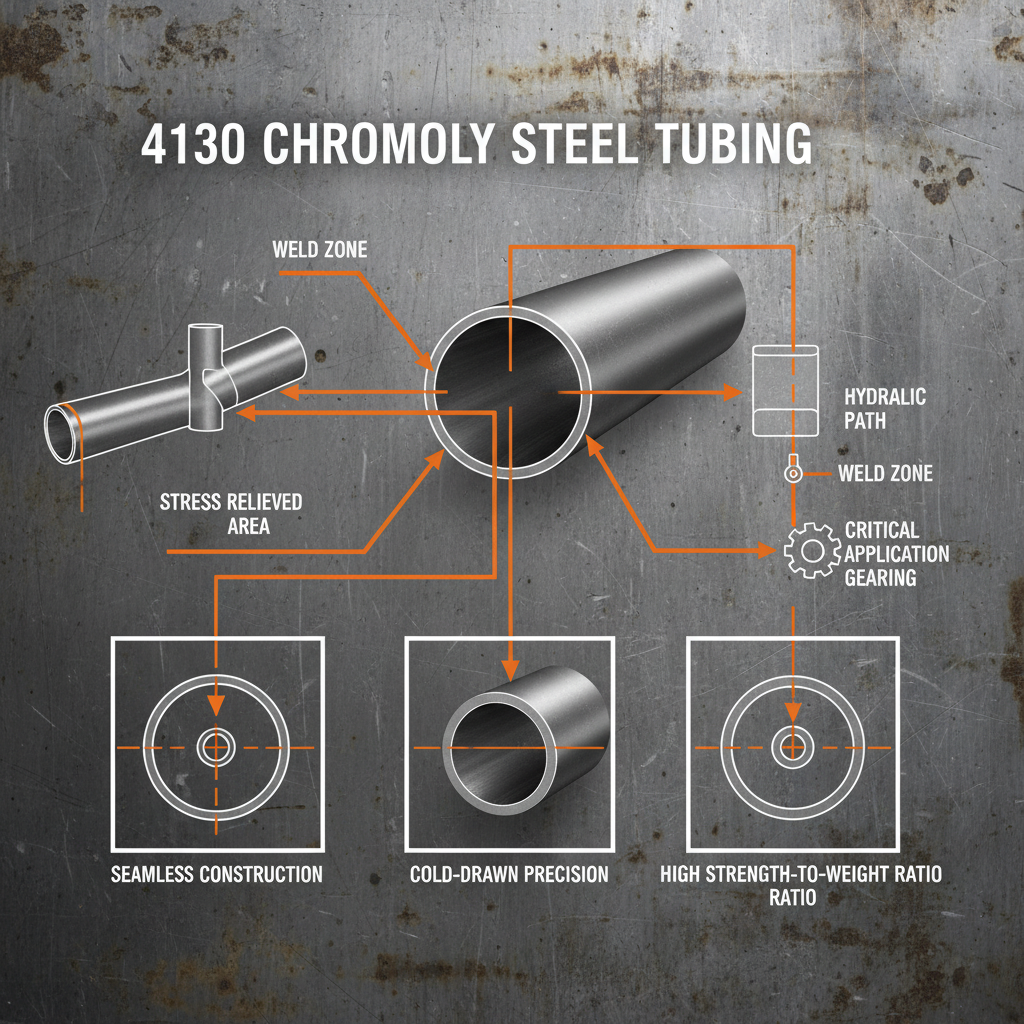
In the world of high-performance engineering, material selection is the foundation of safety and efficiency. 4130 tubing is widely regarded as the gold standard for applications requiring an exceptional strength-to-weight ratio. This chrome-molybdenum alloy steel is engineered to withstand extreme stress while remaining lightweight enough for aerospace and automotive use. Whether you are designing a roll cage, a bicycle frame, or a critical industrial component, understanding the nuances of this material is essential. In this comprehensive guide, we will explore why this specific alloy is preferred by engineers worldwide and how to choose the right specifications for your project.
Properties and Industrial Applications of 4130 steel tubing

Properties and Industrial Applications of 4130 steel tubing

Apr.09,2026
In the world of high-performance engineering, material selection is the foundation of safety and efficiency. 4130 steel tubing is widely recognized as the gold standard for applications requiring an exceptional strength-to-weight ratio. Known for its versatility and reliability, this chromium-molybdenum alloy is the preferred choice for everything from aircraft frames to professional roll cages. Understanding the nuances of this material allows engineers to optimize structural integrity without adding unnecessary bulk. In this comprehensive guide, we will explore why this specific alloy remains a top choice for critical industrial and aerospace components.
Comprehensive Guide to 40mm Steel Tube Applications and Material Selection

Comprehensive Guide to 40mm Steel Tube Applications and Material Selection

Apr.07,2026
40mm steel tube is a versatile and widely used material in various industries, from construction and manufacturing to automotive and beyond. Its strength, durability, and cost-effectiveness make it an ideal choice for numerous applications. This article will delve into the characteristics, applications, benefits, and considerations when working with 40mm steel tube, providing a comprehensive overview for professionals and anyone interested in this essential material.
Comprehensive Guide to 40mm Steel Pipe Applications and Considerations

Comprehensive Guide to 40mm Steel Pipe Applications and Considerations

Apr.04,2026
40mm steel pipe is a widely used material in various industries due to its strength, durability, and cost-effectiveness. From construction and infrastructure projects to industrial applications and fluid transportation, this pipe size offers a versatile solution. This article will delve into the properties, applications, standards, and key considerations when selecting 40mm steel pipe, helping you make informed decisions for your specific needs.
Comprehensive Guide to 40mm Metal Pipe Applications and Sourcing

Comprehensive Guide to 40mm Metal Pipe Applications and Sourcing

Mar.31,2026
40mm metal pipe is a crucial component in a wide array of industries, from construction and plumbing to industrial manufacturing and fluid transport. Its strength, durability, and versatility make it a preferred material for countless applications. This article will delve into the specifics of 40mm metal pipe, exploring its various types, common uses, benefits, and where to source high-quality piping solutions.
Comprehensive Guide to 40mm Galvanised Pipe Applications and Specifications

Comprehensive Guide to 40mm Galvanised Pipe Applications and Specifications

Mar.28,2026
When planning a plumbing, structural, or industrial project, selecting the right piping material is crucial. 40mm galvanised pipe is a widely used option known for its strength, durability, and corrosion resistance. This article provides a detailed overview of 40mm galvanised pipes, exploring their applications, benefits, specifications, and considerations for optimal usage. We'll cover everything from what galvanisation is to how to choose the right pipe for your specific needs.
tel email tel top

Als u geïnteresseerd bent in onze producten, kunt u hier uw gegevens achterlaten. Wij nemen dan zo spoedig mogelijk contact met u op.