tel
Email
to top
PRODUKTO INFORMACIJA
Sulenkite vamzdį
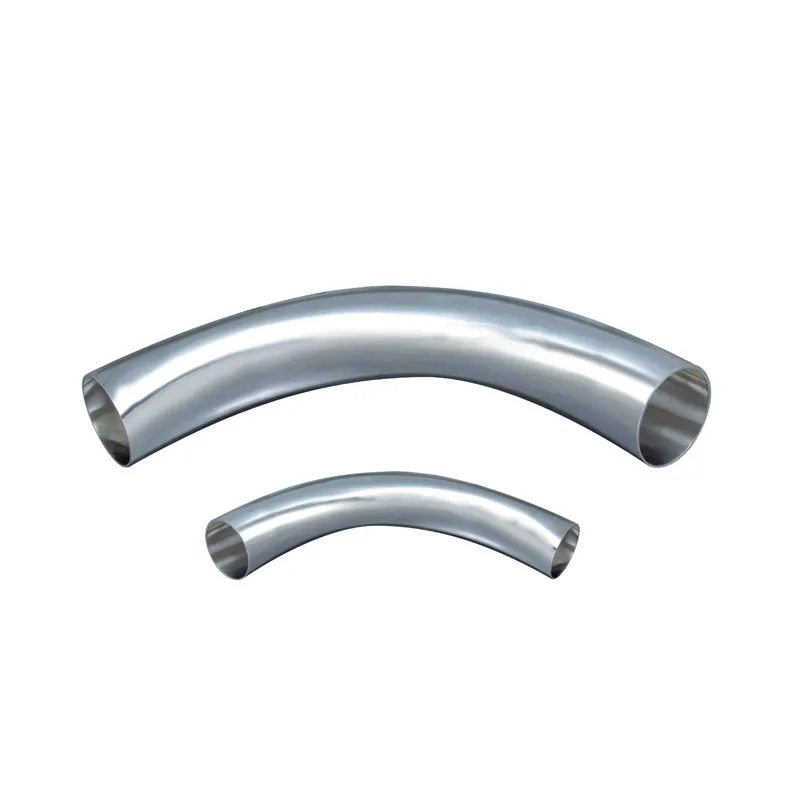
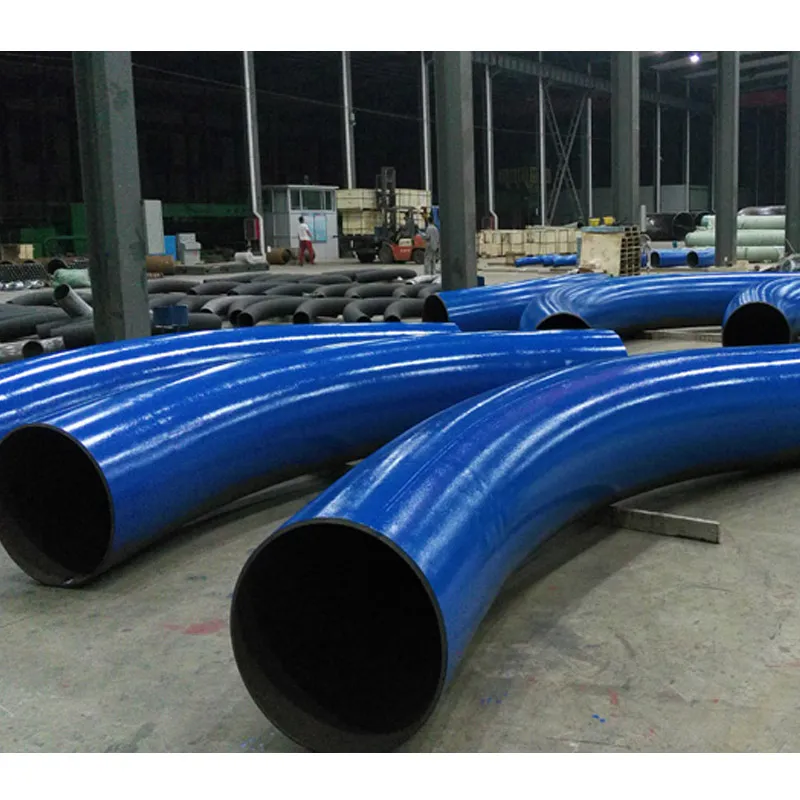
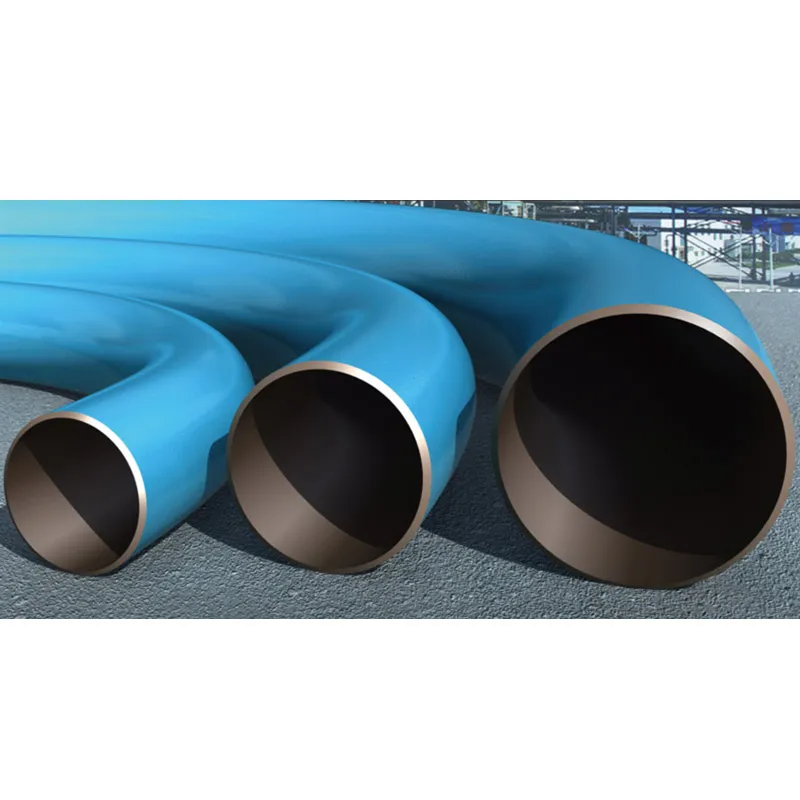
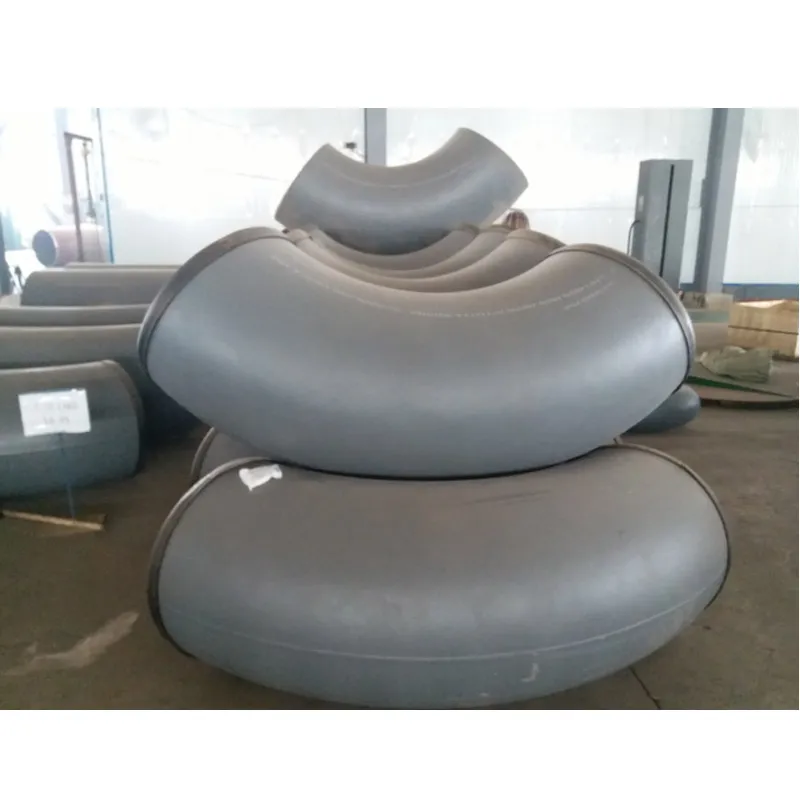
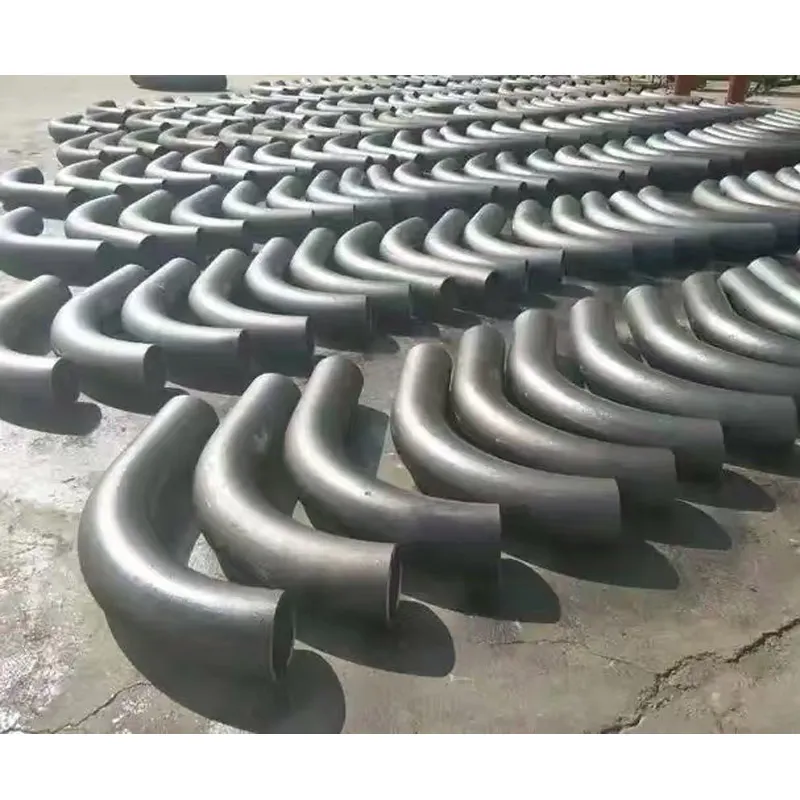
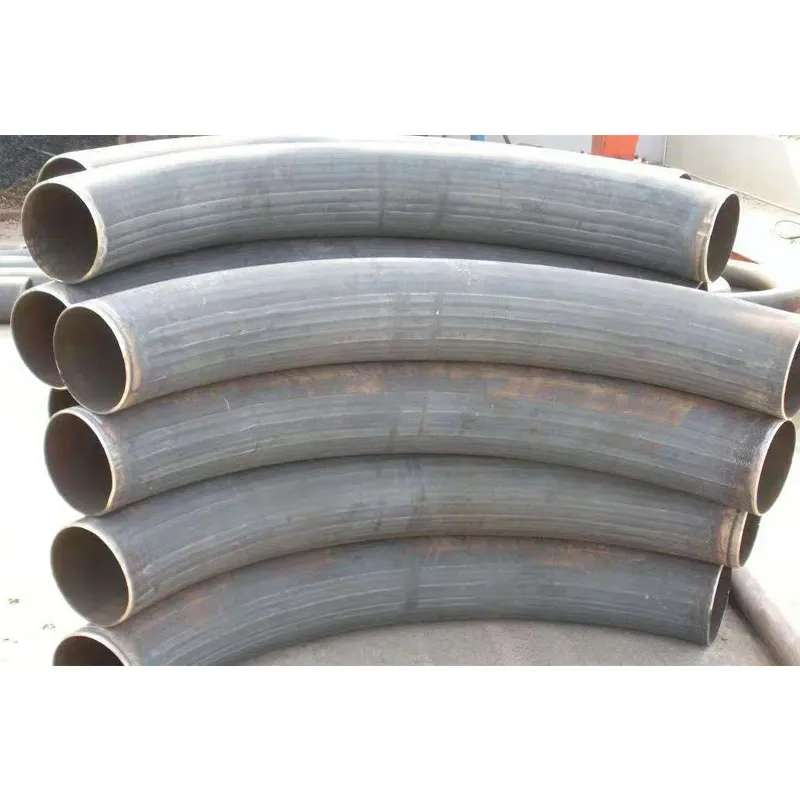
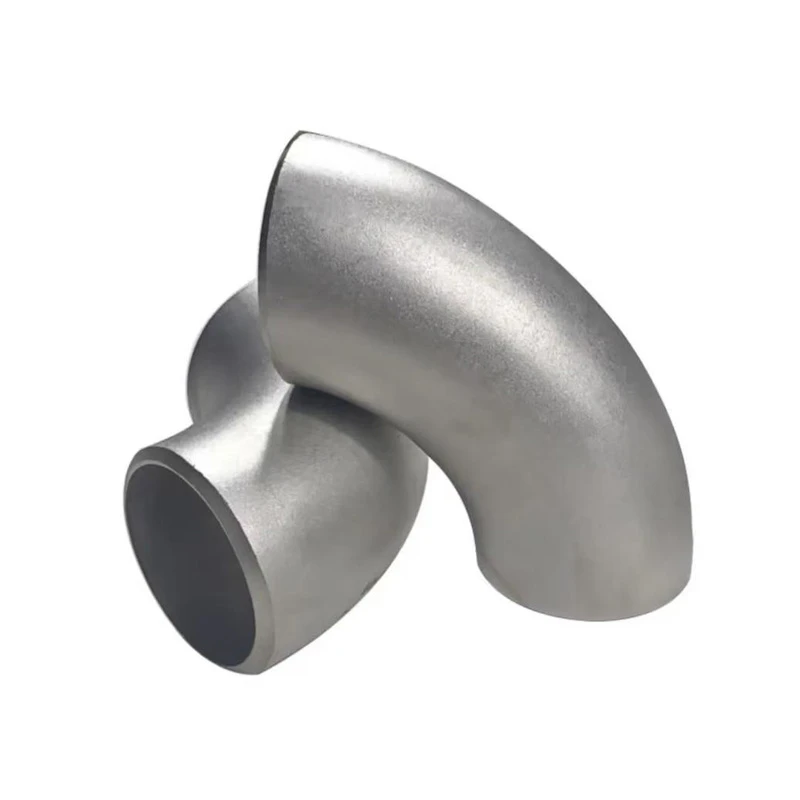
Bend is a crucial pipe fitting used to change the direction of flow in a piping system. It allows for smooth transitions between sections of pipe, accommodating layout constraints, avoiding obstacles, and optimizing flow paths. Bends are designed to maintain the fluid's velocity and minimize pressure loss while providing the necessary angle of deviation. They are commonly used in various industries, including oil and gas, petrochemicals, water supply, and HVAC systems.
dalintis:
Bend Product Introduction

Bends are fittings used to change the direction of pipelines by bending straight pipes to specific angles. They play a crucial role in connecting pipelines of different orientations, changing fluid flow direction, buffering pipeline stress, and adapting to spatial constraints. Bends are widely used in industries such as petroleum, natural gas, and power. Common materials include pipeline steel, and bends are primarily formed through medium-frequency heating. Bends adhere to international standards such as ISO 15590-1-2018 and ASME B16.49-2017.

Bend Features

Reduces Pipeline Resistance: Ensures smooth fluid transition at bends, reducing turbulence and vortex phenomena, thereby lowering flow resistance and pressure loss.

Strong Spatial Adaptability: Can be made into various angles and radii to adapt to complex spatial structures.

Good Stability: The bent portion of the pipe is structurally stable, preventing deformation or displacement in the piping system.


Available in a wide range of materials like carbon steel, stainless steel, and alloys, bends are fabricated to meet the specific needs of each application, ensuring reliability and durability under high pressure, temperature, and corrosive conditions. Bends come in various angles, such as 90°, 45°, or custom degrees, and can be manufactured through processes like hot or cold bending, depending on the required specifications. This adaptability makes them suitable for a wide range of configurations, including tight or large radius bends, ensuring efficient fluid flow in any system design.


One of the primary advantages of using bends in a piping system is their ability to preserve the flow dynamics of the system while altering the direction. Unlike fittings like elbows, which may induce more pressure loss, bends are engineered to provide smoother transitions with less turbulence, ensuring minimal disruption to fluid or gas flow. Whether for intricate installations or large-scale infrastructure projects, bends offer a dependable, cost-effective solution for directing and routing pipes effectively and efficiently.

Characteristics of Stainless Steel Bend

  • 01
    Highly Adaptable Materials

    Highly Adaptable Materials

    Bend pipes can be made of various materials such as carbon steel, stainless steel, and alloys, and manufactured through processes such as hot bending or cold bending, suitable for various environments.
  • 02
    Strong Spatial Adaptability

    Strong Spatial Adaptability

    Bend pipes can be manufactured at different angles and radii as needed to adapt to complex spatial structures and ensure flexibility in pipeline layout.
  • 03
    Good Stability

    Geras Stabilumas

    The curved part of the bend pipe has strong structural stability and can effectively prevent deformation or displacement in the pipeline system.
  • 04
    Reduce Pipeline Resistance

    Reduce Pipeline Resistance

    Bending pipes can ensure a smooth transition of fluid at turning points, reduce turbulence and vortex phenomena, thereby reducing flow resistance and pressure loss.
SUSISIEKITE MUMS
  • Tee Pipe

    Tee vamzdis

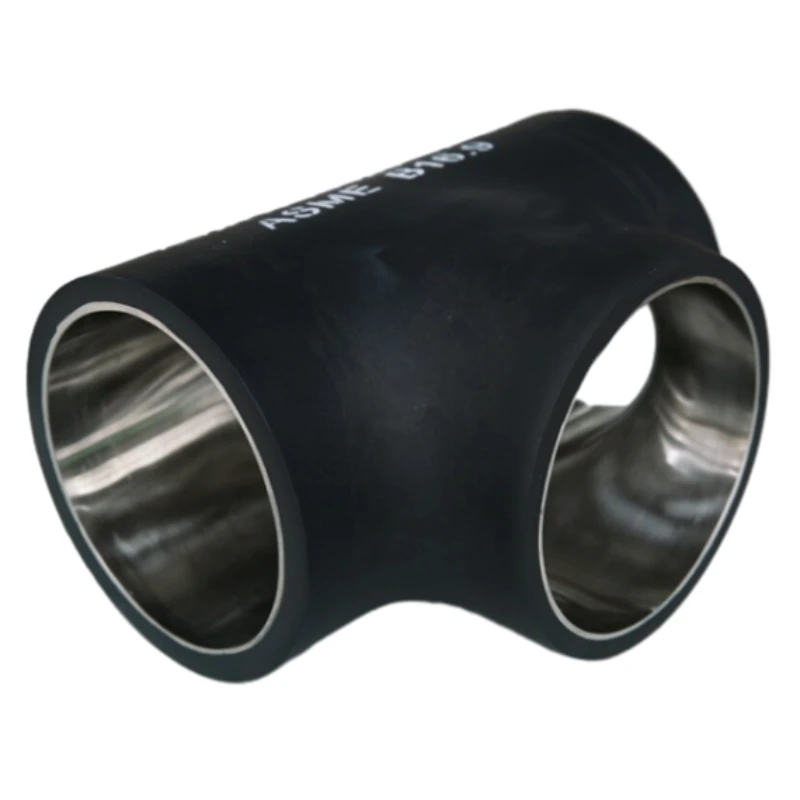
    Tee products are essential pipe fittings used to connect three sections of piping, forming a "T" shape. Available in various materials like carbon steel, stainless steel, and alloy steel, they are designed for use in systems requiring the diversion or junction of fluid flow.
    PERŽIŪRĖTI VISUS
  • Reducer

    Reduktorius

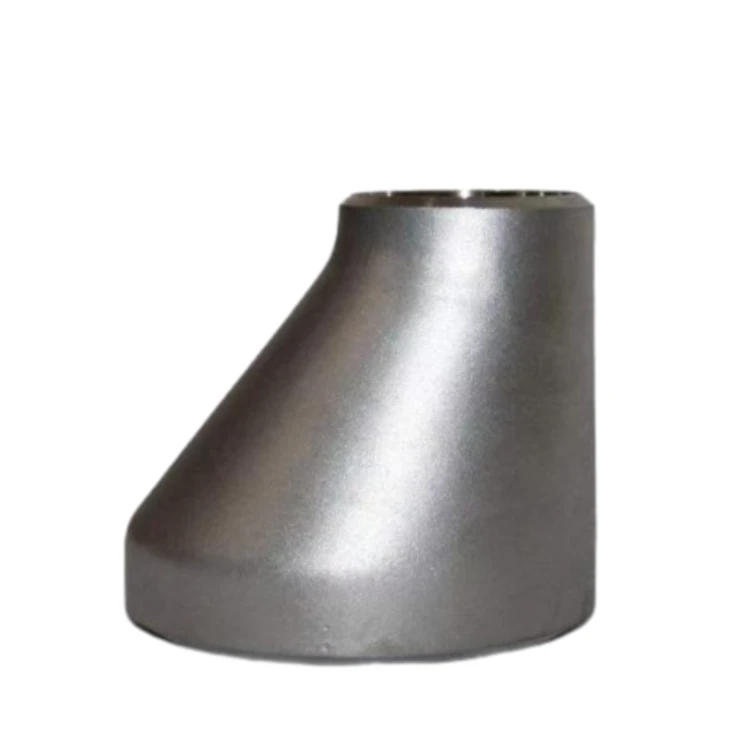
    Reduktorius yra vamzdžių jungtis, naudojama skirtingo skersmens vamzdžiams sujungti, palengvinant sklandų perėjimą tarp skirtingo srauto pajėgumų vamzdynų sistemose. Koncentrinės ir ekscentrinės konstrukcijos reduktoriai padeda išlaikyti optimalų srauto efektyvumą ir sumažina slėgio nuostolius ir turbulenciją.
    PERŽIŪRĖTI VISUS
  • Elbow

    Alkūnė

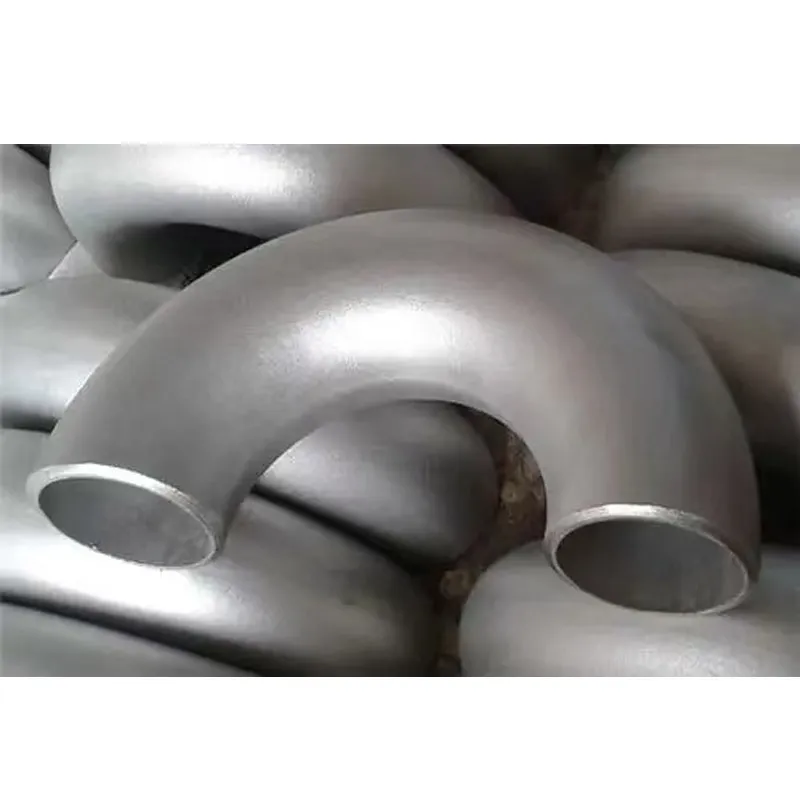
    Carbon Steel &stainless Steel Elbow Elbows are pipe fittings used to change the direction of pipelines in piping systems, commonly employed at pipeline bends. They are widely used in industries such as petroleum, chemical, and power. The common size range for elbows is DN15-DN2000, and typical angles include 45°, 90°, and 180°.
    PERŽIŪRĖTI VISUS

Accurately Build Each Bend Pipe.

We rely on exquisite technology, perfectly adapt to complex pipelines, and help the project to advance efficiently.
Naujienos
Įmonė gaminių kokybę vertina kaip įmonės gyvenimą, sukuria patikimą kokybės valdymo sistemą, atitinkančią pramonės ir nacionalinių standartų reikalavimus, kontroliuoja visus įvesties ir išvesties aspektus visame procese, atkreipia dėmesį į kiekvieną smulkmeną ir užtikrina, kad produkto pristatymo rodiklis būtų 100%.
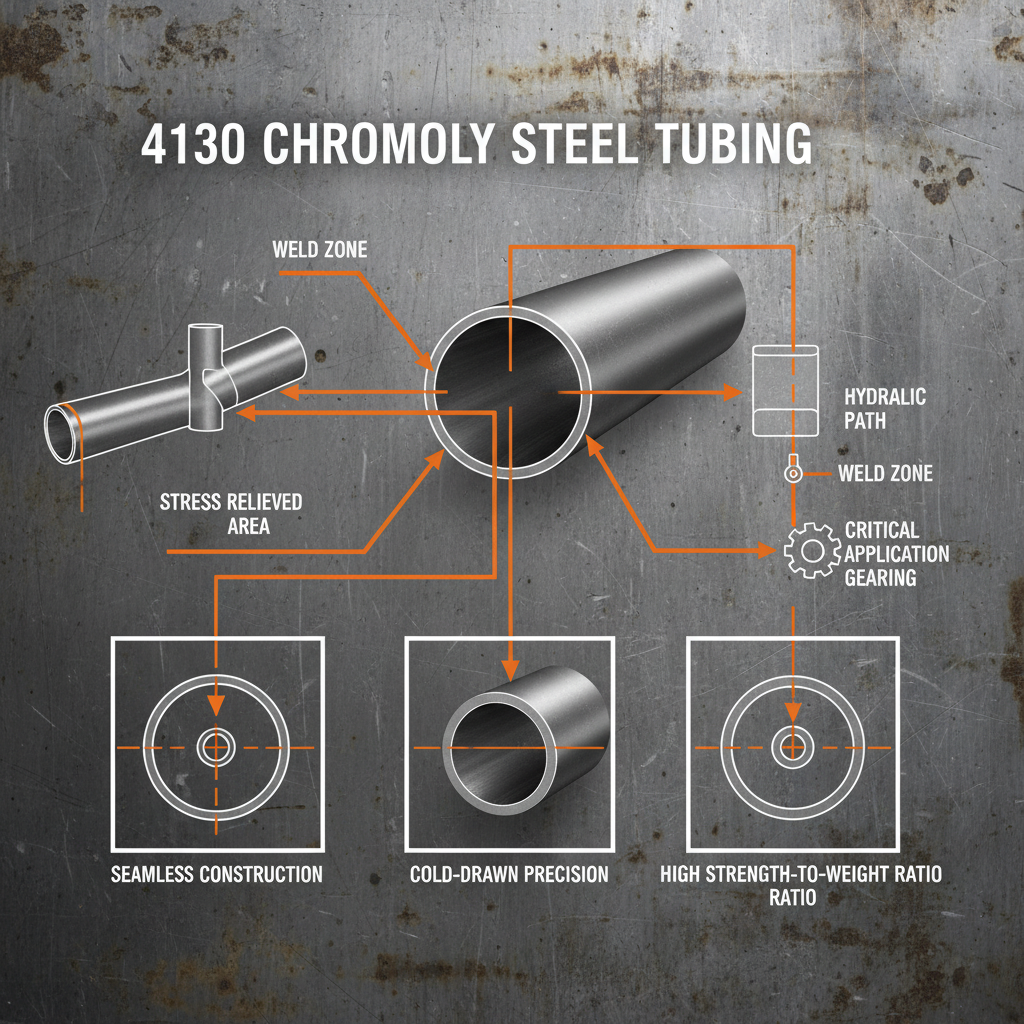
Comprehensive Guide to 4 Inch Steel Tubing Applications and Selection

Comprehensive Guide to 4 Inch Steel Tubing Applications and Selection

Mar.14,2026
4 inch steel tubing is a versatile material widely utilized across various industries, from construction and manufacturing to automotive and infrastructure. Its strength, durability, and cost-effectiveness make it a preferred choice for numerous applications. This article delves into the characteristics, applications, different types, and considerations when purchasing 4 inch steel tubing, offering a detailed overview for professionals and anyone seeking a deeper understanding of this essential material. Selecting the appropriate steel tubing can significantly impact the performance and longevity of your project. 4 inch steel tubing refers to hollow steel sections with an outer diameter of 4 inches. It’s commonly manufactured through processes like welding, seamless extrusion, or cold drawing. This tubing offers a high strength-to-weight ratio, making it ideal for structural applications.
Comprehensive Guide to 4 Inch Steel Pipe Applications and Specifications

Comprehensive Guide to 4 Inch Steel Pipe Applications and Specifications

Mar.12,2026
4 inch steel pipe is a fundamental component in a vast array of industries, from construction and infrastructure to oil & gas and water management. Its robust nature, durability, and cost-effectiveness make it a preferred choice for conveying fluids and gases. This article will explore the various applications of 4 inch steel pipe, delve into its specifications, and offer guidance on sourcing high-quality pipes from a reliable supplier like Lion Pipeline. Choosing the right steel pipe is crucial for the longevity and safety of your projects, so understanding its properties and uses is essential. The versatility of 4 inch steel pipe allows it to be utilized in numerous applications. In the construction industry, it is frequently used for structural supports, fencing, and handrails. The oil and gas sector relies heavily on these pipes for transporting crude oil, natural gas, and refined products. Water treatment facilities employ them for water distribution and wastewater management. Furthermore, they find application in irrigation systems, fire protection systems, and even in the manufacturing of furniture and other industrial equipment. Its strength and ability to withstand high pressures make it a dependable solution across diverse sectors.
Comprehensive Guide to 4 Inch Stainless Steel Pipe Properties and Applications

Comprehensive Guide to 4 Inch Stainless Steel Pipe Properties and Applications

Mar.11,2026
When sourcing materials for fluid transfer, structural support, or various industrial applications, 4 inch stainless steel pipe stands out as a versatile and reliable choice. This article provides a detailed overview of its properties, applications, grades, and considerations for optimal use. We’ll explore why stainless steel is often preferred over other materials and how to select the right pipe for your specific needs. Choosing the correct piping system is crucial for ensuring efficiency, safety, and longevity in any project. Stainless steel pipes, particularly those with a 4-inch diameter, possess a unique combination of properties that make them ideal for a wide range of applications. Corrosion resistance is paramount, thanks to the chromium content in the alloy, which forms a protective layer against environmental factors. High tensile strength and durability ensure longevity, even under pressure or demanding conditions. They also exhibit excellent temperature resistance, making them suitable for both high and low-temperature applications. Furthermore, stainless steel is hygienic and easy to clean, which is vital in industries like food processing and pharmaceuticals. The smooth internal surface minimizes friction loss, optimizing flow efficiency.
Comprehensive Guide to Durable 4 Inch Stainless Steel Exhaust Pipe Systems

Comprehensive Guide to Durable 4 Inch Stainless Steel Exhaust Pipe Systems

Mar.10,2026
When it comes to exhaust systems for vehicles, machinery, or industrial applications, the choice of materials and dimensions is critical. A 4 inch stainless steel exhaust pipe offers a compelling combination of durability, corrosion resistance, and performance. This article provides an in-depth look at the benefits, applications, and considerations when selecting this type of piping. We’ll explore why Lion Pipeline is a trusted source for high-quality stainless steel exhaust pipes. Choosing the right exhaust system component can significantly impact overall system efficiency and longevity. A 4 inch stainless steel exhaust pipe provides several advantages over other materials like aluminized steel or carbon steel. Stainless steel's inherent corrosion resistance is a major benefit, especially in harsh environments where exposure to moisture, salt, and chemicals is common. Its strength and durability ensure a long service life, reducing the need for frequent replacements.
Comprehensive Guide to 4 Inch Stainless Pipe Applications and Benefits

Comprehensive Guide to 4 Inch Stainless Pipe Applications and Benefits

Mar.09,2026
When selecting piping for a project, especially in industries demanding corrosion resistance and durability, 4 inch stainless pipe is a frequently considered option. This article provides a comprehensive overview of this type of piping, its applications, benefits, and key factors to consider when purchasing. We will delve into the various grades of stainless steel used, common applications, and why choosing a reputable supplier like Lion Pipeline is crucial for ensuring quality and compliance. Stainless steel pipes offer longevity and reduce maintenance, making them a cost-effective solution in the long run. 4 inch stainless steel pipe is renowned for its exceptional corrosion resistance, making it ideal for handling a wide variety of fluids and gases. Unlike carbon steel, stainless steel forms a passive layer of chromium oxide on its surface, protecting it from rust and corrosion. This is particularly important in harsh environments like those found in chemical processing, wastewater treatment, and marine applications. Furthermore, stainless steel pipes offer high strength and durability, capable of withstanding high pressures and temperatures.
Comprehensive Guide to 4 Inch Round Steel Tubing for Global Trade and Applications

Comprehensive Guide to 4 Inch Round Steel Tubing for Global Trade and Applications

Mar.08,2026
4 inch round steel tubing is a versatile structural component widely used across numerous industries, from construction and manufacturing to automotive and agriculture. Its strength, durability, and relatively lightweight nature make it an ideal choice for a wide range of applications. For businesses involved in international steel trading, understanding the nuances of this particular tubing is crucial for meeting client demands and ensuring successful transactions. This article will provide a comprehensive overview of 4 inch round steel tubing, covering its specifications, applications, common standards, and considerations for efficient global sourcing. The term “4 inch round steel tubing” refers to steel pipes with an outer diameter of four inches and a circular cross-section. These tubes are manufactured through various processes, including welding, drawing, and seamless extrusion. The choice of manufacturing method significantly impacts the tube’s strength, precision, and cost. Common steel grades used for 4 inch round steel tubing include A53, A106 (for higher temperature applications), and 1018 carbon steel. Wall thickness varies depending on the application, commonly ranging from schedule 40 to schedule 80, influencing the tube’s load-bearing capacity and weight. Understanding these factors is essential when sourcing steel tubing from international suppliers.
tel email tel top

Jei jus domina mūsų produktai, galite palikti savo informaciją čia ir mes su jumis susisieksime artimiausiu metu.