tel
Email
to top

Flange Varieties in Industrial Applications: A Comprehensive Overview

Geg 29 2025
dalintis:

Flanges are crucial components in various industrial systems, playing a vital role in connecting pipes, valves, and equipment. Different types of flanges are designed to meet specific operational requirements, offering varying levels of strength, sealing capabilities, and ease of installation. This exploration delves into a range of flanges, including gate valve flange typegearbox flangegi flangegrayloc flange, and grinding wheel flange, uncovering their unique features, applications, and significance within different industries.
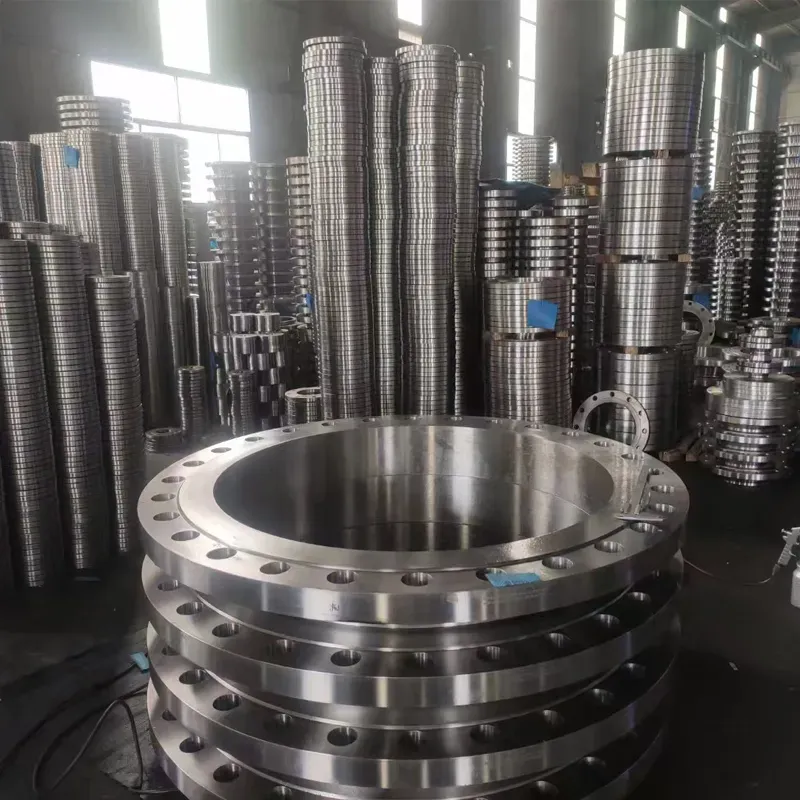
 

Flange Varieties in Industrial Applications: A Comprehensive Overview


Gate Valve Flange Type: Ensuring Secure Valve - Pipe Connections


In the realm of pipeline systems, the gate valve flange type stands out as a key element for connecting gate valves to pipes. These flanges are engineered to provide a reliable and leak - proof connection, enabling the efficient control of fluid flow through the valve. A gate valve flange type typically features a flat or raised face, which mates with a corresponding flange on the pipe. The flange is bolted together, compressing a gasket between the two faces to create a tight seal. This type of flange is commonly used in industries such as oil and gas, water treatment, and chemical processing, where the secure operation of gate valves is essential for maintaining the integrity of the system. For instance, in an oil refinery, gate valve flange types ensure that the valves can withstand high - pressure and high - temperature conditions, preventing any leakage of potentially hazardous fluids.


Gearbox Flange: Integrating Power Transmission Components


The gearbox flange serves as a critical interface in mechanical systems that involve power transmission. It is used to connect the gearbox to other components such as motors, shafts, or housings. Gearbox flanges are designed to withstand the torque and forces generated during the operation of the gearbox, ensuring smooth and reliable power transfer. These flanges often have precise hole patterns and surface finishes to ensure proper alignment and secure attachment. In automotive applications, for example, a gearbox flange connects the transmission gearbox to the engine, facilitating the transfer of power from the engine to the wheels. In industrial machinery, gearbox flanges are essential for integrating different parts of the equipment, allowing for the efficient operation of complex mechanical systems.


 GI Flange: Corrosion - Resistant and Versatile


GI flange, or galvanized iron flange, is highly valued for its corrosion - resistant properties. The galvanization process, which involves coating the iron flange with a layer of zinc, provides excellent protection against rust and other forms of corrosion. This makes GI flanges suitable for use in a wide range of applications, especially in environments where moisture and exposure to the elements are common. In plumbing systems, GI flanges are often used to connect pipes, ensuring a long - lasting and reliable connection. They are also used in outdoor industrial installations, such as water supply systems for construction sites or irrigation systems in agriculture. The durability and versatility of GI flanges make them a popular choice for many projects where resistance to corrosion is a key requirement.


Grayloc Flange: Quick - Connect and High - Performance Solution


The grayloc flange offers a unique and efficient solution for pipe connections. It is a type of mechanical connector that provides a quick - connect feature, allowing for rapid assembly and disassembly of pipes. Grayloc flanges use a proprietary locking mechanism that creates a secure and leak - tight connection without the need for traditional bolting. This makes them ideal for applications where time - saving and ease of maintenance are crucial, such as in offshore oil and gas platforms or in emergency repair situations. The high - performance nature of grayloc flanges also enables them to withstand high pressures and harsh environmental conditions. Their ability to provide a reliable connection in a short amount of time has made them increasingly popular in industries that require frequent pipe connections and disconnections.


Grinding Wheel Flange: Ensuring Safety and Precision in Grinding Operations


In the field of machining and metalworking, the grinding wheel flange plays a vital role in holding the grinding wheel securely in place during operation. These flanges are designed to provide the necessary clamping force to prevent the wheel from slipping or coming loose, which could lead to serious safety hazards. Grinding wheel flanges are typically made of high - strength materials and have a specific design that ensures even distribution of the clamping force across the wheel. They also help in maintaining the balance of the grinding wheel, which is essential for achieving precise and accurate grinding results. In a manufacturing facility, a properly installed grinding wheel flange ensures that the grinding process can be carried out smoothly and safely, producing high - quality finished products.


FAQs about Industrial Flanges


How to Select the Appropriate Flange for a Specific Application?


Selecting the right flange, whether it's a gate valve flange typegearbox flangegi flangegrayloc flange, or grinding wheel flange, depends on several factors. First, consider the operating conditions such as pressure, temperature, and the nature of the fluid or material being handled. For high - pressure applications, flanges with higher pressure ratings are required. Corrosive environments call for corrosion - resistant flanges like GI flanges. Also, take into account the type of connection required, such as quick - connect for grayloc flanges or a more traditional bolted connection for gate valve flanges. Additionally, the compatibility of the flange with other components in the system and the ease of installation and maintenance are important considerations.


What Are the Maintenance Requirements for Different Flange Types?


Maintenance requirements vary for different flanges. For gate valve flange type and gearbox flange, regular inspection of bolts and gaskets is essential to ensure a tight seal and prevent leakage. Bolts should be checked for tightness and replaced if they show signs of wear or corrosion. Gaskets may need to be replaced periodically, especially in high - stress or high - temperature applications. GI flanges benefit from periodic cleaning to remove any dirt or debris that could potentially damage the zinc coating. Grayloc flanges should be inspected for any signs of damage to the locking mechanism and cleaned to ensure smooth operation. Grinding wheel flanges need to be checked for proper alignment and clamping force before each use, and any signs of wear or damage should be addressed immediately to ensure safety.


Can Flanges Be Interchanged between Different Systems?


In general, flanges are designed to be compatible with specific systems and components, and interchanging them without proper consideration can lead to problems. Different flanges have different dimensions, pressure ratings, and connection types. For example, a gate valve flange type may not be suitable for use in a gearbox application. However, in some cases, if the flanges have the same dimensions, pressure ratings, and are designed for similar operating conditions, they may be interchangeable. It is crucial to consult the manufacturer's specifications and guidelines before attempting to interchange flanges to ensure the safety and proper functioning of the system.
  • Carbon Semless Steel Pipes

    Besiūliai anglies plieno vamzdžiai

    Carbon Seamless Steel Pipes are made from high-quality carbon steel and manufactured without welded seams, offering exceptional strength, durability, and resistance to pressure. These pipes are ideal for a wide range of applications, including oil and gas pipelines, construction, automotive, and fluid transportation systems. The seamless design ensures uniformity, higher structural integrity, and improved performance under high pressure and temperature conditions.
    PERŽIŪRĖTI VISUS
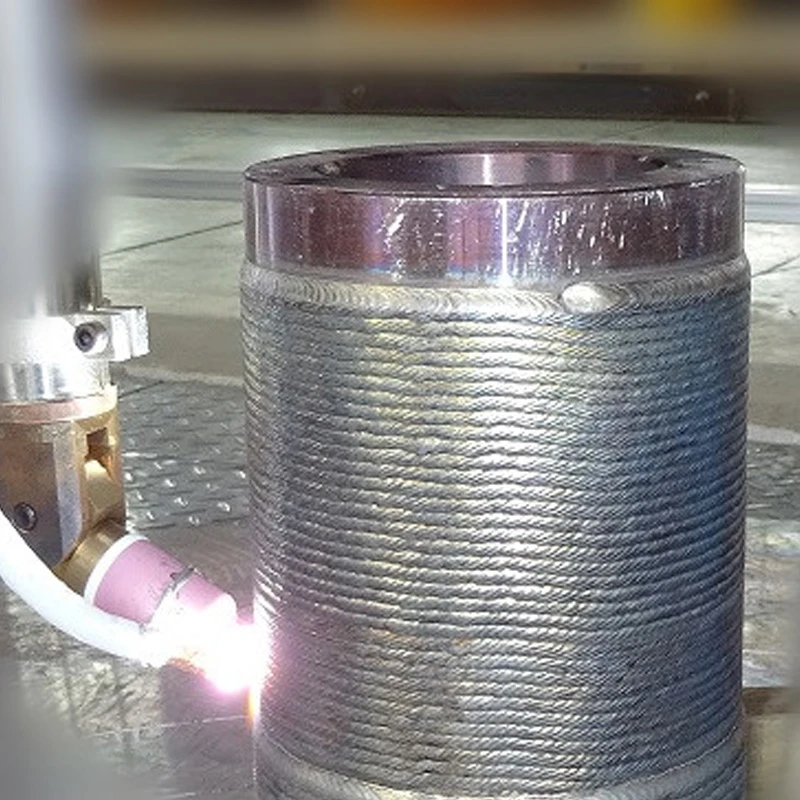
  • Overlay Welding Clad Steel Pipe

    Overlay Welding Clad Steel Pipe

    Overlay Welding clad Steel Pipe features a high-performance welded overlay that enhances the pipe’s surface properties, providing superior resistance to corrosion, erosion, and wear. This process involves applying a wear-resistant alloy layer over a strong steel base, making it ideal for industries such as oil and gas, mining, and chemical processing, where pipes are exposed to harsh conditions. The overlay ensures extended service life, reduced maintenance costs, and reliable performance even in extreme environments. With its combination of strength, durability, and corrosion resistance, the Overlay Welding Steel Pipe is a trusted solution for critical applications.
    PERŽIŪRĖTI VISUS
  • Bend Pipe

    Sulenkite vamzdį

    Bend is a crucial pipe fitting used to change the direction of flow in a piping system. It allows for smooth transitions between sections of pipe, accommodating layout constraints, avoiding obstacles, and optimizing flow paths. Bends are designed to maintain the fluid's velocity and minimize pressure loss while providing the necessary angle of deviation. They are commonly used in various industries, including oil and gas, petrochemicals, water supply, and HVAC systems.
    PERŽIŪRĖTI VISUS
Kurti vertę klientams!
„Cangzhou Leo Technology Co., Ltd.“ yra Mengcun apygardos ekonominės plėtros zonoje, Cangzhou mieste, Hebėjaus provincijoje. Tai specializuota aukštųjų technologijų įmonė, kuri integruoja sudėtinių vamzdžių ir jungiamųjų detalių tyrimus ir plėtrą, gamybą ir pardavimą.
Naujienos
Įmonė gaminių kokybę vertina kaip įmonės gyvenimą, sukuria patikimą kokybės valdymo sistemą, atitinkančią pramonės ir nacionalinių standartų reikalavimus, kontroliuoja visus įvesties ir išvesties aspektus visame procese, atkreipia dėmesį į kiekvieną smulkmeną ir užtikrina, kad produkto pristatymo rodiklis būtų 100%.
Comprehensive Guide to 4 Inch Steel Tubing Applications and Selection

Comprehensive Guide to 4 Inch Steel Tubing Applications and Selection

4 inch steel tubing is a versatile material widely utilized across various industries, from construction and manufacturing to automotive and infrastructure. Its strength, durability, and cost-effectiveness make it a preferred choice for numerous applications. This article delves into the characteristics, applications, different types, and considerations when purchasing 4 inch steel tubing, offering a detailed overview for professionals and anyone seeking a deeper understanding of this essential material. Selecting the appropriate steel tubing can significantly impact the performance and longevity of your project. 4 inch steel tubing refers to hollow steel sections with an outer diameter of 4 inches. It’s commonly manufactured through processes like welding, seamless extrusion, or cold drawing. This tubing offers a high strength-to-weight ratio, making it ideal for structural applications.
Comprehensive Guide to 4 Inch Steel Pipe Applications and Specifications

Comprehensive Guide to 4 Inch Steel Pipe Applications and Specifications

4 inch steel pipe is a fundamental component in a vast array of industries, from construction and infrastructure to oil & gas and water management. Its robust nature, durability, and cost-effectiveness make it a preferred choice for conveying fluids and gases. This article will explore the various applications of 4 inch steel pipe, delve into its specifications, and offer guidance on sourcing high-quality pipes from a reliable supplier like Lion Pipeline. Choosing the right steel pipe is crucial for the longevity and safety of your projects, so understanding its properties and uses is essential. The versatility of 4 inch steel pipe allows it to be utilized in numerous applications. In the construction industry, it is frequently used for structural supports, fencing, and handrails. The oil and gas sector relies heavily on these pipes for transporting crude oil, natural gas, and refined products. Water treatment facilities employ them for water distribution and wastewater management. Furthermore, they find application in irrigation systems, fire protection systems, and even in the manufacturing of furniture and other industrial equipment. Its strength and ability to withstand high pressures make it a dependable solution across diverse sectors.
Comprehensive Guide to 4 Inch Stainless Steel Pipe Properties and Applications

Comprehensive Guide to 4 Inch Stainless Steel Pipe Properties and Applications

When sourcing materials for fluid transfer, structural support, or various industrial applications, 4 inch stainless steel pipe stands out as a versatile and reliable choice. This article provides a detailed overview of its properties, applications, grades, and considerations for optimal use. We’ll explore why stainless steel is often preferred over other materials and how to select the right pipe for your specific needs. Choosing the correct piping system is crucial for ensuring efficiency, safety, and longevity in any project. Stainless steel pipes, particularly those with a 4-inch diameter, possess a unique combination of properties that make them ideal for a wide range of applications. Corrosion resistance is paramount, thanks to the chromium content in the alloy, which forms a protective layer against environmental factors. High tensile strength and durability ensure longevity, even under pressure or demanding conditions. They also exhibit excellent temperature resistance, making them suitable for both high and low-temperature applications. Furthermore, stainless steel is hygienic and easy to clean, which is vital in industries like food processing and pharmaceuticals. The smooth internal surface minimizes friction loss, optimizing flow efficiency.
Comprehensive Guide to Durable 4 Inch Stainless Steel Exhaust Pipe Systems

Comprehensive Guide to Durable 4 Inch Stainless Steel Exhaust Pipe Systems

When it comes to exhaust systems for vehicles, machinery, or industrial applications, the choice of materials and dimensions is critical. A 4 inch stainless steel exhaust pipe offers a compelling combination of durability, corrosion resistance, and performance. This article provides an in-depth look at the benefits, applications, and considerations when selecting this type of piping. We’ll explore why Lion Pipeline is a trusted source for high-quality stainless steel exhaust pipes. Choosing the right exhaust system component can significantly impact overall system efficiency and longevity. A 4 inch stainless steel exhaust pipe provides several advantages over other materials like aluminized steel or carbon steel. Stainless steel's inherent corrosion resistance is a major benefit, especially in harsh environments where exposure to moisture, salt, and chemicals is common. Its strength and durability ensure a long service life, reducing the need for frequent replacements.
Comprehensive Guide to 4 Inch Stainless Pipe Applications and Benefits

Comprehensive Guide to 4 Inch Stainless Pipe Applications and Benefits

When selecting piping for a project, especially in industries demanding corrosion resistance and durability, 4 inch stainless pipe is a frequently considered option. This article provides a comprehensive overview of this type of piping, its applications, benefits, and key factors to consider when purchasing. We will delve into the various grades of stainless steel used, common applications, and why choosing a reputable supplier like Lion Pipeline is crucial for ensuring quality and compliance. Stainless steel pipes offer longevity and reduce maintenance, making them a cost-effective solution in the long run. 4 inch stainless steel pipe is renowned for its exceptional corrosion resistance, making it ideal for handling a wide variety of fluids and gases. Unlike carbon steel, stainless steel forms a passive layer of chromium oxide on its surface, protecting it from rust and corrosion. This is particularly important in harsh environments like those found in chemical processing, wastewater treatment, and marine applications. Furthermore, stainless steel pipes offer high strength and durability, capable of withstanding high pressures and temperatures.
Comprehensive Guide to 4 Inch Round Steel Tubing for Global Trade and Applications

Comprehensive Guide to 4 Inch Round Steel Tubing for Global Trade and Applications

4 inch round steel tubing is a versatile structural component widely used across numerous industries, from construction and manufacturing to automotive and agriculture. Its strength, durability, and relatively lightweight nature make it an ideal choice for a wide range of applications. For businesses involved in international steel trading, understanding the nuances of this particular tubing is crucial for meeting client demands and ensuring successful transactions. This article will provide a comprehensive overview of 4 inch round steel tubing, covering its specifications, applications, common standards, and considerations for efficient global sourcing. The term “4 inch round steel tubing” refers to steel pipes with an outer diameter of four inches and a circular cross-section. These tubes are manufactured through various processes, including welding, drawing, and seamless extrusion. The choice of manufacturing method significantly impacts the tube’s strength, precision, and cost. Common steel grades used for 4 inch round steel tubing include A53, A106 (for higher temperature applications), and 1018 carbon steel. Wall thickness varies depending on the application, commonly ranging from schedule 40 to schedule 80, influencing the tube’s load-bearing capacity and weight. Understanding these factors is essential when sourcing steel tubing from international suppliers.
tel email tel top

Jei jus domina mūsų produktai, galite palikti savo informaciją čia ir mes su jumis susisieksime artimiausiu metu.