tel
Email
to top

Types of Pipe Fittings

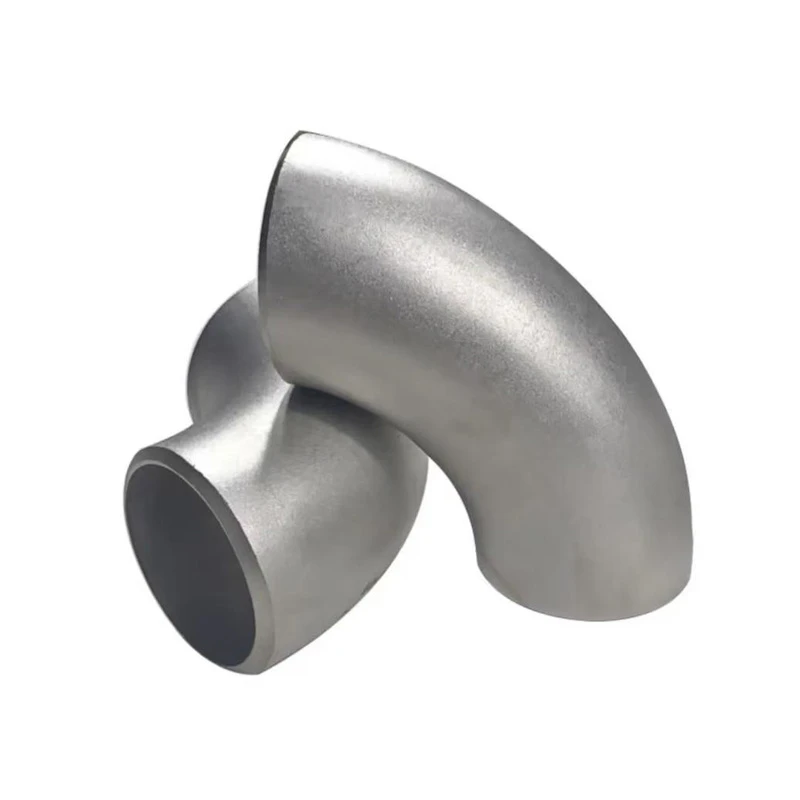
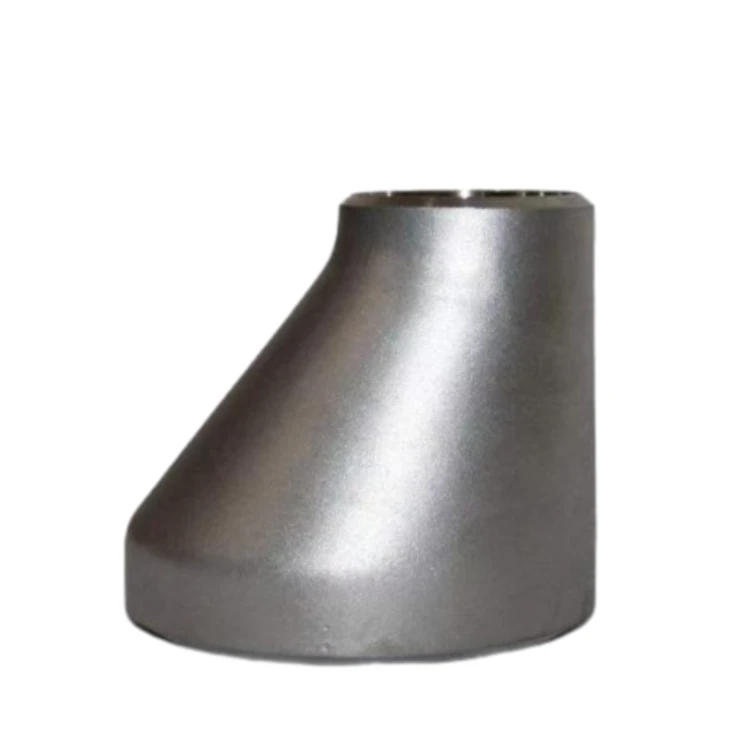
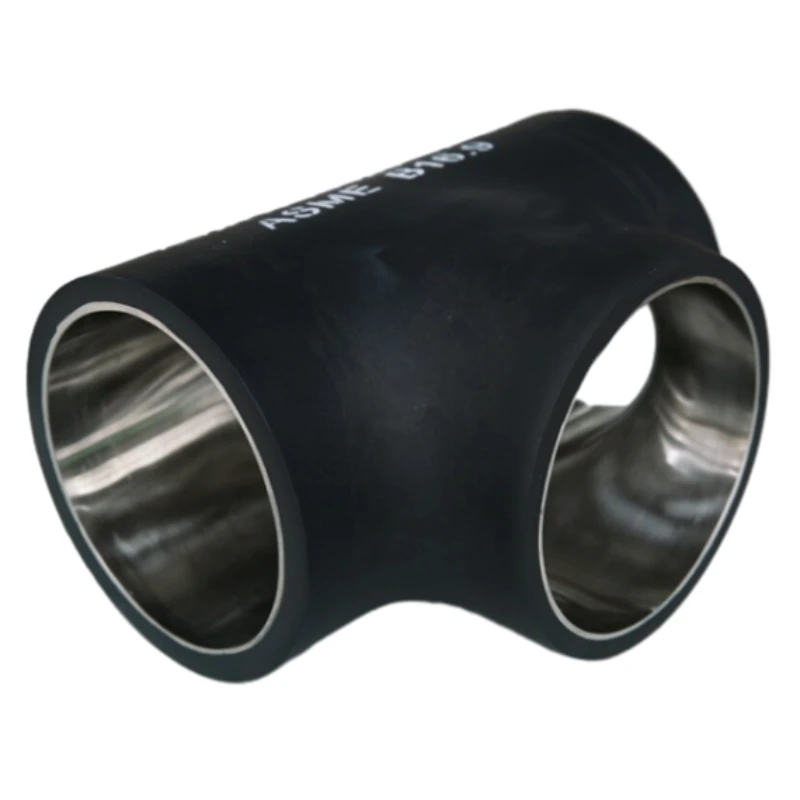
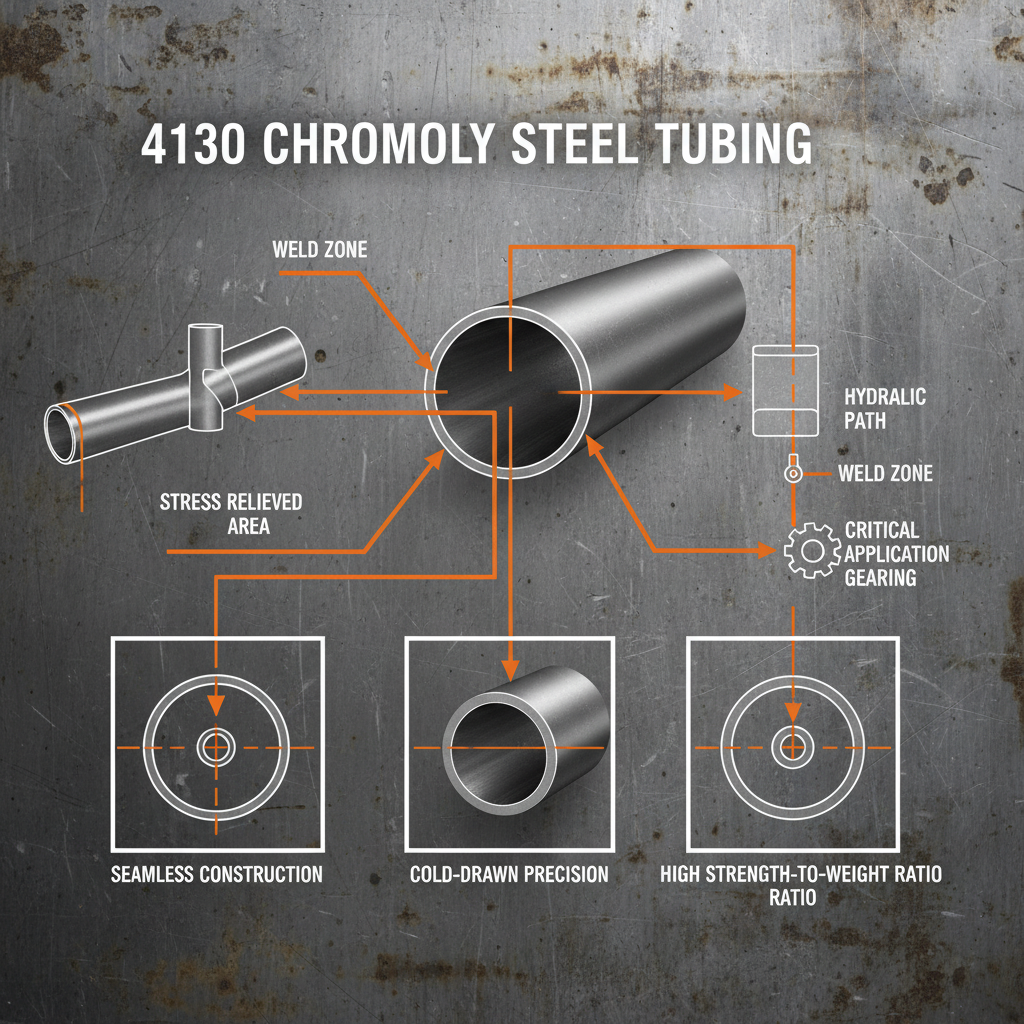
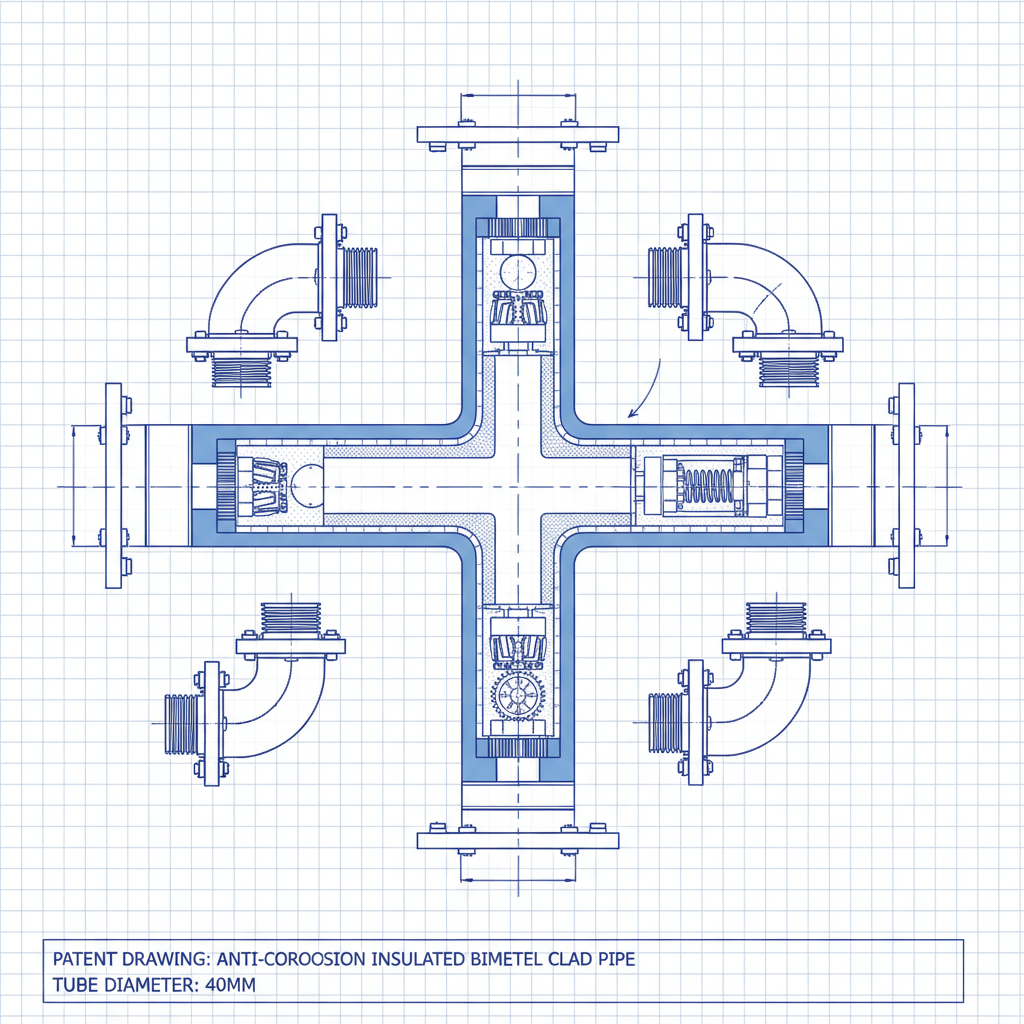
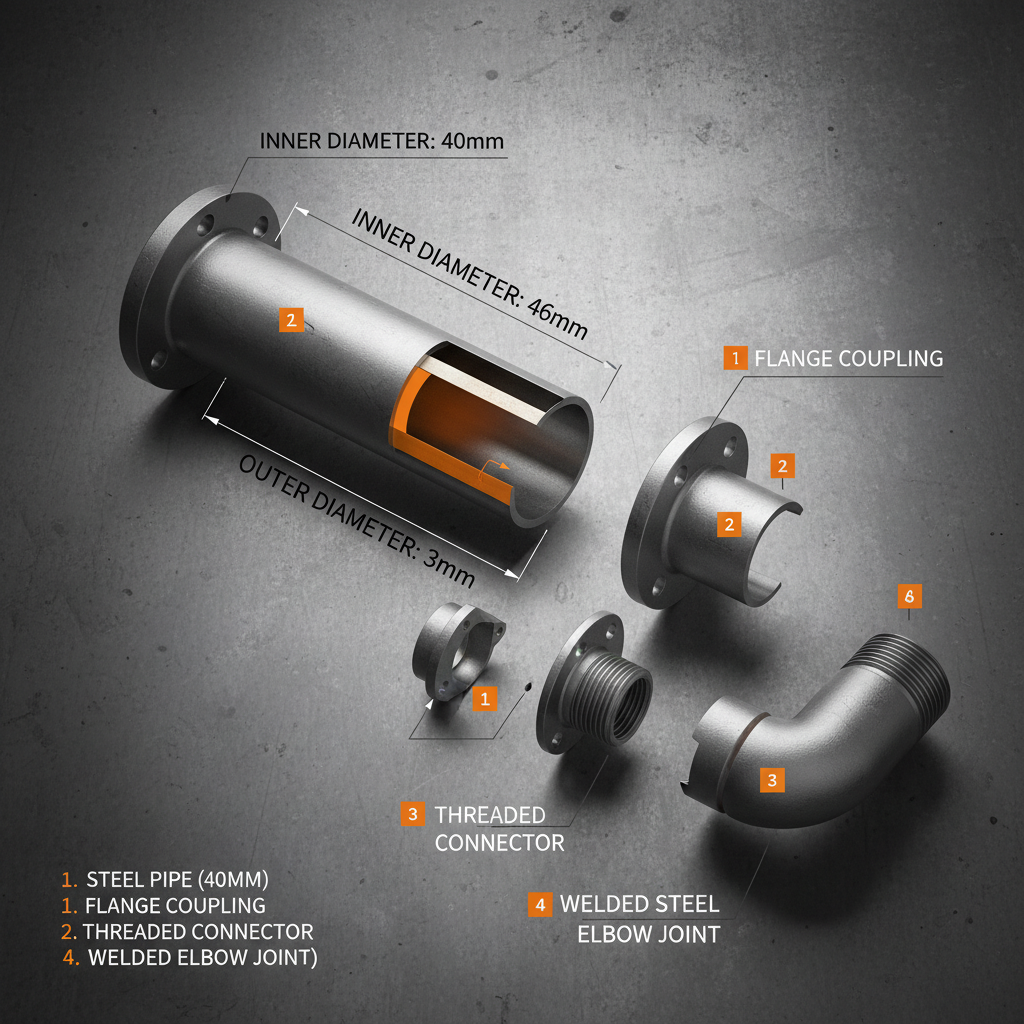
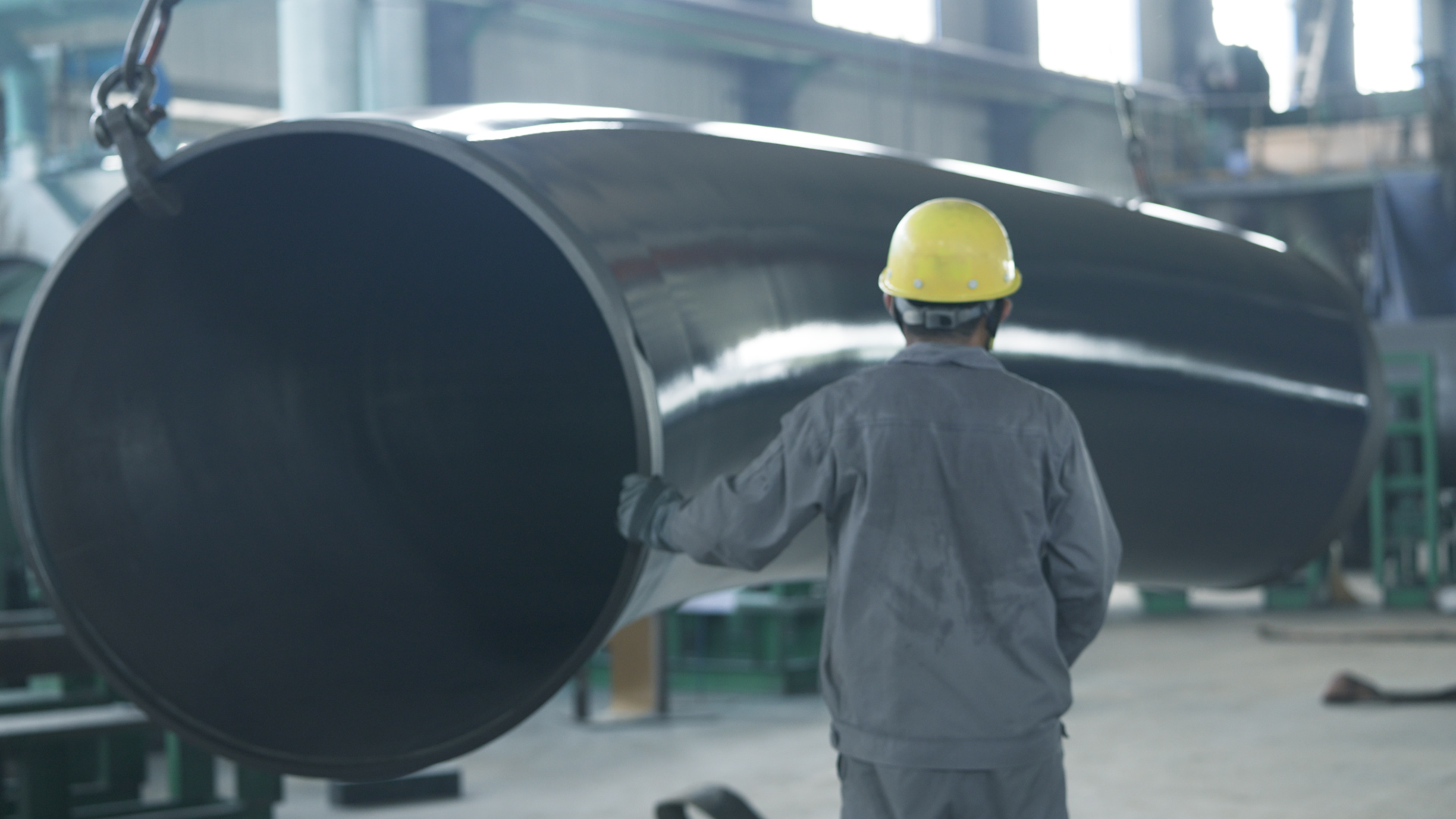
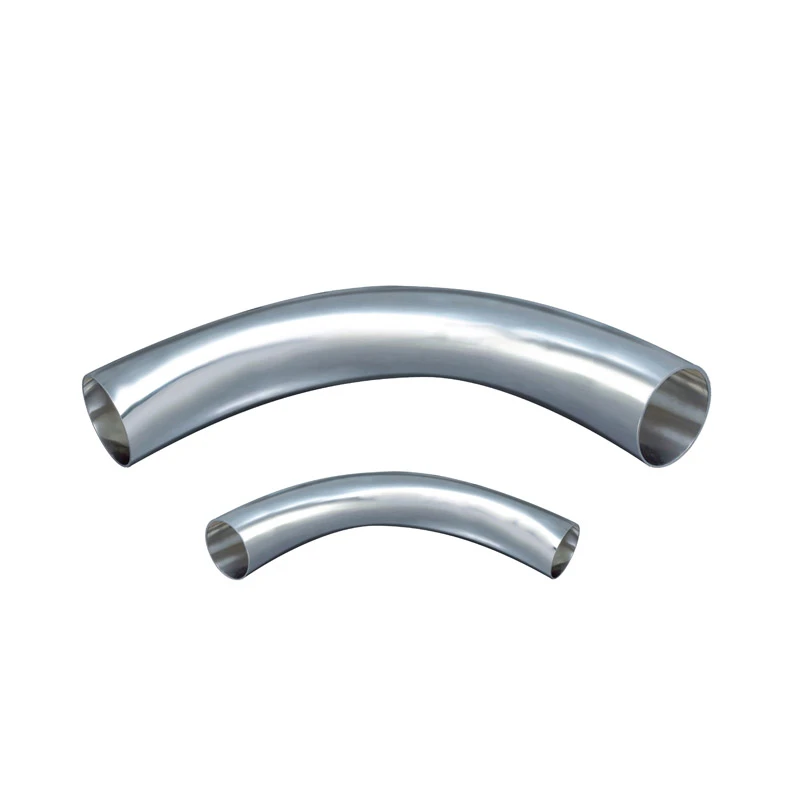
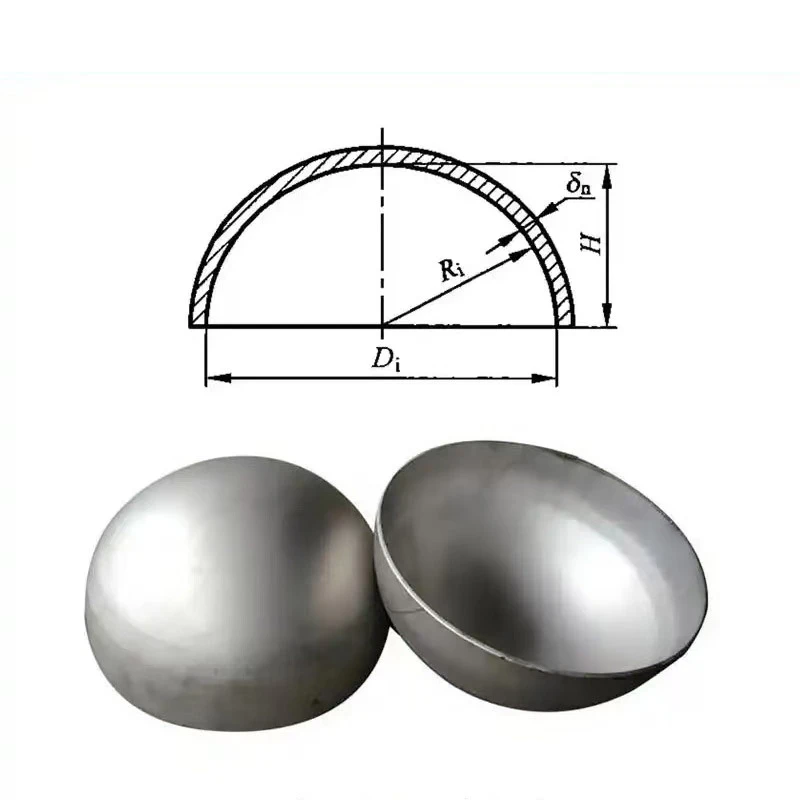
Pipe fitting is an essential component of pipeline systems, used to connect pipes, change pipe direction, branch pipes, and adjust pipe diameter. Our pipe fittings products are diverse, covering various types such as steel elbows, tees, reducers, flanges, etc., which can meet the diverse needs of various pipeline projects.


Advantages of Pipe Fittings

Our pipe fittings products are diverse, covering various types such as steel elbows, tees, reducers, etc., which can meet the diverse needs of various pipeline engineering.
  • High Strength and Stability

    High Strength and Stability

    Made of high-quality materials and processed through strict techniques, the pipe fittings have sufficient strength and stability to withstand pressure, tension, and impact forces in the pipeline system, ensuring safe and reliable operation of the pipeline.
  • Good Sealing

    Good Sealing

    Through optimized design and advanced manufacturing processes, pipe fittings can achieve good sealing effects at the connection points, effectively preventing fluid leakage, ensuring the normal operation of pipeline systems, and reducing energy loss and environmental pollution risks.
  • Corrosion Resistance

    Corrosion Resistance

    Suitable corrosion-resistant materials are selected for different usage environments, so that pipe fittings can resist the erosion of various chemical media, extend their service life, reduce maintenance costs, and are particularly suitable for industries with strong corrosiveness such as chemical and marine engineering.

Pipe Fittings FAQ

  • How to maintain pipe fittings and extend their service life?

    Regular visual inspections are conducted to check for leaks, deformations, corrosion, and other issues. Non destructive testing techniques can be used to detect internal defects in important pipe fittings. Keep the surface of the pipe fittings clean to prevent dirt accumulation, and regularly clean the pipes that are prone to scaling. Metal fittings should undergo regular anti-corrosion treatment in humid and corrosive environments, such as coating with anti rust paint and galvanizing. Once damage is found, it should be repaired or replaced in a timely manner, using products of the same specifications and materials to ensure the normal operation of the pipeline system.
  • What are the differences in performance of pipes made of different materials?

    Among metal fittings, carbon steel has higher strength but average corrosion resistance; Stainless steel has strong corrosion resistance and some models also have good strength; Alloy steel exhibits outstanding performance in strength, high temperature resistance, and wear resistance. Non metallic fittings and plastic fittings are corrosion-resistant, lightweight, and have good insulation properties, but their strength is relatively low compared to metals; Rubber pipe fittings have good flexibility and shock absorption, as well as good sealing performance, but they have limitations in high temperature and high pressure resistance.
  • Is the dimensional accuracy of pipe fittings important? What impact does it have on installation?

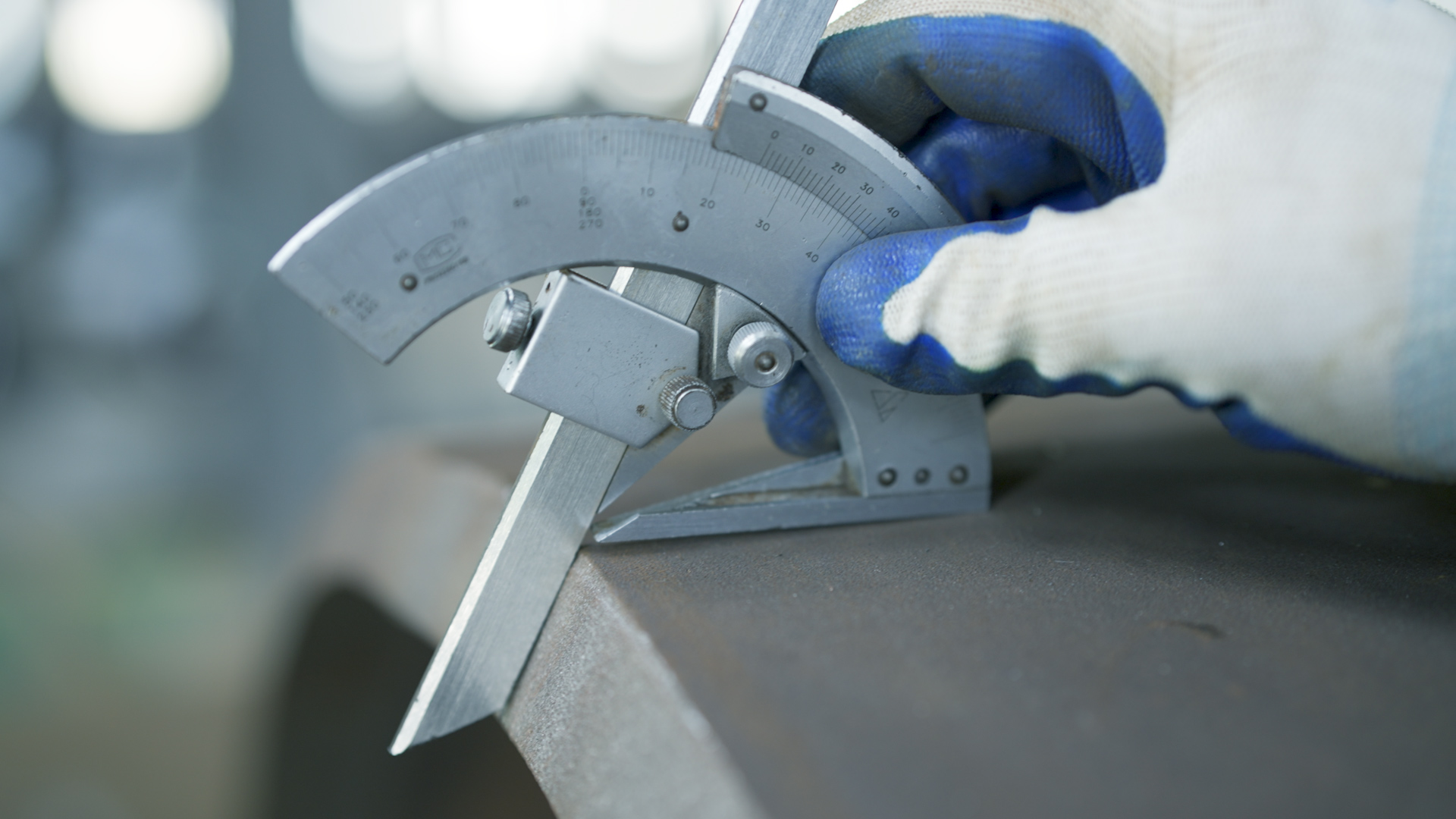
    Dimensional accuracy is very important. Accurate dimensional accuracy ensures a tight fit between pipe fittings and pipelines, making installation convenient and improving construction efficiency. If the size deviation is large, it may lead to loose connections, leakage risks, increased installation difficulty, more manpower and time consumption, and even affect the performance and service life of the entire pipeline system due to installation problems.
Naujienos
Įmonė gaminių kokybę vertina kaip įmonės gyvenimą, sukuria patikimą kokybės valdymo sistemą, atitinkančią pramonės ir nacionalinių standartų reikalavimus, kontroliuoja visus įvesties ir išvesties aspektus visame procese, atkreipia dėmesį į kiekvieną smulkmeną ir užtikrina, kad produkto pristatymo rodiklis būtų 100%.
Comprehensive Guide to 4 Inch Steel Tubing Applications and Selection

Comprehensive Guide to 4 Inch Steel Tubing Applications and Selection

Mar.14,2026
4 inch steel tubing is a versatile material widely utilized across various industries, from construction and manufacturing to automotive and infrastructure. Its strength, durability, and cost-effectiveness make it a preferred choice for numerous applications. This article delves into the characteristics, applications, different types, and considerations when purchasing 4 inch steel tubing, offering a detailed overview for professionals and anyone seeking a deeper understanding of this essential material. Selecting the appropriate steel tubing can significantly impact the performance and longevity of your project. 4 inch steel tubing refers to hollow steel sections with an outer diameter of 4 inches. It’s commonly manufactured through processes like welding, seamless extrusion, or cold drawing. This tubing offers a high strength-to-weight ratio, making it ideal for structural applications.
Comprehensive Guide to 4 Inch Steel Pipe Applications and Specifications

Comprehensive Guide to 4 Inch Steel Pipe Applications and Specifications

Mar.12,2026
4 inch steel pipe is a fundamental component in a vast array of industries, from construction and infrastructure to oil & gas and water management. Its robust nature, durability, and cost-effectiveness make it a preferred choice for conveying fluids and gases. This article will explore the various applications of 4 inch steel pipe, delve into its specifications, and offer guidance on sourcing high-quality pipes from a reliable supplier like Lion Pipeline. Choosing the right steel pipe is crucial for the longevity and safety of your projects, so understanding its properties and uses is essential. The versatility of 4 inch steel pipe allows it to be utilized in numerous applications. In the construction industry, it is frequently used for structural supports, fencing, and handrails. The oil and gas sector relies heavily on these pipes for transporting crude oil, natural gas, and refined products. Water treatment facilities employ them for water distribution and wastewater management. Furthermore, they find application in irrigation systems, fire protection systems, and even in the manufacturing of furniture and other industrial equipment. Its strength and ability to withstand high pressures make it a dependable solution across diverse sectors.
Comprehensive Guide to 4 Inch Stainless Steel Pipe Properties and Applications

Comprehensive Guide to 4 Inch Stainless Steel Pipe Properties and Applications

Mar.11,2026
When sourcing materials for fluid transfer, structural support, or various industrial applications, 4 inch stainless steel pipe stands out as a versatile and reliable choice. This article provides a detailed overview of its properties, applications, grades, and considerations for optimal use. We’ll explore why stainless steel is often preferred over other materials and how to select the right pipe for your specific needs. Choosing the correct piping system is crucial for ensuring efficiency, safety, and longevity in any project. Stainless steel pipes, particularly those with a 4-inch diameter, possess a unique combination of properties that make them ideal for a wide range of applications. Corrosion resistance is paramount, thanks to the chromium content in the alloy, which forms a protective layer against environmental factors. High tensile strength and durability ensure longevity, even under pressure or demanding conditions. They also exhibit excellent temperature resistance, making them suitable for both high and low-temperature applications. Furthermore, stainless steel is hygienic and easy to clean, which is vital in industries like food processing and pharmaceuticals. The smooth internal surface minimizes friction loss, optimizing flow efficiency.
Comprehensive Guide to Durable 4 Inch Stainless Steel Exhaust Pipe Systems

Comprehensive Guide to Durable 4 Inch Stainless Steel Exhaust Pipe Systems

Mar.10,2026
When it comes to exhaust systems for vehicles, machinery, or industrial applications, the choice of materials and dimensions is critical. A 4 inch stainless steel exhaust pipe offers a compelling combination of durability, corrosion resistance, and performance. This article provides an in-depth look at the benefits, applications, and considerations when selecting this type of piping. We’ll explore why Lion Pipeline is a trusted source for high-quality stainless steel exhaust pipes. Choosing the right exhaust system component can significantly impact overall system efficiency and longevity. A 4 inch stainless steel exhaust pipe provides several advantages over other materials like aluminized steel or carbon steel. Stainless steel's inherent corrosion resistance is a major benefit, especially in harsh environments where exposure to moisture, salt, and chemicals is common. Its strength and durability ensure a long service life, reducing the need for frequent replacements.
Comprehensive Guide to 4 Inch Stainless Pipe Applications and Benefits

Comprehensive Guide to 4 Inch Stainless Pipe Applications and Benefits

Mar.09,2026
When selecting piping for a project, especially in industries demanding corrosion resistance and durability, 4 inch stainless pipe is a frequently considered option. This article provides a comprehensive overview of this type of piping, its applications, benefits, and key factors to consider when purchasing. We will delve into the various grades of stainless steel used, common applications, and why choosing a reputable supplier like Lion Pipeline is crucial for ensuring quality and compliance. Stainless steel pipes offer longevity and reduce maintenance, making them a cost-effective solution in the long run. 4 inch stainless steel pipe is renowned for its exceptional corrosion resistance, making it ideal for handling a wide variety of fluids and gases. Unlike carbon steel, stainless steel forms a passive layer of chromium oxide on its surface, protecting it from rust and corrosion. This is particularly important in harsh environments like those found in chemical processing, wastewater treatment, and marine applications. Furthermore, stainless steel pipes offer high strength and durability, capable of withstanding high pressures and temperatures.
Comprehensive Guide to 4 Inch Round Steel Tubing for Global Trade and Applications

Comprehensive Guide to 4 Inch Round Steel Tubing for Global Trade and Applications

Mar.08,2026
4 inch round steel tubing is a versatile structural component widely used across numerous industries, from construction and manufacturing to automotive and agriculture. Its strength, durability, and relatively lightweight nature make it an ideal choice for a wide range of applications. For businesses involved in international steel trading, understanding the nuances of this particular tubing is crucial for meeting client demands and ensuring successful transactions. This article will provide a comprehensive overview of 4 inch round steel tubing, covering its specifications, applications, common standards, and considerations for efficient global sourcing. The term “4 inch round steel tubing” refers to steel pipes with an outer diameter of four inches and a circular cross-section. These tubes are manufactured through various processes, including welding, drawing, and seamless extrusion. The choice of manufacturing method significantly impacts the tube’s strength, precision, and cost. Common steel grades used for 4 inch round steel tubing include A53, A106 (for higher temperature applications), and 1018 carbon steel. Wall thickness varies depending on the application, commonly ranging from schedule 40 to schedule 80, influencing the tube’s load-bearing capacity and weight. Understanding these factors is essential when sourcing steel tubing from international suppliers.
tel email tel top

Jei jus domina mūsų produktai, galite palikti savo informaciją čia ir mes su jumis susisieksime artimiausiu metu.