tel
Email
to top
BUTIRAN PRODUK
Paip Bengkok
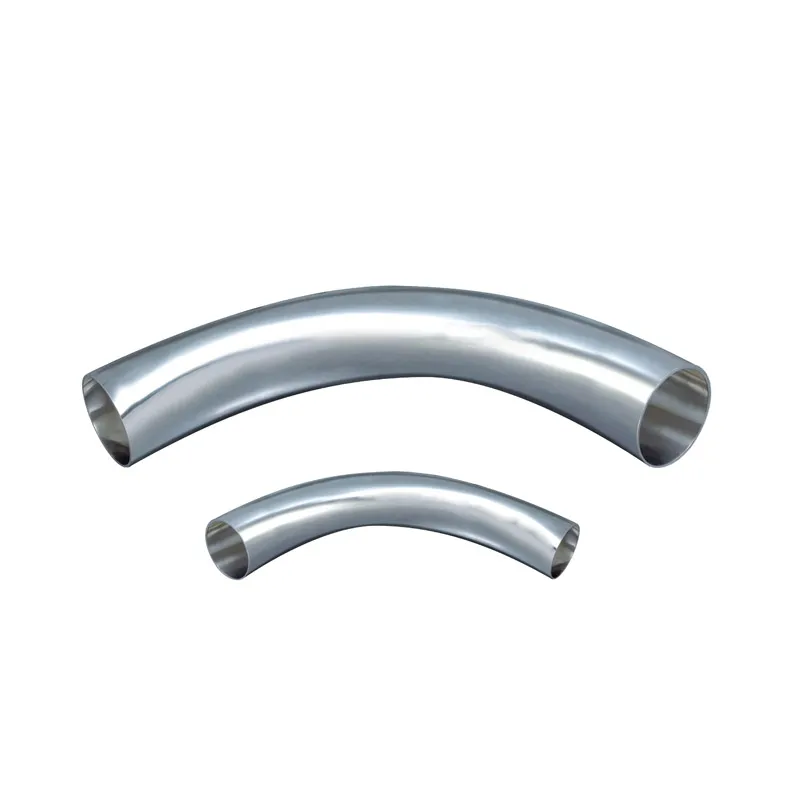
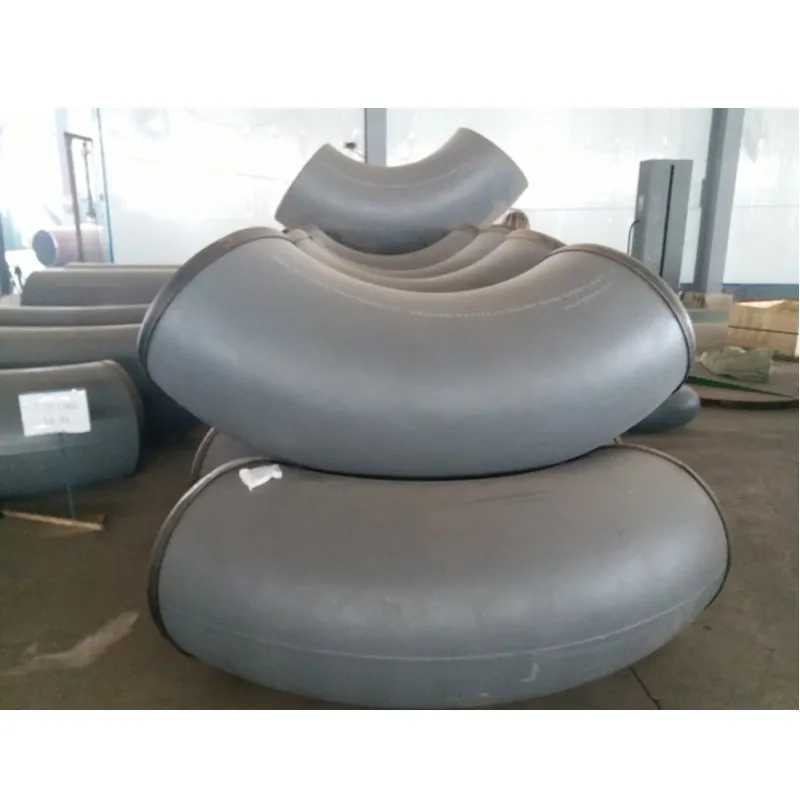
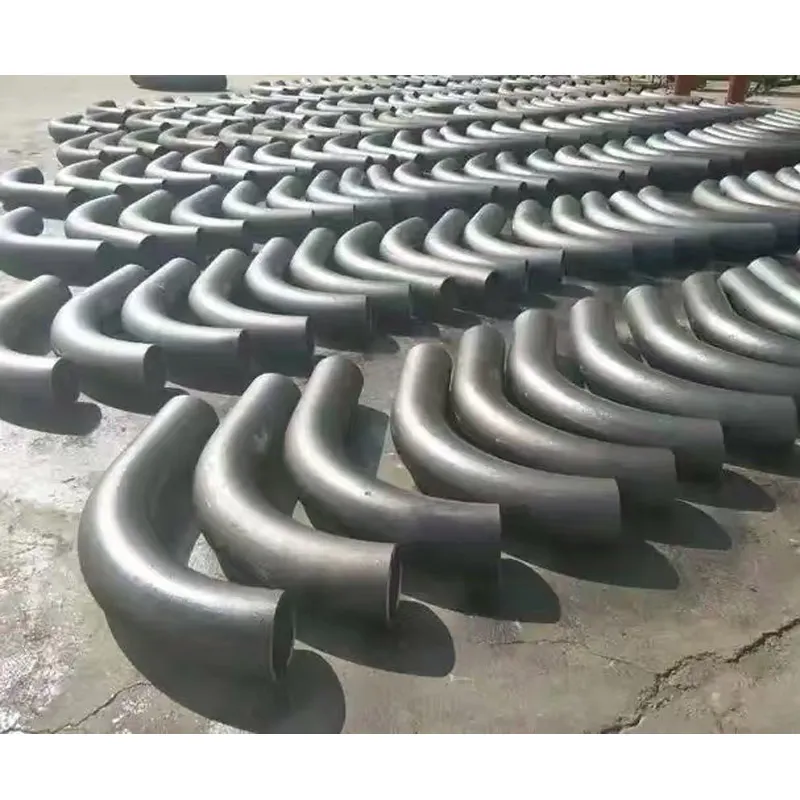
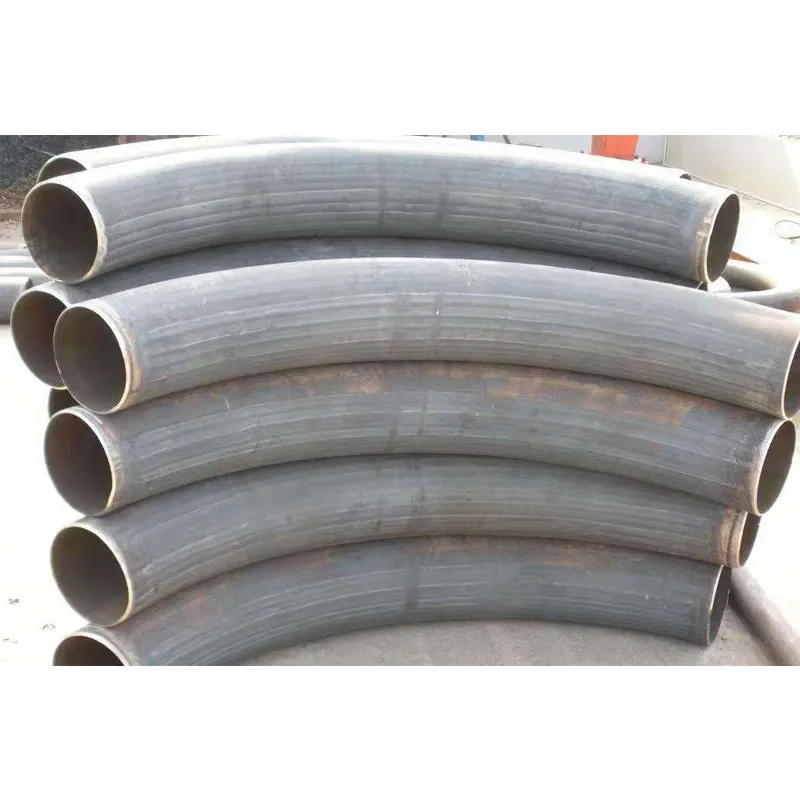
Bend is a crucial pipe fitting used to change the direction of flow in a piping system. It allows for smooth transitions between sections of pipe, accommodating layout constraints, avoiding obstacles, and optimizing flow paths. Bends are designed to maintain the fluid's velocity and minimize pressure loss while providing the necessary angle of deviation. They are commonly used in various industries, including oil and gas, petrochemicals, water supply, and HVAC systems.
kongsi:
Bend Product Introduction

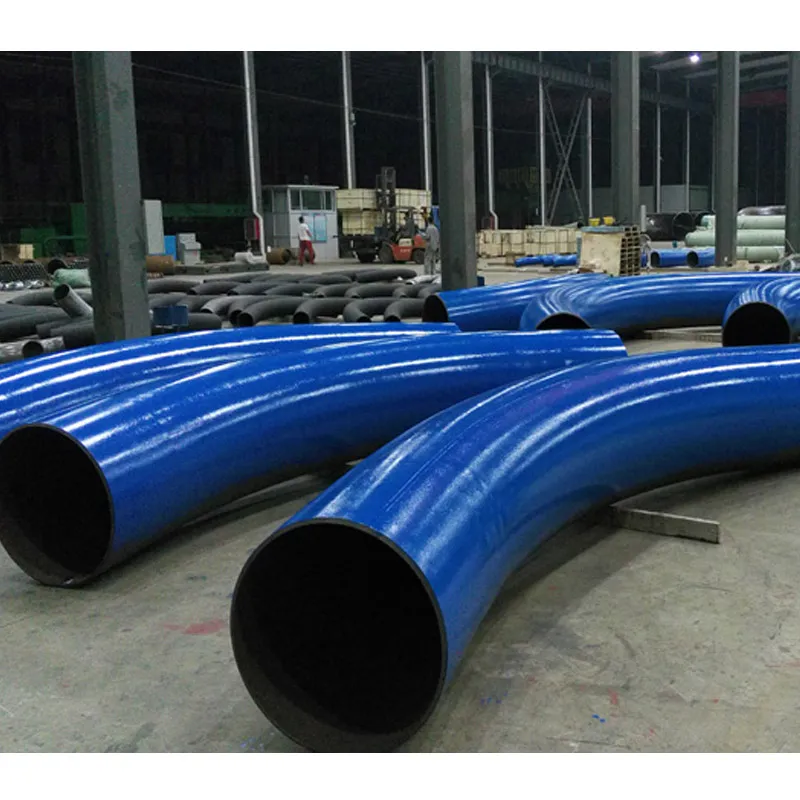
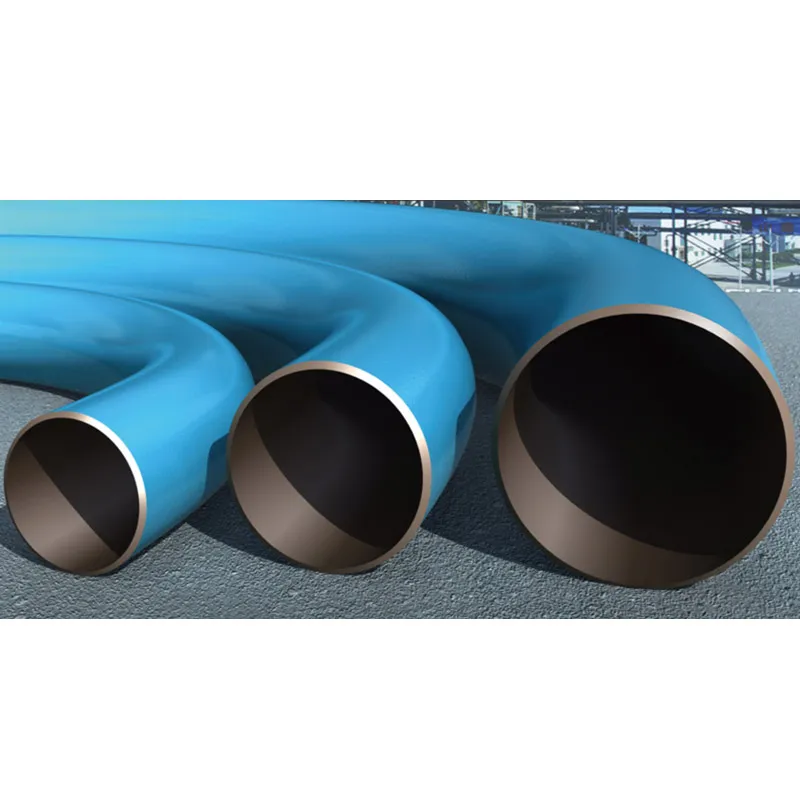
Bends are fittings used to change the direction of pipelines by bending straight pipes to specific angles. They play a crucial role in connecting pipelines of different orientations, changing fluid flow direction, buffering pipeline stress, and adapting to spatial constraints. Bends are widely used in industries such as petroleum, natural gas, and power. Common materials include pipeline steel, and bends are primarily formed through medium-frequency heating. Bends adhere to international standards such as ISO 15590-1-2018 and ASME B16.49-2017.

Bend Features

Reduces Pipeline Resistance: Ensures smooth fluid transition at bends, reducing turbulence and vortex phenomena, thereby lowering flow resistance and pressure loss.

Strong Spatial Adaptability: Can be made into various angles and radii to adapt to complex spatial structures.

Good Stability: The bent portion of the pipe is structurally stable, preventing deformation or displacement in the piping system.


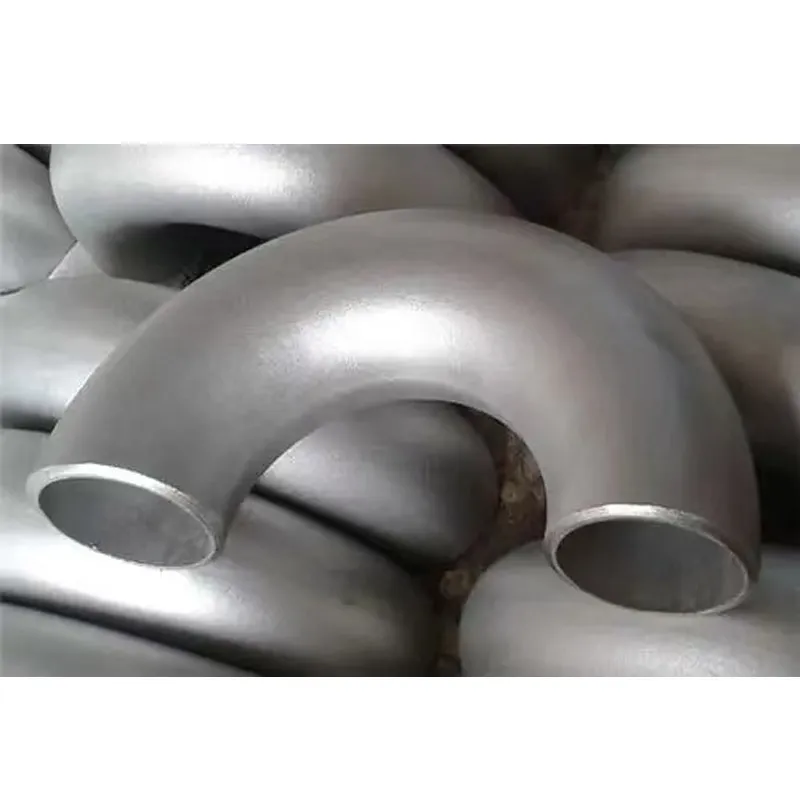
Available in a wide range of materials like carbon steel, stainless steel, and alloys, bends are fabricated to meet the specific needs of each application, ensuring reliability and durability under high pressure, temperature, and corrosive conditions. Bends come in various angles, such as 90°, 45°, or custom degrees, and can be manufactured through processes like hot or cold bending, depending on the required specifications. This adaptability makes them suitable for a wide range of configurations, including tight or large radius bends, ensuring efficient fluid flow in any system design.


One of the primary advantages of using bends in a piping system is their ability to preserve the flow dynamics of the system while altering the direction. Unlike fittings like elbows, which may induce more pressure loss, bends are engineered to provide smoother transitions with less turbulence, ensuring minimal disruption to fluid or gas flow. Whether for intricate installations or large-scale infrastructure projects, bends offer a dependable, cost-effective solution for directing and routing pipes effectively and efficiently.

Characteristics of Stainless Steel Bend

  • 01
    Highly Adaptable Materials

    Highly Adaptable Materials

    Bend pipes can be made of various materials such as carbon steel, stainless steel, and alloys, and manufactured through processes such as hot bending or cold bending, suitable for various environments.
  • 02
    Strong Spatial Adaptability

    Strong Spatial Adaptability

    Bend pipes can be manufactured at different angles and radii as needed to adapt to complex spatial structures and ensure flexibility in pipeline layout.
  • 03
    Good Stability

    Kestabilan yang baik

    The curved part of the bend pipe has strong structural stability and can effectively prevent deformation or displacement in the pipeline system.
  • 04
    Reduce Pipeline Resistance

    Reduce Pipeline Resistance

    Bending pipes can ensure a smooth transition of fluid at turning points, reduce turbulence and vortex phenomena, thereby reducing flow resistance and pressure loss.
HUBUNGI KAMI
  • Pipe Cap

    Penutup Paip

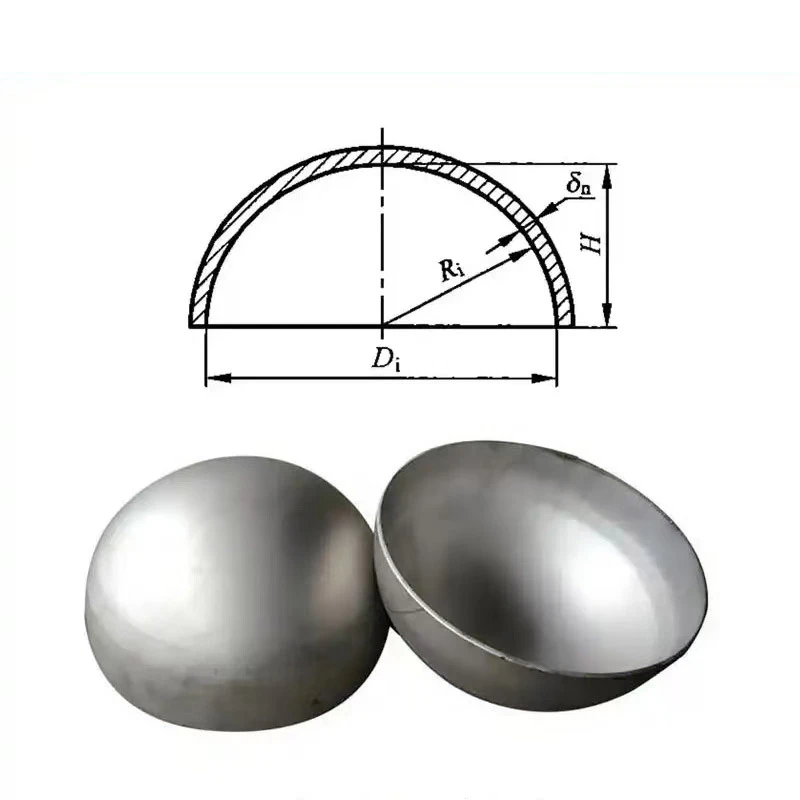
    Pipe caps come in different shapes, including round, square, and oval, and can be designed for both threaded and welded connections. They ensure the integrity of piping systems during transportation, storage, and installation by protecting the pipe ends from dirt, debris, and environmental factors. Durable and easy to install, pipe caps are critical for maintaining system efficiency and safety.
    LIHAT SEMUA
  • Reducer

    Pengurang

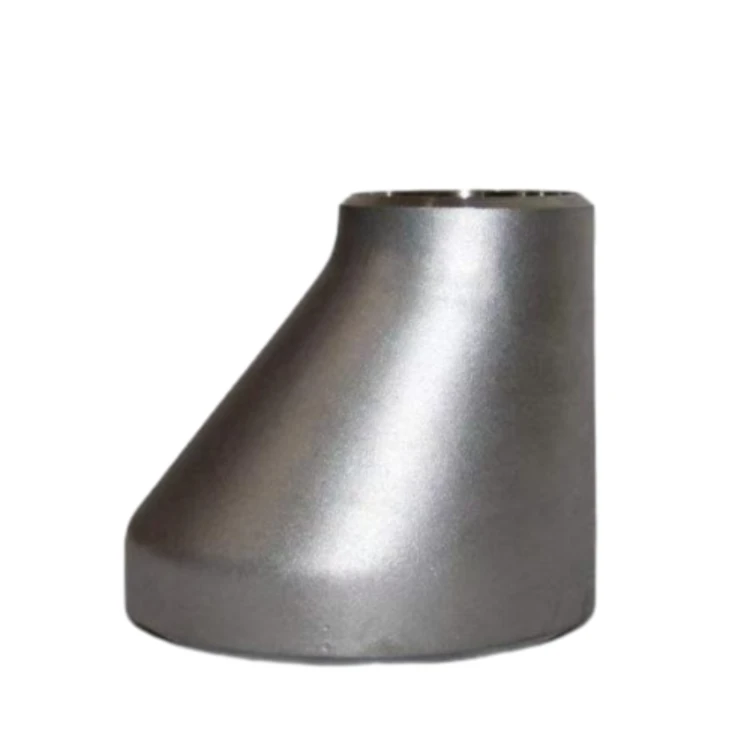
    Reducer ialah pemasangan paip yang digunakan untuk menyambung paip dengan diameter yang berbeza, memudahkan peralihan yang lancar antara kapasiti aliran yang berbeza-beza dalam sistem paip. Tersedia dalam reka bentuk konsentrik dan sipi, pengurang membantu mengekalkan kecekapan aliran optimum sambil meminimumkan kehilangan tekanan dan pergolakan.
    LIHAT SEMUA
  • Tee Pipe

    Paip Tee

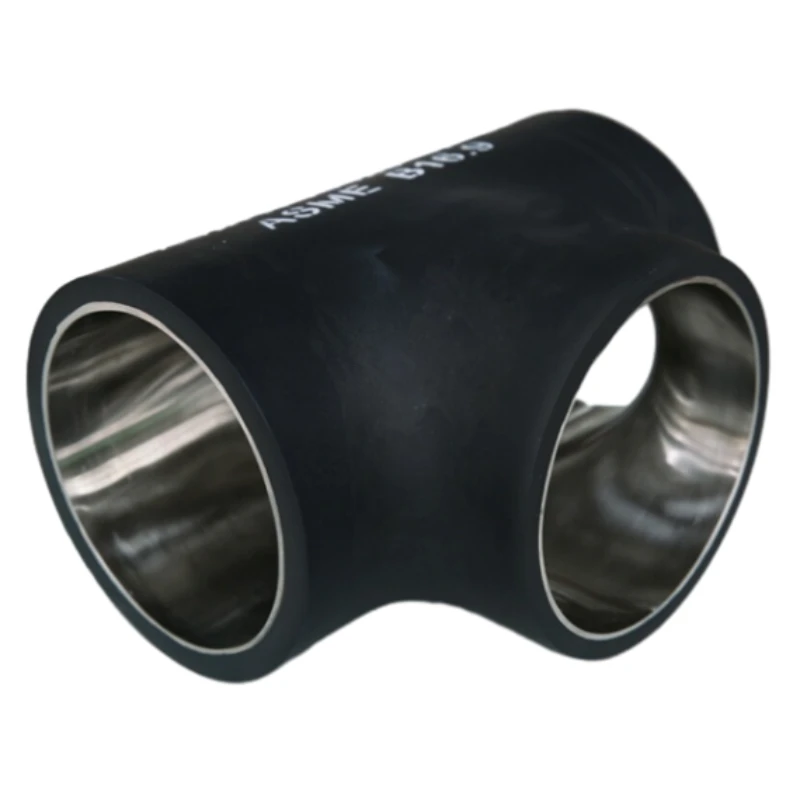
    Tee products are essential pipe fittings used to connect three sections of piping, forming a "T" shape. Available in various materials like carbon steel, stainless steel, and alloy steel, they are designed for use in systems requiring the diversion or junction of fluid flow.
    LIHAT SEMUA

Accurately Build Each Bend Pipe.

We rely on exquisite technology, perfectly adapt to complex pipelines, and help the project to advance efficiently.
Berita
Syarikat menganggap kualiti produk sebagai kehidupan perusahaan, mewujudkan sistem pengurusan kualiti yang mantap selaras dengan keperluan industri dan piawaian kebangsaan, mengawal semua aspek input dan output dalam keseluruhan proses, memberi perhatian kepada setiap perincian, dan memastikan bahawa kadar lulus penghantaran produk adalah 100%.
SS Pipe Cap FAQ: Fit, Connections, Materials and Uses

SS Pipe Cap FAQ: Fit, Connections, Materials and Uses

Nov.02,2026
Get direct answers about ss pipe cap materials, threaded or welded connections, shapes, DN and NPS sizes, schedules, uses, and associated standards.
Mechanical Steel Pipe Comparison: Materials, Standards and Supplier Documentation

Mechanical Steel Pipe Comparison: Materials, Standards and Supplier Documentation

Oct.29,2026
Compare two mechanical steel pipe options by materials, API 5LD and DNV OS F101 references, applications, bonding descriptions and supplier documentation.
Choosing an SS Bend Pipe: Application Fit and Specification Checks

Choosing an SS Bend Pipe: Application Fit and Specification Checks

Oct.27,2026
Learn how to choose the right ss bend pipe for your piping system. This guide covers material grade, bend angle, radius, pressure rating, and applicable standards to help procurement teams specify stainless steel bend pipes with confidence.
High Performance Sink Pipe Steel Guide for Industrial Piping

High Performance Sink Pipe Steel Guide for Industrial Piping

Jul.01,2026
High-Performance Sink Pipe Steel: The Ultimate Guide to Industrial Piping In the demanding world of industrial manufacturing and pressure vessel construction, the selection of materials for piping systems is critical. Utilizing high-quality sink pipe steel ensures that systems can withstand extreme pressures, corrosive media, and mechanical stress. Whether it is for chemical processing, oil and gas, or construction, the right steel grade and fitting geometry can mean the difference between seamless operation and costly system failure. This guide explores the technical nuances of steel elbows and specialized clad materials designed for the most rigorous environments.
Ultimate Guide to Industrial Seamless Steel Pipe for Piping

Ultimate Guide to Industrial Seamless Steel Pipe for Piping

Jun.29,2026
In the realm of modern industrial infrastructure, the integrity of piping systems is non-negotiable. The seamless steel pipe stands as the gold standard for transporting high-pressure fluids and gases. Unlike welded alternatives, seamless pipes are manufactured without a longitudinal seam, eliminating the most common point of failure and ensuring superior structural consistency. This makes them indispensable in sectors where safety and reliability are paramount, such as petroleum, nuclear power, and thermal energy. In this comprehensive guide, we will explore the technical advantages, material specifications, and critical applications of these high-performance components to help you make an informed procurement decision.
High Performance Seamless Steel Pipes for Industrial Piping

High Performance Seamless Steel Pipes for Industrial Piping

Jun.27,2026
In the world of industrial fluid transportation and pressure vessel manufacturing, the choice of piping material can determine the safety and longevity of an entire system. Seamless steel pipes are engineered to withstand extreme conditions without the risk of weld-line failure, making them the gold standard for high-pressure environments. From oil and gas pipelines to hydraulic systems, these pipes offer unmatched structural integrity. In this comprehensive guide, we will explore the technical specifications, benefits, and diverse applications of carbon seamless steel solutions to help you make an informed procurement decision for your next engineering project.
tel email tel top

Jika anda berminat dengan produk kami, anda boleh memilih untuk meninggalkan maklumat anda di sini, dan kami akan menghubungi anda sebentar lagi.