tel
Email
to top

Thick Wall Steel Tubing: Durable Solutions for Global Pipelines and Infrastructure

Dec 13 2025
share:

The Growing Importance of Thick Wall Steel Tubing: A Practical Overview

Sometimes when you hear “thick wall steel tubing,” it might just sound like another industrial term, right? But in reality, this isn’t just some niche pipe jargon—it’s a backbone for critical global infrastructure, affecting everything from energy pipelines in remote regions to disaster relief logistics. Its strength, durability, and adaptability make it a surprisingly weighty player in sectors that underpin modern life.

Understanding thick wall steel tubing isn’t just about steel and dimensions — it’s about grasping how materials science meets real-world challenges. When you factor in global needs—from energy stability to humanitarian engineering—this versatile product has an outsized impact.

Introduction: Why Thick Wall Steel Tubing Matters Worldwide

Globally, the demand for strong, resilient piping has skyrocketed. According to the International Organization for Standardization (ISO), steel tubing represents more than 60% of all industrial piping used in energy and construction sectors (ISO 3183). With the energy sector alone projecting a 20% increase in pipeline construction by 2030 (World Bank data, 2023), the need for durable solutions like thick wall steel tubing becomes crystal clear.

But here’s the real challenge: pipelines and structural tubing have to contend with harsh environments, fluctuating pressures, and tight safety standards. Whether it’s Arctic oil fields or rapidly developing urban centers, failure isn’t an option. Thick wall steel tubing answers these problems by offering enhanced strength and corrosion resistance, essentially making it the unsung hero in a world craving reliability.

What Exactly Is Thick Wall Steel Tubing?

At its core, thick wall steel tubing is exactly what it sounds like—steel tubes with walls significantly thicker than standard tubing, usually starting at around 6mm thickness and scaling upwards depending on application.

More than just pipe, it’s a specially designed product to handle heavier loads, resist crushing, and minimize leak points. Industries rely on it not only for transporting oil, gas, or water but also for structural support where safety margins are tight.

Oddly enough, these tubes are fundamental in some of the most critical humanitarian infrastructure projects, such as water supply lines in refugee encampments or reinforced frames in emergency shelters. So, this isn’t just about industry; there’s a real social impact dimension here.

Core Aspects That Make Thick Wall Steel Tubing Fit for Purpose

Durability

Thicker walls mean the tubes can endure higher internal pressures and external impacts. This translates into longer service lives and fewer replacements—good news for maintenance teams and budgets alike.

Corrosion Resistance

Steel alloys and coatings designed for these tubes protect against rust and chemical degradation. This is especially critical in coastal or industrial environments where corrosion eats away at weaker piping systems.

Scalability

Thick wall tubing comes in a range of sizes and grades, making it ideal for varied project scopes—whether it’s a small municipal water project or large-scale oil transportation networks.

Cost Efficiency

While initially more expensive than thin-walled tubing, the long-term cost savings due to durability and reduced downtime pay off. Plus, fewer repairs mean less environmental disruption.

Ease of Fabrication

Despite its thickness, modern manufacturing techniques allow customization and straight-forward welding or joining, speeding up installation efforts.

Compliance and Safety Standards

These tubes are typically manufactured according to stringent international standards (like ASTM A106 or API 5L), ensuring consistent quality and safety in critical applications.

Mini Takeaway: Thick wall steel tubing blends strength and reliability with flexibility, delivering a package that industry pros swear by when safety and performance can't be compromised.

Real-World Applications of Thick Wall Steel Tubing

Thick wall steel tubing finds its way into various sectors across the globe:

  • Energy and Oil: Used extensively in pipelines transporting crude oil and natural gas, especially in regions like North America and the Middle East where pipeline integrity is mission-critical.
  • Water and Sanitation: In developing nations, NGOs deploy thick-walled steel pipes to safely deliver clean water to remote villages.
  • Construction & Infrastructure: Structural supports in bridges, skyscrapers, and industrial plants often rely on these tubes for strength under heavy loads.
  • Disaster Relief: I’ve noticed that in post-disaster zones, modular shelters reinforced with thick wall tubing provide safe and rapid housing solutions.

For instance, in Alaska’s harsh environment, thick wall tubing ensures pipelines survive freezing and thawing cycles without rupturing—conditions where thinner tubing would fail.

Advantages and Long-Term Value You Can Count On

In practical terms, choosing thick wall steel tubing means three big wins:

  • Sustainability: Its longevity means fewer replacements, which lowers raw material consumption and waste.
  • Reliability: Fewer failures lead to enhanced safety and operational trust.
  • Cost Savings: Though pricier at purchase, overall lifecycle costs are lower.

Plus, there’s a social angle. Helping communities access dependable infrastructure with thick steel tubing can improve dignity and safety—non-negotiables in humanitarian aid.

What’s Next? Emerging Trends and Innovations

Looking ahead, several exciting trends are reshaping thick wall steel tubing:

  • Eco-Friendly Materials: New steel alloys with recycled content and eco-friendly coatings reduce environmental impact.
  • Smart Tubing: Integration of sensors for real-time monitoring of cracks or corrosion, part of digital transformation efforts.
  • Automation in Manufacturing: Robotics are improving precision and reducing costs on thick wall tube production lines.
  • Hydrogen Compatible Pipes: As hydrogen energy grows, these thicker tubes are being adapted to safely carry this sometimes unstable gas.

Challenges on the Horizon and Expert Solutions

Not everything is rosy though. The heavy steel means more weight and transportation costs. Also, welding thick sections calls for advanced skills; under-skilled workers risk creating weak points. Many firms are tackling this by:

  • Implementing advanced training programs on welding and joining techniques.
  • Using modular pipe sections to ease transport and assembly in hard-to-reach areas.
  • Applying protective sleeves or innovative coatings to extend corrosion resistance further.

Thick Wall Steel Tubing FAQ

Q: How thick is “thick wall” tubing compared to standard tubing?
A: Thick wall tubing usually starts around 6mm (0.24 inches) thickness, whereas standard tubes might be 2–4mm. The thicker walls provide better pressure and impact resistance.
Q: Can thick wall steel tubing be customized for different industrial needs?
A: Absolutely. Manufacturers can tailor dimensions, steel grades, and coatings depending on specific requirements—energy pipelines, structural supports, or coastal environments.
Q: Is thick wall steel tubing recyclable?
A: Yes. Steel is highly recyclable, meaning end-of-life tubing can be reprocessed with little quality loss, aligning with circular economy goals.
Q: Are there any installation challenges with thick wall steel tubing?
A: The main challenge is handling increased weight and ensuring high-quality welding. Using cranes and certified welders helps overcome these hurdles.
Q: Where can I buy reliable thick wall steel tubing?
A: Trusted vendors provide certified tubing compliant with industry standards. See our comparison table below and visit thick wall steel tubing for detailed supplier info.

Quick Product Specification Table

Specification Value
Material Grade API 5L Grade X52 / ASTM A106 Gr B
Wall Thickness 6mm to 40mm
Outer Diameter Range 60mm to 500mm
Coating Options Fusion Bonded Epoxy, Zinc Coating, Polyethylene
Pressure Rating Up to 16 MPa (2320 psi)
Certification ISO 3183, API 5L, ASTM

Vendor Comparison Table

Vendor Product Range Quality Certifications Lead Time Pricing
Titan Steelworks 6–30mm thickness, OD up to 400mm API 5L, ISO 3183 4–6 weeks Mid-range
Global Tubing Co. 8–40mm thickness, OD up to 500mm ASTM A106, ISO 3183 6–8 weeks Premium
Riverbend Steel 6–20mm thickness, OD up to 350mm API and local standards 3–5 weeks Budget-friendly

Wrapping Up: Why Thick Wall Steel Tubing Will Remain Essential

So, what’s the takeaway? Thick wall steel tubing combines industrial strength with important social and environmental benefits, ticking so many boxes for infrastructure worldwide. It’s tough, adaptable, and increasingly smart — qualities that don’t just matter today but will define how reliably we build tomorrow’s projects.

If you want to dive deeper or explore specs, suppliers, and industry insights, a quick visit to thick wall steel tubing might be just the ticket.

In the end, these pipes tell stories about human progress, resilience, and the quiet power of good engineering.
References

  1. ISO 3183 – Petroleum and natural gas industries — Steel pipe for pipeline transportation systems
  2. World Bank Energy Use Data, 2023
  3. Wikipedia: Pipe (fluid conveyance)
  • Overlay Welding Clad Steel Pipe

    Overlay Welding Clad Steel Pipe

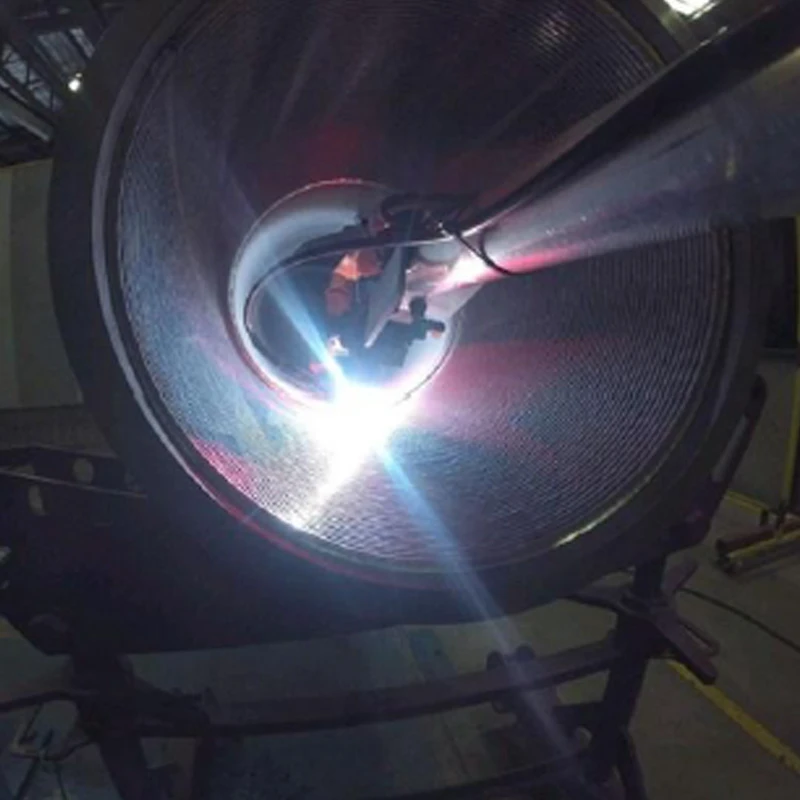
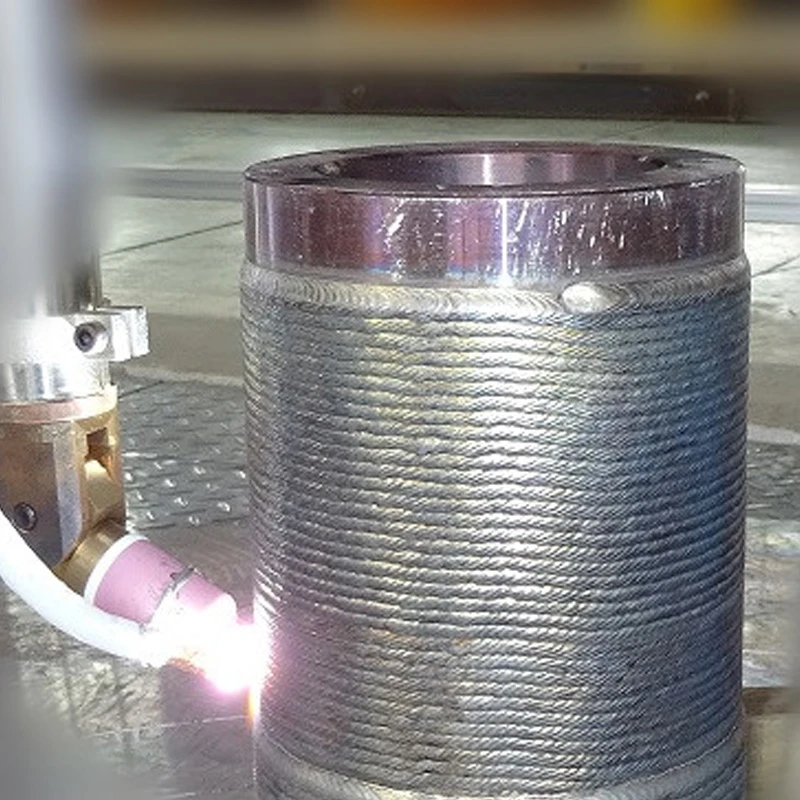
    Overlay Welding clad Steel Pipe features a high-performance welded overlay that enhances the pipe’s surface properties, providing superior resistance to corrosion, erosion, and wear. This process involves applying a wear-resistant alloy layer over a strong steel base, making it ideal for industries such as oil and gas, mining, and chemical processing, where pipes are exposed to harsh conditions. The overlay ensures extended service life, reduced maintenance costs, and reliable performance even in extreme environments. With its combination of strength, durability, and corrosion resistance, the Overlay Welding Steel Pipe is a trusted solution for critical applications.
    VIEW ALL
  • Laser Clad  Pipe

    Laser Clad Pipe

    Laser clad steel pipes are manufactured using laser cladding technology. This technology involves adding cladding material to the surface of ordinary steel pipe base material, using high-energy-density laser beams to fuse the cladding material with the steel pipe surface, forming a metallurgically bonded cladding layer. These pipes are generally used in compressed air energy storage projects as underground deep well transportation pipes or casings, as well as in oil, natural gas, and geothermal well extraction.
    VIEW ALL
  • Flange

    Flange

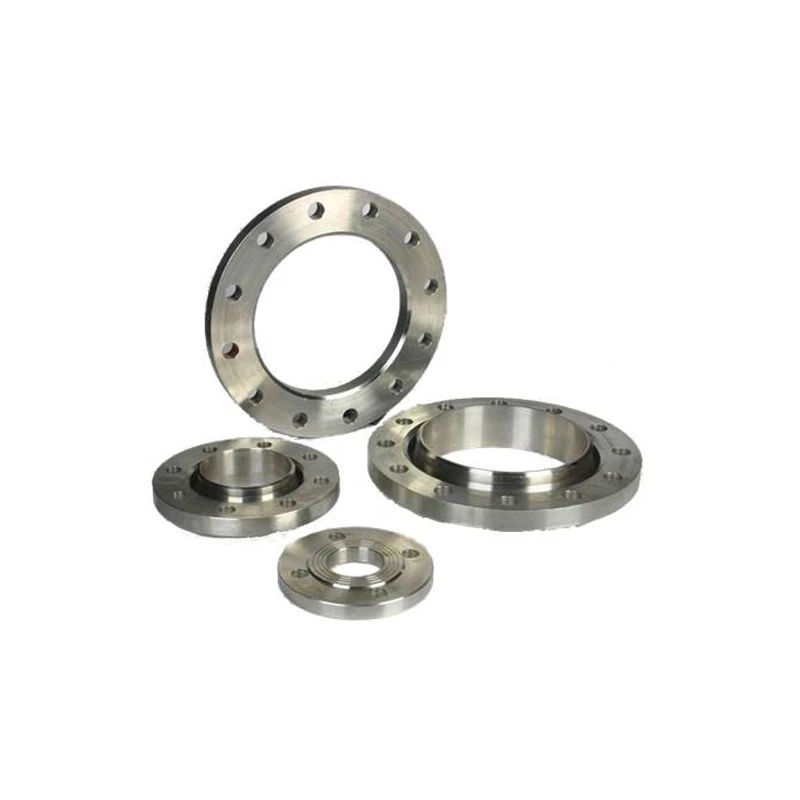
    Flange Product Introduction Flanges are used to connect pipes to pipes or pipes to equipment, ensuring a sealed and stable connection. They prevent fluid leakage and can withstand certain pressures and stresses, ensuring reliable connections. Flange nominal diameters range from DN15-DN2000 and beyond, covering various pipeline connection needs. Flanges primarily adhere to international standards such as ASME B16.5-2020, ASME B16.47-2020, and API 6A-2018.
    VIEW ALL
To create value for customers!
Cangzhou Leo Technology Co., Ltd. is located in Mengcun County Economic Development Zone, Cangzhou City, Hebei Province. It is a specialized high-tech enterprise that integrates the research and development, production, and sales of composite pipes and fittings.
News
The company regards product quality as the life of the enterprise, establishes a sound quality management system in accordance with the requirements of industry and national standards, controls all aspects of input and output in the whole process, pays attention to every detail, and ensures that the product delivery pass rate is 100%.
Ultimate Guide to 4130 Tubing Strength Performance and Applications
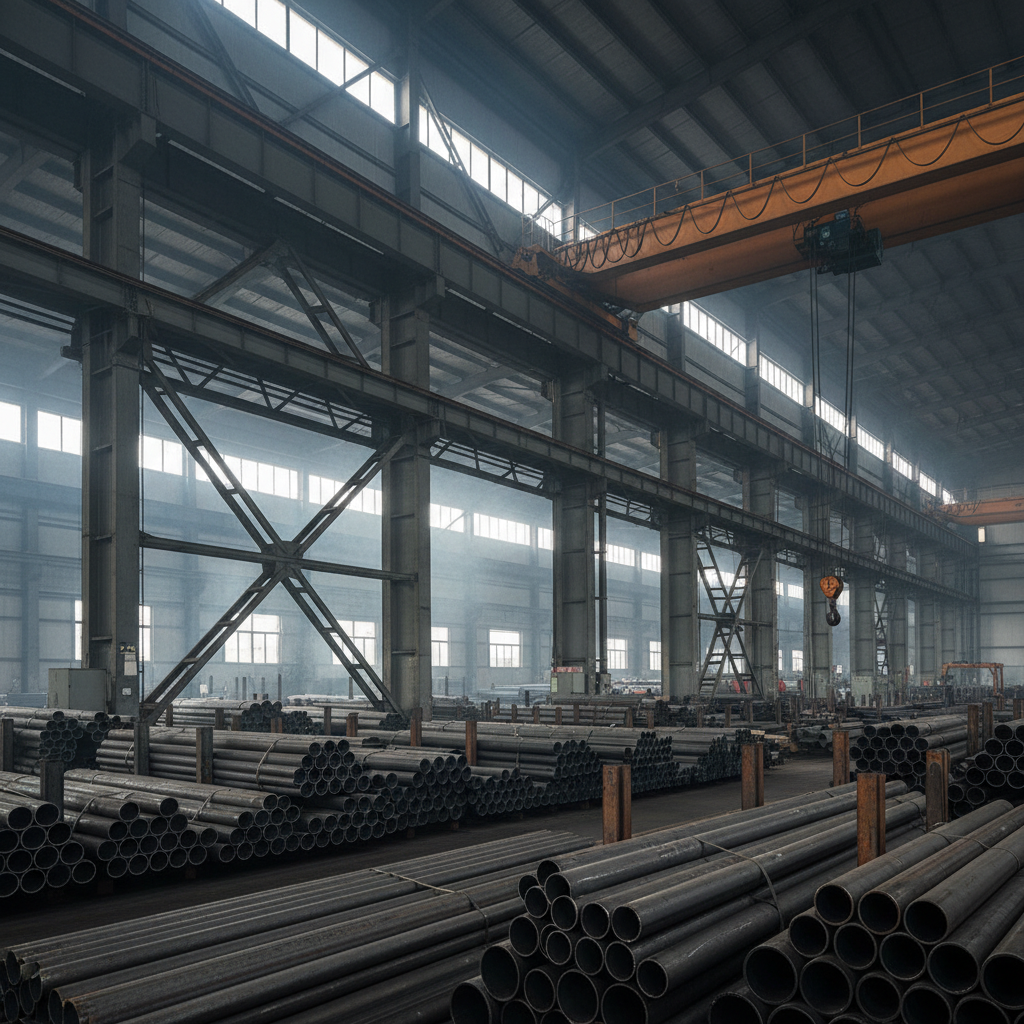
Ultimate Guide to 4130 Tubing Strength Performance and Applications

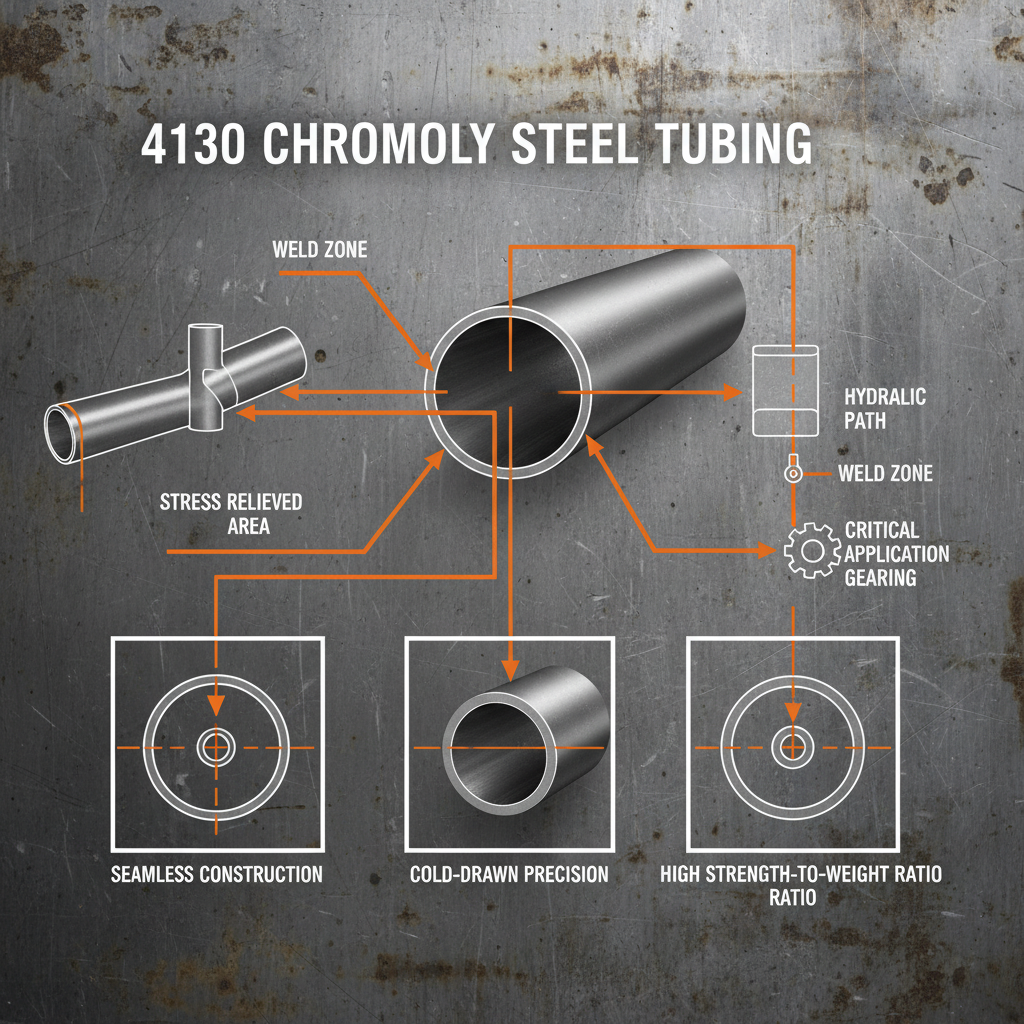
In the world of high-performance engineering, material selection is the foundation of safety and efficiency. 4130 tubing is widely regarded as the gold standard for applications requiring an exceptional strength-to-weight ratio. This chrome-molybdenum alloy steel is engineered to withstand extreme stress while remaining lightweight enough for aerospace and automotive use. Whether you are designing a roll cage, a bicycle frame, or a critical industrial component, understanding the nuances of this material is essential. In this comprehensive guide, we will explore why this specific alloy is preferred by engineers worldwide and how to choose the right specifications for your project.
Properties and Industrial Applications of 4130 steel tubing
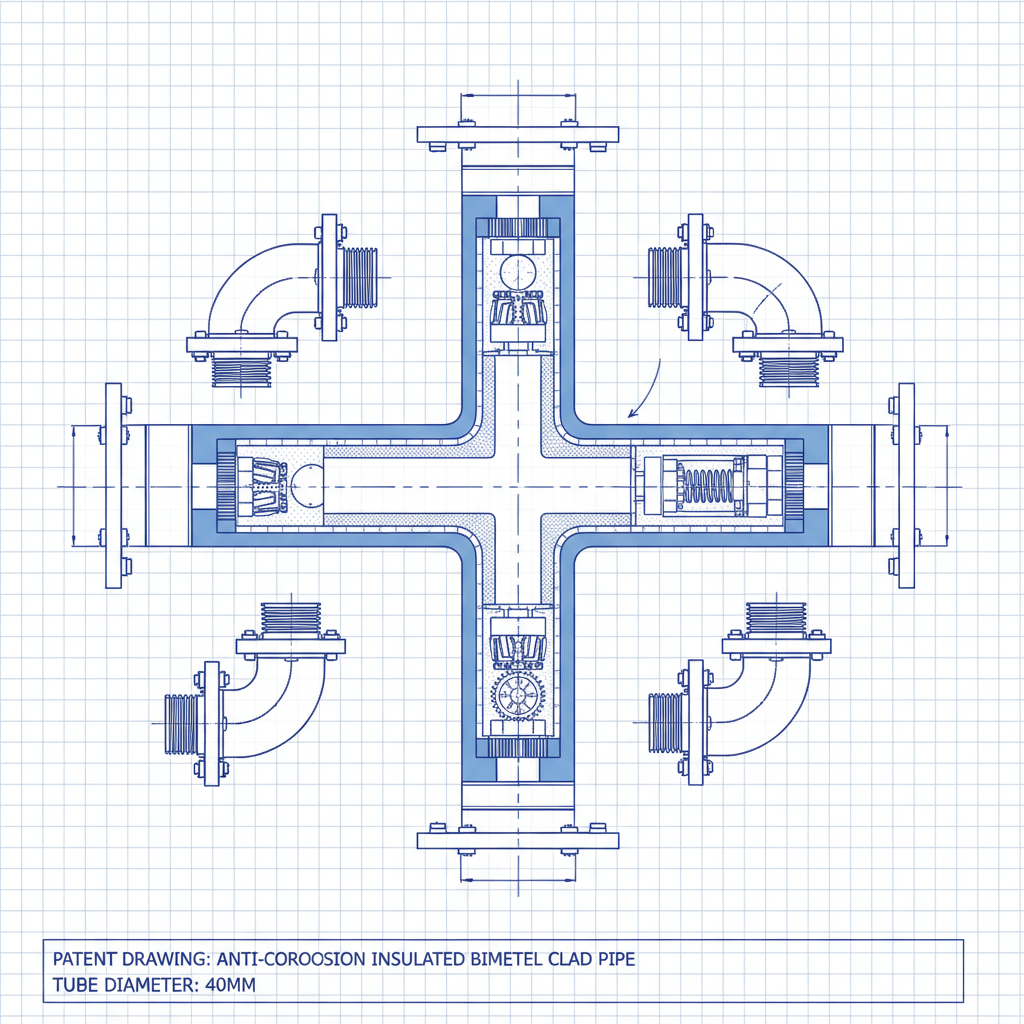
Properties and Industrial Applications of 4130 steel tubing

In the world of high-performance engineering, material selection is the foundation of safety and efficiency. 4130 steel tubing is widely recognized as the gold standard for applications requiring an exceptional strength-to-weight ratio. Known for its versatility and reliability, this chromium-molybdenum alloy is the preferred choice for everything from aircraft frames to professional roll cages. Understanding the nuances of this material allows engineers to optimize structural integrity without adding unnecessary bulk. In this comprehensive guide, we will explore why this specific alloy remains a top choice for critical industrial and aerospace components.
Comprehensive Guide to 40mm Steel Tube Applications and Material Selection
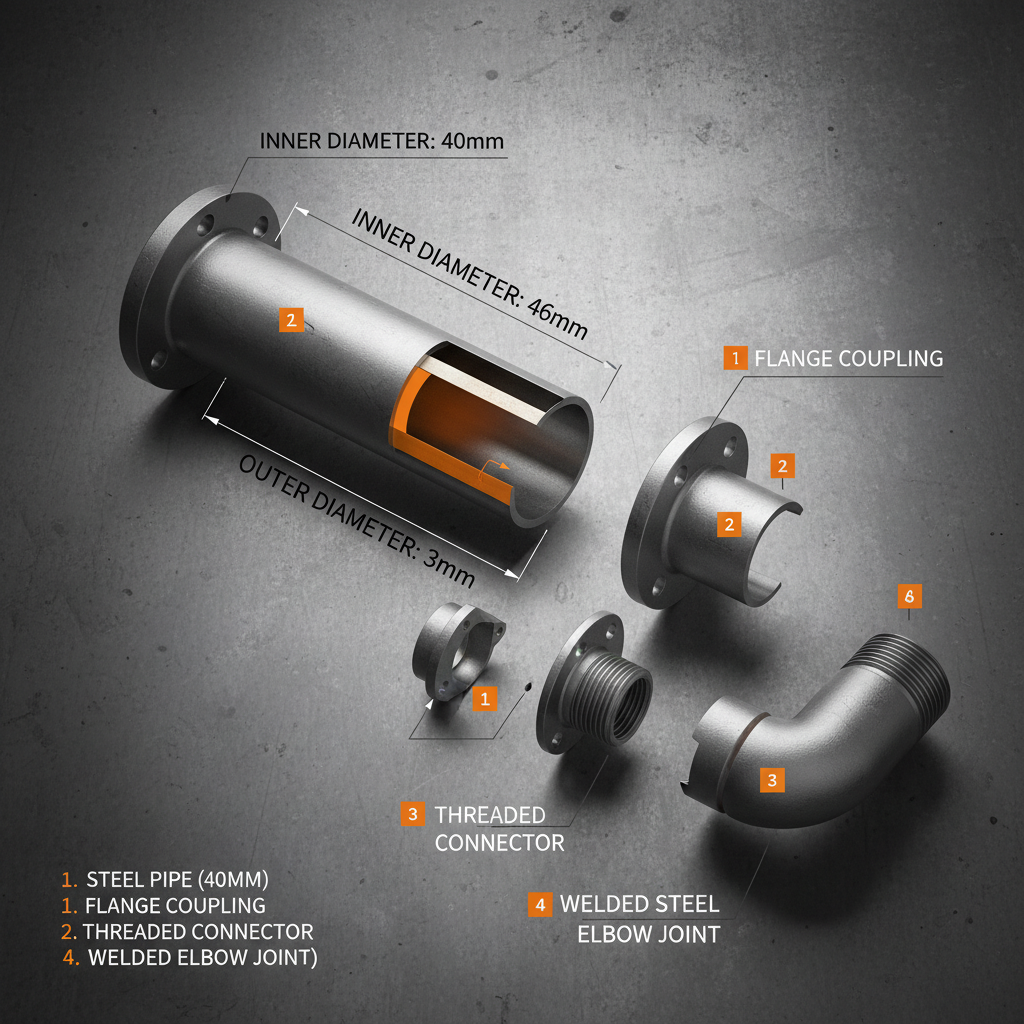
Comprehensive Guide to 40mm Steel Tube Applications and Material Selection

40mm steel tube is a versatile and widely used material in various industries, from construction and manufacturing to automotive and beyond. Its strength, durability, and cost-effectiveness make it an ideal choice for numerous applications. This article will delve into the characteristics, applications, benefits, and considerations when working with 40mm steel tube, providing a comprehensive overview for professionals and anyone interested in this essential material.
Comprehensive Guide to 40mm Steel Pipe Applications and Considerations
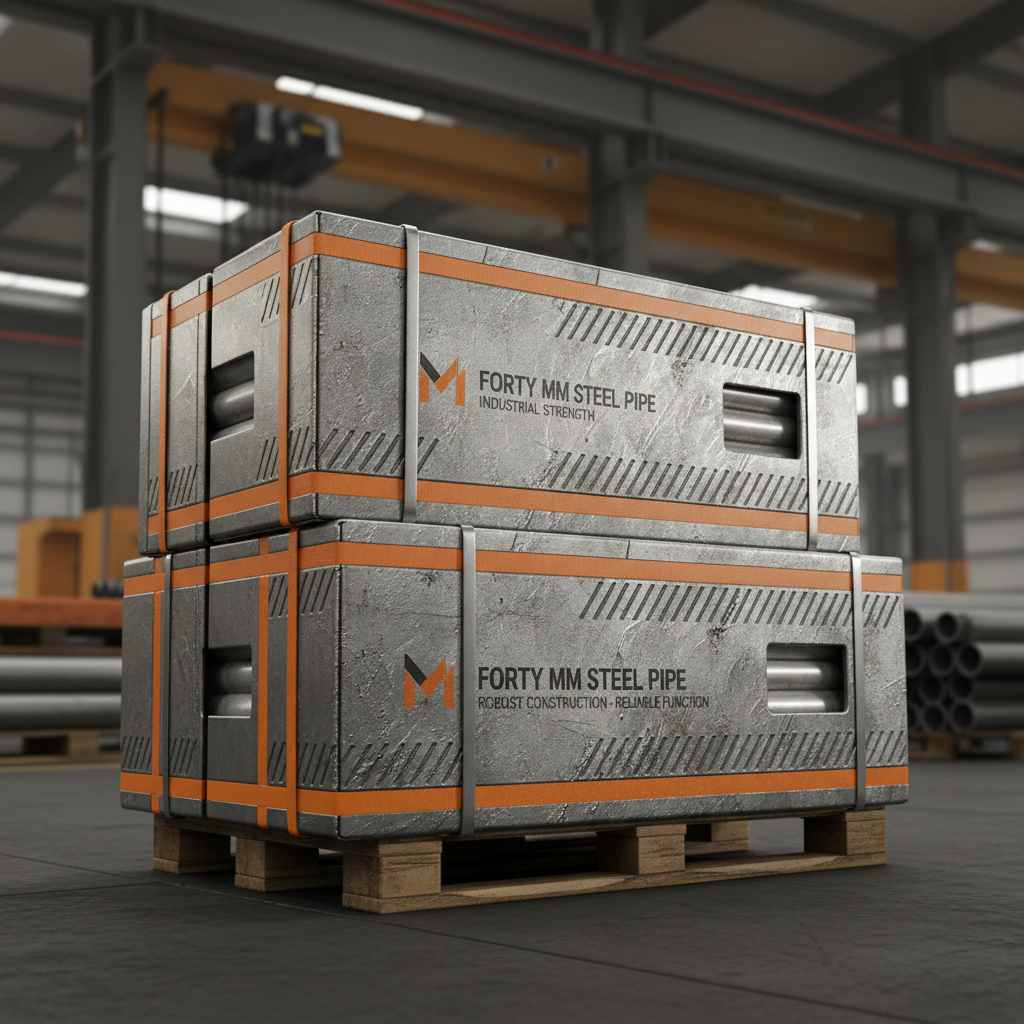
Comprehensive Guide to 40mm Steel Pipe Applications and Considerations

40mm steel pipe is a widely used material in various industries due to its strength, durability, and cost-effectiveness. From construction and infrastructure projects to industrial applications and fluid transportation, this pipe size offers a versatile solution. This article will delve into the properties, applications, standards, and key considerations when selecting 40mm steel pipe, helping you make informed decisions for your specific needs.
Comprehensive Guide to 40mm Metal Pipe Applications and Sourcing
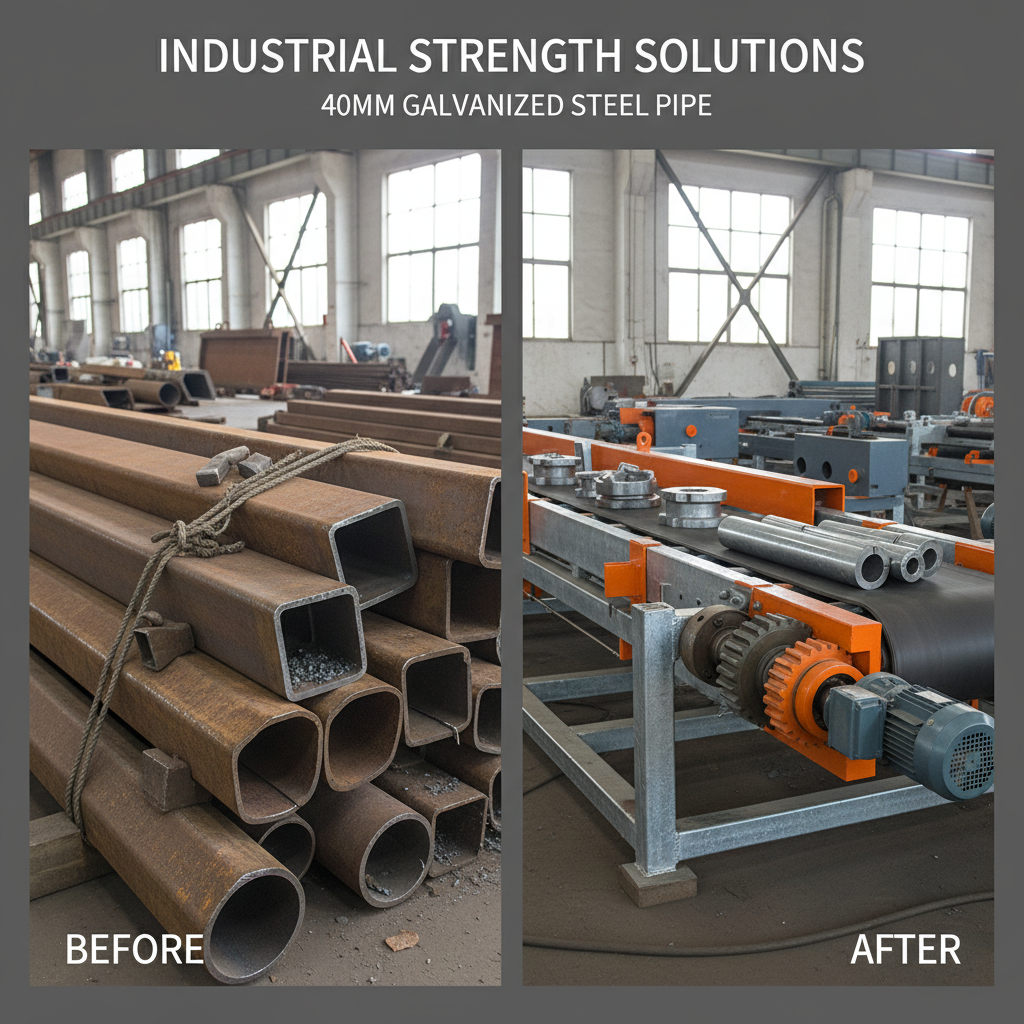
Comprehensive Guide to 40mm Metal Pipe Applications and Sourcing

40mm metal pipe is a crucial component in a wide array of industries, from construction and plumbing to industrial manufacturing and fluid transport. Its strength, durability, and versatility make it a preferred material for countless applications. This article will delve into the specifics of 40mm metal pipe, exploring its various types, common uses, benefits, and where to source high-quality piping solutions.
Comprehensive Guide to 40mm Galvanised Pipe Applications and Specifications

Comprehensive Guide to 40mm Galvanised Pipe Applications and Specifications

When planning a plumbing, structural, or industrial project, selecting the right piping material is crucial. 40mm galvanised pipe is a widely used option known for its strength, durability, and corrosion resistance. This article provides a detailed overview of 40mm galvanised pipes, exploring their applications, benefits, specifications, and considerations for optimal usage. We'll cover everything from what galvanisation is to how to choose the right pipe for your specific needs.
tel email tel top

If you are interested in our products, you can choose to leave your information here, and we will be in touch with you shortly.