If you’ve ever encountered massive infrastructure projects or industrial plants, chances are you've seen thick wall steel pipes in action. These aren't your everyday plumbing pipes—they’re heavy-duty lifelines that keep industries, cities, and even humanitarian efforts running smoothly. Globally, their importance is skyrocketing, largely due to increasing demands for safer and more reliable transport of liquids and gases under extreme conditions.
Why should anyone care about thick wall steel pipes? Well, beyond just being clever chunks of metal, they address huge challenges like environmental safety, structural integrity under pressure, and the push for sustainability—because replacing a faulty pipe in a remote oil field isn’t just costly, it can be catastrophic. Understanding these pipes means grasping a small but critical piece of the world’s infrastructure puzzle.
Industries worldwide increasingly depend on these pipes for critical applications—from oil and gas pipelines stretching thousands of kilometers, to water distribution in megacities, and even reinforcing foundations in construction. According to the International Organization for Standardization (ISO 3183 standards) and data tracked by the United Nations Environment Programme, the demand for corrosion-resistant, high-strength pipes has grown by roughly 5% annually over the past decade.
Yet, there’s a catch: With rapid urbanization, climate change, and stricter safety regulations, many traditional piping materials simply don’t cut it anymore. Thick wall steel pipe steps up to address these challenges, offering solutions strong enough to withstand the pressure, temperature variation, and possibly corrosive environments. In other words: thick wall steel pipe is less a luxury and more a global necessity.
Put simply, a thick wall steel pipe is a pipe made from steel that has a substantially thicker wall compared to standard pipes. This thickness provides enhanced strength, durability, and safety margins. They are engineered to carry fluids and gases under high pressure or aggressive conditions without deforming or failing.
In industrial terms, if you imagine standard pipes as regular shoe soles, thick wall pipes are akin to reinforced hiking boots — designed for tougher terrain and harsher environments. This analogy partially explains why they are so vital across sectors like oil and gas, mining, water treatment, and construction.
Because of their thicker walls, these pipes boast impressive resistance against mechanical stress, impact, and even seismic activity. This is what makes them indispensable in high-pressure systems or underground pipelines subject to shifting soils.
Many thick wall steel pipes are treated with specialized coatings or made from alloyed steels to fight off corrosion. This translates to longer service life, especially in harsh environments like offshore drilling or chemically aggressive settings.
Industries that work with hot fluids—like steam or crude oil—rely heavily on pipes that won’t warp or crack under extreme temperatures. Thick walls slow down heat transfer and maintain structural integrity.
Some might balk at the initial cost, which is often higher than thin-walled alternatives. However, the reduced maintenance, fewer replacements, and less downtime balance that out—ultimately saving money in the long run.
Whether you need a 12-meter-long pipeline in Siberia or a short segment for urban infrastructure, manufacturers offer various sizes and tailor the wall thickness to specific use cases.
International certifications like API 5L or ISO 3183 govern the production and quality assurance of these pipes, ensuring reliability and safety no matter the region.
From the frigid tundras of Russia to the scorching deserts of the Middle East, thick wall steel pipes play starring roles in countless projects:
One notable example is the recent modernization of pipelines in the Gulf of Mexico, where aging infrastructure was replaced with thicker wall varieties, reducing leak risks by an estimated 30% over previous systems.
Beyond its obvious physical resilience, thick wall steel pipe offers some surprisingly emotional benefits. Engineers report higher confidence levels in system safety, and communities indirectly enjoy enhanced trust from stable infrastructure. Here’s why it’s a long game winner:
| Specification | Typical Range/Value | Remarks |
|---|---|---|
| Outer Diameter | 50 mm – 1,200 mm | Customized per project needs |
| Wall Thickness | 10 mm – 100 mm | Higher for high-pressure applications |
| Material Grade | API 5L X65, X70, X80 | High-strength steel grades |
| Coating | Polyethylene, Epoxy, FBE | Corrosion protection layers |
| Length | Up to 18 meters | Tailored to transport and installation logistics |
| Vendor | Global Reach | Customization Options | Price Range | Certification |
|---|---|---|---|---|
| Lion Pipeline | Worldwide | Full range of diameters & coatings | Mid-level | API 5L, ISO 3183 |
| SteelX Global | Regional (Europe & Asia) | Limited to standard sizes | Low-end | ISO 3183 |
| Atlas Pipes | Global | Custom steel grades and coatings | High-end | API 5L, ISO 3183, ASME |
Looking forward, the industry is buzzing with innovations that blend smart materials and eco-conscious design. Nanotechnology-enhanced coatings promise even better corrosion resistance. Additive manufacturing (3D printing) offers hopes for faster, lighter pipe components with optimized wall thickness.
Meanwhile, digital transformation is impacting pipeline monitoring: sensors embedded in the steel pipes enable real-time detection of pressure changes or corrosion, lowering risks dramatically. And since governments are pushing for sustainability, recycled steel grades and lower carbon footprint manufacturing processes are beginning to shape the supply chain. It feels like a new era is just around the bend.
Of course, nothing’s perfect. Thick wall steel pipe comes with its own hurdles:
Thankfully, many manufacturers invest in modular designs, advanced coating technologies, and supplier partnerships to ease these issues. The clever use of automation at installation sites also minimizes human error and reduces project timelines.
A: Thick wall steel pipes offer greater mechanical strength, higher pressure resistance, and longer lifespan. They’re superior in harsh environments or critical infrastructure projects where failure is not an option.
A: Yes, when made from proper steel grades (like X70) and treated correctly, these pipes maintain toughness and resist brittle fracture even at subzero temperatures.
A: Typically, inspection intervals depend on the application and environment but range from annually to every five years. Using embedded digital sensors is an emerging practice that allows continuous monitoring.
A: Absolutely. Steel is one of the most recycled materials globally. At the end of their service life, pipes can be melted down and reused, making them a sustainable option compared to many plastics or composites.
A: It depends on factors like pressure requirements, fluid type, environmental condition, and regulatory codes. Consulting with experienced suppliers like Lion Pipeline can help tailor the specifications precisely.
It may not be glamorous, but thick wall steel pipe quietly powers the world’s infrastructure—under oceans, through cities, and across continents. Its blend of toughness, longevity, and versatility means utilities and industrial players can sleep better at night, knowing their pipelines will hold strong and safe for years.
So, if you’re exploring durable piping solutions, or just curious about what it takes to keep modern life flowing, thick wall steel pipe deserves a closer look. Thoughtful choice today saves headaches and disasters tomorrow.
Feel free to dig deeper and get in touch with trusted experts. For detailed product info and tailored solutions, visit https://www.lion-pipeline.com.
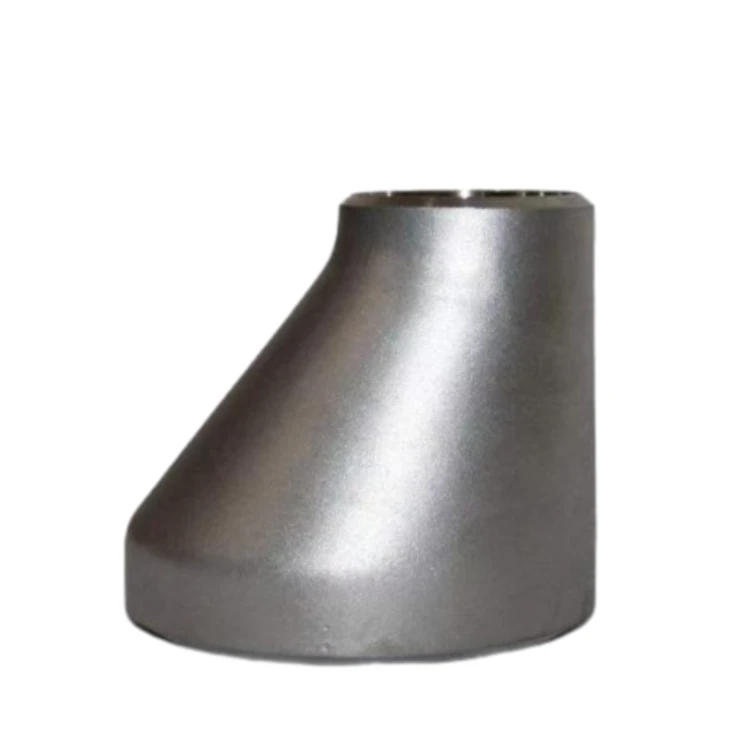
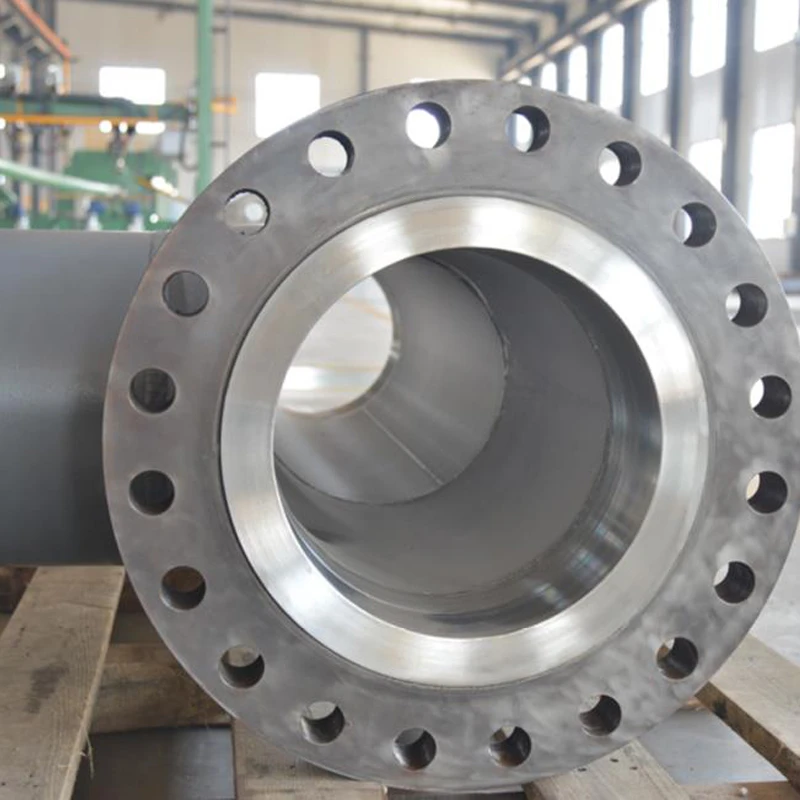
Factory Prefabricated Products
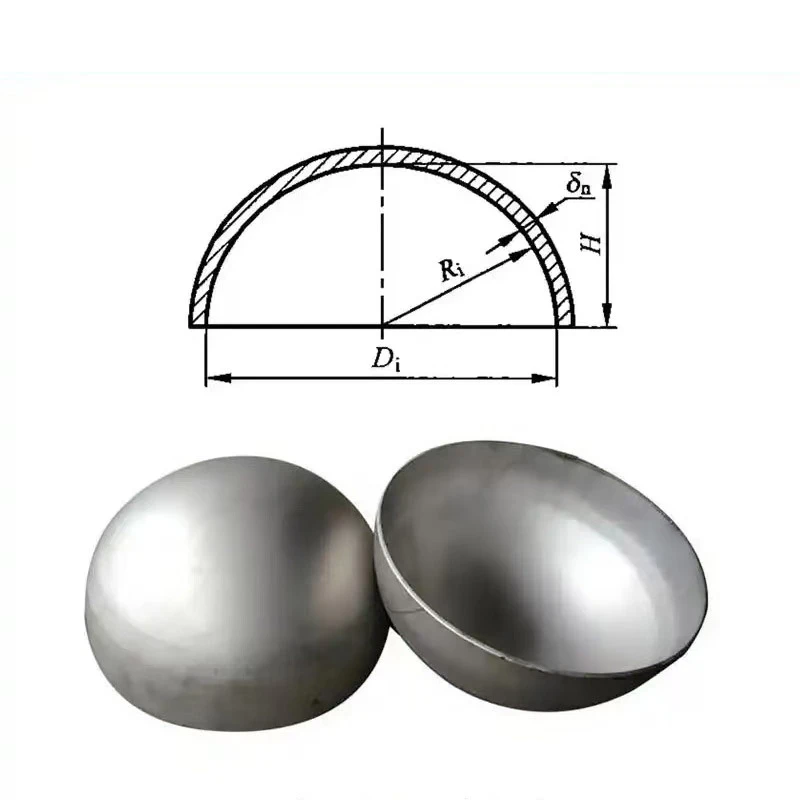
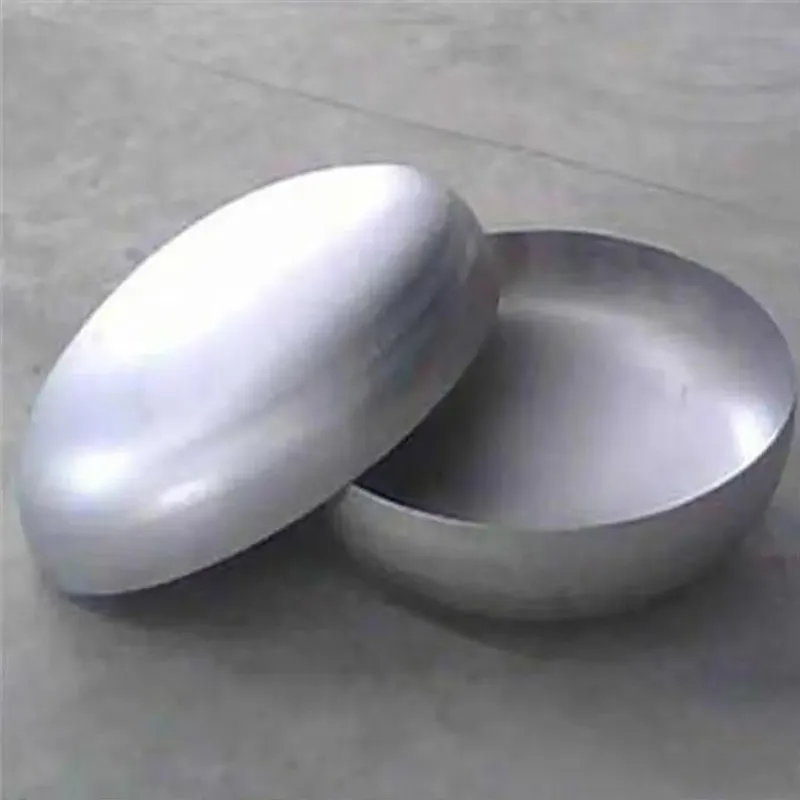
Pipe Cap-Cangzhou Lion Technology Co., Ltd.|Enhancing System Efficiency&Durability
Pipe Cap-Cangzhou Lion Technology Co., Ltd.|Enhancing System Efficiency&Durability
Pipe Cap-Cangzhou Lion Technology Co., Ltd.|Enhancing System Efficiency&Durability
Pipe Cap-Cangzhou Lion Technology Co., Ltd.|Enhancing System Efficiency&Durability
Pipe Cap-Cangzhou Lion Technology Co., Ltd.|Enhancing System Efficiency&Durability
Pipe Cap-Cangzhou Lion Technology Co., Ltd.|Enhancing System Efficiency&Durability