tel
Email
to top
PRODUCT DETAILS
Laser Clad Pipe
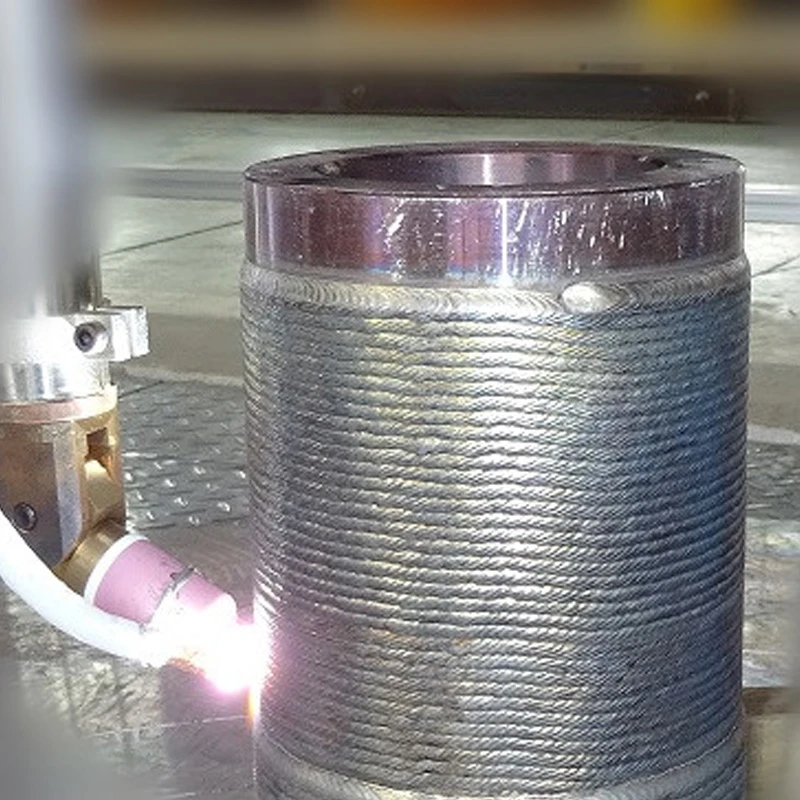
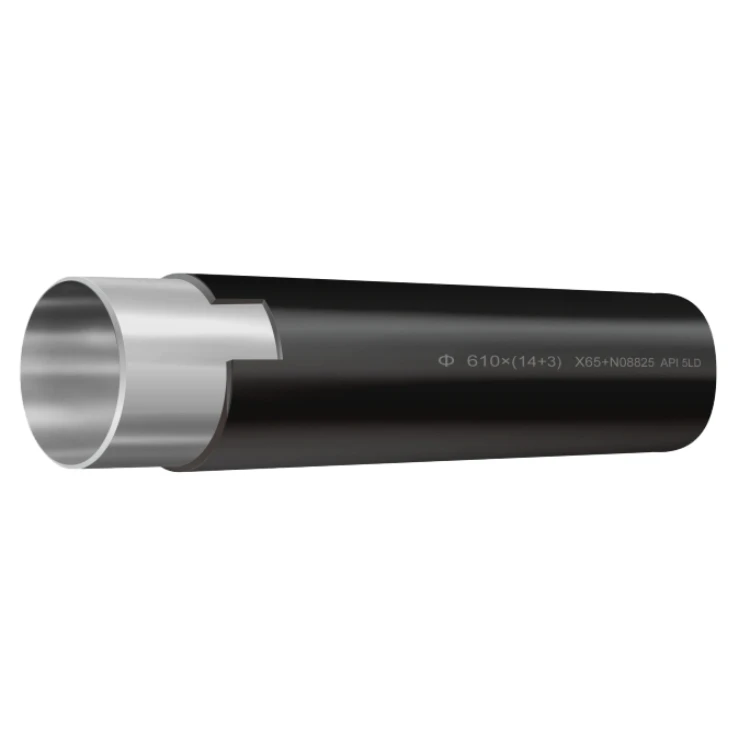
Laser clad steel pipes are manufactured using laser cladding technology. This technology involves adding cladding material to the surface of ordinary steel pipe base material, using high-energy-density laser beams to fuse the cladding material with the steel pipe surface, forming a metallurgically bonded cladding layer. These pipes are generally used in compressed air energy storage projects as underground deep well transportation pipes or casings, as well as in oil, natural gas, and geothermal well extraction.
share:
Laser Clad Steel Pipe Product Introduction

Laser Clad  Pipe combines cutting-edge laser cladding technology with the strength of steel, offering exceptional performance in harsh and demanding environments. The process of laser cladding involves applying a high-quality metal coating onto the surface of the pipe, creating a robust composite layer that enhances its resistance to corrosion, abrasion, and high temperatures. This results in a pipe that not only maintains the structural integrity of traditional steel but also boasts superior wear and chemical resistance, extending its lifespan significantly.


Ideal for industries such as oil and gas, petrochemical, and marine applications, the Laser Clad Composite Pipe is engineered to withstand extreme conditions, ensuring reliable operation in critical systems. Its lightweight nature also simplifies installation, while its long-lasting durability reduces maintenance costs over time. Whether transporting corrosive chemicals or operating in high-stress environments, this pipe delivers the strength, reliability, and protection needed for the most demanding applications.

Laser Clad Steel Pipe Advantages

1.Excellent Corrosion Resistance: Cladding with corrosion-resistant alloy materials significantly improves the corrosion resistance of steel pipes. Laser-clad nickel-based alloy steel pipes have 3-5 times better corrosion resistance than ordinary alloy pipes.

2.Good Wear Resistance: Provides high hardness and wear resistance, extending the service life of steel pipes.

3.High Bonding Strength: Compared to traditional coating or lining methods, the cladding layer is less prone to peeling, ensuring stable performance over long-term use.

4.Small Heat-Affected Zone: The laser cladding process has minimal heat input to the steel pipe base, resulting in a small heat-affected zone and little change in the base material's structure and properties, reducing deformation.

wpe=【0.02466(D-T)(T)】+【0.02466(D-2T-t)(t)(F)】

wpe- flat end steel pipe weight per unit length, trimmed to the nearest 0.01kg/m

D-steel pipe outer diameter, when the outer diameter < 457mm, repair to the nearest 0.1mm, when the outer diameter ≥457mm, repair to the nearest 1mm

T-matrix steel pipe nominal wall thickness, trimmed to the nearest 0.1mm

t-The nominal wall thickness of the corrosion resistant alloy layer is reduced to the nearest 0.1mm

F-corrosion resistant alloy material correction factor (see table below)

alloy material correction factor(F)
1812 1.017
2205 0.995
2506 0.995
2242 1.038
2262 1.075


Characteristics of Laser Cladding Steel Pipes

  • 01
    Excellent Corrosion Resistance

    Excellent Corrosion Resistance

    Laser cladding steel pipes are made of corrosion-resistant alloy materials, greatly improving their corrosion resistance and extending their service life.
  • 02
    Excellent Wear Resistance

    Excellent Wear Resistance

    The high hardness cladding layer can effectively prevent the pipeline from being worn during transportation, greatly extending the service life of the steel pipe.
  • 03
    High Bonding Strength

    High Bonding Strength

    The bonding strength between the laser cladding layer and the substrate is high, and it is not easy to fall off or peel off, ensuring the stability and reliability of the pipeline in long-term use.
  • 04
    Small Heat Affected Zone

    Small Heat Affected Zone

    The laser cladding process requires less heat input to the steel pipe substrate, resulting in a small heat affected zone and reducing the risk of deformation.
CONTACT US
  • Mechanical Clad Steel Pipe

    Mechanical Clad Steel Pipe

    Mechanical clad steel pipe (MCSP) is a kind of high-performance pipe, which is specially designed for demanding industrial applications. Combining the durability and strength of steel with advanced composite materials, MCSP provides enhanced corrosion resistance, high pressure and extreme temperatures.
    VIEW ALL
  • Overlay Welding Clad Steel Pipe

    Overlay Welding Clad Steel Pipe

    Overlay Welding clad Steel Pipe features a high-performance welded overlay that enhances the pipe’s surface properties, providing superior resistance to corrosion, erosion, and wear. This process involves applying a wear-resistant alloy layer over a strong steel base, making it ideal for industries such as oil and gas, mining, and chemical processing, where pipes are exposed to harsh conditions. The overlay ensures extended service life, reduced maintenance costs, and reliable performance even in extreme environments. With its combination of strength, durability, and corrosion resistance, the Overlay Welding Steel Pipe is a trusted solution for critical applications.
    VIEW ALL

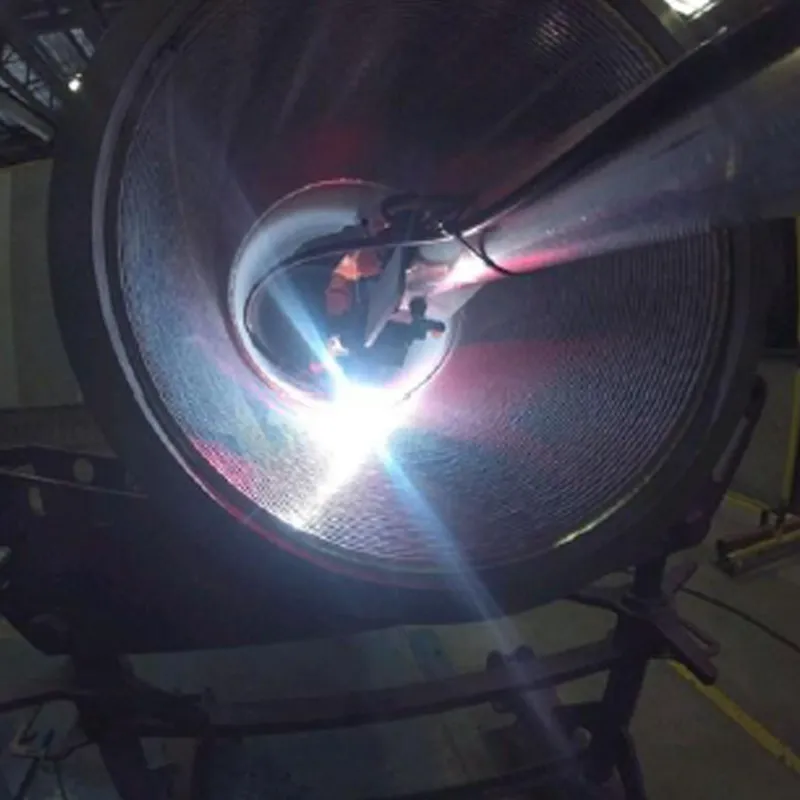
Cutting-Edge Laser Cladding Process to Build Composite Pipe

As an innovative manufacturer, it endows the pipeline with super wear-resistant and corrosion-resistant performance and injects lasting power into your project.
News
The company regards product quality as the life of the enterprise, establishes a sound quality management system in accordance with the requirements of industry and national standards, controls all aspects of input and output in the whole process, pays attention to every detail, and ensures that the product delivery pass rate is 100%.
Comprehensive Guide to 4 Inch Steel Tubing Applications and Selection

Comprehensive Guide to 4 Inch Steel Tubing Applications and Selection

Mar.14,2026
4 inch steel tubing is a versatile material widely utilized across various industries, from construction and manufacturing to automotive and infrastructure. Its strength, durability, and cost-effectiveness make it a preferred choice for numerous applications. This article delves into the characteristics, applications, different types, and considerations when purchasing 4 inch steel tubing, offering a detailed overview for professionals and anyone seeking a deeper understanding of this essential material. Selecting the appropriate steel tubing can significantly impact the performance and longevity of your project. 4 inch steel tubing refers to hollow steel sections with an outer diameter of 4 inches. It’s commonly manufactured through processes like welding, seamless extrusion, or cold drawing. This tubing offers a high strength-to-weight ratio, making it ideal for structural applications.
Comprehensive Guide to 4 Inch Steel Pipe Applications and Specifications

Comprehensive Guide to 4 Inch Steel Pipe Applications and Specifications

Mar.12,2026
4 inch steel pipe is a fundamental component in a vast array of industries, from construction and infrastructure to oil & gas and water management. Its robust nature, durability, and cost-effectiveness make it a preferred choice for conveying fluids and gases. This article will explore the various applications of 4 inch steel pipe, delve into its specifications, and offer guidance on sourcing high-quality pipes from a reliable supplier like Lion Pipeline. Choosing the right steel pipe is crucial for the longevity and safety of your projects, so understanding its properties and uses is essential. The versatility of 4 inch steel pipe allows it to be utilized in numerous applications. In the construction industry, it is frequently used for structural supports, fencing, and handrails. The oil and gas sector relies heavily on these pipes for transporting crude oil, natural gas, and refined products. Water treatment facilities employ them for water distribution and wastewater management. Furthermore, they find application in irrigation systems, fire protection systems, and even in the manufacturing of furniture and other industrial equipment. Its strength and ability to withstand high pressures make it a dependable solution across diverse sectors.
Comprehensive Guide to 4 Inch Stainless Steel Pipe Properties and Applications

Comprehensive Guide to 4 Inch Stainless Steel Pipe Properties and Applications

Mar.11,2026
When sourcing materials for fluid transfer, structural support, or various industrial applications, 4 inch stainless steel pipe stands out as a versatile and reliable choice. This article provides a detailed overview of its properties, applications, grades, and considerations for optimal use. We’ll explore why stainless steel is often preferred over other materials and how to select the right pipe for your specific needs. Choosing the correct piping system is crucial for ensuring efficiency, safety, and longevity in any project. Stainless steel pipes, particularly those with a 4-inch diameter, possess a unique combination of properties that make them ideal for a wide range of applications. Corrosion resistance is paramount, thanks to the chromium content in the alloy, which forms a protective layer against environmental factors. High tensile strength and durability ensure longevity, even under pressure or demanding conditions. They also exhibit excellent temperature resistance, making them suitable for both high and low-temperature applications. Furthermore, stainless steel is hygienic and easy to clean, which is vital in industries like food processing and pharmaceuticals. The smooth internal surface minimizes friction loss, optimizing flow efficiency.
Comprehensive Guide to Durable 4 Inch Stainless Steel Exhaust Pipe Systems

Comprehensive Guide to Durable 4 Inch Stainless Steel Exhaust Pipe Systems

Mar.10,2026
When it comes to exhaust systems for vehicles, machinery, or industrial applications, the choice of materials and dimensions is critical. A 4 inch stainless steel exhaust pipe offers a compelling combination of durability, corrosion resistance, and performance. This article provides an in-depth look at the benefits, applications, and considerations when selecting this type of piping. We’ll explore why Lion Pipeline is a trusted source for high-quality stainless steel exhaust pipes. Choosing the right exhaust system component can significantly impact overall system efficiency and longevity. A 4 inch stainless steel exhaust pipe provides several advantages over other materials like aluminized steel or carbon steel. Stainless steel's inherent corrosion resistance is a major benefit, especially in harsh environments where exposure to moisture, salt, and chemicals is common. Its strength and durability ensure a long service life, reducing the need for frequent replacements.
Comprehensive Guide to 4 Inch Stainless Pipe Applications and Benefits

Comprehensive Guide to 4 Inch Stainless Pipe Applications and Benefits

Mar.09,2026
When selecting piping for a project, especially in industries demanding corrosion resistance and durability, 4 inch stainless pipe is a frequently considered option. This article provides a comprehensive overview of this type of piping, its applications, benefits, and key factors to consider when purchasing. We will delve into the various grades of stainless steel used, common applications, and why choosing a reputable supplier like Lion Pipeline is crucial for ensuring quality and compliance. Stainless steel pipes offer longevity and reduce maintenance, making them a cost-effective solution in the long run. 4 inch stainless steel pipe is renowned for its exceptional corrosion resistance, making it ideal for handling a wide variety of fluids and gases. Unlike carbon steel, stainless steel forms a passive layer of chromium oxide on its surface, protecting it from rust and corrosion. This is particularly important in harsh environments like those found in chemical processing, wastewater treatment, and marine applications. Furthermore, stainless steel pipes offer high strength and durability, capable of withstanding high pressures and temperatures.
Comprehensive Guide to 4 Inch Round Steel Tubing for Global Trade and Applications

Comprehensive Guide to 4 Inch Round Steel Tubing for Global Trade and Applications

Mar.08,2026
4 inch round steel tubing is a versatile structural component widely used across numerous industries, from construction and manufacturing to automotive and agriculture. Its strength, durability, and relatively lightweight nature make it an ideal choice for a wide range of applications. For businesses involved in international steel trading, understanding the nuances of this particular tubing is crucial for meeting client demands and ensuring successful transactions. This article will provide a comprehensive overview of 4 inch round steel tubing, covering its specifications, applications, common standards, and considerations for efficient global sourcing. The term “4 inch round steel tubing” refers to steel pipes with an outer diameter of four inches and a circular cross-section. These tubes are manufactured through various processes, including welding, drawing, and seamless extrusion. The choice of manufacturing method significantly impacts the tube’s strength, precision, and cost. Common steel grades used for 4 inch round steel tubing include A53, A106 (for higher temperature applications), and 1018 carbon steel. Wall thickness varies depending on the application, commonly ranging from schedule 40 to schedule 80, influencing the tube’s load-bearing capacity and weight. Understanding these factors is essential when sourcing steel tubing from international suppliers.
tel email tel top

If you are interested in our products, you can choose to leave your information here, and we will be in touch with you shortly.