In the world of high-performance engineering, material selection is the foundation of safety and efficiency. 4130 tubing is widely regarded as the gold standard for applications requiring an exceptional strength-to-weight ratio. This chrome-molybdenum alloy steel is engineered to withstand extreme stress while remaining lightweight enough for aerospace and automotive use. Whether you are designing a roll cage, a bicycle frame, or a critical industrial component, understanding the nuances of this material is essential. In this comprehensive guide, we will explore why this specific alloy is preferred by engineers worldwide and how to choose the right specifications for your project.
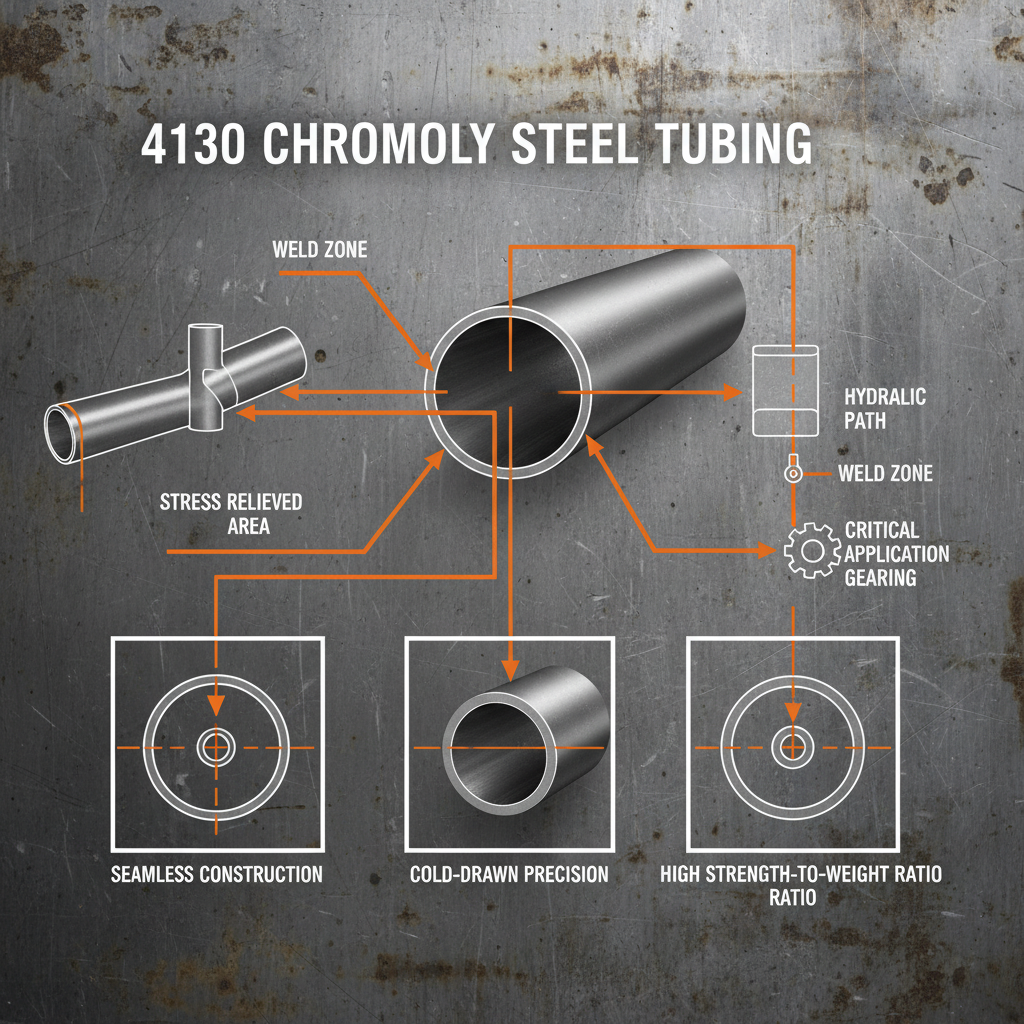
4130 tubing is a low-alloy steel containing chromium and molybdenum. The "41" indicates the alloy family (Chromium-Molybdenum), and the "30" represents the carbon content (approximately 0.30%). This specific chemical composition allows the material to be normalized, which refines the grain structure and enhances its mechanical properties. Unlike standard mild steel, this alloy offers superior yield strength and hardness, making it far more resistant to deformation under load. Its versatility stems from its ability to be easily welded and heat-treated, providing engineers with the flexibility to customize the hardness of specific sections of a part.
Key Highlights: The primary advantage of 4130 is its high tensile strength combined with excellent weldability. This makes it an ideal choice for structural components where failure is not an option but weight reduction is a priority.
Understanding the technical specifications is crucial for ensuring the structural integrity of your build. 4130 tubing is prized for its balance of ductility and strength. When normalized, it provides a reliable baseline of performance, but when quenched and tempered, its strength can be significantly increased. This adaptability allows it to be used in environments ranging from the fuselage of a vintage aircraft to the frame of a professional racing car. The material's ability to absorb energy during an impact—known as toughness—is one of the main reasons it is mandated for safety-critical roll cages.
Performance Benefits:
• High Tensile Strength: Resists breaking under heavy tension.
• Excellent Fatigue Resistance: Withstands repeated loading cycles.
• Superior Weldability: Compatible with TIG and MIG welding processes.
• Weight Efficiency: Higher strength allows for thinner walls and lower overall weight.
When deciding between 4130 tubing and standard cold-rolled mild steel (like 1018 or 1020), the choice usually comes down to the "strength-to-weight" requirement. Mild steel is cheaper and easier to find, but it requires much thicker walls to achieve the same strength as 4130. This added thickness increases the total weight of the assembly, which can negatively impact vehicle acceleration, fuel efficiency, or aircraft lift. While mild steel is sufficient for basic furniture or simple brackets, any application involving safety or high-performance dynamics demands the superior properties of chrome-moly.
The versatility of 4130 tubing makes it indispensable across several high-stakes industries. In aerospace, it is used for engine mounts and fuselage bracing where every gram of weight saved improves performance. In the motorsports industry, it is the primary material for chassis and roll cages because it can absorb the energy of a crash without shattering, protecting the driver. Additionally, high-end bicycle manufacturers use it for frames that require a "springy" feel without sacrificing the strength needed to handle rugged terrain. From oil and gas pipeline components to custom automotive fabrication, this alloy ensures reliability under pressure.
When sourcing 4130 tubing, it is vital to check the product specifications to ensure it meets the required safety standards (such as ASTM or SAE). The tubing is typically available in seamless or welded formats, with seamless being the preference for high-pressure or structural applications to eliminate potential failure points at the seam. Below is a general specification table for normalized 4130 steel to help you in your planning process:
Fabricating with 4130 tubing requires more precision than working with mild steel. Because of the alloy content, the Heat Affected Zone (HAZ) can become brittle if not managed correctly. TIG (Tungsten Inert Gas) welding is the preferred method for 4130 because it provides the highest level of control over heat input and bead quality. For very thick walls, pre-heating and post-weld stress relieving (normalization) are recommended to prevent cracking. Always ensure your filler rod matches the base material properties to maintain the strength of the joint.
When performance, safety, and weight are the driving factors of your design, 4130 tubing is the unrivaled choice. Its unique combination of strength, ductility, and weldability allows for the creation of structures that are both lightweight and incredibly robust. While it requires a higher initial investment and more skilled fabrication, the long-term benefits in safety and efficiency are invaluable. Trust in the engineering excellence of chrome-moly to take your project to the next level of performance.
Yes, "Chromoly" is simply a shorthand term for Chromium-Molybdenum steel. While there are various grades of Chromoly, 4130 is the most common version used in tubing. The term refers to the alloying elements (Chromium and Molybdenum) that provide the steel with its characteristic strength and hardenability. When you see "Chromoly tubing" in a racing or aerospace context, it almost always refers to the 4130 specification.
Whether you need heat treatment depends on the application. For many low-stress applications, normalized 4130 is sufficient. However, the welding process creates a heat-affected zone (HAZ) that can be softer or more brittle than the base metal. In high-performance roll cages or aircraft parts, post-weld normalization or stress relieving is often performed to ensure the entire structure has uniform mechanical properties and to remove internal stresses created during the cooling of the weld.
Yes, 4130 tubing is excellent for high-pressure applications, provided that seamless tubing is used. Its high yield strength allows it to withstand significant internal pressures without bursting. However, it is important to consider corrosion resistance. Since 4130 is not a stainless steel, it will rust if exposed to moisture. For fluid transport, it is typically plated, painted, or used in conjunction with corrosion-resistant coatings to ensure longevity.
Since 4130 is a carbon-alloy steel, it is susceptible to oxidation. The most effective ways to prevent corrosion include powder coating, painting, or galvanizing. In high-end automotive and aerospace applications, a clear coat or a specialized epoxy primer is often used. Regular inspection for surface rust and immediate touch-ups are recommended, especially in joints and weld areas where the protective coating may be thinner or stressed.
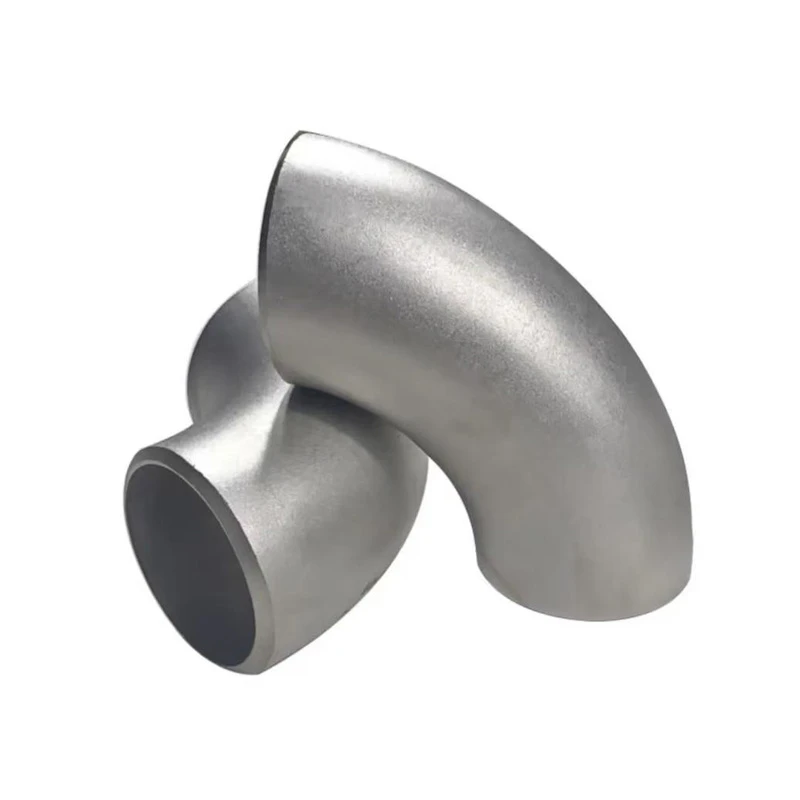
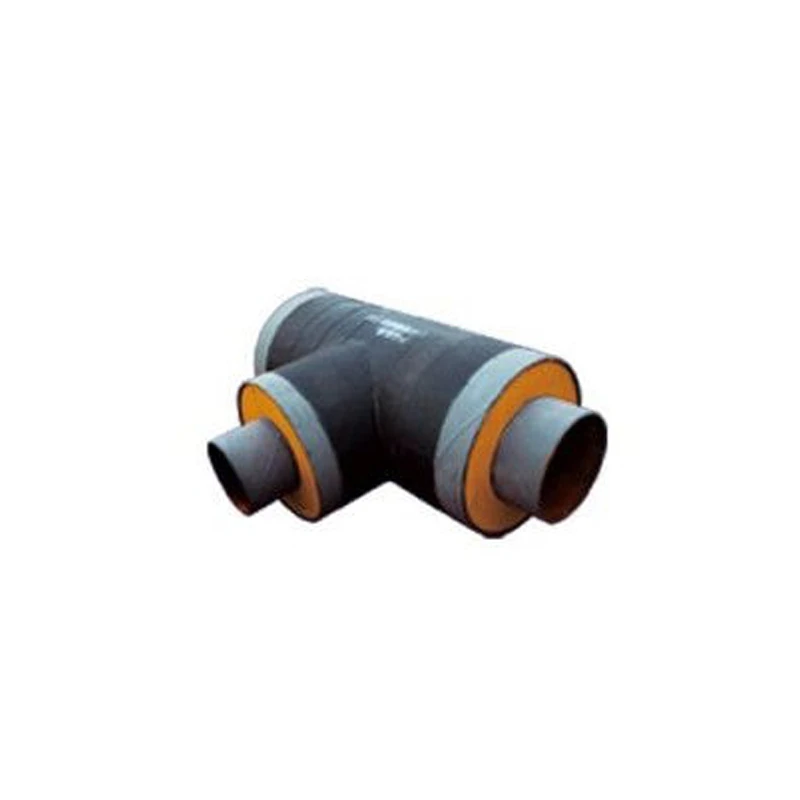
Anti Corrosion And Thermal Insulation Products
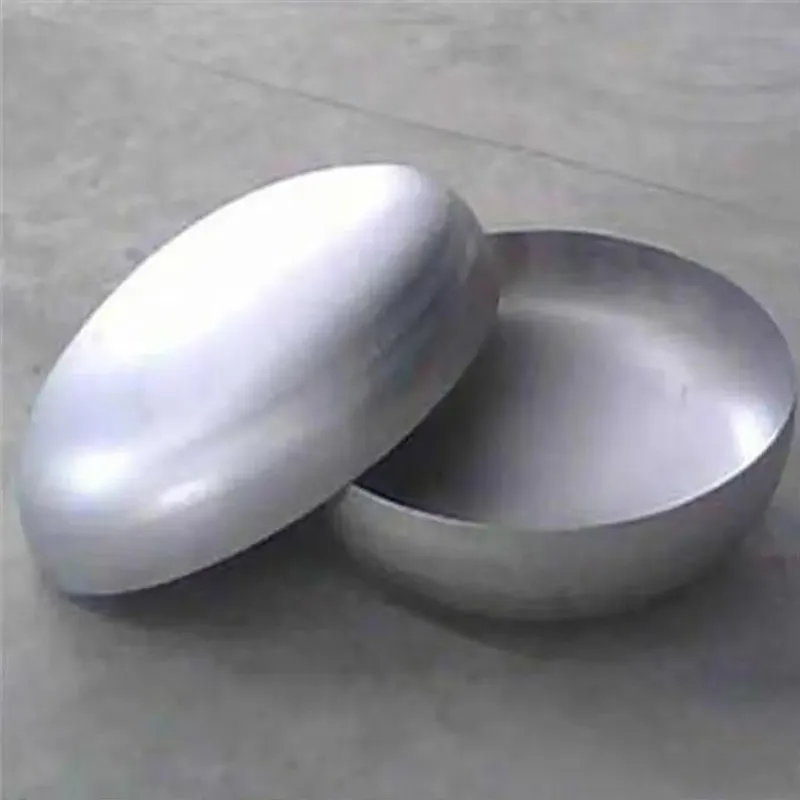
Pipe Cap-Cangzhou Lion Technology Co., Ltd.|Enhancing System Efficiency&Durability
Pipe Cap-Cangzhou Lion Technology Co., Ltd.|Enhancing System Efficiency&Durability
Pipe Cap-Cangzhou Lion Technology Co., Ltd.|Enhancing System Efficiency&Durability
Pipe Cap-Cangzhou Lion Technology Co., Ltd.|Enhancing System Efficiency&Durability
Pipe Cap-Cangzhou Lion Technology Co., Ltd.|Enhancing System Efficiency&Durability