tel
Email
to top

Comprehensive Guide to 40mm Steel Pipe Applications and Considerations

Apr 04 2026
share:

Understanding 40mm Steel Pipe: Applications and Considerations

40mm steel pipe is a widely used material in various industries due to its strength, durability, and cost-effectiveness. From construction and infrastructure projects to industrial applications and fluid transportation, this pipe size offers a versatile solution. This article will delve into the properties, applications, standards, and key considerations when selecting 40mm steel pipe, helping you make informed decisions for your specific needs. Lion Pipeline provides high-quality steel pipes suitable for a range of applications.
Comprehensive Guide to 40mm Steel Pipe Applications and Considerations

Key Properties of 40mm Steel Pipe

The properties of 40mm steel pipe dictate its suitability for various applications. The most common material is carbon steel, offering excellent strength and weldability. However, stainless steel options are also available for corrosive environments. Key properties include tensile strength, yield strength, and corrosion resistance. Wall thickness is another critical factor, affecting the pipe’s pressure rating and structural integrity. A thicker wall provides greater strength but also increases weight and cost. Choosing the right grade of steel and wall thickness is crucial for ensuring the pipe’s long-term performance and safety. Lion Pipeline offers a comprehensive range of steel grades and thicknesses to meet your requirements.

Key Highlights: Excellent strength, weldability, and cost-effectiveness make 40mm steel pipe a versatile choice. Stainless steel options provide corrosion resistance for demanding applications.

Applications of 40mm Steel Pipe

The 40mm steel pipe finds application in a diverse range of industries. In the construction sector, it's used for structural supports, handrails, and scaffolding. Within the oil and gas industry, it's essential for transporting fluids like water, oil, and gas. It’s also common in irrigation systems, plumbing, and fire protection systems. The versatility of 40mm steel pipe arises from its ability to handle various pressures and temperatures, making it suitable for both indoor and outdoor use. Selecting the appropriate coating or treatment is important based on the operational environment, for instance galvanized steel pipes are popular in outdoor environments.

Application Benefits:

• Structural supports in construction

• Fluid transportation in oil & gas

• Irrigation and plumbing systems

• Fire protection systems

40mm Steel Pipe: Comparing Material Grades

Choosing the right material grade for your 40mm steel pipe is critical. Carbon steel is the most common and cost-effective choice, suitable for general applications. However, for corrosive environments or high-temperature applications, stainless steel is preferable. Different stainless steel grades (e.g., 304, 316) offer varying levels of corrosion resistance. The following table provides a comparison of common material grades.

Material Grade Corrosion Resistance Strength Cost
Carbon Steel (A53) Low High Low
Stainless Steel 304 Good Medium Medium
Stainless Steel 316 Excellent Medium High

Standards and Specifications for 40mm Steel Pipe

Several standards govern the manufacturing and performance of 40mm steel pipe. ASTM A53 covers carbon steel pipe, while ASTM A312 addresses stainless steel pipe. API 5L is commonly used for pipeline applications. These standards specify requirements for chemical composition, mechanical properties, dimensions, and testing procedures. Compliance with these standards ensures the pipe meets industry requirements for safety and reliability. Lion Pipeline ensures all its 40mm steel pipe products adhere to relevant international standards.

Factors to Consider When Purchasing 40mm Steel Pipe

When sourcing 40mm steel pipe, consider several factors. First, identify the application and the required material grade. Next, determine the appropriate wall thickness based on pressure and structural requirements. Evaluate the supplier’s reputation and ensure they comply with relevant standards. Price is important, but prioritize quality and reliability. Finally, consider delivery times and any additional services offered, such as cutting or threading. Choosing a reputable supplier like Lion Pipeline will ensure you receive high-quality products and excellent customer support.

Conclusion: Selecting the Right 40mm Steel Pipe for Your Needs

Selecting the appropriate 40mm steel pipe requires careful consideration of material grade, wall thickness, industry standards, and supplier reliability. By understanding these factors and partnering with a trusted provider like Lion Pipeline, you can ensure optimal performance, safety, and longevity for your project.

Frequently Asked Questions (FAQs)

What is the typical wall thickness for 40mm steel pipe?

The wall thickness for 40mm steel pipe varies depending on the application. Common thicknesses range from Schedule 40 (2.77mm) to Schedule 80 (4.22mm). Schedule 40 is suitable for lower-pressure applications, while Schedule 80 provides greater strength for higher-pressure systems. For critical applications, heavier wall thicknesses may be required. It's crucial to consult engineering specifications and relevant standards to determine the appropriate wall thickness for your specific needs.

Can 40mm steel pipe be used for potable water?

Yes, but only if the pipe is specifically designed and certified for potable water applications. This typically means using stainless steel or carbon steel pipe with an internal coating approved for drinking water contact. It's essential to ensure the pipe meets relevant regulations and standards for water quality. Galvanized steel pipe may also be used, but concerns regarding lead content have led to its decreased use in potable water systems.

What are the common methods for joining 40mm steel pipe?

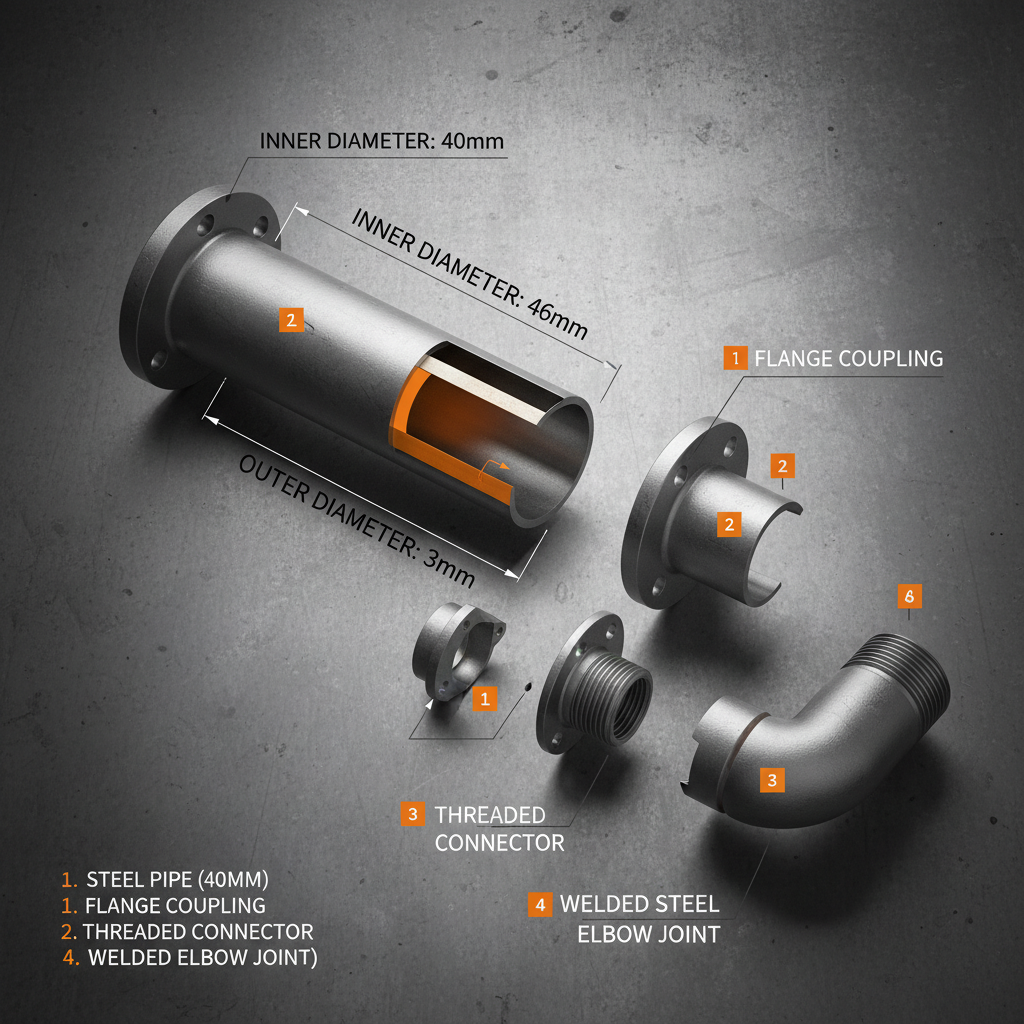
Common joining methods for 40mm steel pipe include welding, threading, and flanging. Welding provides a strong, permanent connection but requires skilled welders and appropriate safety precautions. Threading is suitable for smaller-diameter pipes and allows for easy assembly and disassembly. Flanging creates a robust connection ideal for high-pressure applications. The choice of joining method depends on the application, pressure requirements, and cost considerations.
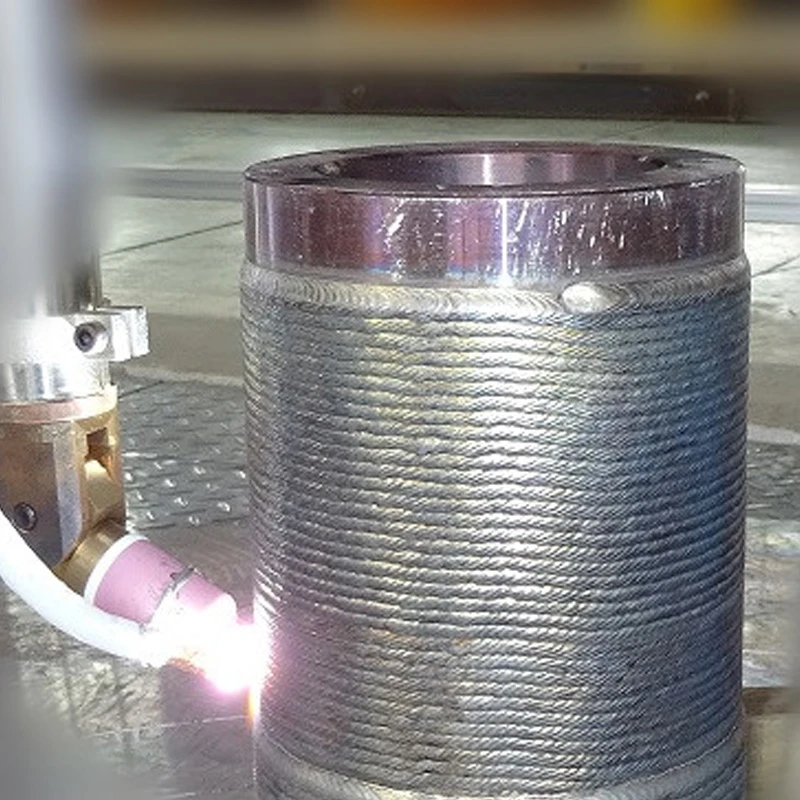
  • Overlay Welding Clad Steel Pipe

    Overlay Welding Clad Steel Pipe

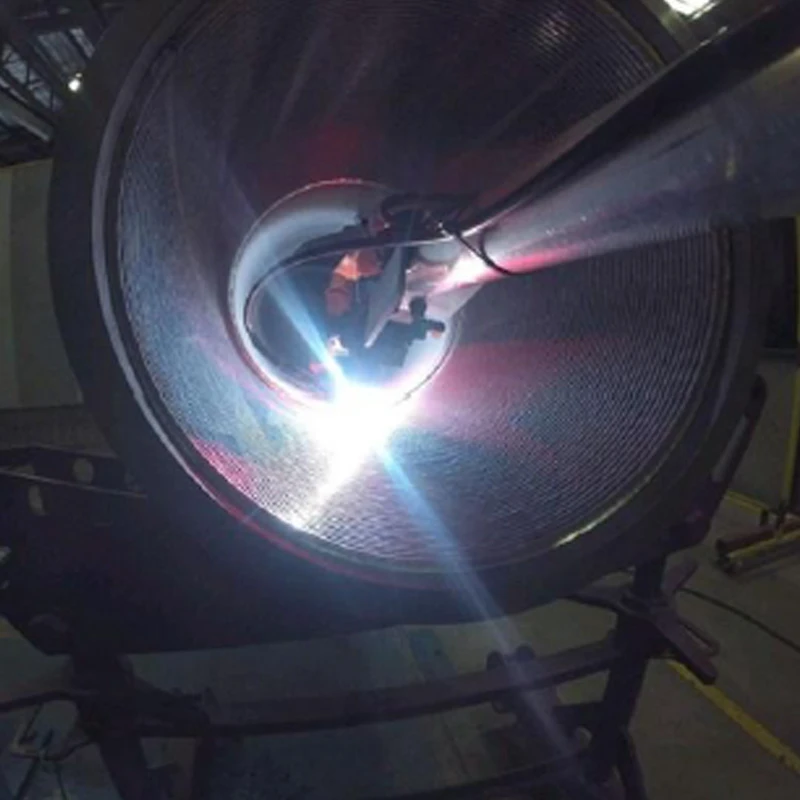
    Overlay Welding clad Steel Pipe features a high-performance welded overlay that enhances the pipe’s surface properties, providing superior resistance to corrosion, erosion, and wear. This process involves applying a wear-resistant alloy layer over a strong steel base, making it ideal for industries such as oil and gas, mining, and chemical processing, where pipes are exposed to harsh conditions. The overlay ensures extended service life, reduced maintenance costs, and reliable performance even in extreme environments. With its combination of strength, durability, and corrosion resistance, the Overlay Welding Steel Pipe is a trusted solution for critical applications.
    VIEW ALL
  • Tee Pipe

    Tee Pipe

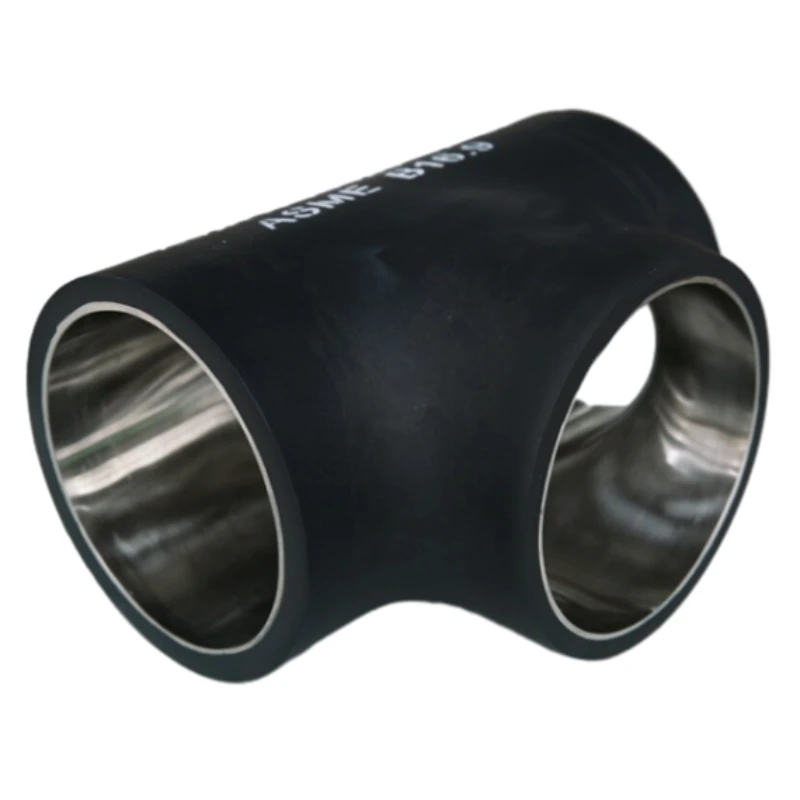
    Tee products are essential pipe fittings used to connect three sections of piping, forming a "T" shape. Available in various materials like carbon steel, stainless steel, and alloy steel, they are designed for use in systems requiring the diversion or junction of fluid flow.
    VIEW ALL
  • Laser Clad  Pipe

    Laser Clad Pipe

    Laser clad steel pipes are manufactured using laser cladding technology. This technology involves adding cladding material to the surface of ordinary steel pipe base material, using high-energy-density laser beams to fuse the cladding material with the steel pipe surface, forming a metallurgically bonded cladding layer. These pipes are generally used in compressed air energy storage projects as underground deep well transportation pipes or casings, as well as in oil, natural gas, and geothermal well extraction.
    VIEW ALL
To create value for customers!
Cangzhou Leo Technology Co., Ltd. is located in Mengcun County Economic Development Zone, Cangzhou City, Hebei Province. It is a specialized high-tech enterprise that integrates the research and development, production, and sales of composite pipes and fittings.
News
The company regards product quality as the life of the enterprise, establishes a sound quality management system in accordance with the requirements of industry and national standards, controls all aspects of input and output in the whole process, pays attention to every detail, and ensures that the product delivery pass rate is 100%.
Properties and Industrial Applications of 4130 steel tubing
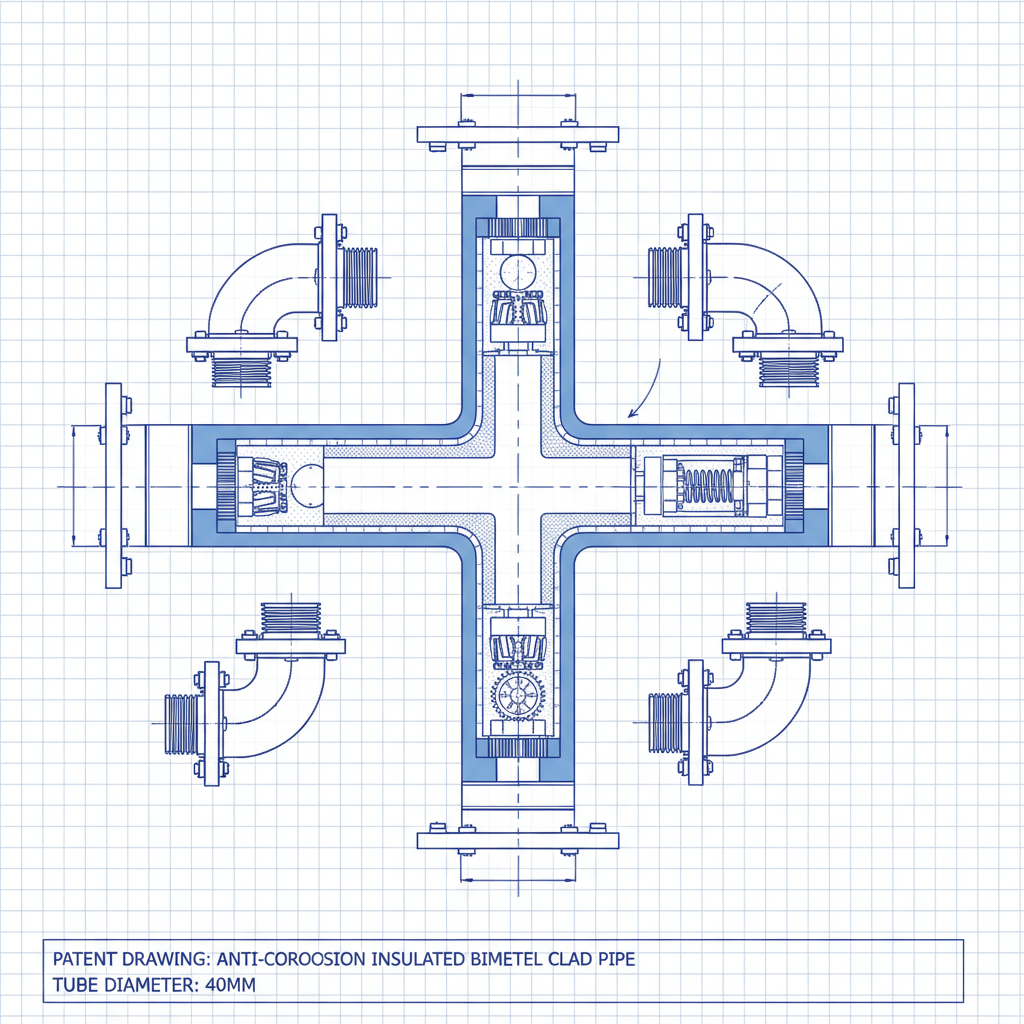
Properties and Industrial Applications of 4130 steel tubing

In the world of high-performance engineering, material selection is the foundation of safety and efficiency. 4130 steel tubing is widely recognized as the gold standard for applications requiring an exceptional strength-to-weight ratio. Known for its versatility and reliability, this chromium-molybdenum alloy is the preferred choice for everything from aircraft frames to professional roll cages. Understanding the nuances of this material allows engineers to optimize structural integrity without adding unnecessary bulk. In this comprehensive guide, we will explore why this specific alloy remains a top choice for critical industrial and aerospace components.
Comprehensive Guide to 40mm Steel Tube Applications and Material Selection
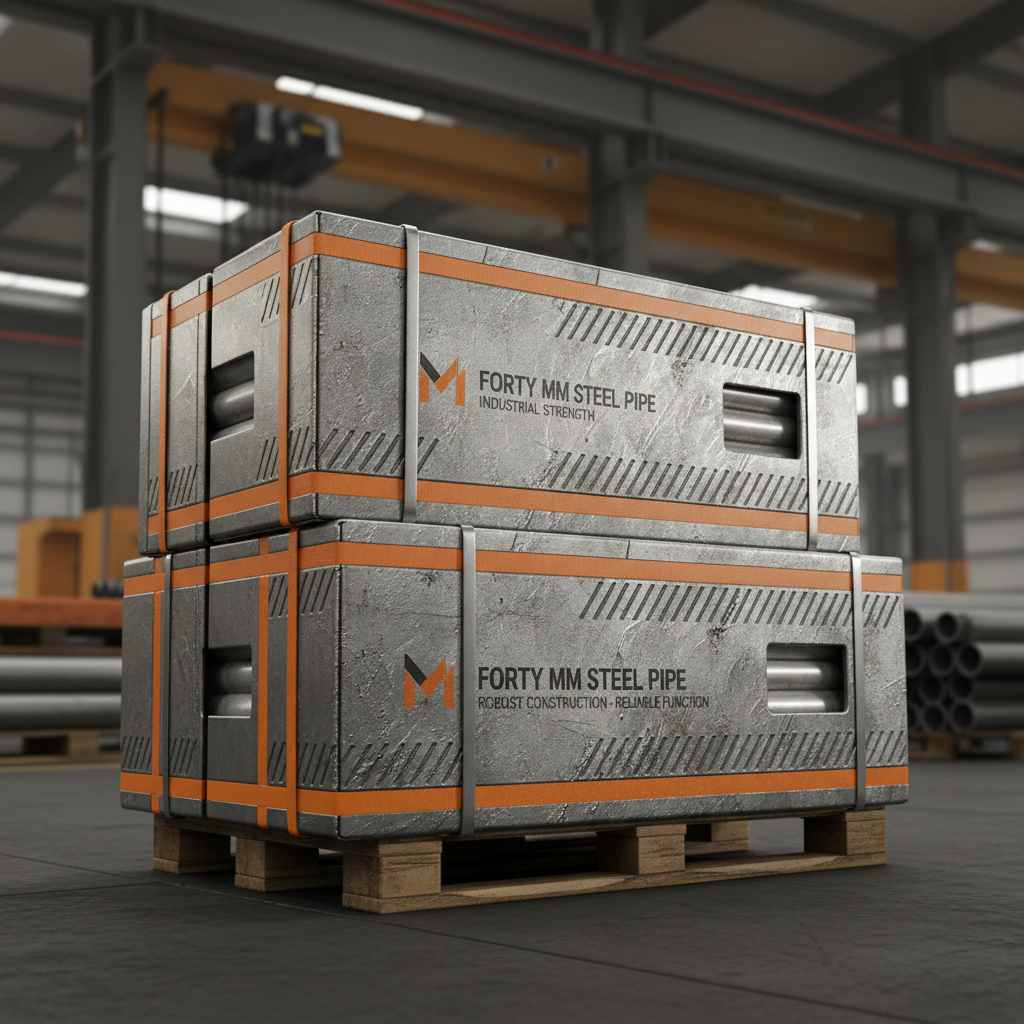
Comprehensive Guide to 40mm Steel Tube Applications and Material Selection

40mm steel tube is a versatile and widely used material in various industries, from construction and manufacturing to automotive and beyond. Its strength, durability, and cost-effectiveness make it an ideal choice for numerous applications. This article will delve into the characteristics, applications, benefits, and considerations when working with 40mm steel tube, providing a comprehensive overview for professionals and anyone interested in this essential material.
Comprehensive Guide to 40mm Metal Pipe Applications and Sourcing
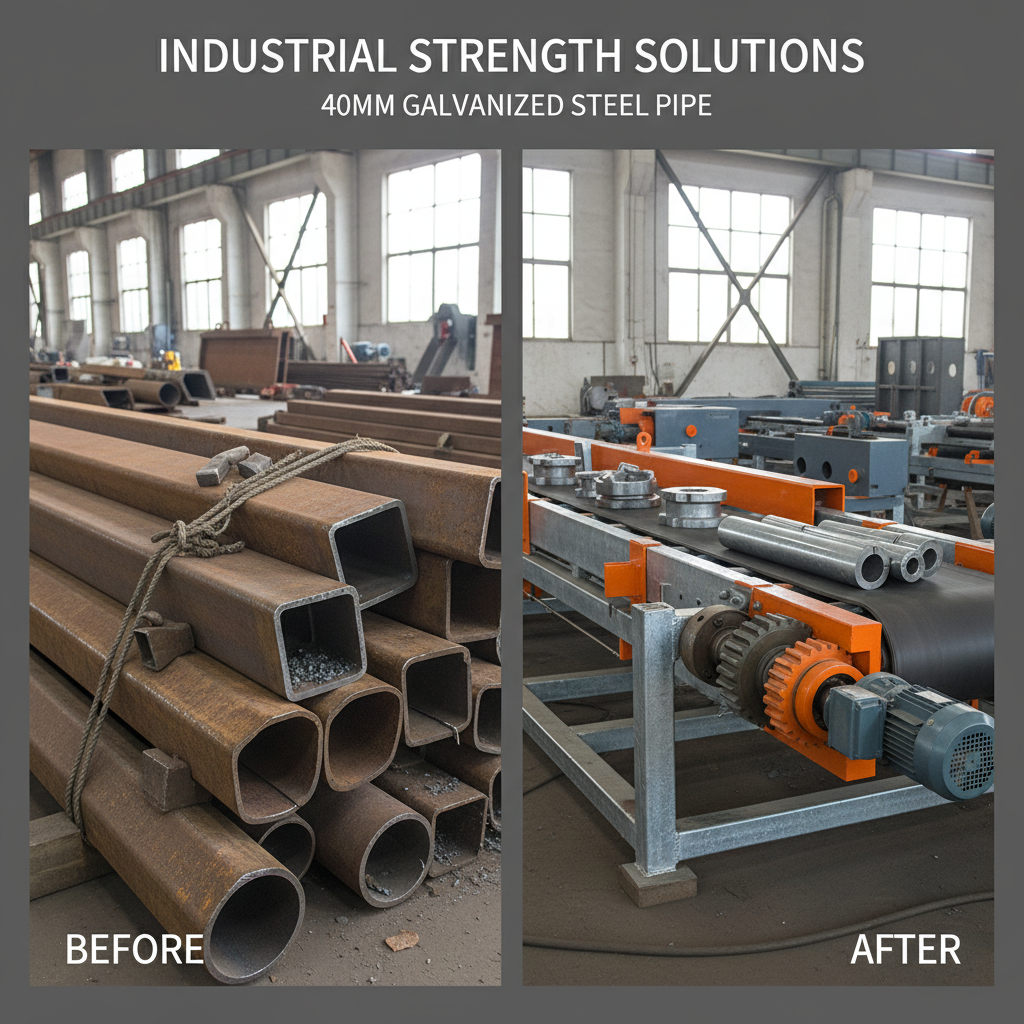
Comprehensive Guide to 40mm Metal Pipe Applications and Sourcing

40mm metal pipe is a crucial component in a wide array of industries, from construction and plumbing to industrial manufacturing and fluid transport. Its strength, durability, and versatility make it a preferred material for countless applications. This article will delve into the specifics of 40mm metal pipe, exploring its various types, common uses, benefits, and where to source high-quality piping solutions.
Comprehensive Guide to 40mm Galvanised Pipe Applications and Specifications
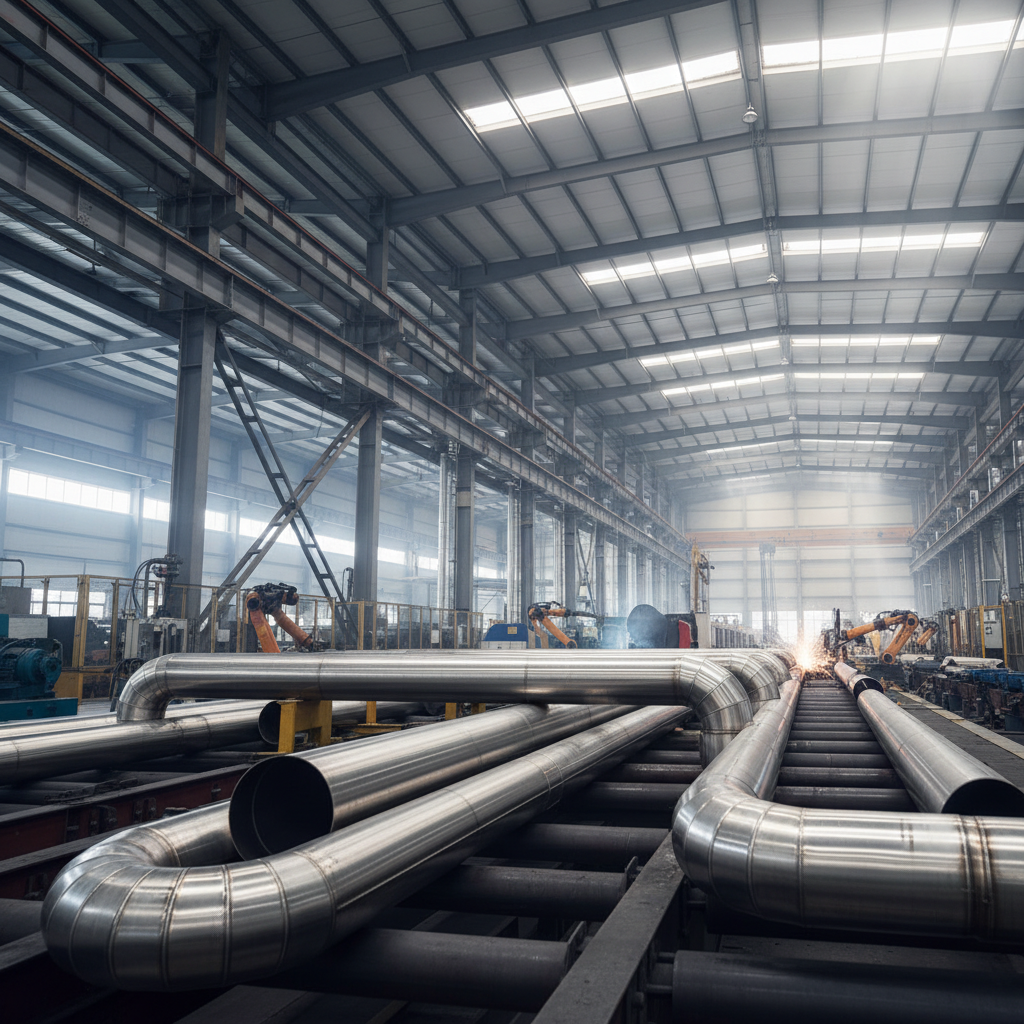
Comprehensive Guide to 40mm Galvanised Pipe Applications and Specifications

When planning a plumbing, structural, or industrial project, selecting the right piping material is crucial. 40mm galvanised pipe is a widely used option known for its strength, durability, and corrosion resistance. This article provides a detailed overview of 40mm galvanised pipes, exploring their applications, benefits, specifications, and considerations for optimal usage. We'll cover everything from what galvanisation is to how to choose the right pipe for your specific needs.
Comprehensive Guide to 409 Stainless Steel Exhaust Pipe Applications and Benefits

Comprehensive Guide to 409 Stainless Steel Exhaust Pipe Applications and Benefits

When selecting materials for exhaust systems, especially in industries demanding durability and corrosion resistance, 409 stainless steel exhaust pipe emerges as a leading solution. Known for its affordability and suitable performance in various applications, it’s a popular choice for automotive, truck, and industrial exhaust systems. This article delves into the properties, benefits, applications, and considerations when choosing 409 stainless steel exhaust pipe, providing valuable insights for engineers, purchasers, and anyone involved in exhaust system design and manufacturing. Understanding the nuances of this material is key to ensuring long-lasting and reliable exhaust solutions. 409 stainless steel is an austenitic stainless steel containing approximately 11.5% chromium. This chromium content provides excellent resistance to oxidation and corrosion, particularly in mildly corrosive environments. Unlike higher-grade stainless steels (like 304 or 316), 409 has a lower chromium content and typically includes titanium for stabilization. This stabilization prevents carbide precipitation during welding, enhancing its weldability and corrosion resistance in the heat-affected zone. It's often chosen for applications where cost-effectiveness is critical, and the extreme corrosion resistance of higher alloys isn't required.
tel email tel top

If you are interested in our products, you can choose to leave your information here, and we will be in touch with you shortly.