The term “thin wall steel pipe” might sound like just another industrial buzzword, but its impact stretches far beyond metals and manufacturing plants. Think of it as a backbone for modern infrastructure, helping link homes, industries, and even humanitarian projects worldwide. In increasingly resource-conscious times, understanding thin wall steel pipes unlocks new levels of efficiency, sustainability, and innovation.
Globally, industries grapple with the challenge of building robust but lightweight piping systems capable of handling high pressure, corrosive materials, or rapid deployment. The good news? Thin wall steel pipes offer an elegant solution balancing strength and cost, which makes them a bringer of progress in fields ranging from oil and gas to water supply, and even post-disaster rebuilding.
The International Organization for Standardization (ISO) and the United Nations reports have emphasized modern infrastructure as a key to sustainable development. Pipelines carrying oil, gas, clean water, and industrial fluids demand materials that are both reliable and economical.
According to the World Bank, more than 2 billion people still lack access to safe drinking water, making affordable, easy-to-install piping systems crucial. Thin wall steel pipes offer a lightweight alternative that reduces transportation costs and enables quicker assembly—qualities indispensable for remote or disaster-stricken regions. At the same time, regions like the Middle East and North America are tapping into advanced thin wall steel pipes in oil and gas fields to boost extraction efficiencies.
However, challenges include corrosion, mechanical stress, and regulatory compliance, making the right steel grade and design critical for long-term success.
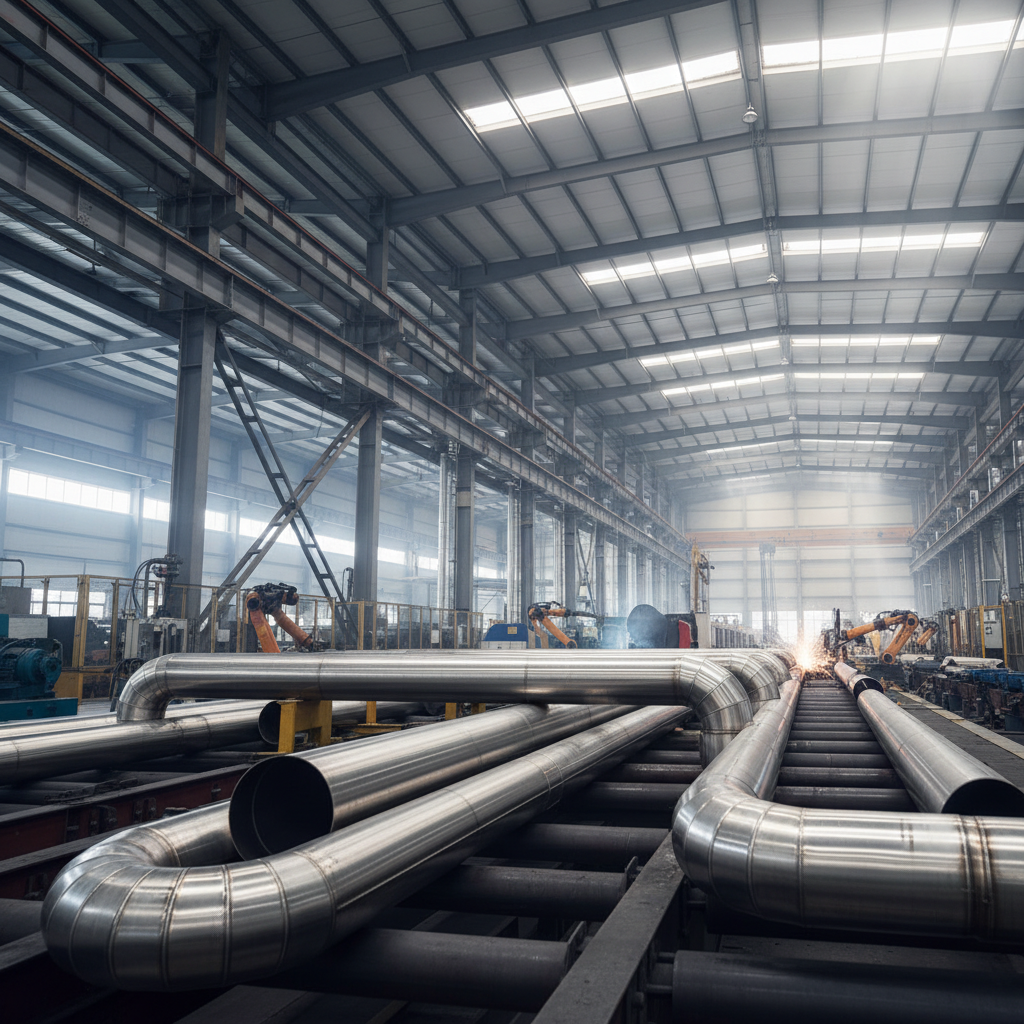
Put simply, a thin wall steel pipe is a hollow cylindrical profile made of steel with walls noticeably thinner than standard pipes for the same diameter. This design reduces weight without sacrificing structural integrity too much, allowing for easier handling and installation.
In industry terms, a “thin wall” pipe typically has a wall thickness less than the norm for its diameter class, depending on use. It can be galvanized, stainless steel, or carbon steel. Its boons are especially obvious in applications needing high pressure capacity but minimal weight—like piping oil offshore or quickly setting up water lines in a crisis.
Think of it as the piping equivalent of a lightweight but strong sports shoe — the right balance of weight, durability, and design for optimal performance.
Despite their slim profile, thin wall steel pipes are engineered for robust mechanical strength. Advances in metallurgy allow them to resist high internal pressures and external stresses, making them surprisingly resilient in intense industrial environments.
Less steel means lower material costs and easier transport. Operators benefit from reduced logistics expenses — and not just that; installation time drops, lowering overall project budgets.
Handling heavy, thick pipes can be a logistical headache — thin walls lighten the burden considerably. This can make a world of difference for projects in remote areas or rapid-deployment scenarios, where manpower and machinery are limited.
One mustn’t overlook corrosion’s threat. Depending on the application, thin wall steel pipes may be galvanised or made from stainless steel variants — adding lifespan and reliability where conditions are harsh.
These pipes come in a variety of sizes, grades, and finishings, making them adaptable to multiple sectors—whether it’s agriculture irrigation, petrochemical pipelines, or even structural applications.
| Specification | Typical Value | Units |
|---|---|---|
| Outer Diameter Range | 10 – 500 | mm |
| Wall Thickness | 0.8 – 6.0 | mm |
| Material Grade | ASTM A519, A53, A106, EN 10255 | - |
| Tensile Strength | 350 – 550 | MPa |
| Corrosion Resistance | Galvanized or Stainless variants | - |
Thin wall steel pipes aren’t just steel tubes — they’re part of the narrative of progress across continents:
For those curious, you’ll often spot thin wall steel pipe products at the heart of sprawling networks that otherwise might be bulkier, costlier, or slow to deploy.
So, what’s in it for businesses, governments, or NGOs? The benefits stack up:
It’s not just a “technical” choice — it’s a material that helps people at the ground level, sometimes in very tough circumstances.
Innovation never sleeps, and in the thin wall steel pipe world, several exciting trends are bubbling up:
These developments hint that the next generation of thin wall steel pipes will be lighter, tougher, and a lot smarter.
| Vendor | Pipe Material Options | Customization | Lead Time | Certifications |
|---|---|---|---|---|
| Lion Pipeline | Carbon, Galvanized, Stainless | Diameter, Wall Thickness, Coatings | 2-4 weeks | ISO 9001, API-5L |
| SteelCo | Carbon, Stainless | Standard sizes only | 3-5 weeks | ISO 9001 |
| Global Pipe Ltd. | Carbon, Galvanized | Custom coatings available | 4-6 weeks | API-5CT |
Thin wall steel pipes offer reduced weight, which lowers transportation and installation costs. Despite thinner walls, modern steel grades and treatments ensure sufficient strength and corrosion resistance, making them well-suited for applications like oil, gas, and water pipelines where efficiency and cost-effectiveness matter.
Yes, with proper material selection and manufacturing standards (such as compliance with ASTM or API specifications), thin wall steel pipes can safely handle high pressure. However, engineering designs must carefully account for wall thickness, diameter, and pressure ratings to ensure safety and longevity.
Corrosion resistance depends on material and coating. Galvanized or stainless steel thin wall pipes provide enhanced protection in corrosive settings. Additional surface treatments and regular maintenance further increase lifespan, which is vital in sea or chemical plant environments.
Absolutely. Their lightweight nature and ease of handling mean thin wall steel pipes can be transported and assembled quickly, making them ideal for temporary water lines, fuel distribution, or shelter infrastructure in challenging field conditions.
Manufacturers like Lion Pipeline offer customization in diameter, wall thickness, steel grade, and protective coatings to match specific industry needs, ensuring tailored solutions for complex projects.
As you can see, thin wall steel pipes are more than just narrow tubes of metal. They’re an essential part of building sustainable infrastructure — supporting industries from energy to humanitarian aid with their lightweight strength and adaptability.
With the future trending toward smarter, greener, and more efficient solutions, investing in quality thin wall steel pipe technology is a step into tomorrow’s resilient infrastructure.
Ready to explore options tailored to your needs? Visit Lion Pipeline to discover how their thin wall steel pipe solutions can power your next project.
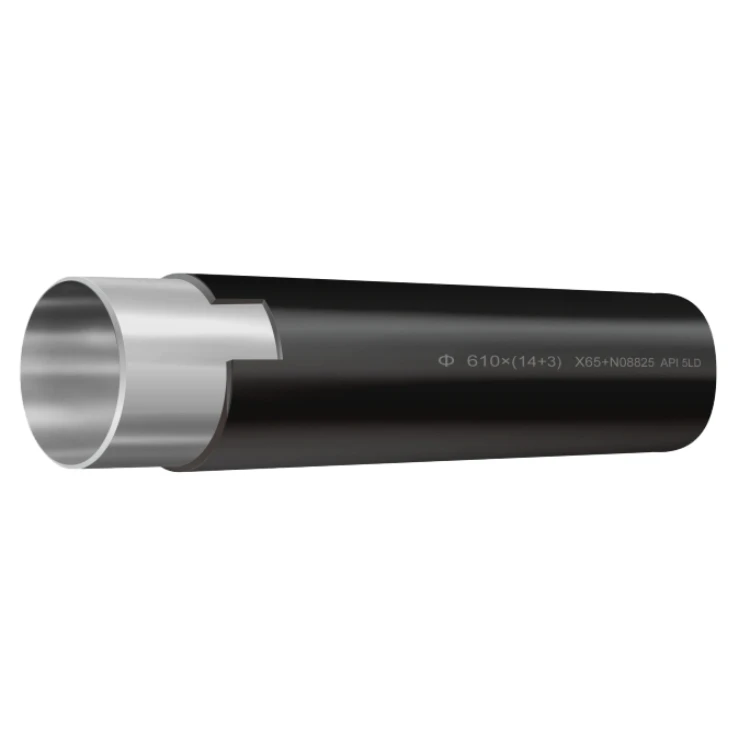
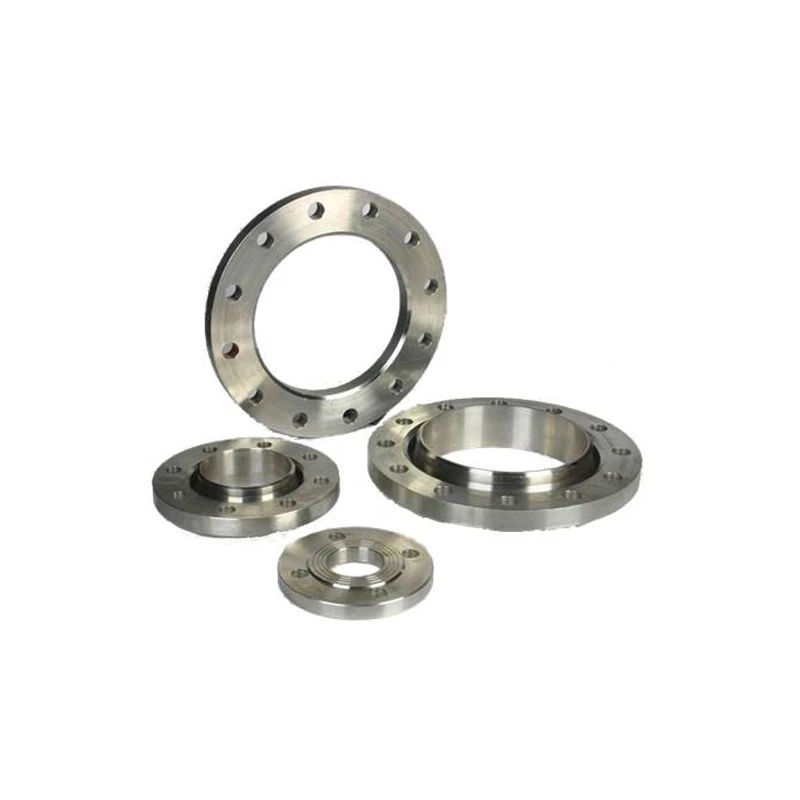
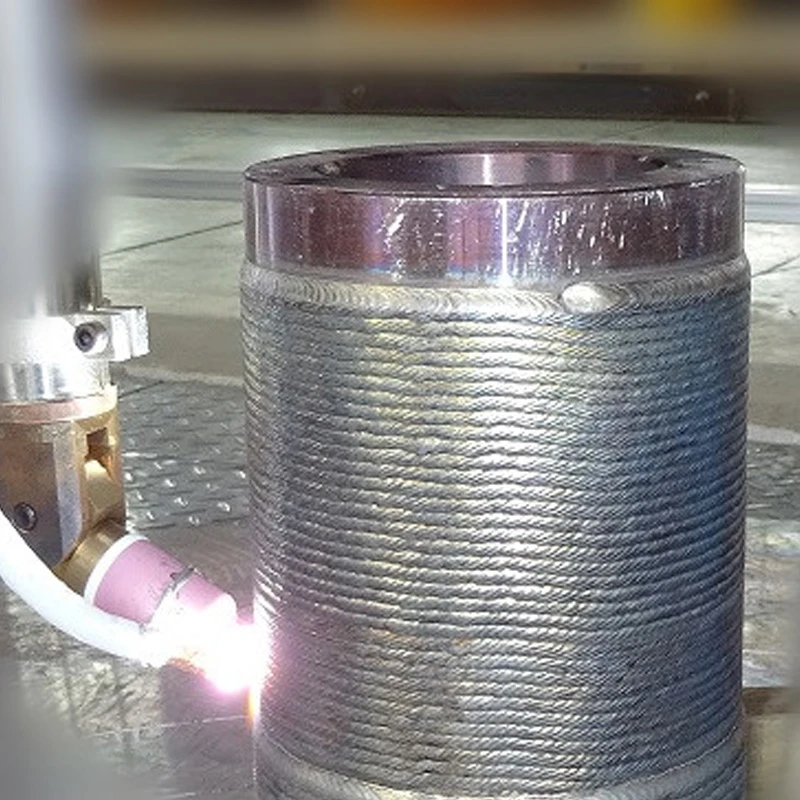
Overlay Welding Clad Steel Pipe
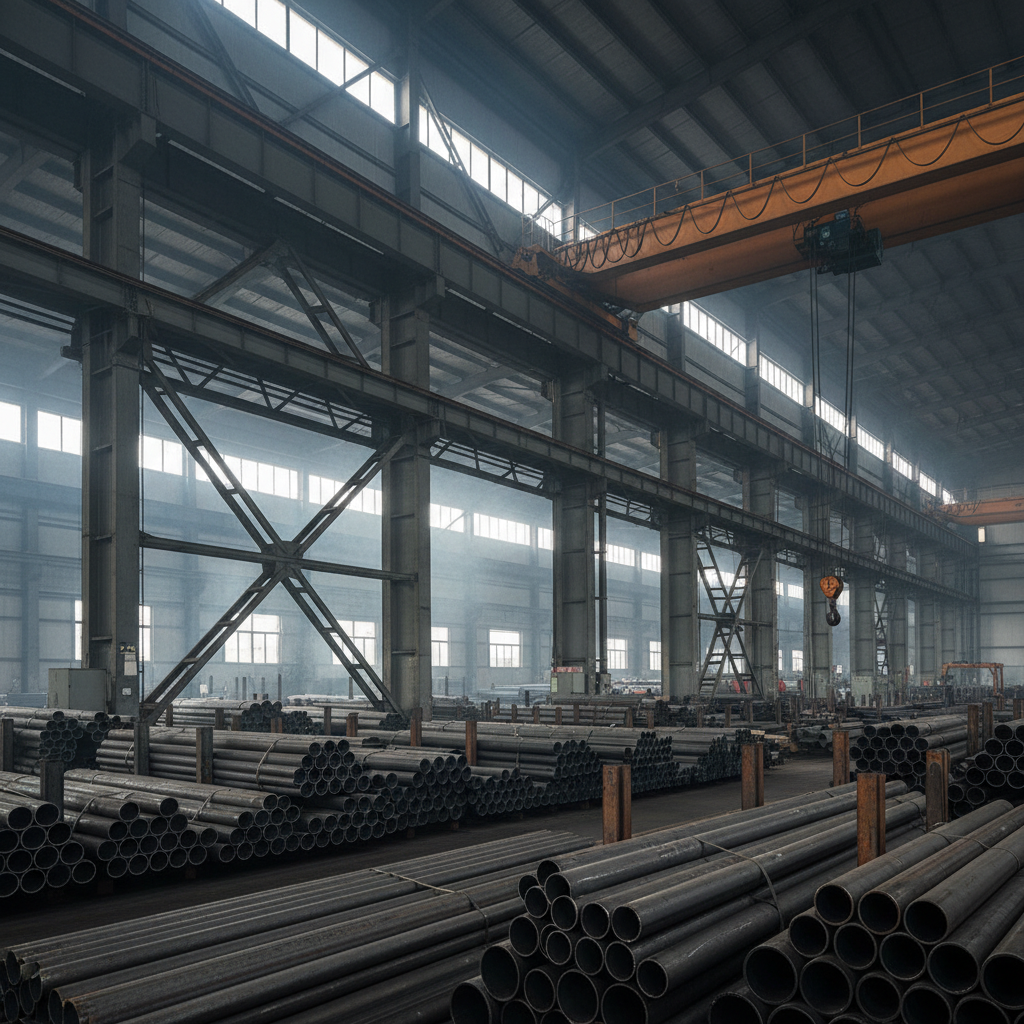
Properties and Industrial Applications of 4130 steel tubing
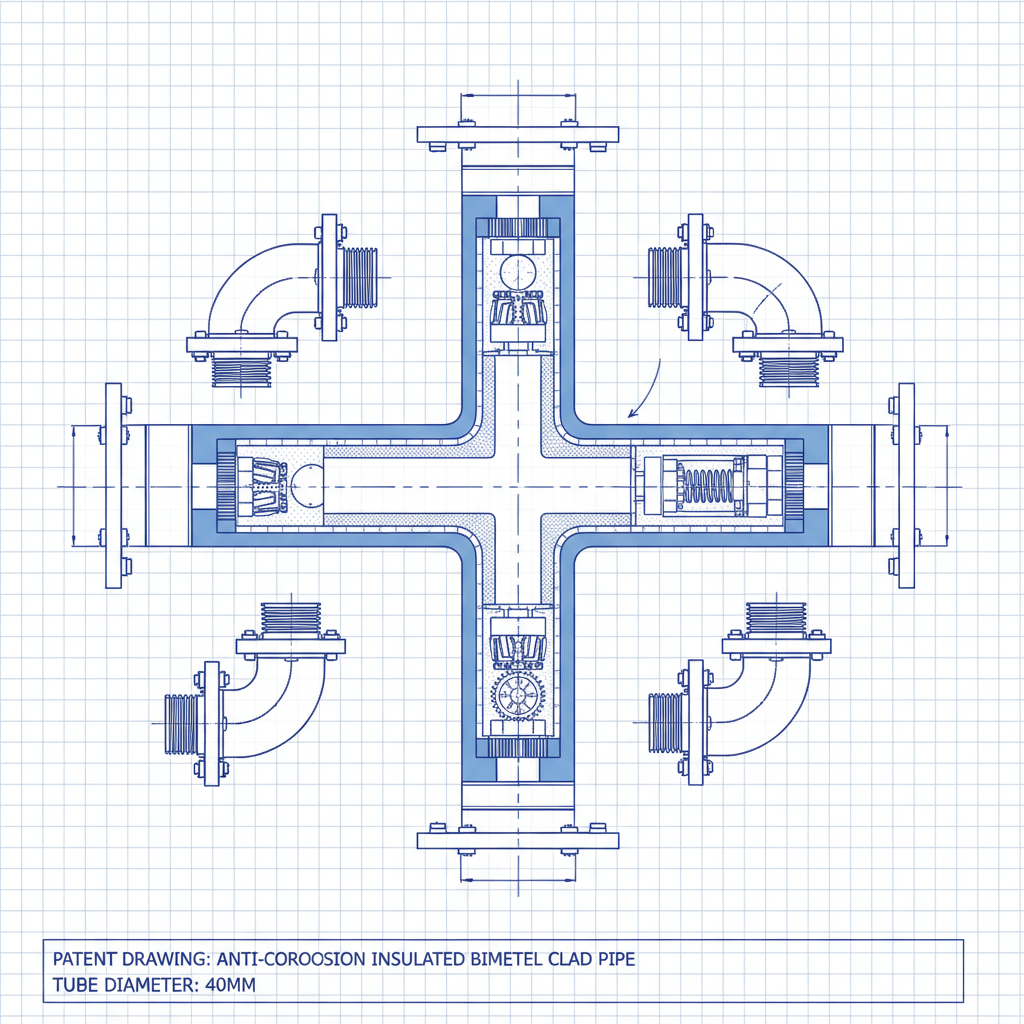
Comprehensive Guide to 40mm Steel Tube Applications and Material Selection
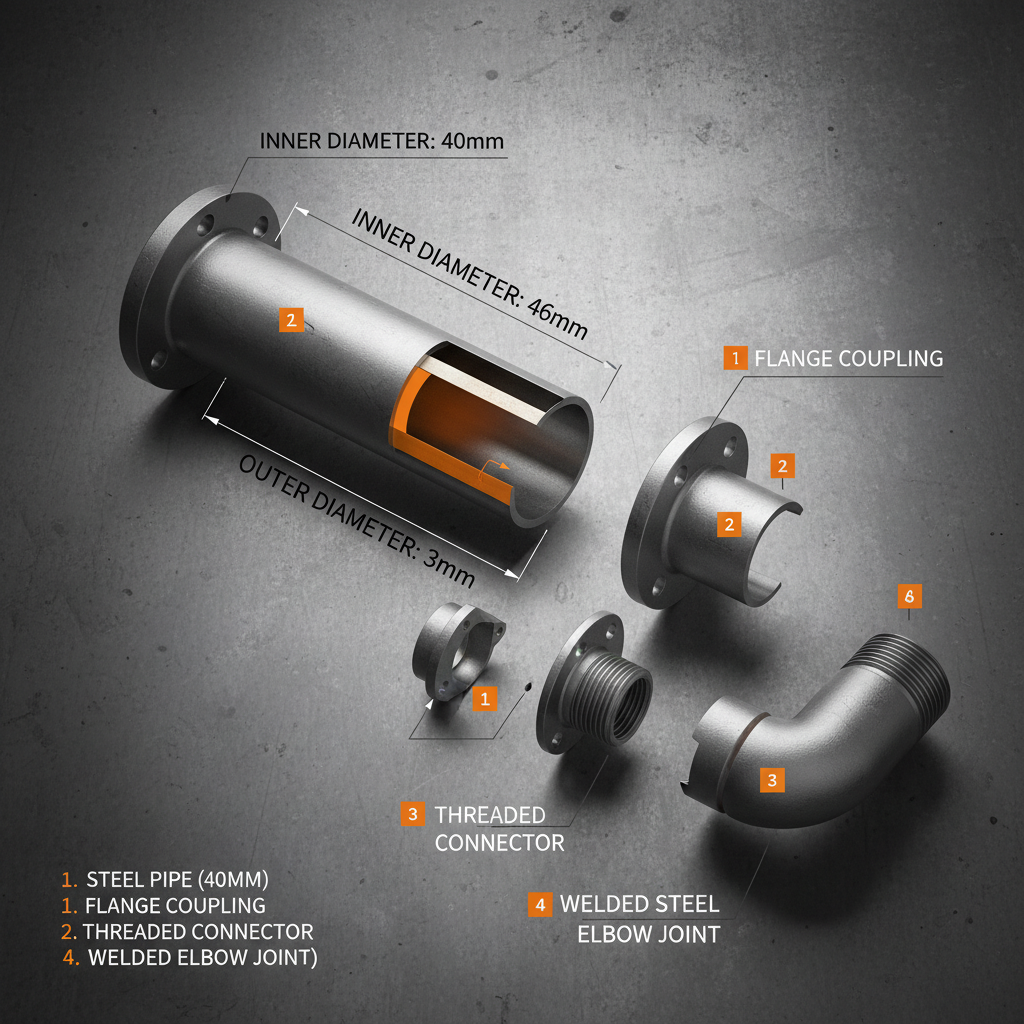
Comprehensive Guide to 40mm Steel Pipe Applications and Considerations
Comprehensive Guide to 40mm Metal Pipe Applications and Sourcing
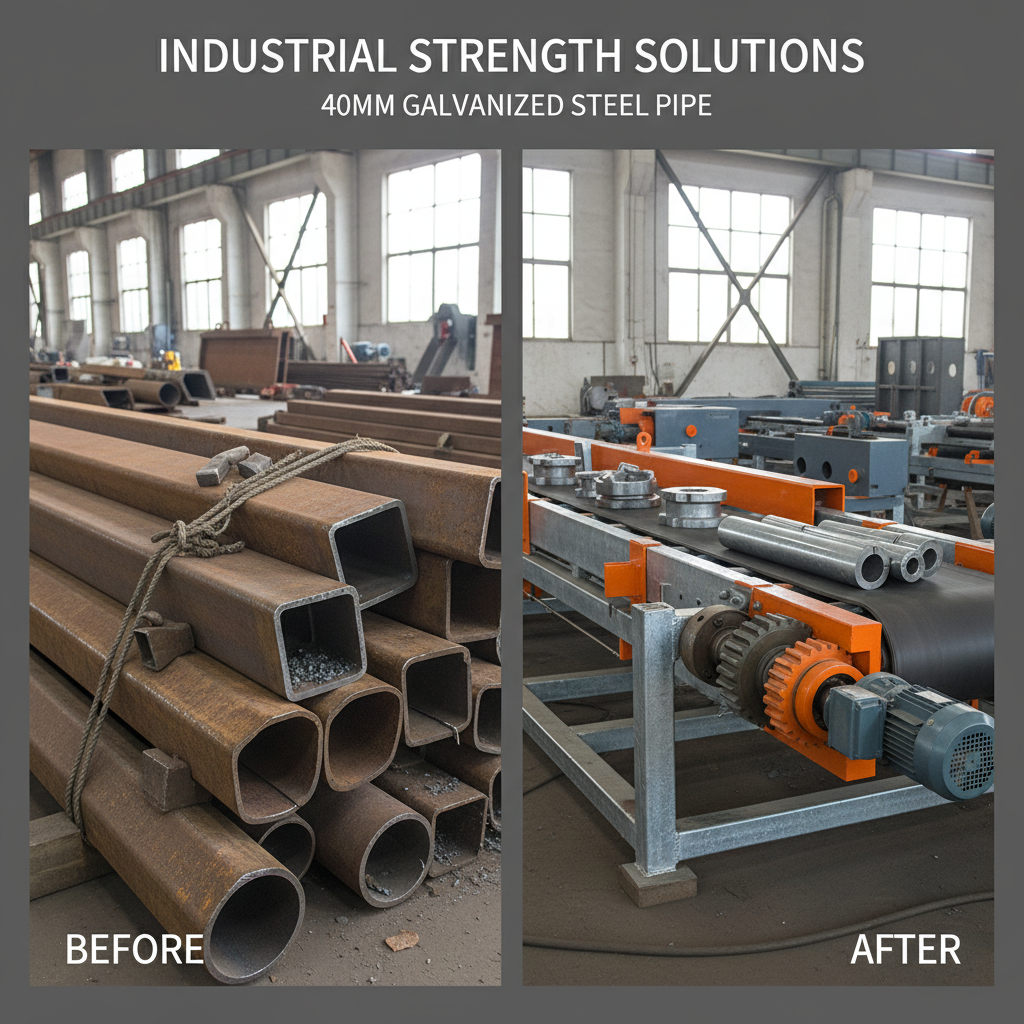
Comprehensive Guide to 40mm Galvanised Pipe Applications and Specifications
Comprehensive Guide to 409 Stainless Steel Exhaust Pipe Applications and Benefits