If you haven’t given much thought to tube and steel today, don’t worry — it’s one of those silent heroes behind much of our modern infrastructure. From towering skyscrapers and industrial pipelines to humanitarian aid shelters and complex machinery, these components shape the world around us. Their importance is global, touching everything from energy distribution to disaster relief, and learning about them reveals benefits far beyond mere metal.
You might ask: why bother learning about tube and steel? The answer lies in their versatility, durability, and their hidden role in solving some of the world's toughest challenges — like rapid deployment of shelters, industrial growth in harsh environments, and even reaching remote regions with safe, reliable infrastructure.
Mini takeaway: Tube and steel don’t just build things; they build possibilities — affordable, robust, and essential ones.
On a global scale, tube and steel represent one of the most traded and utilized materials. The World Steel Association reports that over 1.8 billion metric tons of steel were produced worldwide in recent years, with tubular steel products accounting for a significant share, especially in construction, automotive, and energy sectors. According to UN data, infrastructure projects are booming in Asia and Africa, spurred by urbanization and industrialization — making tube and steel indispensable.
However, challenges persist. For instance, the steel industry is under pressure to reduce its carbon footprint, as it accounts for nearly 7-9% of global CO2 emissions (ISO). There’s also increasing demand for quicker, more flexible construction techniques, especially in emergency or remote settings where conventional methods fall short.
Mini takeaway: The world’s volatile needs put tube and steel products in the spotlight for innovation and sustainability.
Simply put, tube and steel refers to steel shaped into tubular forms — cylinders, pipes, and hollow sections — used to transport fluids, bear loads, or create structures. Think of steel tubes as the skeleton and blood vessels of industrial and civil systems. Unlike solid steel bars, tubes are cost-effective, lighter, and versatile.
Their role isn’t just technical but humanitarian, too. In post-disaster zones, modular tube and steel frameworks enable rapid housing and medical units. The airtight and strong nature of steel tubes, paired with modern coatings, prevents corrosion and contamination, ensuring safe long-term use.
Mini takeaway: Tube and steel are the resilient backbone of physical infrastructure and humanitarian aid alike.
Steel tubes can endure tremendous stress and harsh environments. Their high tensile strength makes them ideal for structural frames, pipelines, and even protective cages. Many engineers note that “steel tubes flex but don’t break,” a valuable property in seismic zones and heavy-load scenarios.
Using hollow tubular steel often reduces material costs without compromising integrity. Manufacturers can customize dimensions and wall thicknesses to balance strength and weight, avoiding over-engineering while keeping budgets tight.
One impressive feature of tube and steel construction is the ability to pre-fabricate modules off-site. These can be quickly assembled anywhere from rural hospitals to oil rigs. This reduces onsite labor, speeds up project timelines, and improves quality control.
From agriculture to aerospace, tube and steel find different expressions: irrigation systems, scaffolding, equipment frames, and safety rails. This spectrum of use underscores why they’ve remained industry staples for decades.
Recyclability is a major plus. Steel is almost 100% recyclable without quality loss, fitting circular economy models. Plus, innovations in steel-making and coatings reduce environmental impact, which is critical for long-term viability.
| Specification | Metric | Imperial | Notes |
|---|---|---|---|
| Outer Diameter | 25 mm – 150 mm | 1" – 6" | Varies by use |
| Wall Thickness | 1.5 mm – 6 mm | 0.06" – 0.24" | Depends on load/bid spec |
| Material Grade | ASTM A500 / EN 10219 S235 | N/A | Common grades |
| Coating | Galvanized/Painted | N/A | Corrosion protection |
| Standard Length | 6 m – 12 m | 20' – 40' | Custom cuts available |
Picture disaster relief zones where hospitals must be set up within days. Modular steel tubes form the structures quickly, offering strength without the heavy logistics of concrete. Or consider remote oil fields where pipelines made from steel tubes resist corrosion and pressure, delivering fuel safely and efficiently.
In Asia, rapid urbanization has boosted demand for steel tube scaffolding and frameworks. In Europe, energy companies invest in tubular steel for wind turbines and sustainable energy projects. Even NGOs rely on tailor-made tube and steel solutions for clean water distribution in sub-Saharan Africa.
Mini takeaway: This versatility makes tube and steel more than just materials — they’re solutions adaptable across continents and causes.
| Vendor | Product Range | Lead Time | Sustainability Focus | Price Level |
|---|---|---|---|---|
| Alpha Steel Tubes | Extensive (All sizes & coatings) | 2–4 weeks | ISO 14001 Certified | Mid-range |
| Global Tubular Steel Co. | Specialty Tubes & Custom Orders | 4–6 weeks | Lean manufacturing - low waste | Premium |
| EcoTube Solutions | Eco-friendly coated tubes | 3–5 weeks | High – recycled steel focus | Competitive |
Choosing tube and steel means embracing durability and cost-effectiveness, sure — but it also inspires confidence and innovation. Durable steel tubing ensures public safety in buildings and infrastructure. When NGOs deploy prefabricated steel frames for housing, it gives displaced populations dignity and protection from the elements.
The sustainability angle shouldn’t be overlooked either; steel’s recyclability reduces waste, supporting circular economic goals many companies and governments are adopting. In real terms, this translates to lower life-cycle costs and a safer environment.
Mini takeaway: Tube and steel products blend the logical and emotional sides of engineering — safety, economy, and care.
The future is ripe with promise. Think advanced high-strength alloys, smart sensors embedded within steel tubes to monitor stress and corrosion, or digital twin technology helping engineers simulate performance before construction begins.
Green steel production methods — like hydrogen-based reduction — are gaining ground, aligning with global climate commitments. The digital transformation, coupled with automation in manufacturing, promises both precision and sustainability gains.
Mini takeaway: Tube and steel are evolving from passive construction elements into dynamic, smart components that resonate with 21st-century needs.
Of course, no solution is perfect. Current issues include corrosion in salty or acidic environments, variations in supplier quality, and sometimes logistic delays due to size and weight constraints.
Experts recommend advanced coatings, better supplier audits, and modular designs to mitigate these. Innovations in lightweight alloys and improved standards also help. After all, it’s a craft honed by experience — and plenty of trial and error.
Simply put, tube and steel remain fundamental to building a safer, more sustainable, and adaptable world. Whether it’s erecting housing fast after a disaster or powering a city’s infrastructure, these materials prove their worth again and again. If you’re seeking reliability combined with innovation, understanding tube and steel’s role will give you an edge.
Curious to explore quality steel tube solutions today? Visit our website: tube and steel.
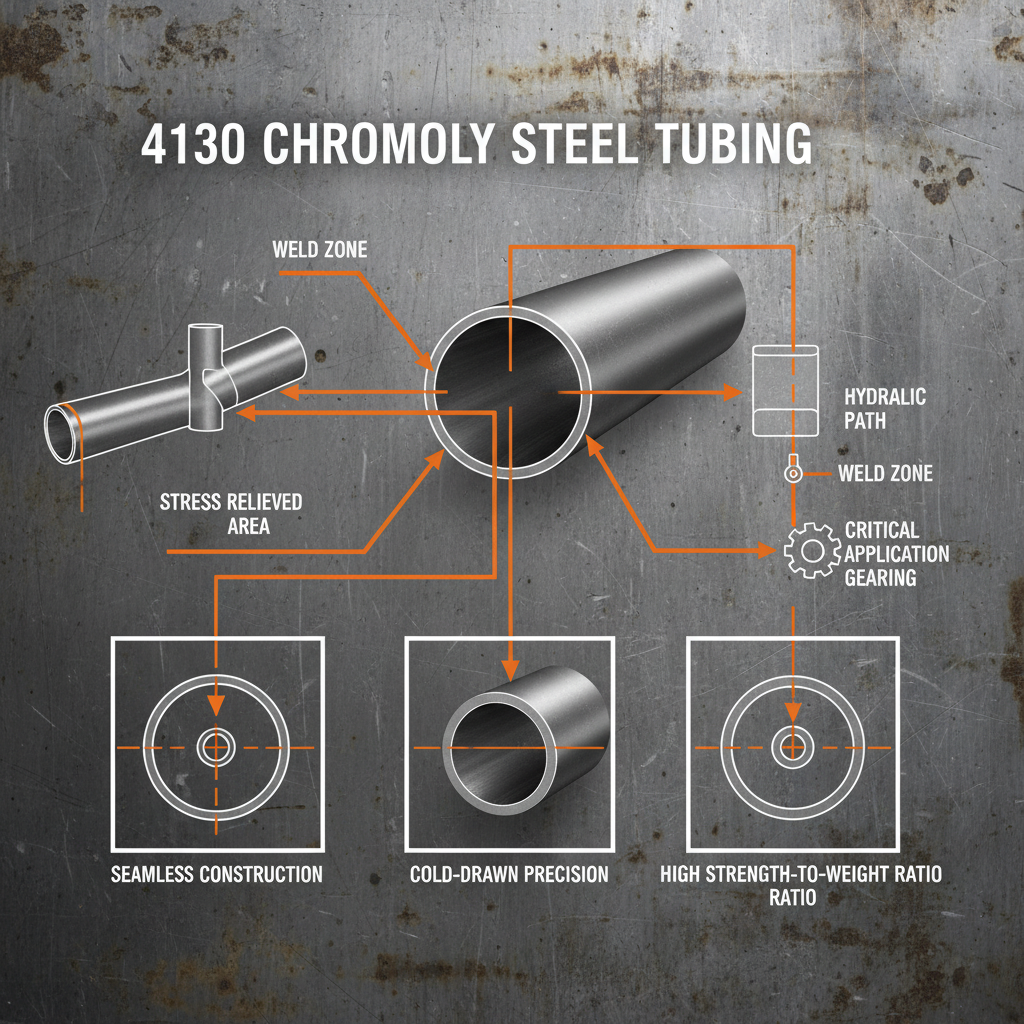
Ultimate Guide to 4130 Tubing Strength Performance and Applications
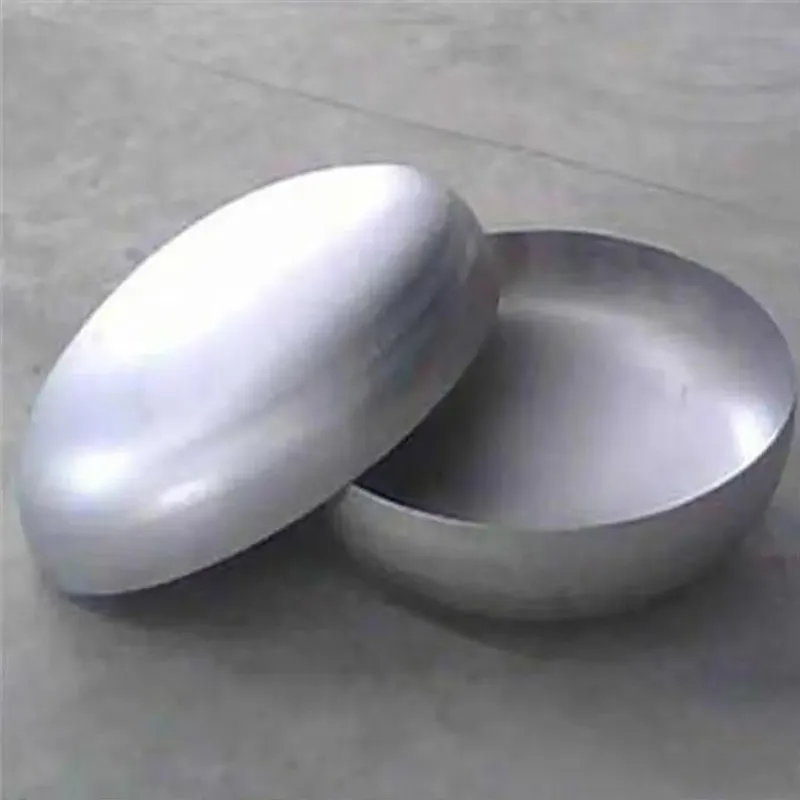
Pipe Cap-Cangzhou Lion Technology Co., Ltd.|Enhancing System Efficiency&Durability
Pipe Cap-Cangzhou Lion Technology Co., Ltd.|Enhancing System Efficiency&Durability
Pipe Cap-Cangzhou Lion Technology Co., Ltd.|Enhancing System Efficiency&Durability
Pipe Cap-Cangzhou Lion Technology Co., Ltd.|Enhancing System Efficiency&Durability
Pipe Cap-Cangzhou Lion Technology Co., Ltd.|Enhancing System Efficiency&Durability