Metric steel tubing — it might not be the flashiest topic, but it’s incredibly fundamental in countless sectors globally. If you’ve ever wondered what keeps modern infrastructure sturdy, factories running, and machines operational, metric steel tubing is often part of the answer.
Why does it matter globally? Well, as industries scale up and engineering standards become more precise, the shift to metric measurements in steel tubing ensures consistency, interoperability, and a smoother supply chain worldwide. For manufacturers, engineers, and even humanitarian operations, having a reliable supply of metric steel tubing means fewer headaches and more trust in the materials they count on.
Quick Takeaway: Metric steel tubing might feel niche, but it’s actually central to global infrastructure, industry stability, and even emergency response effectiveness.
The steel industry is enormous, with over 1.8 billion tons produced worldwide each year (World Steel Association, 2023). An overwhelming majority of steel tubing produced now follows metric standards — simply because most countries use the metric system, so it reduces conversion errors and aligns with international specifications.
That means suppliers, fabricators, and end-users in Asia, Europe, Africa, and increasingly across the Americas rely on metric steel tubing to maintain high quality. Industrial sectors such as construction, automotive manufacturing, and oil & gas especially benefit from these standards. Oddly enough, one of the biggest challenges eliminated by metric steel tubing is the risk of mismatched dimensions leading to installation failures or costly reorders.
Mini takeaway: Aligning around metric standards reduces confusion and accelerates industrial collaboration worldwide.
Simply put, metric steel tubing refers to steel pipes or tubes measured using the metric system — millimeters and centimeters primarily — rather than inches or feet. They are hollow steel cylinders used as structural components or conduits for fluids, gases, or wiring in industry and infrastructure.
These tubes come in various thicknesses, strengths, and finishes, optimized for the technical requirements of modern industries. For example, you’ll find metric steel tubing in everything from scaffolding across European construction sites to tubing that forms part of vital machinery in manufacturing plants in Asia.
Metric steel tubing serves as a critical link between precise engineering standards and practical on-the-ground applications worldwide.
Steel tubing can handle heavy loads, and metric standards ensure uniform thickness and material grades, key for safety and performance in construction or industrial plants.
Thanks to wide adoption of metric sizing, it’s easier to scale production and fulfill large orders globally. Finding replacements or matching parts requires less guesswork.
Using metric steel tubing reduces waste caused by conversion errors and order mismatches, which ultimately saves money in the construction and manufacturing process.
From electrical conduit to oil pipelines, metric steel tubes offer diverse applications supported by consistent dimensions.
International standards like ISO 3183 and EN 10219 ensure metric steel tubes meet regulatory requirements worldwide — important for public safety and legal compliance.
| Specification | Typical Metric Range | Notes |
|---|---|---|
| Outside Diameter (OD) | 6mm – 508mm | Highly variable based on application |
| Wall Thickness | 0.5mm – 25mm | Thicker walls for high-pressure use |
| Material Grade | S235JR, S355J2, E355, etc. | Common European steel grades |
| Length | Up to 12 meters | Custom cuts available |
Metric steel tubing is everywhere, and the variety of uses is impressive. Here’s a quick rundown:
In Southeast Asia, for instance, quick assembly of metric steel tubing frames has helped NGOs build durable emergency housing post-typhoon. Similarly, factories in Germany rely heavily on metric tubes for robotic equipment frames — it’s that reliably consistent sizing that prevents costly downtime.
Quick takeaway: Metric steel tubing underpins sustainable infrastructure and emergency resilience worldwide.
There’s a lot to like about metric steel tubing. Apart from cost efficiencies and durability, the social impact can be profound. Reliable materials mean safer housing, better industrial safety, and infrastructure you can trust — all of which contribute to dignity and quality of life.
On the logical front, adhering to ISO and EN standards ensures that materials meet comprehensive testing protocols — something that’s non-negotiable when human lives and investments are at stake.
The future? It seems exciting. Developments in advanced metallurgy aim to create steel tubing with better corrosion resistance and lighter weights. Meanwhile, digital transformation efforts, such as Industry 4.0, enable real-time quality monitoring during production.
From reducing the carbon footprint in manufacturing to integrating smart sensors along tubing to detect faults early — metric steel tubing is evolving in green and intelligent directions, meeting both ecological and safety demands.
Of course, there are hurdles. Logistic complexities in remote regions sometimes mean delays and inconsistent quality control. Supply chain shocks, such as sudden raw material price spikes, also affect availability and cost.
But experts are exploring solutions like localizing production through modular mini-factories and adopting blockchain for supply chain transparency — innovations that should help smooth out those bumps over time.
| Vendor | Product Range | Certification | Global Shipping | Special Features |
|---|---|---|---|---|
| TubeTech Europe | 6mm – 300mm OD; structural and hydraulic tubes | ISO 9001, EN10219 | Yes | Custom finishing, anti-corrosion products |
| AsiaSteel Supply | 8mm – 508mm OD; multiple grades | ISO 9001 | Regional | Fast fabrication and delivery |
| Global Tubes Inc. | Custom sizes up to 600mm OD | ISO + API Specs | Worldwide | Industry-specific certifications and testing |
Metric steel tubing isn’t just pipe — it’s an integral part of modern industry, infrastructure, and even emergency resilience. From offering consistent quality worldwide to supporting innovation in construction and energy, it pays to understand why engineers, architects, and planners put their trust in metric specifications.
Interested in exploring metric steel tubing solutions for your project? Visit our website: https://www.lion-pipeline.com to learn more and connect with experts who know their stuff.
At the end of the day, metric steel tubing is a quiet giant — reliable, consistent, and essential.
Casual takeaway: Choosing metric steel tubing is like picking a solid foundation for your next big project — it just makes everything easier.
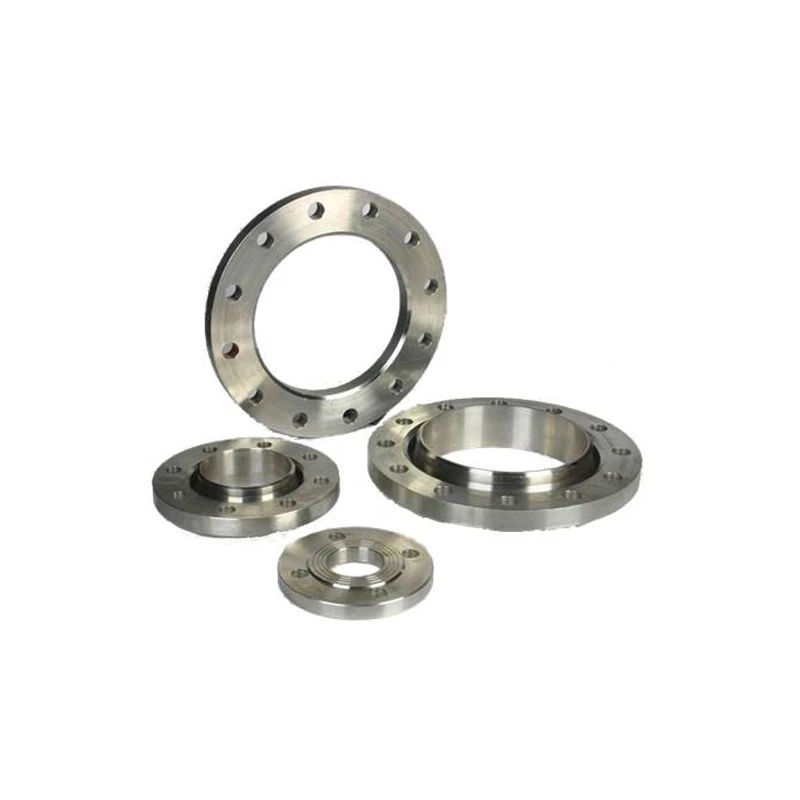
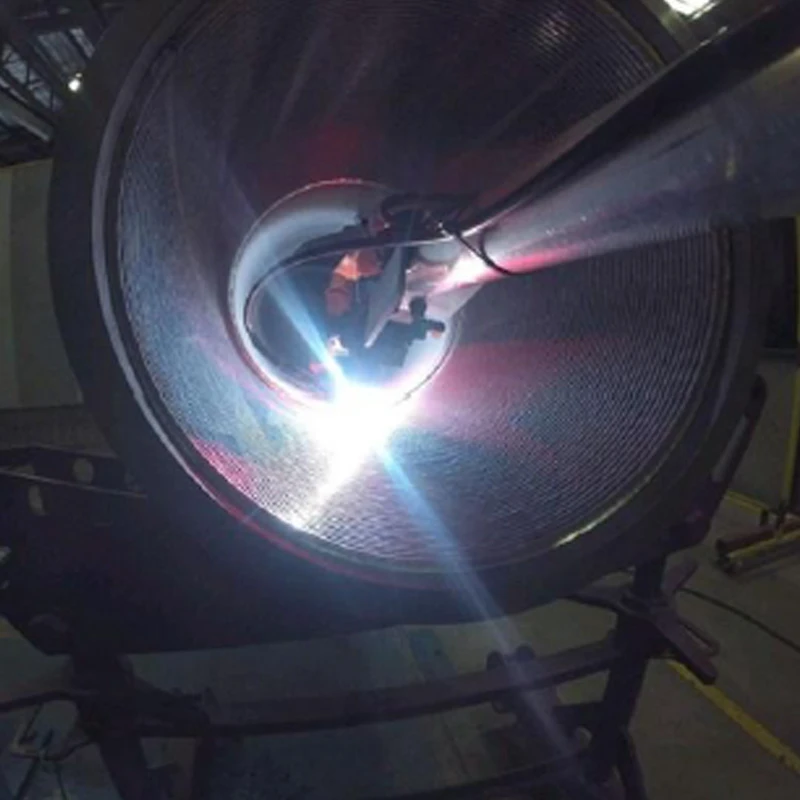
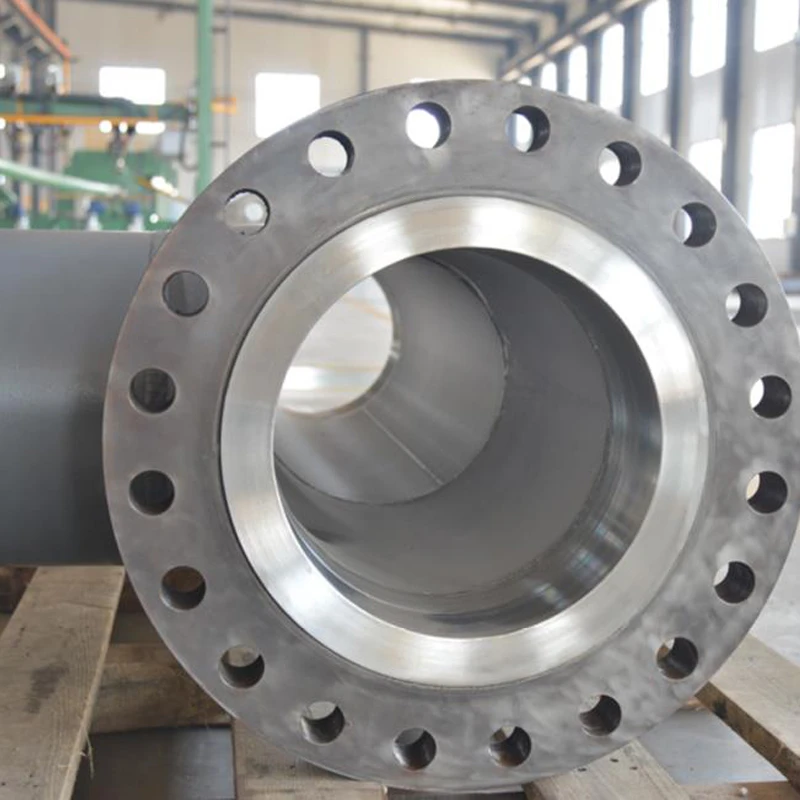
Factory Prefabricated Products
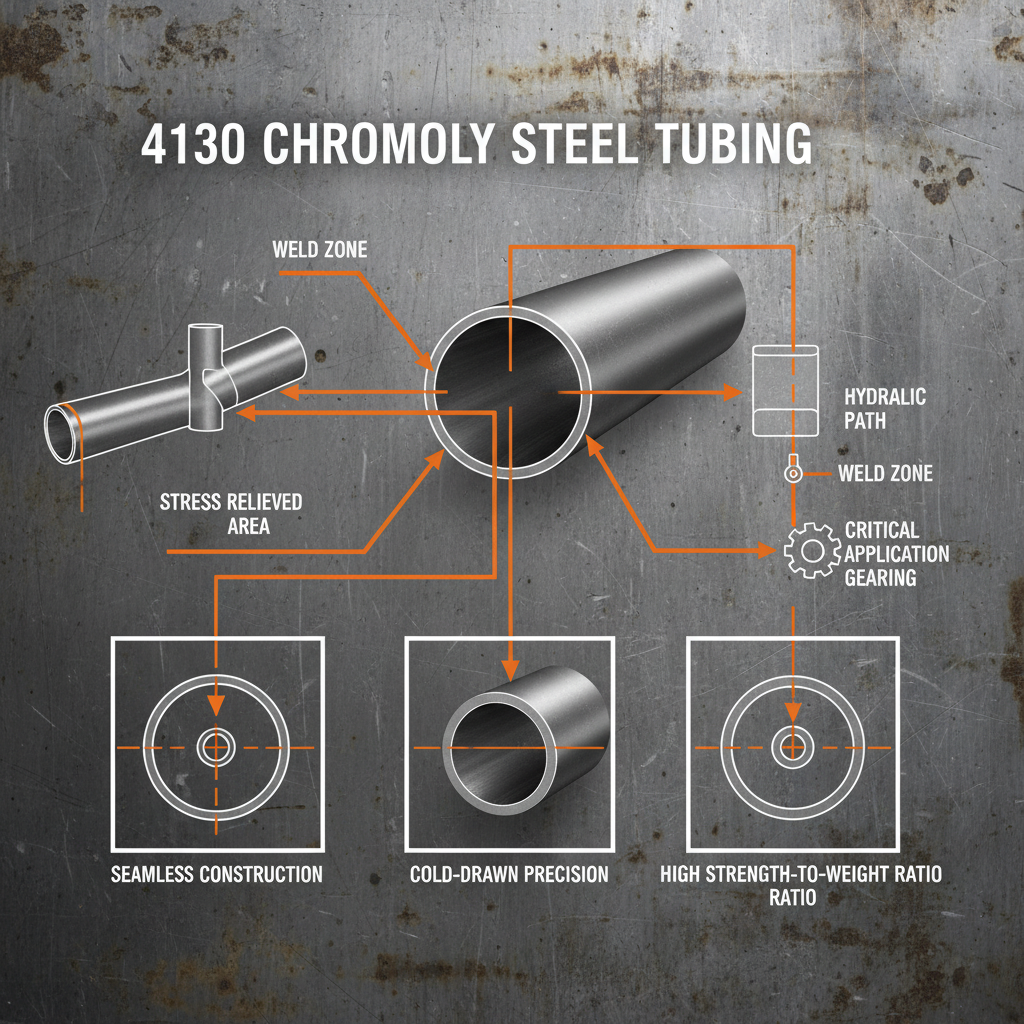
Ultimate Guide to 4130 Tubing Strength Performance and Applications
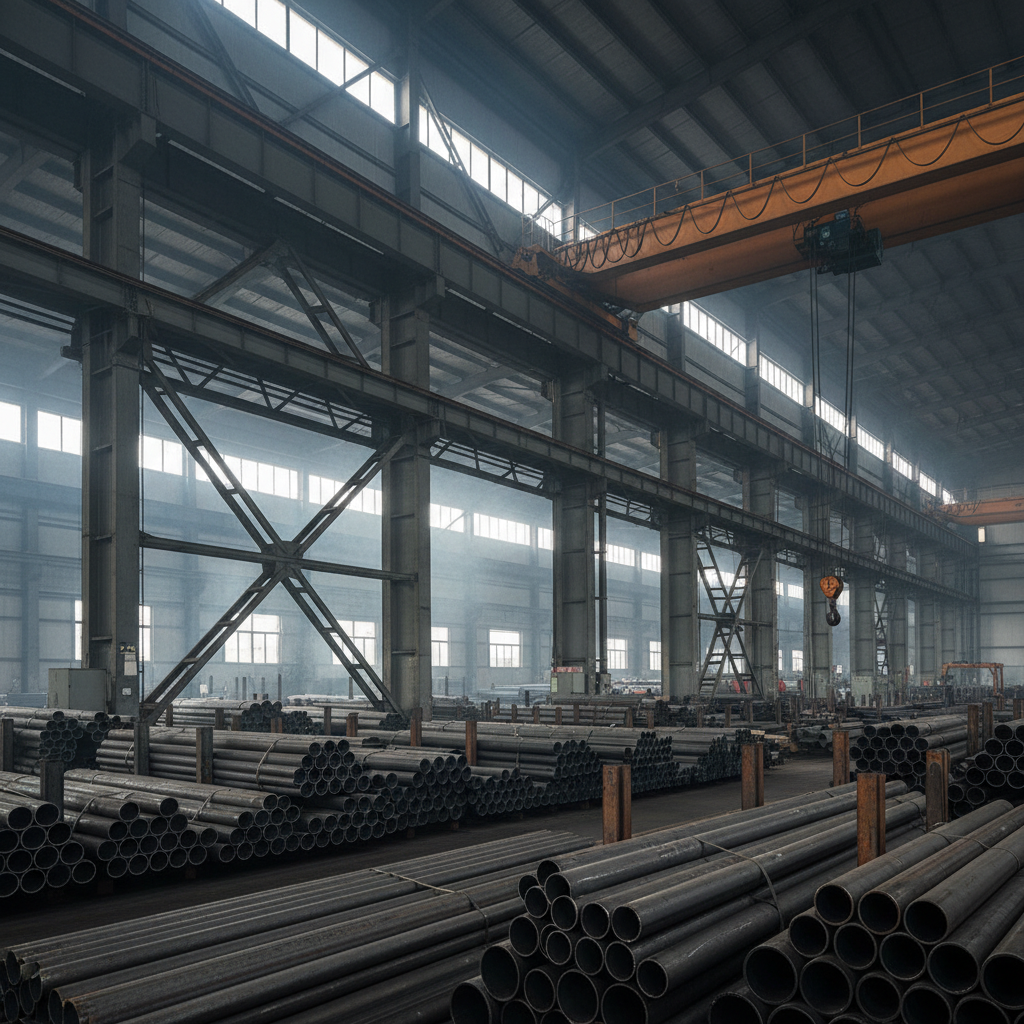
Properties and Industrial Applications of 4130 steel tubing
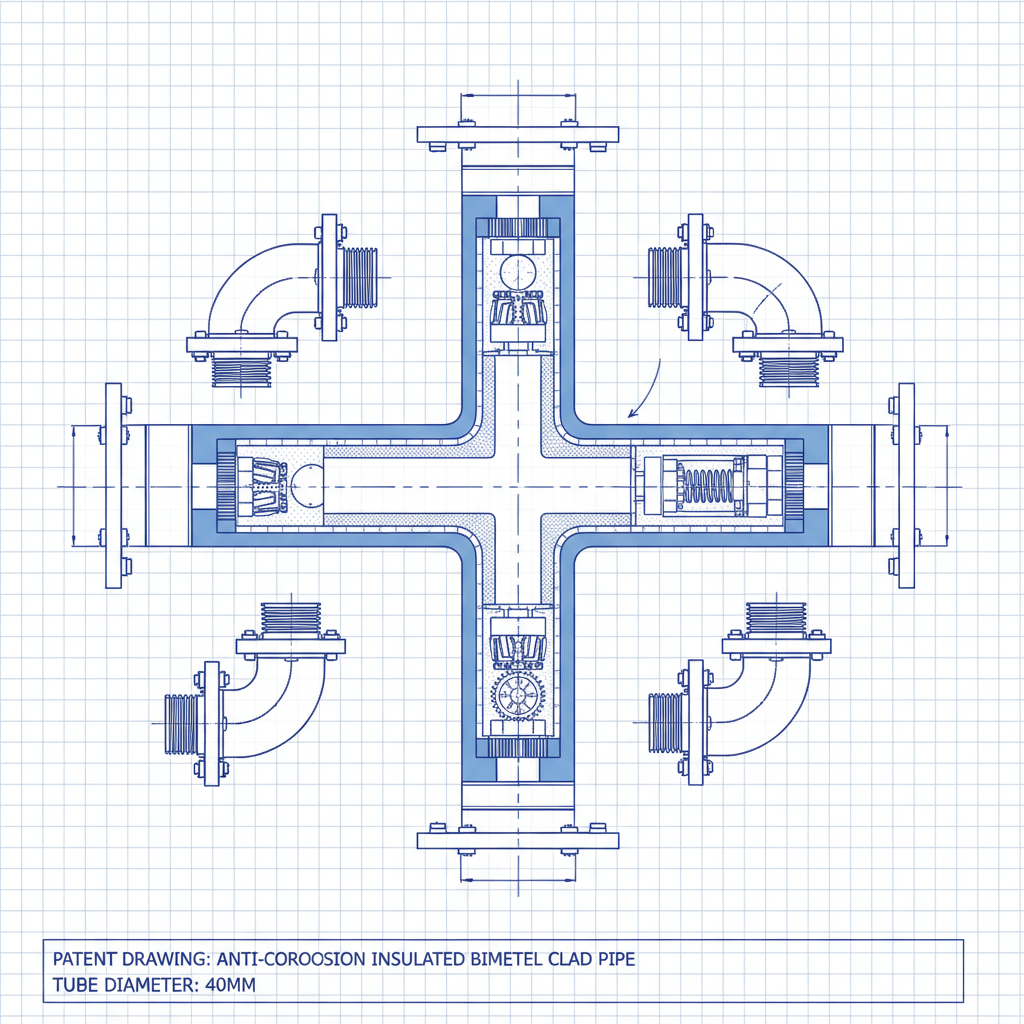
Comprehensive Guide to 40mm Steel Tube Applications and Material Selection
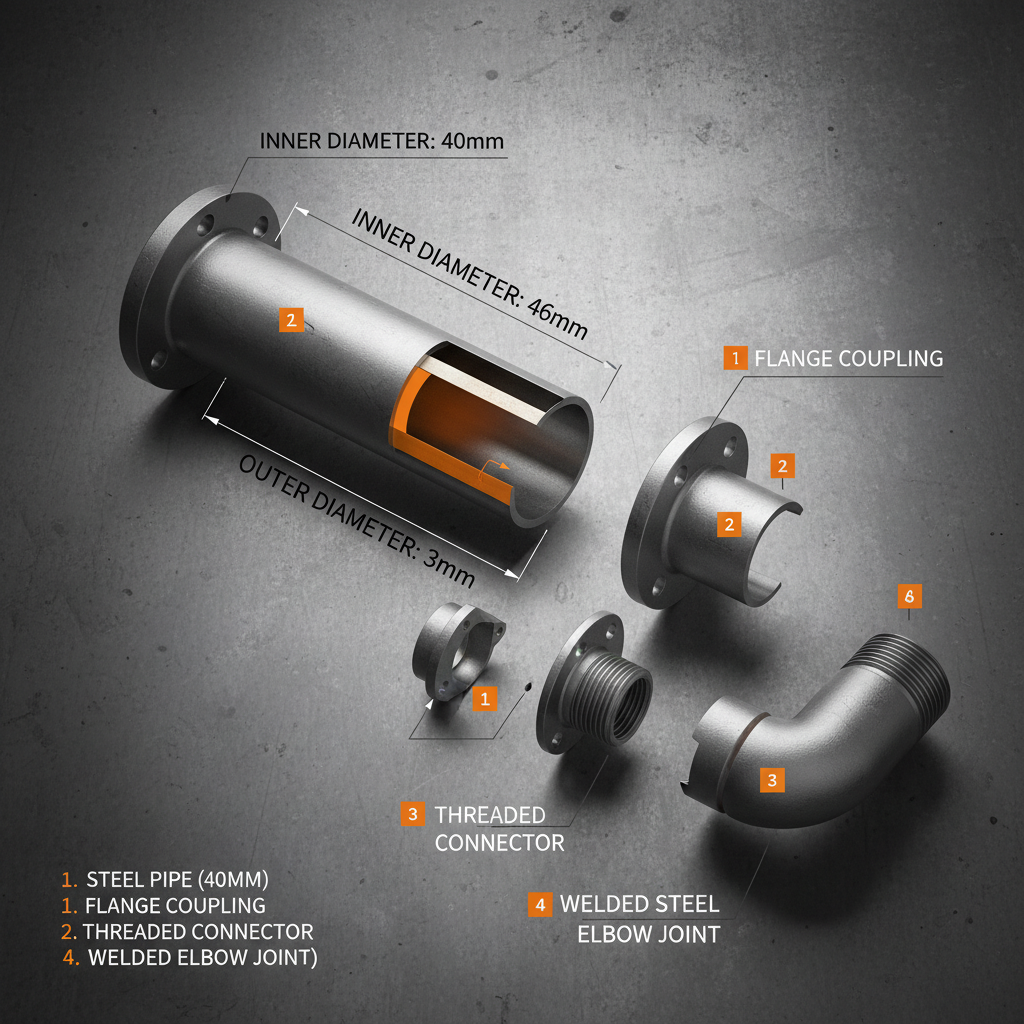
Comprehensive Guide to 40mm Steel Pipe Applications and Considerations
Comprehensive Guide to 40mm Metal Pipe Applications and Sourcing
Comprehensive Guide to 40mm Galvanised Pipe Applications and Specifications