When you think of exhaust systems, the intricate pipes, bends, and joins probably don’t get much thought—until something goes wrong. Yet, mild steel exhaust tubing plays a surprisingly pivotal role worldwide, from manufacturing plants to automobiles and even humanitarian logistics. Understanding this material and its uses unlocks better reliability, cost-efficiency, and sustainability in exhaust solutions globally.
Globally, industries consume millions of tons of steel tubing annually. According to the World Steel Association, steel production surpassed 1.8 billion tons in recent years. Mild steel exhaust tubing constitutes a significant slice, mainly due to its balance of strength, flexibility, and affordability.
Why does this matter? Exhaust systems, whether in vehicles or factories, are central to managing harmful emissions and ensuring operational safety. Yet the challenge has been finding tubing that withstands heat, corrosion, and mechanical stress without breaking the bank. Mild steel exhaust tubing fills that gap by offering reliable performance while allowing producers to keep costs manageable. As global regulations nudge industries towards cleaner emissions, the demand for efficient, durable exhaust tubing is only poised to grow.
At its core, mild steel exhaust tubing is just what it says on the tin—a cylindrical pipe made from mild steel used primarily in exhaust systems to guide gases away safely. Mild steel is a low-carbon steel alloy known for its ductility and weldability, making it an ideal candidate for tubing that needs custom shapes and consistent resilience.
This tubing connects the dots between industrial machines, vehicles, and environmental safety devices — helping to channel exhaust emissions efficiently, prevent leaks, and avoid premature failures. In humanitarian contexts too, such as in setting up mobile power units after disasters, mild steel exhaust tubing is crucial for equipment longevity and safety.
Mild steel offers enough toughness to hold up under high temperature fluctuations and mechanical impacts, especially when treated with coatings that resist rust. It’s often preferred over thinner or brittle alternatives for exhaust applications where lifespan and safety are priorities.
Compared with more exotic metals like stainless steel or titanium, mild steel is notably affordable. This cost advantage allows manufacturers to build extensive exhaust systems without overshooting budgets, an especially vital factor in emerging markets.
The low carbon content means the tubing bends and welds easily without cracking, making it a favorite among engineers who need precision-fitted exhaust components. This flexibility reduces waste and speeds up production cycles.
From single vehicle exhausts to massive industrial stacks, mild steel tubing can be produced in a variety of thicknesses and diameters. It scales well to meet both small batch and massive orders, a huge plus in globally interconnected supply chains.
Though recycling steel is an age-old practice, mild steel’s recyclability reduces environmental footprint noticeably. When coupled with emission management protocols, it earns a respectable place in eco-conscious manufacturing.
| Specification | Details |
|---|---|
| Material Grade | Mild Steel (ASTM A135 / A53) |
| Diameter Range | 10mm to 150mm (custom sizes available) |
| Wall Thickness | 1.2mm to 5mm |
| Coating Options | Galvanized, painted, or heat-resistant coatings |
| Temperature Range | Up to 600°C (depends on coating and thickness) |
| Manufacturing Standards | ISO 9001 compliant |
Mild steel exhaust tubing finds its way into diverse sectors everywhere. In automotive manufacturing, it’s the primary material for exhaust pipes helping vehicles meet emission standards. Industrial plants in Asia and Europe deploy it extensively for smoke stacks, ventilation ducts, and exhaust systems. Oddly enough, in remote industrial zones, such tubing is vital as replacement parts because it’s easier to weld and repair on-site.
Post-disaster relief teams also rely on mobile generators and equipment with mild steel tubing in their exhaust systems to avoid breakdowns. It’s a quiet hero in maintaining safety and cleanliness when and where it matters most.
| Vendor | Price Range (per meter) | Quality Certification | Custom Options | Lead Time |
|---|---|---|---|---|
| SteelWorks Ltd. | $1.20 - $2.00 | ISO 9001 | Yes, bending & coatings | 2 weeks |
| Global Tubes Inc. | $1.50 - $2.50 | ISO 9001 + CE | Custom diameters, galvanized | 3 weeks |
| EcoPipe Solutions | $1.10 - $1.90 | ISO 14001 (Eco-certified) | Heat-resistant coatings | 1 week |
There’s also an emotional side to it. You feel reassured knowing that behind every engine’s roar or factory’s puff is a system built on trusted materials, designed to protect workers and communities alike.
The industry isn’t standing still. Innovations such as high-temperature resistant coatings, integration with sensor tech for leak detection, and digital fabrication methods are on the horizon. Plus, sustainability pushes manufacturers to refine steel recycling and explore hybrid materials that maintain strength but lower environmental costs.
Perhaps most intriguing is how automation can improve manufacturing precision, reducing waste and accelerating lead times. It feels like we’re on the cusp of a mild steel tubing renaissance, driven by smarter tech and sharper environmental focus.
Of course, mild steel tubing isn’t flawless. Corrosion remains the biggest nemesis, especially in humid or acidic environments. Oddly enough, many projects underestimate maintenance needs. However, solutions such as galvanized coatings, regular inspections, and protective wraps extend product life significantly.
Another challenge lies in fluctuating steel prices and supply chain disruptions—something many clients grapple with. Here, building strong vendor relationships and bulk purchasing strategies help smooth out unpredictabilities.
In an age of rapid technological change, something as straightforward as mild steel exhaust tubing remains a cornerstone for industrial durability, safety, and cost efficiency. Its adaptability and accessibility make it vital for every corner of the globe—from bustling factories to emergency relief operations.
If you’re ready to explore robust and affordable exhaust tubing, visit our website at mild steel exhaust tubing for our latest options and expert advice.
Mini takeaway: Despite newer materials and tech trends, mild steel exhaust tubing remains central to both innovation and tradition in exhaust system design.
References:
Ultimate Guide to 4130 Tubing Strength Performance and Applications
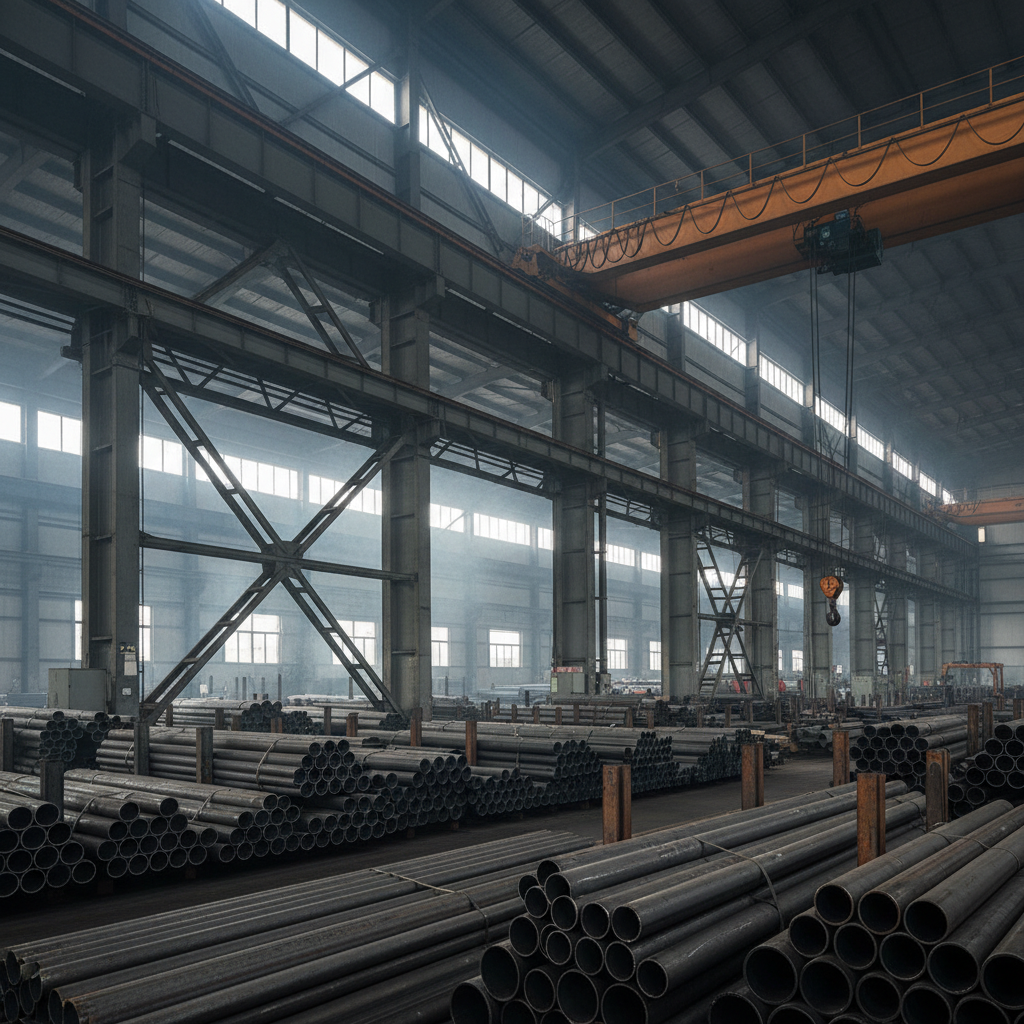
Properties and Industrial Applications of 4130 steel tubing
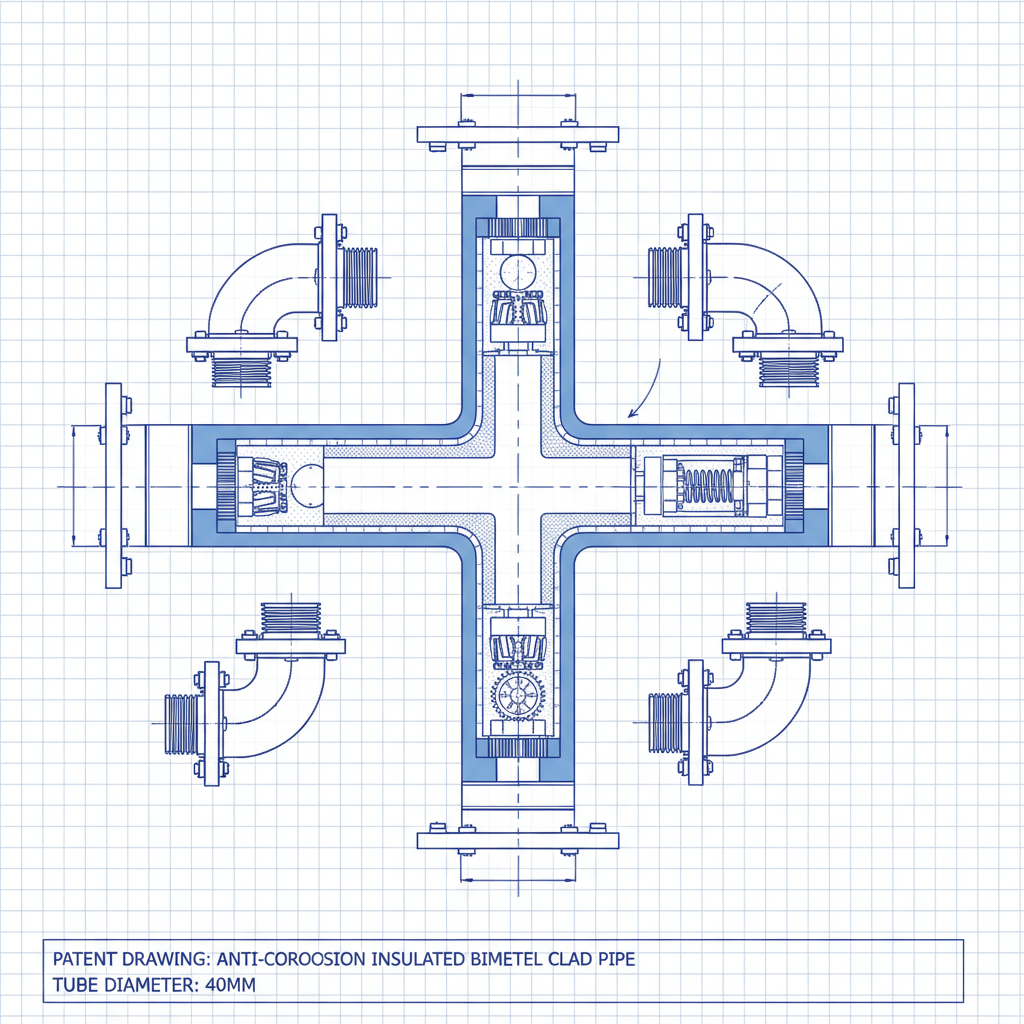
Comprehensive Guide to 40mm Steel Tube Applications and Material Selection
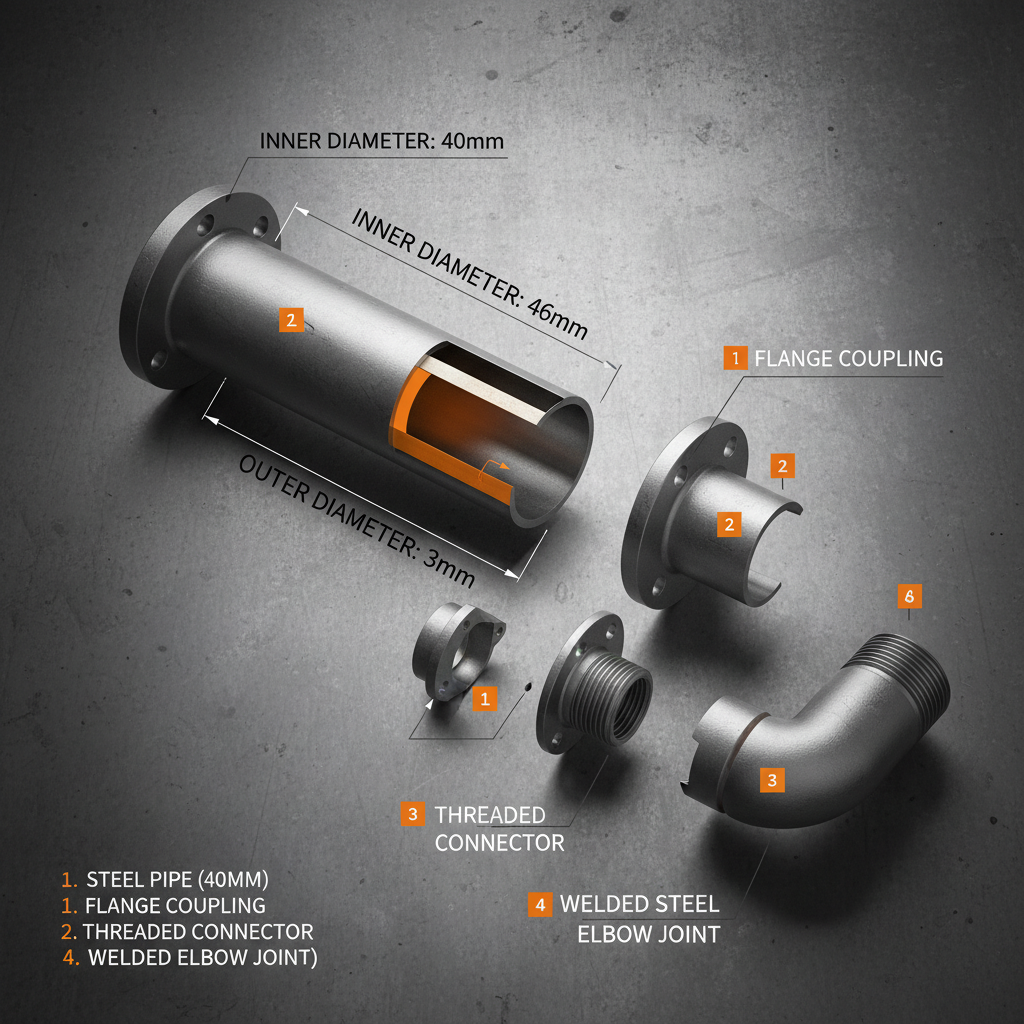
Comprehensive Guide to 40mm Steel Pipe Applications and Considerations
Comprehensive Guide to 40mm Metal Pipe Applications and Sourcing
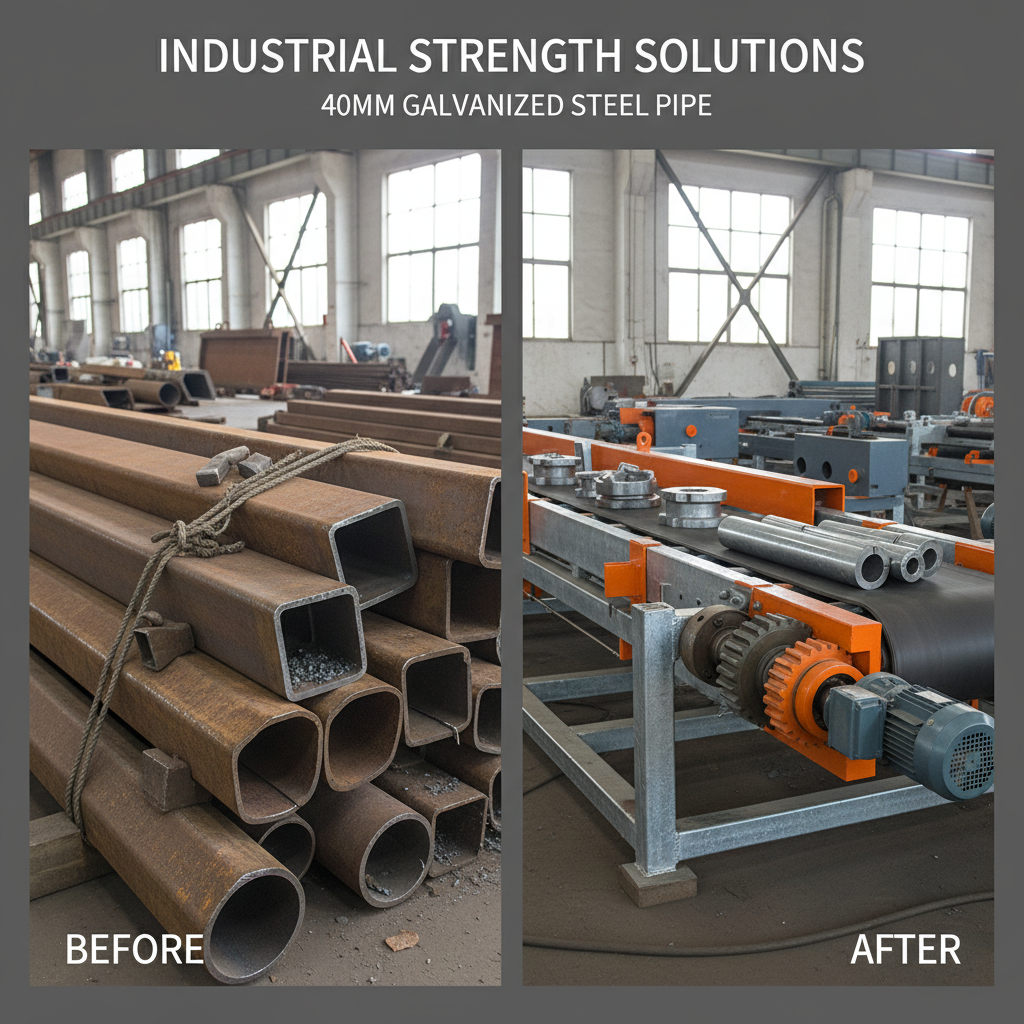
Comprehensive Guide to 40mm Galvanised Pipe Applications and Specifications