Mild steel round pipe — a term you might have heard tossed around in construction sites, manufacturing floors, or even infrastructure projects. But what exactly makes it so vital? Globally, mild steel pipes are the unsung heroes behind everything from water distribution systems in emerging markets to the skeletal frames of high-rise buildings. Grasping their utility takes you into the heart of engineering challenges and sustainable development efforts worldwide.
According to the International Organization for Standardization (ISO), steel pipe demand has surged dramatically in the past decade, especially mild steel variants due to their versatility and cost-effectiveness. The World Bank estimates that global infrastructure investment will exceed $4 trillion annually over the next decade, much of which relies on durable piping systems. Mild steel round pipe helps address critical issues like water accessibility, energy transport, and industrial scalability—challenges at the very core of today’s development agenda.
Yet there’s a problem — aging infrastructure and the need for sustainable materials put pressure on manufacturers and engineers to innovate without losing sight of affordability.
Simply put, mild steel round pipe is a cylindrical tube made from low-carbon steel known for its ductility and moderate strength. Mild steel contains roughly 0.05%-0.25% carbon which makes it easier to form and weld compared to higher carbon steels. Because of this, mild steel round pipes are widely used in plumbing, structural applications, and mechanical support.
The connection to modern industry is straightforward — these pipes form the frame and conduit for transporting gases, liquids, and even structural loads, supporting everything from urban water supply to manufacturing lines and humanitarian aid delivery.
Mild steel’s combination of strength and flexibility means these pipes withstand significant pressure and mechanical stress. They can endure harsh environmental conditions when properly coated or galvanized.
Compared to stainless steel or specialized alloys, mild steel is far more affordable — which is why it dominates large-scale infrastructure projects, especially in developing regions.
The production processes allow for mass manufacturing in a variety of diameters and thicknesses, making it easy to standardize pipelines or customize solutions.
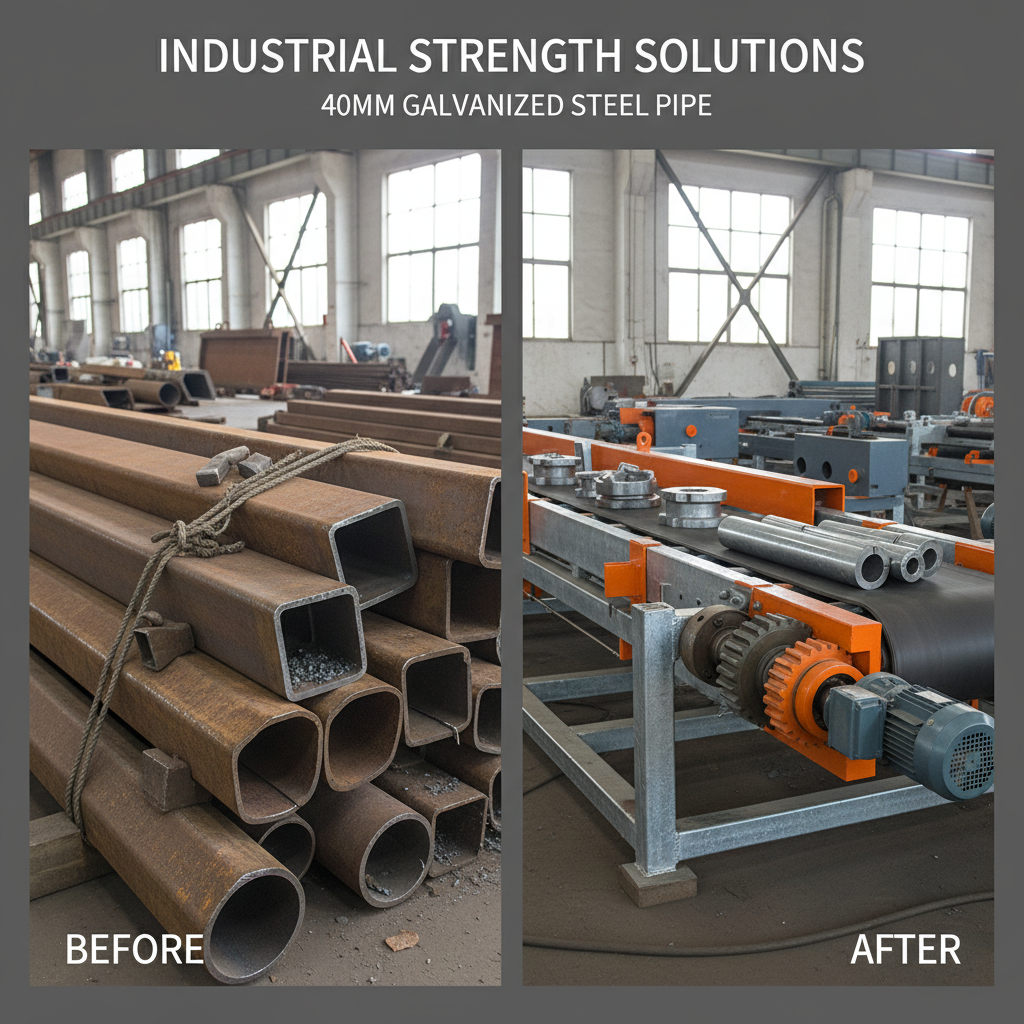
On its own, mild steel is prone to rust. But with proper galvanization or protective coating, it can last decades, balancing upfront investment with lifespan.
Mild steel is 100% recyclable, supporting circular economy initiatives. Plus, innovations in production increasingly reduce carbon footprints.
| Property | Typical Range | Notes |
|---|---|---|
| Carbon Content | 0.05% - 0.25% | Low carbon for ductility |
| Diameter | 6 mm - 600 mm | Varies by use |
| Thickness | 1.5 mm - 25 mm | Depends on pressure rating |
| Yield Strength | 250 MPa (approx.) | Standard mild steel grade |
| Coatings | Galvanized, epoxy, paint | To enhance corrosion resistance |
Mini takeaway: Mild steel round pipe strikes a delicate balance — affordable, strong, and versatile with some corrosion protection — making it a go-to for many sectors.
| Vendor | Product Range | Lead Time | Certifications | Typical Price Range (USD/meter) |
|---|---|---|---|---|
| SteelWorks Inc. | 6mm–500mm diameter | 2–3 weeks | ISO 9001, API 5L | $5 - $15 |
| GlobalPipe Ltd. | 10mm–600mm diameter | 1–2 weeks | ISO 14001, API 5L | $6 - $18 |
| EcoPipe Solutions | 20mm–550mm diameter | 3–4 weeks | ISO 9001, LEED Compliant | $7 - $20 |
If you’re wondering why organizations keep choosing mild steel round pipe over alternatives, it comes down to several tangible benefits:
The future looks bright, with researchers exploring:
Of course, mild steel round pipes are not without hurdles. Corrosion remains the nemesis, particularly in salty or acidic environments. But clever engineering choices—such as cathodic protection, galvanized finishes, or even composite linings—can mitigate deterioration.
Supply chain disruptions keep projects on edge, a reality sharply felt during global crises like pandemics. Diversifying vendors and building local fabrication capacity helps buffer these risks.
In real-world terms, mild steel round pipe proves itself the backbone of versatile, scalable, and cost-efficient infrastructure projects worldwide. Whether it’s quenching thirst in a drought-stricken village or reinforcing a bustling metropolis, its role is hard to overstate.
Curious to know more? Visit our website: https://www.lion-pipeline.com for comprehensive resources and product options.
Oddly enough, sometimes it's the simplest materials — like this humble pipe — that carry the most weight in shaping our future networks and lives.
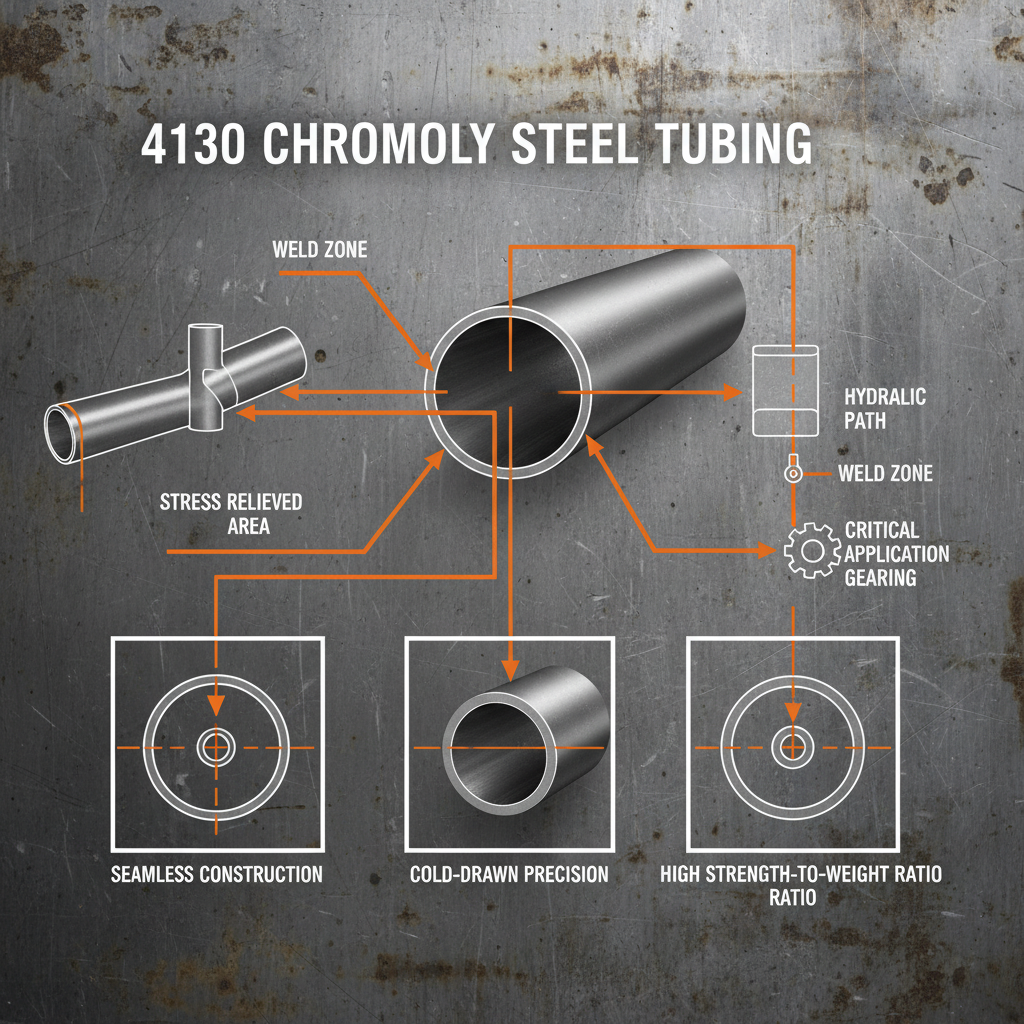
Ultimate Guide to 4130 Tubing Strength Performance and Applications
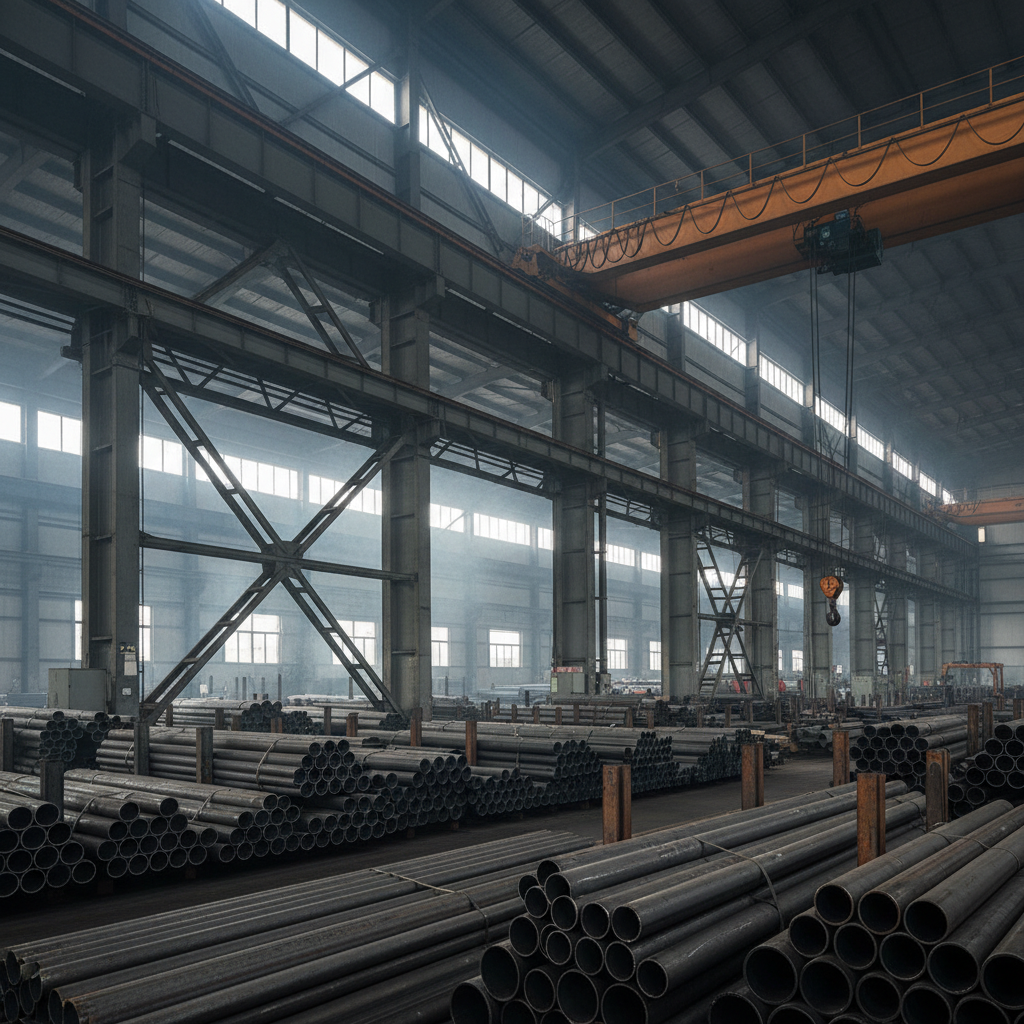
Properties and Industrial Applications of 4130 steel tubing
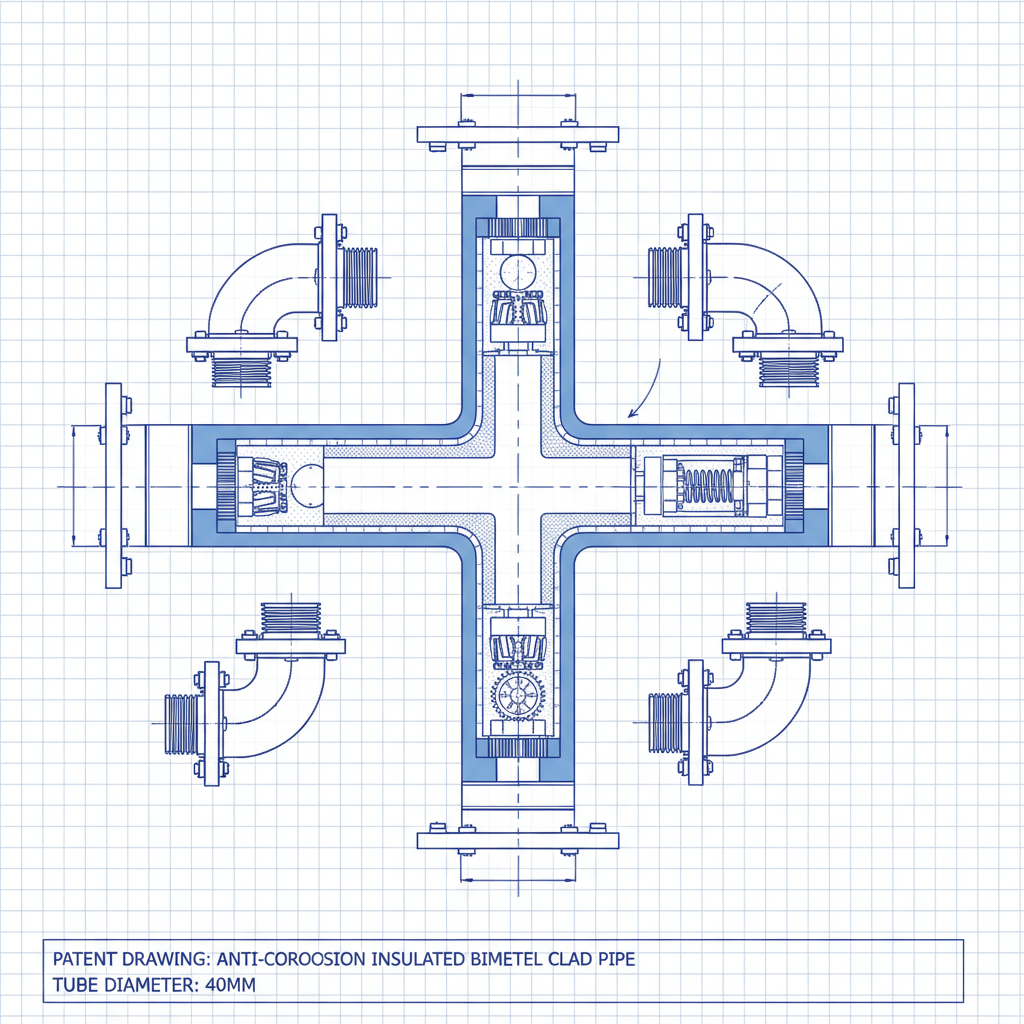
Comprehensive Guide to 40mm Steel Tube Applications and Material Selection
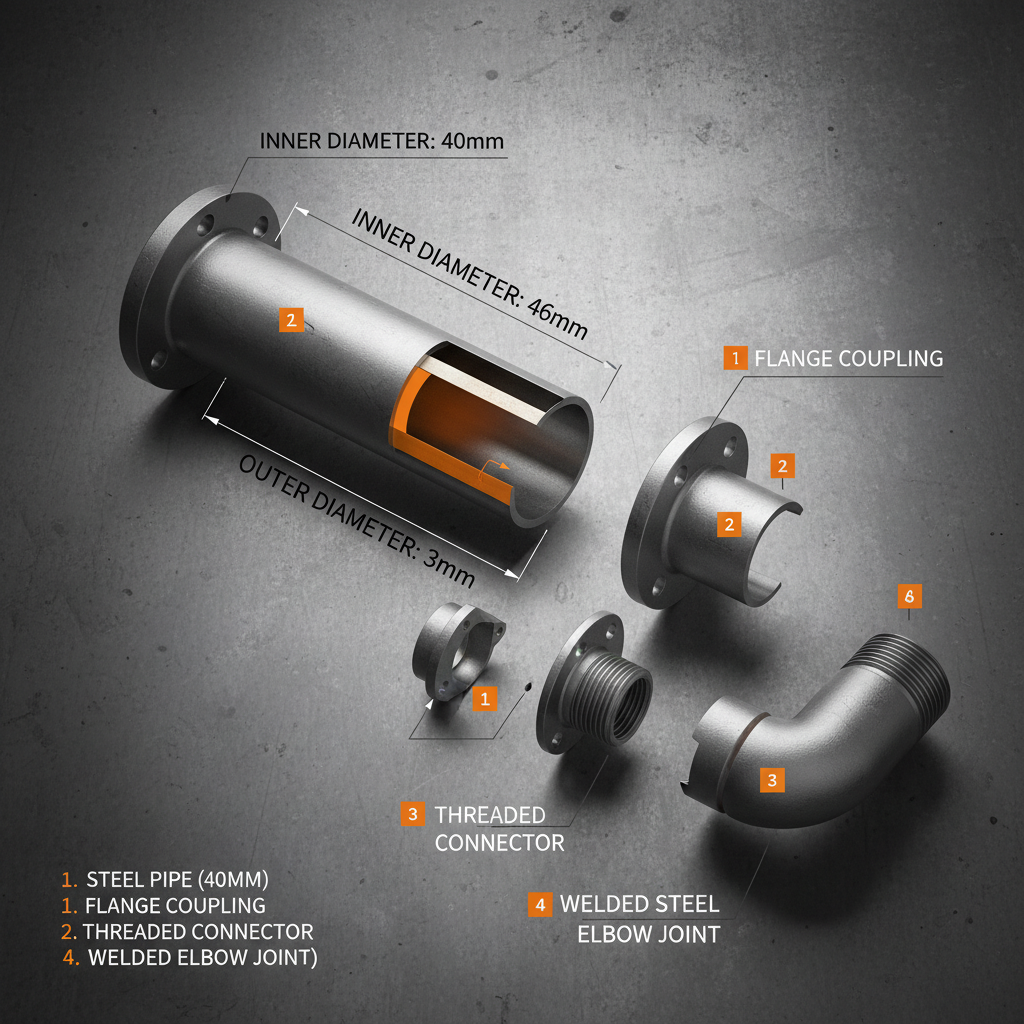
Comprehensive Guide to 40mm Steel Pipe Applications and Considerations
Comprehensive Guide to 40mm Metal Pipe Applications and Sourcing
Comprehensive Guide to 40mm Galvanised Pipe Applications and Specifications