At first glance, metric square tubing might not seem like the star of industrial materials — yet its role globally is nothing short of foundational. It’s everywhere, powering new infrastructure, enabling elegant structural designs, and even quietly supporting humanitarian efforts. But why does understanding metric square tubing matter? Well, in a world increasingly focused on precision, sustainability, and interoperability, knowing the ins and outs of these tubular components helps manufacturers, engineers, and project designers meet global challenges efficiently and reliably.
The world’s industrial backbone depends on materials that combine strength, consistency, and modularity — and metric square tubing checks those boxes with ease. According to the International Organization for Standardization (ISO), adopting metric standards like those governing square tubing ensures smoother trade and manufacturing collaborations across borders. In fact, with construction and manufacturing industries constituting roughly 13% of global GDP (World Bank, 2023), the standardization behind metric square tubing becomes a quiet but vital cog in this massive engine.
One challenge often overlooked is how differences in measurement systems—imperial vs. metric—can cause costly confusion, delays, or safety risks. Metric square tubing, therefore, represents more than just steel or aluminum shaped into tubes; it’s part of a larger move towards streamlined global operations.
Simply put, metric square tubing is hollow, square-shaped metal tubing measured and specified according to millimeters (mm) instead of inches. Commonly crafted from steel, aluminum, or stainless steel, these tubes offer high strength-to-weight ratios and a uniform shape that lends itself well to modular assembly and structural frameworks.
In practice, this means metric square tubing is a go-to material for everything from industrial machinery frames to architectural facades — and even emergency shelter structures during humanitarian crises. Its compatibility with metric-based tools and components makes it easy to design and build scalable solutions internationally.
Thanks to the precise manufacturing processes that define metric square tubing, its walls are consistent and can withstand heavy loads and stress, key for construction and heavy industry.
The square cross-section naturally facilitates modular connections and easy alignment. This translates into quicker assembly times and fewer custom fittings — something engineers especially appreciate.
Though initial prices may vary, many projects find that metric square tubing minimizes waste and labor costs due to its ease of use and compatibility across metric standard components.
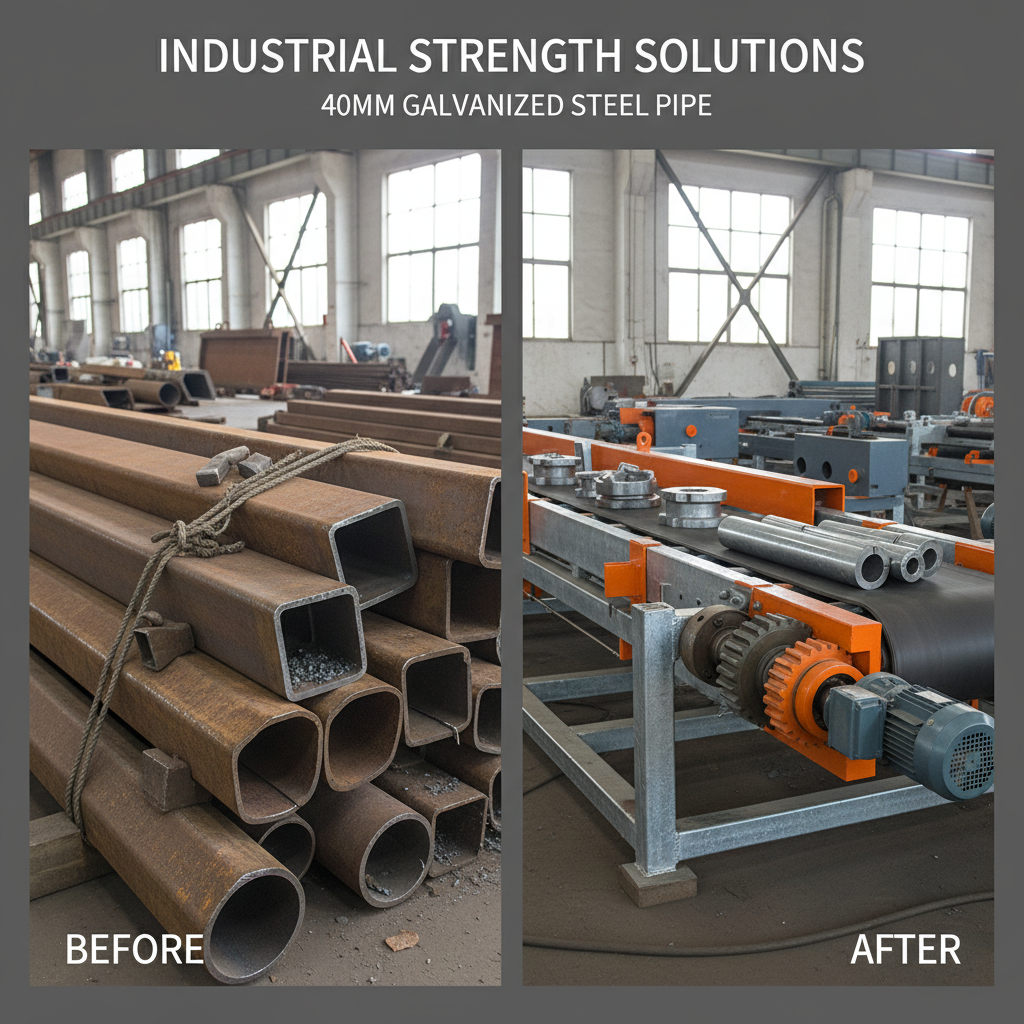
Depending on material choice (stainless steel, galvanized steel, or coated aluminum), metric square tubing can be designed to withstand harsh environmental conditions—meaning longer life cycles.
From fencing and machinery guards to lightweight structural elements in vehicles, the range of applications is remarkably broad.
Mini takeaway: Metric square tubing is not just about strength; its true value lies in combining durability with standardization that supports efficiency and global collaboration.
Speak to many engineers and designers worldwide, and metric square tubing often comes up as a core material for infrastructure projects — particularly in Europe and Asia, where metric units prevail. For instance, in post-disaster relief zones, rapid-deployment shelters made with lightweight metric square tubing frames provide both structural integrity and ease of shipping.
In remote industrial zones of Africa and South America, metric square tubing forms the skeleton of machinery housing and equipment racks, designed for durability and easy field repairs.
Even advanced automotive and aerospace sectors adopt metric square tubing within chassis and supporting components, leveraging its predictable mechanical properties.
| Dimension (mm) | Wall Thickness (mm) | Material | Weight (kg/m) | Standard Length (m) |
|---|---|---|---|---|
| 20 x 20 | 1.5 | Carbon Steel | 1.12 | 6 |
| 40 x 40 | 2.0 | Galvanized Steel | 3.05 | 6 |
| 50 x 50 | 2.5 | Stainless Steel | 4.77 | 6 |
| 100 x 100 | 3.0 | Aluminum Alloy | 5.12 | 6 |
| Vendor | Material Range | Delivery Time | Customization Options | Price Range (USD/kg) |
|---|---|---|---|---|
| SteelPro Supplies | Carbon, Galvanized | 2-3 weeks | Cutting, Drilling | 1.2 – 1.8 |
| AluTech Co. | Aluminum Alloys | 3-4 weeks | Welding, Powder Coating | 2.5 – 3.5 |
| StainlessEdge | Stainless Steel | 4-5 weeks | Laser Cutting, Polishing | 3.8 – 5.0 |
Looking forward, the demand for lightweight yet stronger materials is pushing innovation in alloy compositions and coating technologies. Green building standards now encourage recyclable materials and low-emission manufacturing practices — both of which impact the future of metric square tubing production.
Automation and digital fabrication techniques, such as robotic welding and CNC machining, are dramatically reducing lead times and increasing quality consistency. Oddly enough, this also fosters niche applications like custom modular spaces and smart structural components embedded with sensors.
Finally, global efforts to reduce carbon footprints encourage suppliers to adopt sourcing policies aligned with ISO 14001 environmental management standards, likely reshaping supply chains in the next decade.
Despite all the positives, metric square tubing isn’t without challenges. For example, inconsistencies in sourcing can cause minor dimensional variations, impacting tight-tolerance projects. Logistics delays and fluctuating steel prices also pose risks.
Solutions include tighter quality control standards, developing local suppliers to reduce lead times, and adopting predictive procurement strategies. Many companies now use digital twins and IoT integration to monitor material performance in real time, which frankly makes maintenance and replacement planning a breeze.
Whether you’re working on a sprawling infrastructure project, a pioneering manufacturing line, or quick-response humanitarian shelters, metric square tubing often emerges as the material that balances strength, standardization, and versatility. Its global acceptance offers peace of mind, supporting project scalability and innovation while keeping costs manageable.
If you want to explore metric square tubing products that meet international standards and adapt seamlessly to your needs, do visit our website: https://www.lion-pipeline.com. There’s a world of solutions waiting to be discovered.
Oddly enough, something as simple as tubing can quietly lean on the pillars of globalization, innovation, and sustainability — more powerful than it might initially seem.
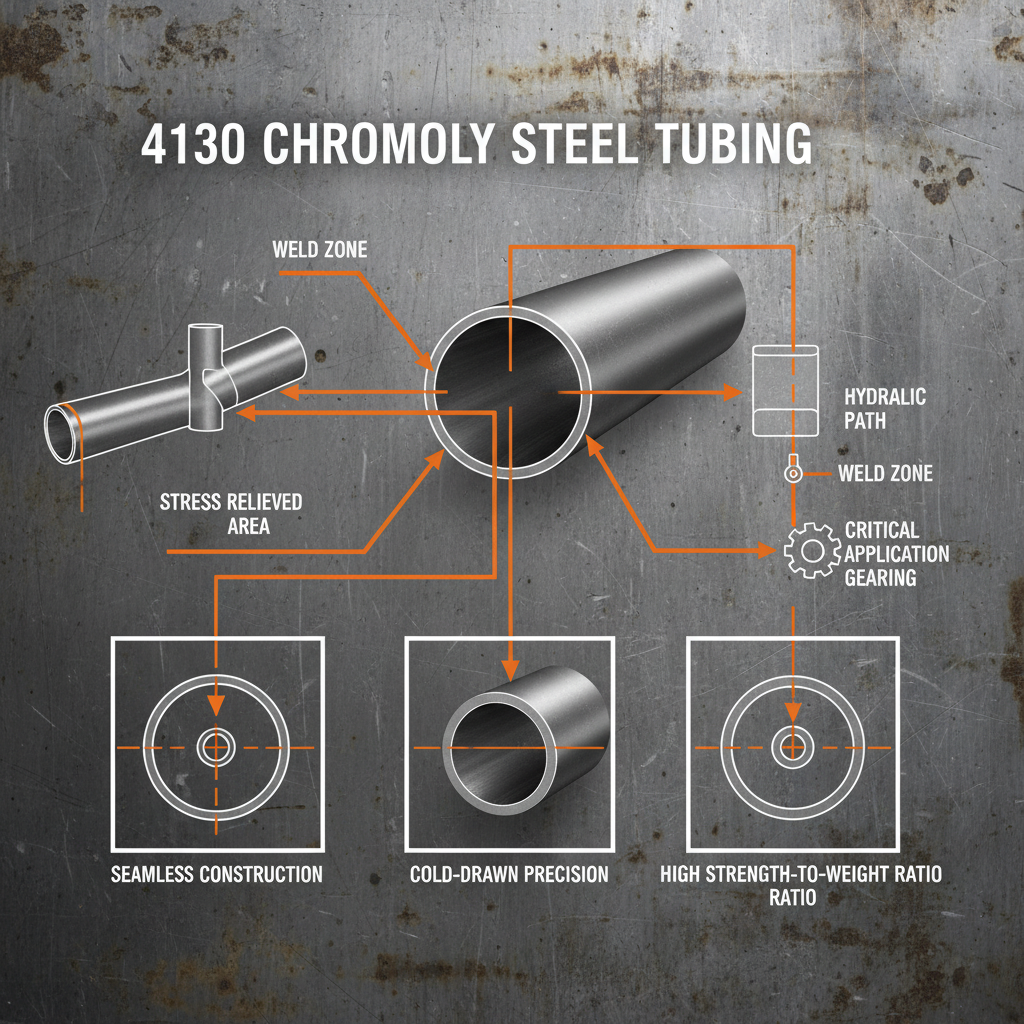
Ultimate Guide to 4130 Tubing Strength Performance and Applications
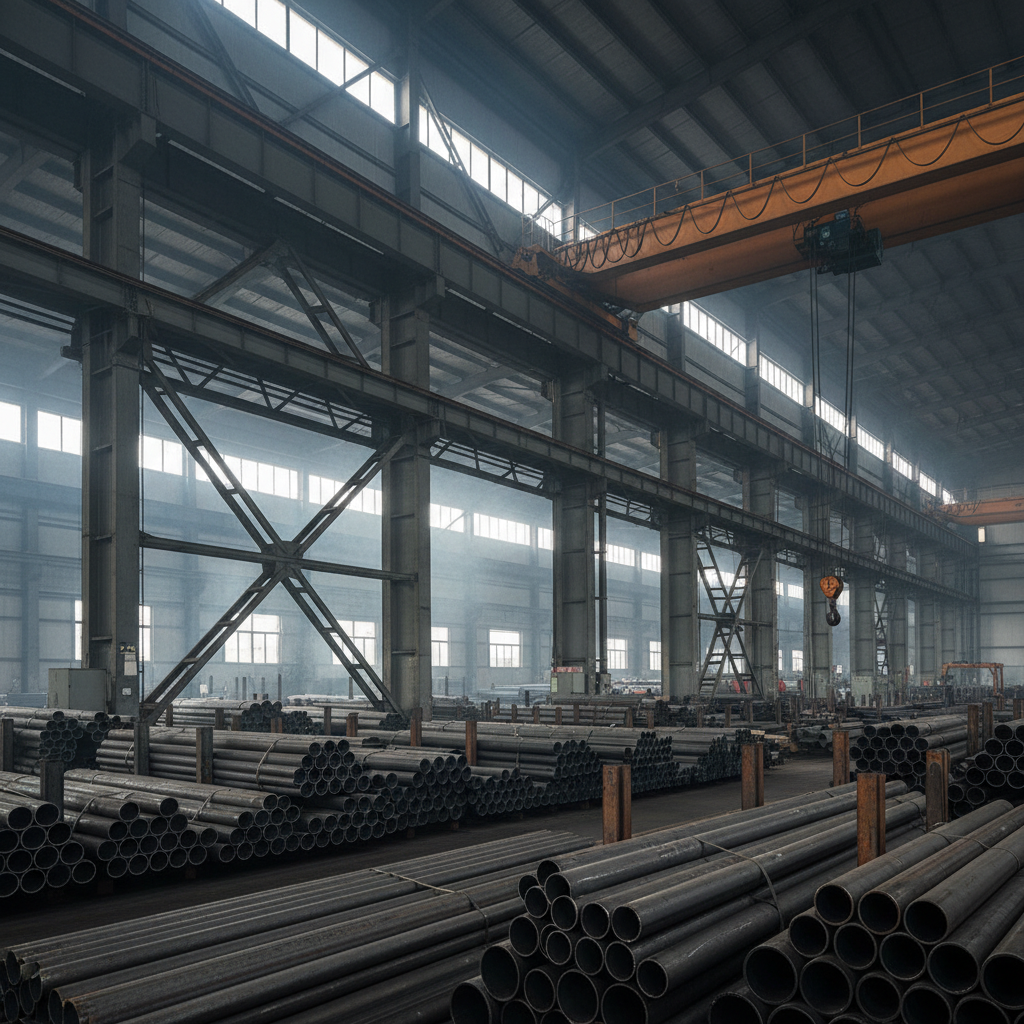
Properties and Industrial Applications of 4130 steel tubing
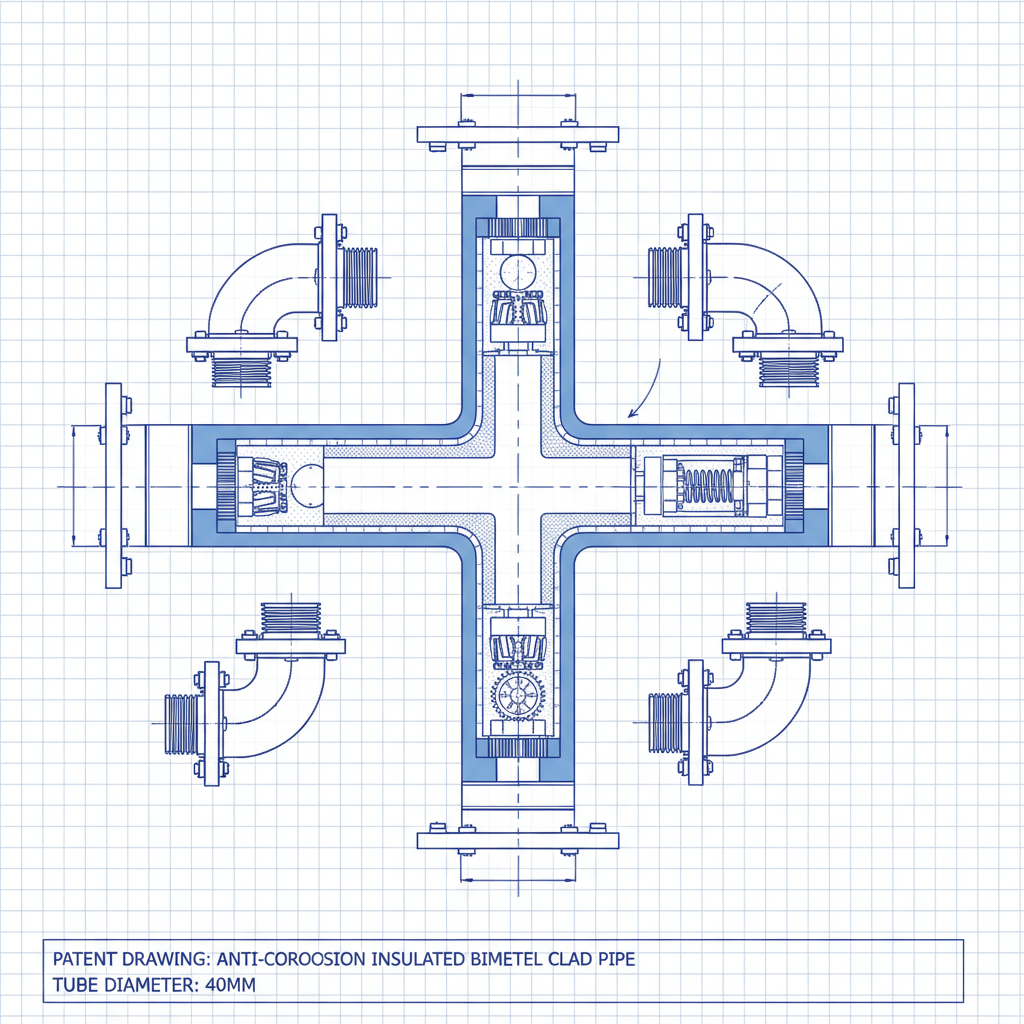
Comprehensive Guide to 40mm Steel Tube Applications and Material Selection
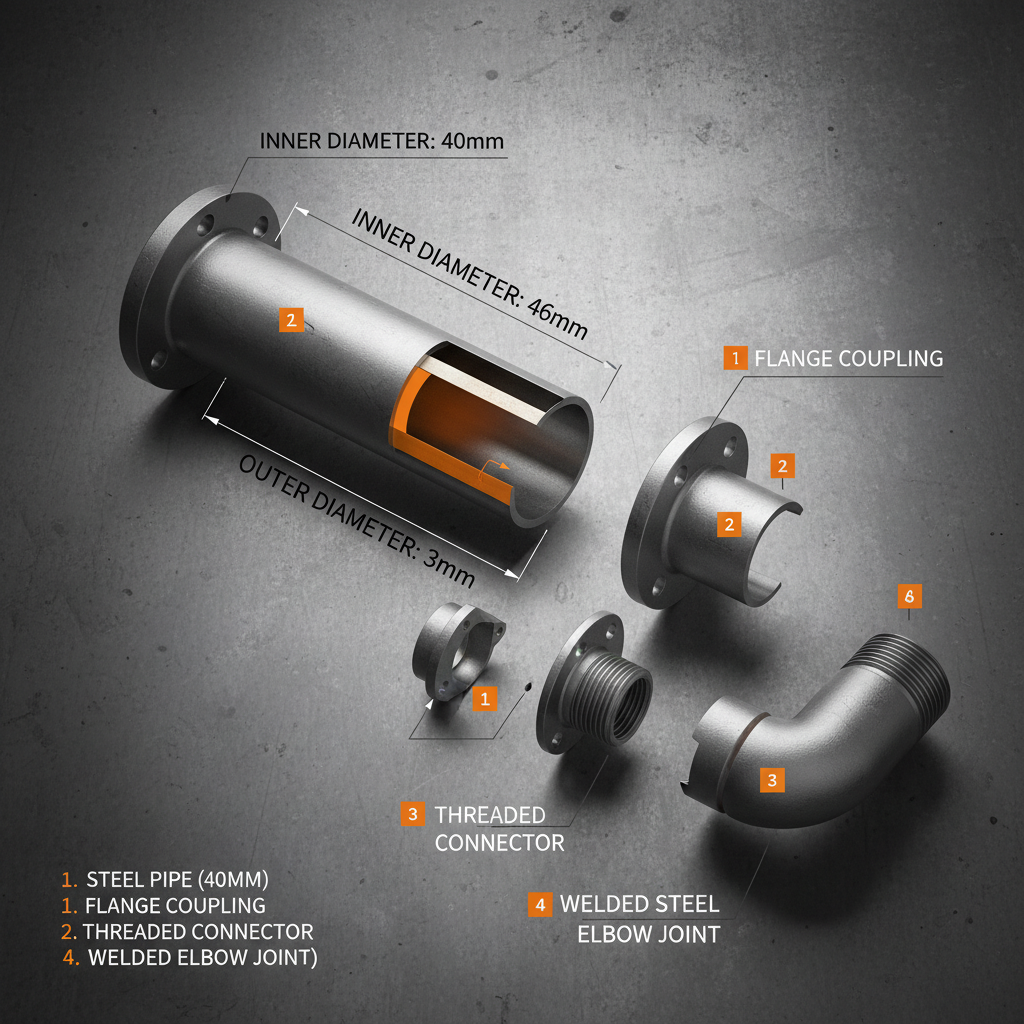
Comprehensive Guide to 40mm Steel Pipe Applications and Considerations
Comprehensive Guide to 40mm Metal Pipe Applications and Sourcing
Comprehensive Guide to 40mm Galvanised Pipe Applications and Specifications