Hypodermic tubing may not be a term you hear daily, but its impact stretches widely across the healthcare and manufacturing sectors worldwide. Fundamentally, hypodermic tubing refers to fine-gauge tubes used primarily for delivering fluids — often medicinal — with precision. Why does this matter on a global scale? Because whether it's in emergency medical treatments, delicate laboratory processes, or even specialized industrial applications, hypodermic tubing ensures safety, accuracy, and reliability.
The global demand for these tubes has risen sharply, especially as access to quality healthcare becomes more of a priority internationally. Understanding hypodermic tubing helps industries and organizations optimize their processes and improve outcomes, often where every millimeter and milliliter counts.
This component quietly underpins some of the most critical parts of medical treatment worldwide. According to World Health Organization (WHO) data, billions of injections are administered globally every year, underscoring the critical need for reliable and sterile tubing. Plus, ISO standards (like ISO 10555 for sterilized hypodermic tubes) provide global benchmarks, reflecting how seriously the industry takes precision and safety.
But here’s the rub: challenges like contamination, manufacturing inconsistencies, and material degradation can cause serious risks. Hypodermic tubing helps address these by holding up under demanding conditions — a vital factor especially in regions with limited access to advanced healthcare facilities.
Simply put, hypodermic tubing is a narrow, hollow tube typically made from stainless steel or specialized alloys, designed to carry fluids in medical devices like syringes and catheters. It's crafted with extremely tight tolerances to ensure smooth, safe flow paths and to minimize discomfort or injury.
This tubing links modern industry to humanitarian efforts by enabling precise drug delivery and blood collection in a way that’s both scalable and affordable. It's the kind of detail that literally saves lives or improves patient comfort worldwide.
Hypodermic tubing must withstand internal pressures and resist corrosion without degrading over time. For example, stainless steel grades like 304 and 316L are favored for their exceptional corrosion resistance and strength. This durability ensures patient safety and device reliability.
These tubes are measured in your classic gauge sizes — from 18G to 33G — which denotes the tube’s diameter. Achieving precision in bore size and wall thickness directly impacts fluid flow and ease of use in applications.
Materials have to be non-reactive, particularly when tubing contacts tissue or blood. Hypodermic tubing undergoes rigorous testing to comply with biocompatibility standards such as ISO 10993.
Manufacturing processes like cold drawing and annealing allow mass production without losing quality — crucial for price-sensitive markets and emergency medical supplies.
Tubing must tolerate sterilization methods (steam, radiation, or ethylene oxide) without loss of integrity — a non-negotiable factor for reusable medical instruments or sensitive diagnostics.
| Specification | Typical Value | Notes |
|---|---|---|
| Material | 316L Stainless Steel | Common for corrosion resistance & strength |
| Diameter Range | 0.3mm – 1.5mm (18G to 33G) | Varies by application needs |
| Wall Thickness | 0.05mm – 0.15mm | Controls flexibility and strength |
| Length | Customizable, typically up to 600mm | Depends on device or system design |
| Sterilization Compatability | Steam, Gamma, EO | Ensures safe reuse or packaging |
Hypodermic tubing touches countless lives, often behind the scenes. For example, in post-disaster relief operations in Southeast Asia, where medical infrastructure may be disrupted, reliable hypodermic tubing is crucial for delivering vaccines and intravenous treatments swiftly and safely.
In industrial terms, large pharmaceutical companies in Europe and North America depend on these tubes for automated drug manufacturing and quality control. Meanwhile, NGOs in Africa leverage lower-cost tubing to deliver lifesaving medications in rural clinics.
Manufacturing sectors also employ hypodermic tubing beyond healthcare — like for precision fluid control in aerospace or automotive industries, demonstrating impressive versatility.
| Supplier | Material Quality | Range of Sizes | Certifications | Lead Time | Price Range |
|---|---|---|---|---|---|
| TubingPro Inc. | 316L Stainless Steel, medical-grade | 18G–33G | ISO 13485, FDA Approved | 2–3 weeks | $$$ (Premium) |
| MicroTube Solutions | 304 and 316L alloys | 20G–30G | ISO 9001, CE Mark | 1–2 weeks | $$ (Mid-range) |
| Global Hypodermic | Standard 316L | 18G–28G | ISO 13485 | 3–4 weeks | $ (Budget) |
The tangible benefits spring off mostly from safety and reliability. By ensuring a contaminant-free environment and precise fluid control, hypodermic tubing safeguards patient health and improves procedural outcomes.
It’s kind of fascinating, when you think about it. Behind every comforting vaccine shot or delicate infusion is this unsung hero — the tubing. Furthermore, because it can be manufactured at scale affordably, it raises dignity by making quality medical care more accessible globally.
Innovations in materials — such as bioresorbable or polymer composite tubing — point to a greener, more sustainable future. Digital manufacturing technologies like laser-cutting precision and AI-driven quality control promise tighter specs and less waste.
Additionally, as telemedicine and home healthcare grow, hypodermic tubing is evolving to fit compact, user-friendly injection devices that patients can handle safely.
While hypodermic tubing offers many benefits, challenges remain: contamination risk during manufacture, variability in wall thickness, and waste from single-use products. Industry leaders are addressing these by enhancing cleanroom standards, deploying ultrafine manufacturing controls, and researching biodegradable options.
Hypodermic tubing — though small and often overlooked — plays a gargantuan role in health and industry worldwide. Its precision, safety, and adaptability mean better outcomes, broader access, and ongoing innovation. For anyone looking to understand the subtle intricacies that keep essential services running, it’s a topic worth delving into deeper.
If you want to explore more about quality hypodermic tubing solutions, including customized specifications, visit hypodermic tubing and discover how top-tier materials meet exacting standards.
Mini Takeaways:
• Hypodermic tubing is critical in medical & industrial applications worldwide.
• Precision, durability, and biocompatibility are paramount for safety.
• Ongoing innovation focuses on sustainability and advanced manufacturing.
• Careful vendor selection ensures quality, certifications, and timely delivery.
References:
1. Wikipedia: Hypodermic needle
2. ISO 10555 – Sterile Intravenous Catheters
3. World Health Organization
Anti Corrosion And Thermal Insulation Products
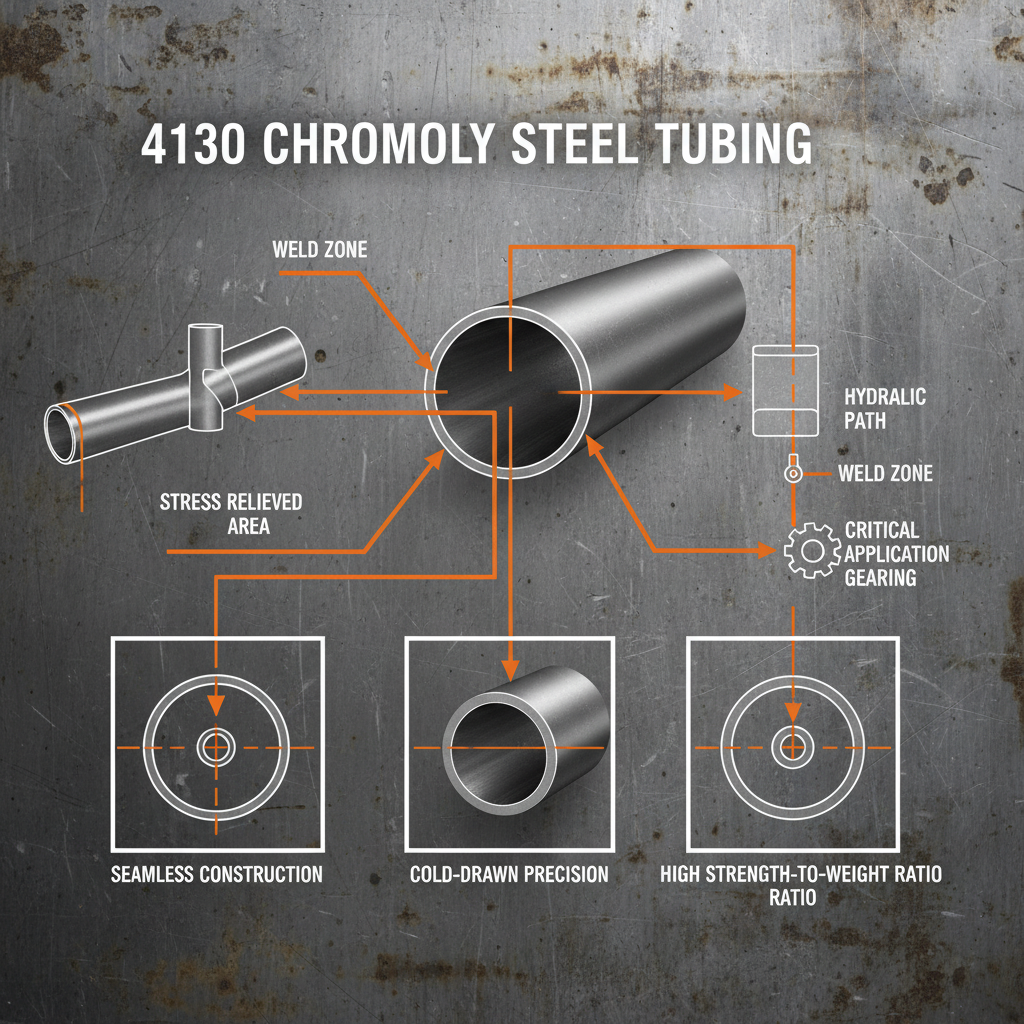
Ultimate Guide to 4130 Tubing Strength Performance and Applications

Properties and Industrial Applications of 4130 steel tubing
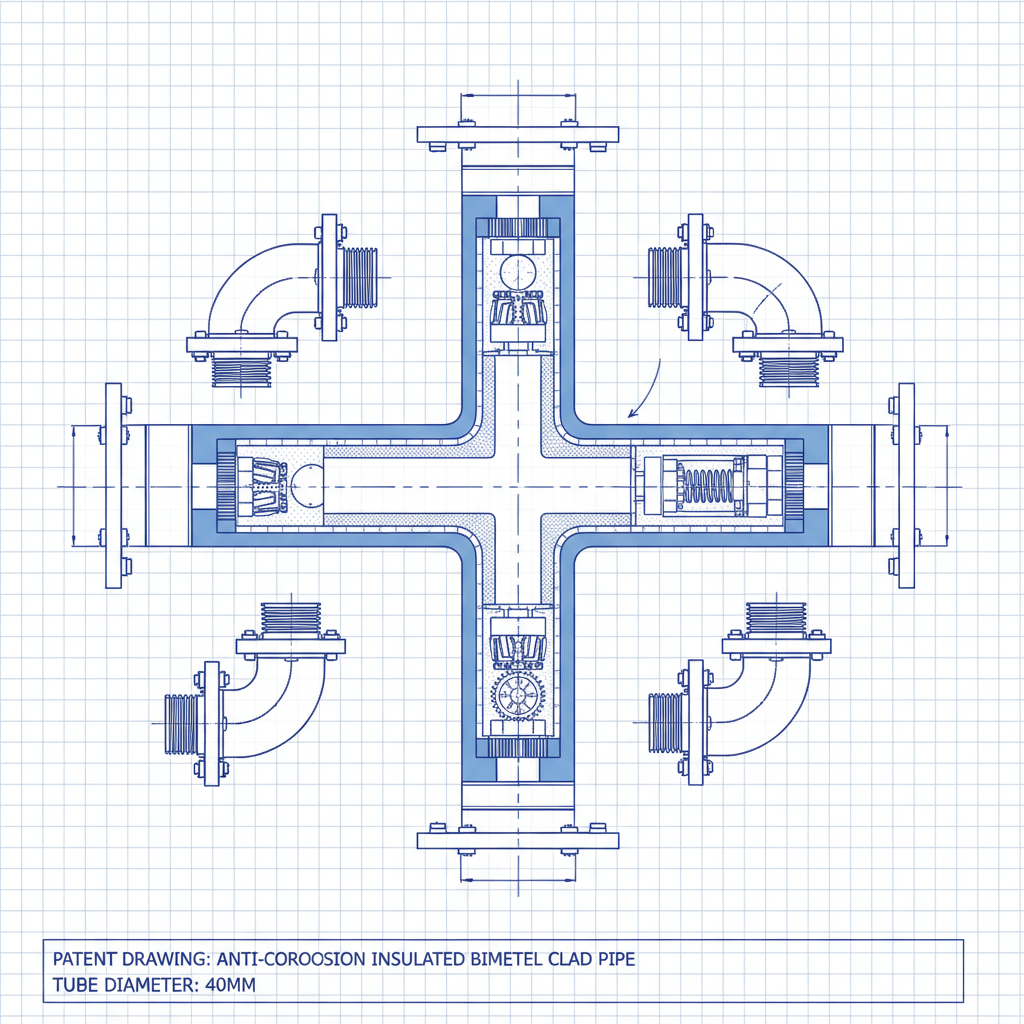
Comprehensive Guide to 40mm Steel Tube Applications and Material Selection
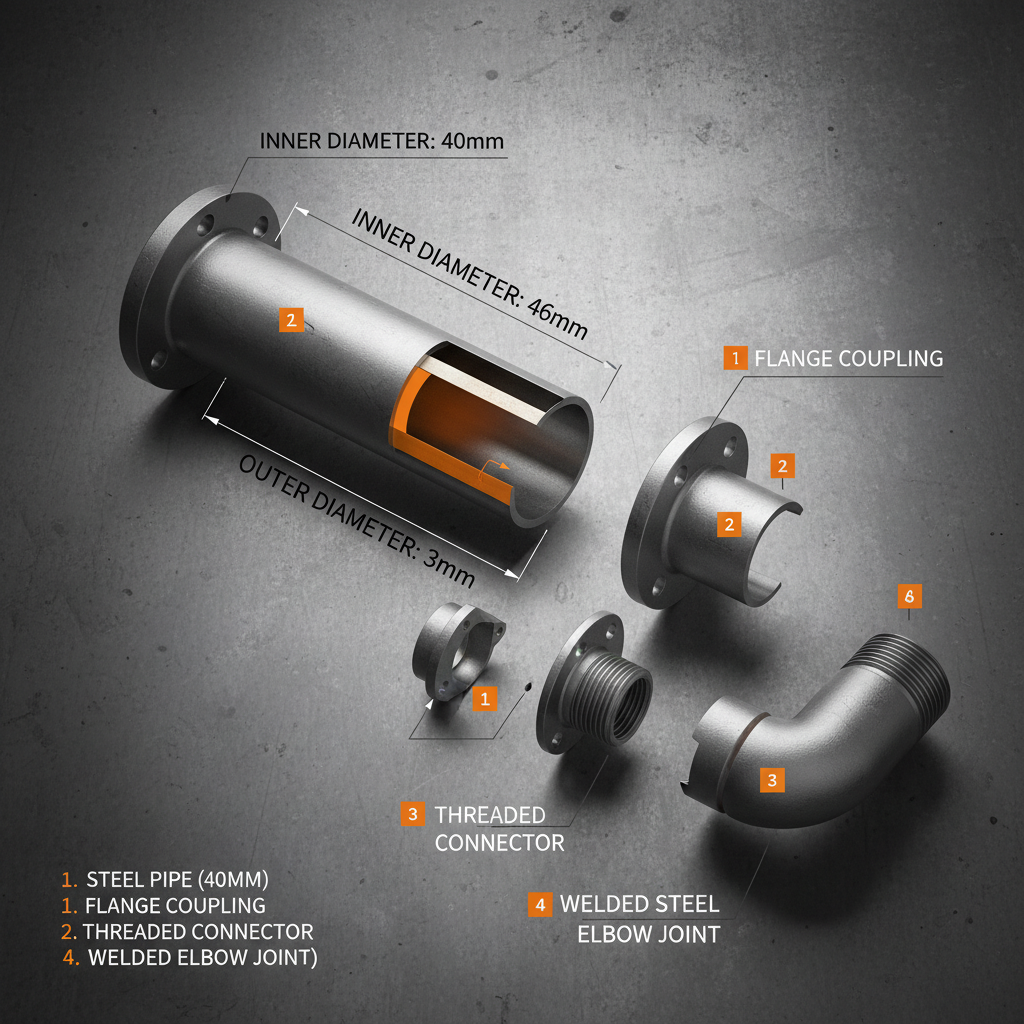
Comprehensive Guide to 40mm Steel Pipe Applications and Considerations
Comprehensive Guide to 40mm Metal Pipe Applications and Sourcing
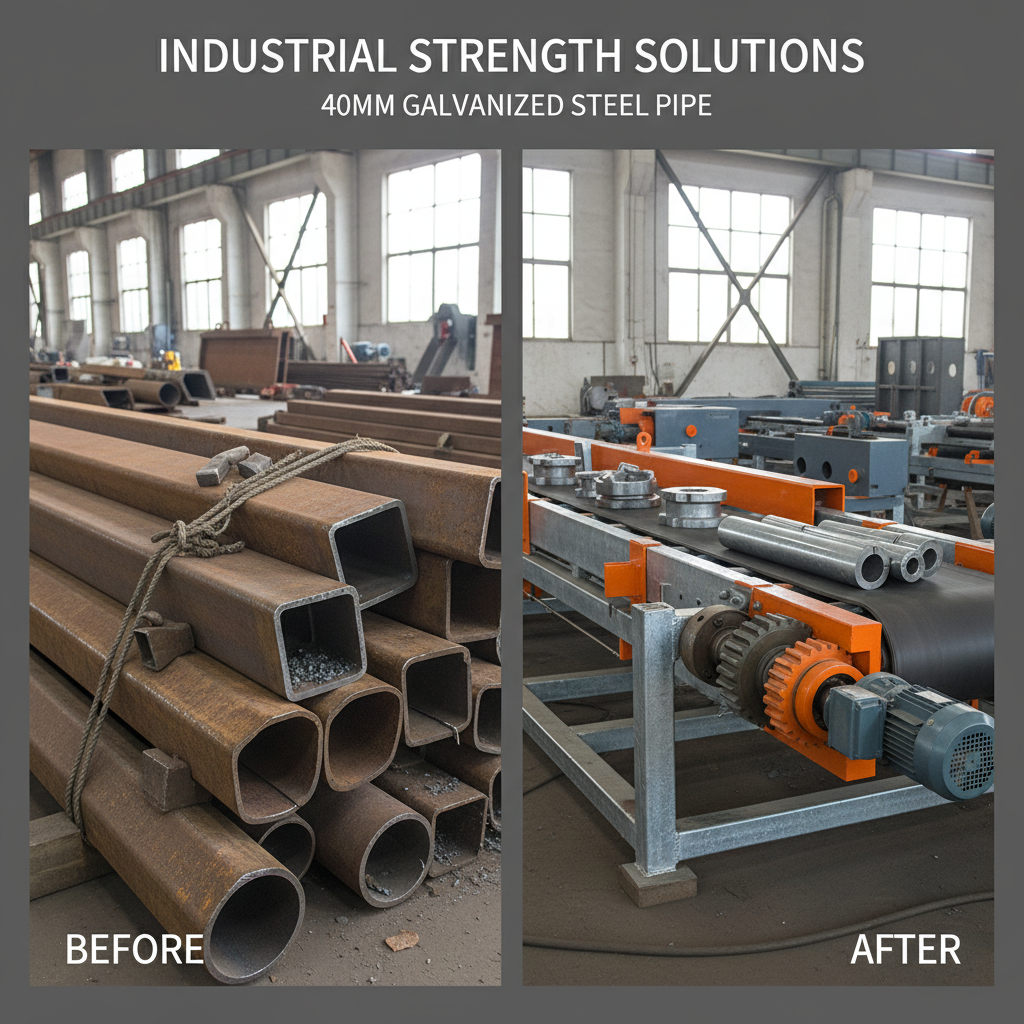
Comprehensive Guide to 40mm Galvanised Pipe Applications and Specifications