When you hear instrument tubing, you might picture some delicate pipe, quietly performing an essential function behind the scenes. But in reality, instrument tubing is a critical component woven deeply into multiple global industries — from oil and gas pipelines to medical devices and humanitarian infrastructure. Understanding its role and benefits helps reveal why it matters on a global scale, supporting everything from climate monitoring to emergency water supplies.
The global market for instrument tubing is projected to grow steadily, fueled by increasing industrial automation and stringent safety standards. According to the International Organization for Standardization (ISO), precise flow control and reliable instrumentation in sectors like chemical processing, aerospace, and healthcare rely heavily on the quality of tubing systems.[1] But challenges remain. In regions where infrastructure is fragile or maintenance scarce, poor tubing can lead to leaks, contamination, or costly downtime. That’s why innovating better, more durable tubing solutions matters—not just from an engineering standpoint but for public health and safety globally.
Mini takeaway: Instrument tubing underpins global industry stability and safety but demands constant innovation due to environmental and operational challenges.
At its core, instrument tubing refers to narrow-diameter tubing designed for transmitting fluids or gases in precise, controlled quantities within instrumentation systems.
Think of it as the subtle circulatory system inside a machine or plant. Unlike general piping, this tubing handles sensitive operations like pressure measurement, sampling, or fluid transfer, often in harsh environments.
It’s essential not only in industrial contexts but also increasingly in humanitarian fields—for example, in delivering clean water or medical gases in disaster relief zones. The tubing's properties must balance flexibility, durability, and corrosion resistance to perform reliably across such applications.
Instrument tubing typically uses stainless steel, copper, or advanced polymers to resist corrosion and mechanical stress. Stainless steel tubing, for instance, endures high pressure and extreme temperatures, critical in oil & gas or chemical plants.
The tubing’s diameter and surface finish affect how smoothly fluids flow inside, impacting measurement accuracy. Manufacturers often specify tolerances down to microns, since even slight variations can cause signal noise or contamination.
Oftentimes, projects demand tailored tubing lengths, bends, or fittings. Modular systems enable quicker deployment and upgrades, a feature quite appreciated in remote industrial zones or temporary humanitarian setups.
While high-quality instrument tubing isn’t necessarily cheap, the long-term saving from reduced maintenance, longer lifespan, and minimized failure risk typically outweigh the upfront cost. Quite a sensible trade-off, frankly.
| Specification | Metric | Typical Range |
|---|---|---|
| Material | Stainless Steel (316L), Copper, PTFE | |
| Outer Diameter | mm (inches) | 1.6 - 12.7 (1/16" - 1/2") |
| Wall Thickness | mm | 0.4 - 1.6 |
| Pressure Rating | Bar (psi) | Up to 420 (6000 psi) |
| Temperature Range | °C (°F) | -195 to 425 (-320 to 800) |
Mini takeaway: High standards around material and dimensional consistency are what make instrument tubing a trusted choice in critical systems.
For example, in remote industrial zones within South East Asia, operators rely on ruggedized tubing that tolerates both tropical corrosion and wide pressure swings. In post-disaster relief operations in sub-Saharan Africa, portable instrumentation setups use modular tubing for quick assembly and tear-down.
| Vendor | Material Options | Price Range (per m) | Customization | Lead Time |
|---|---|---|---|---|
| Acme Tubing Co. | 316L SS, Copper | $25-$40 | Standard lengths, bends | 2-4 weeks |
| Global Instrument Tubes | Stainless steel, PTFE | $30-$50 | Custom lengths, fittings | 3-6 weeks |
| MetroFlex Solutions | Copper, Stainless steel, Polymers | $20-$35 | High customization | 1-3 weeks |
Mini takeaway: Choosing the right vendor depends on your project's scale, material needs, and timeline—MetroFlex offers speed, while Global Instrument Tubes leads on customization.
From a practical standpoint, investing in durable instrument tubing reduces the frequency of replacements and failures, cutting maintenance costs drastically. It’s also a matter of safety — avoiding leaks means less risk of accidents or contamination.
Beyond that, there’s a social dimension: reliable tubing systems uphold life-saving operations like clean water delivery and medical gas transport. It fosters trust between operators, regulators, and communities, which you can’t put a price on.
And even from a sustainability angle, newer tubing materials can be more recyclable or require less energy in manufacturing, aligning with green policies many firms now embrace.
Industry-leading manufacturers are racing to integrate these advancements, making instrument tubing not just a passive component but an active enabler of system intelligence.
Of course, instrument tubing isn’t without its issues. Supply chain delays or material shortages can halt projects unexpectedly.
Harsh environments cause wear and tear, and improper installation is a frequent cause of premature failure. Experts recommend rigorous staff training and using pre-fabricated tubing assemblies to mitigate these risks.
There’s also the challenge of balancing cost with performance — cheaper tubing often lacks verified certification, which can be a costly gamble.
To wrap up, investing in high-quality instrument tubing brings long-term operational benefits, safety assurances, and contributes directly to sustainable industrial and humanitarian goals. Whether you’re upgrading an oil refinery’s instrumentation system or setting up emergency clean water in a disaster zone, tubing choices count.
Interested? Visit our website to explore our advanced tubing solutions and see what fits your unique needs.
Oddly enough, such slender tubes carry so much responsibility—little parts, huge roles.
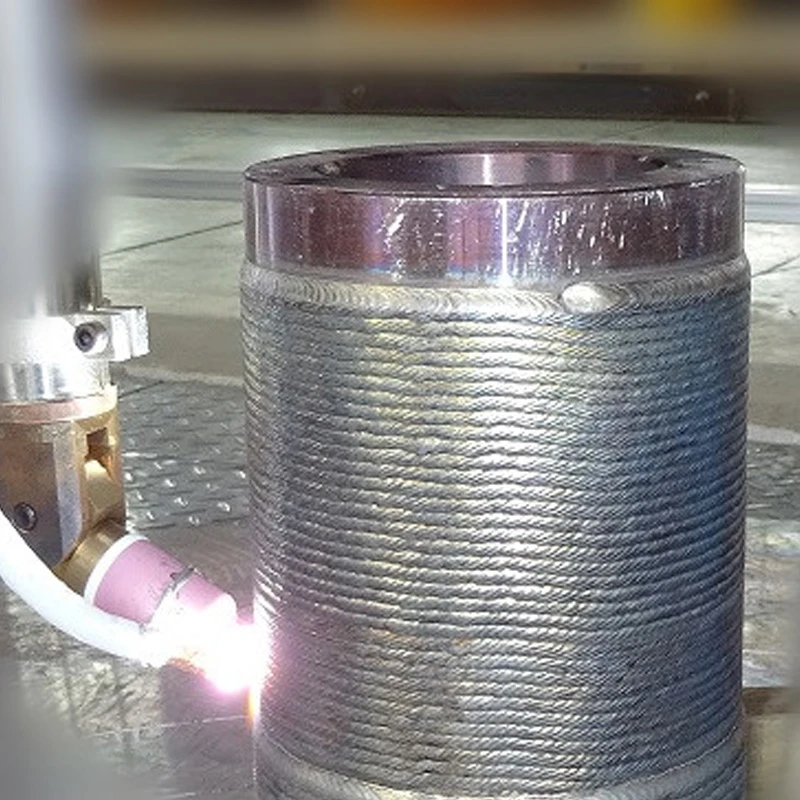
Overlay Welding Clad Steel Pipe
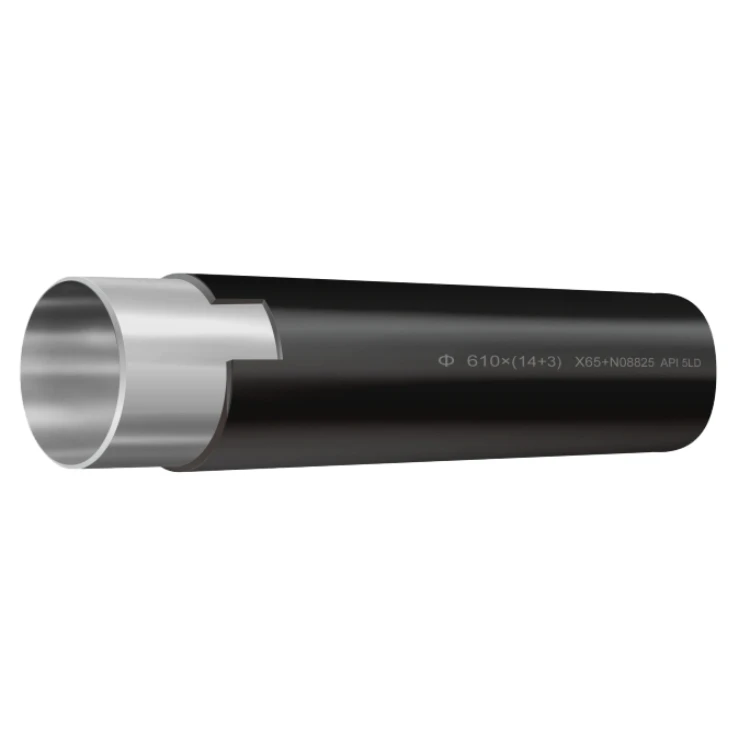
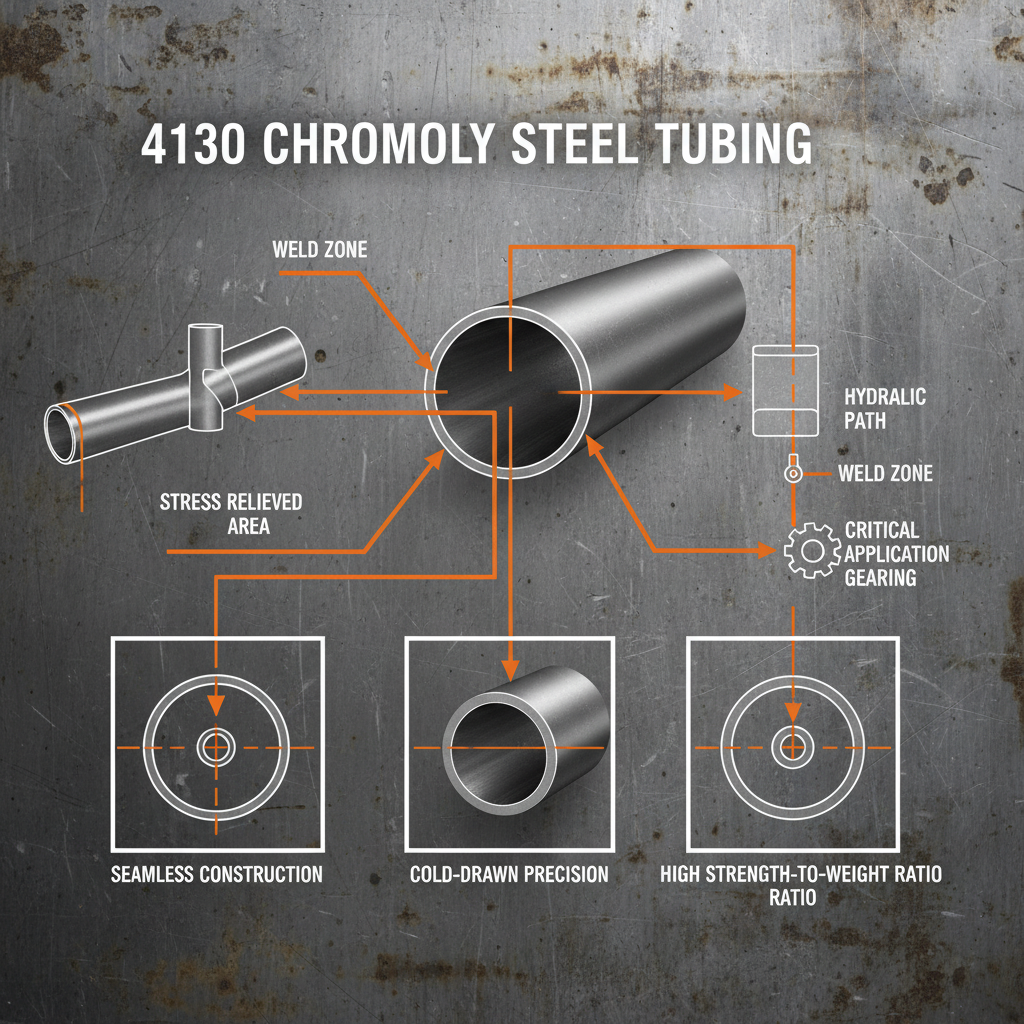
Ultimate Guide to 4130 Tubing Strength Performance and Applications
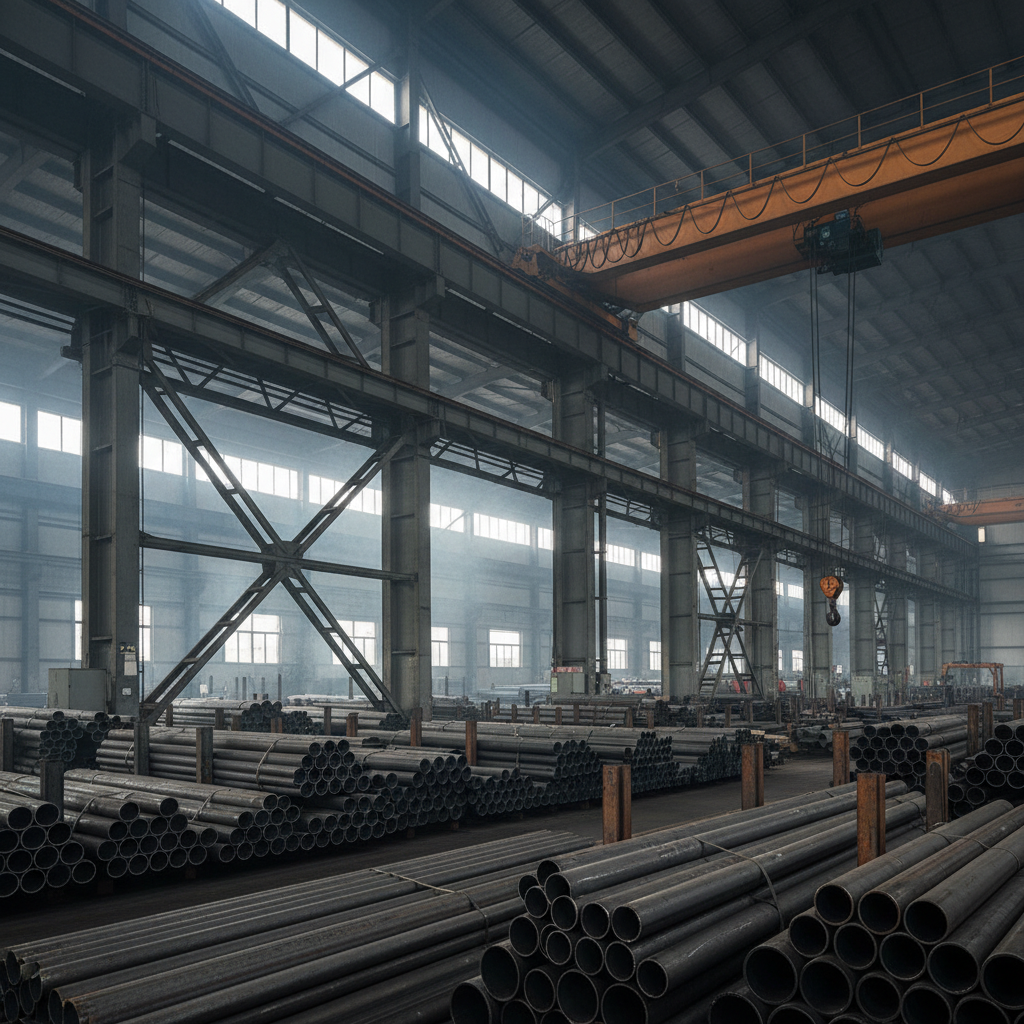
Properties and Industrial Applications of 4130 steel tubing
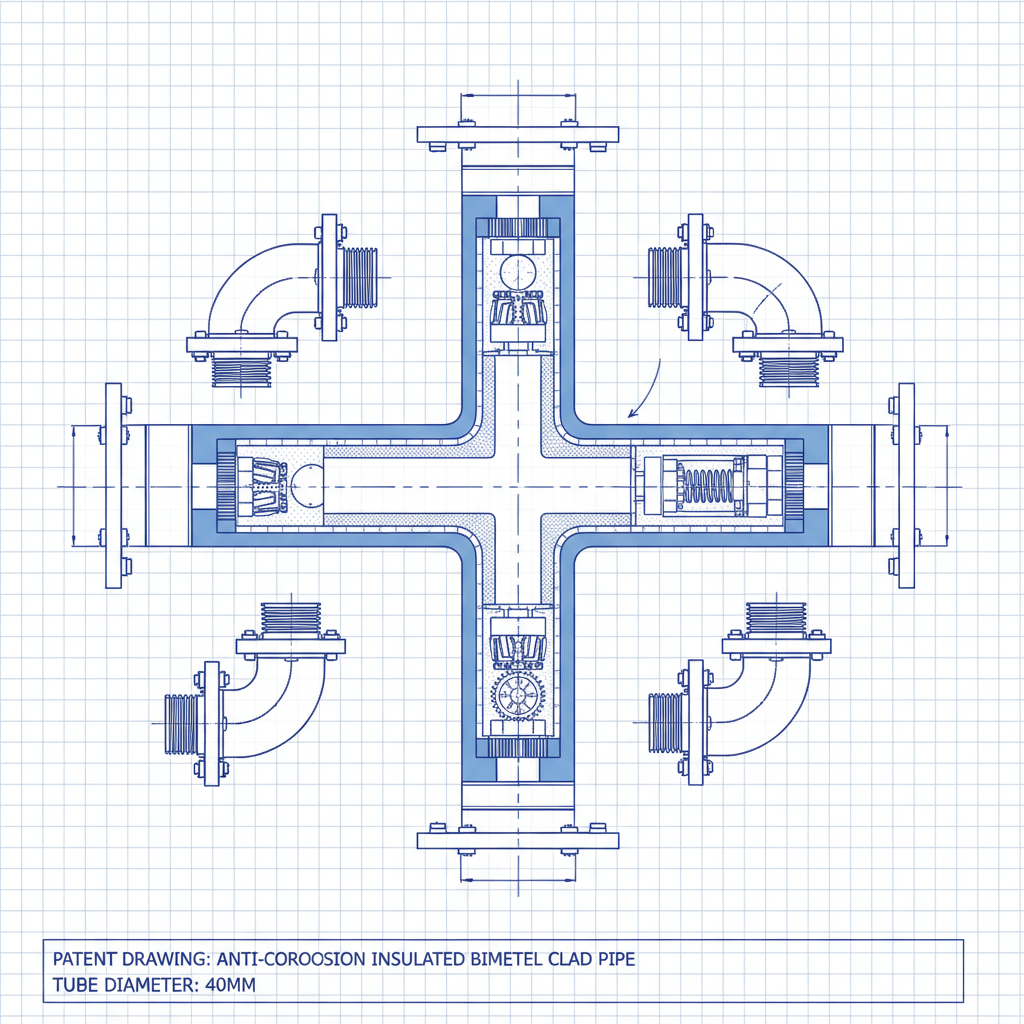
Comprehensive Guide to 40mm Steel Tube Applications and Material Selection
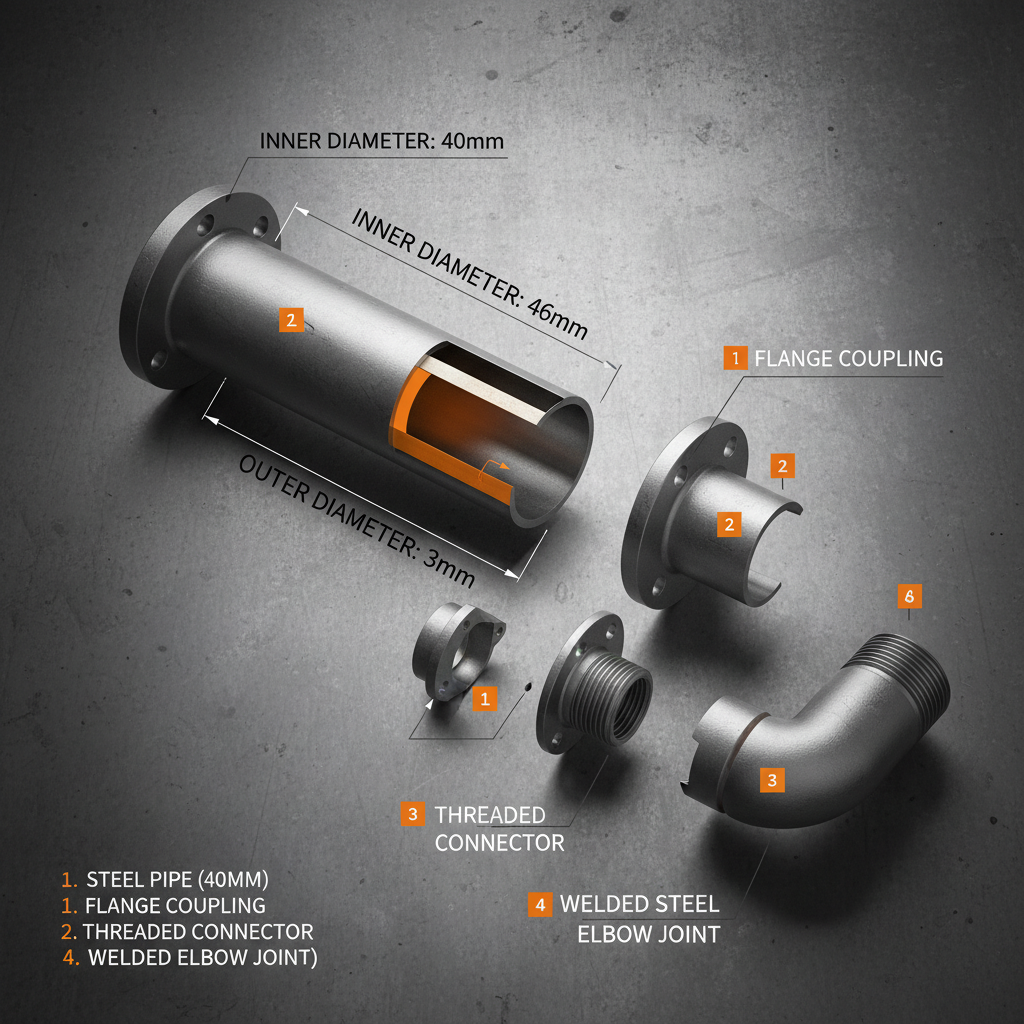
Comprehensive Guide to 40mm Steel Pipe Applications and Considerations
Comprehensive Guide to 40mm Metal Pipe Applications and Sourcing
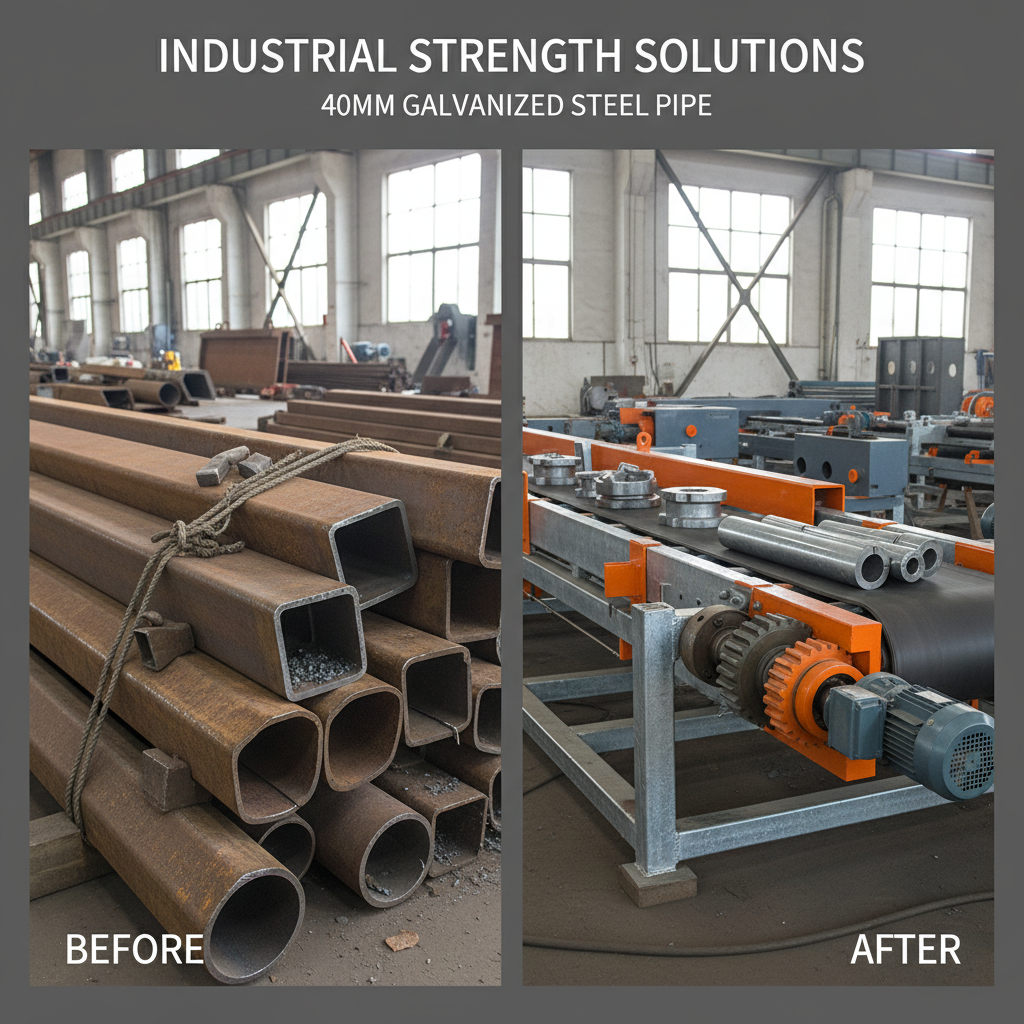
Comprehensive Guide to 40mm Galvanised Pipe Applications and Specifications