Internally threaded steel tubes might not be the everyday topic of conversation over coffee, but their role in modern industry and infrastructure is quietly enormous. Essentially, these tubes combine the ruggedness of steel tubing with precision internal threads that allow for secure, leak-proof connections with other components. This simple modification makes a huge difference where dependable, scalable, and maintenance-friendly piping solutions are necessary worldwide.
From oil rigs reaching miles beneath the ocean surface to humanitarian water supply projects in remote regions, internally threaded steel tubes are vital. Understanding their utility not only informs technical procurement decisions but also connects to broader challenges like infrastructure resilience, resource efficiency, and environmental sustainability.
Takeaway: Internally threaded steel tubes are more than just pipes - they are connectors that keep complex industrial systems secure and efficient.
On a global scale, piping infrastructure underpins energy, water distribution, and manufacturing—sectors integral to both developed and developing economies. According to recent UN data, approximately 2.2 billion people globally lack access to safely managed drinking water sources, underscoring the importance of reliable piping systems. Meanwhile, the World Steel Association highlights continuous growth in global steel demand, driven by infrastructure and industrial expansion.
Internally threaded steel tubes address challenges such as corrosion resistance, ease of installation, and mechanical integrity. In many industries, improperly connected or weak links cause downtime or safety issues. For example, the oil and gas sector, which contributes significantly to global GDP, requires tubing that withstands high pressures and corrosive environments—an ideal application for internally threaded steel tubes.
Takeaway: The demand for robust piping solutions is global, spanning humanitarian needs to advanced energy infrastructure, making internally threaded steel tubes a crucial component.
Simply put, an internally threaded steel tube is a hollow cylindrical steel component with precisely machined threads on its interior surface. These threads enable the tube to screw onto a matching externally threaded component—think of it like a nut-and-bolt relationship, but for pipes. This mechanical fastening eliminates the need for welding or adhesives, facilitating modular assembly and easy maintenance.
Modern industries rely on such tubes to create interconnected pipelines capable of withstanding pressure, vibration, and environmental wear. Humanitarian applications also use these tubes in water and sanitation projects where durability and quick assembly are lifesaving.
Takeaway: Internal threading transforms a plain steel tube into a versatile, quick-connect solution essential for modular and robust piping.
These tubes are typically made from carbon steel, stainless steel, or alloy steel—all chosen for strength and corrosion resistance. Proper material selection ensures longevity, especially in corrosive or high-pressure environments.
Threads must adhere to international standards such as ISO 7-1 or ANSI B1.20.1 to ensure compatibility with fittings. High precision machining reduces leakage risk and increases joint reliability.
While internally threaded tubes might cost more upfront than plain tubing, savings on welding, downtime, and repairs often offset initial expenses. These tubes simplify installation and future maintenance, providing long-term value.
Their screw-type connections make plumbing scalable — you can extend, reconfigure, or repair systems quickly and without heavy equipment.
Coatings, galvanization, or stainless steel variants enhance resistance to rust, chemical exposure, and temperature extremes, expanding their use across diverse climates.
Takeaway: Precision threading combined with quality materials and environmental protection defines the performance of internally threaded steel tubes.
| Specification | Typical Value | Notes |
|---|---|---|
| Outer Diameter | 21.3 mm – 168.3 mm | Varies by standard |
| Wall Thickness | 2.77 mm – 12.7 mm | Depends on pressure rating |
| Thread Standard | ISO 7-1, ANSI B1.20.1 | Thread pitch per application |
| Material | Carbon Steel, Stainless Steel | Grade varies by industry |
| Pressure Rating | 1500 psi to 3000 psi | Dependent on tube specs |
From industrial plants in Europe to remote water networks in Africa, internally threaded steel tubes prove their worth. In petroleum extraction, their resistance to high pressure and corrosion is crucial. For example, the North Sea oil platforms extensively use threaded tubing to minimize leak points and speed up assembly during maintenance windows.
In humanitarian efforts, NGOs have adapted internally threaded steel tube designs to construct rapid water supply systems in disaster zones. Their modularity means communities can repair or expand piping systems without specialized tools — a true game-changer when infrastructure is fragile.
Oddly enough, even renewable energy projects, such as geothermal plants, rely on threaded steel tubes to transport hot water with minimal leakage and easy monitoring.
Takeaway: Internally threaded steel tubes serve diverse contexts — energy, water, disaster relief, even green technology — highlighting their versatility.
Frankly, it feels like internally threaded steel tubes bring peace of mind—it’s not just metal; it’s assurance that systems won’t fail unexpectedly.
Sustainability trends fuel innovation in this field. Bi-metallic coatings, digital threading inspection, and integration with IoT sensors for pressure and leak detection are emerging. The push for “green steel” is also relevant, reducing the carbon footprint of manufacturing these tubes.
There's also a move toward standardized modular piping that can be digitally configured and assembled rapidly—helpful in fast-deploy disaster responses and smart city infrastructures. Automation in manufacturing promises even finer thread precision, improving joint lifespan.
Takeaway: Green materials, digital technologies, and automation are shaping the next era for internally threaded steel tube solutions.
One challenge is the higher initial cost and manufacturing complexity compared to plain steel tubes. Thread damage during shipping or installation can also compromise connections.
Solutions include improved protective coatings during transport, modular protective caps, and use of rugged design standards. Training installation crews on proper handling also mitigates risks. Industry-wide certification programs ensure consistent threading quality.
| Vendor | Material Options | Thread Standards | Lead Time | Global Shipping |
|---|---|---|---|---|
| SteelWorks Co. | Carbon Steel, Stainless | ISO 7-1, ANSI B1.20.1 | 2–3 weeks | Yes |
| Global Pipe Solutions | Alloy Steel, Coated | ANSI B1.20.1 | 1–2 weeks | Selective regions |
| Lion Pipeline Tech | Carbon & Stainless Steel | ISO 7-1, ANSI | 1 week | Worldwide |
Internally threaded steel tubes may feel like a small cog in a massive machine, but their ripple effects on industrial efficiency, infrastructure reliability, and humanitarian accessibility are substantial. By choosing quality, standard-compliant tubes, industries worldwide reduce risks, save costs, and enable faster project delivery.
If you’re involved in pipeline infrastructure or modular steel systems, learning more about internally threaded steel tube options could optimize your next project for performance and longevity. Personally, I see them as unsung heroes of industrial design — practical, reliable, and quietly innovative.
Visit our website: https://www.lion-pipeline.com for detailed product catalogs and expert consultation.
References:
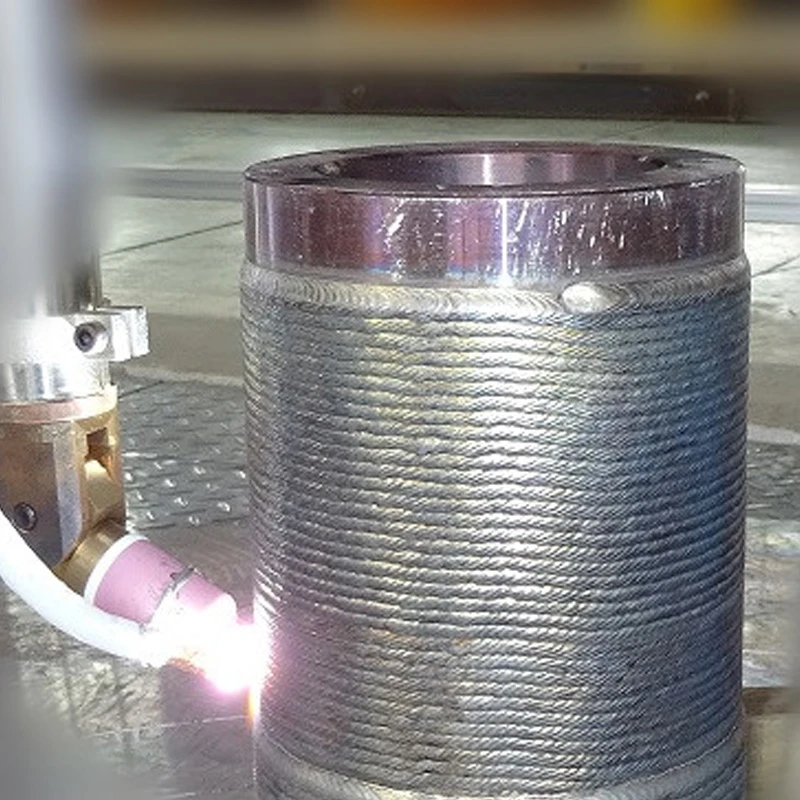
Overlay Welding Clad Steel Pipe
Anti Corrosion And Thermal Insulation Products
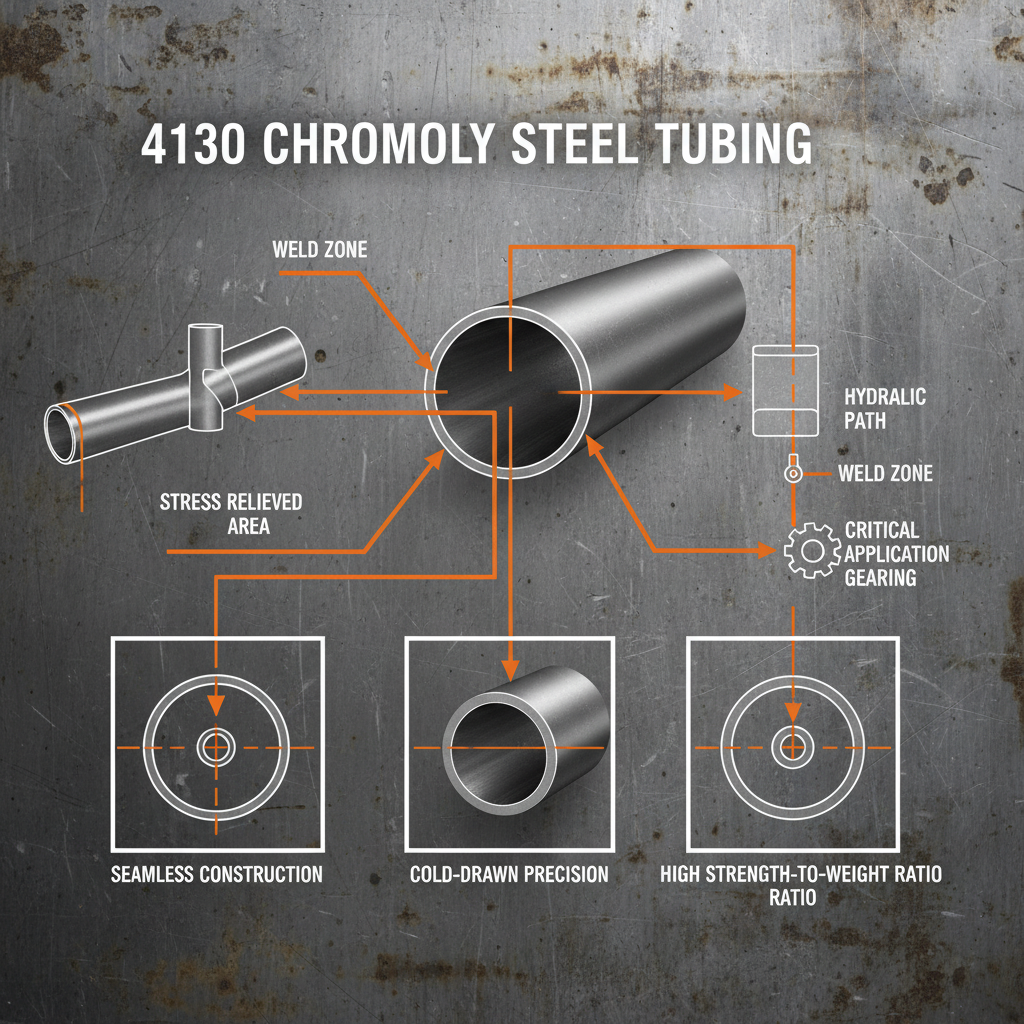
Ultimate Guide to 4130 Tubing Strength Performance and Applications
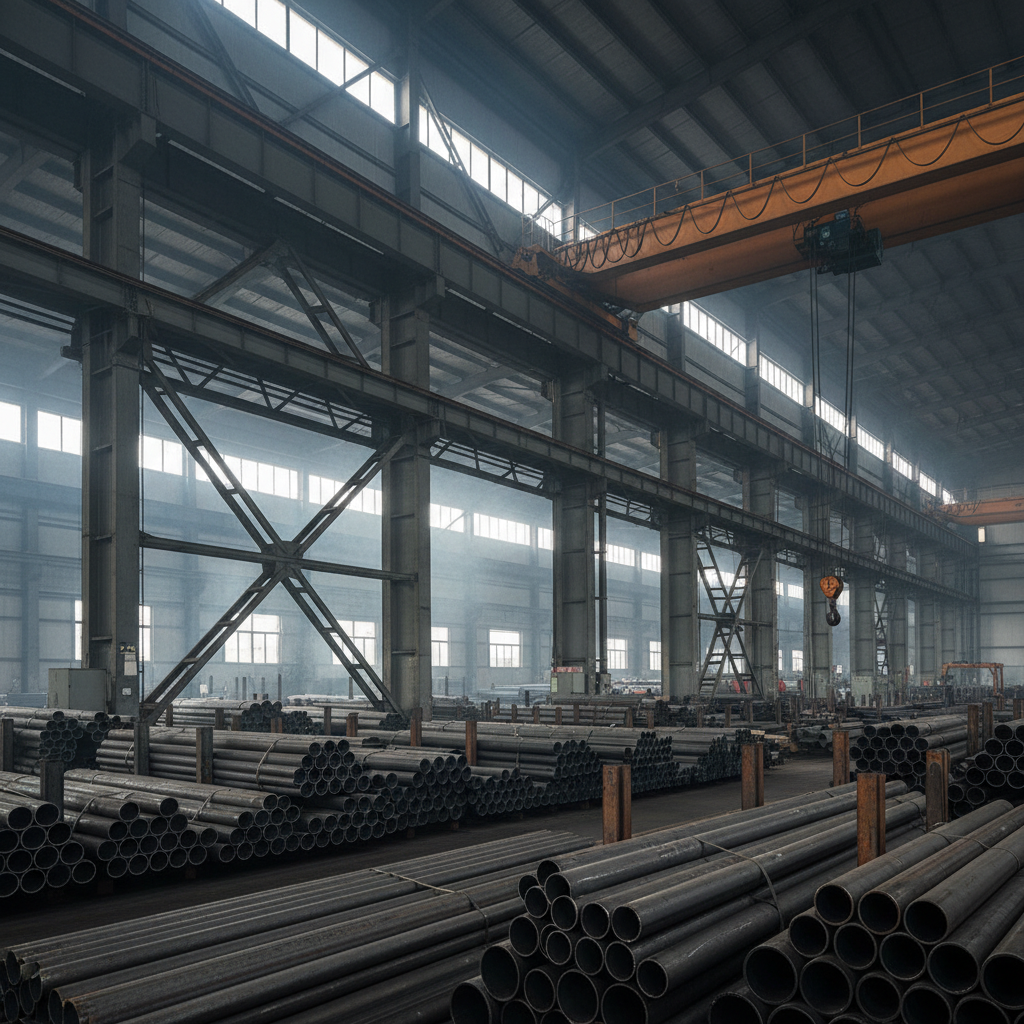
Properties and Industrial Applications of 4130 steel tubing
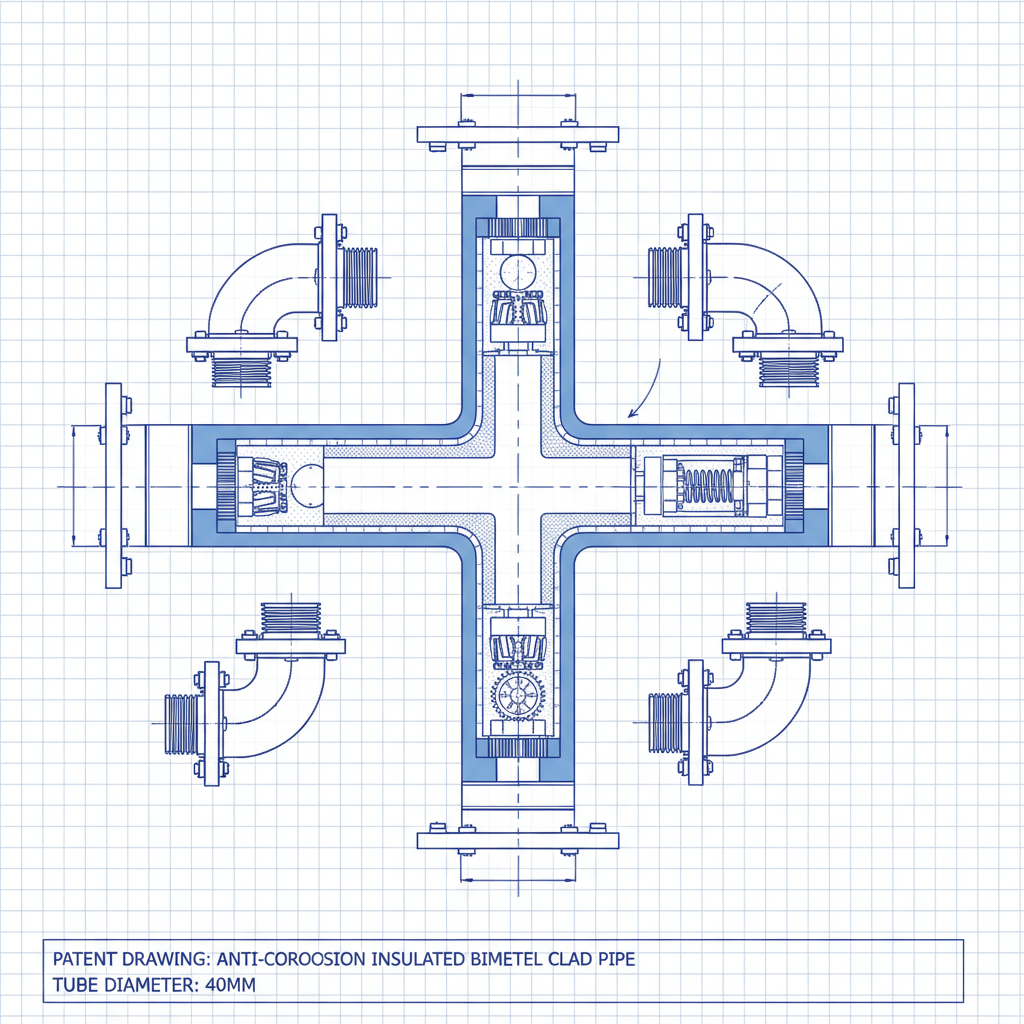
Comprehensive Guide to 40mm Steel Tube Applications and Material Selection
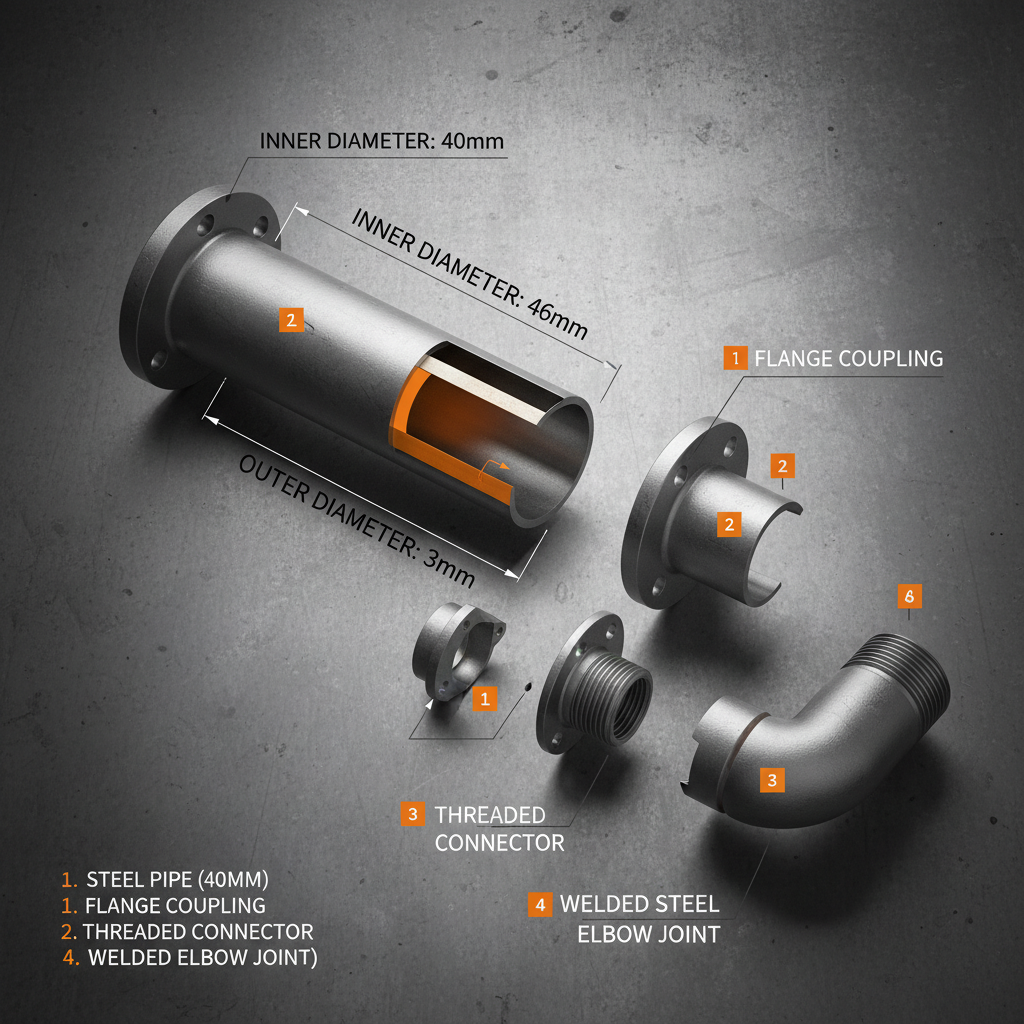
Comprehensive Guide to 40mm Steel Pipe Applications and Considerations
Comprehensive Guide to 40mm Metal Pipe Applications and Sourcing
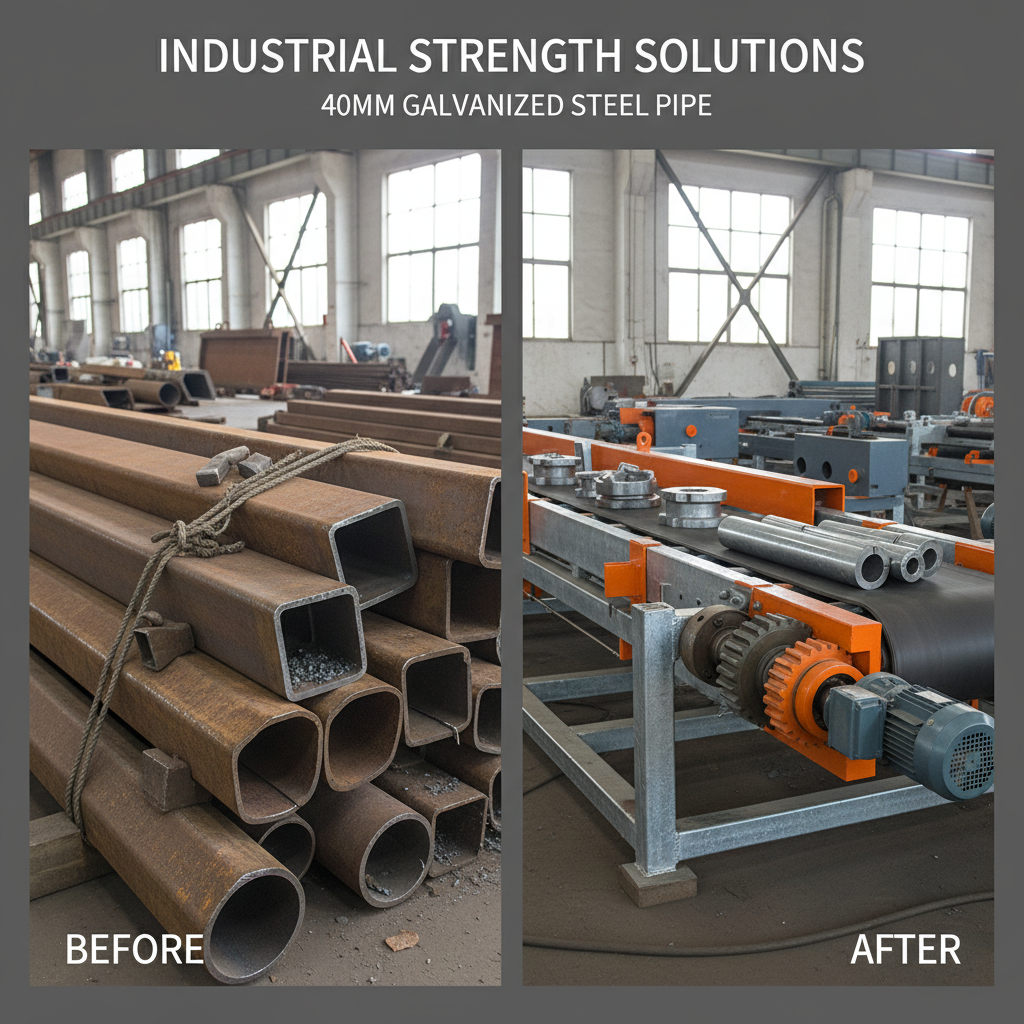
Comprehensive Guide to 40mm Galvanised Pipe Applications and Specifications