Iron square pipe might sound like just another metal product at first glance, but it’s actually a backbone in construction, engineering, and manufacturing worldwide. From towering skyscrapers to simple household frameworks, these pipes play a vital role. Understanding iron square pipes—what they are, how they work, and why they matter—is essential not only for industry professionals but for anyone interested in infrastructure or sustainable building practices.
Globally, the demand for structural materials continues to rise. According to the International Organization for Standardization (ISO), supply chains for industrial metals including iron are critical for achieving resilient infrastructure goals. Iron square pipes provide strength, versatility, and cost efficiency, addressing challenges of urbanization, disaster readiness, and eco-friendly design. Plus, the recent focus on sustainable materials and modular construction only underscores their importance.
Put simply, an iron square pipe is a hollow, square-shaped tube made from iron or iron-based alloys. It shows up as a fundamental building block across various sectors—from scaffolding to mechanical engineering. The uniform square cross-section provides stability and predictable mechanical properties, making them suitable for both edging and load-bearing purposes.
Oddly enough, their design simplicity belies the range of technical standards and variations available (more on that shortly). Their sturdy, yet lightweight nature helps industries from humanitarian aid to infrastructure development craft reliable solutions—think rapid assembly shelters or industrial frames.
Iron square pipes boast impressive resistance to stress, corrosion (especially when galvanized), and temperature variations. This longevity is why they're often preferred in environments ranging from humid coastal regions to high-altitude construction sites. Durability also means less maintenance, which is a big plus in remote or challenging locations.
Compared to round pipes or other profiles, square pipes often provide better load distribution with comparable or less material, which cuts down raw material costs. Their ease of fabrication and welding also minimizes labor expenses in the long run.
Due to their modular shape, iron square pipes can be easily combined and connected for custom frameworks, making them a favorite in prefabricated designs and fast deployment structures. You might find these qualities invaluable where speed and adaptability are non-negotiable, such as emergency response setups.
While iron production is energy-intensive, many manufacturers now emphasize recycled feedstock and galvanization processes that extend product lifespan. Choosing iron square pipe can thus support eco-friendly construction when sourced responsibly.
| Specification | Typical Range / Value |
|---|---|
| Material Grade | A36 Steel, ASTM A500 Grade B |
| Dimensions | 10mm to 150mm outer width |
| Wall Thickness | 1.2mm to 12mm |
| Length | Customizable, typically 6m standard |
| Surface Treatment | Galvanized, painted, or raw iron |
Mini Takeaway: Whether you're working on an industrial plant or constructing emergency shelters, the specifications of iron square pipes allow tailored solutions for strength, size, and finish demands.
The real beauty lies in how iron square pipes adapt globally across industries. In Southeast Asia, for example, these pipes support rapid housing projects meant to withstand tropical storms. In Northern Europe, they figure prominently in factory frames thanks to strict building codes aligned with ISO standards on material integrity.
Organizations like the UN and various NGOs especially prioritize materials like iron square pipe due to their accessibility, reliable mechanical performance, and global availability. It’s not surprising that many engineering teams value iron square pipe for sustainable and rapid deployment contexts.
| Vendor | Product Range | Lead Time | Price Competitiveness | Sustainability Practices |
|---|---|---|---|---|
| GlobalSteel Ltd. | 10-150mm, galvanized options | 2-3 weeks | Mid-range | Recycles 80% of scrap |
| IronWorks Co. | Custom dimensions, painted finishes | 4-6 weeks | Premium | Uses renewable energy in production |
| Lion Pipeline (recommended) | Standard & custom sizes, galvanized | 1-2 weeks | Competitive | ISO 14001 certified |
Besides the obvious strength and durability, iron square pipes offer several less obvious benefits. For one, their modular nature helps architects and engineers innovate without reinventing the wheel every time. Plus, safety-wise, structures built with these pipes tend to have predictable failure modes — a crucial factor in risk assessment.
Emotionally, these pipes confer a sense of trust and reliability — after all, much of the built environment depends on them. Socially, using iron square pipes in affordable, rapid housing projects improves dignity and quality of life for many communities. It’s not just steel and shape; it’s about enabling human progress.
Looking ahead, green manufacturing and smart construction are reshaping the field. New alloys and coatings promise longer lifespans and reduced environmental footprints. Digital tools like 3D scanning and BIM (Building Information Modeling) now integrate seamlessly with using pipes for faster, precise assembly.
Moreover, as renewable energy adoption rises, iron square pipes are increasingly used in mounting systems for solar panels or wind turbines. Automation in fabrication and quality control reduces waste and errors — making every meter of pipe count.
It’s not all perfect, though. Some challenges persist—like preventing corrosion in harsh environments or balancing weight with load-bearing capacity. Logistics and supply chain disruptions sometimes delay projects, and not every region has easy access to high-quality iron square pipes.
Experts combat these issues via innovation: advanced galvanization, corrosion inhibitors, and alloy development help metals last longer. Modular design philosophies also allow damaged sections to be swapped quickly without dismantling entire structures. Upcoming policies encouraging recycling and circular economy models should ease availability concerns.
In real terms, iron square pipes aren’t going anywhere soon. Their blend of strength, flexibility, and cost-effectiveness makes them foundational to modern infrastructure and innovation. From emergency shelters to industrial machines, they help solve some of the toughest challenges in construction and engineering.
If you want to explore dependable iron square pipe options tailored to your projects, visit Lion Pipeline for quality selections backed by ISO-certified sustainability.
Mini Takeaway: Choosing the right iron square pipe supplier and understanding specifications can make or break your project's success. Feel free to dive deeper into specs and supplier options — it’s often the little details that matter most.
References:
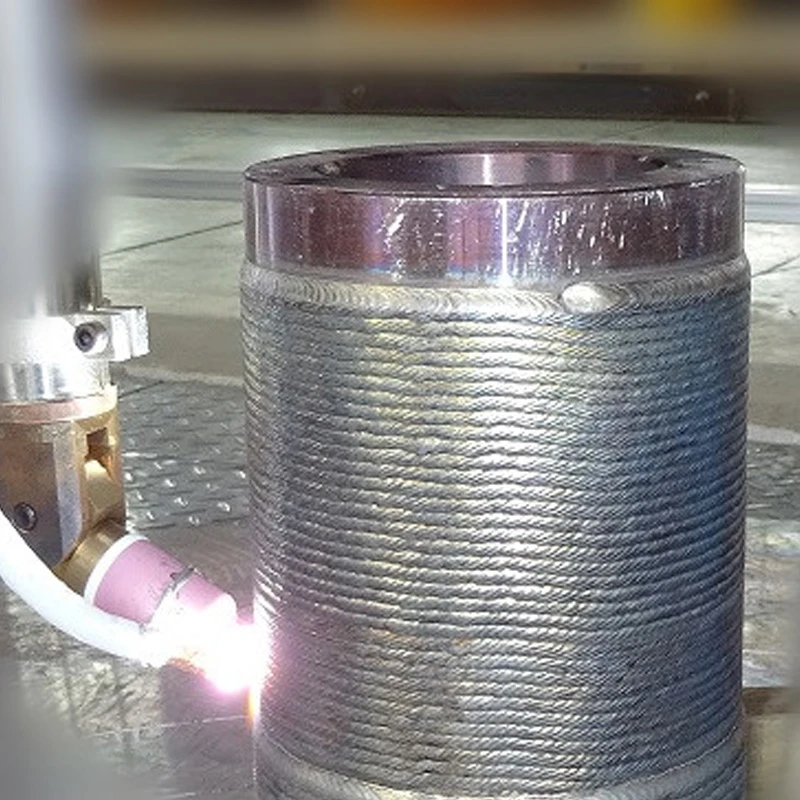
Overlay Welding Clad Steel Pipe
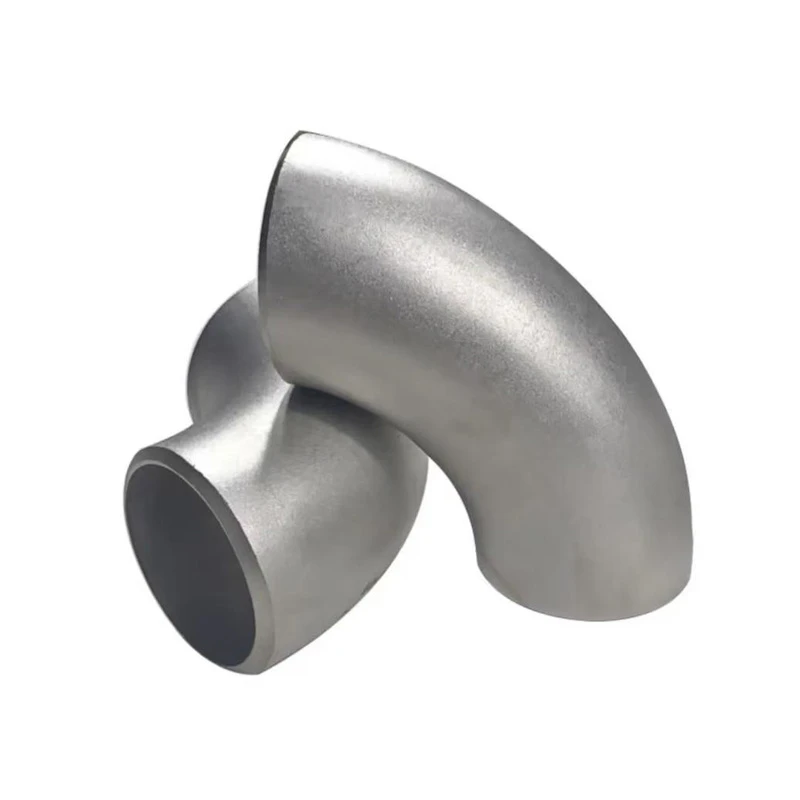
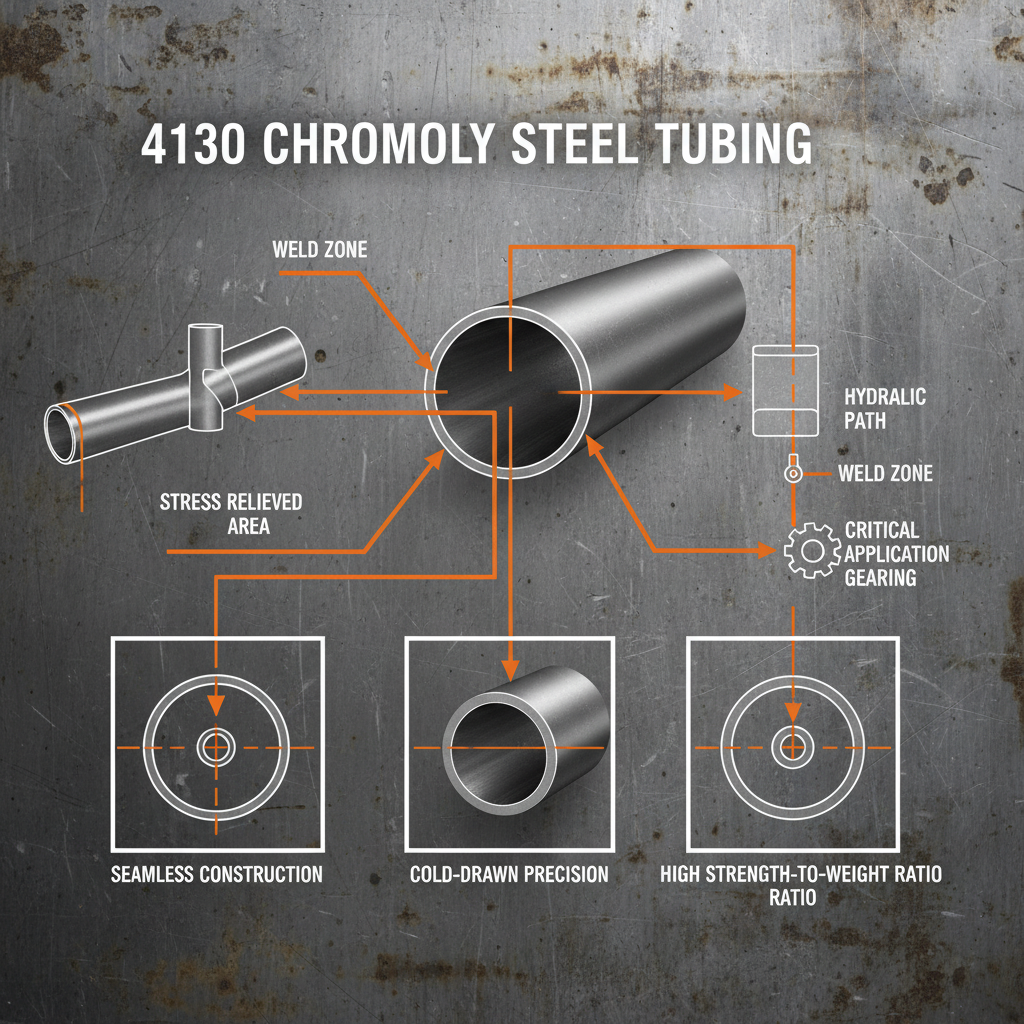
Ultimate Guide to 4130 Tubing Strength Performance and Applications
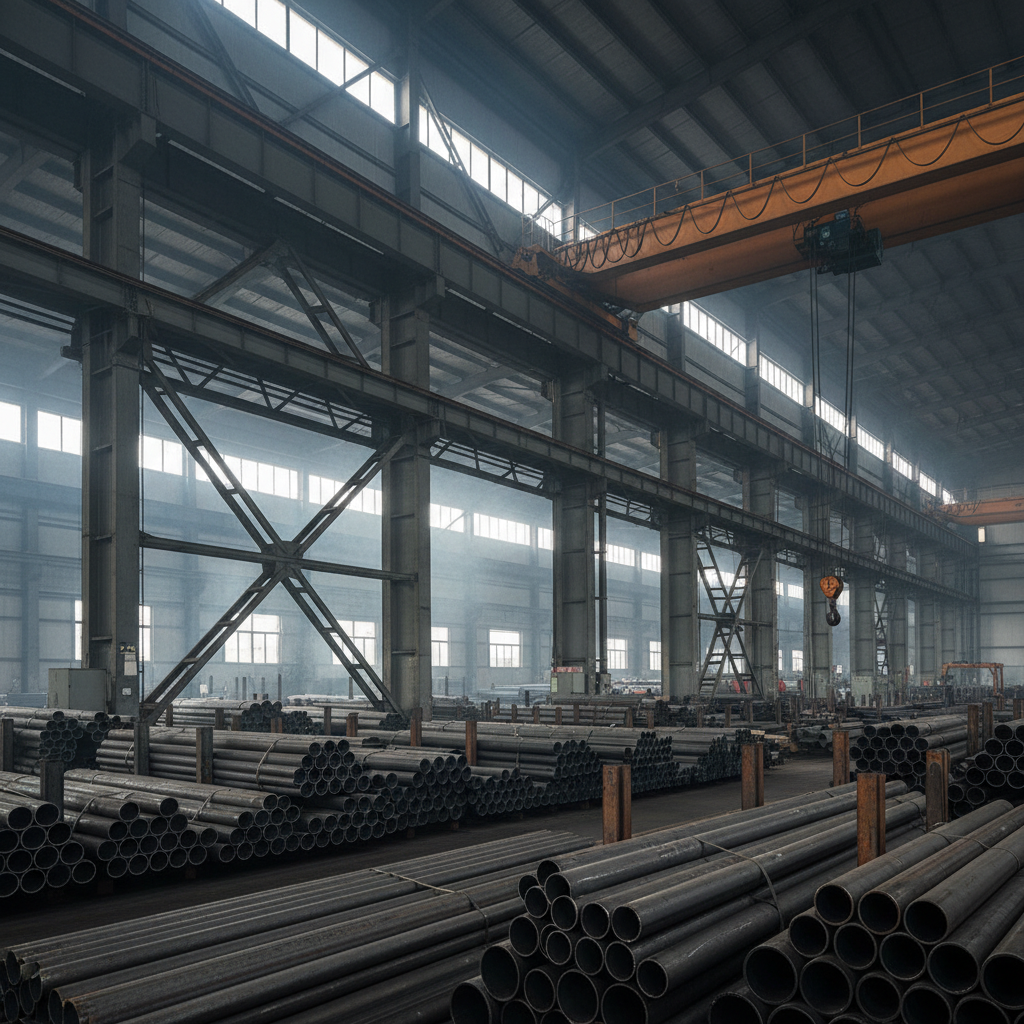
Properties and Industrial Applications of 4130 steel tubing
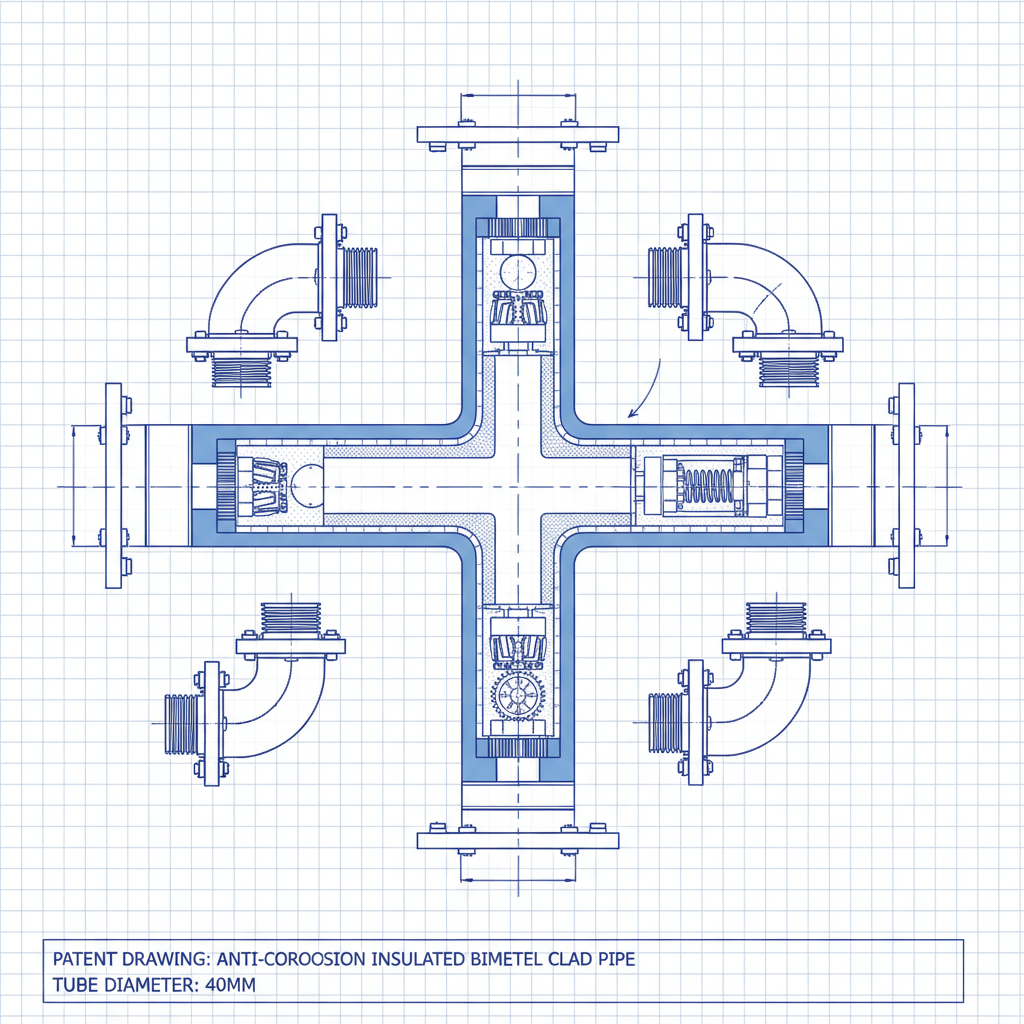
Comprehensive Guide to 40mm Steel Tube Applications and Material Selection
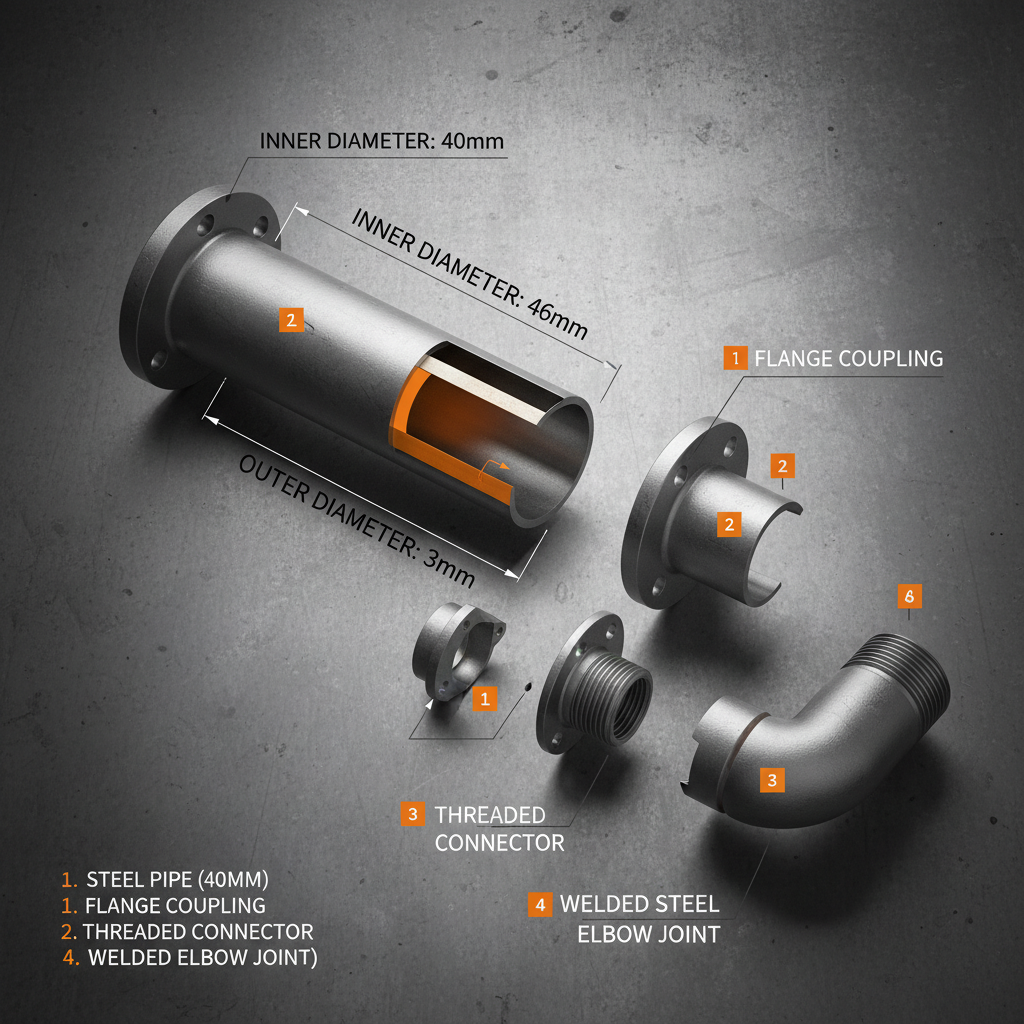
Comprehensive Guide to 40mm Steel Pipe Applications and Considerations
Comprehensive Guide to 40mm Metal Pipe Applications and Sourcing
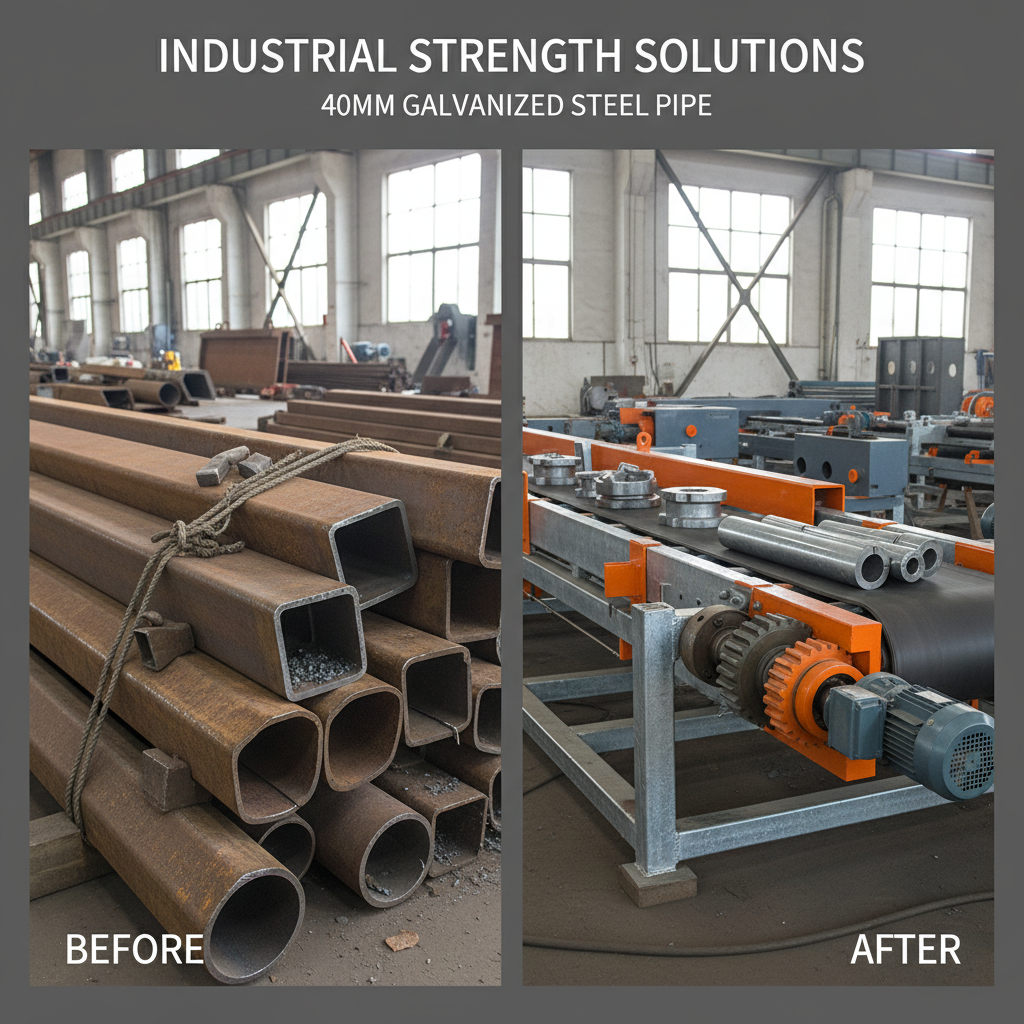
Comprehensive Guide to 40mm Galvanised Pipe Applications and Specifications