Large diameter stainless steel pipe—what does that really mean in our modern world? In short, it involves sizable pipes made from durable stainless steel alloys, used for transporting fluids, gases, and sometimes solids across vast distances and complex environments.
Why does this matter globally? Well, these pipes form the veins of critical industries such as water distribution, oil and gas, power generation, and even humanitarian infrastructure projects. The ability to rely on pipes that can withstand corrosion, pressure, and environmental stresses affects everything from municipal safety to sustainability goals. Understanding this niche is key to grasping how infrastructure quietly underpins everyday life—and how advances here affect global development.
Globally, the stainless steel pipe market has been on a steady rise, reflecting expanding infrastructure demands in emerging economies and replacements in older industrial zones. According to the International Organization for Standardization (ISO), stainless steel piping components must meet stringent standards to ensure safety and reliability.
The United Nations' emphasis on sustainable water management and resilient infrastructure further highlights how vital large diameter stainless steel pipes are. For instance, the ability to safely transport potable water in urban areas, or to carry industrial waste away securely, can reduce disease outbreaks and ecological damage.
Nevertheless, challenges exist—high initial costs, logistical complexity in installation, and corrosion under particular chemical exposures. These issues demand a combination of savvy design, material science, and engineering expertise.
Simply put, a “large diameter stainless steel pipe” refers to a pipe typically above 300 mm (about 12 inches) in internal diameter, made from corrosion-resistant stainless steel alloys such as 304 or 316 grade. These pipes can range up to several meters wide, designed to carry large volumes of fluid or gas.
These are not your typical household plumbing pipes; they operate under high pressure, often outdoors, subject to weather and industrial catalytic environments. They’re crucial where reliability and longevity matter most. Industries—from petrochemical plants to municipal water utilities—depend on them. Oddly enough, humanitarian organizations have also adopted such pipes for emergency water projects, because their robustness ensures water delivery even in harsh disaster zones.
Stainless steel’s chief appeal lies here. Its chromium content forms a passive layer protecting against rust. This means pipes last significantly longer in salty or acidic environments compared to carbon steel counterparts. For offshore oil rigs or desalination plants, this trait is indispensable.
Whether a project calls for a 400 mm pipe for a city’s sewage system or a 1200 mm pipe for a power plant’s cooling system, manufacturers can tailor sizes and wall thicknesses. This adaptability allows engineers to optimize flow rates and pressure ratings without overbuilding.
Large diameter stainless steel pipes may initially feel expensive, but considering maintenance cycles, replacements, and downtime, they often deliver the best total cost of ownership. You pay upfront but avoid major headaches later.
Joining these large pipes involves precision welding and sometimes specialized equipment due to their size and thickness. Skilled labor availability thus becomes a practical factor impacting project timelines and budgets.
Meeting international standards—API, ASTM, EN norms—ensures safety and quality. Buyers often seek pipes certified for specific uses, ensuring peace of mind in critical jobs.
| Specification | Value / Range |
|---|---|
| Diameter Range | 300 mm to 1500 mm (approx.) |
| Materials | Stainless Steel Grades 304, 316, 321 |
| Wall Thickness | 6 mm to 25 mm (customizable) |
| Pressure Ratings | Up to 100 bar |
| Surface Finish | Mill finish, Polished, Electropolished |
These pipes are quietly everywhere: from Asia's sprawling energy projects to Europe’s sophisticated water treatment plants, and North America’s petrochemical complexes. Regions with aging infrastructure—like parts of Eastern Europe or Latin America—are increasingly turning to stainless steel solutions to avoid costly leaks and failures.
For example, in the aftermath of the 2015 Nepal earthquake, emergency water pipelines using stainless steel sections were installed rapidly, reducing contamination risks in a difficult terrain.
Beyond the obvious durability, investing in large diameter stainless steel pipes offers environmental benefits: their corrosion resistance cuts down on leaks and pollution, and their recyclability supports circular economy efforts. There is also a social dimension: reliable pipelines improve community health and safety.
On a more human note, engineers I’ve talked to often emphasize how specifying stainless steel gives their projects “a peace of mind” that no budget constraint can buy. It’s something you don’t see, but when it fails, you certainly notice.
The sector is evolving, especially through technological integration and green initiatives. Here are a few of the exciting developments:
For all their virtues, large diameter stainless steel pipes do face hurdles. Cost remains a front-runner, though total project evaluation often tips the scale. Installation in difficult terrains or urban areas can delay projects, demanding innovative logistics planning.
To combat these, engineering teams increasingly use prefabricated segments and modular installation approaches. Innovative welding techniques also reduce on-site time and improve quality.
| Vendor | Material Grades | Custom Sizes | Global Reach | Special Certifications |
|---|---|---|---|---|
| StainlessPipes Inc. | 304, 316, Duplex | ✔ | Europe, Asia | API, ISO 9001 |
| Global Pipe Solutions | 316, 321 | ✔ | Americas, Africa | ASTM, ISO 14001 |
| Lion Pipeline Co. | 304, 316L | ✔ | Worldwide | API, ISO 9001, ISO 45001 |
A1: Key industries include oil & gas, water and wastewater treatment, power generation, and chemical processing. The versatility and durability of stainless steel make them ideal wherever corrosion resistance and pressure endurance are required.
A2: With proper maintenance, stainless steel pipes often last 50 years or more, especially grades like 316 that resist chloride-induced corrosion. Environmental factors and mechanical stresses play a role but overall lifespans surpass carbon steel alternatives.
A3: Yes, stainless steel is 100% recyclable without loss of quality, contributing to eco-friendly construction practices and supporting circular economy principles.
A4: Larger diameter pipes require specialized machines and skilled welders, potentially extending installation time. However, modular, prefabricated pipe segments and modern welding technologies help reduce delays.
A5: Organizations such as ASTM International, API, and ISO publish standards detailing dimensions, materials, and testing methods. Referencing these ensures compliance and reliability.
To wrap up, large diameter stainless steel pipes are fundamental pillars in global infrastructure. They combine durability, adaptability, and sustainability in a way few other materials can match. Whether for municipal water distribution, industrial transport, or humanitarian aid, they’re trustworthy teammates in engineering challenges.
If you’re ready to explore high-quality options tailored to your project needs, I recommend visiting large diameter stainless steel pipe specialists like Lion Pipeline Co., known for their global service and certified solutions.
Investing in these pipes today means building safer, smarter, and more sustainable systems for the future.
Quick takeaway: Large diameter stainless steel pipes aren’t just pipes; they’re the silent guardians of modern civilization’s fluid highways.
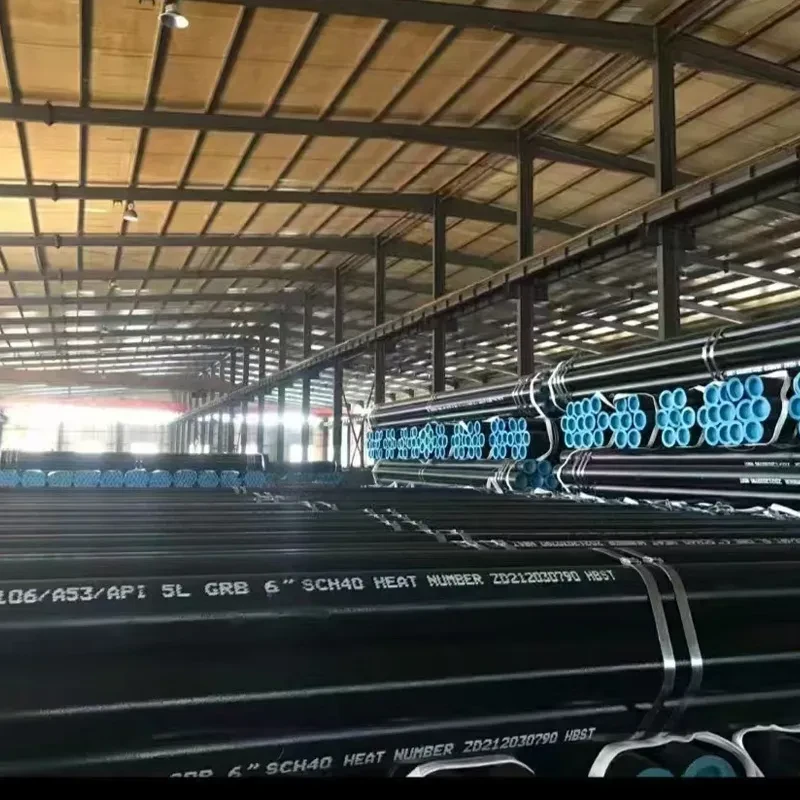
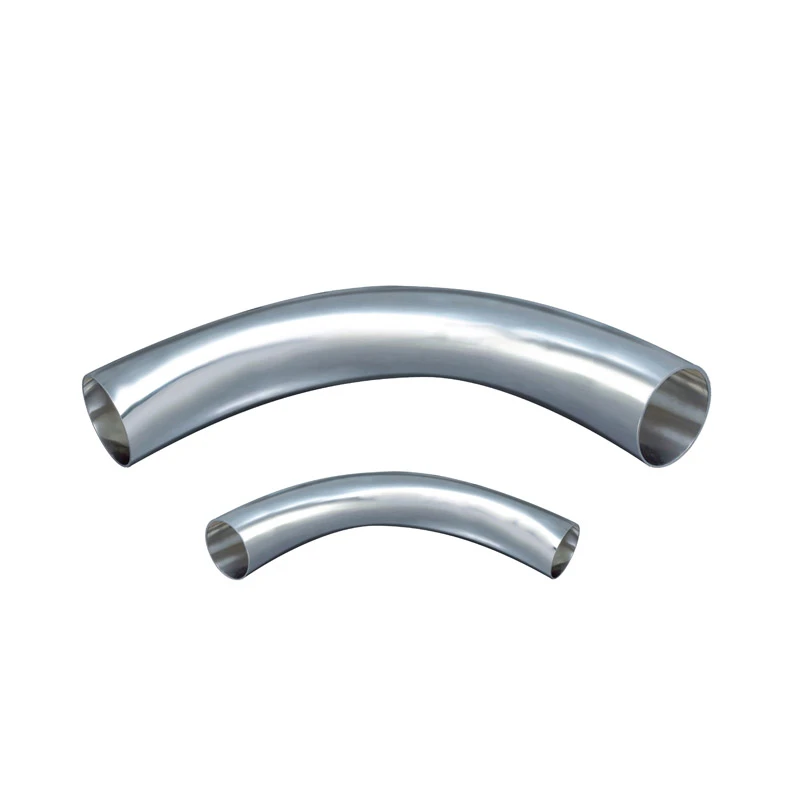
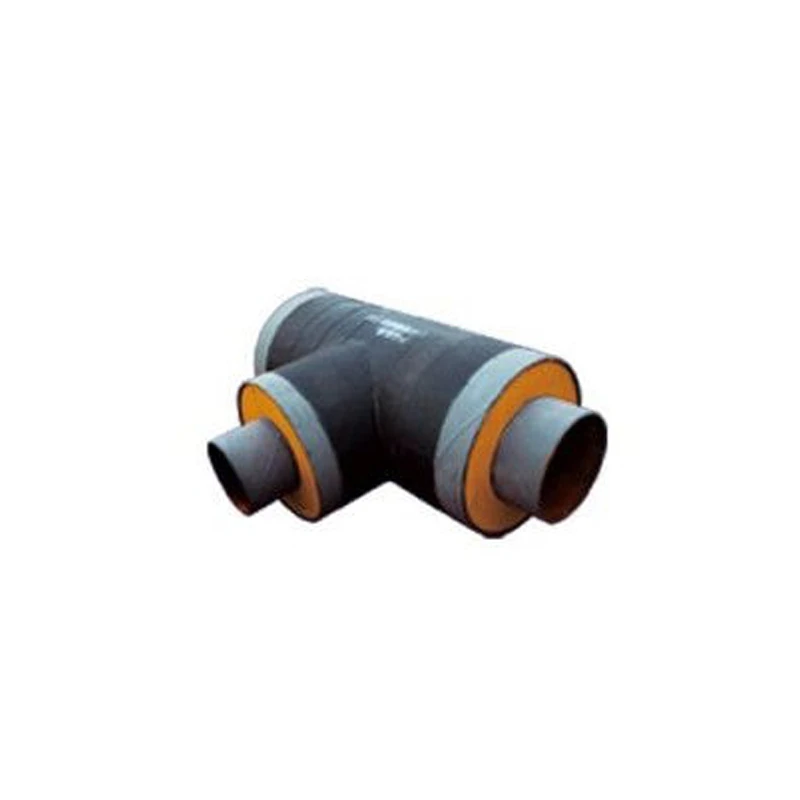
Anti Corrosion And Thermal Insulation Products
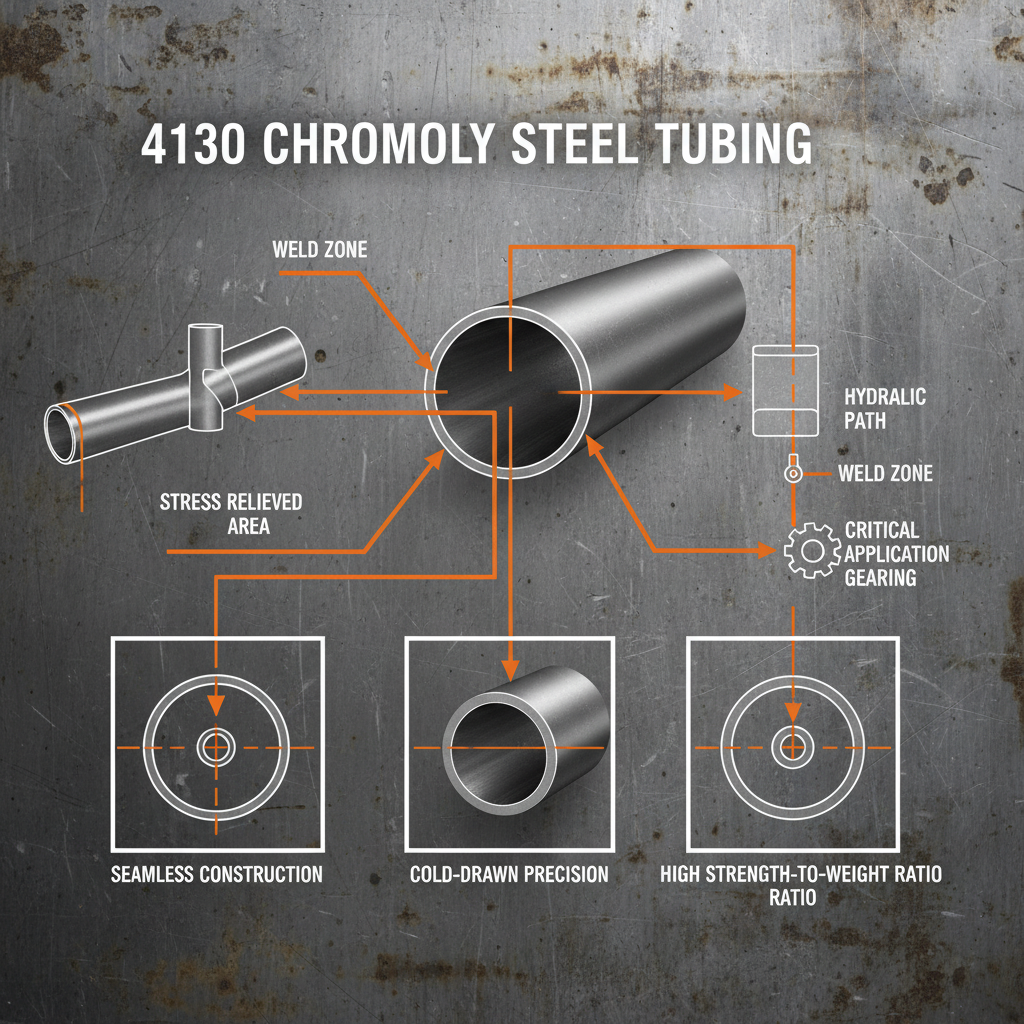
Ultimate Guide to 4130 Tubing Strength Performance and Applications
Properties and Industrial Applications of 4130 steel tubing
Comprehensive Guide to 40mm Steel Tube Applications and Material Selection
Comprehensive Guide to 40mm Steel Pipe Applications and Considerations
Comprehensive Guide to 40mm Metal Pipe Applications and Sourcing
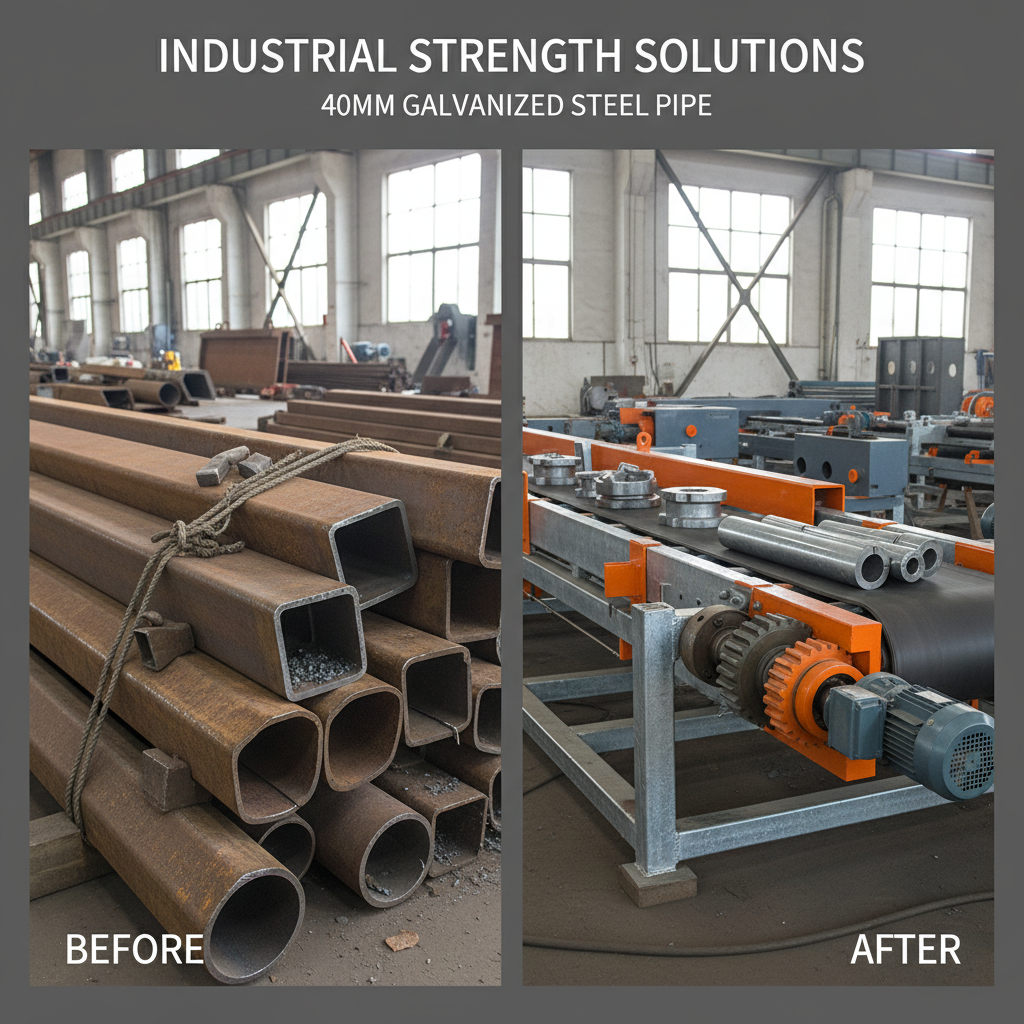
Comprehensive Guide to 40mm Galvanised Pipe Applications and Specifications