tel
Email
to top

Comprehensive Guide to Large Metal Cylinder Tubes | Durable Industrial Pipes & Innovation

Dec 02 2025
share:

Understanding the Large Metal Cylinder Tube: A Backbone of Modern Industry

You might not notice them on first glance, but large metal cylinder tubes play a quietly vital role in countless industries worldwide. From pipelines transporting essential fluids to structural elements in heavy machinery, these robust components underpin much of what keeps our infrastructure humming. Their significance extends beyond raw industrial utility—they're central to sustainable development, disaster relief operations, and even innovative energy solutions.

Why the World Needs Large Metal Cylinder Tubes

On a global scale, the demand for infrastructure materials reflects the push towards urbanization, energy security, and climate resilience. According to the International Energy Agency, the global pipeline construction market is expected to grow by over 5% annually through 2030. This sets the stage for large metal cylinder tubes, which remain the primary choice for durability and flexibility in pipeline applications.

But it's not just pipelines. These tubes alleviate challenges in remote and underserved regions by enabling quick deployment of modular constructions, supporting humanitarian efforts, and enhancing transport infrastructure. So, understanding this component isn’t just an industrial sidebar—it’s a window into how societies address energy, safety, and development simultaneously.

What Exactly Is a Large Metal Cylinder Tube?

Simply put, a large metal cylinder tube is a hollow, elongated cylindrical component made from metal alloys like steel or aluminum. These tubes come in various diameters and thicknesses, designed to transport fluids, provide structural support, or serve as raw materials for further fabrication.

They are engineered to meet stringent industry standards such as ISO 3183 for pipelines or ASTM specifications tailored to strength and corrosion resistance. Their versatility stems from the combination of mechanical strength, long service life, and adaptability to multiple industrial contexts.

Key Factors That Make Large Metal Cylinder Tubes Essential

Durability & Corrosion Resistance

Durability is paramount. These tubes often face harsh conditions—high pressure, chemical exposure, and variable temperatures. Manufacturers use alloy treatments and protective coatings like epoxy or galvanization to ensure longevity. This toughness means fewer replacements, lowering maintenance costs and downtime.

Scalability & Customization

Another core strength is scalability. Whether a small-diameter tube for industrial machinery or massive cylinders for oil pipelines, production can be tailored to meet specific requirements. Customization includes variable wall thickness, lengths, and integration options with flanges or end caps.

Cost Efficiency

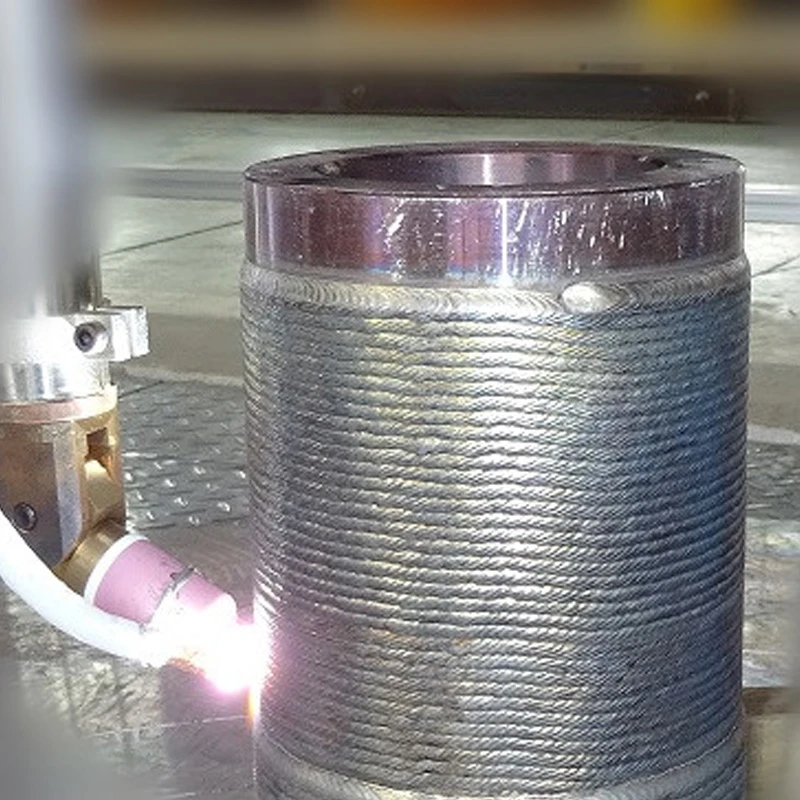
Though metal tubes can seem costly initially, their durability and minimal upkeep often deliver superior value long-term. Additionally, advances in manufacturing techniques, such as automated welding and precision rolling, have improved cost-effectiveness substantially in recent years.

Safety & Compliance

Strict industry certifications and testing standards mean these tubes perform safely under extreme conditions, which is vital when transporting hazardous substances or supporting heavy loads. This compliance fosters trust and reduces risk.

Product Specifications at a Glance

Specification Typical Range Notes
Diameter 50 mm to 3000 mm Varies by project needs
Wall Thickness 3 mm to 50 mm Depends on pressure rating
Material Carbon Steel, Stainless Steel, Aluminum Alloy choice affects corrosion resistance
Length 6 m to 18 m standard Custom lengths available
Standard Compliance ISO 3183, ASTM A53/A106 Ensures global usability

Mini takeaway: When selecting large metal cylinder tubes, understanding these specs is crucial to match the tube’s strength and longevity with the project's purpose.

Global Applications & Use Cases

Across continents, these tubes form the arterial veins of industries:

  • Energy pipelines: In the Middle East and Russia, they transport crude oil and natural gas authentically and safely.
  • Water infrastructure: Large-diameter tubes serve municipal water supply projects in Asia and Europe, reinforcing sustainable urban growth.
  • Construction: Structural supports for bridges and large-scale buildings rely heavily on tubular steel.
  • Emergency and disaster relief: NGOs have increasingly turned to modular housing built around these tubes—quick to deploy, resilient, and reusable.

Oddly enough, the adaptability of the large metal cylinder tube makes it an unsung hero in humanitarian contexts. For instance, in the aftermath of the 2010 Haiti earthquake, modular shelters incorporating these tubes provided safe, dignified living conditions swiftly.[1]

Who Benefits the Most?

  • Developing nations building infrastructure rapidly
  • Oil and gas conglomerates ensuring pipeline integrity
  • Humanitarian organizations deploying modular camps
  • Manufacturers of heavy machinery and transportation

Mini takeaway: Whether in sprawling cities or remote industrial sites, the large metal cylinder tube’s multi-functionality touches many sectors.

Advantages & Long-Term Value of Large Metal Cylinder Tubes

Why choose these metal tubes over alternatives? The answer ties into both tangible metrics and human-centered values.

  • Cost-effectiveness: Though up-front costs may be higher than plastic or composite alternatives, the tubes are longer-lasting and more resilient, reducing costly repairs.
  • Sustainability: Steel recycling rates hover near 90%, making these tubes a relatively green choice in material terms.[2]
  • Social impact: Safe, stable infrastructure promotes community well-being and economic growth.
  • Reliability and trust: Proven performance under extreme conditions fosters confidence among engineers and end-users alike.
  • Innovation potential: As manufacturers develop corrosion-resistant alloys and smart coating technologies, these tubes become smarter and more future-ready.

Frankly, it feels like investing in large metal cylinder tubes is investing in trust: trust that the systems we rely on won’t fail us.

Future Trends & Innovations in Large Metal Cylinder Tube Technologies

The future is exciting. Here are a few glimpses into what might redefine the industry:

  • Green energy pipelines: New alloys resistant to biofouling and corrosion extend the life span of CO2 and hydrogen transmission lines.
  • Digital transformation: Intelligent coatings embedded with sensors can monitor tube integrity in real-time, reducing inspection needs.
  • Automation in manufacturing: Robotics and AI improve welding precision, increasing consistency and throughput.
  • Sustainability policies: Stricter global regulations may boost demand for recycled steel tubes and lifecycle assessments, pushing innovation forward.

In real terms, keeping an eye on these trends helps companies future-proof their investments and safety commitments.

Challenges & Solutions

Of course, no solution is perfect. Some common challenges include:

  • Weight and transport logistics: Moving large, heavy metal tubes can be costly and complex, especially in remote areas.
  • Corrosion despite coatings: Harsh environments like offshore or chemical plants test protection systems.
  • Cost barriers in developing regions: Upfront expenses may limit rapid adoption.

Solutions often involve engineering smarter coatings, modular design to simplify transport, and financial partnerships or subsidies to make infrastructure affordable. Collaboration between manufacturers, governments, and NGOs has led to creative innovations that ease these hurdles.

Vendor Comparison

Vendor Material Range Certifications Customization Options Typical Lead Time
Lion Pipeline Carbon Steel, Stainless Steel ISO 3183, API 5L Full custom diameters & coatings 4–6 weeks
Global Tubes Inc. Aluminum, Carbon Steel ASTM A53, CE Mark Standard sizes, limited coating 6–8 weeks
Metallum Tubes Stainless Steel ISO 9001, API 5L Premium coatings, quick prototyping 3–5 weeks

FAQ: Frequently Asked Questions About Large Metal Cylinder Tubes

What materials are commonly used for large metal cylinder tubes and why?
Steel (carbon and stainless) is most common due to its high strength, durability, and versatility. Aluminum is used where weight reduction is vital. Material choice affects corrosion resistance, cost, and mechanical properties.
How do protective coatings extend the lifespan of these tubes?
Coatings like epoxy or galvanization shield the metal from moisture, chemicals, and abrasion, preventing rust and degradation—critical for maintaining long-term performance.
Can these tubes be customized for specific industrial needs?
Absolutely. Diameter, wall thickness, length, and end fittings can all be tailored. Manufacturers often work closely with clients to meet precise requirements, ensuring seamless integration.
What are the logistical challenges in shipping large metal cylinder tubes internationally?
Due to their size and weight, tubes require careful planning around transport modes, packaging, and customs clearance. Modular design or cutting into sections can facilitate shipment.
Are large metal cylinder tubes environmentally sustainable?
While manufacturing steel consumes energy, the high recyclability and long lifespan of these tubes make them relatively environmentally friendly compared to alternatives like plastics or composites.

Conclusion & Call to Action

Large metal cylinder tubes might not always be in the spotlight, but their impact is undeniable—in building resilient infrastructure, enabling energy flows, and supporting humanitarian efforts worldwide. Their adaptability, durability, and evolving technological innovations keep them at the forefront of industrial materials. For anyone involved in pipeline projects, construction, or emergency response, understanding these tubes is essential.

If you're exploring reliable, custom solutions, consider visiting Lion Pipeline to discover a full range of large metal cylinder tubes and expert advice tailored to your needs.

Sometimes, it’s the quiet components that hold the biggest stories—large metal cylinder tubes are one of them.
References

  1. 2010 Haiti Earthquake and Relief Efforts - Wikipedia
  2. World Steel Recycling Statistics
  3. ISO 3183 — Steel pipelines for the petroleum and natural gas industries
  • Flange

    Flange

    Flange Product Introduction Flanges are used to connect pipes to pipes or pipes to equipment, ensuring a sealed and stable connection. They prevent fluid leakage and can withstand certain pressures and stresses, ensuring reliable connections. Flange nominal diameters range from DN15-DN2000 and beyond, covering various pipeline connection needs. Flanges primarily adhere to international standards such as ASME B16.5-2020, ASME B16.47-2020, and API 6A-2018.
    VIEW ALL
  • Anti Corrosion And Thermal Insulation Products

    Anti Corrosion And Thermal Insulation Products

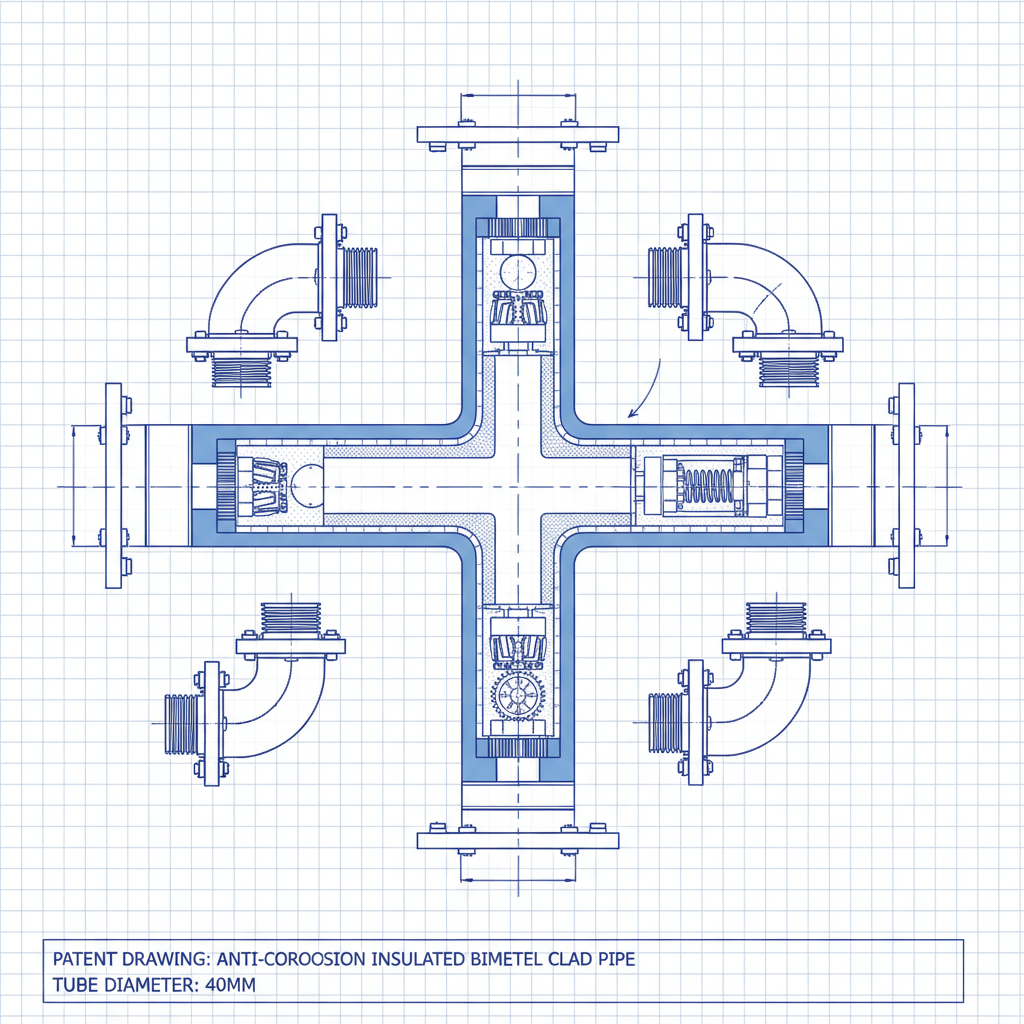
    The anti-corrosion and thermal insulation products we focus on produce play a key role in the industrial pipeline system, especially the thermal insulation pipe fittings and steel pipes. Thermal insulation pipe fittings cover elbows, tees, reducers and pipe supports, with specifications ranging from DN15 to DN1800, and are made of carbon steel, alloy steel, stainless steel, bimetallic composite, nickel-based alloy and other materials.
    VIEW ALL
  • Mechanical Clad Steel Pipe

    Mechanical Clad Steel Pipe

    Mechanical clad steel pipe (MCSP) is a kind of high-performance pipe, which is specially designed for demanding industrial applications. Combining the durability and strength of steel with advanced composite materials, MCSP provides enhanced corrosion resistance, high pressure and extreme temperatures.
    VIEW ALL
To create value for customers!
Cangzhou Leo Technology Co., Ltd. is located in Mengcun County Economic Development Zone, Cangzhou City, Hebei Province. It is a specialized high-tech enterprise that integrates the research and development, production, and sales of composite pipes and fittings.
News
The company regards product quality as the life of the enterprise, establishes a sound quality management system in accordance with the requirements of industry and national standards, controls all aspects of input and output in the whole process, pays attention to every detail, and ensures that the product delivery pass rate is 100%.
Comprehensive Guide to Steel Pipes and Fittings | Benefits & Global Applications

Comprehensive Guide to Steel Pipes and Fittings | Benefits & Global Applications

Steel Pipes and Fittings: Backbone of Global Infrastructure Steel pipes and fittings might sound lik
Understanding Welded Steel Pipe: Applications, Benefits, and Innovations

Understanding Welded Steel Pipe: Applications, Benefits, and Innovations

The Quiet Power of Welded Steel Pipe in Today's World If you’re here, you’re probably wo
The Essential Guide to Tube and Steel: Applications, Benefits, and Future Trends

The Essential Guide to Tube and Steel: Applications, Benefits, and Future Trends

Understanding Tube and Steel: Why It Matters in a Complex World If you haven’t given much thou
Thin Wall Steel Pipe – Lightweight Strength for Global Infrastructure Solutions

Thin Wall Steel Pipe – Lightweight Strength for Global Infrastructure Solutions

Understanding Thin Wall Steel Pipe: Why It Matters Globally The term “thin wall steel pipe&rdq
Thick Wall Steel Tubing: Durable Solutions for Global Pipelines and Infrastructure

Thick Wall Steel Tubing: Durable Solutions for Global Pipelines and Infrastructure

The Growing Importance of Thick Wall Steel Tubing: A Practical Overview Sometimes when you hear &ldq
Thick Wall Steel Pipe - Durable Industrial Piping for High-Pressure Applications

Thick Wall Steel Pipe - Durable Industrial Piping for High-Pressure Applications

Understanding Thick Wall Steel Pipe: What It Is and Why It Matters Globally If you’ve ever enc
tel email tel top

If you are interested in our products, you can choose to leave your information here, and we will be in touch with you shortly.