tel
Email
to top

Comprehensive Guide to Large Metal Pipe: Applications, Trends & Benefits

Dec 02 2025
share:

Understanding Large Metal Pipe: Backbone of Modern Infrastructure

Large metal pipe sounds straightforward — a big, heavy pipe you see snaking through industrial zones or under highways. But frankly, it’s so much more than just a “pipe.” It’s a vital element underpinning global infrastructure, water distribution, energy transmission, and even humanitarian relief efforts. Why does understanding large metal pipe matter so much worldwide? Because these often-overlooked giants are foundational to how cities grow, how industries function, and how millions access basic resources like clean water and energy.

Introduction: Global Context & Urgent Challenges

The United Nations estimates that nearly 2.2 billion people worldwide lack safely managed drinking water services (1). A huge part of solving that problem lies in the vast networks of pipes transporting clean water over incredible distances. Large metal pipe, often made from steel or ductile iron, is the unsung hero in these systems. Industry data from ISO and the World Bank show that investments in durable pipeline infrastructure can reduce water loss, prevent contamination, and bolster urban resilience, especially in developing regions and rapidly growing cities.

However, challenges persist: corrosive environments, fluctuating pressure loads, and the sheer scale of global demand make pipeline engineering a difficult puzzle. Choosing the right type of large metal pipe, balancing cost, longevity, and environmental impact is a constant challenge for engineers and planners.

Mini Takeaway: Large metal pipes are a critical global resource to tackle water and energy distribution challenges, but selecting the right materials and designs is essential for success.

What Exactly Is Large Metal Pipe?

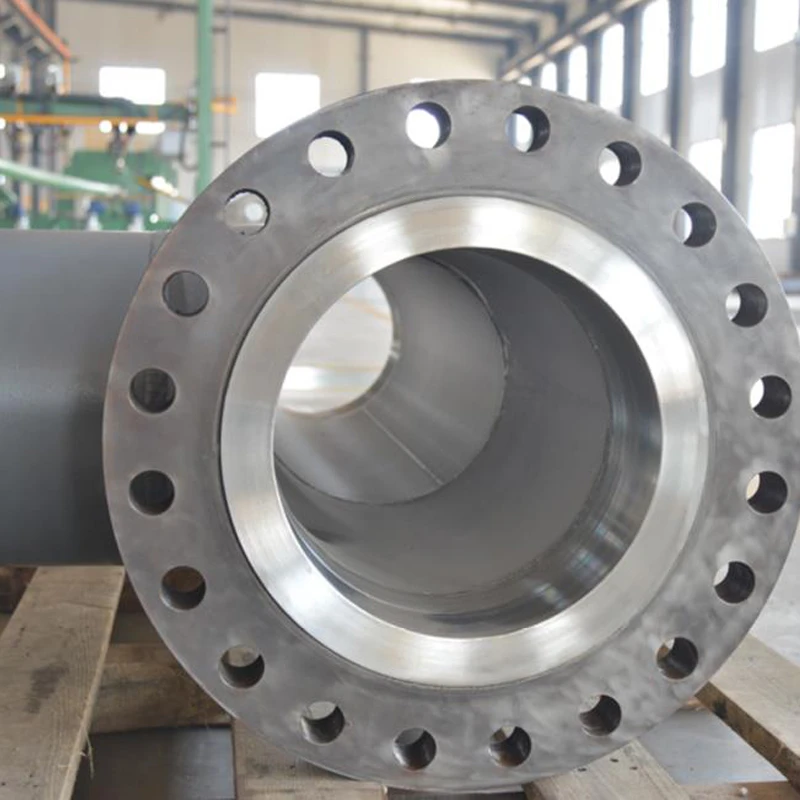
Simply put, a large metal pipe is any cylindrical conduit made primarily from metal—usually steel or iron—that has a large diameter, commonly upwards of 12 inches (300 mm) in industrial settings. You see them in oil and gas pipelines, municipal water mains, and heavy industrial factories. These pipes are built to transport liquids, gases, and even solids under pressure, over vast distances, often underground or underwater.

They are deeply connected to modern industry—basically the veins and arteries of infrastructure—and equally critical in humanitarian contexts. In disaster zones, for example, temporary large metal pipelines might be deployed to quickly restore water supply, saving lives.

Core Components & Factors When Choosing Large Metal Pipe

Durability and Corrosion Resistance

One of the biggest concerns with any large metal pipe is corrosion, rust, and degradation over time. Pipes exposed to harsh soil chemistry or seawater need coatings or cathodic protection. Ductile iron pipes, often coated with cement mortar or epoxy, balance strength with corrosion resistance.

Pressure Rating and Thickness

These pipes must handle internal pressures safely. Thickness relates directly to this – thicker walls withstand higher pressures but add weight and cost. Engineers use standards like API 5L or ISO 3183 to determine suitable specs.

Cost Efficiency & Installation Flexibility

Obviously, bigger and thicker pipes cost more—not just materials but transportation and installation too. The ideal pipe balances upfront cost with long-term maintenance savings. Also, modular pipe sections with flanged joints can speed up deployment in tricky terrain.

Scalability & Compatibility

Infrastructure projects often grow in phases. Compatibility between pipe types, ease of expansions, and future-proofing for upgrades matter. This is where industry standards and vendor offerings come into play.

Specification Value / Range
Material Ductile Iron, Carbon Steel, Stainless Steel
Nominal Diameter 300 mm (12") up to 2500 mm (98")+
Pressure Rating ANSI Class 150 - 2500 (varies with pipe thickness)
Coatings Epoxy, Cement Mortar Lining, Polyethylene Sleeve
Joint Types Flanged, Bell & Spigot, Welded

Where & How Large Metal Pipes Are Used Worldwide

Across continents and climates, large metal pipes serve many critical roles:

  • Water distribution systems: Cities like Singapore, Tokyo, and New York rely on large metal pipes to move potable water from reservoirs to homes and industries safely.
  • Oil and gas pipelines: Transnational pipelines in Russia, Middle East, and North America transport energy resources thousands of kilometers.
  • Industrial plants: Refineries, chemical factories, and power plants depend on these pipes for steam, process water, and chemicals.
  • Disaster relief: Post-hurricane areas often deploy temporary ductile iron pipelines to restore water access quickly.
  • Remote mining operations: In places like Australia or South America, large metal pipe transports water, slurry, or fuels.

For example, after the 2010 earthquake in Haiti, emergency teams used modular steel pipes to rebuild water infrastructure rapidly, highlighting its humanitarian importance.

Mini Takeaway: Large metal pipes are strategically deployed globally, from urban utility networks to disaster zones, underscoring their versatility.

Advantages & Long-Term Value of Large Metal Pipe

Choosing large metal pipe brings several tangible benefits:

  • Longevity: Quality ductile iron or steel pipes last for decades — often 50+ years with proper maintenance.
  • Safety & Reliability: Their strength supports high pressure safely, protecting communities from leaks or failures.
  • Environmental Sustainability: Metal pipes are frequently recyclable and can be refurbished with new linings rather than replaced.
  • Cost-Effectiveness: Although initial costs may be high, reduced maintenance and lower failure rates save money long-term.
  • Social Impact: Reliable infrastructure based on these pipes improves living standards and fosters trust in public utilities.

Emotionally, it feels reassuring to know your water or gas comes through pipes designed to stand the test of time and nature’s unpredictability.

Future Trends & Innovations

The next generation of large metal pipes looks quite promising, with innovations such as:

  • Green coatings that reduce environmental impact during production and in service.
  • Smart pipeline technology integrating sensors monitoring pressure, temperature, and corrosion in realtime — part of the Industry 4.0 revolution.
  • Automated assembly and welding reducing costly labor and error.
  • Composite-metal hybrid pipes combining lightweight polymers with metal for durability and easier handling.
  • Policy shifts favoring sustainable materials and stricter quality standards globally.

Challenges and Solutions

Despite their usefulness, large metal pipes face some stubborn issues:

  • Corrosion and wear: Constant threat, especially underground or submerged. Solutions include cathodic protection and advanced coatings.
  • Transport and installation costs: Big, heavy pipes require special logistics; modular sections and local manufacturing help alleviate.
  • Compatibility across standards: A challenge when different countries or vendors use different specs—international standards like ISO help unify.
  • Environmental concerns: Mining and steel production have carbon footprints; new materials and recycling aim to improve this.

Experts often advocate for integrated planning, combining material advances with better project management to minimize risks and costs effectively.

Vendor Material Options Coating Technologies Global Reach
National Pipe & Coupling (USA) Ductile Iron, Steel Epoxy, Cement Mortar Lining North America, export to Asia
Tata Steel Pipes (India) Carbon Steel, Stainless Steel Polyethylene Sleeve, Fusion Bonded Epoxy Asia, Middle East, Africa
Liaoning Metal Pipe Co. (China) Ductile Iron, Various Steel Grades Coal Tar, Cement Mortar Global export

FAQ: Frequently Asked Questions About Large Metal Pipe

Q: What factors determine the lifespan of a large metal pipe?
A: Lifespan depends on material quality, environmental exposure (soil pH, moisture), protective coatings, and maintenance frequency. Ductile iron pipes generally last 50+ years if properly protected and maintained.
Q: How do large metal pipes compare to plastic (PVC) pipes in large-scale water systems?
A: Metal pipes offer superior strength, pressure tolerance, and longevity, especially for large diameters, while plastics are often lighter and corrosion-resistant but limited in size and pressure ratings.
Q: Can large metal pipes be recycled after their service life?
A: Yes, metals like steel and iron are highly recyclable. Pipes can be melted and reused, reducing environmental footprint compared to single-use materials.
Q: How are large metal pipes typically transported and installed?
A: Pipes are transported in sections by trucks or ships, often requiring cranes for installation. Modular joints and flanged designs help speed up assembly onsite.

Conclusion & Call to Action

Large metal pipe is quietly but decisively shaping our world — from urban water supply grids to delicate post-disaster relief systems. Its strength, durability, and adaptability mean it will remain a cornerstone of infrastructure development for decades. If you're involved in construction, municipal planning, or industrial projects, understanding and sourcing quality large metal pipe is crucial.

For industry-leading solutions and expert guidance, check out large metal pipe options that blend innovation with dependability.

It’s strange how these pipes—mostly underground and out of mind—carry the lifeblood of societies, but they deserve lots more credit, don’t they?
  1. UN Water on Global Water Scarcity
  2. ISO standards on pipes and fittings
  3. World Bank Infrastructure data
  • Tee Pipe

    Tee Pipe

    Tee products are essential pipe fittings used to connect three sections of piping, forming a "T" shape. Available in various materials like carbon steel, stainless steel, and alloy steel, they are designed for use in systems requiring the diversion or junction of fluid flow.
    VIEW ALL
  • Laser Clad  Pipe

    Laser Clad Pipe

    Laser clad steel pipes are manufactured using laser cladding technology. This technology involves adding cladding material to the surface of ordinary steel pipe base material, using high-energy-density laser beams to fuse the cladding material with the steel pipe surface, forming a metallurgically bonded cladding layer. These pipes are generally used in compressed air energy storage projects as underground deep well transportation pipes or casings, as well as in oil, natural gas, and geothermal well extraction.
    VIEW ALL
  • Elbow

    Elbow

    Carbon Steel &stainless Steel Elbow Elbows are pipe fittings used to change the direction of pipelines in piping systems, commonly employed at pipeline bends. They are widely used in industries such as petroleum, chemical, and power. The common size range for elbows is DN15-DN2000, and typical angles include 45°, 90°, and 180°.
    VIEW ALL
To create value for customers!
Cangzhou Leo Technology Co., Ltd. is located in Mengcun County Economic Development Zone, Cangzhou City, Hebei Province. It is a specialized high-tech enterprise that integrates the research and development, production, and sales of composite pipes and fittings.
News
The company regards product quality as the life of the enterprise, establishes a sound quality management system in accordance with the requirements of industry and national standards, controls all aspects of input and output in the whole process, pays attention to every detail, and ensures that the product delivery pass rate is 100%.
Comprehensive Guide to Steel Pipes and Fittings | Benefits & Global Applications

Comprehensive Guide to Steel Pipes and Fittings | Benefits & Global Applications

Steel Pipes and Fittings: Backbone of Global Infrastructure Steel pipes and fittings might sound lik
Understanding Welded Steel Pipe: Applications, Benefits, and Innovations

Understanding Welded Steel Pipe: Applications, Benefits, and Innovations

The Quiet Power of Welded Steel Pipe in Today's World If you’re here, you’re probably wo
The Essential Guide to Tube and Steel: Applications, Benefits, and Future Trends

The Essential Guide to Tube and Steel: Applications, Benefits, and Future Trends

Understanding Tube and Steel: Why It Matters in a Complex World If you haven’t given much thou
Thin Wall Steel Pipe – Lightweight Strength for Global Infrastructure Solutions

Thin Wall Steel Pipe – Lightweight Strength for Global Infrastructure Solutions

Understanding Thin Wall Steel Pipe: Why It Matters Globally The term “thin wall steel pipe&rdq
Thick Wall Steel Tubing: Durable Solutions for Global Pipelines and Infrastructure

Thick Wall Steel Tubing: Durable Solutions for Global Pipelines and Infrastructure

The Growing Importance of Thick Wall Steel Tubing: A Practical Overview Sometimes when you hear &ldq
Thick Wall Steel Pipe - Durable Industrial Piping for High-Pressure Applications

Thick Wall Steel Pipe - Durable Industrial Piping for High-Pressure Applications

Understanding Thick Wall Steel Pipe: What It Is and Why It Matters Globally If you’ve ever enc
tel email tel top

If you are interested in our products, you can choose to leave your information here, and we will be in touch with you shortly.