When you hear “large metal tube,” you might imagine something simple — a giant hollow cylinder made of metal. But frankly, these structures are quietly revolutionizing everything from pipelines to disaster relief housing. Why does this matter on a global scale? Well, consider that industries as varied as energy, construction, and environmental engineering rely heavily on these robust tubular solutions to maintain functionality and safety. Understanding large metal tubes means grasping a piece of the industrial puzzle that keeps modern life humming smoothly and sustainably.
Global demand for durable, scalable infrastructure is booming. The World Bank reports billions invested yearly in pipelines and metal constructions for water, oil, and gas transport — with large metal tubes as the literal conduits. Yet, there’s a challenge: how to build tubing that balances strength, cost, and environmental responsibility? ISO 3183 standards regulate these pipes extensively because their failure can have disastrous effects. Oddly enough, despite their ubiquity, few stop to consider the engineering marvel behind each large metal tube.
Mini takeaway: Large metal tubes are not just pipes; they’re critical infrastructure components shaping economic development and environmental protection worldwide.
In simplest terms, a large metal tube is a hollow, cylindrical structure made from metals like carbon steel, stainless steel, or alloys. Designed for transporting fluids, gases, or providing structural support, their diameter typically ranges from several inches to several meters. But beyond mere dimensions, they form the backbone of modern industry — from oil pipelines snaking across continents to massive steel frameworks in urban buildings.
You know, they’re also surprisingly vital in humanitarian contexts — in emergency water supply or quick-to-assemble shelters using tubular steel frames. They blend strength with versatility, which is rare.
Materials used must withstand corrosion, pressure, and temperature fluctuations. High tensile strength steels and protective coatings help large metal tubes last decades without significant degradation.
Whether it’s a pipeline stretching thousands of kilometers or modular tubular housing units, large metal tubes can be customized to various lengths and diameters. This adaptability is crucial for diverse applications.
Manufacturing processes like seamless extrusion and welding ensure large production runs keep prices manageable. Plus, maintenance-friendly designs reduce lifecycle costs.
Large metal tubes often must resist harsh environments — underwater, desert heat, or freezing tundra. Specialized alloys or corrosion protection systems help meet these needs.
Pre-fabricated segments and connector designs often allow quick deployment — important, say, in post-disaster scenarios or remote industrial setups.
International standards (like ASTM, ISO 3183) guarantee performance in demanding industrial contexts, keeping workers and end-users safe.
Mini takeaway: The best large metal tubes combine strength, flexibility, affordability, and safety — making them go-to choices across industries.
For example, in 2019, after flooding in southeastern Asia, temporary housing used large metal tubes for quick shelter assembly — balancing speed and resilience beautifully.
Mini takeaway: Large metal tubes are versatile heroes behind energy, safety, construction, and humanitarian initiatives globally.
Beyond just raw functionality, large metal tubes offer tangible benefits that make them preferred solutions:
Emotionally, there’s reassurance in the dependable “steel backbone” — especially when livelihoods depend on these tubes’ integrity.
| Specification | Detail |
|---|---|
| Material | Carbon Steel, Stainless Steel, Alloy Steel |
| Diameter | 100 mm to 3000 mm |
| Wall Thickness | 5 mm to 50 mm |
| Length (standard segments) | 6 to 12 meters |
| Coatings | Epoxy, Zinc, Polyurethane |
| Standards | ISO 3183, ASTM A53, API 5L |
| Manufacturer | Material Range | Lead Time | Global Shipping | Price Level |
|---|---|---|---|---|
| SteelWorks Inc. | Carbon & Stainless Steel | 3-4 weeks | Yes | Mid |
| Global Tubes Ltd. | Alloy Steel Variants | 4-6 weeks | Yes | High |
| AsiaPipe Corp. | Carbon Steel Mainly | 2-3 weeks | Limited | Low |
Looking ahead, sustainability is king. Green steel initiatives aim to reduce CO₂ emissions during tube fabrication. Automation promises faster, precise production lines. Digitally embedded sensors are becoming common, adding monitoring abilities for pressure and corrosion in real-time, which is quite a leap forward.
Also, lightweight alloys could tip the scales toward more flexible but equally strong tubes — ideal for fast deployment contexts. The push for circular economy practices means manufacturers are increasingly focused on recyclability and energy efficiency.
The most pressing issues involve corrosion in extreme environments and the logistics of transporting such bulky items. Surface treatment technology is continuously improving to mitigate rust and wear. Modular designs that simplify assembly and disassembly reduce shipping and installation headaches.
Experts suggest embracing composite-metal hybrids or coating technologies to extend lifetimes without huge cost hikes. Frankly, no solution is perfect, but progress is steady.
Large metal tubes aren’t glamorous, but their impact is unmistakable — enabling energy distribution, reliable infrastructure, and lifesaving shelter initiatives globally. With ongoing innovations and sustainability efforts, they’ll remain a cornerstone of industrial progress.
If you want to explore high-quality large metal tubes tailored to your needs, do visit large metal tube supplier Lion Pipeline for expert guidance and customized solutions.
Until next time, keep thinking about those quiet giants holding our world together — sometimes, it’s the simple steel tubes that matter most.
References:
1. ISO 3183 - Petroleum and natural gas industries — Steel pipe for pipeline transportation systems
2. World Bank Infrastructure Reports, 2023
3. Wikipedia contributors, “Steel pipe,” Wikipedia, The Free Encyclopedia
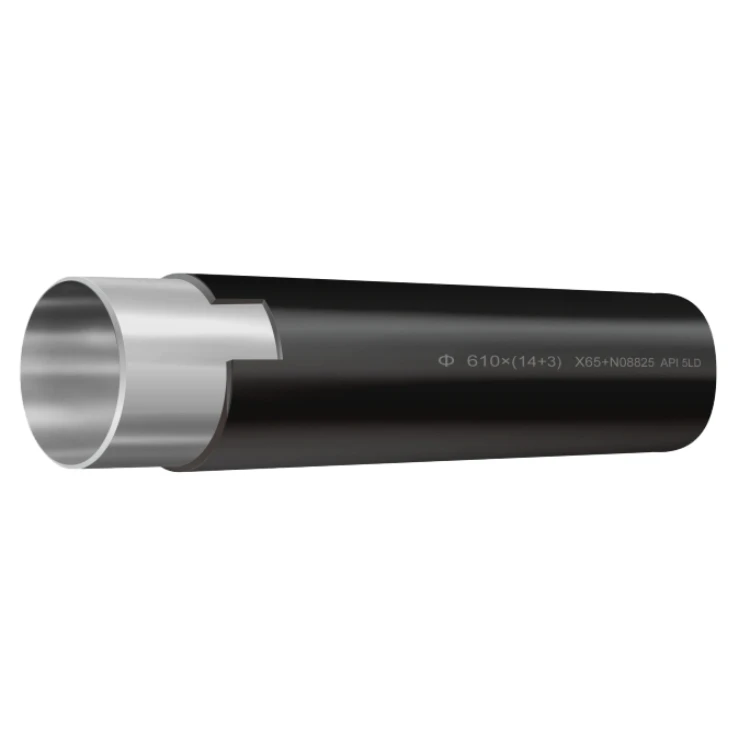
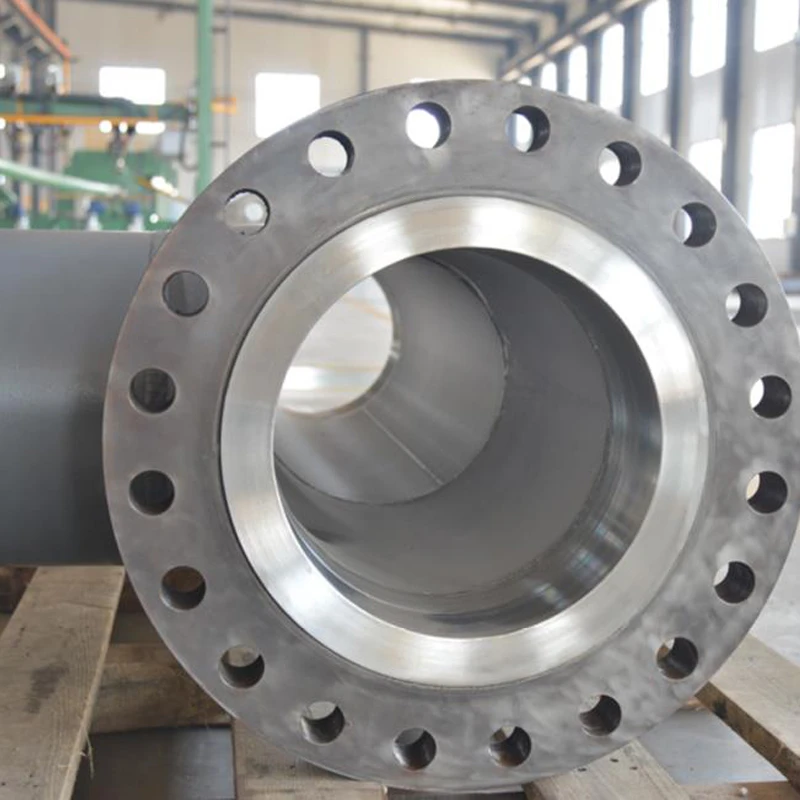
Factory Prefabricated Products
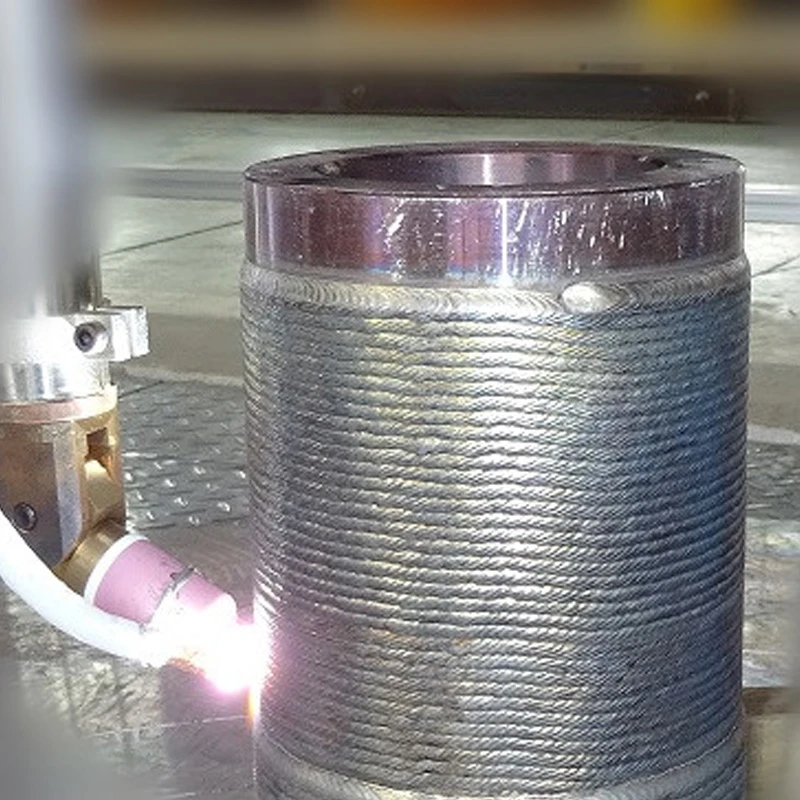
Overlay Welding Clad Steel Pipe
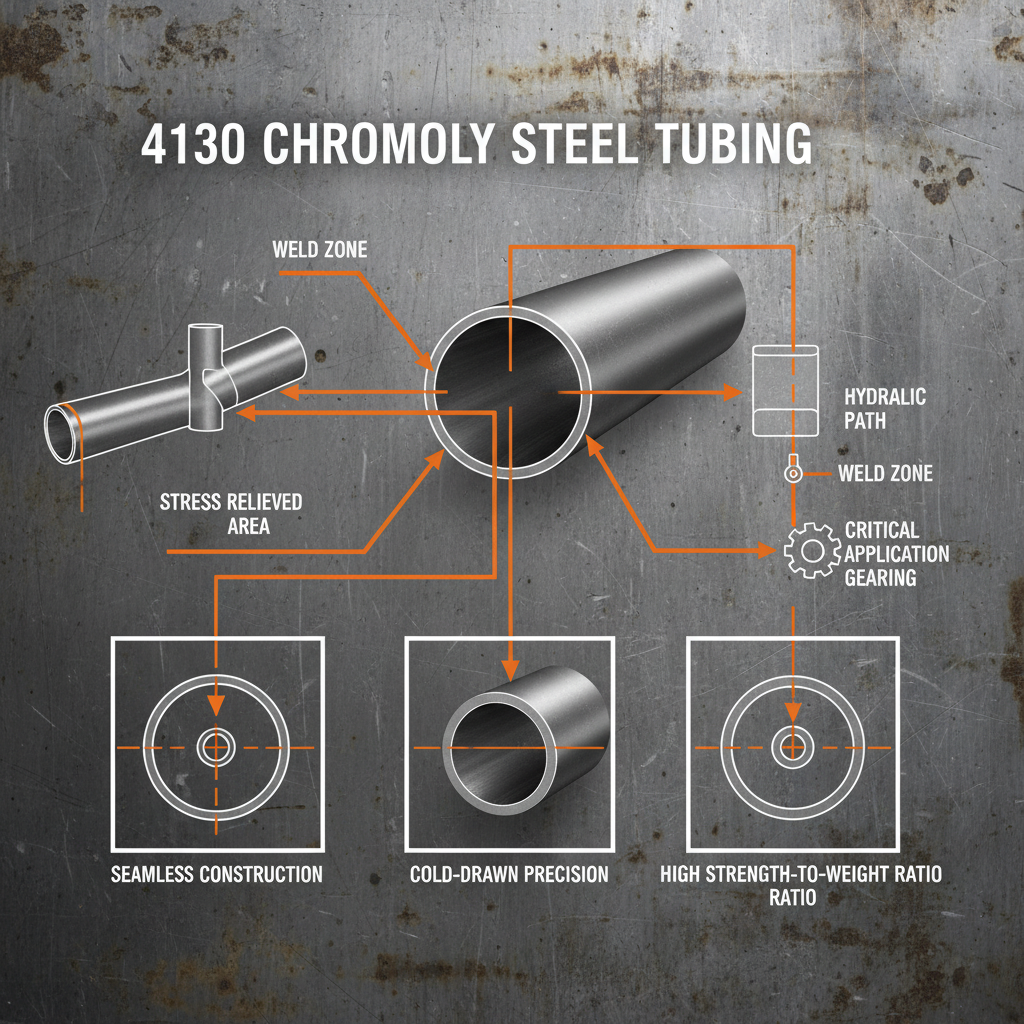
Ultimate Guide to 4130 Tubing Strength Performance and Applications
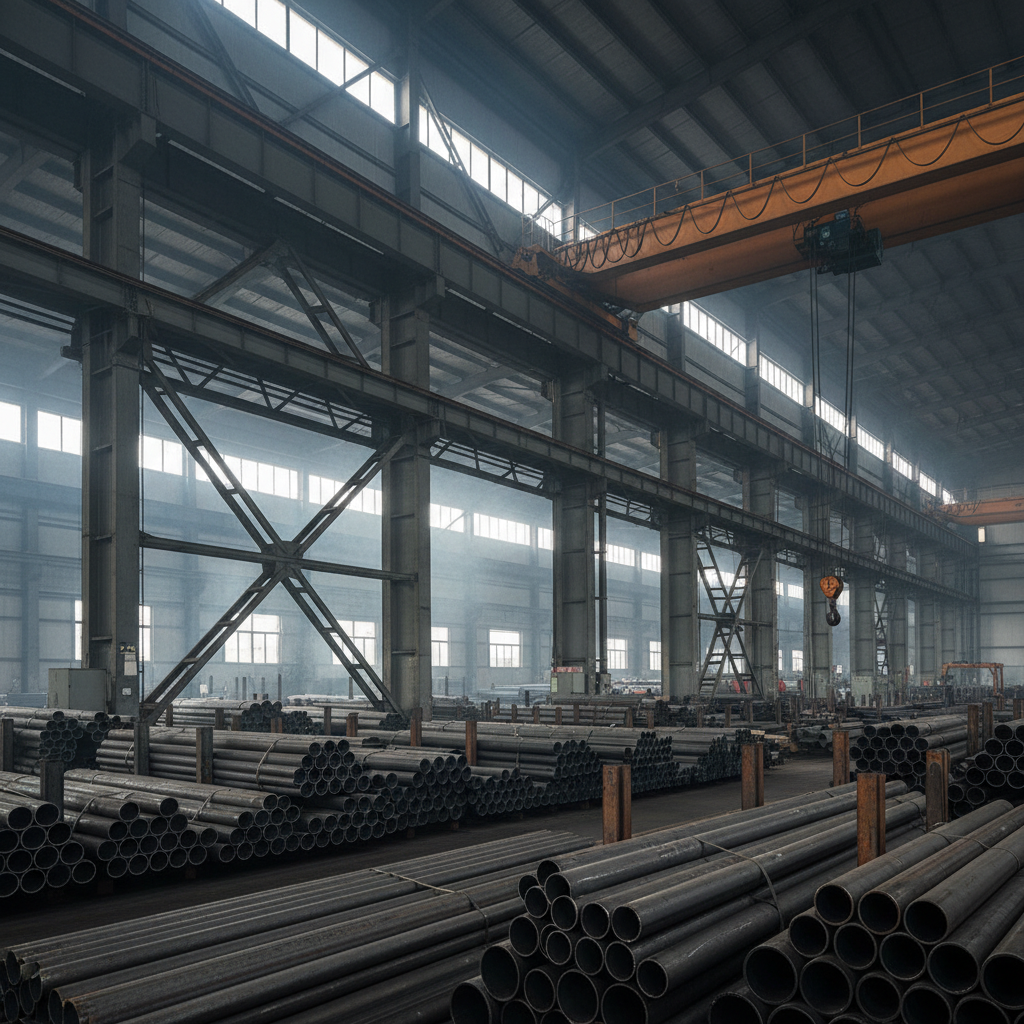
Properties and Industrial Applications of 4130 steel tubing
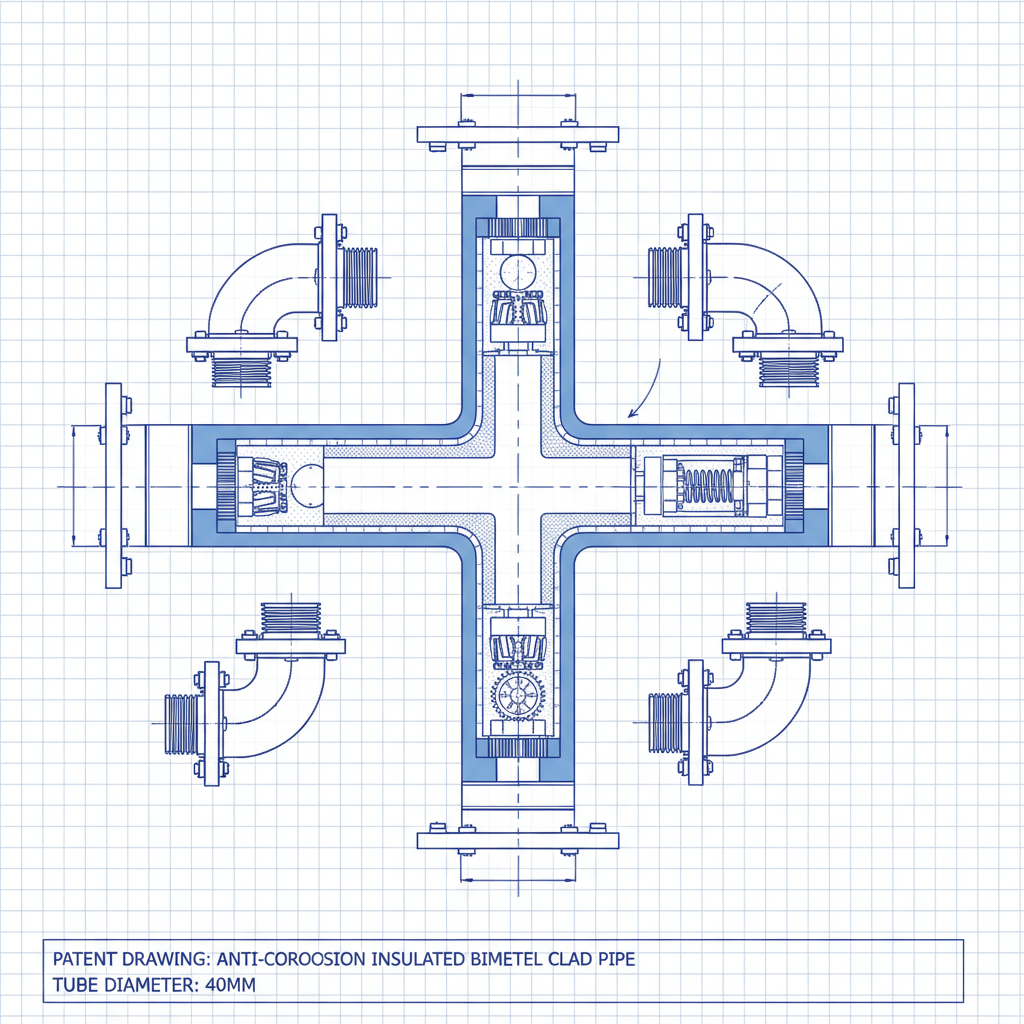
Comprehensive Guide to 40mm Steel Tube Applications and Material Selection
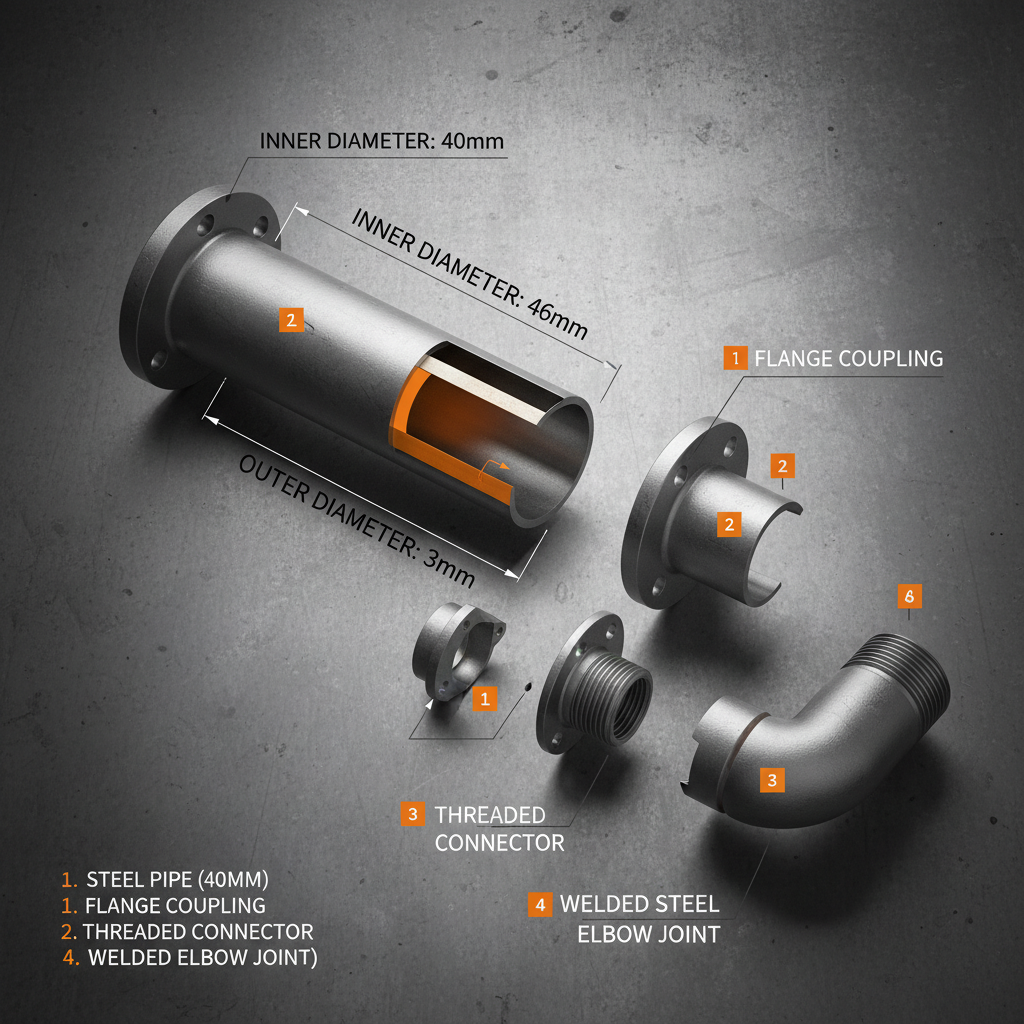
Comprehensive Guide to 40mm Steel Pipe Applications and Considerations
Comprehensive Guide to 40mm Metal Pipe Applications and Sourcing
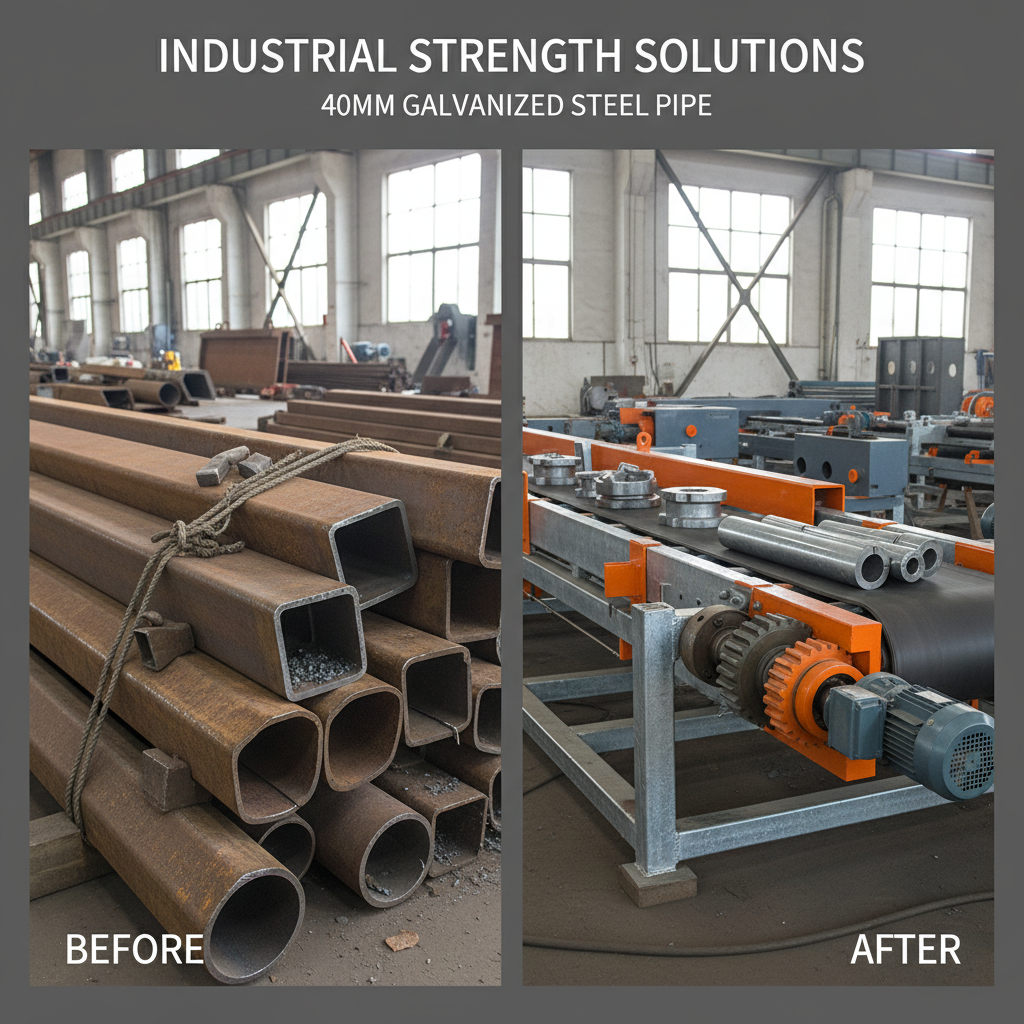
Comprehensive Guide to 40mm Galvanised Pipe Applications and Specifications