If you’ve ever driven over a bridge, admired a skyscraper, or seen giant pipelines stretching across landscapes, you’ve likely encountered the workhorse of modern construction: the large steel tube. These hefty, hollow cylinders aren’t just pieces of metal—they’re critical elements in countless infrastructure projects worldwide, shaping industries, enhancing safety, and even supporting humanitarian missions. But why does understanding them matter on a global scale? Simply put, they're fundamental to building reliable, scalable, and sustainable systems that societies depend on.
According to the World Steel Association, global steel production hit over 1.9 billion metric tons in recent years, a substantial share of which is devoted to tubular products. Large steel tubes, often exceeding diameters of 24 inches (about 600mm), are instrumental in sectors ranging from oil and gas to water supply and structural support.
UN data highlights that as urbanization accelerates—projecting 68% of the world's population living in cities by 2050—the demand for durable infrastructure and utilities grows in tandem. Large steel tubes meet this demand by enabling robust pipelines, resilient foundations, and versatile construction materials. However, challenges like corrosion, logistics, and environmental impact persist, creating a complex landscape of engineering and supply chain hurdles.
At its core, a large steel tube is a hollow cylindrical structure made primarily from carbon steel or alloy steel. Unlike smaller pipes used for plumbing or light applications, these tubes are designed to withstand heavy loads, high pressures, or environmental stresses. Their size and strength make them invaluable in supporting vast structures or transporting massive volumes of liquids and gases.
From a humanitarian perspective, large steel tubes serve as quick-deploy solutions in disaster zones—for instance, bridging collapsed roads or facilitating water transport where sanitation infrastructure is damaged. This dual utility in industry and aid highlights their versatile importance.
These tubes are engineered to last decades, resisting mechanical stresses and environmental factors. Treatments like galvanization or protective coatings fight corrosion, crucial for applications in marine or underground settings.
Available in various diameters and thicknesses, large steel tubes adapt to project needs, whether for a 36-inch pipeline or a 48-inch pilaster in a stadium. This flexibility reduces custom fabrication costs.
Compared to materials like reinforced concrete, steel tubes often economize on weight and installation time, indirectly cutting labor costs—especially relevant in remote or challenging sites.
The cylindrical shape naturally distributes stress, making these tubes ideal for columns, pilings, or bridge supports where bending or compression forces predominate.
With the right alloy composition and treatment, tubes endure harsh weather, chemical exposure, and even seismic activity, ensuring infrastructure longevity.
| Specification | Details |
|---|---|
| Material | Carbon Steel (ASTM A252 Grade 3) |
| Diameter Range | 600mm – 1,200mm (24" – 48") |
| Wall Thickness | 10mm – 25mm |
| Length | 6m to 12m (customizable) |
| Surface Treatment | Hot-dip galvanizing or epoxy coating |
| Standard Compliance | ISO 3183, ASTM A53, EN 10210 |
Large steel tubes carve out critical roles in multiple sectors worldwide:
It’s worth noting how versatile these tubes are geographically — whether it’s sub-zero Russian tundra or humid tropical environments, their design addresses diverse climate challenges.
| Supplier | Quality Certifications | Delivery Time | Customization Options | Typical Market |
|---|---|---|---|---|
| Lion Pipeline | ISO 3183, API 5L | 3–4 weeks | Diameter, length, coating | Oil & Gas, Water Utilities |
| Atlas Steel Tubes | ASTM, EN | 4–6 weeks | Limited wall thickness | Construction, Infrastructure |
| Global Tubular Systems | ISO, API | 2–3 weeks | Wide custom solutions | Oil & Gas, Marine |
Choosing large steel tubes isn’t just a matter of technical specs; it’s about long-term trust and sustainability. Cost-wise, their longevity reduces replacement frequency, and the material’s recyclability scores well in circular economy efforts.
From a social perspective, infrastructure that rests on sturdy steel tubes often translates to safer buildings and clean water access—both vital for dignity and well-being. Emotionally, engineers and communities alike appreciate the reliability steel tubing offers. Innovation, too, thrives here: as digital tools allow better stress-testing and design, the steel tube evolves rather than becoming obsolete.
Here’s a quick takeaway: investing in quality large steel tubing today means securing a safer, more sustainable tomorrow.
Looking ahead, green energy integration shapes large steel tube development. For example, offshore wind farms demand corrosion-resistant tubes that can endure saltwater and waves. Automation and digital twin technologies now help predict failure points before they happen, greatly improving maintenance cycles.
Materials science is also pushing boundaries, with carbon-fiber-lined steel tubes and advanced coatings becoming more common. Moreover, international policies discourage wasteful practices, forcing vendors to innovate on sustainability while maintaining strength and durability.
Despite their advantages, large steel tubes face challenges—especially corrosion, logistic complexity, and cost volatility. Corrosion still tops the list as a threat, particularly in coastal environments.
Experts suggest multi-layer coatings combined with cathodic protection as effective deterrents. Logistic issues, like transporting massive tubes, are mitigated with modular designs. Additionally, fluctuating steel prices necessitate strategic purchasing and supplier partnerships—something savvy procurement departments emphasize.
In real terms, large steel tubes are far more than just heavy metal pipes—they’re vital building blocks for an increasingly complex and interconnected world. Their durability, adaptability, and global availability make them indispensable assets across industries and humanitarian sectors alike.
For those looking to explore high-quality, dependable large steel tube options, I’d recommend visiting Lion Pipeline. Their blend of certification, customization, and track record is hard to beat.
So next time you see a massive pipeline or a towering structure, remember: behind those impressive sights is a large steel tube holding everything together.
Large steel tubes combine strength, customization, and sustainability, making them essential in shaping tomorrow’s resilient infrastructure.
Ultimate Guide to 4130 Tubing Strength Performance and Applications
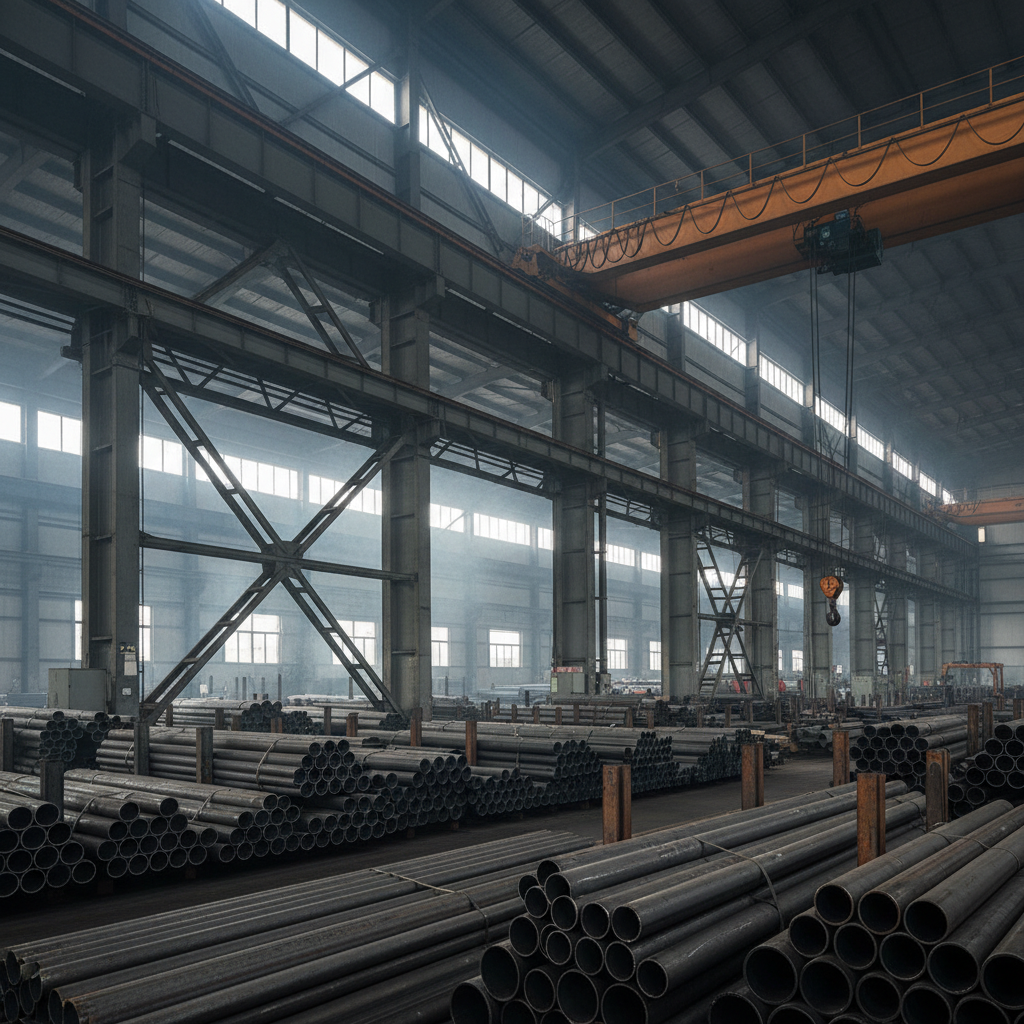
Properties and Industrial Applications of 4130 steel tubing
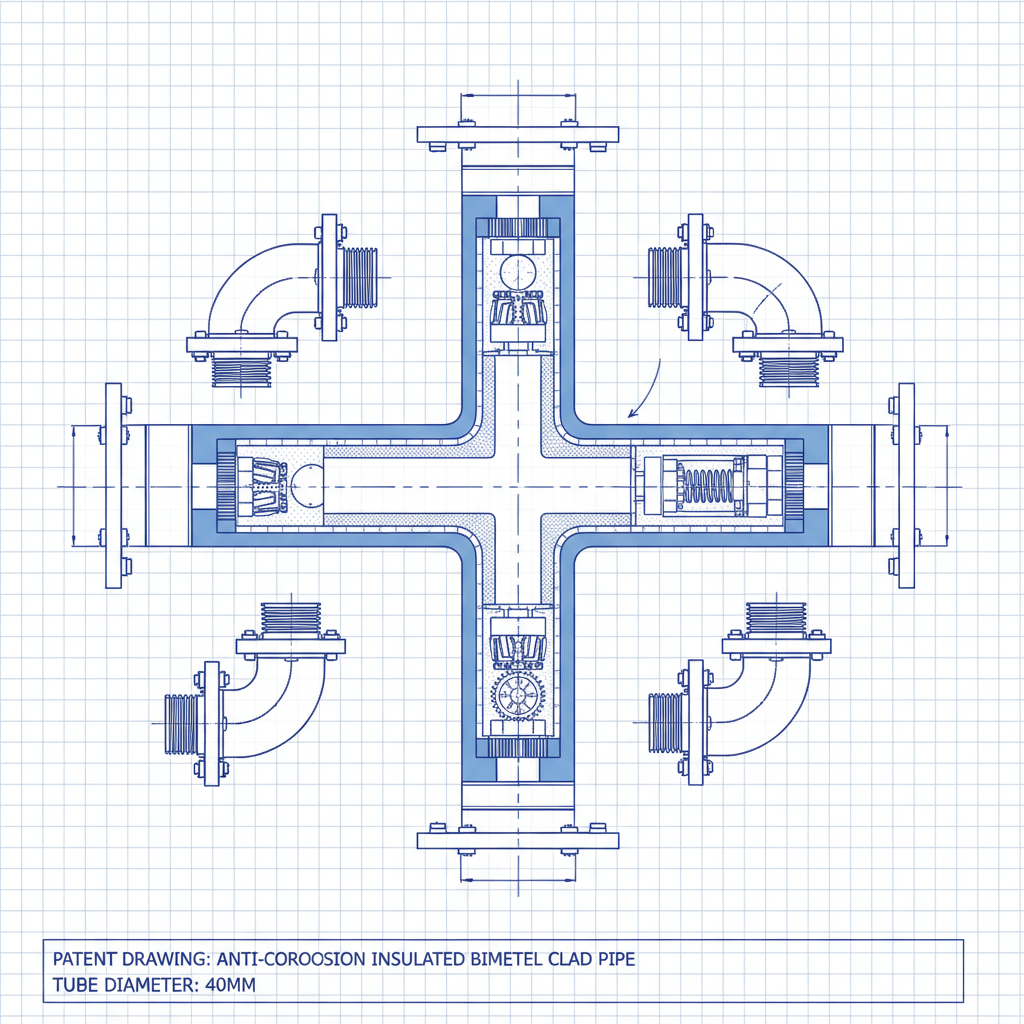
Comprehensive Guide to 40mm Steel Tube Applications and Material Selection
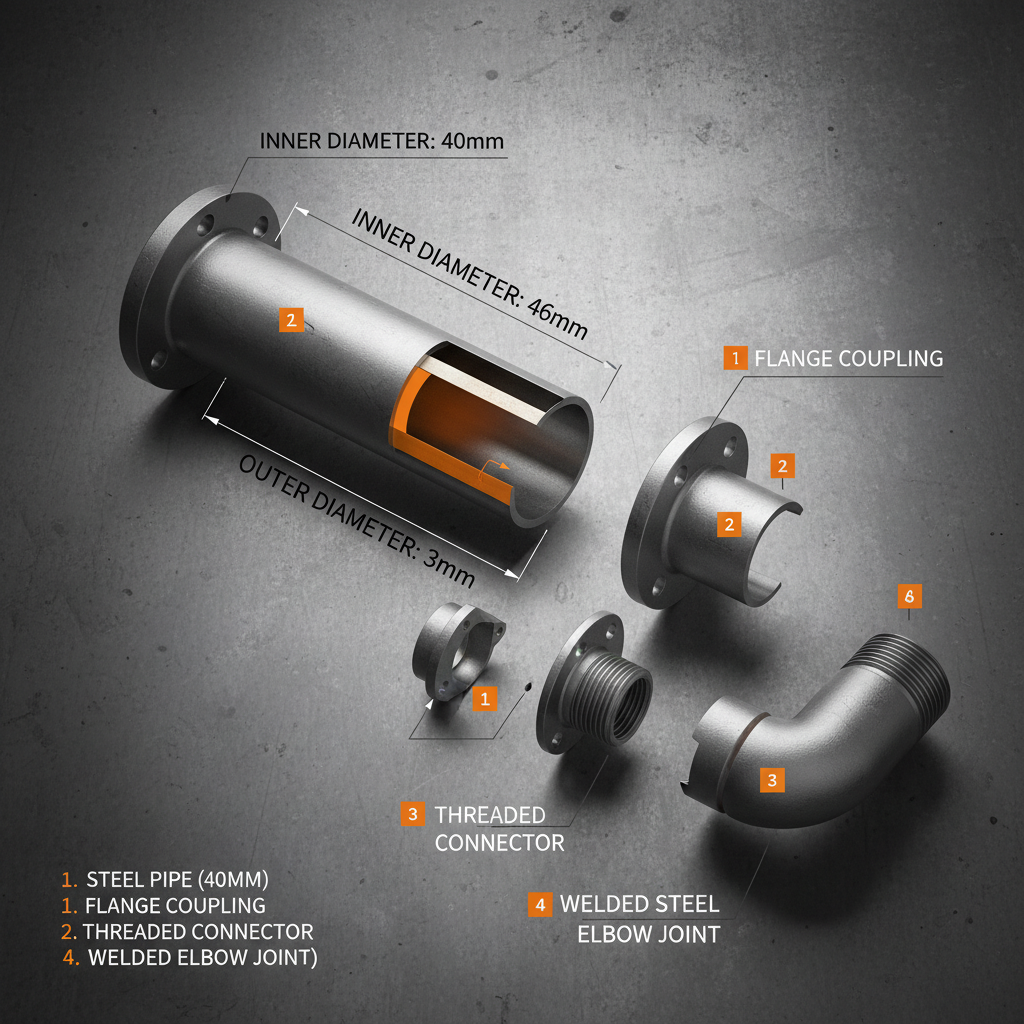
Comprehensive Guide to 40mm Steel Pipe Applications and Considerations
Comprehensive Guide to 40mm Metal Pipe Applications and Sourcing
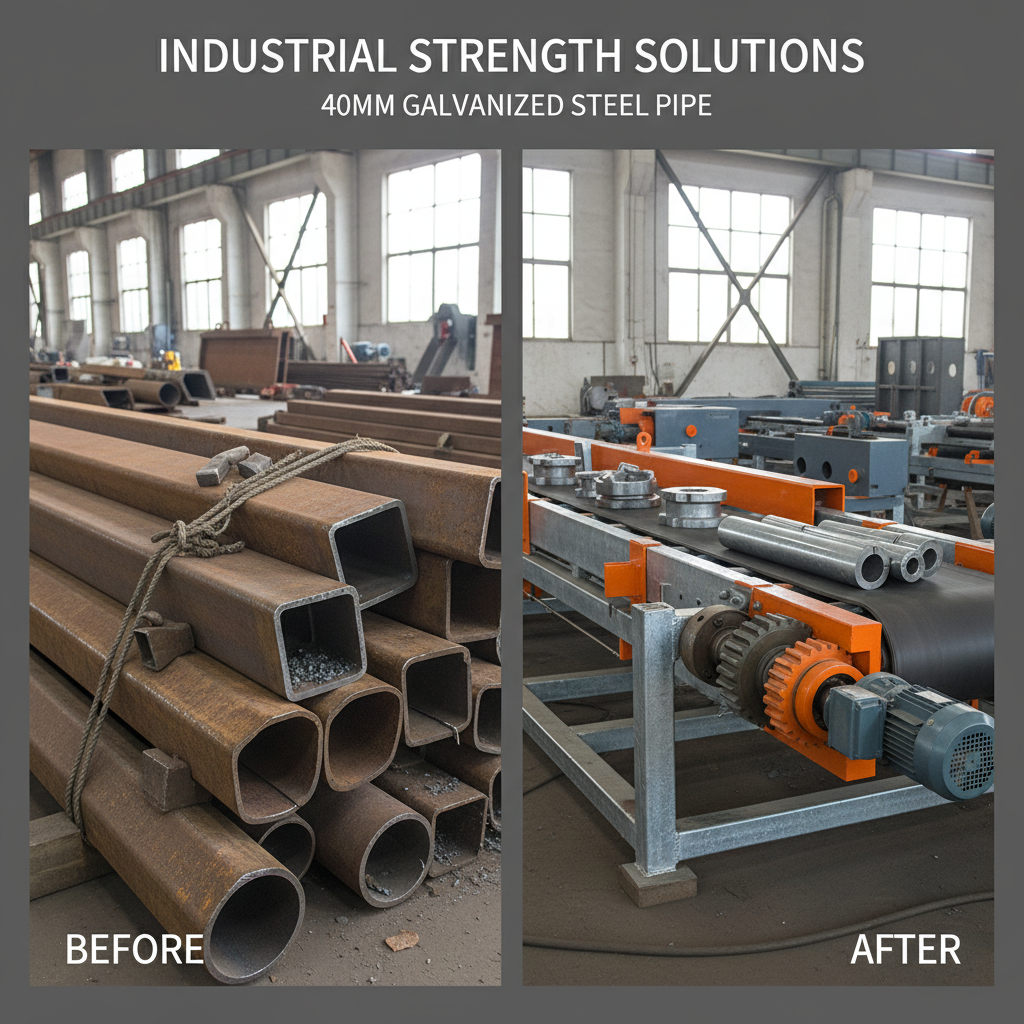
Comprehensive Guide to 40mm Galvanised Pipe Applications and Specifications