At first glance, lightweight metal tubing might sound like just another industrial term tossed around in engineering circles. But the truth is, this humble material underpins a surprising range of technologies and infrastructures shaping modern life globally. From advancing sustainable construction to enabling rapid humanitarian deployment, lightweight metal tubing offers crucial benefits. Not only does it combine strength with portability, but it also reduces costs and environmental impact. Today, let's delve into what makes lightweight metal tubing so vital, explore its practical applications, and peek into where this technology is heading—because it truly matters.
Globally, industries face ongoing pressure to become more sustainable and cost-effective. According to the International Organization for Standardization (ISO), reducing material weight without compromising durability is critical for reducing carbon footprints and operational expenses. The World Bank highlights infrastructure development in emerging economies as a key driver behind demand for advanced materials that are lightweight yet reliable.
Without materials like lightweight metal tubing, designing mobile medical units or fast-erect shelters in remote and disaster-prone regions would be far more difficult or prohibitively expensive. Frankly, light but tough tubing helps solve real challenges—from climate change mitigation to efficient transport—worldwide.
Simply put, lightweight metal tubing refers to hollow cylindrical structures made from metals that retain strength but weigh less than conventional metal piping. These tubings are often crafted from alloys such as aluminum, magnesium, or titanium, which combine corrosion resistance and mechanical strength with relative ease of fabrication.
In practical terms, think of it as the strong-but-light arms of modern industrial design. Whether supporting building frameworks, chassis in vehicles, or components in medical devices, lightweight metal tubing provides a backbone that meets both performance needs and logistical considerations.
The tubing must endure harsh environments—including humidity, salt spray, and mechanical stress—without degrading quickly. For example, aerospace-grade aluminum alloys provide fatigue resistance ensuring safety and lifespan.
It's not just about being strong—being adaptable to different sizes and shapes remains central. Manufacturers can offer custom diameters and wall thicknesses to suit everything from lightweight scaffolding to intricate mechanical assemblies.
Compared to steel tubing, lightweight alternatives often reduce shipping and installation expenses because of their lower mass—key for large-scale projects or fast deployment needs.
Exposing metal tubing to rain, sea spray, or chemicals might invite rust or weakening, so materials chosen often have protective coatings or intrinsic resistance. For instance, anodized aluminum tubing is common in outdoor installations.
Many light metal alloys are highly recyclable, aligning with circular economy goals and reducing landfill waste.
| Specification | Aluminum Alloy Tubing | Titanium Alloy Tubing | Magnesium Alloy Tubing |
|---|---|---|---|
| Density (g/cm³) | 2.7 | 4.5 | 1.74 |
| Yield Strength (MPa) | 250 | 880 | 200 |
| Corrosion Resistance | Good (with anodizing) | Excellent | Moderate (needs coating) |
| Typical Use Cases | Construction, Automotive | Aerospace, Medical Devices | Lightweight Frames, Consumer Goods |
Industries across the globe reap benefits from lightweight metal tubing. In aerospace, the material’s high strength-to-weight ratio is indispensable for aircraft frames, reducing fuel consumption and emissions. Meanwhile, lightweight metal tubing forms the skeleton of advanced medical beds and mobile health units deployed in crisis zones.
In construction, lightweight metal tubing accelerates modular building assembly, essential in booming urban areas of Asia and Africa. For instance, NGOs operating in disaster zones rely on tubing for erecting rapidly deployable shelters that preserve dignity and safety for displaced families.
Remote industrial installations—like oil rigs or mining camps—also use lightweight tubing for pipelines and structural components due to ease of transport over challenging terrains.
| Criteria | Lion Pipeline | MetalTech Corp | EcoLight Metals |
|---|---|---|---|
| Material Variety | Aluminum, Steel, Titanium | Primarily Steel | Aluminum, Magnesium |
| Custom Sizes | Yes | Limited | Yes |
| Sustainability Standards | ISO 14001 Certified | No | Green Supplier Certified |
| Global Shipping | Yes | Selective Regions | Yes |
It’s easy to cherry-pick benefits: lower transport costs because materials weigh less, improved strength that guarantees safety, or that satisfying feeling of supporting a greener planet. Yet the real magic lies in the combination. When you invest in lightweight metal tubing, you invest in reliability, social impact, and future-ready solutions. Imagine relief workers setting up shelters that protect vulnerable communities within hours. Or engineers designing compact, energy-efficient vehicles. It’s innovation grounded in practical value.
Looking to the future, advanced composites blending metals with carbon fibers promise even lighter tubing with superior performance. Additive manufacturing (3D printing) is unlocking new geometries impossible before, allowing customization at scale. On the policy side, more countries are incentivizing sustainable materials through tax credits and green building certifications—a clear nod toward increased adoption.
Digital monitoring embedded into tubing (think IoT sensors tracking stress or corrosion) could transform maintenance paradigms, ushering in smarter infrastructure. Oddly enough, these shipping-container-sized technology leaps rest on a surprisingly simple element: lightweight metal tubing.
Despite the undeniable advantages, there are hurdles. Corrosion remains a concern in salty or acidic environments — and not every alloy suits all climates. Supply chain disruptions disrupt availability and pricing. Plus, fabricating ultra-thin tubes without defects requires precision and investment in specialized machinery.
Experts advise blending several materials’ strengths (composite layering), rigorous testing, and collaborating closely with trusted suppliers to mitigate these problems. Frankly, staying ahead means continuous innovation, not just in product but process.
In real terms, lightweight metal tubing may not always grab headlines, but it’s a quiet powerhouse enabling smarter, safer, and greener industries worldwide. From helping communities rebuild after disasters to innovating transport and construction, its value compounds over time. If you’re intrigued or want to explore options, consider lightweight metal tubing as a foundational material for your next project.
Ready to build with confidence? Visit us at https://www.lion-pipeline.com and discover how lightweight metal tubing can elevate your work.
Sometimes it’s the lightest materials that carry the most weight in tomorrow’s world.

Ultimate Guide to 4130 Tubing Strength Performance and Applications
Properties and Industrial Applications of 4130 steel tubing
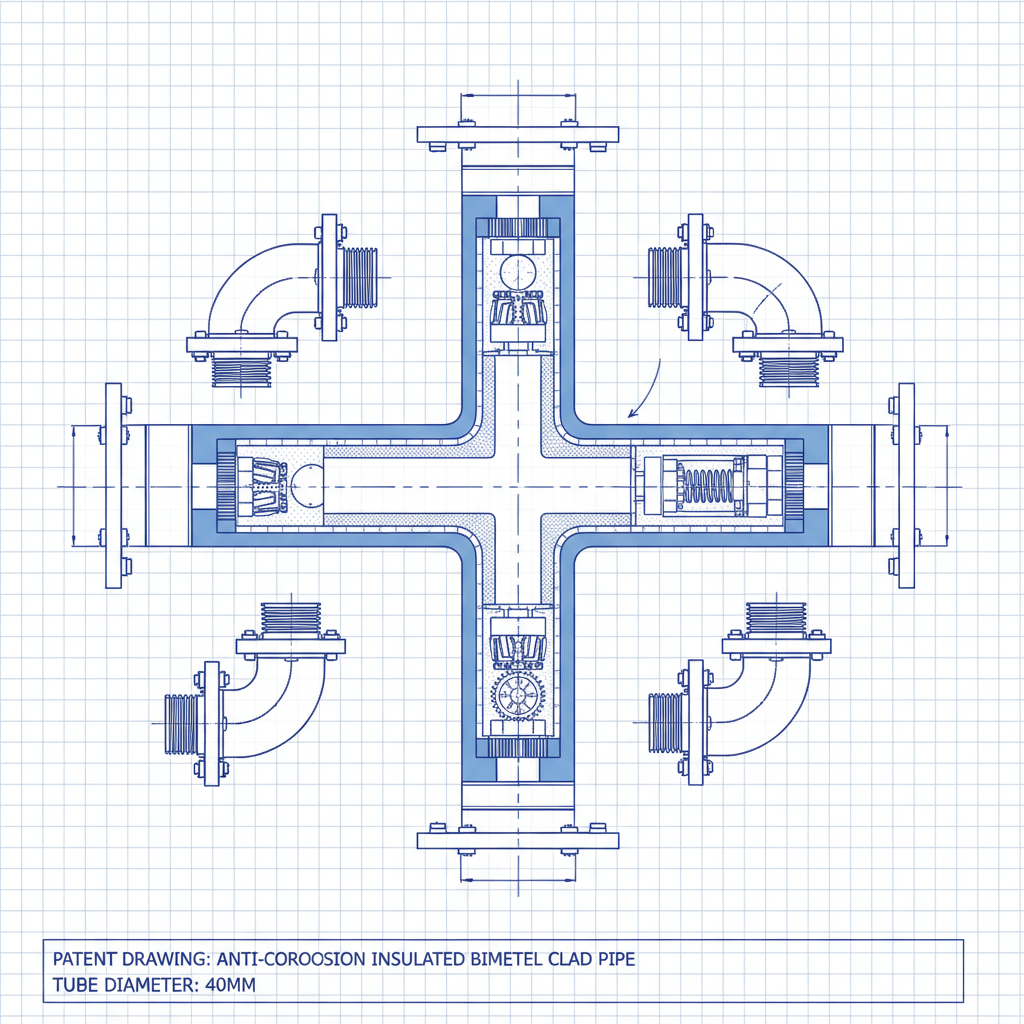
Comprehensive Guide to 40mm Steel Tube Applications and Material Selection
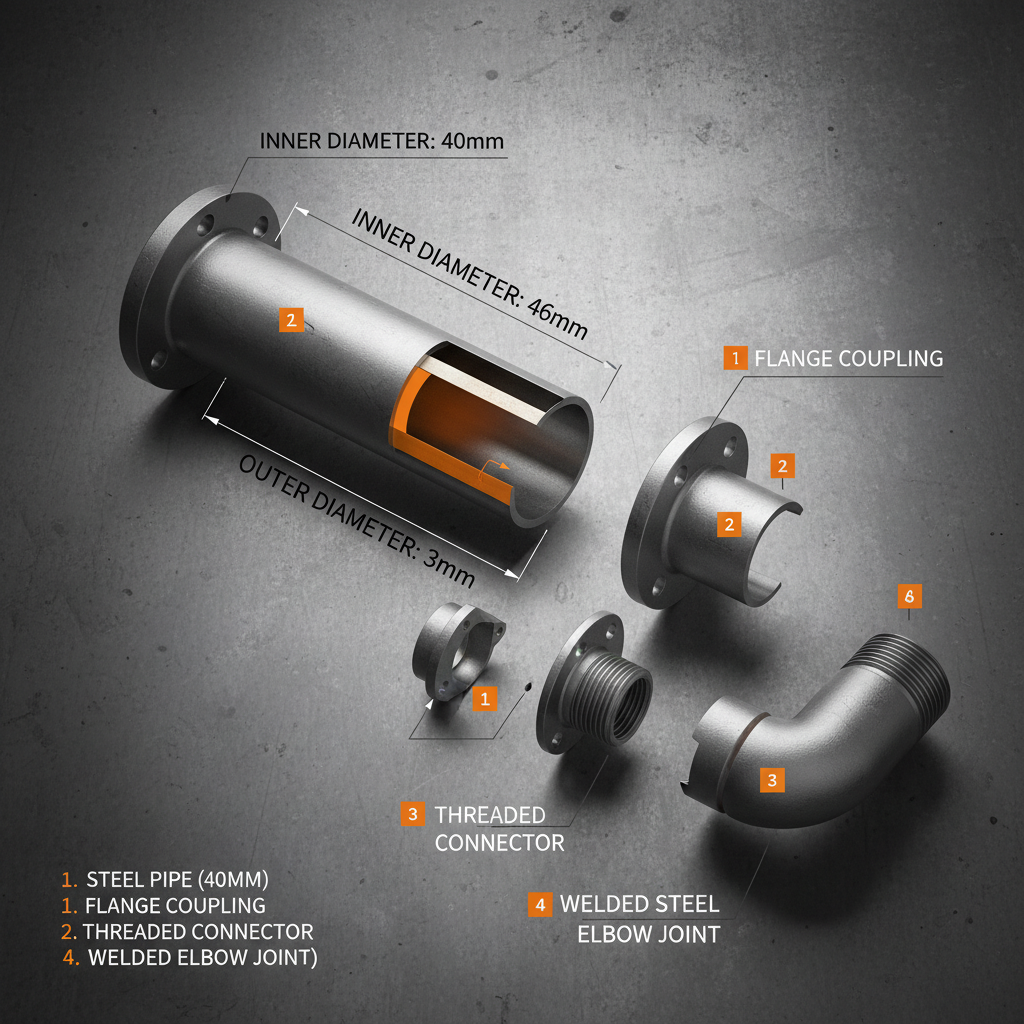
Comprehensive Guide to 40mm Steel Pipe Applications and Considerations
Comprehensive Guide to 40mm Metal Pipe Applications and Sourcing
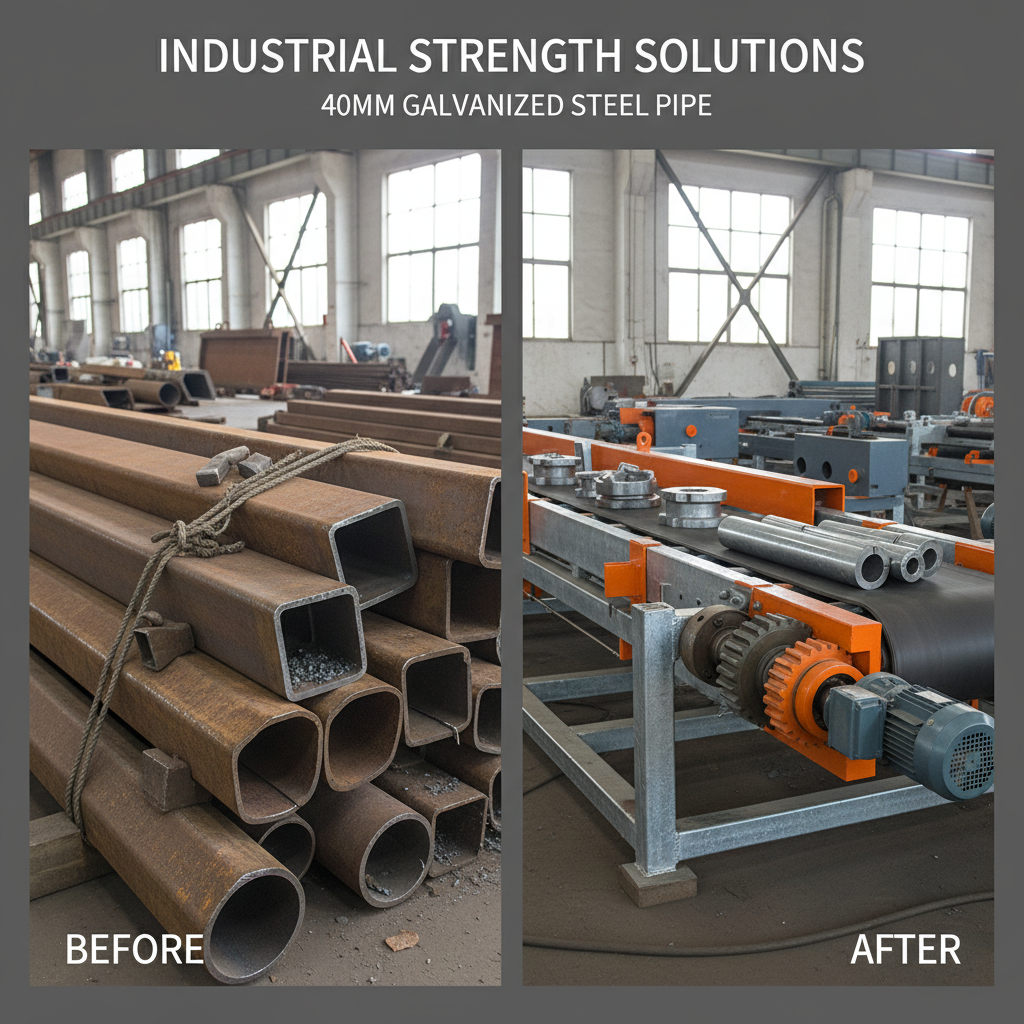
Comprehensive Guide to 40mm Galvanised Pipe Applications and Specifications