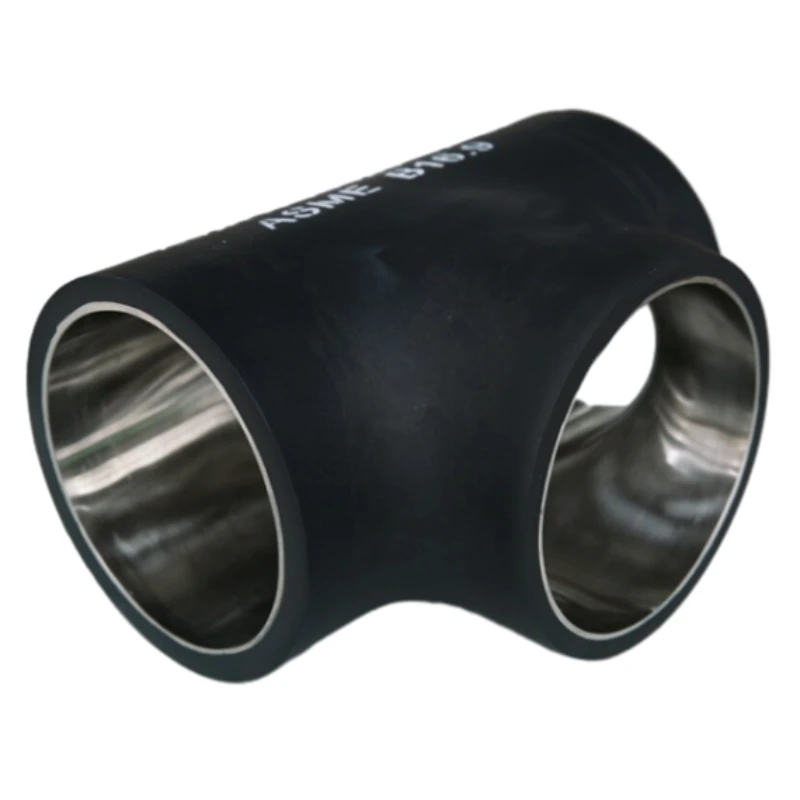
If you haven’t come across mandrel bent tubing before, don’t worry — you’re in good company. At first glance, it sounds like some niche industrial jargon. But frankly, this technology plays a surprisingly critical role in everything from oil pipelines to disaster relief infrastructure and even aerospace frameworks. We live in a world that depends heavily on robust, seamless tubing systems, and mandrel bending is one of the key processes that make those systems possible. Understanding what mandrel bent tubing is, and why it matters globally, sheds light on many complex supply chains and engineering feats critical to modern life.
The world’s industrial arteries—think pipelines, automotive exhausts, HVAC ducts—rely on strong, flexible tubing that can navigate complex shapes without compromising strength. According to the International Organization for Standardization (ISO), manufacturing standards for tubing shape integrity and pressure resistance are rising steadily in response to global infrastructure demands (ISO 1127:2018). Moreover, with the United Nations emphasizing resilient infrastructure as part of its Sustainable Development Goals, technologies like mandrel bent tubing are emerging as foundational solutions for energy delivery, clean water supply, and even emergency housing frameworks worldwide.
However, a recurring challenge has been the inability of conventional bent tubing to handle tight curves without wrinkling or collapsing internally—problems that can cause leaks, structural failure, or subpar performance, especially under harsh conditions. Mandrel bent tubing addresses these weaknesses...
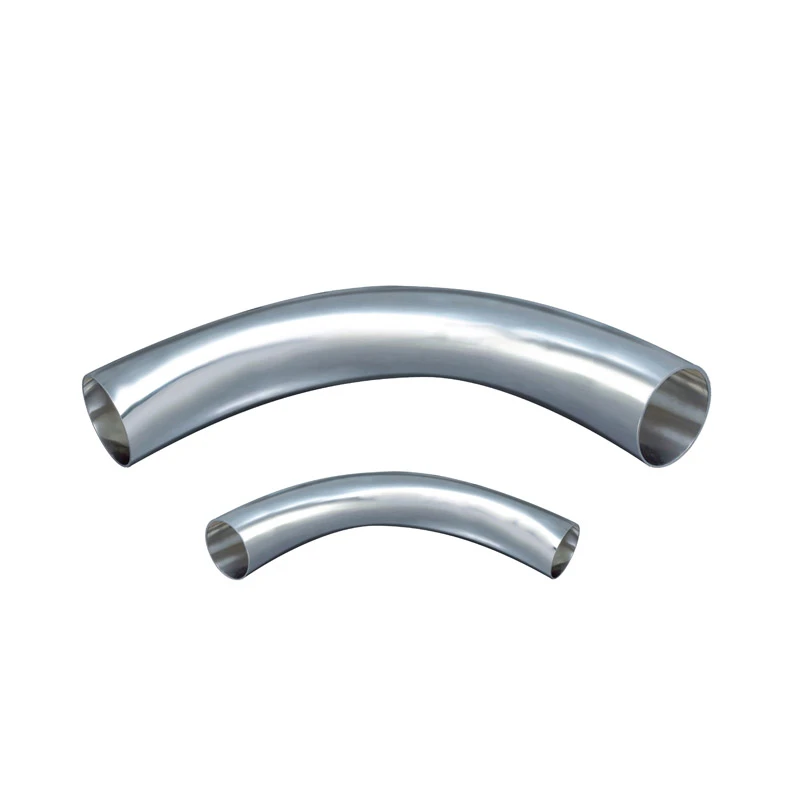
Simply put, mandrel bent tubing is a tube bending technique where a solid or flexible mandrel—basically an internal support—is inserted inside the tubing during the bending process. This support preserves the tubing's internal diameter and prevents wrinkling or flattening around bends. Imagine bending a paper straw without crushing it; a mandrel works like a tiny, invisible skeleton keeping the tube’s shape intact.
This process allows manufacturers to create precise, complex bends that standard bending methods can't achieve, making mandrel bent tubing indispensable in fields like petrochemical transport, aerospace, automotive exhaust design, and, surprisingly, flexible architectural structures. It essentially connects raw material quality with real-world needs, such as safety and longevity in humanitarian projects.
The use of a mandrel reduces stress concentrations along bends, preventing fractures and increasing lifespan — which is particularly crucial for high-pressure or corrosive environments.
Mandrel bending produces tubes with highly accurate radii and dimensions, essential for tight-tolerance applications where even small deviations can cause failures.
Since the tubing maintains its internal shape, fluid or gas flow remains consistent and efficient, minimizing turbulence and loss.
Though the process may seem more complex, mandrel bent tubing avoids expensive reworks and downtime caused by leaks or breaks, making it more economical long-term.
Compatible with various metals like stainless steel, aluminum, and copper, the method suits many industries, from oil pipelines to air conditioners.
Whether you need a single prototype or mass production, mandrel bending can adjust to different lot sizes and specifications.
Mini takeaway: Mandrel bent tubing is a careful balance of strength, precision, and flow science—qualities that make it a quietly vital component in many technologies.
For example, in post-disaster relief operations in Japan after the 2011 earthquake, mandrel bent tubing was instrumental in fast deployment of temporary water distribution networks, enabling quick restoration of potable water to affected areas.
| Specification | Details |
|---|---|
| Material Options | Stainless steel, aluminum, copper, carbon steel |
| Bend Radius | As low as 1x tube diameter depending on material |
| Wall Thickness | 0.5 mm – 10 mm (varies by application) |
| Max Tube Diameter | Up to 100 mm (custom sizes available) |
| Surface Finish | Polished, brushed, or coated |
| Vendor | Material Range | Customization | Pricing Tier | Lead Time |
|---|---|---|---|---|
| L&P Steel Tubing | Wide (SS, Carbon Steel, Al) | Full bespoke options | Mid-range | 2-4 weeks |
| Global Tubing Corp. | SS & Copper primarily | Standard and custom bends | Premium | 3-5 weeks |
| BentRight Industries | Carbon steel, Aluminium | Semi-custom only | Budget-friendly | 1-3 weeks |
When considering infrastructure projects, decision makers are increasingly focused on sustainability, cost, and reliability. Mandrel bent tubing answers those concerns by combining a longer service life with reduced maintenance and replacement costs. It ensures safety by preserving the tube’s thickness and structural integrity, thus preventing leaks and catastrophic failures — arguably a matter of trust when we're talking about gas lines or clean water supply.
Beyond the cold economics, there is also a social aspect: well-designed mandrel bent tubing solutions foster dignity and resilience, especially in post-disaster or developing regions. They enable engineers and NGOs to deploy robust systems quickly, not needing complex onsite fabrication, which speeds recovery and restores normal living conditions.
Looking ahead, the mandrel bending process is evolving. Automation and robotics are streamlining production, reducing human error and lead times. New alloys and composite tubing materials are emerging, promising lighter, stronger, and more corrosion-resistant tubes — vital for green energy applications like hydrogen pipelines.
Industry 4.0 integrations enable real-time sensor attachments during manufacturing for quality control, ensuring every bend meets exacting standards. Policies pushing for more sustainable building practices also mean that recycling and waste reduction in tubing production are front and center.
Of course, mandrel bending isn’t without its hurdles. The process demands precise mandrel design and frequent tooling changes when switching tube sizes or materials. Sometimes, very thick or exotic alloys challenge bending limits.
However, innovative customizable mandrels and adaptive bending machines help overcome these issues. Some companies even apply heat-assisted bending to tackle tougher metals. As always, investing in high-skilled operators and advanced tech yields fewer defects and more reliability.
Mandrel bent tubing really feels like one of those underappreciated heroes of engineering—plushy, flexible, and yet incredibly robust. Its blend of precision, durability, and adaptability makes it uniquely suited to meet both the challenges of modern industry and humanitarian demands. If your project calls for bent tubing that won’t let you down, learning more about mandrel bent tubing is definitely worth your while.
Curious to explore tailored mandrel bent tubing solutions? Visit our website for detailed specs, vendor info, and custom services. You’ll find that sometimes, the smallest bends make the biggest difference.
— Experience matters. Choose wisely.
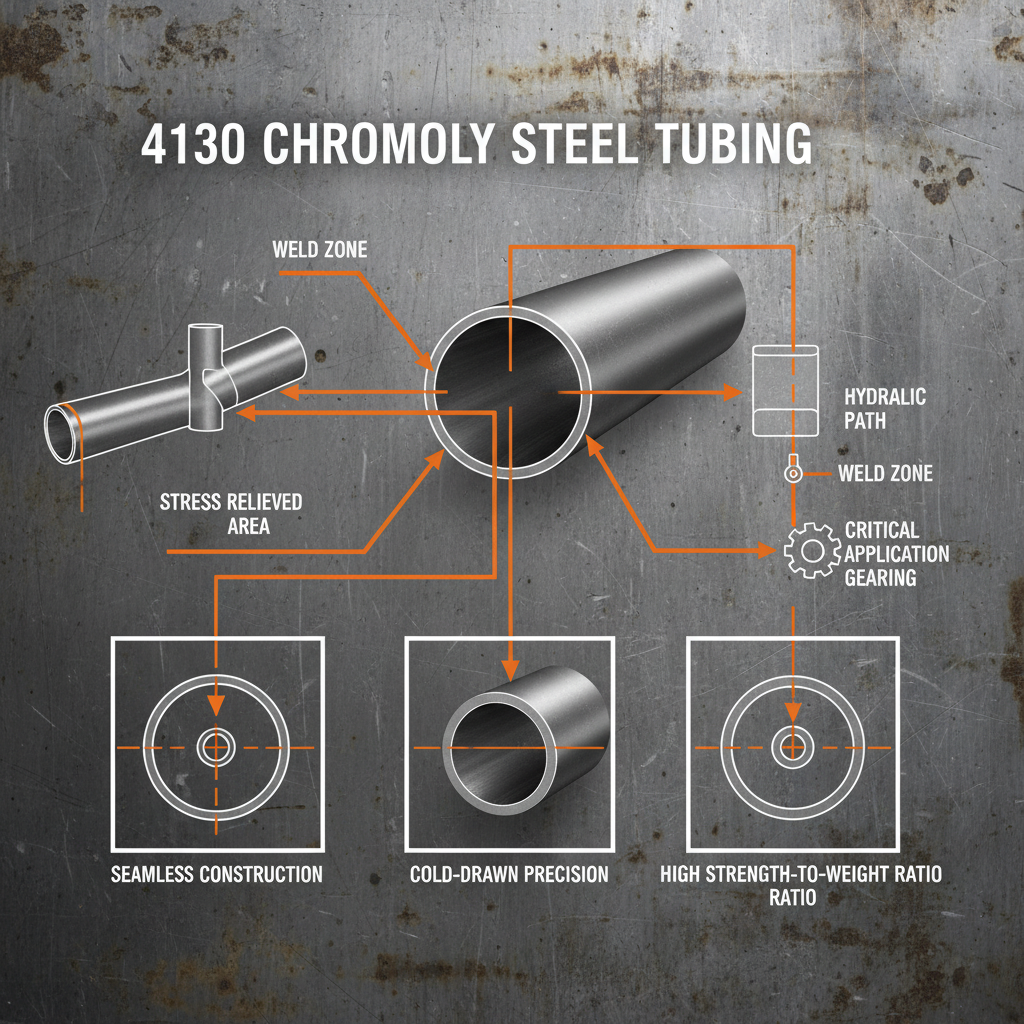
Ultimate Guide to 4130 Tubing Strength Performance and Applications
Properties and Industrial Applications of 4130 steel tubing
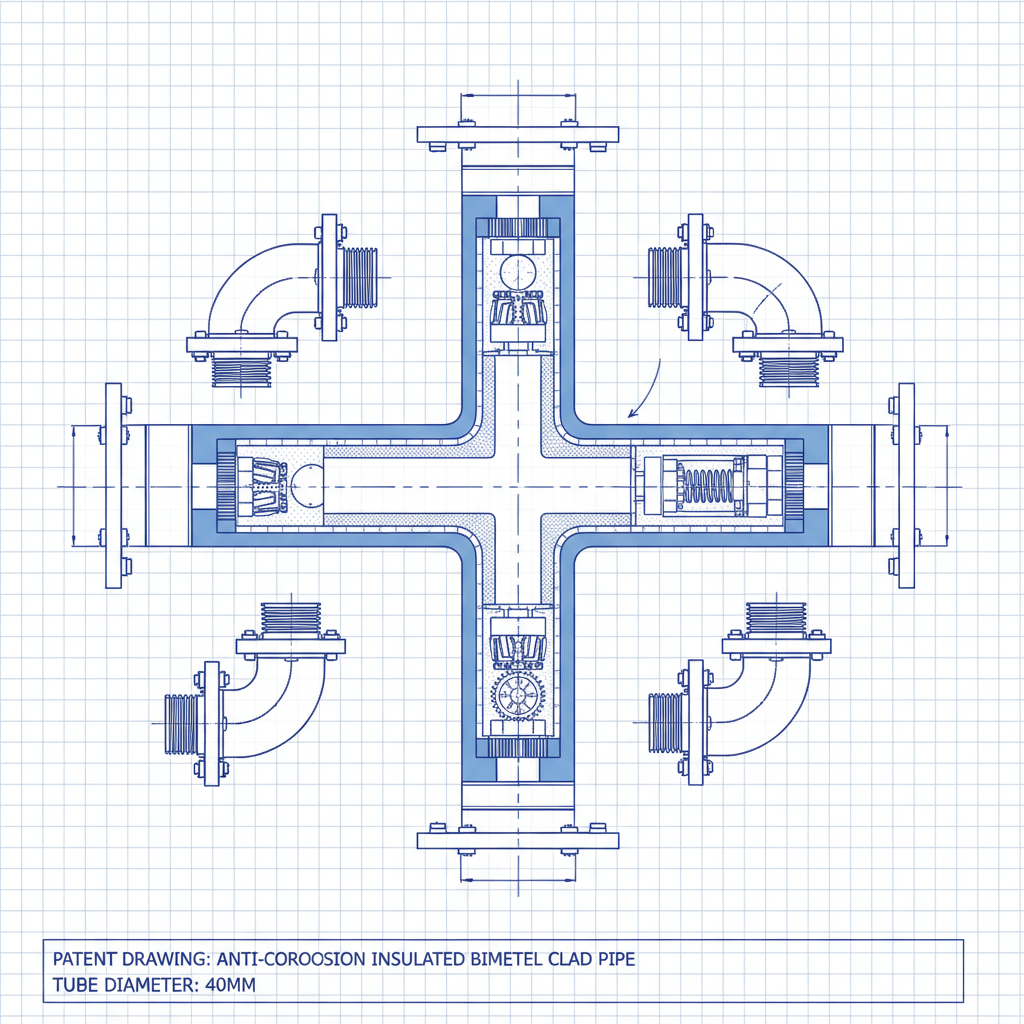
Comprehensive Guide to 40mm Steel Tube Applications and Material Selection
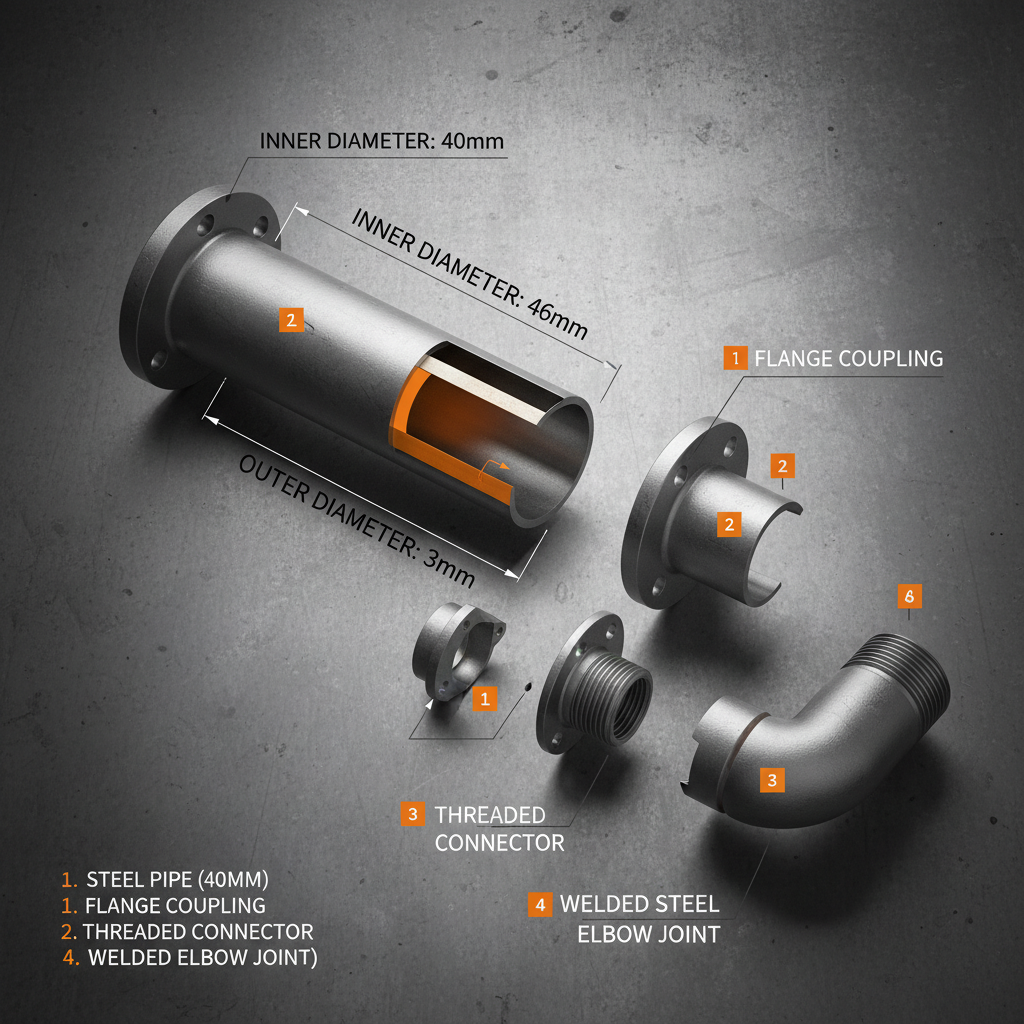
Comprehensive Guide to 40mm Steel Pipe Applications and Considerations
Comprehensive Guide to 40mm Metal Pipe Applications and Sourcing
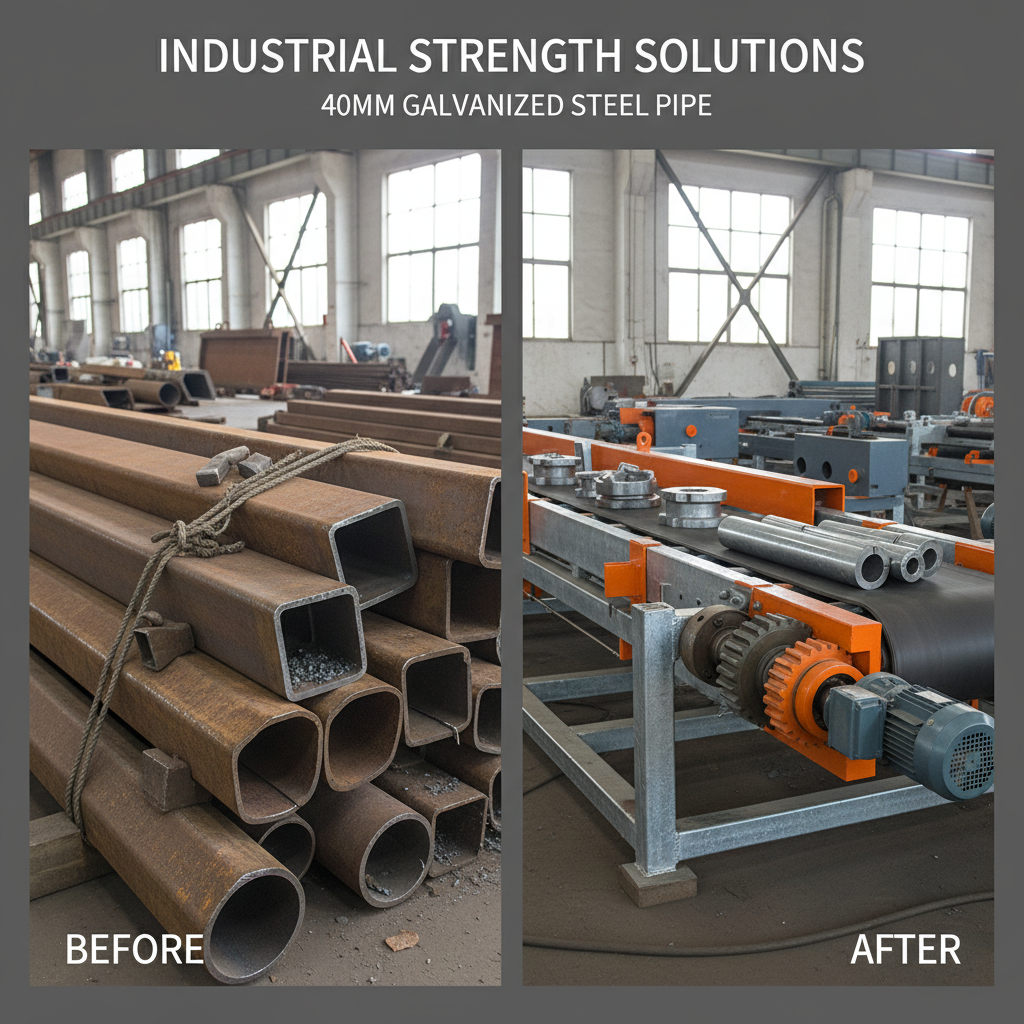
Comprehensive Guide to 40mm Galvanised Pipe Applications and Specifications