Mechanical tubing might sound like one of those dry engineering terms tucked away in some technical manual, but in reality, it’s a silent workhorse underpinning a vast array of global industries—from construction to humanitarian aid. Understanding mechanical tubing and its key benefits is essential, especially as societies worldwide push for sustainability, safety, and efficiency in infrastructure projects. Whether you’re an engineer, supplier, or simply curious, diving into the subject uncovers a fascinating blend of material science, design, and practical innovation.
At its core, mechanical tubing serves as a conduit, structural support, or integral component in numerous devices and constructions. Globally, demand for reliable, high-quality mechanical tubes is soaring. The World Bank reports that infrastructure investment is set to grow annually by 3.7% in developing regions, meaning more pipelines, transportation systems, and industrial plants rely on tubing systems that can endure harsh environments and variable loads.
But there’s a challenge: many regions still contend with supply chain disruptions, outdated materials, or poor-quality tubing that risks safety and operational downtime. Mechanical tubing’s role in managing these risks—via durable materials, precise manufacturing, and certified standards—is more relevant than ever.
Simply put, mechanical tubing refers to hollow, cylindrical shapes crafted from metals or alloys used primarily for structural and fluid-handling purposes in machinery, buildings, and industrial processes. Unlike regular piping designed mainly for fluid transport, mechanical tubing is engineered to withstand mechanical stresses like bending, torsion, and compression. It’s the skeleton behind everything from scaffolding frames to conveyor rollers.
The connection to modern industry is profound: mechanical tubing provides critical pathways for energy, supports heavy loads safely, and ensures the longevity of built environments. Beyond industry, its role in humanitarian aid—such as rapidly deployable shelters or clean water systems—is quietly fundamental.
Because mechanical tubing often faces dynamic forces, it must possess significant tensile strength and fatigue resistance. High-grade steel alloys, galvanized finishes, and precise heat treatment processes contribute here.
Tubing needs to fit tightly with other components, without leaks or weaknesses. Manufacturers rely on stringent quality controls, often certified by ISO standards, to achieve uniform wall thickness and diameter.
Mechanical tubing doesn’t just come in steel. Stainless steel, carbon steel, aluminum, and even copper alloys are used depending on factors like corrosion resistance, weight, and budget.
While you can go for high-performance, expensive tubing, a balance must be struck. For many projects, cost-effective solutions that still meet durability and compliance demands are essential.
Meeting international standards like ASTM, ISO 65, and others provides peace of mind that tubing won’t fail under expected conditions.
Mini takeaway: Knowing these core aspects helps you select mechanical tubing tailored to your project’s unique demands, whether it’s industrial machinery or emergency infrastructure.
Mechanical tubing’s footprint spans continents and industries:
Mini takeaway: Mechanical tubing isn’t just industrial jargon; it’s a key enabler of safety, mobility, and comfort worldwide.
| Specification | Description |
|---|---|
| Material | Carbon Steel, Stainless Steel, Aluminum Alloy |
| Outer Diameter | 6 mm – 168 mm |
| Wall Thickness | 0.5 mm – 10 mm |
| Standard Length | 6 m or Customized |
| Certifications | ISO 65, ASTM A513, EN 10305 |
| Surface Finish | Galvanized, Polished, Painted |
| Vendor | Material Range | Customization | Lead Time | Pricing |
|---|---|---|---|---|
| Lion Pipeline Co. | Carbon, Stainless Steel | Full Custom Orders | 2-3 Weeks | Mid-Range |
| Global Tubes Ltd. | Broad Alloy Range | Limited | 4-5 Weeks | Premium |
| Efficient Metals Inc. | Carbon Steel Only | Standard Sizes | 1-2 Weeks | Budget-Friendly |
When you zoom out and think about mechanical tubing, it’s not just about pipes and steel tubes. It’s about creating systems that last, save money, and uphold safety in critical infrastructure. The tangible perks are:
Oddly enough, it also helps foster trust: when engineers and workers know the materials won't fail, they can innovate and operate with confidence.
The future feels exciting. Green steel production and hybrid materials designed to lower emissions are gaining traction. Digitalization, through IoT-enabled tubing sensors, can predict failures before they happen—cutting downtime drastically. Automation in manufacturing is enhancing precision and cost-effectiveness, while lightweight aluminum-alloy tubes become increasingly common for electric vehicles and renewable energy infrastructure. The integration of mechanical tubing into these trends suggests a new era of smarter, greener industry practices.
Challenges? Certainly. Supply chain disruptions, varying international standards, raw material price volatility, and sometimes, lack of awareness about best materials. But experts tackle these through:
A1: Mechanical tubing is typically stronger and can withstand mechanical stresses beyond fluid transport. This makes it ideal for structural frameworks and applications requiring high durability, while traditional piping is mainly suited for conveying liquids or gases.
A2: Lifespan varies with material and environment but quality mechanical tubing often lasts 20-50 years with proper maintenance, especially when treated with corrosion-resistant coatings.
A3: Absolutely. Lightweight, easy-to-assemble tubing frameworks enable quick shelter setups, offering resilience against weather while being transportable—perfect for humanitarian operations.
A4: Yes. Many vendors, including mechanical tubing suppliers, offer tailored solutions with global shipping, adhering to international certifications to facilitate import and installation.
Mini takeaway: Practical questions, but the answers remind us how versatile and critical mechanical tubing truly is.
From powering industries to safeguarding communities, mechanical tubing quietly empowers many facets of modern life. Investing in quality tubing means investing in durability, sustainability, and innovation. As the world moves forward on infrastructure and technology, these tubes will continue to hold us together—literally. For more on cutting-edge tubing solutions, visit our website: https://www.lion-pipeline.com.
It feels like mechanical tubing is the hidden thread weaving many global improvements—usually under the radar but deeply impactful.

Ultimate Guide to 4130 Tubing Strength Performance and Applications
Properties and Industrial Applications of 4130 steel tubing
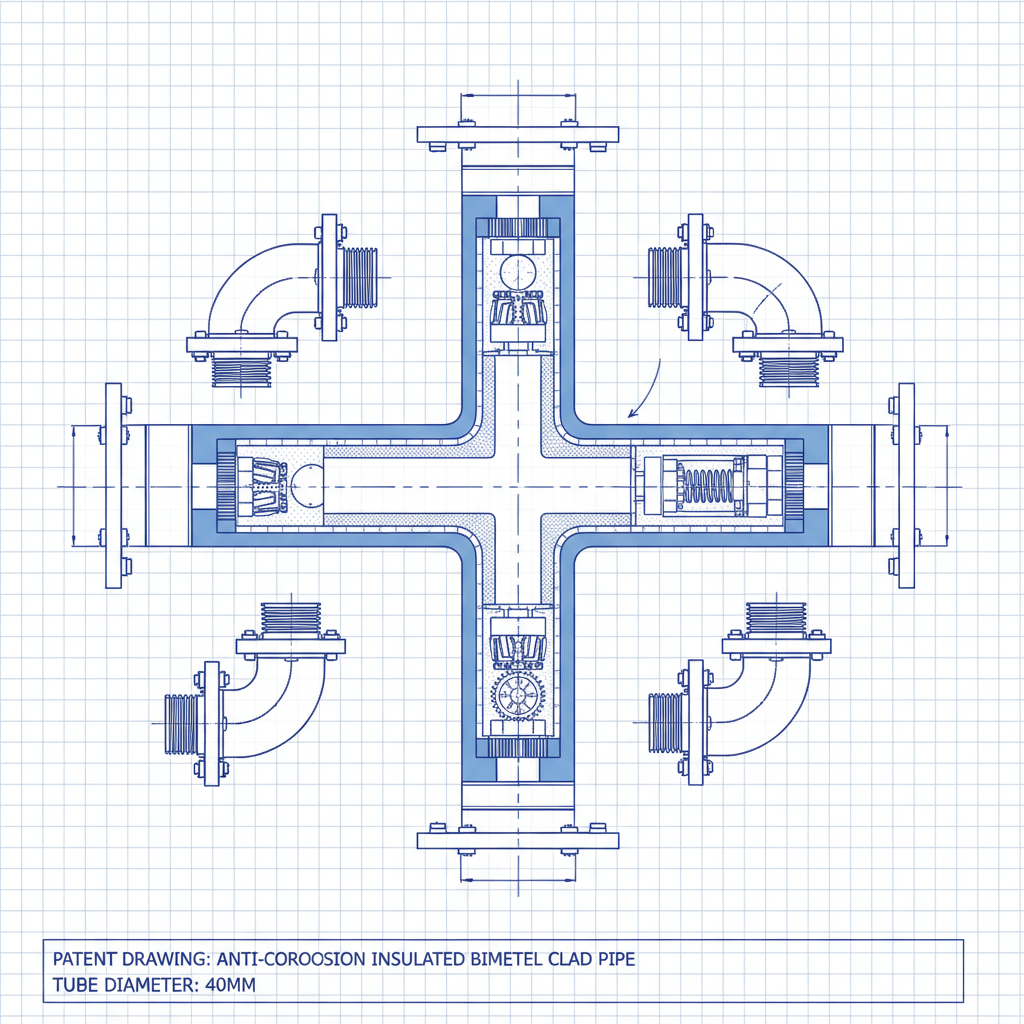
Comprehensive Guide to 40mm Steel Tube Applications and Material Selection
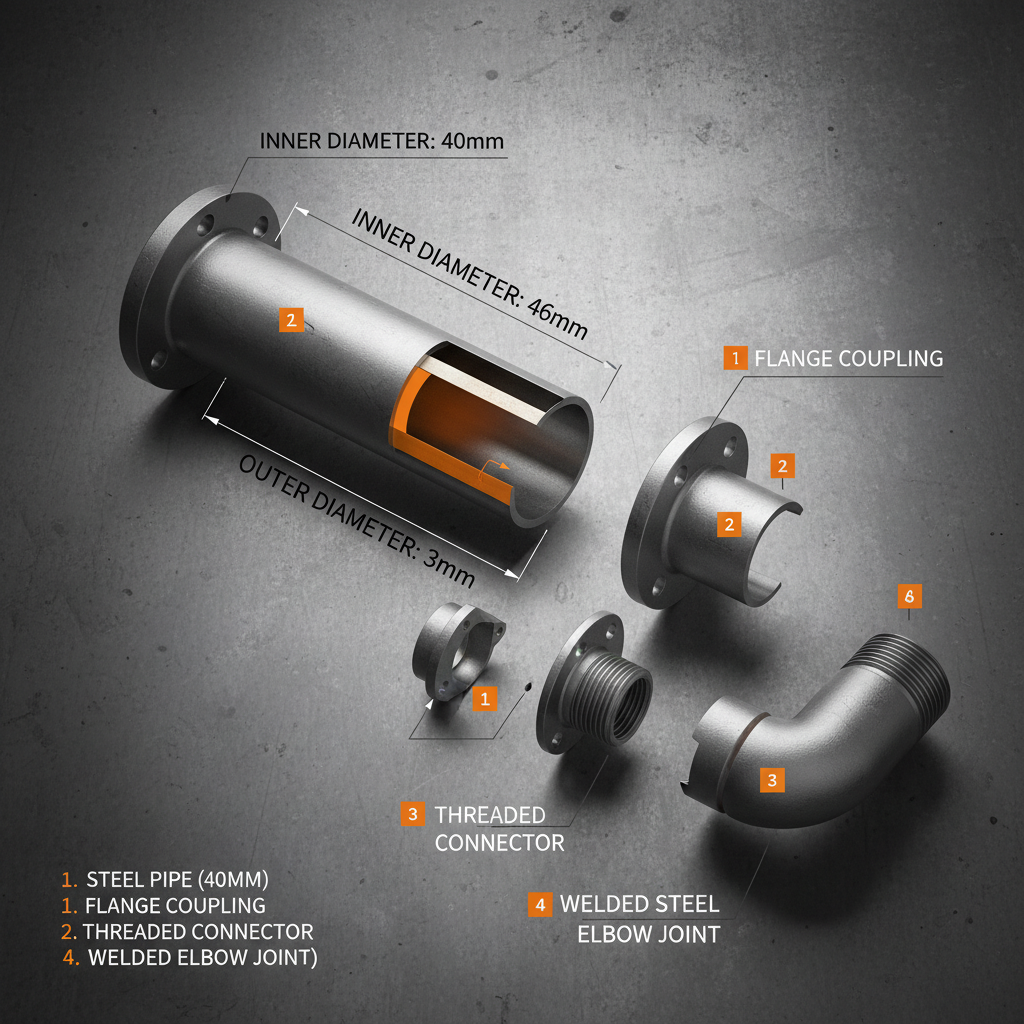
Comprehensive Guide to 40mm Steel Pipe Applications and Considerations
Comprehensive Guide to 40mm Metal Pipe Applications and Sourcing
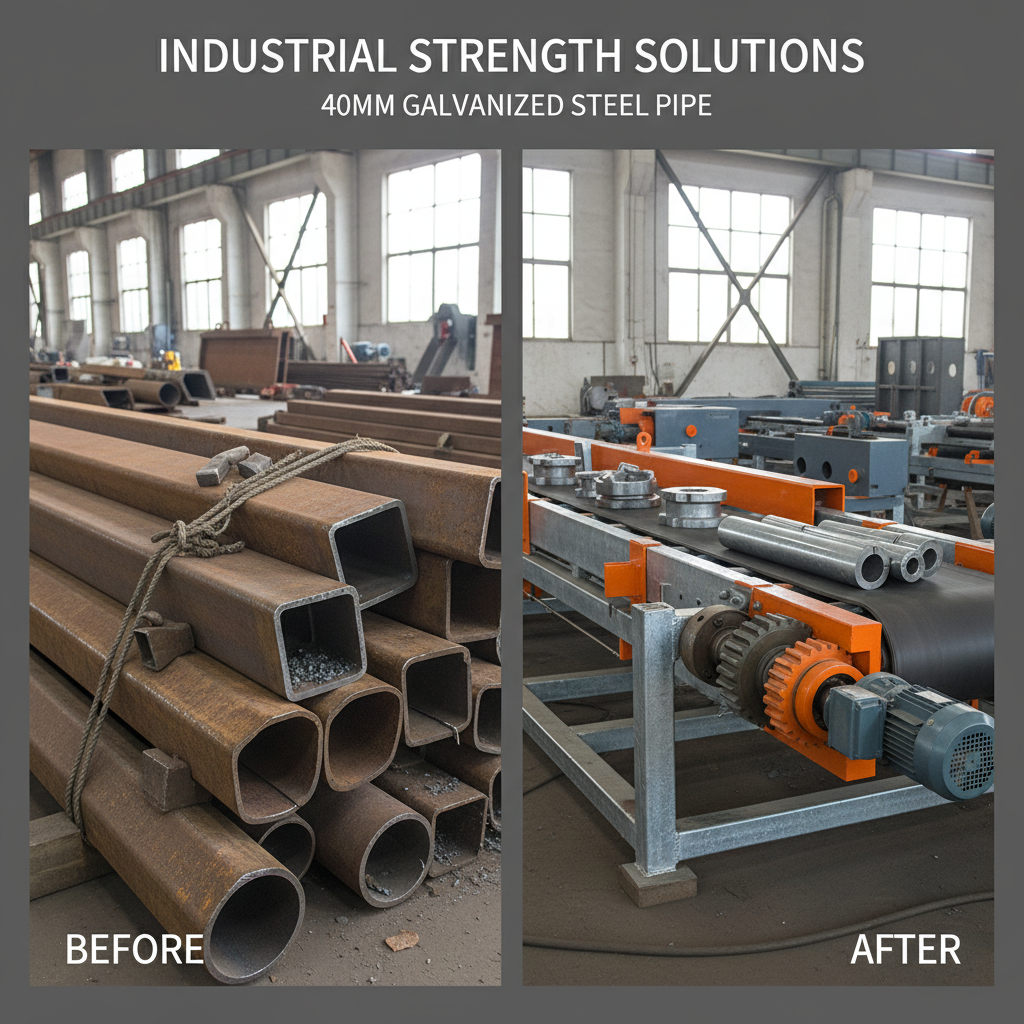
Comprehensive Guide to 40mm Galvanised Pipe Applications and Specifications