Hot rolled pipe might sound like an industrial buzzword floating through steel mills and engineering blueprints, but its significance stretches far beyond factory floors. In a world that's increasingly dependent on sturdy, reliable pipes for everything from water delivery to oil transport, knowing why hot rolled pipes matter globally—and why they keep outperforming alternatives—is crucial. This kind of pipe blends historical manufacturing techniques with modern demands, producing a versatile material that supports industries and communities alike.
Steel pipe manufacturing is a multi-billion-dollar global industry, with hot rolled pipes representing a sizable portion. According to the World Steel Association, the world produced over 1.8 billion metric tons of steel in 2022, a large slice of which goes into pipe production. Hot rolled pipes are especially significant in regions with demanding infrastructure projects—think North America’s energy sector, Europe’s construction booms, or Asia’s sprawling urbanization. Yet, challenges persist: fluctuating raw material costs, the pressure to innovate with sustainability, and the dire consequences of pipeline failure in sensitive areas.
Consider: pipelines carry not just energy but also potable water and essential industrial fluids—breakdowns can ripple out in environmental disasters or supply chain snarls. Hot rolled pipes come into play as a robust, cost-efficient solution, striking a balance industry-wide.
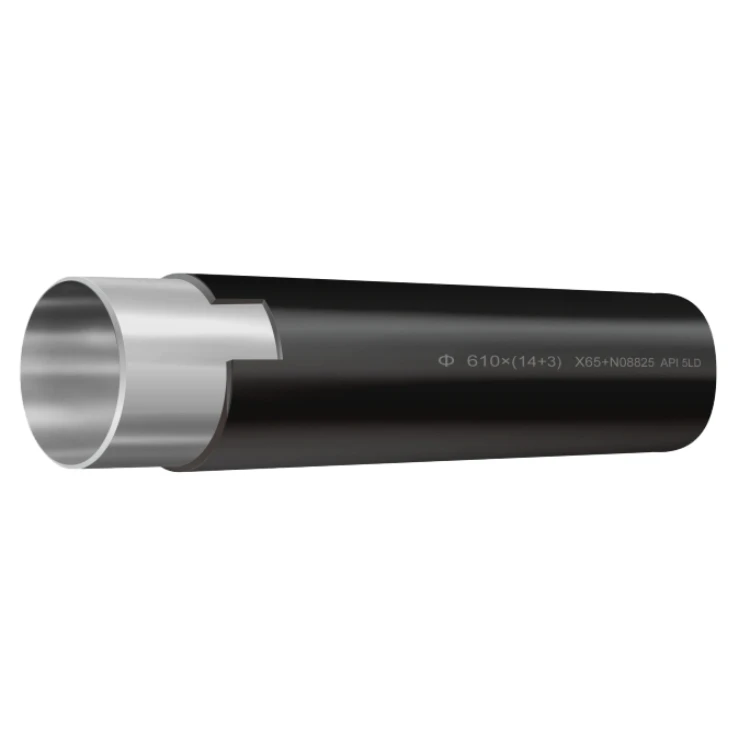
In simple terms, a hot rolled pipe is a steel pipe formed by heating a steel slab until it's pliable, then shaping and rolling it to specific diameters and lengths. This process leaves the pipe with a rougher finish compared to cold rolled pipes but endows it with excellent strength and ductility. Oddly enough, this somewhat “raw” texture actually benefits certain applications, letting coatings and treatment adhere better, improving durability.
Today, these pipes find their way into everything from the backbone of remote oil platforms to urban water distribution networks. The production process aligns closely with humanitarian needs too—areas needing rapid infrastructure rebuilding after disasters benefit from the availability and sturdiness of hot rolled pipe.
Hot rolled pipes are prized for their ability to withstand harsh environmental conditions. They tolerate heat, corrosion (with proper treatment), and mechanical stress better than many alternatives. This durability means they’ll last longer when buried underground or exposed to fluctuating climates.
The manufacturing method is less energy-intensive compared to precision cold rolling, which translates into more affordable pipe solutions. For large-scale infrastructure projects with tight budgets, this balance of quality and cost is a big draw.
Thanks to the hot rolling process, pipes can be produced in a broad range of diameters and thicknesses, accommodating diverse industrial needs—from water supply to gas transmission lines. This flexibility makes hot rolled pipe a go-to for engineers working with tight specifications.
These pipes’ strength and ductility make them less prone to cracking under pressure or impact – a critical factor in complex pipeline systems where safety margins are slim.
Hot rolled pipe production can quickly adjust to market demands. This scalability ensures a steadiness in supply, vital for expanding infrastructure or emergency pipeline repairs.
Mini Takeaway: Hot rolled pipes provide a robust, cost-effective, and adaptable solution, making them essential materials in global infrastructure.
| Specification | Typical Range | Notes |
|---|---|---|
| Diameter | 6 mm – 1524 mm (1/4" – 60") | Varies by manufacturer & application |
| Wall Thickness | 2.0 mm – 25 mm | Depends on pressure rating |
| Material Grade | ASTM A53, A106, API 5L | Standards for chemical and mechanical properties |
| Length | 6m to 12m standard (custom on demand) | Adjustable based on project needs |
Hot rolled pipe is pretty much everywhere you look. For example, in Southeast Asia's rapidly urbanizing areas, they're fundamental in constructing reliable water distribution systems — ensuring millions have clean drinking water every day. Oddly enough, these pipes also turn up in unexpected places like disaster relief projects, where quick deployment of sturdy pipelines can mean the difference between crisis and recovery.
The energy sector remains one of the biggest consumers. In Canada, for instance, oil sands projects rely on hot rolled pipes due to their capacity to handle extreme pressures and temperatures underground. Meanwhile, NGOs operating in remote industrial zones or post-disaster zones often turn to these pipes for temporary but dependable infrastructure.
| Vendor | Product Range | Lead Time | Quality Certifications | Notable Markets |
|---|---|---|---|---|
| SteelWorks Inc. | Diameters 10-1000mm | 4-6 weeks | ISO 9001, API 5L | North America, Europe |
| GlobalPipe Ltd. | Wide range up to 1524mm | 2-4 weeks | ISO 9001, ASTM A106 | Asia, Middle East |
| PrimeSteel Corp. | Specialized custom sizes | 6-8 weeks | API 5L, ISO 14001 | Europe, Africa |
Industry insiders often talk about the push to integrate better coatings and smart pipe technology. Imagine pipes embedded with sensors that can detect leaks or weaknesses before disaster strikes. Similarly, new eco-friendly alloys reduce the carbon footprint of manufacturing hot rolled pipe. Policies encouraging sustainable sourcing and the use of recycled steel are gaining traction in big markets like the EU and China.
Frankly, no product is without its hurdles. Hot rolled pipes sometimes struggle with surface irregularities that can complicate welding. However, advances in post-processing and quality control measures — like ultrasonic testing or automated surface treatments — address these issues effectively. Another challenge is fluctuating raw material prices, but diversified supply chains and bulk purchasing agreements are buffers.
Long-term, hot rolled pipe stands out not just because of its physical properties but because it meets the complex demands of a changing world—cost pressures, sustainability goals, and the sheer need for reliable infrastructure. So, if your project depends on dependable steel piping, paying attention to hot rolled pipe options makes all the difference. For detailed product lines, specifications, and to explore your best supplier fit, visit our website: hot rolled pipe.
It’s a humble yet indispensable material, quietly supporting the systems we rely on daily.
Ultimate Guide to 4130 Tubing Strength Performance and Applications
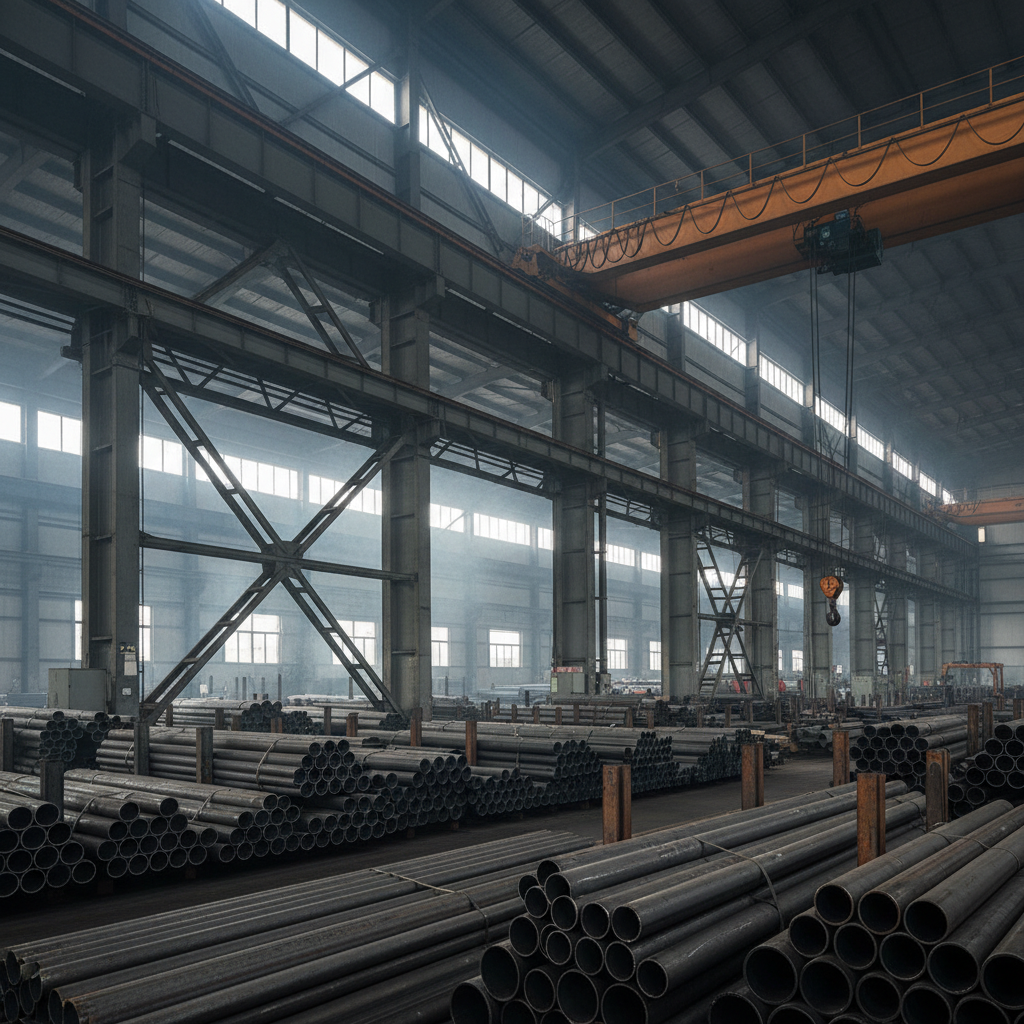
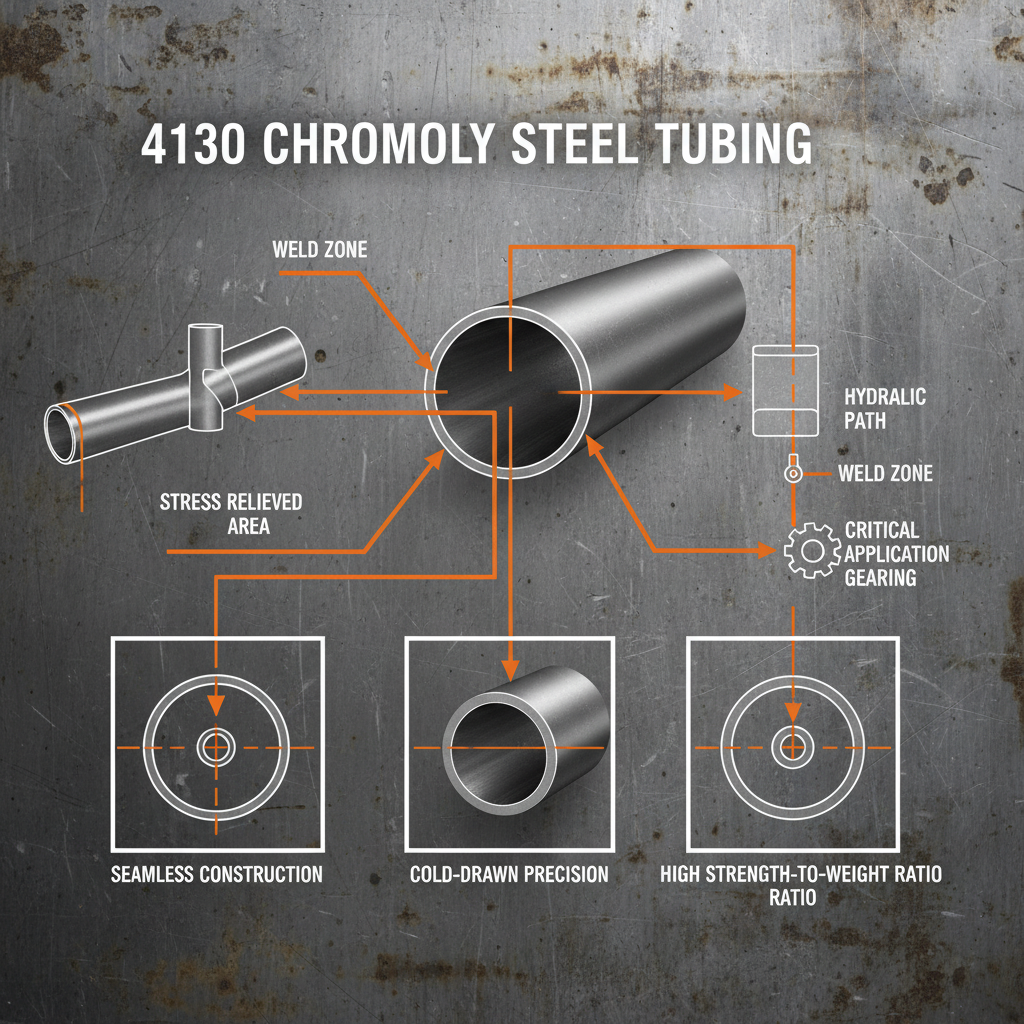
Properties and Industrial Applications of 4130 steel tubing
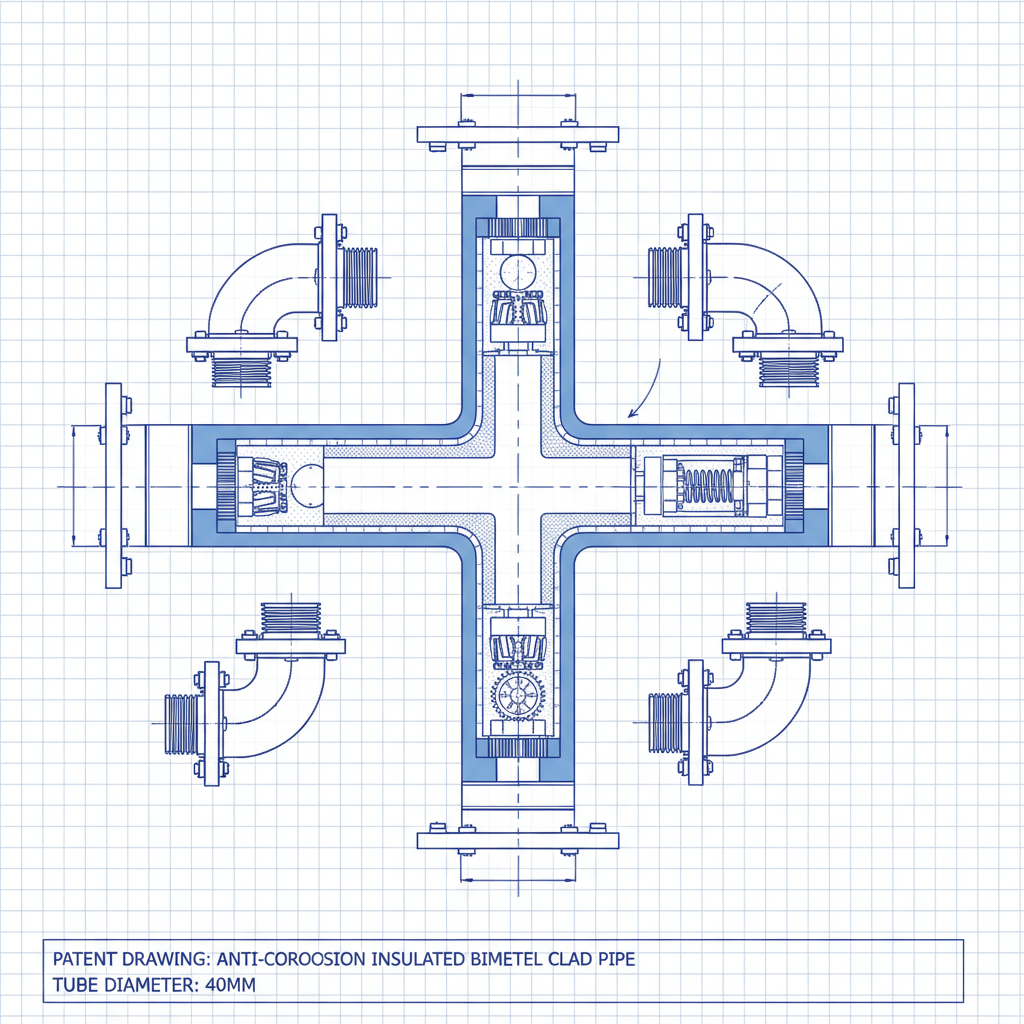
Comprehensive Guide to 40mm Steel Tube Applications and Material Selection
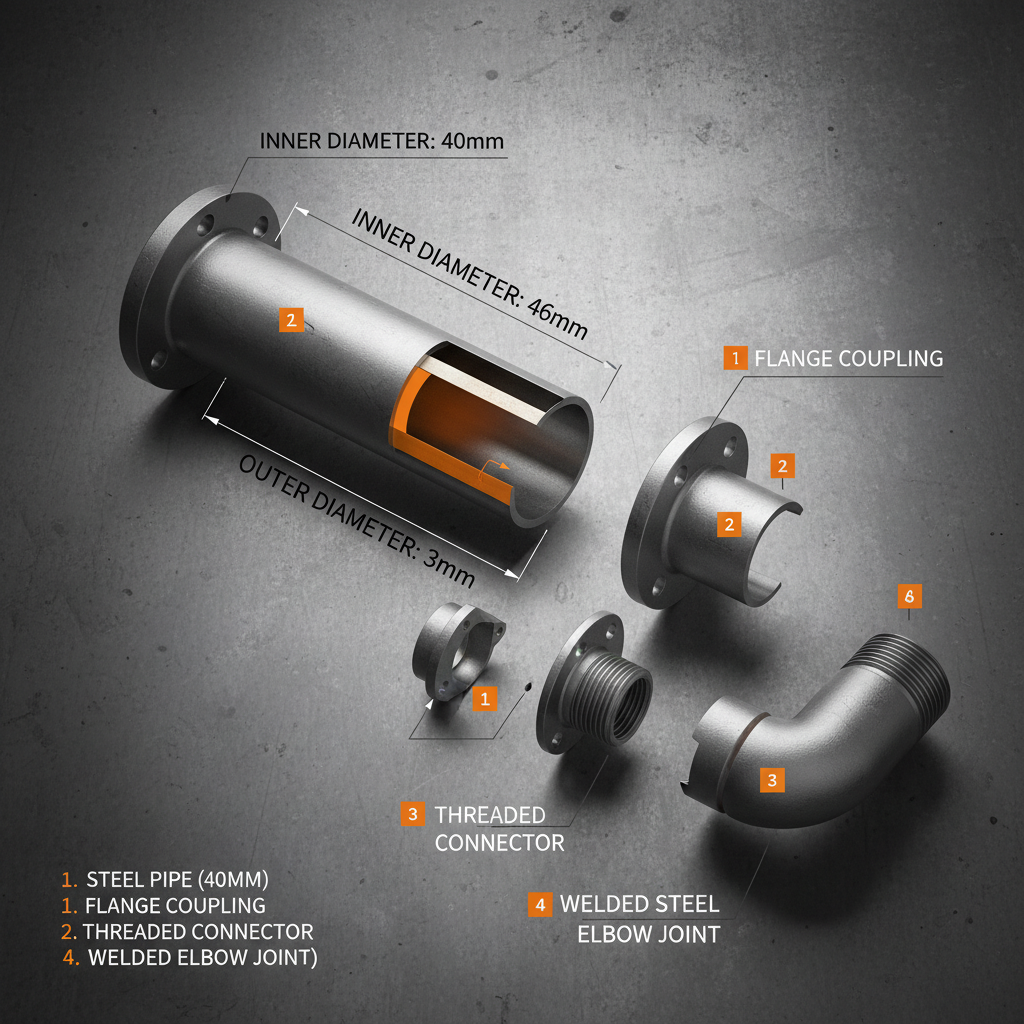
Comprehensive Guide to 40mm Steel Pipe Applications and Considerations
Comprehensive Guide to 40mm Metal Pipe Applications and Sourcing
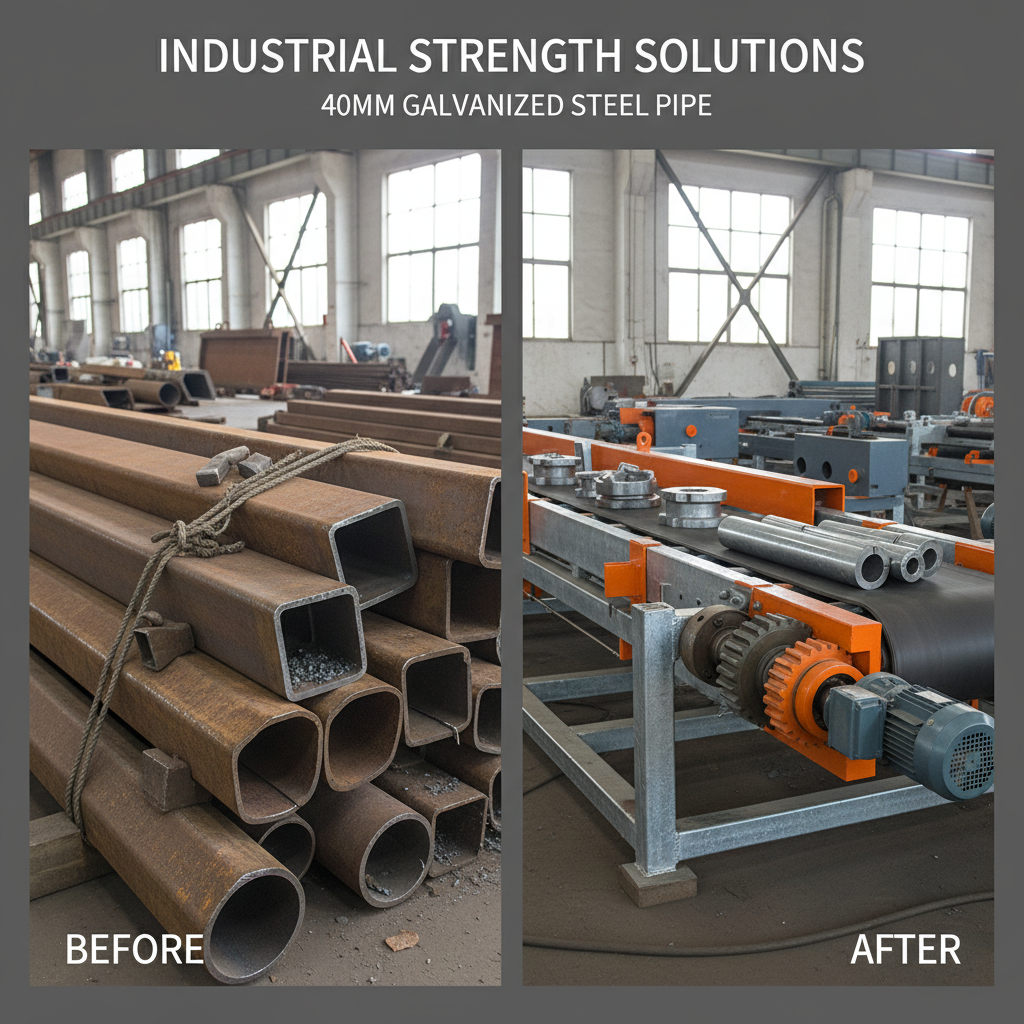
Comprehensive Guide to 40mm Galvanised Pipe Applications and Specifications