Hot dipped galvanized pipe might sound like a bit of an industrial mouthful, but it’s honestly a game changer in industries as varied as construction, water supply, and even humanitarian aid. Around the globe, infrastructure depends on tough, lasting materials that can withstand corrosion and harsh conditions — that's where these pipes come in. Understanding what hot dipped galvanized pipe is and why it matters helps engineers, businesses, and governments make better choices for longevity and sustainability.
Worldwide, the demand for corrosion-resistant piping is constantly growing. According to recent data from the International Organization for Standardization (ISO), infrastructure failures due to rust and corrosion cost billions annually in maintenance and replacement. Pipes, in particular, lose efficiency as corrosion builds up, leading to leaks and contamination problems. Enter the hot dipped galvanized pipe, providing a robust, chemical shield for metal to withstand environmental challenges. This is a big deal globally — in regions prone to heavy rainfall, high humidity, or industrial pollution, such pipes extend service life dramatically.
Frankly, a small change in material choice can protect public health, lower costs, and reduce waste — all in one go.
Simply put: it’s steel or iron pipe coated in a layer of zinc by dipping the pipe in molten zinc, hence “hot dipped.” This zinc layer bonds metallurgically, creating a protective barrier against rust and wear. You can think of it as armor for pipes — defending them from moisture, chemicals, and physical abrasion.
In modern industry, hot dipped galvanized pipes support oil and gas pipelines, water transport systems, firefighting infrastructure, and even temporary shelters requiring reliable utility setups. Humanitarian efforts also lean heavily on these pipes — they’re often used in disaster relief because they can be quickly deployed, last a long time, and resist corrosion even in tricky environments.
The protective zinc coating can last several decades in typical conditions — sometimes 50 years or more if used indoors or away from saltwater. This durability it provides reduces the need for frequent replacements, saving money and natural resources.
While initially pricier than bare steel pipes, hot dipped galvanized pipes demand much less maintenance and fewer repairs over their lifetime. This translates into a lower total cost of ownership, which is obviously attractive to engineers and procurement teams.
The zinc coating doesn’t just sit on the surface — it actively corrodes preferentially, protecting the inner steel from rust. This sacrificial corrosion principle makes the pipe reliable even when the coating is scratched.
A wide range of sizes and thicknesses are available, making these pipes suitable from small-scale plumbing to large industrial projects. They’re also compatible with common galvanized fittings, enhancing their adaptability.
The galvanizing process can be environmentally optimized, and longer service life means less metal waste. Some suppliers embrace eco-friendly zinc sources and recycling programs too.
| Specification | Value/Range |
|---|---|
| Pipe Diameter | 15 mm – 600 mm |
| Wall Thickness | 1.5 mm – 20 mm |
| Zinc Coating Thickness | 45 – 100 microns |
| Standard Compliance | ASTM A123 / ISO 1461 |
| Material | Mild Steel / Carbon Steel |
Oddly enough, regions like South-East Asia and Africa are seeing increased uptake, as a blend of growing infrastructure needs and climate resilience strategies push demand upward.
| Feature | Vendor A | Vendor B | Vendor C |
|---|---|---|---|
| Zinc Coating Quality | Up to 100 microns | Up to 85 microns | Up to 95 microns |
| Delivery Time | 3–5 days | 7–10 days | 5–7 days |
| Standard Compliance | ASTM A123, ISO 1461 | ISO 1461 | ASTM A123 |
| Eco-Friendly Practices | Uses recycled zinc | Limited recycling | Partial recycling |
It’s a classic win-win: logical benefits paired with a kind of quietly reassuring reliability.
Interestingly, research is now focusing on enhancing galvanized pipes with nano-coatings for even better corrosion resistance and integrating smart sensors to detect early leaks. Moreover, with the push for green energy solutions, galvanized pipes are being optimized to fit solar thermal and geothermal projects, which have their own unique durability needs.
Digital transformation is also creeping in — logistics and inventory systems linked to pipe batches help monitor usage and quality in real-time, preventing failures before they happen.
While hot dipped galvanized pipes are fantastic, they’re not perfect. They can suffer from coating damage during transport or installation, leading to localized rust spots. In extremely salty or acidic environments, zinc protection may wear faster. Plus, quality inconsistency among suppliers can pose a risk if unchecked.
Experts recommend rigorous inspection and coating thickness testing pre-installation, along with using protective handling methods. For harsh environments, combining galvanizing with additional protective layers or using stainless steel alternatives where budget permits can mitigate risks. You know, it’s all about smart application.
In real terms, investing in hot dipped galvanized pipes means choosing resilience, efficiency, and safety for infrastructure that matters. As industries and communities worldwide face increasing pressure from environmental challenges and infrastructure demands, this solution offers solid peace of mind. Curious to learn more or ready to upgrade your projects? Visit our website at https://www.lion-pipeline.com and explore our full range of galvanized pipe solutions.
Takeaway: Hot dipped galvanized pipes aren’t just steel pipes with a coating—they’re a frontline defender in the fight against corrosion that billions depend on every day.
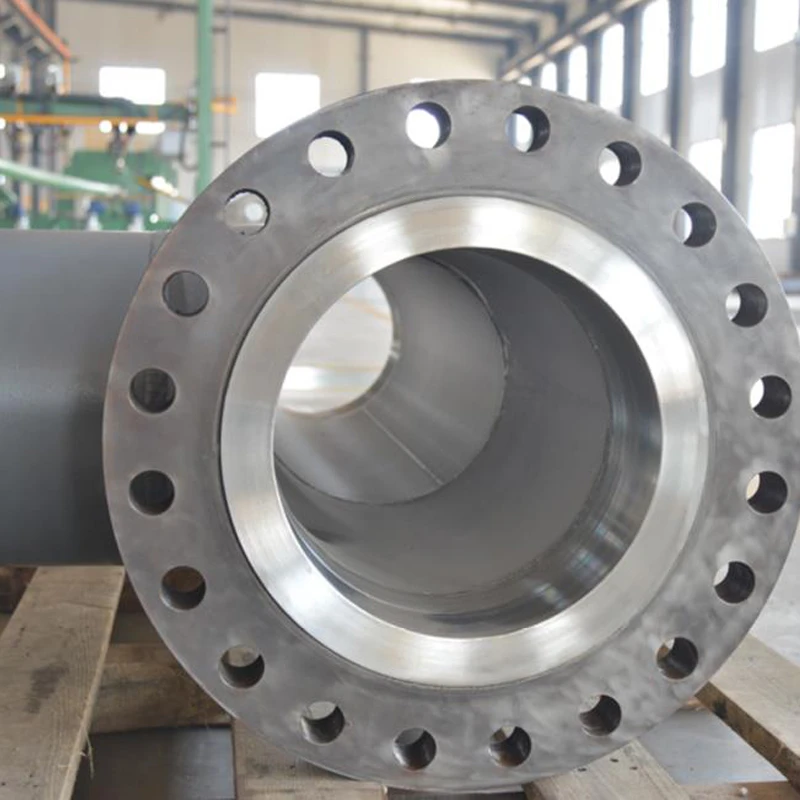
Factory Prefabricated Products


Ultimate Guide to 4130 Tubing Strength Performance and Applications
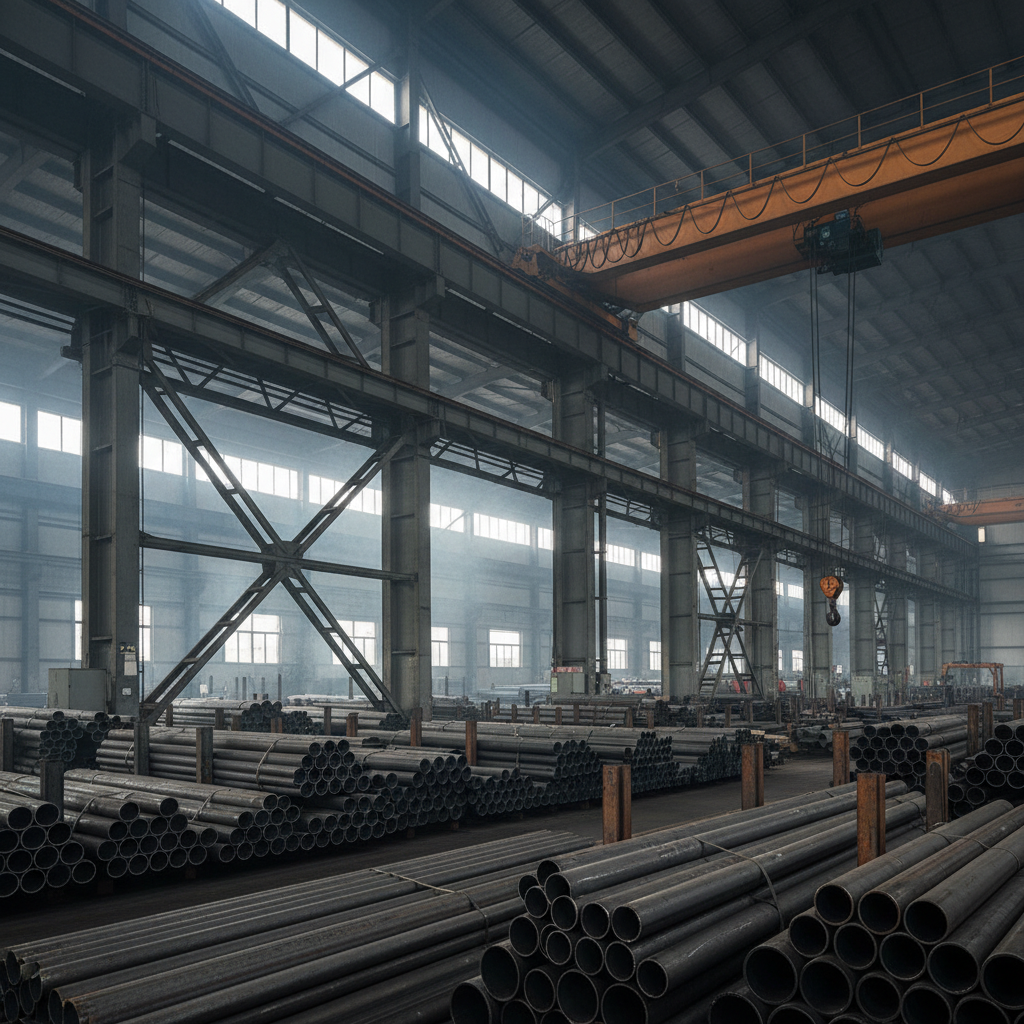
Properties and Industrial Applications of 4130 steel tubing
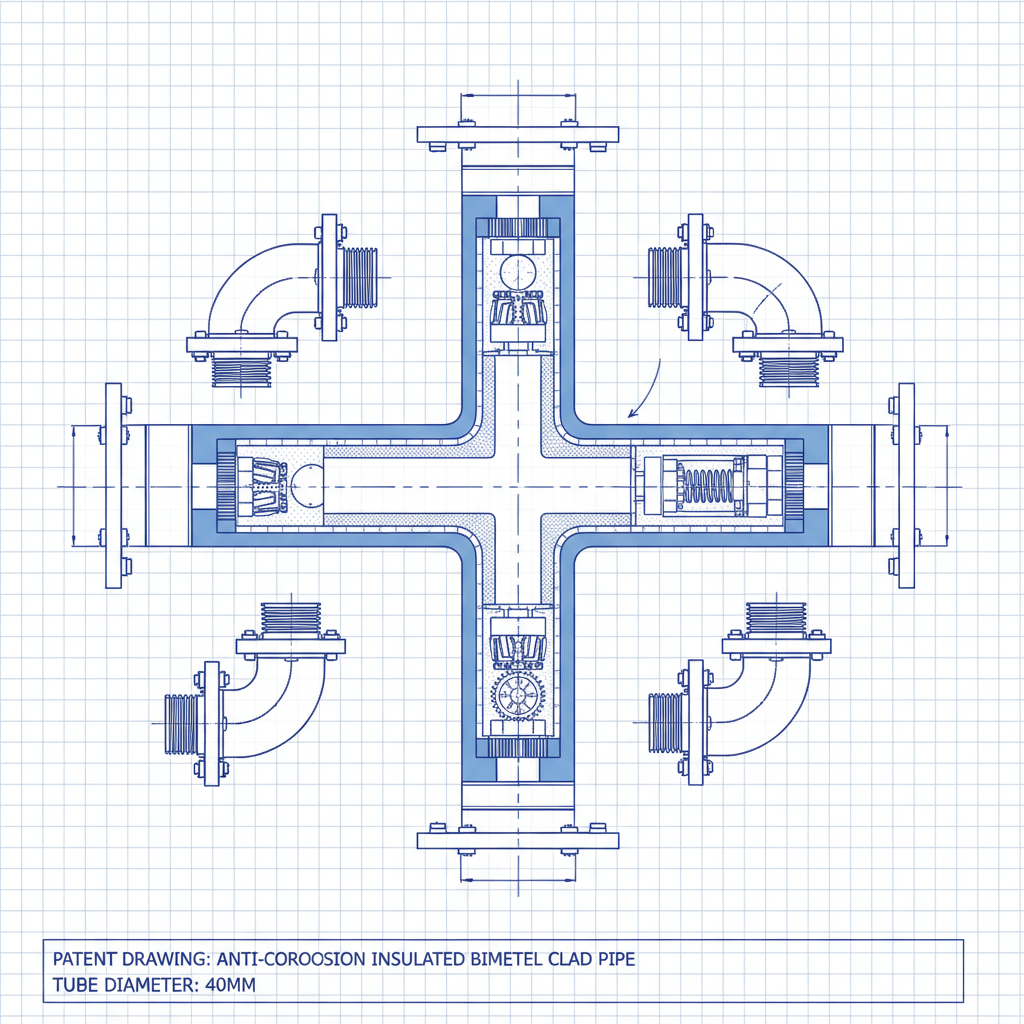
Comprehensive Guide to 40mm Steel Tube Applications and Material Selection
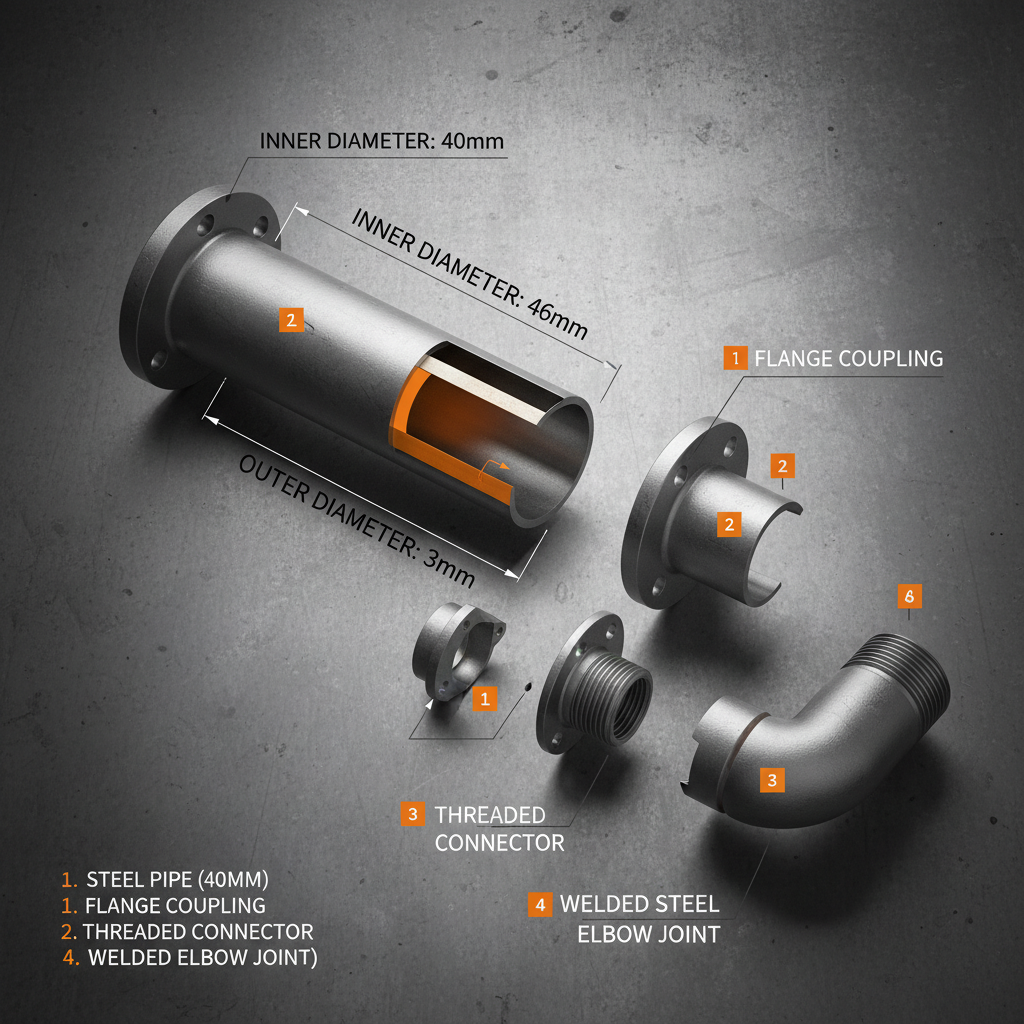
Comprehensive Guide to 40mm Steel Pipe Applications and Considerations
Comprehensive Guide to 40mm Metal Pipe Applications and Sourcing
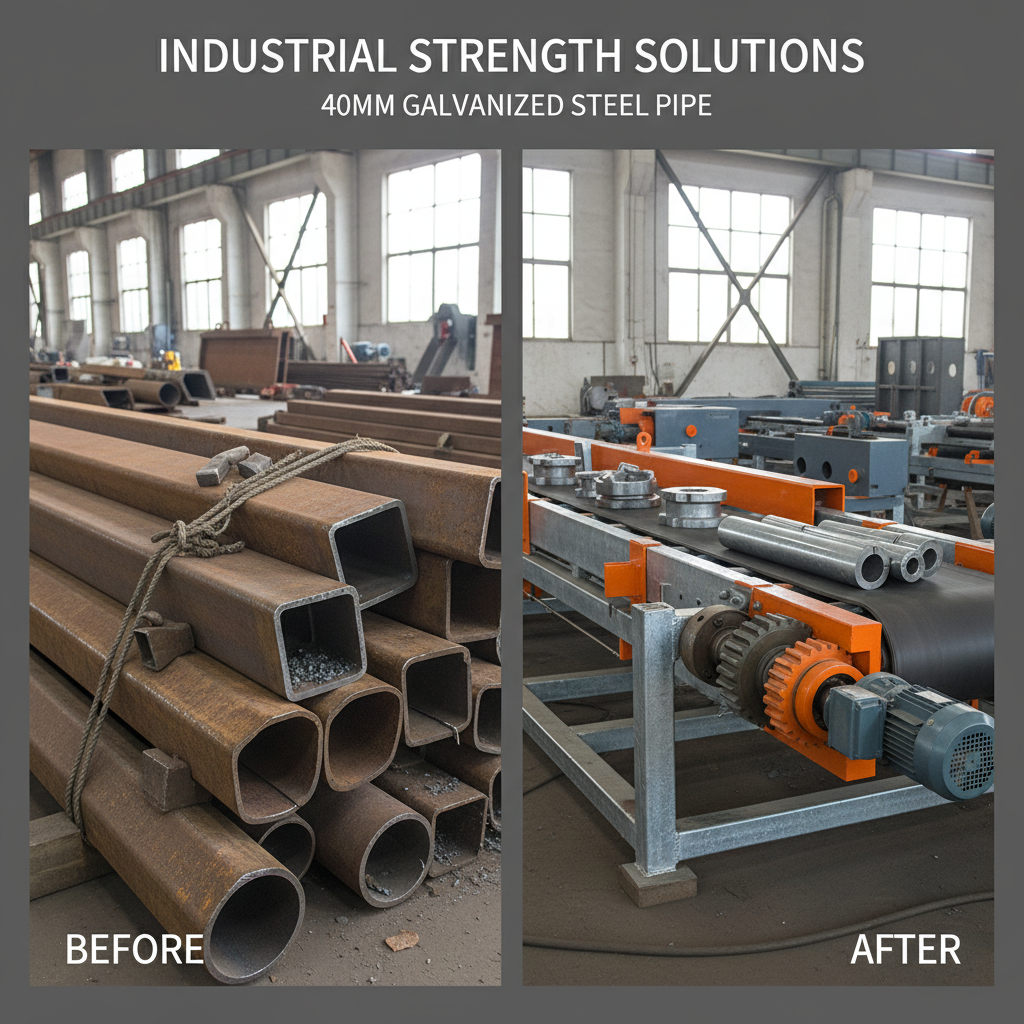
Comprehensive Guide to 40mm Galvanised Pipe Applications and Specifications