If you’ve ever admired a sleek skyscraper, driven over a massive bridge, or even worked inside a warehouse, chances are hollow structural section (HSS) played a silent but vital role. Globally, these steel or aluminum structural members are shaping industries—literally supporting infrastructure, improving safety, and driving innovation. But why do they matter so much? And how do designers and engineers leverage them to solve some of today’s toughest construction challenges? Let’s unpack the meaning, application, and future of hollow structural sections in a way that’s practical and insightful.
The construction industry contributes about 38% of global CO2 emissions (source: UN Environment Programme, 2023). As urban populations soar—expected to hit 68% by 2050 according to the World Bank—there’s an urgent need for building materials that are stronger, more efficient, and less wasteful. Hollow structural sections fit right into this niche, providing lightweight but durable solutions that optimize space and materials.
Yet, builders and architects face challenges: material shortages, rising costs, and regulations pushing sustainability. HSS helps address these problems by ensuring projects remain cost-effective without sacrificing reliability or innovation.
Simply put, a hollow structural section is a hollow steel or aluminum profile with a uniform wall thickness and a closed shape—often square, rectangular, or circular. These sections are widely used in structural frameworks because of their excellent strength-to-weight ratio and resistance to torsion and bending stresses.
Beyond just engineering jargon, they’re essential in industries ranging from construction and transportation to humanitarian and industrial applications. Personally, I find it fascinating how such seemingly ordinary tubes support everything from earthquake-resistant buildings to emergency shelters.
The closed shape resists deformation far better than open sections such as I-beams or channels. This makes hollow structural sections ideal for framing where both compressive and tensile forces are at play.
They come in diverse sizes and thicknesses, enabling engineers to customize structures from small-scale commercial buildings to sprawling bridges, adapting to project-specific needs.
Using hollow sections often reduces the amount of steel needed and simplifies fabrication and welding processes, which can reduce labor and materials costs.
When properly treated, HSS provides great resistance against corrosion and weather-related damage, extending the lifecycle of structures, even in harsh environments.
Architects love hollow sections because their sleek profiles blend easily into modern designs—smooth finishes, no bulky flanges—making buildings look clean and contemporary without compromising strength.
In essence, hollow structural sections are a smart blend of robust engineering and practical design, enabling safer, more sustainable, and visually appealing structures.
Across continents, hollow structural sections tackle different challenges. In Asia’s booming urban centers, they help build high-rises that resist earthquakes. In Europe, they enable lightweight bridge constructions adhering to strict environmental laws. African infrastructure projects often use HSS for modular buildings that can be rapidly deployed in remote areas—particularly impactful in humanitarian crises or post-disaster recovery where speed and durability are critical.
For example, in post-disaster relief operations, temporary shelters made with hollow structural frames can be shipped flat, assembled quickly, and designed for reusability. I’ve also heard of large-scale industrial plants utilizing HSS for their framing needs because it reduces costs without compromising safety.
| Parameter | Range / Standard | Typical Use |
|---|---|---|
| Material | ASTM A500 Grade B/C (Steel) | Structural Frames, Bridges |
| Shape | Square, Rectangular, Circular | Varies by Design Need |
| Wall Thickness | 2 mm to 20 mm | Light to Heavy Duty Applications |
| Surface Treatment | Galvanized, Painted, Powder Coated | Corrosion Resistance |
| Length | Up to 12m (Customizable) | On-site Fabrication or Prefabricated |
Frankly, it feels like hollow structural sections have earned their reputation not just on specs but from decades of real-world reliability.
| Vendor | Material Quality | Customization Options | Delivery Speed | Pricing |
|---|---|---|---|---|
| Alpha Steel Co. | ASTM A500 Grade C | Standard Sizes Only | 3-4 weeks | $$ |
| Beta Pipe Solutions | ASTM A500 Grade B | Custom Shapes & Sizes | 2-3 weeks | $$$ |
| Gamma Industrial | ASTM A500 Grade B/C | Limited Customization | 1-2 weeks | $ |
Sustainability is a game-changer. More manufacturers experiment with recycled steel and eco-friendly coatings. Digitally, BIM (Building Information Modeling) and AI-driven design optimize HSS usage, cutting waste while enhancing structural safety.
Oddly enough, automation in cutting and welding hollow sections is refining precision and speeding up fabrication—helpful in an industry still battling labor shortages worldwide.
Despite many benefits, challenges like corrosion in marine environments or welding complexity remain. Thankfully, innovations in galvanization, powder coatings, and robotic welding techniques are easing these issues.
Plus, recent international standards (such as ISO 9328) provide clearer guidelines ensuring consistent quality and safety, allowing engineers to choose appropriate HSS confidently.
Over the years, hollow structural section’s versatility, strength, and economic benefits have made it a staple in global structural engineering and architecture. For anyone involved in construction or industrial design, understanding HSS opens up many possibilities—from safer buildings to sustainable urban solutions.
If you want to explore the latest in hollow structural section products and solutions, visit our website. Discover how modern materials and technologies can elevate your projects with strength and style.
Just a quick takeaway: hollow structural sections aren’t just another part of the building—they’re the unseen pillars holding tomorrow’s skylines.
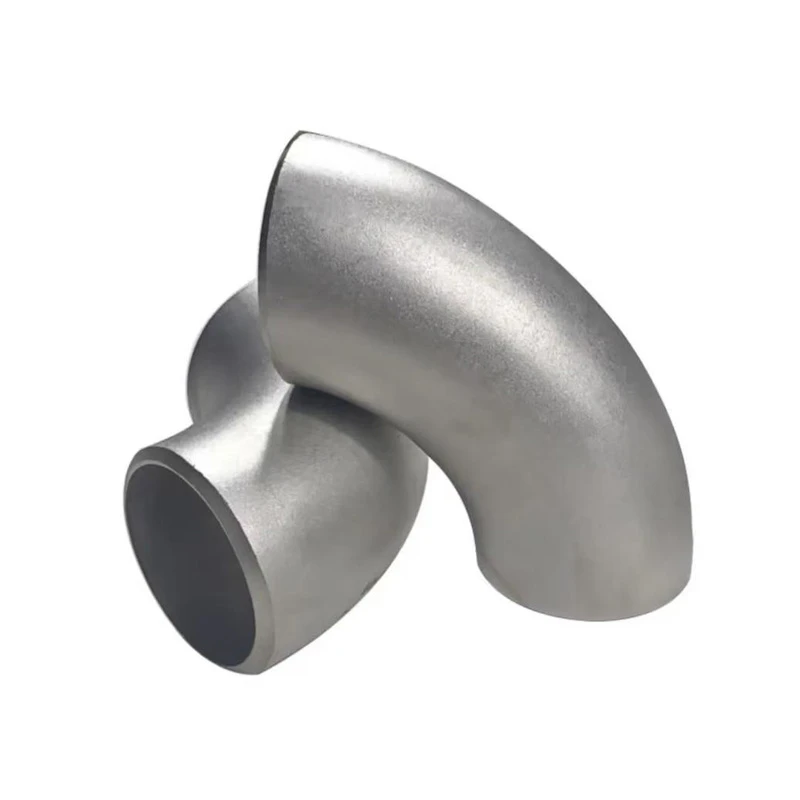
Anti Corrosion And Thermal Insulation Products


Ultimate Guide to 4130 Tubing Strength Performance and Applications
Properties and Industrial Applications of 4130 steel tubing
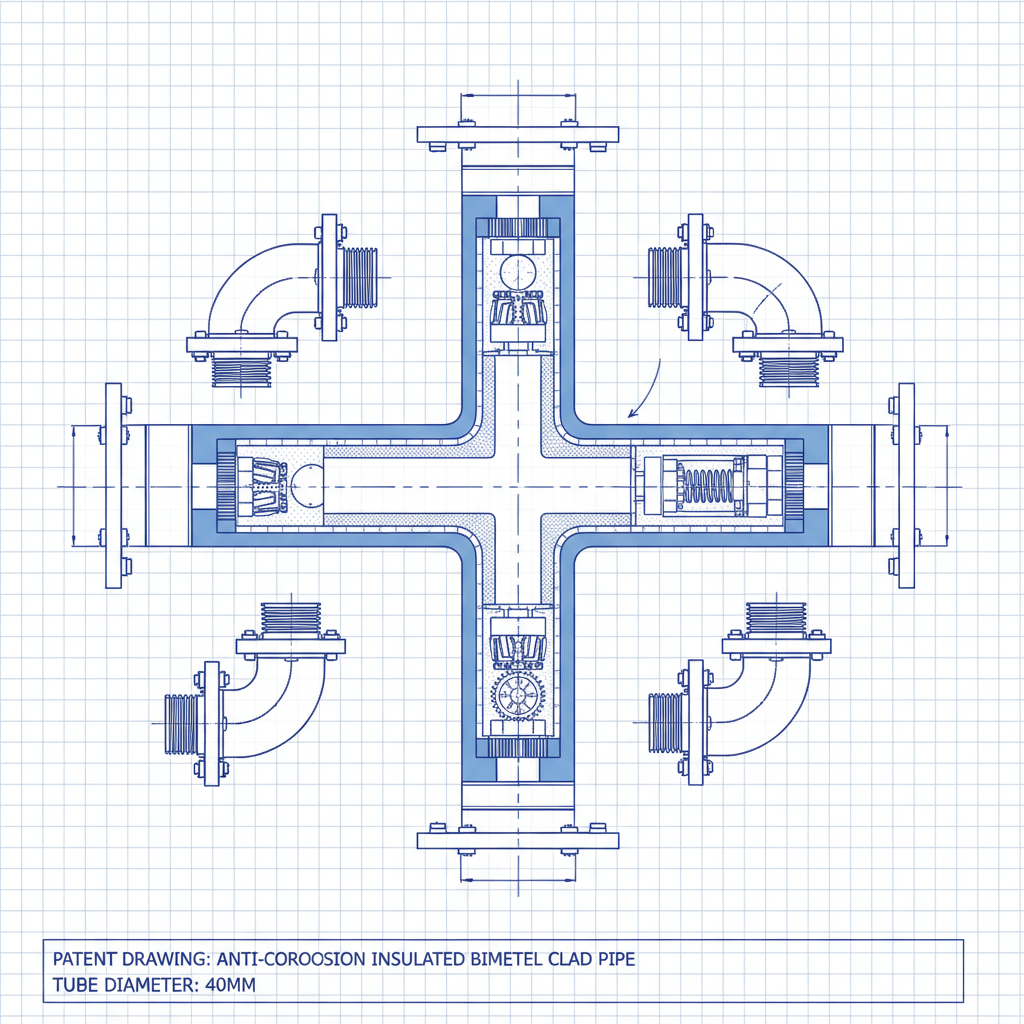
Comprehensive Guide to 40mm Steel Tube Applications and Material Selection
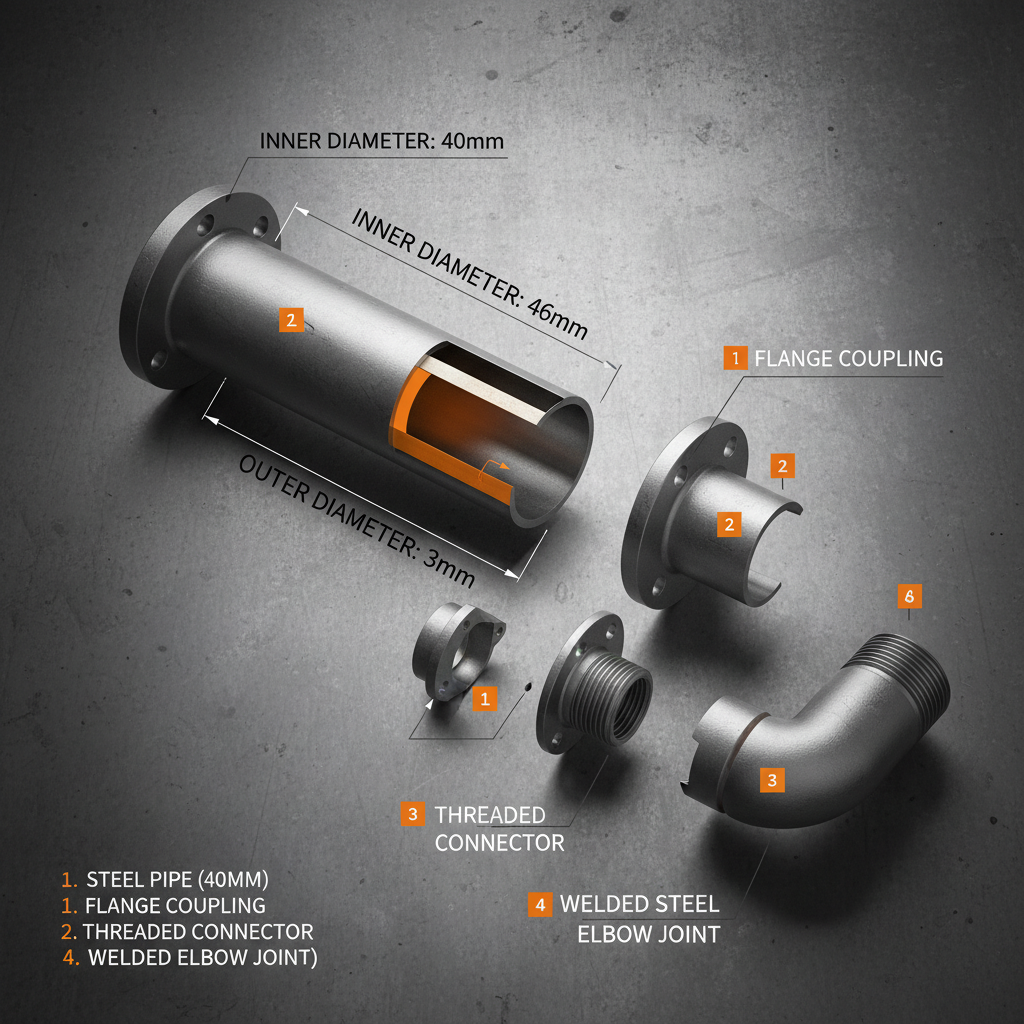
Comprehensive Guide to 40mm Steel Pipe Applications and Considerations
Comprehensive Guide to 40mm Metal Pipe Applications and Sourcing
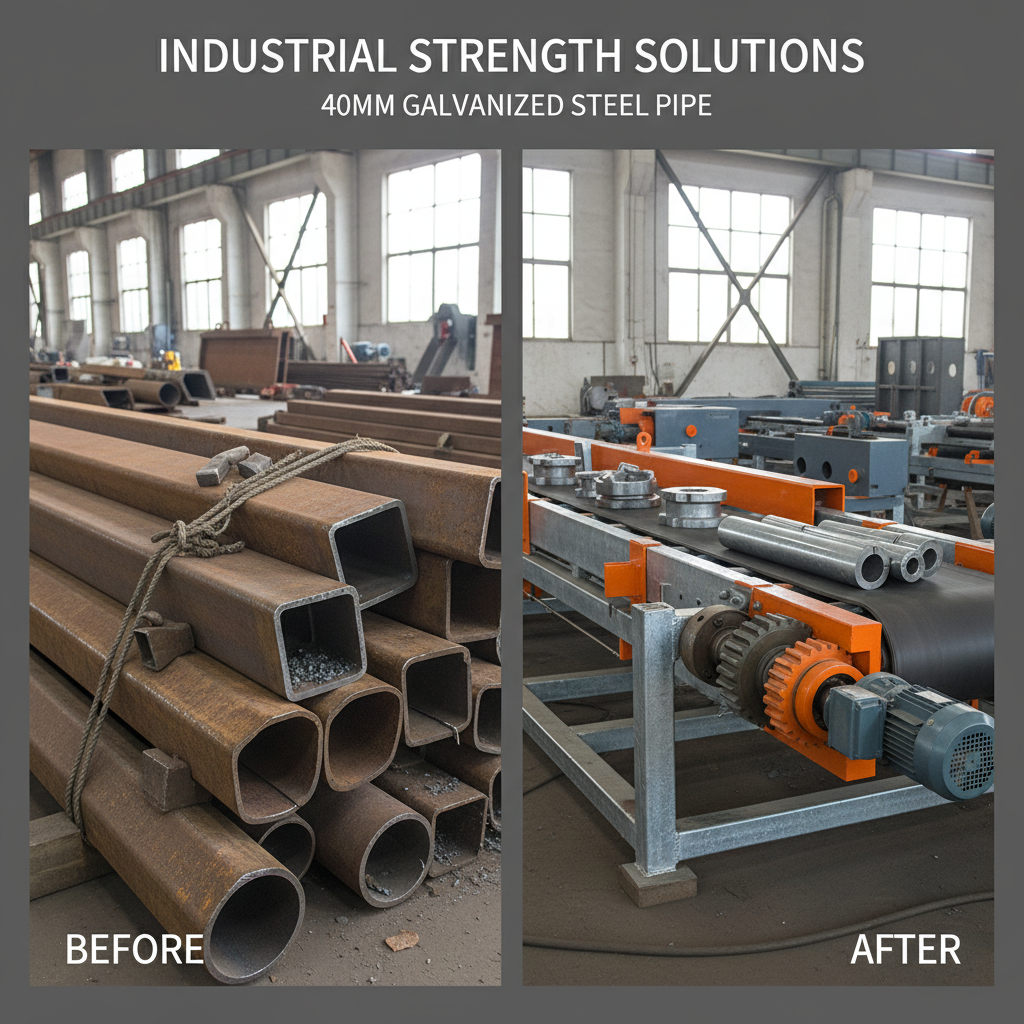
Comprehensive Guide to 40mm Galvanised Pipe Applications and Specifications