When you hear "hollow stainless steel tube," it might sound like another industrial term tucked away in pipe catalogs and specs sheets. But these tubes are quietly doing a lot of heavy lifting around the world today. They’re crucial components in everything from construction and transportation to energy infrastructure and even humanitarian relief. With the global stainless steel market projected to hit nearly 45 million metric tons by 2025, it's clear why understanding hollow stainless steel tubes matters—not just for engineers, but for anyone interested in how making things lasts and performs reliably in tough conditions.
Simply put, hollow stainless steel tubes offer strength without excessive weight. They combine corrosion resistance, durability, and design flexibility, making them go-to materials in industries grappling with environmental challenges while aiming to build safe, lasting infrastructure.
Globally, stainless steel accounts for a significant share of construction and manufacturing materials used in critical infrastructure projects. According to the World Steel Association, stainless steel is prized in applications demanding longevity and hygiene, spanning sectors from automotive to medical devices. Among stainless steel products, hollow tubes stand out for their practicality and utility. For example, in the energy sector—particularly oil and gas pipelines—they help reduce leakage risks while maintaining structural integrity.
Yet challenges persist: as the demand increases, producers face the dual pressures of cost control and meeting environmental regulations. This drives innovation in material technology and manufacturing methods.
Mini takeaway: Hollow stainless steel tubes’ worldwide importance is anchored in their ability to meet diverse industrial demands while tackling sustainability and safety challenges head-on.At the most basic level, a hollow stainless steel tube is a steel cylinder with a hollow center, made primarily from chromium-containing alloys which give it remarkable rust and oxidation resistance. But their utility transcends the definition—they’re not just pipes. They're structural elements that, thanks to their hollow but strong shape, offer high load-bearing capacity with less material weight.
Today, these tubes support everything from skyscrapers to medical equipment frames. In humanitarian contexts, they form the skeleton of modular shelters and fast-deployment infrastructure, crucial in disaster zones where swift, reliable construction saves lives.
Mini takeaway: More than just hollow pipes, these stainless steel tubes are enabling technology for sustainable, durable, and fast-built solutions globally.The stainless nature ensures tubes resist rust in harsh environments, from salty marine air to chemical exposure. This is why hollow stainless steel tubes are preferred in coastal constructions and chemical plants.
Thanks to their hollow design, they provide significant strength relative to their weight. This makes them ideal for transportation infrastructure, where cutting down weight saves energy and cost.
Available in various diameters, wall thicknesses, and grades, they can be tailored for specific load requirements or environmental conditions. This versatility fits everything from intricate architectural designs to rugged industrial uses.
While initial costs can be higher than some alternative materials, the long service life and reduced maintenance requirements often offset this, delivering value in the long term.
Not to overlook, stainless steel is 100% recyclable, supporting circular economy goals and helping industries lessen environmental footprints.
Mini takeaway: These core factors combine to make hollow stainless steel tubes a highly sustainable and cost-effective choice across sectors.| Specification | Description |
|---|---|
| Material Grades | 304, 316, 321, Duplex grades |
| Diameter Range | 6 mm up to 508 mm (custom sizes possible) |
| Wall Thickness | 0.5 mm to 25 mm |
| Surface Finish | Mill, brushed, polished, electro-polished |
| Standards Compliance | ASTM A312, ISO 1127, EN10217 |
Industries worldwide leverage hollow stainless steel tubes in varied ways:
For instance, in Southeast Asia, where typhoons and flooding require resilient infrastructure, the use of hollow stainless steel tubes in modular buildings has increased notably, providing safer housing options quickly after disasters.
Mini takeaway: The tubes’ adaptability meets diverse global needs—from rapid humanitarian responses to high-tech medical environments.One of the most compelling reasons industries stick with hollow stainless steel tubes is their unmatched combination of reliability and life-cycle value. Unlike cheaper substitutes, these tubes significantly reduce maintenance frequency, cutting downtime and repair costs.
There's also a subtle social element; for example, in disaster-stricken zones, durable shelters framework make inhabitants feel safer, restoring some dignity amid hardship. Plus, the tubes’ recyclable nature aligns well with growing environmental regulations worldwide—an emotional and practical win.
Mini takeaway: Investing in hollow stainless steel tubes isn’t just about metal—it’s about trust, innovation, and a sustainable future.| Vendor | Grade Options | Custom Sizes | Lead Time | Quality Certifications |
|---|---|---|---|---|
| Lion Pipeline | 304, 316, Duplex | Yes | 2-4 weeks | ISO 9001, ASTM |
| Global Tubes Inc. | 304, 321 | Limited | 3-5 weeks | ISO 14001 |
| SteelWorks Co. | 316, Stainless Duplex | Yes | 4-6 weeks | ASTM, EN |
Recent years have seen a shift toward greener production methods, with manufacturers reducing emissions and waste during tube fabrication. Digital transformation now allows tighter quality control through machine learning, improving consistency and traceability.
Looking ahead, researchers are exploring advanced alloys combining stainless steel with other metals to boost strength while lowering weight, ideal for aerospace and electric vehicle applications. Plus, smart coatings that provide self-healing corrosion protection hint at a future where tubes might "heal" minor damage on their own.
Mini takeaway: The hollow stainless steel tube industry is evolving fast, aiming for smarter, greener, and more adaptable products.Cost remains a sticking point for some buyers, especially compared to carbon steel alternatives. However, long-term performance typically balances initial outlays. Supply chain disruptions, especially for premium grades like Duplex, can cause delays.
Producers tackle these issues by improving raw material sourcing, optimizing inventory, and offering modular solutions that simplify installation without compromising strength.
In the big picture, hollow stainless steel tubes combine engineering excellence with environmental responsibility—making them invaluable for modern infrastructure, emergency solutions, and evolving industrial needs. They offer a balance of strength, longevity, and sustainability that industries worldwide trust.
For anyone looking to explore or source reliable hollow stainless steel tube solutions, check out https://www.lion-pipeline.com. Discover how these versatile components can help turn your project goals into reality with durability and style.
Oddly enough, while they seem so simple, hollow stainless steel tubes quietly carry the weight of modern progress and resilience in ways we often overlook.
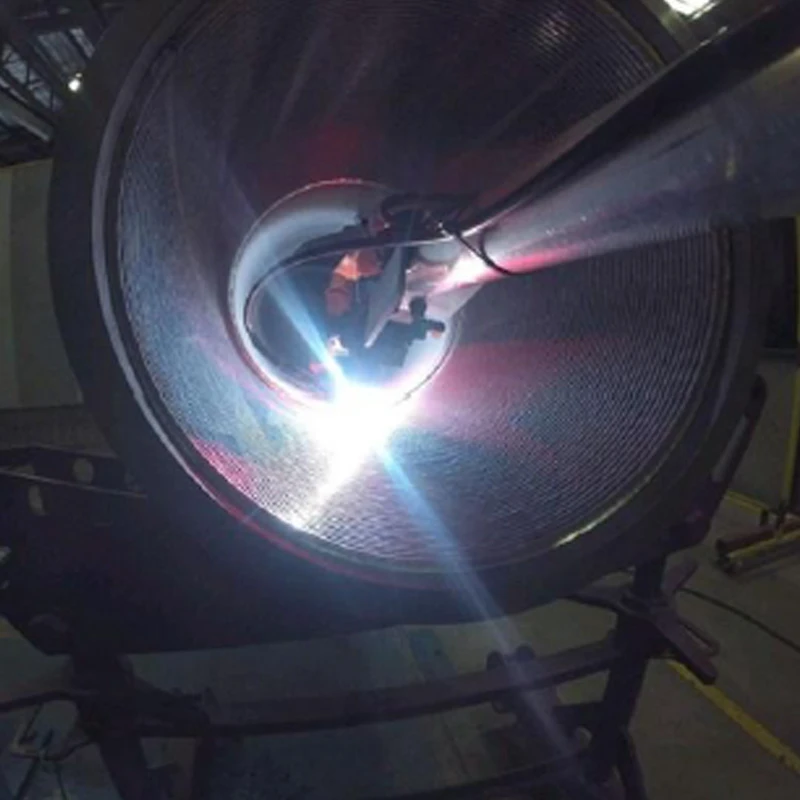
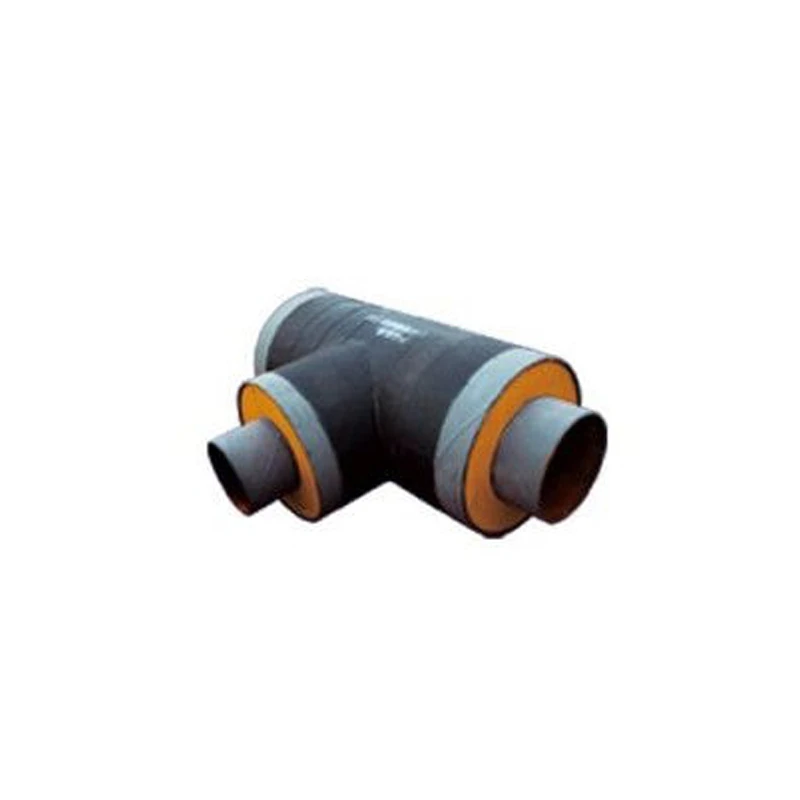
Anti Corrosion And Thermal Insulation Products
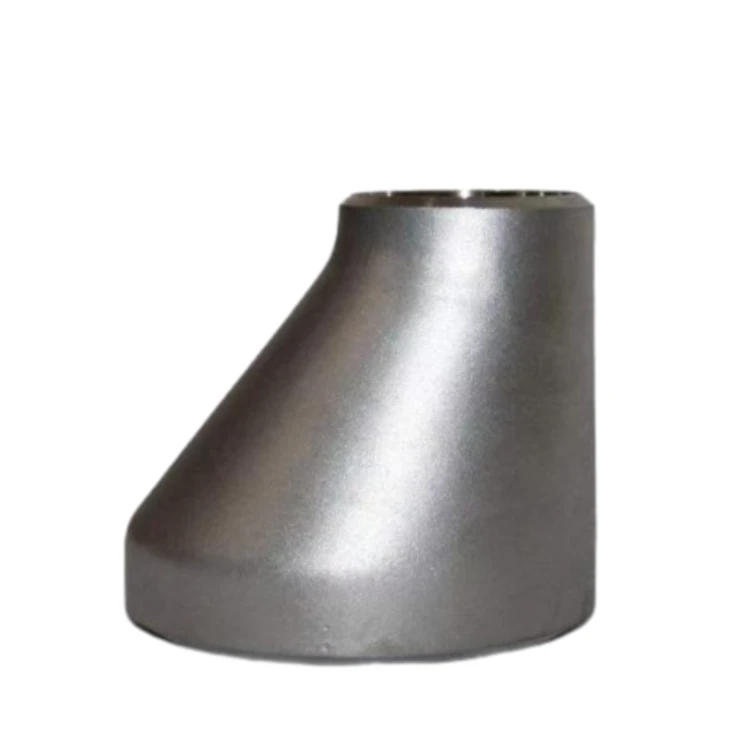
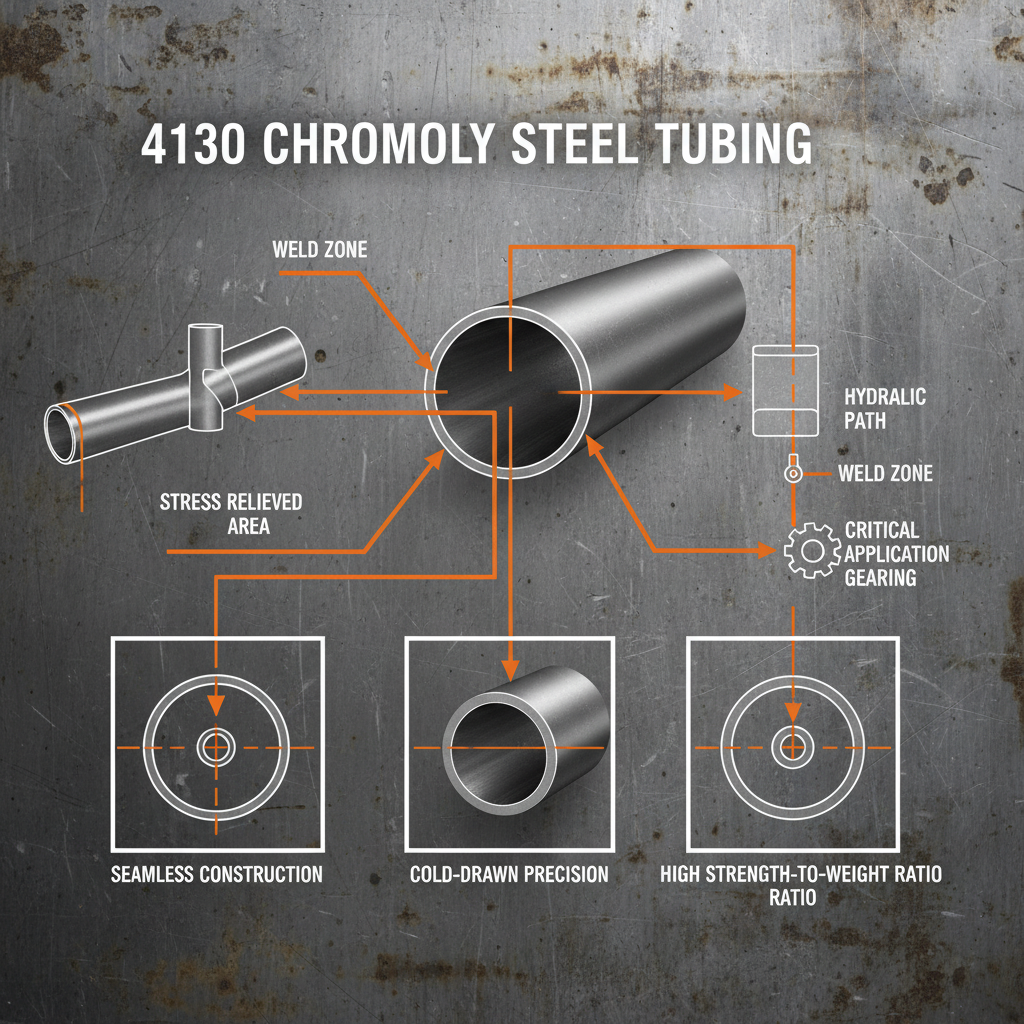
Ultimate Guide to 4130 Tubing Strength Performance and Applications
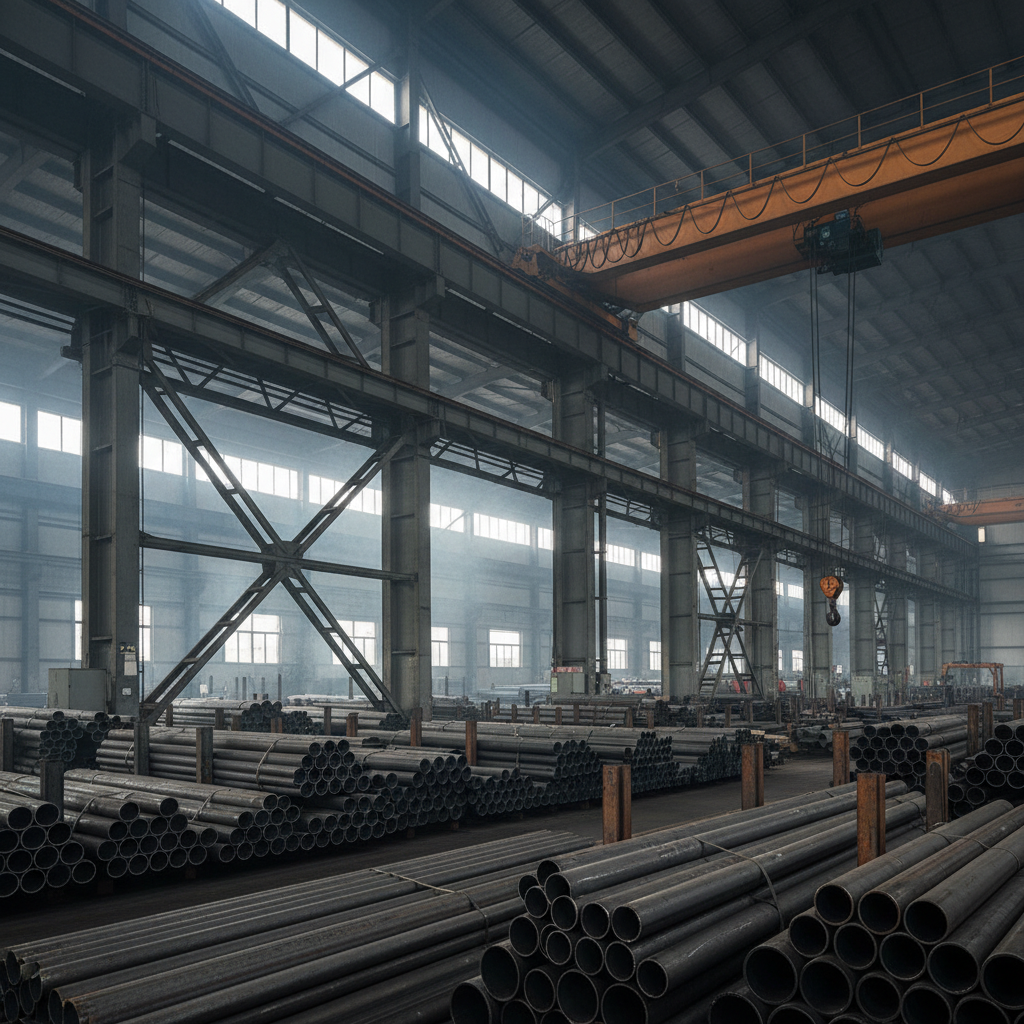
Properties and Industrial Applications of 4130 steel tubing
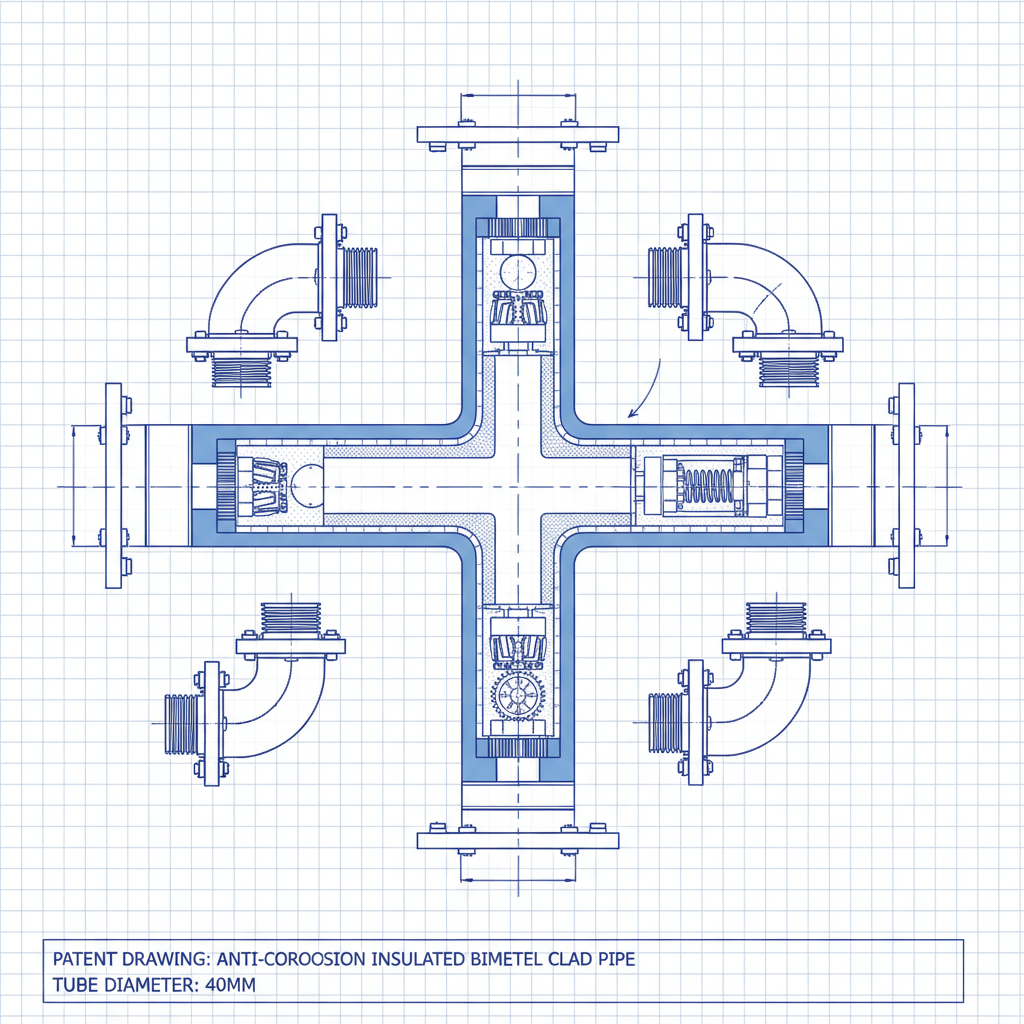
Comprehensive Guide to 40mm Steel Tube Applications and Material Selection
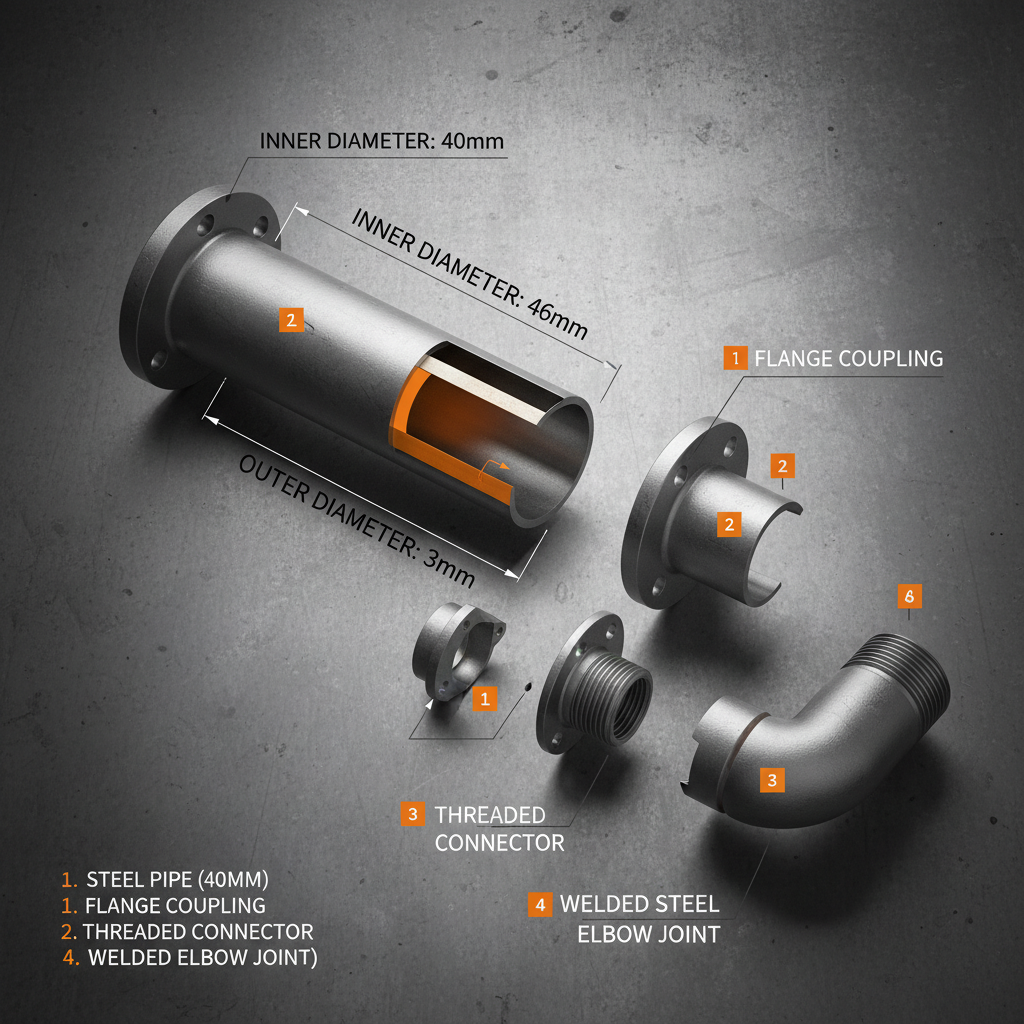
Comprehensive Guide to 40mm Steel Pipe Applications and Considerations
Comprehensive Guide to 40mm Metal Pipe Applications and Sourcing
Comprehensive Guide to 40mm Galvanised Pipe Applications and Specifications