If you’ve ever admired the sleek frame of a modern building or the sturdy skeleton of a bridge, chances are you’ve glimpsed the unsung hero called the hollow square tube. This humble geometric shape is quietly making waves across industries worldwide — from construction to manufacturing — thanks to its unique blend of strength, versatility, and efficiency.
Why does it matter globally? In an era where resource efficiency and sustainable design take center stage, understanding materials like hollow square tubes unlocks smarter engineering and innovation. These profiles truly punch above their weight when it comes to providing structural integrity without the bulk or cost of solid bars. And, as more communities face infrastructure challenges or seek affordable building solutions, the hollow square tube becomes a small but mighty piece of the puzzle.
So, we’re unpacking the what, why, and how of hollow square tubes — in plain English, with a dash of insight, and a nod to real-world impact.
On a global scale, the demand for lightweight yet durable construction materials is soaring. According to the International Organization for Standardization (ISO), tubular steel sections, including hollow square tubes, represent a significant portion of structural steel consumed worldwide. Their prevalence extends from massive urban developments in Asia to rural infrastructure projects in Africa. For example, the World Bank reports that infrastructure investment in developing economies has doubled over the last decade, pushing for more cost-effective materials that don’t compromise safety.
The challenge is universal: how to build resilient, scalable infrastructure with limited resources and increasing environmental concerns. Hollow square tubes address this by offering an optimized profile that balances strength and material use. This means fewer metals, less weight, easier handling—plus, the option for quick, modular assemblies in far-flung or disaster-hit regions.
Mini takeaway: The hollow square tube isn't just a shape — it’s a response to global infrastructure’s push for smarter, greener, and scalable building.
Put simply, a hollow square tube is a metal profile that’s square in cross-section with a hollow center. Think of it like a rigid, hollow straw, but made from steel, aluminum, or sometimes stainless steel. These tubes come in various sizes, thicknesses, and finishes to suit different needs.
But the definition goes deeper: these tubes are fundamental to modern fabrication, lending themselves to everything from framing, support systems, to transport equipment, and architectural accents. Their hollow nature means they are lighter than solid billets of the same external dimensions, reducing shipping costs, easing installation, and often improving performance in engineered systems.
Interestingly, the hollow square tube also finds a life beyond traditional industry: in humanitarian efforts, modular shelters use such tubing for frameworks that are strong yet easily portable — not something you'd guess at first glance.
One big reason engineers love hollow square tubes? Their exceptional strength-to-weight ratio. The closed square shape resists twisting and bending more than open profiles like angles or channels. This makes them ideal for applications where lasting performance is critical — think bridges that need to hold up traffic for decades or industrial racks that bear heavy loads day in, day out.
Because hollow square tubes use less material than solid bars while maintaining comparable strength, they provide a cost-effective solution. Their lighter weight also means lower transportation and labor expenses. It’s kind of a win-win where engineers and procurement teams get to shake hands.
Hollow square tubes lend themselves well to modular construction — a hot trend in faster building and rapid deployment setups. They can be cut, welded, and assembled in repeating patterns that speed project timelines. This modular vibe is why some NGOs prefer these tubes when sending quick-build shelters overseas.
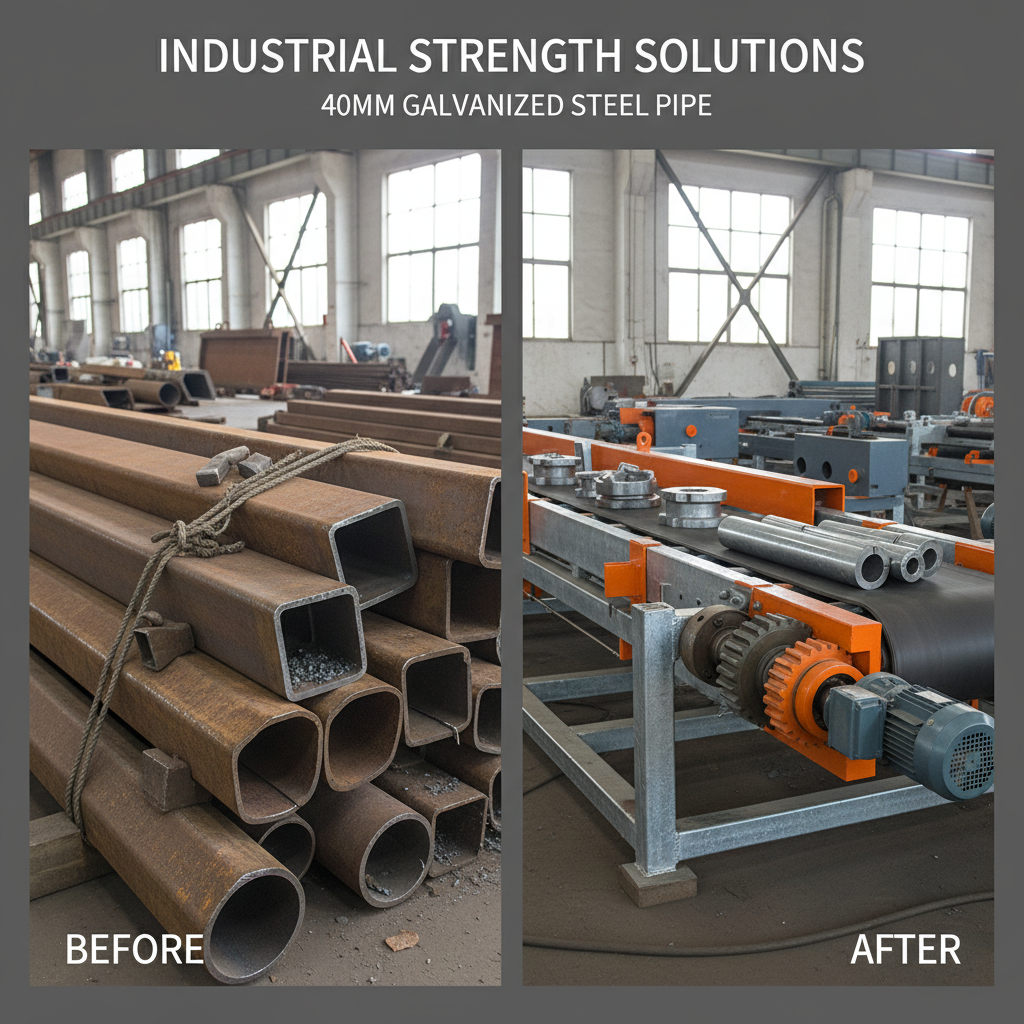
Depending on the material and coating, hollow square tubes can resist rust, UV exposure, and chemical wear. For example, galvanized steel tubes or aluminum variants extend the component lifespan in harsh environments — from coastal wind farms to chemical plants.
The clean, symmetrical shape makes the tube a designer’s favorite, able to blend utility with aesthetic appeal. Architects often use these tubes exposed in building facades or interiors for that modern, industrial look that’s popular these days.
Mini takeaway: Strength, economy, adaptability, and durability come together in hollow square tubes to answer real-world building needs.
Regions like Southeast Asia and Sub-Saharan Africa increasingly lean on these tubes as they balance budget, logistics, and longevity for critical projects.
| Parameter | Specification | Units |
|---|---|---|
| Material | Galvanized Steel / Aluminum | - |
| Dimension (Width x Height) | 25 - 150 | mm |
| Wall Thickness | 1.5 - 6 | mm |
| Length | 6 - 12 | meters |
| Yield Strength | 250 - 350 | MPa |
| Surface Finish | Galvanized / Powder Coated | - |
| Supplier | Material Options | Customization | Lead Time | Pricing (per meter) |
|---|---|---|---|---|
| SteelPro Tubes | Steel, Galvanized | Cut-to-Length, Drilled | 1-2 weeks | $5 - $8 |
| AluForm Industries | Aluminum, Anodized | Custom Shapes, Finishes | 2-3 weeks | $10 - $15 |
| Global Steelworks | Steel, Stainless | Bulk Orders, Heat-Treating | 3-4 weeks | $7 - $12 |
Beyond the specs, the true value of hollow square tubes unfolds over a project’s lifetime. They deliver:
Innovations are stirring in materials science and manufacturing that will no doubt transform hollow square tubes. For instance:
Despite their advantages, hollow square tubes aren’t magic. Common challenges include:
Experts suggest integrating modular joint systems, improved coatings, and logistics planning to overcome these. Some companies now offer pre-fabricated kits utilizing hollow square tube components, drastically cutting onsite headaches.
A: Hollow square tubes tend to resist bending and torsion better than round tubes in some applications, thanks to their shape, making them preferred for frameworks requiring angular joints and load-bearing flat sides.
A: Generally, yes. Their efficient material usage means less raw metal consumption. Plus, many tubes use recyclable steel or aluminum, and protective coatings minimize waste through longer lifespan.
A: Absolutely. Vendors usually offer custom lengths, wall thicknesses, and finishes, plus machining perks like holes or brackets. This flexibility makes them handy for everything from DIY projects to industrial-scale builds.
A: Regular inspection for rust or damage is key. Applying appropriate coatings or repainting as needed preserves integrity. In harsh climates, opting for galvanized or stainless options reduces upkeep.
A: Look for suppliers with certifications, transparent specs, and good reviews. Our comparative table highlights a few trusted vendors offering a range of options with lead times suitable for most schedules.
The humble hollow square tube threads quietly through the fabric of modern industry, infrastructure, and humanitarian efforts alike. It’s a story of using geometry and material science to do more with less — a principle that feels ever more urgent in today’s world.
If you’re considering sustainable, reliable building materials or want to explore modular construction, the hollow square tube could be the missing link. For a closer look and product options, visit: hollow square tube.
That's your quick dive into something deceptively simple yet immensely practical. Who knew a square tube could hold so much promise?
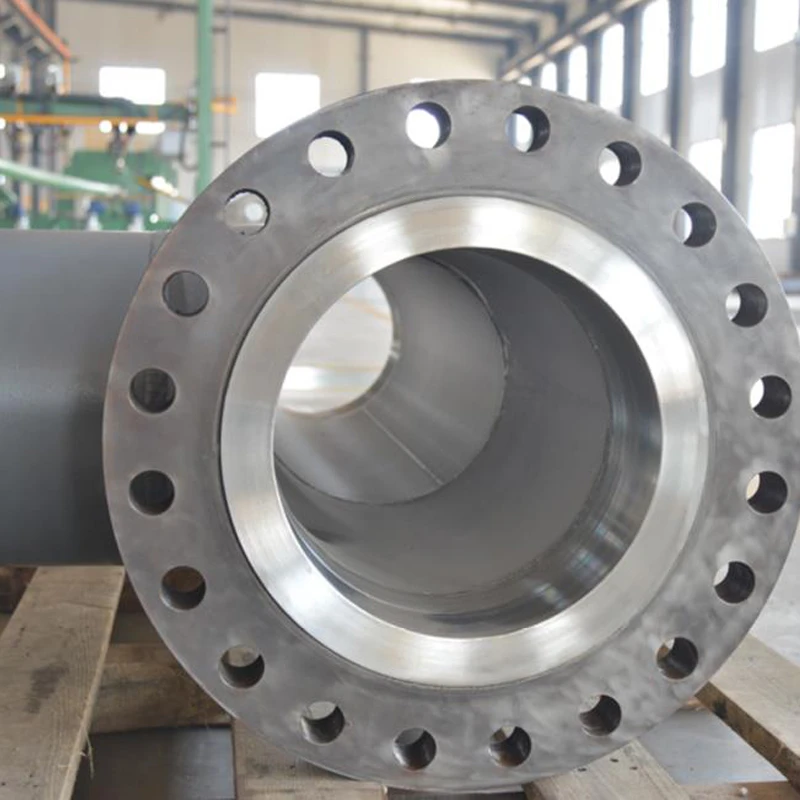
Factory Prefabricated Products
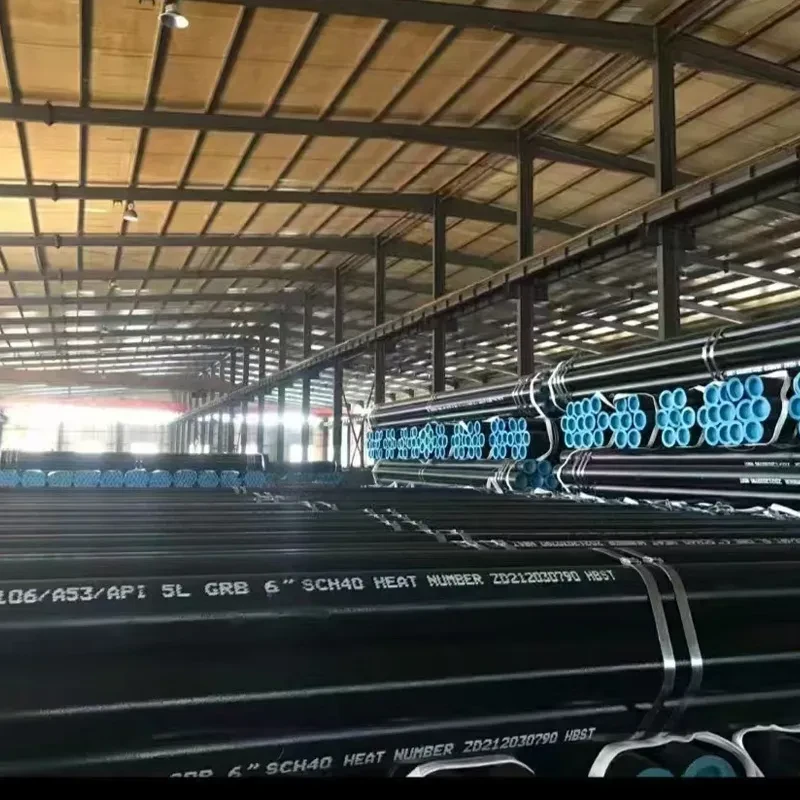
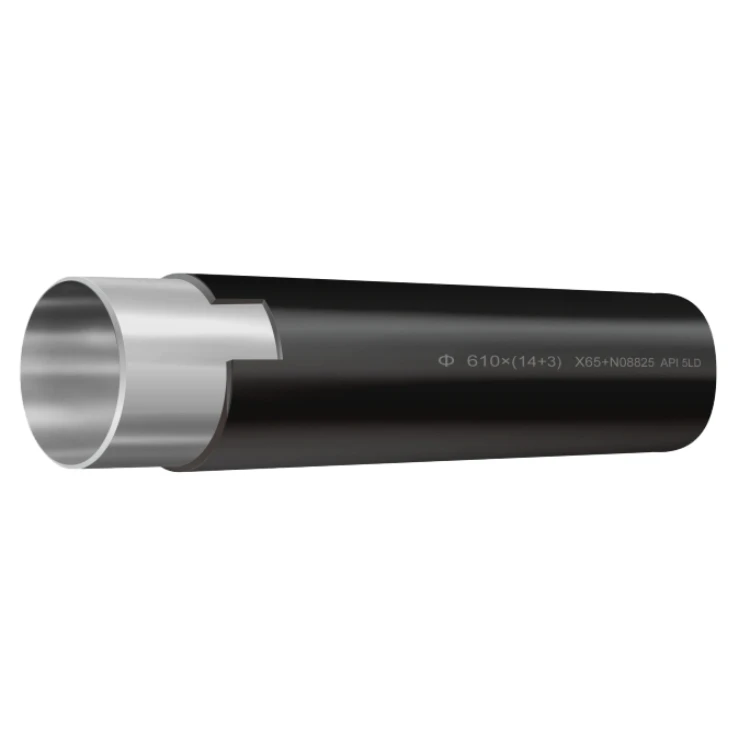
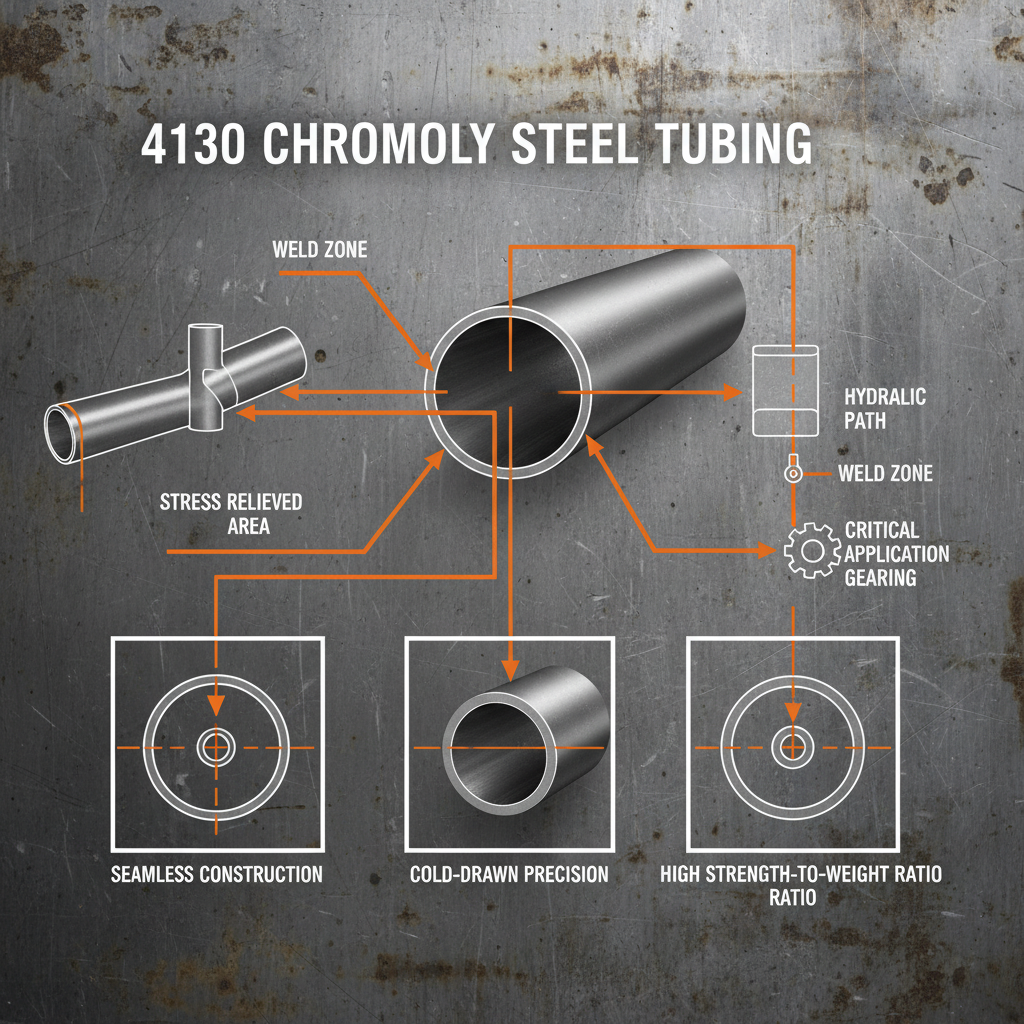
Ultimate Guide to 4130 Tubing Strength Performance and Applications
Properties and Industrial Applications of 4130 steel tubing
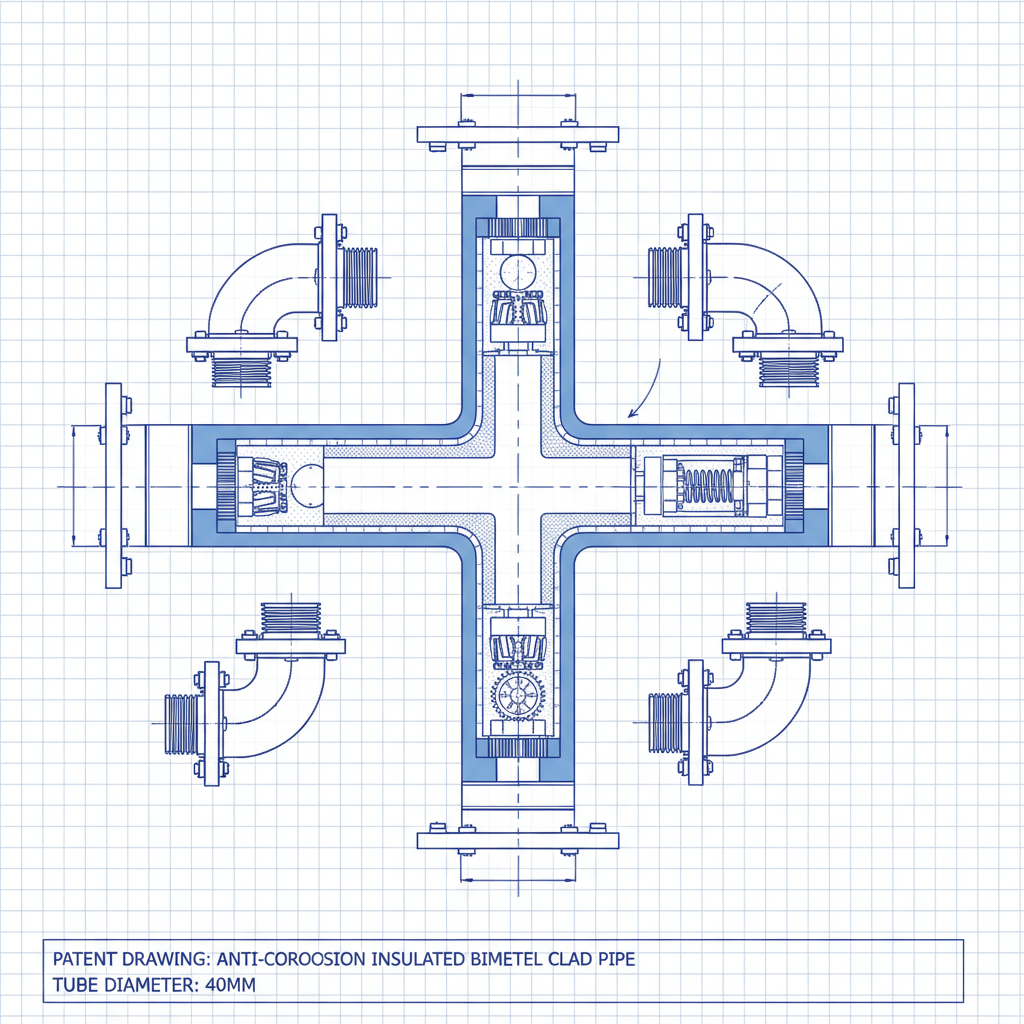
Comprehensive Guide to 40mm Steel Tube Applications and Material Selection
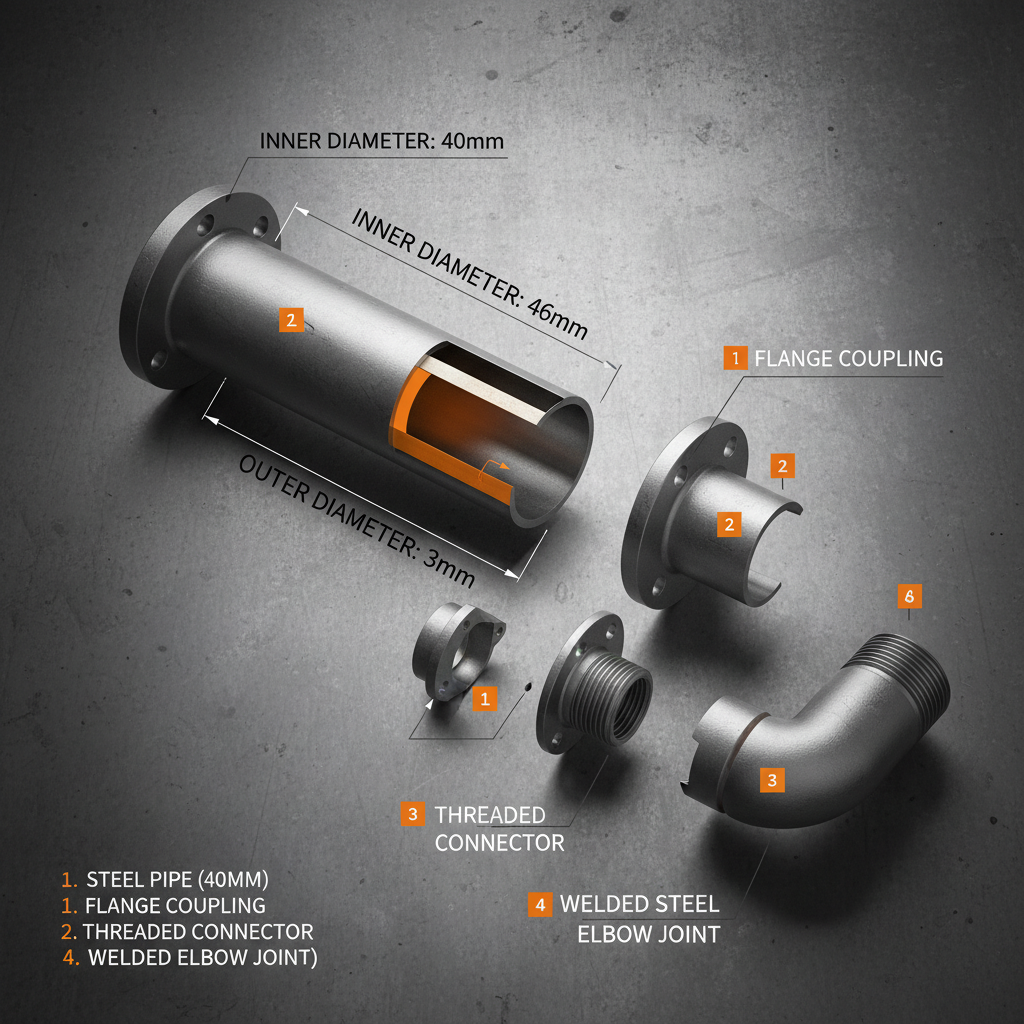
Comprehensive Guide to 40mm Steel Pipe Applications and Considerations
Comprehensive Guide to 40mm Metal Pipe Applications and Sourcing
Comprehensive Guide to 40mm Galvanised Pipe Applications and Specifications