When we talk about construction, mechanical frameworks, or industrial scaffolding, hollow square pipe often plays an unsung yet vital role. It’s one of those materials that quietly holds up skyscrapers, bridges, and countless machine supports worldwide — but why does it matter so much? Globally, due to rising infrastructure needs and the push for more sustainable, cost-effective building practices, hollow square pipes have become a preferred choice for engineers and architects alike.
Understanding hollow square pipes means getting a better grip on how modern structures stay strong, light, and flexible. They’re not just tubes; they embody design efficiency and smart material use, critical in a world where resources are finite and environmental demands grow every day.
Look around — as urban areas swell and industries push the boundaries of manufacturing and logistics, the demand for reliable, versatile structural materials skyrockets. According to the International Organization for Standardization (ISO), the global steel pipe market size is projected to grow steadily, driven by infrastructure development and renewable energy projects.
Hollow square pipes are especially favored for their strength-to-weight ratio, making them ideal in places with limited transport infrastructure or where labor costs necessitate rapid assembly. For example, the United Nations data on urbanization shows more than 55% of the world's population lives in cities now — a figure expected to increase. That means more buildings, more temporary shelters in disaster zones, more sturdy frameworks for communication towers, and so forth. Yet, raw material costs and sustainability pressures require solutions that hollow square pipes address better than traditional solid bars or circular tubes.
They tackle problems of resource waste and inefficiency head-on — which, frankly, feels like a smart solution to today's urgent construction and humanitarian challenges.
Put simply, a hollow square pipe is a steel (or sometimes aluminum) tubular component with a square cross-section. Unlike solid rods, it's hollow inside, making it lighter while maintaining rigidity. This basic shape may sound unimpressive, but the design cleverly optimizes material use — kind of like how nature creates lightweight but sturdy frameworks in bones or plant stalks.
In industry, these pipes connect to modular systems, act as load-bearing columns, or form safety barriers. In humanitarian sectors, they’re used in rapidly deployable shelters or infrastructure rebuilds where weighing efficiency against durability is critical.
The hollow square pipe combines simple form with complex utility — an engineering staple that handles modern challenges elegantly.
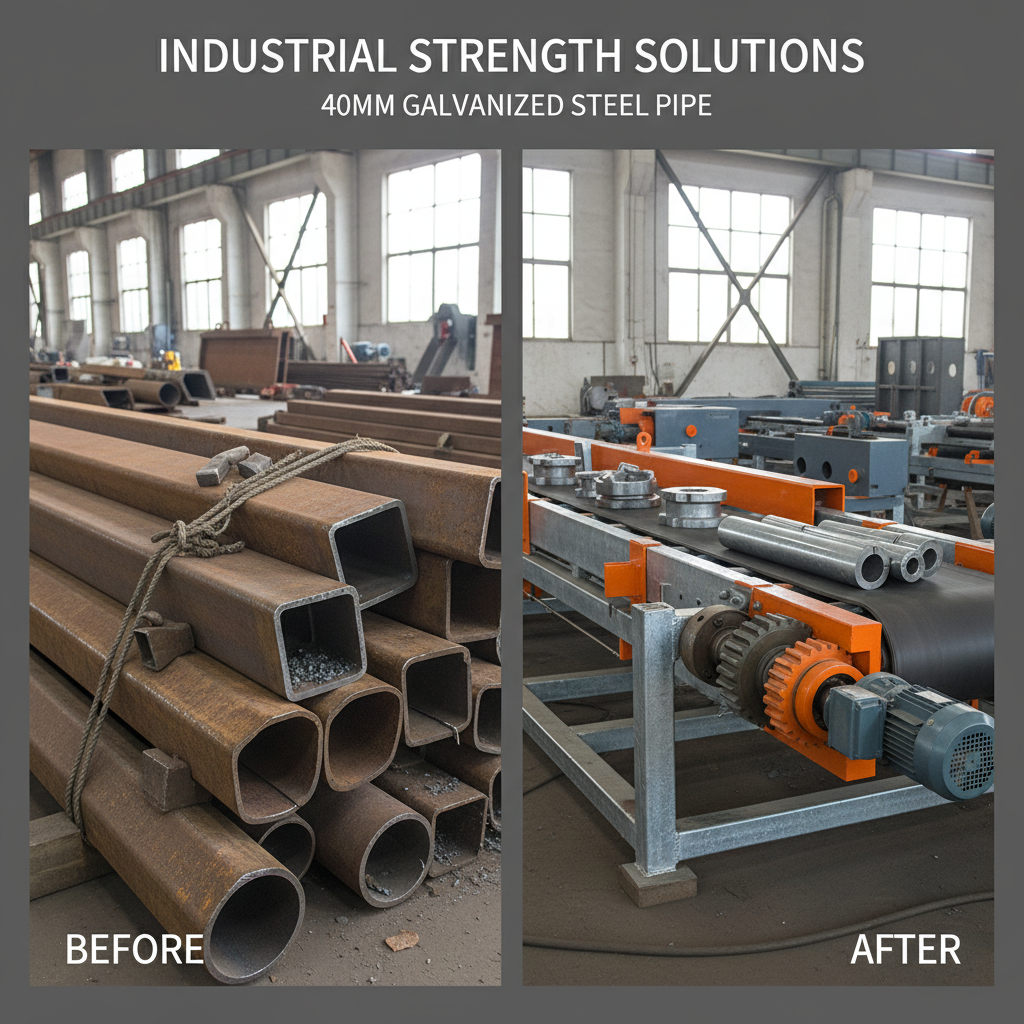
Most hollow square pipes are galvanized or treated to withstand corrosion. This matters especially in humid or coastal environments where rust could otherwise rapidly degrade materials.
The hollow interior means less weight without sacrificing strength. For onsite construction, this makes transport and installation less labor-intensive — a subtle advantage that adds up massively in big projects.
Compared to solid steel bars, these pipes need less raw material and reduce handling time. The result? Lower total costs, a critical factor for budget-sensitive projects.
The square profile allows easy joining with brackets and panels, enabling rapid modular assembly. It’s also easier to integrate with other shapes than round tubes, a detail engineers appreciate.
Available in various wall thicknesses and sizes, hollow square pipes can be custom-made for lightweight furniture frames or heavy-duty scaffolding — making them a true multi-purpose material.
Their application spans far and wide. In Asia’s booming megacities, they’re embedded in elevated transit track supports. In Europe, manufacturers integrate them into modular construction units for quick housing solutions. Non-profits engage them in disaster relief, where rapid building of clinics or shelters is crucial after floods or earthquakes.
Take remote industrial zones in Africa: the combination of lightweight pipes and galvanization creates frameworks resistant to harsh weather, accessible over bumpy roads. Similarly, renewable energy facilities utilize hollow square pipes in solar panel racks, leveraging their strength and corrosion resistance.
Wherever there’s a need for reliable, reusable, and flexible structural parts — hollow square pipes are often the quiet solution.
| Specification | Typical Range | Notes |
|---|---|---|
| Material | Galvanized steel, stainless steel, aluminum | Depends on corrosion resistance need |
| Dimensions (WxH) | 20mm - 200mm square | Standard sizes with custom options available |
| Wall thickness | 1.2mm - 6mm+ | Thicker walls for heavy-duty use |
| Length | Up to 6 meters (custom-cut available) | Ease of transport considered |
| Finish | Hot-dip galvanized, painted, powder-coated | Enhances durability, aesthetics |
| Vendor | Range of Sizes | Custom Fabrication | Lead Time | Pricing Tier |
|---|---|---|---|---|
| SteelBox Inc. | Wide (20-150mm) | Yes | 2-3 weeks | Mid-High |
| GlobalPipe Solutions | Standard only | Limited | 1-2 weeks | Mid |
| EcoSteel Works | Custom & Standard | Extensive | 3-4 weeks | High (premium) |
The future feels quite dynamic for hollow square pipes, driven by evolving materials science and digital manufacturing. For starters, eco-conscious coatings are improving corrosion resistance without harmful chemicals—important for sustainability certifications. There’s also growing interest in composite hollow square pipes, mixing steel with polymer layers to improve flexibility and weight.
Digitally, 3D printing and CNC machining enable on-site customization that’s faster than ever. I’ve heard engineers say this will revolutionize emergency build-outs — imagine printing custom brackets that perfectly fit pipes on location. Beyond that, integration with smart sensors embedded into pipe structures is on the horizon, useful in monitoring the health of bridges or buildings in real-time.
One notable challenge is ensuring consistent quality across suppliers. Small variations in wall thickness or steel grade can affect performance — and in critical applications, that’s non-negotiable. Luckily, advances in quality control technology, like laser measuring and automated strength testing, help vendors maintain high standards.
Another challenge: recycling and end-of-life management. Some hollow pipes coated with multiple layers become harder to recycle. Here, innovators are exploring mono-material pipes or easier-to-strip coatings, improving circular economy prospects.
A1. Hollow square pipes provide more surface area for mounting and easier joining with flat brackets, which is why they’re often preferred for structural frames. They also resist bending in multiple directions better due to their geometry, offering higher rigidity per weight in many cases.
A2. Absolutely. When galvanized or treated with special corrosion-resistant coatings, hollow square pipes withstand harsh, salty air effectively. It’s important to confirm the coating specification for your project’s environment though.
A3. Very customizable. Vendors can offer a wide range of sizes, wall thicknesses, finishes, and even pre-cut lengths. Some suppliers provide full fabrication services—drilling, notching, or bending included—making installation smoother.
A4. Their hollow design means less steel per length, reducing raw material use. Additionally, many are made from recycled steel and are themselves recyclable, supporting circular economy goals.
A5. Yes, they are often used because they’re lightweight, durable, easy to transport, and quick to assemble — perfect for emergency shelters, clinics, or water systems in post-disaster scenarios.
Hollow square pipes might not steal the spotlight in industry discussions, but they quietly enable some of the world’s most critical structures. They blend strength, efficiency, and adaptability — all needed to meet rising construction demands with sustainability in mind. Whether you’re an engineer, builder, or NGO managing emergency aid, understanding these pipes’ value pays off.
Curious to explore specifications, vendors, or get tailored advice? Visit our site for detailed resources and expert consultation. Sometimes, simple shapes make the biggest difference.
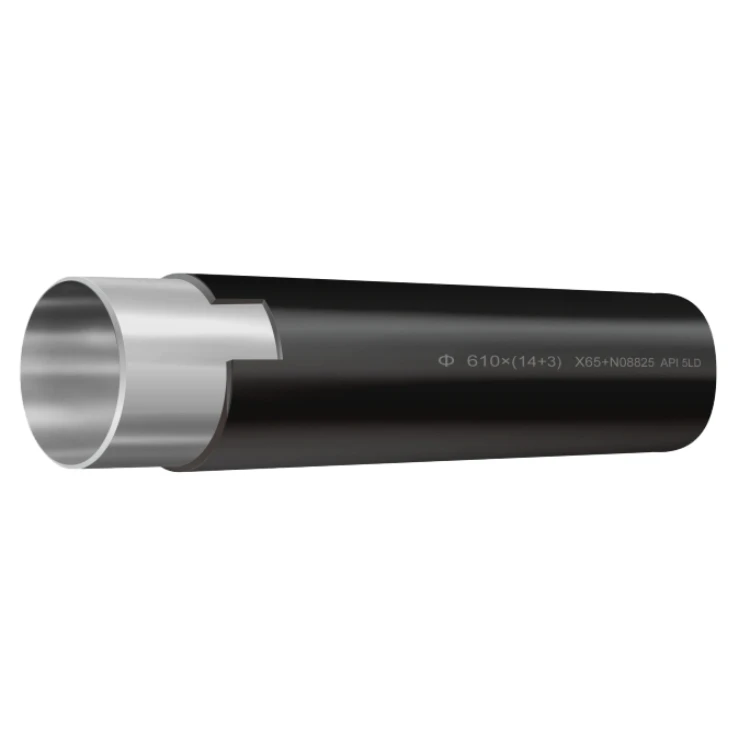
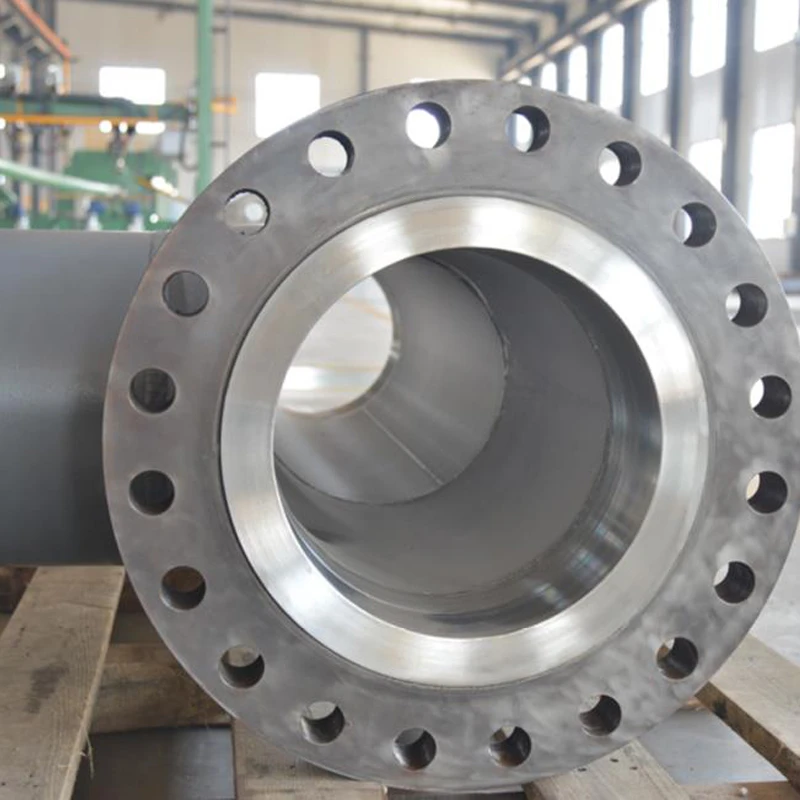
Factory Prefabricated Products
Anti Corrosion And Thermal Insulation Products
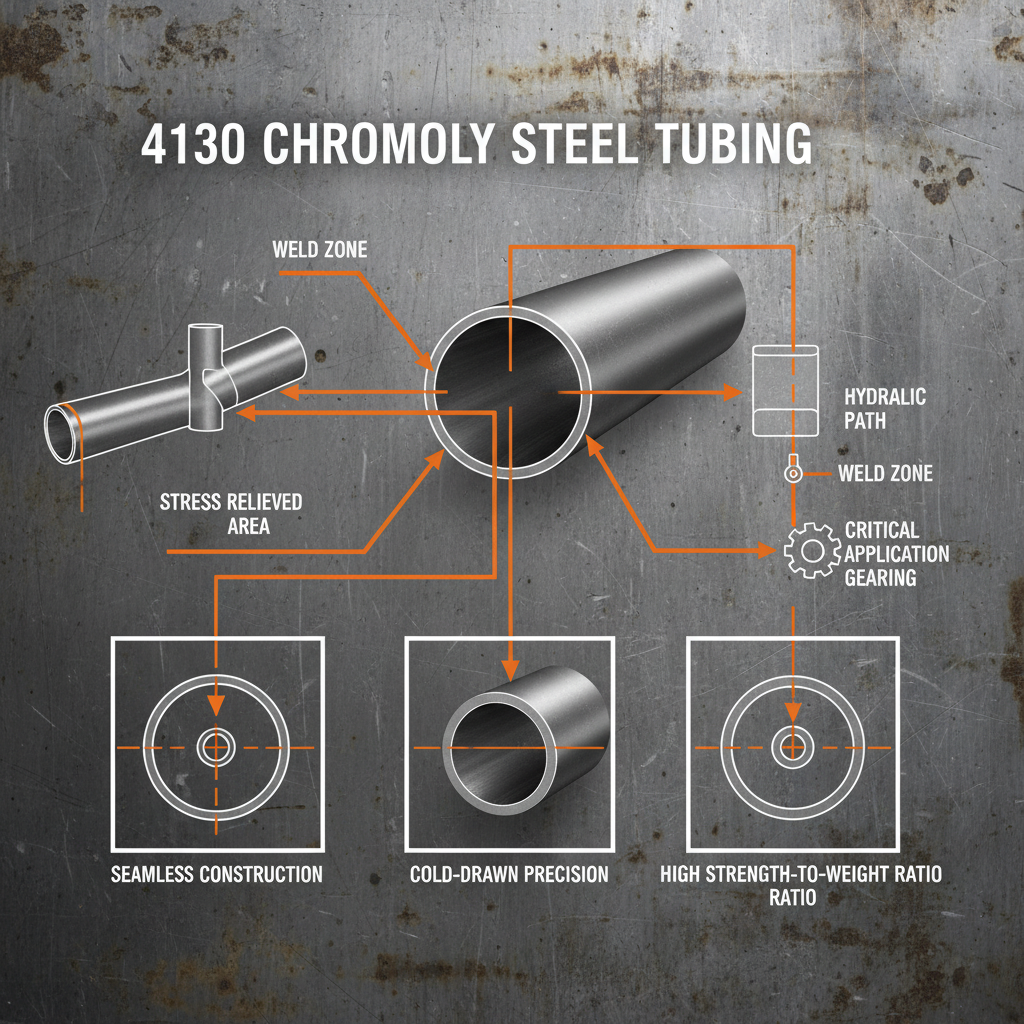
Ultimate Guide to 4130 Tubing Strength Performance and Applications
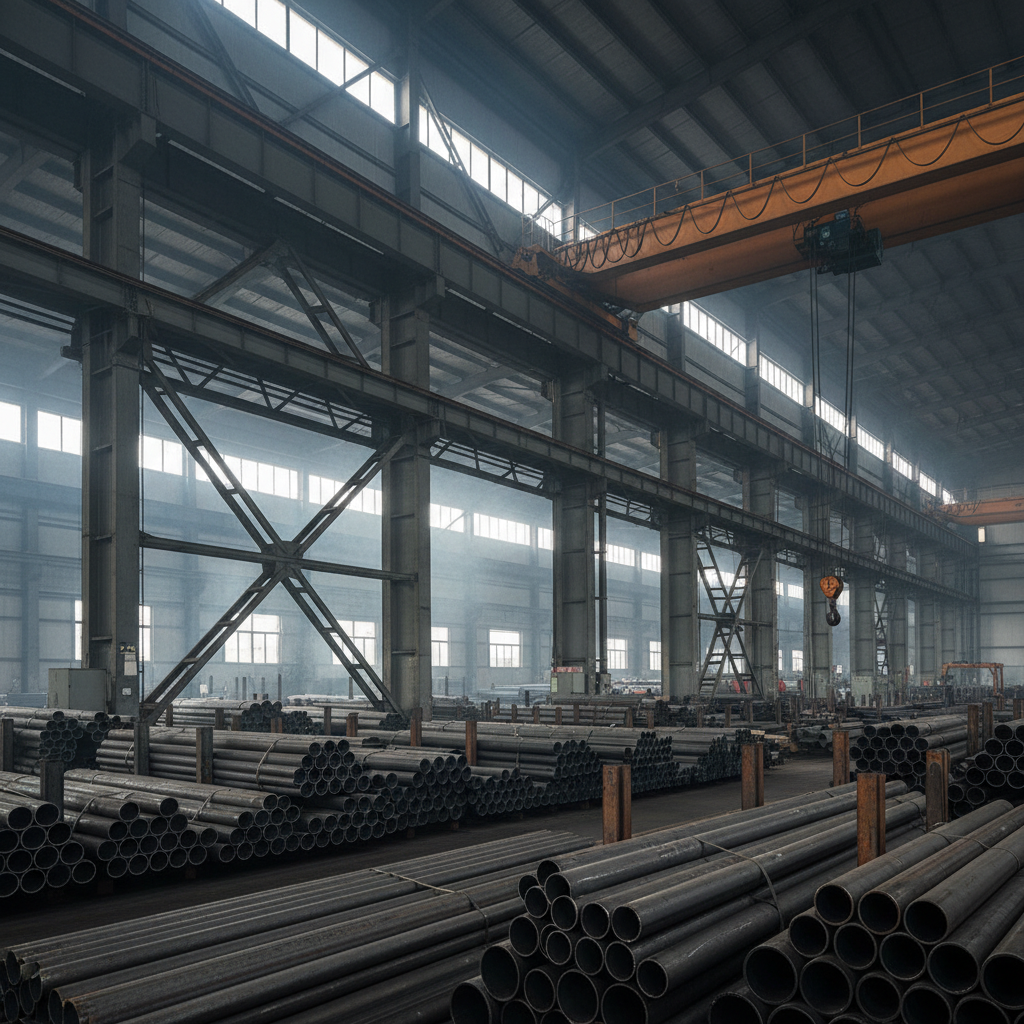
Properties and Industrial Applications of 4130 steel tubing
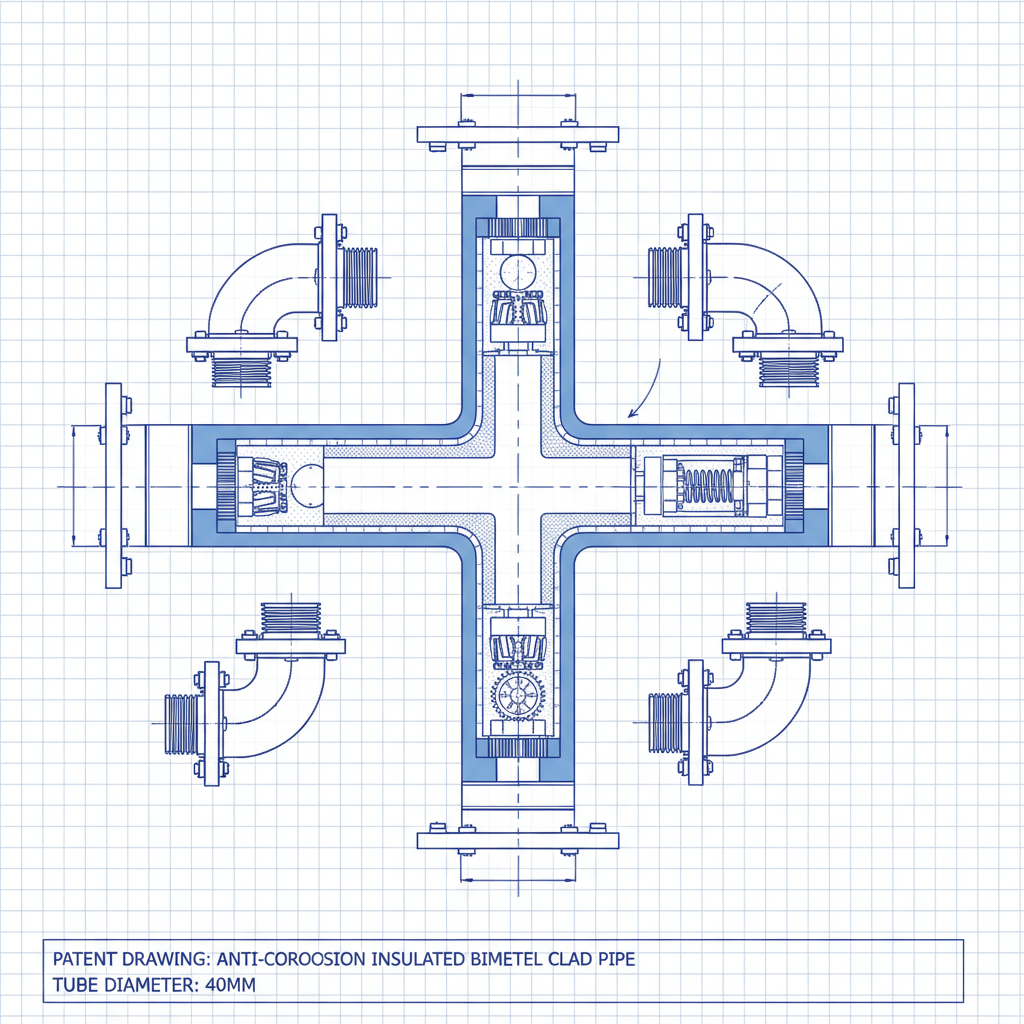
Comprehensive Guide to 40mm Steel Tube Applications and Material Selection
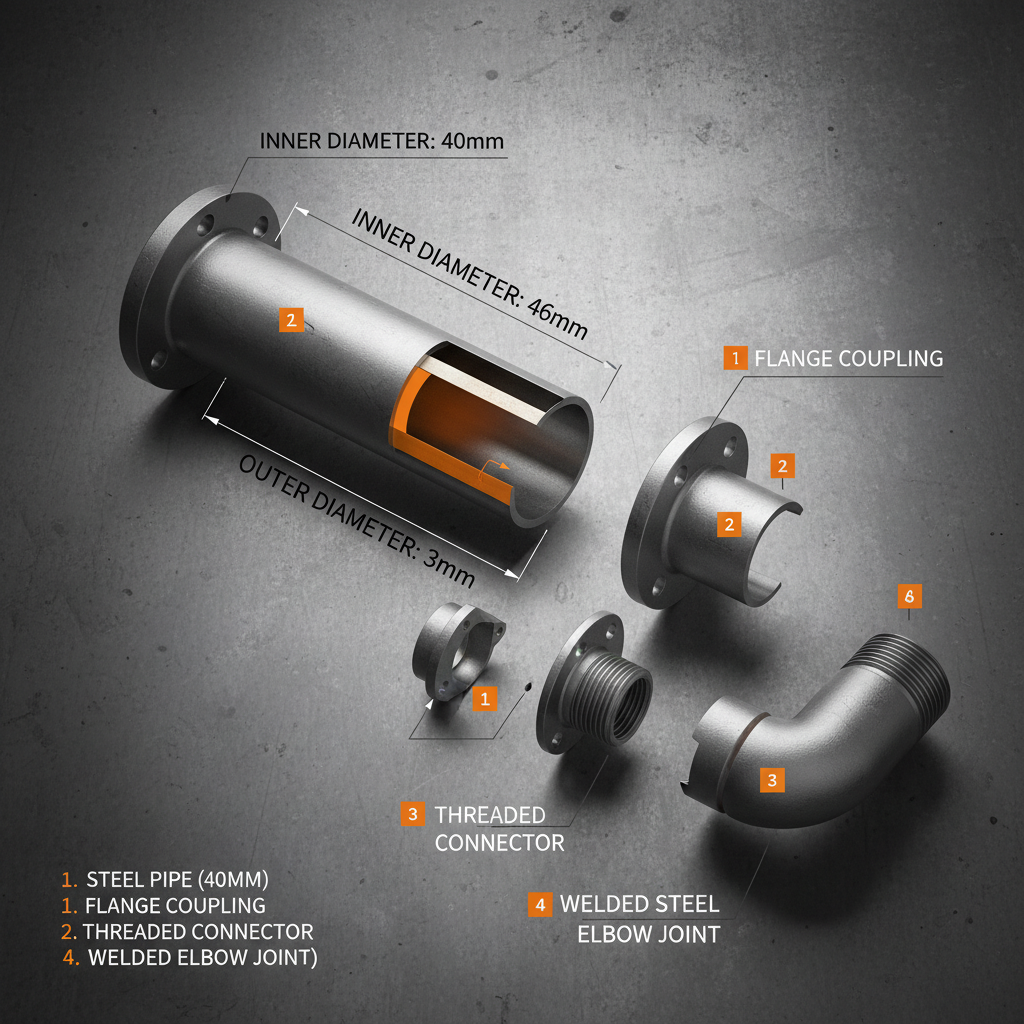
Comprehensive Guide to 40mm Steel Pipe Applications and Considerations
Comprehensive Guide to 40mm Metal Pipe Applications and Sourcing
Comprehensive Guide to 40mm Galvanised Pipe Applications and Specifications