You might not give hollow square bars much thought in daily life, but they form a silent backbone across numerous industries worldwide. From construction to manufacturing, these seemingly simple steel elements deliver durability, versatility, and efficiency — qualities that matter across global supply chains and humanitarian projects alike.
In a world where material efficiency and sustainability have become top priorities, understanding what makes hollow square bars tick can be a game changer. They reduce weight without compromising strength, enabling lighter but robust structures that save on both costs and carbon footprints. And thanks to their modular ease and adaptability, hollow square bars often solve practical challenges where conventional materials just fall short.
To put it in perspective, the global steel tubular products market was valued north of $100 billion by 2022, with hollow structural sections (HSS) like these bars making up a substantial slice. According to ISO and World Bank data, there’s a clear shift toward optimized structural elements that balance cost and performance — which hollow square bars strongly support.
The challenge? Delivering materials that meet diverse engineering demands — from earthquake-resistant framing in Asia to lightweight scaffolding in Europe — without inflating budgets or energy use. Here, hollow square bars step in as economical yet reliable solutions.
Simply put, a hollow square bar is a steel (or sometimes aluminum) tubular product with a square cross-section and an empty core. This geometry provides excellent load-bearing capacity with significantly reduced material volume compared to solid bars.
In practical terms, it’s like having the strength of a solid rod but with less weight and better resistance to twisting or bending — crucial for everything from automotive parts to humanitarian shelter frameworks.
Interestingly, these bars align well with modern industry trends like prefabrication and modular construction, where parts need to slot together cleanly and swiftly on site.
Many engineers swear by hollow square bars for their corrosion resistance, especially when coated or galvanized. Their closed shape protects internal surfaces, making them ideal for harsh outdoor or marine environments.
Reducing weight means less fuel consumption during transport and easier handling on site. For large-scale projects — say, industrial framing or transport vehicles — this translates directly into lower operational costs.
Hollow sections consume less steel than solid ones, slashing raw material expenses. Plus, assembly times speed up because their modular shape lends itself to welding, bolting, or other fastening methods with minimal rework.
Since hollow square bars come in various sizes and thicknesses, they fit diverse structural needs — from lightweight fencing to heavy machine chassis. This flexibility means fewer stock types are needed, simplifying logistics.
Oddly enough, the neat, geometric look of hollow square bars also appeals to architects who want minimalist yet strong design elements.
Using hollow bars reduces steel consumption and often aligns with recycling efforts, important for companies aiming to meet international sustainability standards like those from the UN Sustainable Development Goals.
Mini takeaway: Hollow square bars hit the sweet spot between strength, economy, and sustainability, making them increasingly favored worldwide.
Hollow square bars might be quietly everywhere, but their roles differ vastly across regions and sectors.
Even in remote industrial zones, their ease of transport and installation means work can continue uninterrupted, profoundly impacting local economies.
| Specification | Typical Values | Unit |
|---|---|---|
| Size Range | 20mm to 200mm (side length) | millimeters |
| Wall Thickness | 2mm to 12mm | millimeters |
| Material | Carbon steel, Stainless steel, Aluminum | - |
| Yield Strength | 250-350 | MPa |
| Length (standard) | 6 meters (customizable) | meters |
| Vendor | Geographic Reach | Material Options | Lead Time | Certifications |
|---|---|---|---|---|
| Alpha Steel Co. | Global | Carbon, Stainless | 2-3 weeks | ISO 9001, ASTM |
| Global Metals | Europe, Asia | Carbon, Aluminum | 1-2 weeks | ISO 14001 |
| SteelPro | North America | Stainless, Carbon | 3-4 weeks | ASTM |
The obvious benefit is cost saving. But it’s more nuanced than just pocketbook economics. The weight reduction means less energy consumption during transport, which also reduces greenhouse gas emissions. That’s a win for companies targeting net-zero goals.
Emotionally, the use of hollow square bars in rapid deployment structures — such as emergency shelters — offers a sense of security and dignity to displaced people. There’s something reassuring about a solid frame standing firm against the elements.
Long-term, their reliability minimizes maintenance and replacements, cutting waste and supporting sustainable development in both urban and rural settings.
The future looks bright for hollow square bars, especially as digital manufacturing and automation improve quality control. Additive manufacturing might soon offer customized hollow profiles tailored to very specific applications, reducing waste drastically.
Green steel initiatives, using hydrogen reduction or electric arc furnaces, will further lower the carbon footprint. We’re also seeing coatings that enhance corrosion resistance without harmful chemicals.
I noticed some manufacturers are even exploring integrated sensor embeds during production — turning simple bars into smart components that monitor stress or damage in real time. Imagine that!
No material’s perfect, of course. Hollow square bars can suffer from internal corrosion if quality isn’t top-notch, or if protective coatings fail. Transporting long lengths sometimes poses logistical headaches, especially to remote or disaster-hit zones.
Solutions? Quality control with non-destructive testing (NDT), modular lengths for easier shipping, and partnering closely with vendors who understand on-the-ground realities.
Many suppliers also now offer pre-cut and fitted bars, which reduces onsite labor and potential errors.
To circle back, these hollow square bars are more than just metal shapes — they’re enablers of innovation, sustainability, and safety in a world hungry for both robustness and efficiency. Smart choices here ripple out into environmental benefits, economic savings, and even human dignity.
Curious to explore options or source your own hollow square bar? Jump over to our site and see how these products can fit your next big project.
References:
1. ISO Standard on Steel Tubular Products
2. United Nations Sustainable Development Goals
3. World Bank Steel Production Indicator

Ultimate Guide to 4130 Tubing Strength Performance and Applications
Properties and Industrial Applications of 4130 steel tubing
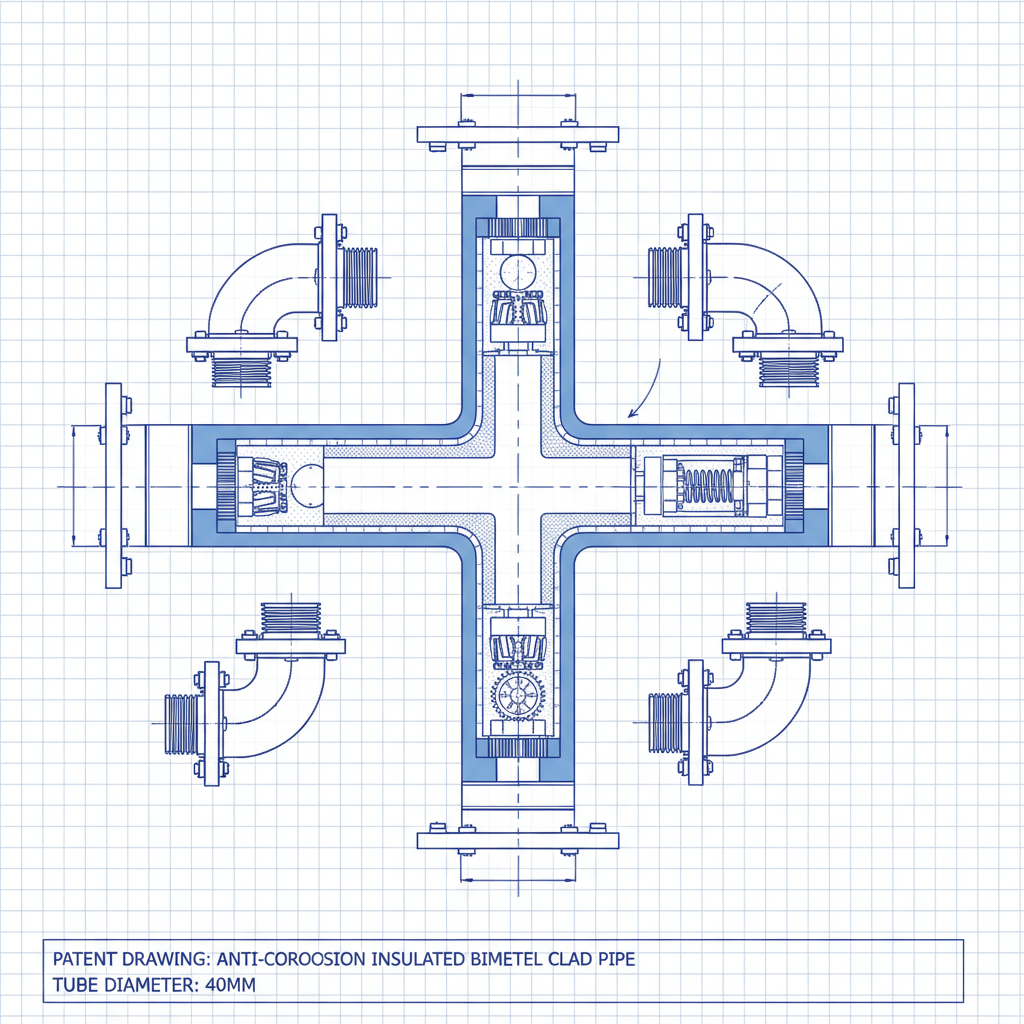
Comprehensive Guide to 40mm Steel Tube Applications and Material Selection
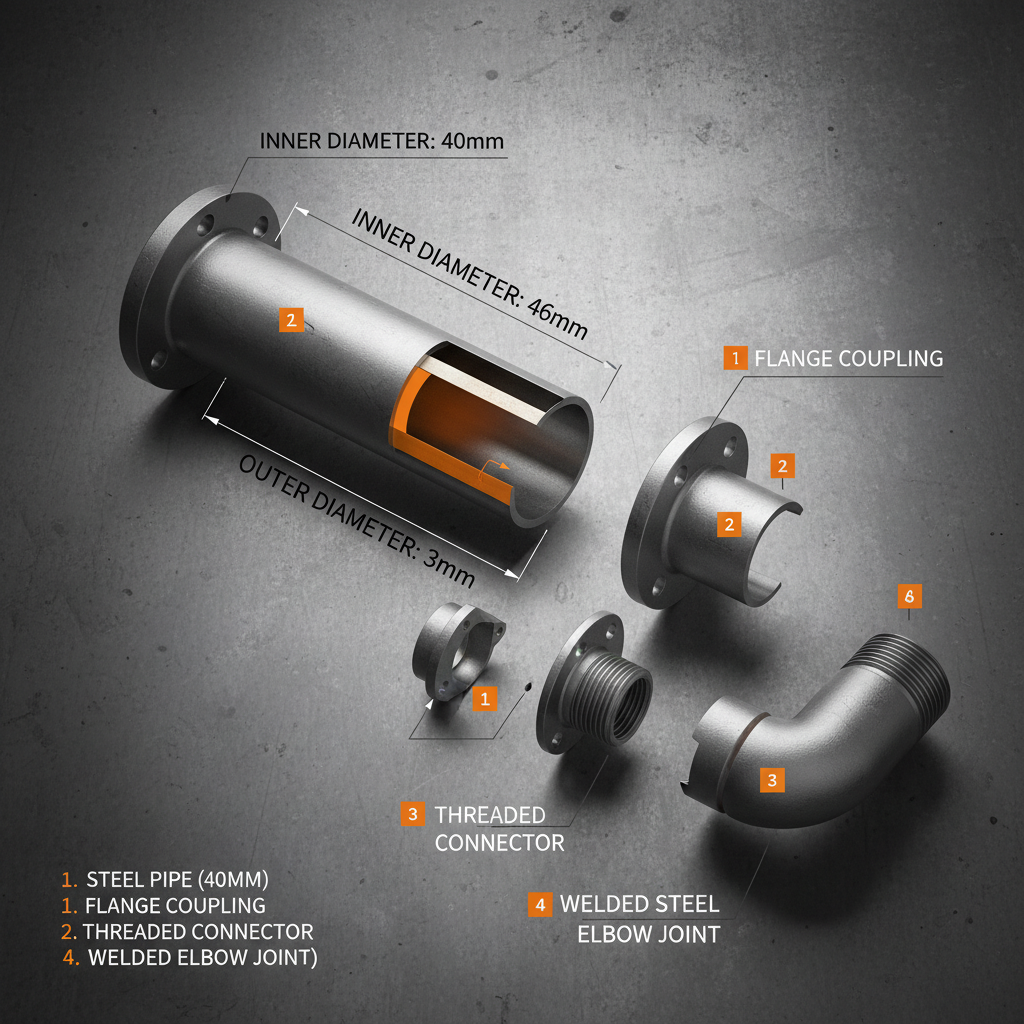
Comprehensive Guide to 40mm Steel Pipe Applications and Considerations
Comprehensive Guide to 40mm Metal Pipe Applications and Sourcing
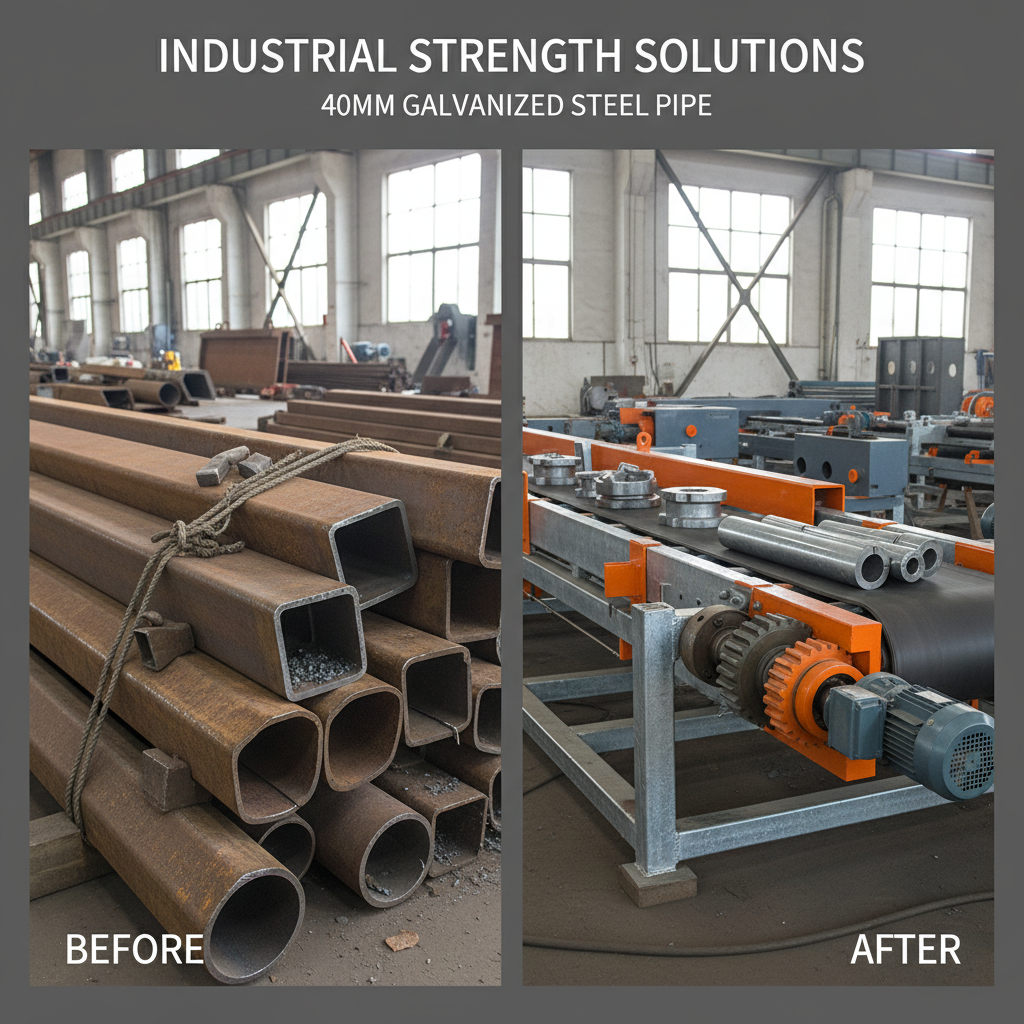
Comprehensive Guide to 40mm Galvanised Pipe Applications and Specifications