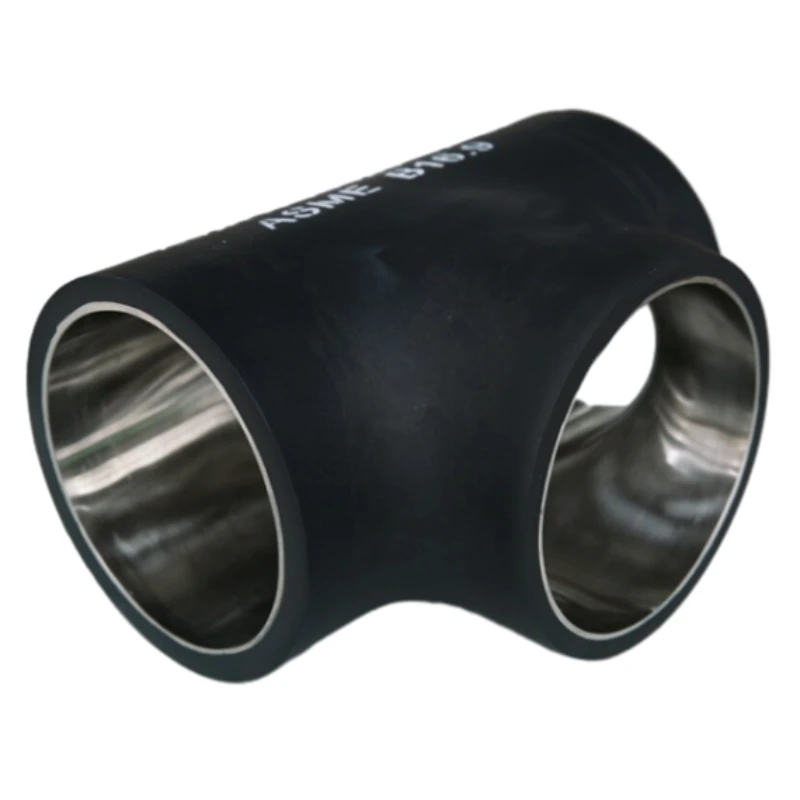
In an era defined by energy efficiency and robust infrastructure, the demand for sophisticated piping solutions has never been more critical. Industries ranging from petrochemical and district heating to oil & gas and chilled water systems are increasingly reliant on advanced materials and engineering to ensure operational integrity and minimize environmental impact. Traditional piping systems often suffer from significant heat loss or gain, leading to escalated energy consumption, and are highly susceptible to corrosion, necessitating frequent maintenance and replacement. This challenge has propelled the innovation of specialized products like pre insulated steel pipe, which offers a comprehensive solution by integrating thermal insulation and corrosion protection directly into the pipe structure. The global market for these insulated pipes is witnessing substantial growth, driven by stringent energy efficiency regulations, the expansion of district heating and cooling networks, and the need for reliable fluid transport in harsh environments. According to recent market analyses, the demand for efficient piping systems, particularly those that reduce energy waste and enhance longevity, is projected to surge, making pre insulated steel pipe a cornerstone of sustainable industrial development. This technological advancement not only addresses immediate operational concerns but also aligns with long-term ecological and economic objectives, offering unparalleled performance and reliability for critical fluid transport applications. The integrated design minimizes on-site installation time and costs, further enhancing its appeal across diverse industrial landscapes. This innovation provides a seamless, high-performance conduit for various media, ensuring consistent temperature and protecting against external degradation over extended service lifespans.
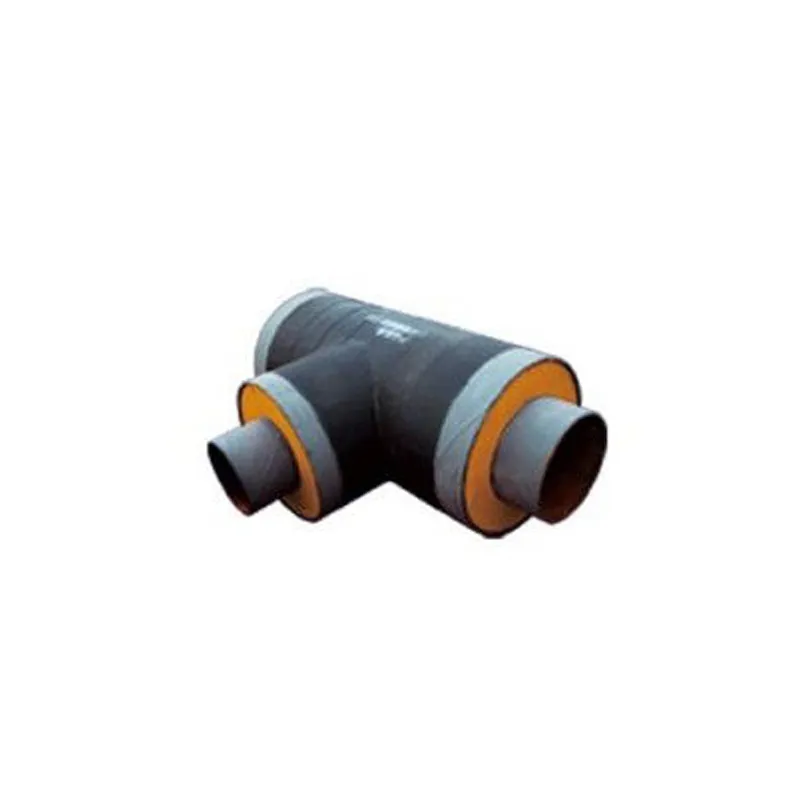
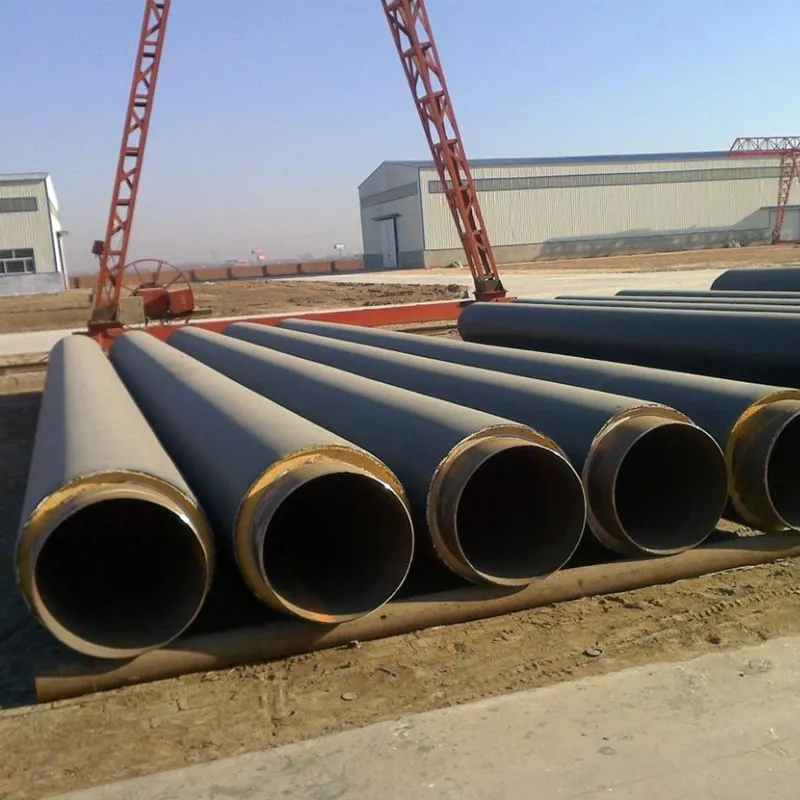
The production of high-quality pre insulated steel pipe is a sophisticated multi-stage process, demanding precision and adherence to rigorous international standards such as ISO 9001, ASTM, and ANSI. Typically, the core component is a carbon steel pipe, often manufactured through seamless or welded processes, depending on the application's pressure and temperature requirements. This inner pipe, which acts as the service pipe, undergoes thorough surface preparation, including grit blasting to SA 2.5 cleanliness, to ensure optimal adhesion for subsequent coatings. Following this, an advanced anti corrosion pipe coating, such as fusion bonded epoxy (FBE) or 3-layer polyethylene (3LPE), is applied. This coating is critical for protecting the steel from internal and external corrosive elements, significantly extending the pipe's operational life, which can range from 30 to 50 years under optimal conditions. The next crucial step involves the application of a high-performance thermal insulation layer, usually rigid polyurethane foam (PUR) with a closed-cell structure, renowned for its low thermal conductivity (typically 0.024-0.027 W/mK). This foam is injected into the annular space between the service pipe and an outer casing pipe, commonly made of high-density polyethylene (HDPE). The HDPE outer jacket serves as a robust protective barrier against moisture ingress, UV radiation, and mechanical damage during installation and throughout its service life. This integrated manufacturing process ensures a monolithic bond between the layers, preventing delamination and guaranteeing consistent thermal performance. Each production batch undergoes stringent quality control, including adhesion tests, insulation resistance tests, and hydrostatic pressure tests, to certify compliance with performance specifications. This meticulous process ensures that the finished pre insulated carbon steel pipe delivers superior energy efficiency and long-term durability, crucial for demanding environments in petrochemical, district heating, and industrial process applications, making them a cornerstone of modern infrastructure development.
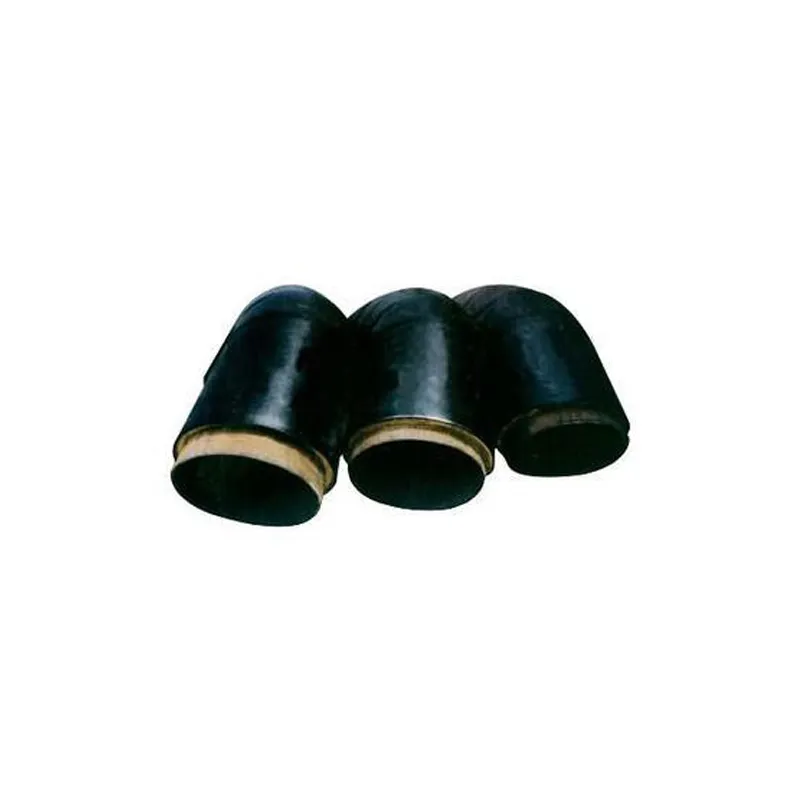
The inherent design and robust construction of pre insulated steel pipework make it indispensable across a spectrum of demanding industrial applications, particularly where thermal efficiency, corrosion resistance, and long-term reliability are paramount. In district heating and cooling networks, these pipes are crucial for minimizing heat loss or gain during the long-distance transport of hot water, steam, or chilled water, thereby significantly improving energy distribution efficiency and reducing operational costs for municipalities and large campuses. For the oil and gas industry, especially in the transport of crude oil, natural gas, or refined products, pre insulated carbon steel pipe maintains fluid temperature, prevents paraffin deposition, and ensures smooth flow, even in sub-zero or high-temperature environments. The petrochemical sector benefits immensely from their ability to handle aggressive chemicals and maintain process temperatures, critical for reaction control and product integrity. Furthermore, in general industrial process piping, such as in metallurgical plants, food processing facilities, and chemical industries, they manage the precise temperature control of various media, preventing thermal degradation or solidification. Beyond temperature regulation, the integrated anti corrosion pipe coating ensures the longevity of the pipeline in aggressive soil conditions or when transporting corrosive fluids, a critical advantage over traditional pipe systems. Their ability to deliver optimal performance while offering reduced installation time due to the factory-applied insulation and protective layers provides a tangible economic benefit. The seamless integration of insulation and protection means fewer on-site labor hours, less specialized equipment, and a faster project completion, making them a preferred choice for large-scale infrastructure projects requiring high-performance, durable, and cost-effective piping solutions across diverse sectors.
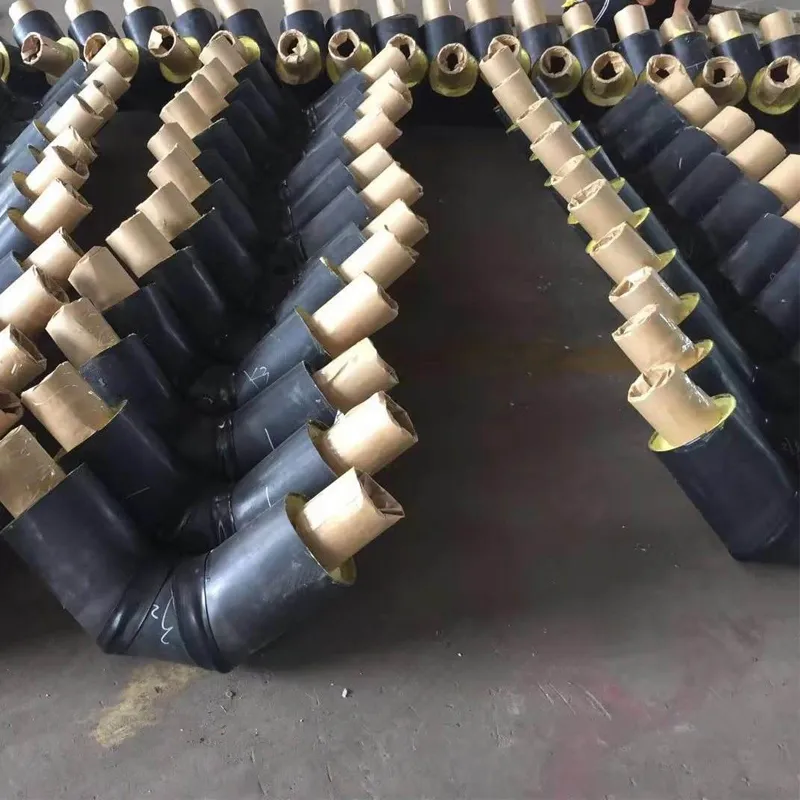
The technical advantages of employing pre insulated steel pipe are multifaceted, positioning it as a superior choice over conventional field-insulated systems. Foremost among these is the unparalleled thermal efficiency achieved through factory-controlled manufacturing processes. The precision injection of high-density polyurethane foam ensures a uniform insulation layer with minimal thermal bridging, resulting in significantly reduced heat loss (for hot media) or gain (for cold media). This directly translates into substantial energy savings, with efficiency improvements often exceeding 90% compared to uninsulated pipes or pipes with inferior insulation materials. Furthermore, the integrated anti corrosion pipe coating applied to the service pipe offers robust protection against both internal and external corrosive agents. For instance, a 3LPE coating provides excellent resistance to soil chemicals, moisture, and cathodic disbondment, while internal linings prevent scaling and chemical attack from the conveyed fluid. This dual layer of protection drastically extends the pipeline's lifespan, minimizing the need for costly repairs and replacements over decades of operation. From an engineering perspective, the robust outer HDPE casing provides exceptional mechanical strength, protecting the insulation and service pipe from external impacts, abrasion, and water ingress, crucial for underground installations. The pipe's ability to withstand harsh environmental conditions, combined with its optimized thermal properties, makes it a highly reliable solution for critical infrastructure projects where downtime is not an option. Moreover, the pre-fabricated nature of these pipes accelerates project timelines, as on-site insulation application, which is weather-dependent and labor-intensive, is eliminated. This contributes to a faster return on investment and enhanced project predictability. The controlled manufacturing environment also ensures consistent quality, which is difficult to replicate with on-site insulation methods, leading to a more reliable and performance-optimized system.
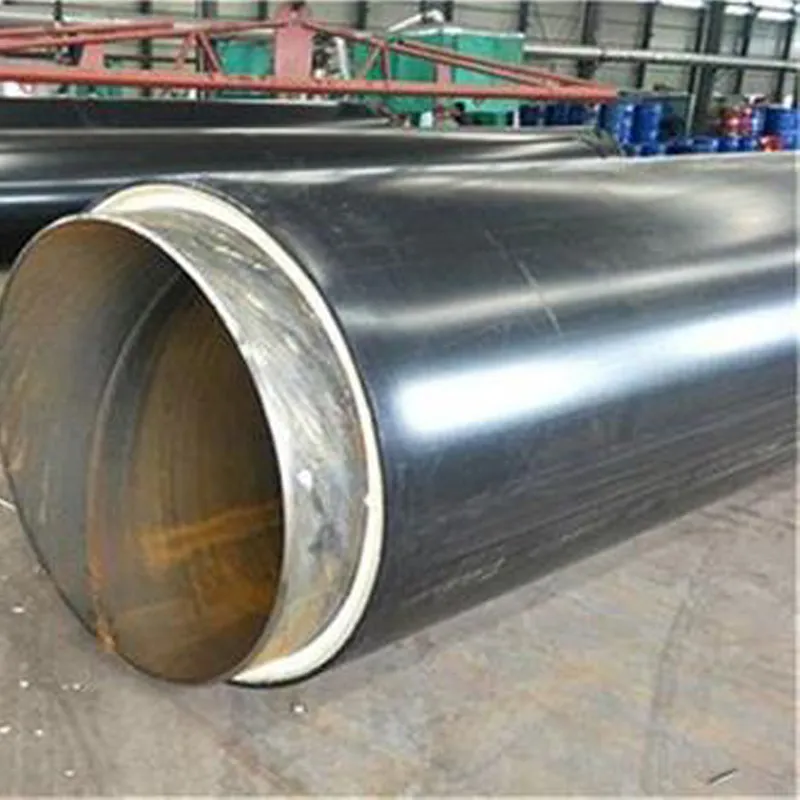
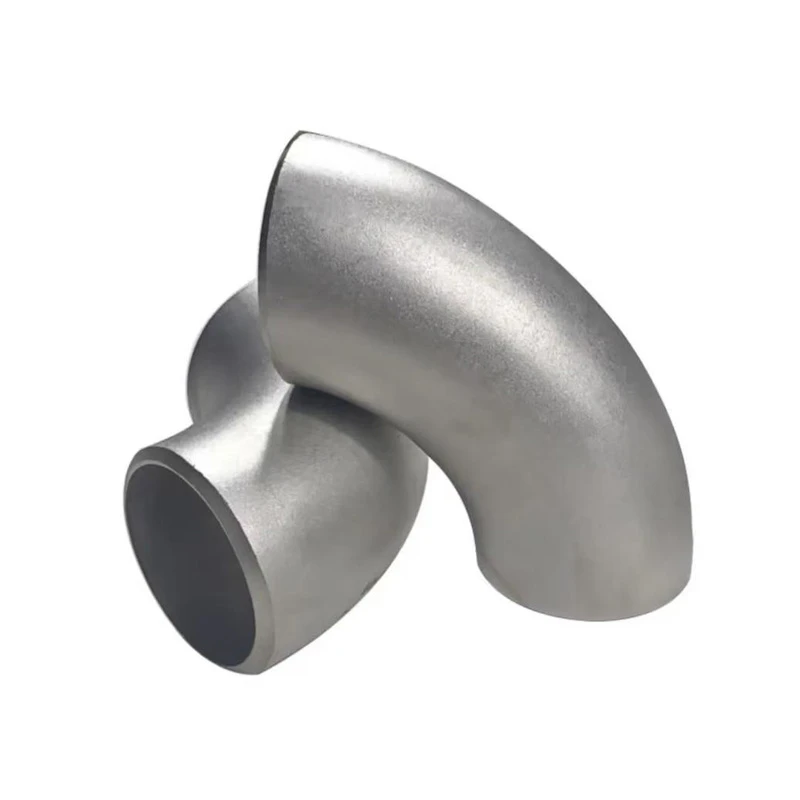
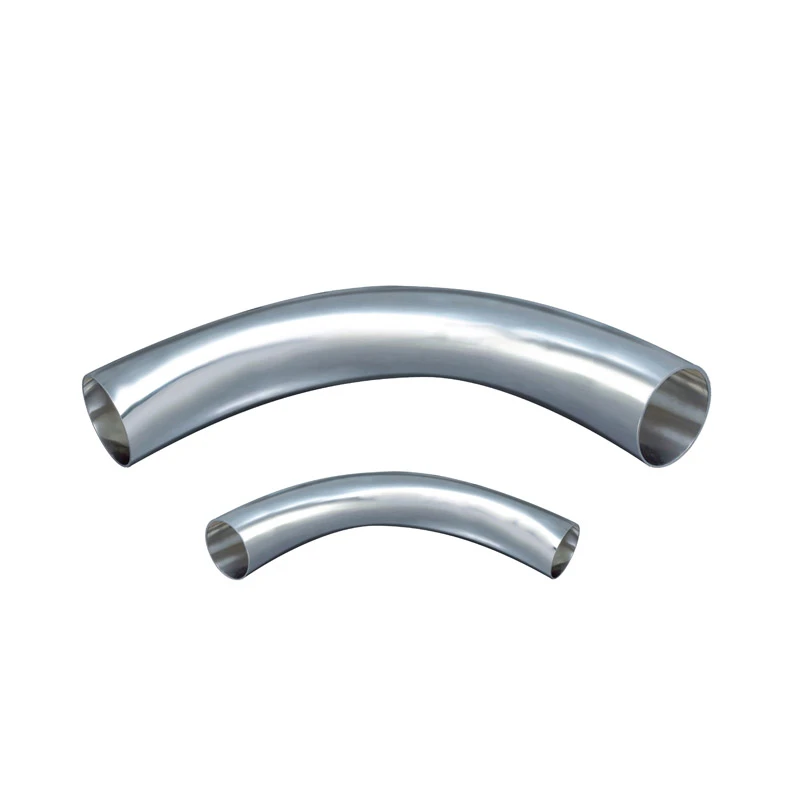
Selecting the right manufacturer for pre insulated steel pipework is a critical decision that impacts the long-term success and cost-effectiveness of any project. While many suppliers exist globally, a discerning approach requires evaluating manufacturers based on their proven track record, adherence to international standards (e.g., EN 253, ASTM C591), quality control protocols, and capability for customized solutions. Leading manufacturers differentiate themselves by offering comprehensive engineering support from design to installation, utilizing advanced materials, and providing robust warranties. For instance, a manufacturer with extensive experience in anti corrosion pipe coating technologies can offer superior protection against specific environmental challenges. Customization is a key differentiator; projects often have unique requirements concerning pipe diameters, insulation thicknesses, operating temperatures, and specific coating needs. A reliable manufacturer will offer solutions that go beyond standard product lines, including specialized internal linings for abrasive fluids, different outer casing materials for varying installation conditions (e.g., galvanized steel for above-ground applications), and tailored pipe lengths to minimize on-site welding. Furthermore, the ability to provide compatible fittings, such as insulated elbows, tees, and reducers, ensures system integrity and consistent performance throughout the entire pipeline network. Considerations like the manufacturer's production capacity, delivery lead times, and post-sales support, including technical assistance for installation and commissioning, are also vital. Engaging with a manufacturer that possesses certifications like ISO 9001, OHSAS 18001, and environmental certifications demonstrates a commitment to quality, safety, and sustainable practices. A thorough comparison will often reveal that investing in a reputable manufacturer, despite potentially higher upfront costs, yields significant long-term savings through reduced energy consumption, minimal maintenance, and extended system longevity. This strategic partnership ensures that the pre insulated carbon steel pipe solution is perfectly aligned with the project's demanding specifications and performance expectations, reflecting true value beyond the initial purchase price.
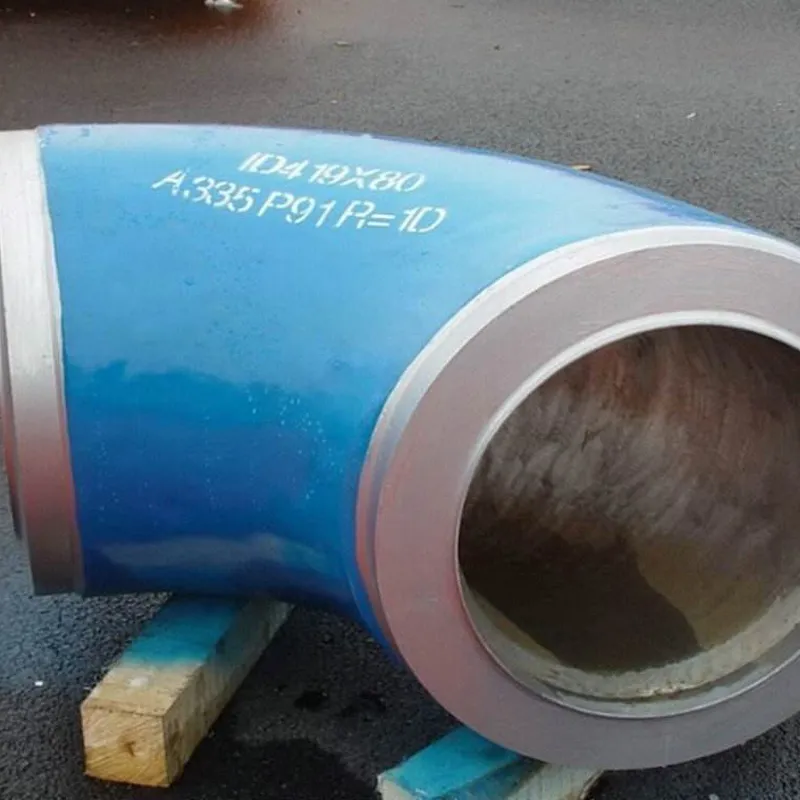
The tangible benefits of pre insulated steel pipe are best illustrated through its widespread adoption in high-stakes projects across the globe. One notable case involved a major district heating expansion project in a Scandinavian capital, where over 100 kilometers of pre insulated steel pipework were installed. This project aimed to replace aging, inefficient infrastructure with a modern system designed to minimize heat loss and reduce carbon emissions. By utilizing pipes with a robust PUR insulation layer and HDPE outer casing, the city achieved an estimated 30% reduction in energy waste compared to their previous system, leading to significant cost savings and improved service reliability for thousands of residents. Another compelling example comes from the Middle East, where anti corrosion pipe coating was crucial for transporting treated wastewater in highly saline desert environments. Here, specialized pre insulated carbon steel pipe, featuring a high-performance internal coating combined with external 3LPE, ensured the long-term integrity of the pipeline despite extreme temperatures and corrosive soil conditions. The pre-insulated nature of the pipes also mitigated temperature fluctuations of the transported water, preventing biological growth and maintaining water quality. Furthermore, a large-scale industrial facility in North America implemented these pipes for their chilled water distribution system, resulting in a dramatic decrease in energy consumption for cooling. The precise thermal performance of the insulation prevented condensation and minimized cooling load, which led to a 15% reduction in overall energy bills within the first year of operation. These diverse applications underscore the versatility and efficacy of pre insulated steel pipe as a solution for complex fluid transport challenges, proving its value in diverse climates and operational conditions. The consistent positive feedback from these projects highlights the immediate and long-term advantages in terms of performance, cost-efficiency, and environmental sustainability, making them a preferred choice for future infrastructure developments globally.
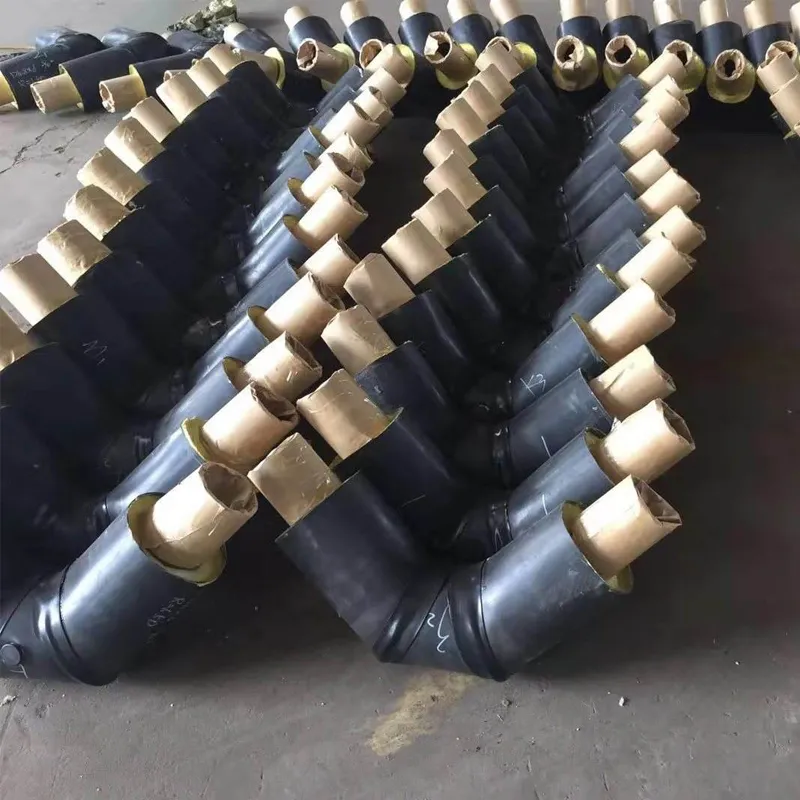
In the demanding B2B landscape, trust is built on proven reliability, stringent quality control, and comprehensive customer support. For products as critical as pre insulated steel pipe, a commitment to excellence is non-negotiable. Our manufacturing processes are rigorously audited and certified to international standards, including ISO 9001 for quality management, ISO 14001 for environmental management, and OHSAS 18001 for occupational health and safety. These certifications are not merely badges but reflect a deep-seated commitment to delivering products that meet and exceed global benchmarks. Every batch of pre insulated carbon steel pipe undergoes multiple inspection points, from raw material verification (steel composition, polyurethane density, HDPE thickness) to in-process checks during insulation application and final product testing. Our testing regimen includes ultrasonic testing for weld integrity, holiday detection for anti corrosion pipe coating, pull-off tests for insulation adhesion, and hydrostatic pressure testing to ensure structural integrity under operational loads. Furthermore, we understand the importance of project timelines. Our robust supply chain and efficient production planning enable us to provide clear and reliable delivery schedules, typically ranging from 4 to 8 weeks depending on project scale and customization requirements. This transparency in delivery reduces project uncertainty and helps clients plan their installations effectively. To underscore our confidence in product quality, we offer a comprehensive warranty, typically covering 10 to 25 years against manufacturing defects, providing peace of mind to our clients for the long term. Beyond the sale, our dedicated technical support team offers expert guidance on installation, maintenance, and troubleshooting, ensuring seamless project execution and optimal performance throughout the pipeline's operational life. Our established reputation for consistent quality and unwavering support solidifies our position as a trustworthy partner for critical infrastructure projects, reinforcing our dedication to client success and system longevity.
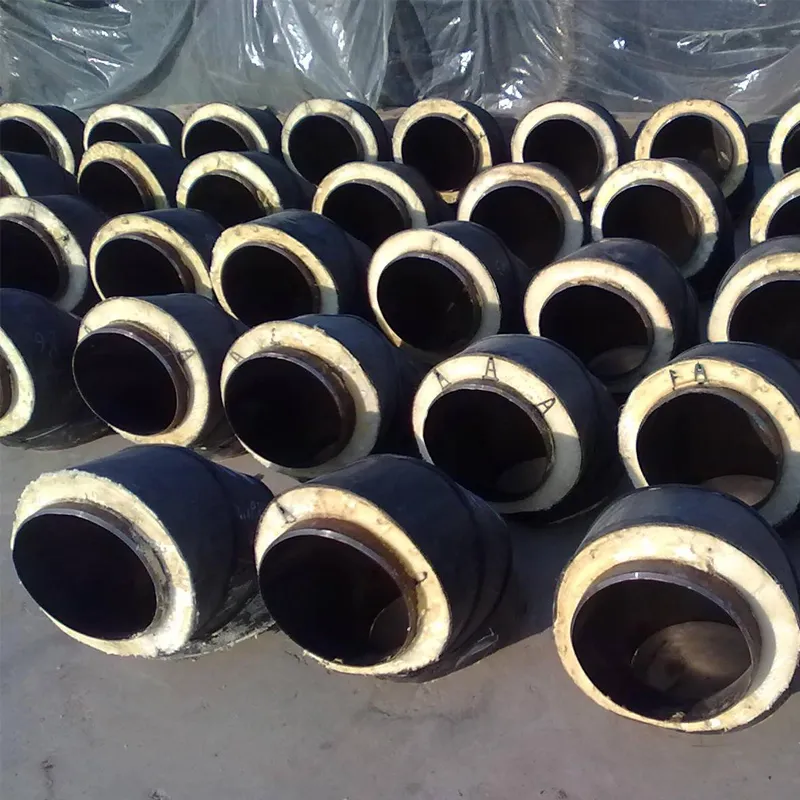
Under normal operating conditions and with proper installation, pre insulated steel pipe is designed for a service life of 30 to 50 years. This extended lifespan is primarily due to the robust anti corrosion pipe coating on the service pipe and the protective HDPE outer casing, which shields against external damage and moisture ingress, preserving the insulation and the steel pipe itself from degradation. Regular maintenance and adherence to operational guidelines further contribute to achieving the maximum expected service life, minimizing the need for premature replacements and ensuring long-term operational integrity for critical infrastructure projects.
While the initial material cost of pre insulated steel pipe might be higher than traditional uninsulated pipes plus field insulation, the total installed cost and long-term operational savings are significantly lower. Factory insulation ensures superior thermal efficiency due to uniform application and high-quality materials, leading to substantial energy savings over the pipe's lifespan. Field insulation, conversely, is susceptible to inconsistencies, weather conditions, and labor intensive application, often resulting in thermal bridges and reduced efficiency. Moreover, the faster installation time of pre-insulated pipes reduces labor costs and accelerates project completion, providing a faster return on investment. The enhanced durability from integrated corrosion protection also minimizes maintenance and replacement costs.
Pre insulated carbon steel pipe is exceptionally versatile and can transport a wide range of media, including hot water, superheated water, steam, chilled water, condensate, crude oil, natural gas, refined petroleum products, and various industrial fluids. The specific type of internal coating or lining applied to the service pipe dictates its suitability for corrosive or abrasive media, while the insulation type determines its temperature range. This adaptability makes it an ideal solution for diverse applications in district energy, oil and gas, chemical processing, and industrial manufacturing sectors, where precise temperature control and fluid integrity are paramount.
Absolutely. A primary application for pre insulated steel pipework is underground installation. The robust HDPE outer casing provides excellent protection against soil chemicals, moisture, root penetration, and mechanical damage from ground movement or external loads. The integrated insulation maintains the temperature of the conveyed fluid, preventing heat exchange with the surrounding soil, which is particularly beneficial in district heating and cooling systems. The factory-applied anti corrosion pipe coating on the steel service pipe further ensures its integrity in corrosive subterranean environments, providing a long-lasting and maintenance-free solution for critical buried pipelines.

Ultimate Guide to 4130 Tubing Strength Performance and Applications
Properties and Industrial Applications of 4130 steel tubing
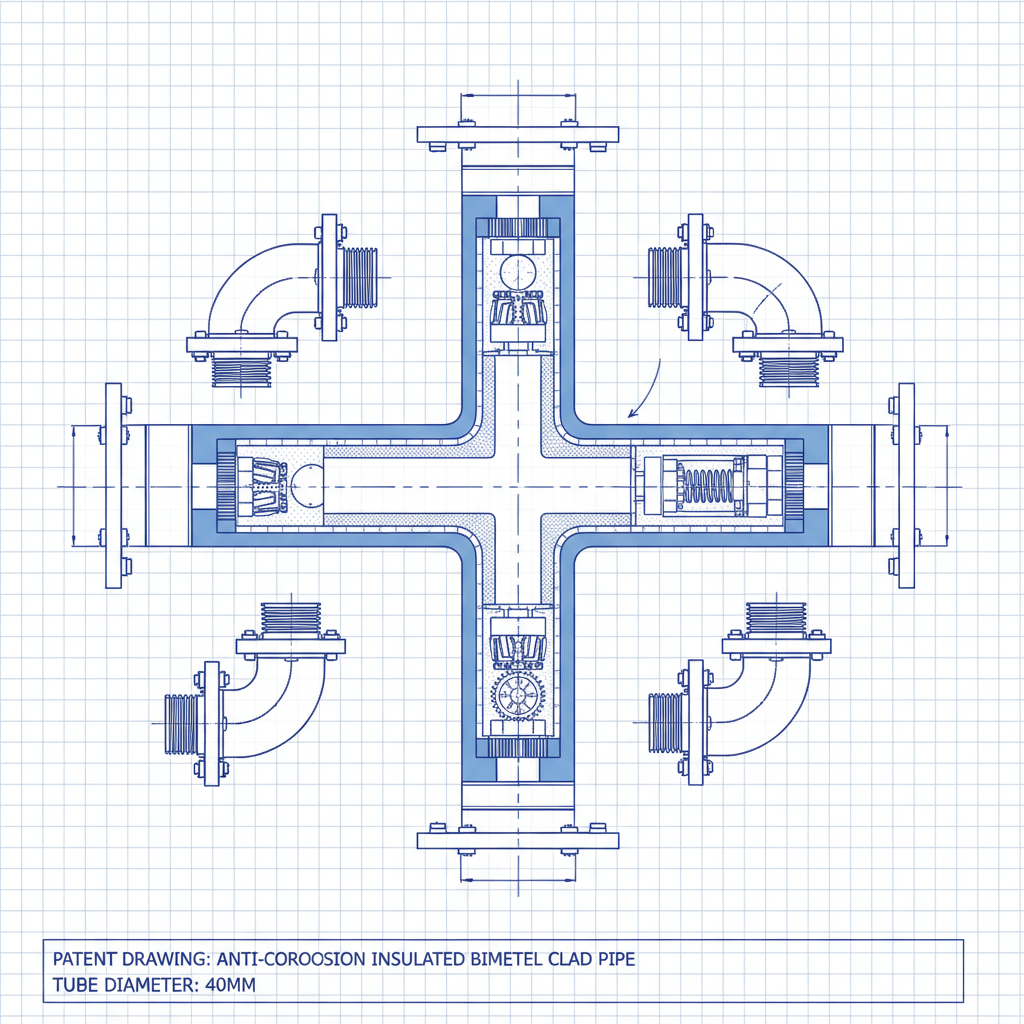
Comprehensive Guide to 40mm Steel Tube Applications and Material Selection
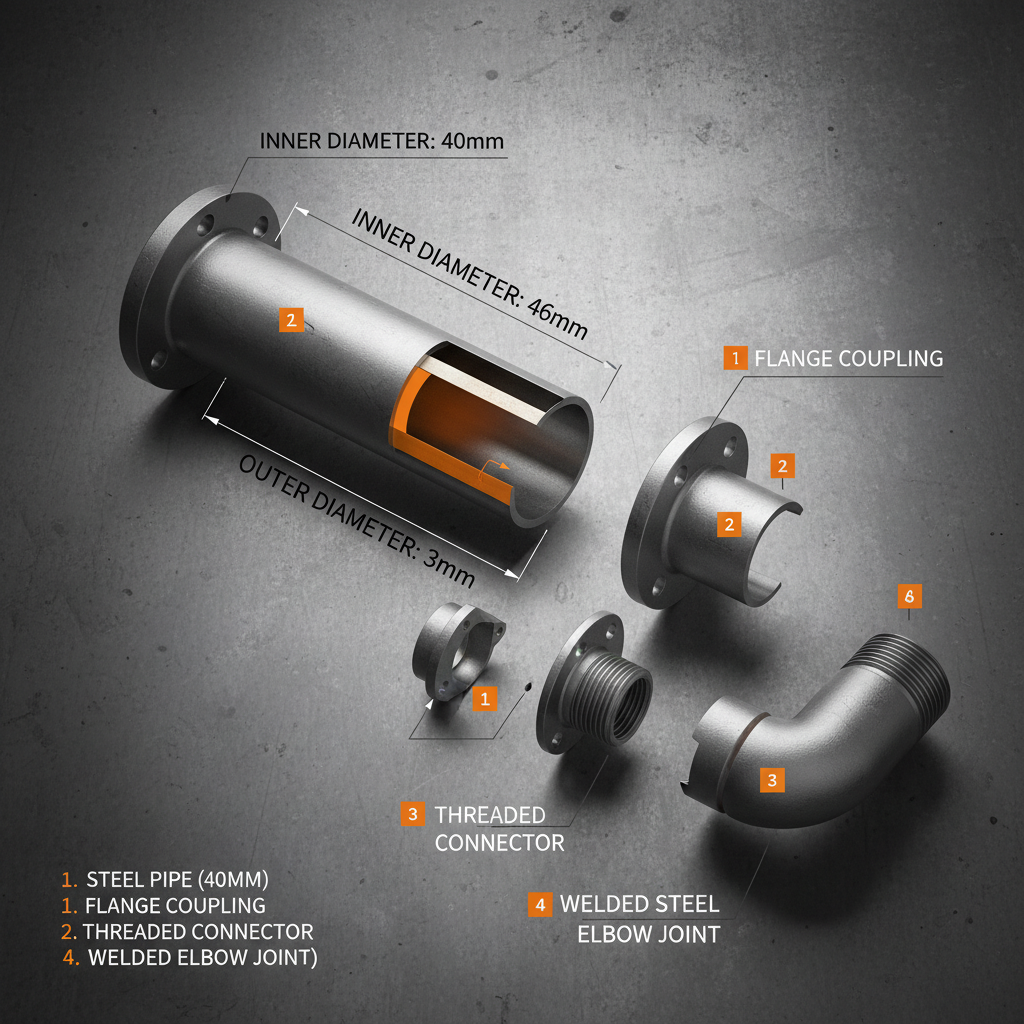
Comprehensive Guide to 40mm Steel Pipe Applications and Considerations
Comprehensive Guide to 40mm Metal Pipe Applications and Sourcing
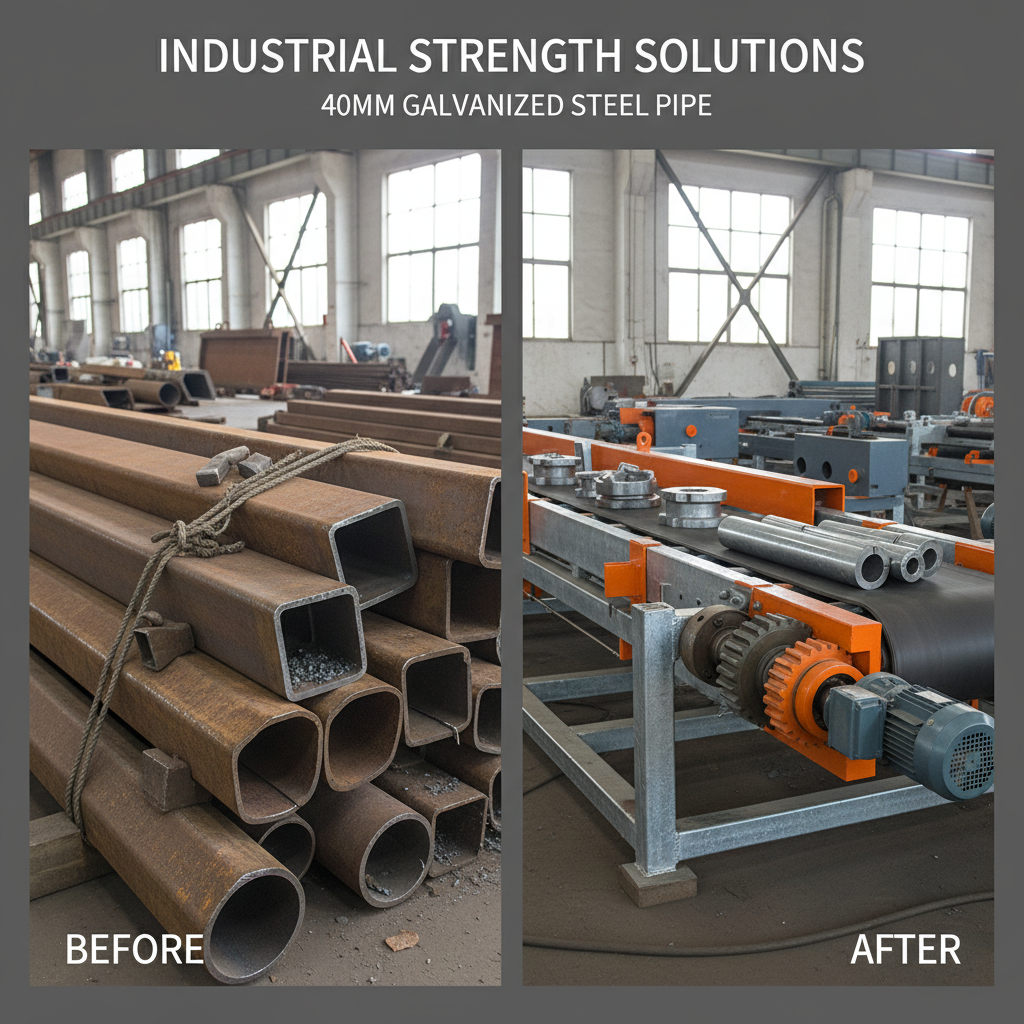
Comprehensive Guide to 40mm Galvanised Pipe Applications and Specifications