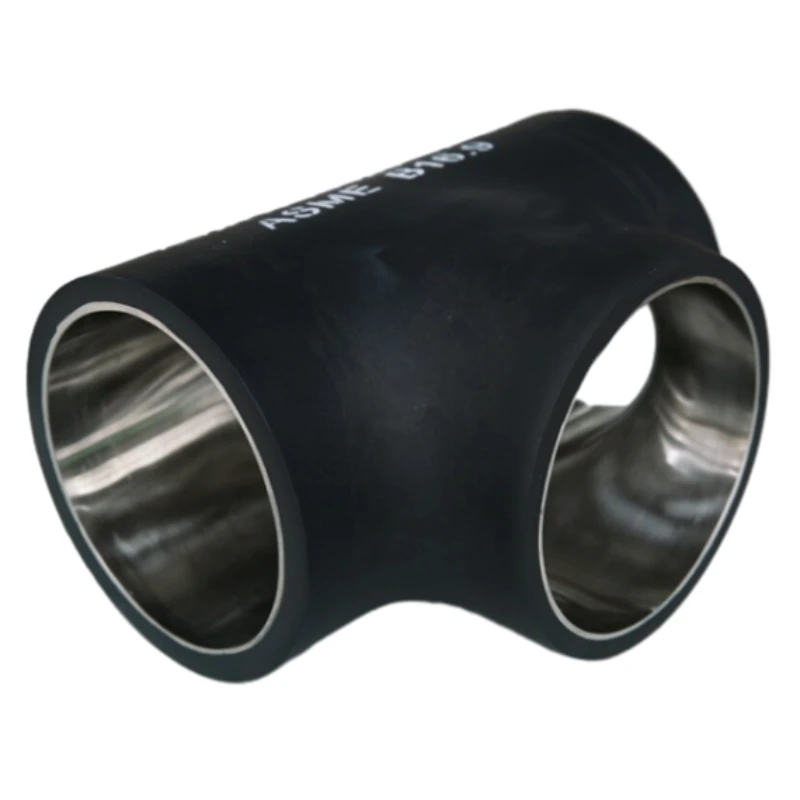
In the intricate world of industrial piping systems, the integrity and efficiency of connections are paramount. A critical component ensuring this reliability is the metal flange. These robust devices serve as a crucial interface, allowing for the secure and often detachable joining of pipes, valves, pumps, and other equipment, facilitating maintenance, system modifications, and overall operational longevity. The global market for industrial flanges is projected to grow significantly, driven by expanding investments in oil & gas, petrochemicals, power generation, and water treatment infrastructure.
Current industry trends highlight an increasing demand for specialized flanges capable of withstanding extreme conditions, including high pressures, corrosive environments, and fluctuating temperatures. This demand is particularly pronounced for stainless steel flange varieties due to their superior corrosion resistance and durability. Furthermore, innovations in design, such as the emergence of the offset flange for improved spatial efficiency and flexible flange options for vibration dampening and misalignment compensation, are shaping the future of pipeline engineering. As industries strive for enhanced safety, efficiency, and reduced operational costs, the selection and application of appropriate flange types become increasingly vital. Understanding the different types of flanges available, from weld neck and slip-on to blind and threaded, is essential for optimal system design and performance.
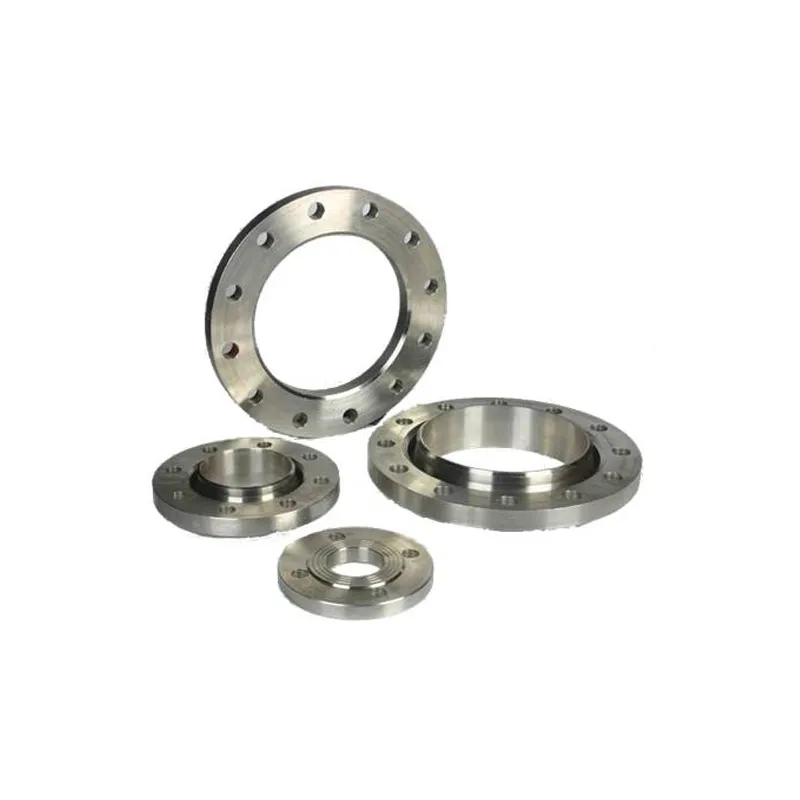
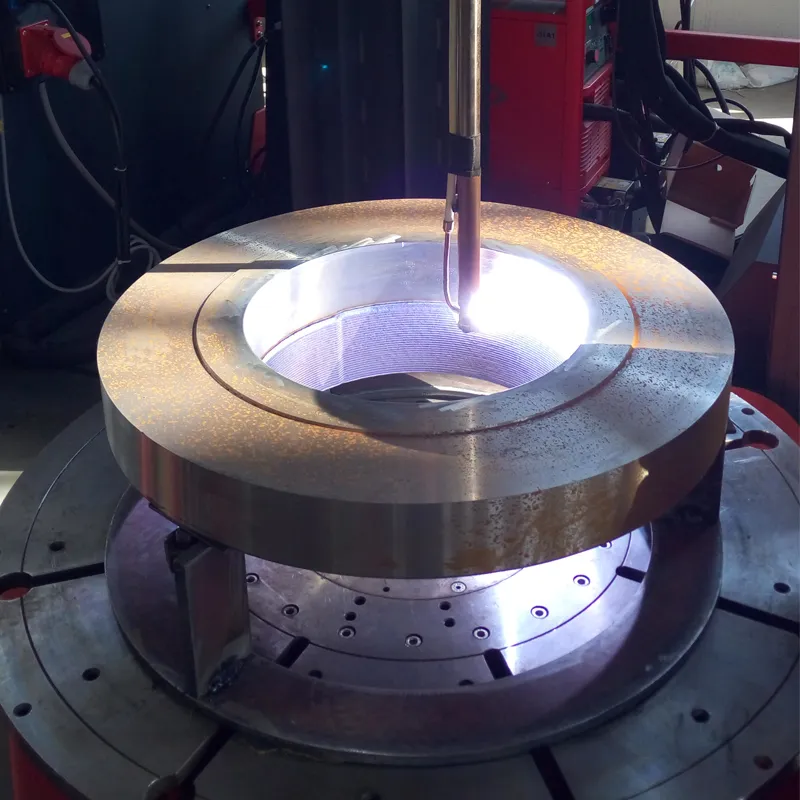
The manufacturing of a high-quality metal flange is a multi-stage process requiring precision engineering and adherence to stringent quality controls. This process ensures that the final product meets the demanding performance specifications of various industrial applications.
The typical service life of a well-manufactured metal flange can range from 20 to 50 years, often matching the lifespan of the pipeline system itself, provided it is correctly installed and maintained. Target industries for these components include petrochemical, oil & gas exploration and refining, power generation, water supply & drainage, shipbuilding, and metallurgy. Advantages in typical application scenarios include enhanced energy saving through leak-free connections, superior corrosion resistance in harsh environments, and the ability to withstand extreme pressures and temperatures, contributing to overall system integrity and reduced operational downtime.
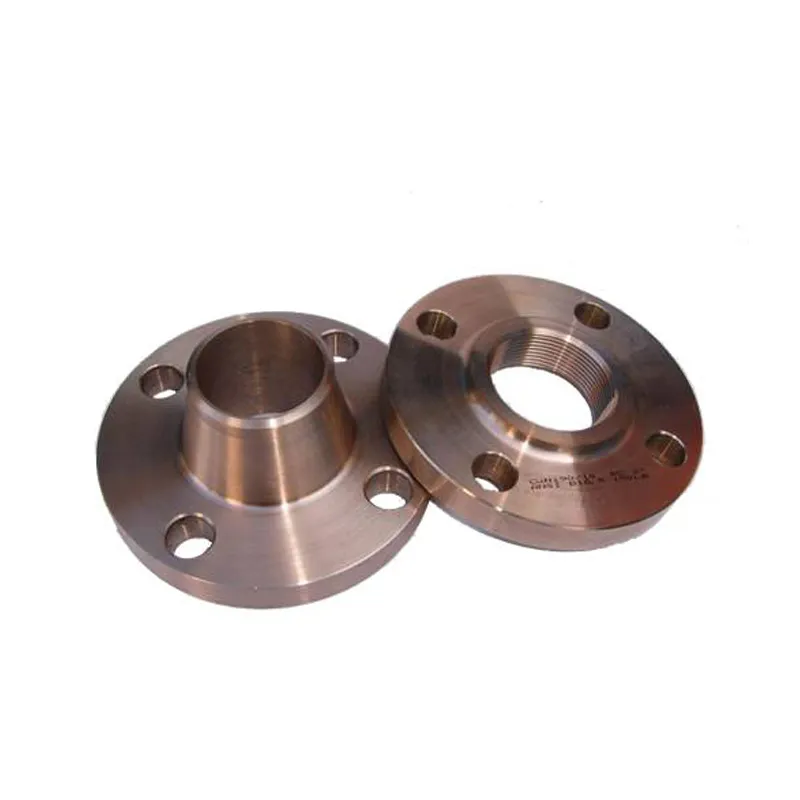
The performance and compatibility of a metal flange are dictated by a comprehensive set of technical specifications. Understanding these parameters is crucial for engineers and procurement professionals to ensure the correct selection for specific applications. Below is a representative table outlining common specifications for various different types of flanges.
| Parameter | Description | Common Values/Standards |
|---|---|---|
| Material Grades | Chemical composition and mechanical properties. | ASTM A105 (Carbon Steel), ASTM A182 F304/316 (Stainless Steel), ASTM A694 F52/F60 (High Yield), ASTM A350 LF2 (Low Temp Carbon Steel) |
| Nominal Pipe Size (NPS) | Indicates the pipe size the flange is intended to fit. | 1/2" to 60" (DN15 to DN1500) |
| Pressure Class/Rating | Maximum allowable working pressure (MAWP) at a given temperature. | ASME B16.5: Class 150, 300, 600, 900, 1500, 2500; EN 1092-1: PN6, PN10, PN16, PN25, PN40, PN63, PN100, PN160 |
| Facing Type | Surface finish of the sealing area. | Raised Face (RF), Flat Face (FF), Ring Type Joint (RTJ), Lap Joint (LJ), Tongue and Groove (T&G), Male and Female (M&F) |
| Manufacturing Standard | Adherence to specific industry dimensional and material standards. | ASME B16.5, ASME B16.47, EN 1092-1, API 6A, JIS B2220, BS 4504 |
| Corrosion Resistance | Ability to withstand degradation from corrosive media. | Highly resistant (e.g., 316L stainless steel flange), Moderate (e.g., Carbon Steel with coatings), Low (unprotected Carbon Steel) |
| Temperature Range | Operating temperature limits. | Typically -45°C to 550°C (depending on material and pressure class) |
The flange price is influenced by these factors, including material grade, size, pressure rating, and manufacturing complexity. Specialized flanges, such as high-alloy or custom-fabricated designs, naturally command a higher price point due to material cost and advanced manufacturing techniques.
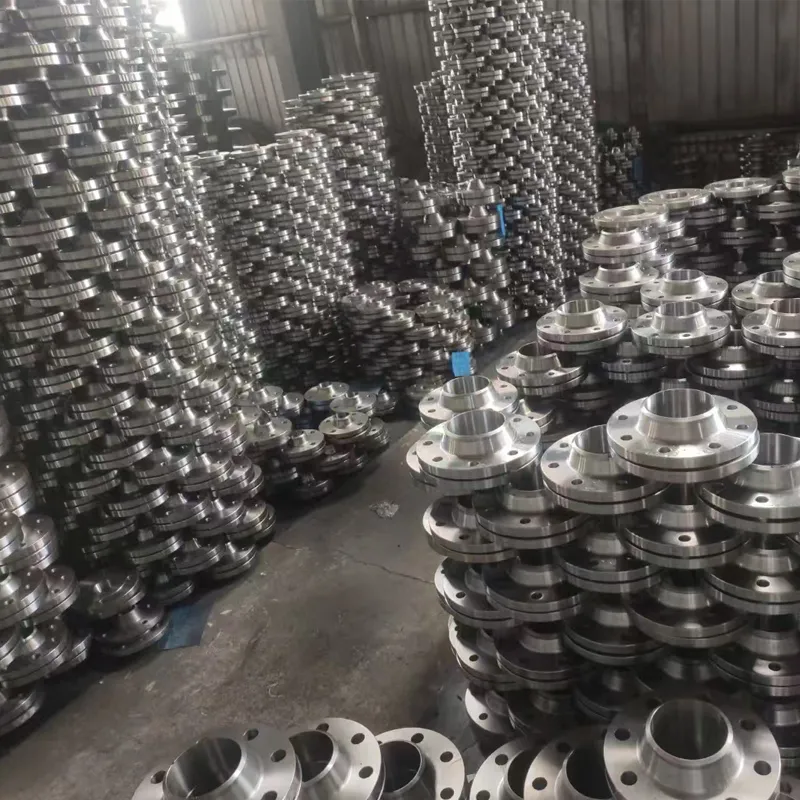
The versatility of the metal flange makes it indispensable across a vast array of industrial sectors. Its ability to create strong, leak-proof, yet detachable joints is critical for system flexibility and maintenance.
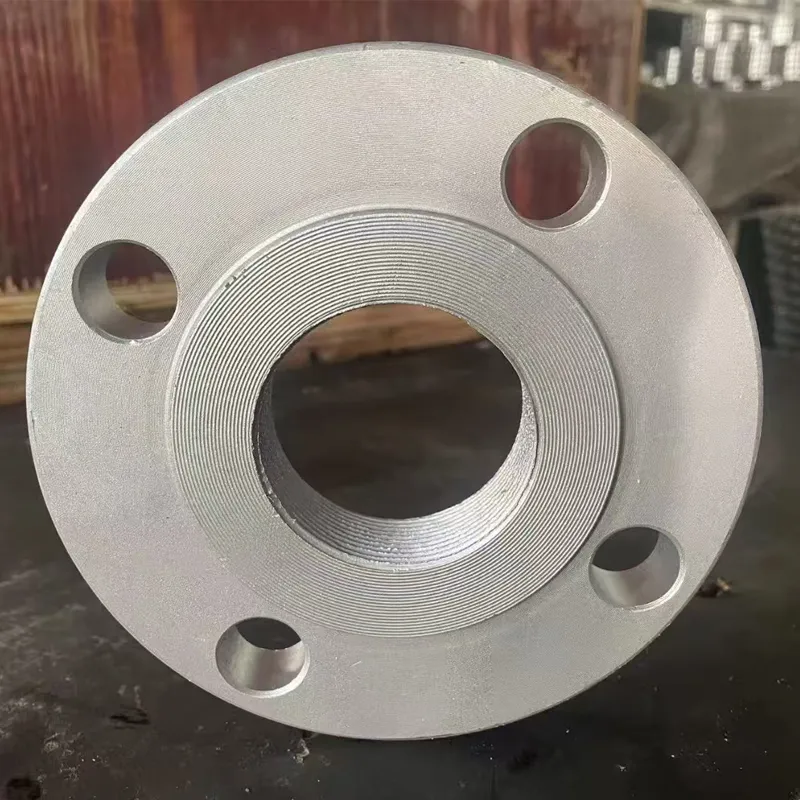
These advantages collectively underscore why flanges remain the preferred connection method for critical industrial piping systems worldwide.
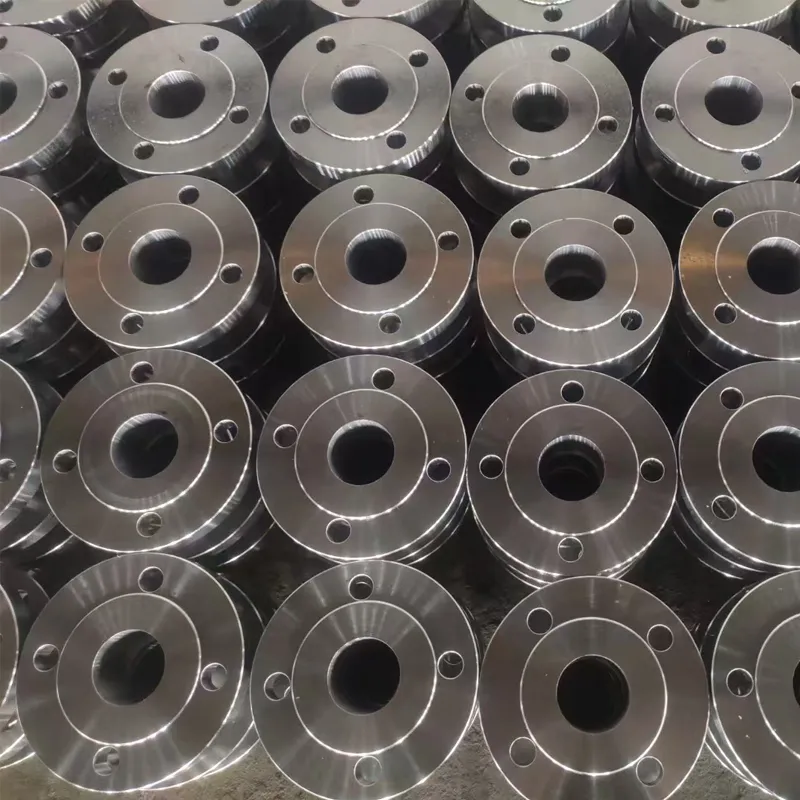
Selecting the right supplier for industrial flanges is a strategic decision that impacts project timelines, operational reliability, and overall cost-effectiveness. A thorough vendor comparison goes beyond just the flange price.
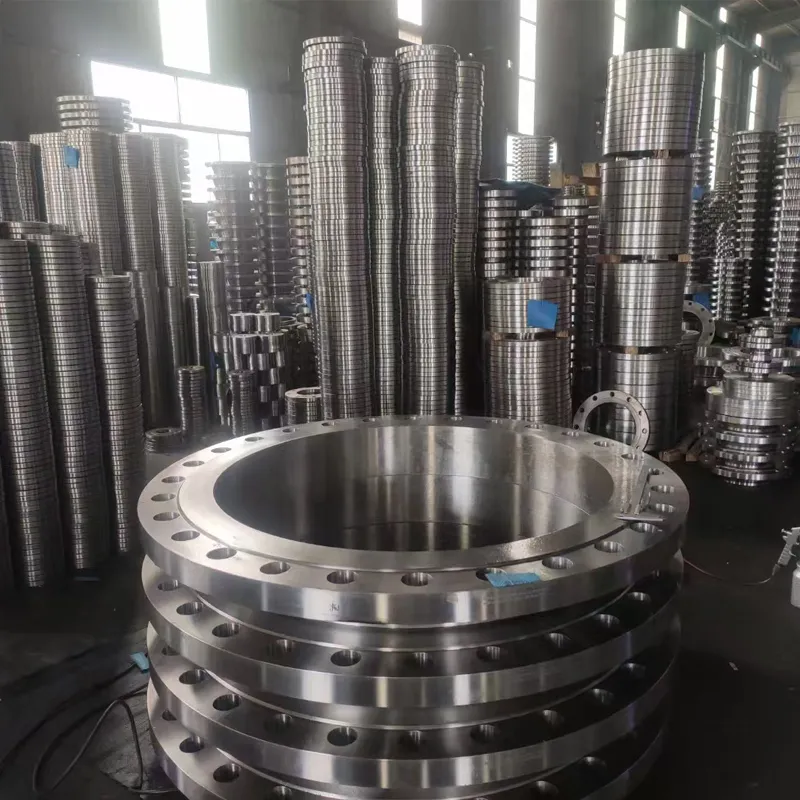
Many industrial applications require flanges that deviate from standard specifications. Leading manufacturers offer comprehensive customization services, providing significant value to clients with unique project requirements.
A strong partnership with a manufacturer capable of delivering customized metal flange solutions can significantly optimize project performance and reduce total cost of ownership by precisely matching components to system demands.
Real-world application case studies demonstrate the reliability and critical performance of metal flange components in diverse industrial settings.
Challenge: An offshore platform required robust, corrosion-resistant connections for its subsea crude oil transfer lines, operating under pressures up to 2500 PSI and in extreme saltwater conditions. Traditional carbon steel flanges showed accelerated degradation.
Solution: High-yield stainless steel flange (ASTM A182 F55 Duplex Stainless Steel) weld neck flanges, Class 2500, with RTJ facings were supplied. These flanges were manufactured to ASME B16.5 standards, with full material traceability and extensive ultrasonic testing to ensure integrity.
Outcome: The duplex stainless steel flanges provided superior corrosion resistance and strength, extending the service life of the subsea connections by over 30% compared to previous installations, significantly reducing maintenance frequency and enhancing operational safety. The total project cost, despite a higher initial flange price for duplex material, was reduced over the long term due to decreased downtime.
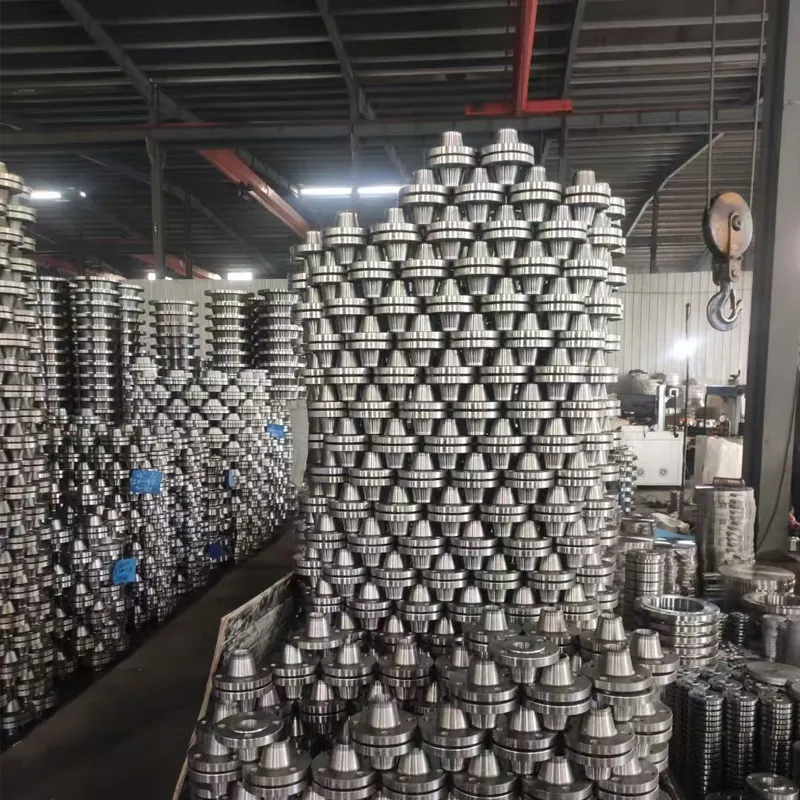
Challenge: A plant expanding its sulfuric acid production unit needed a variety of flanges capable of resisting highly corrosive chemicals at elevated temperatures (up to 200°C). Space constraints also necessitated innovative solutions for certain pipe runs.
Solution: A combination of 316L stainless steel flange and Monel 400 flanges (for the most aggressive sections) were specified. For areas with limited space, custom-designed offset flange components were fabricated, allowing for tighter pipe bending radii without compromising flow or structural integrity. All flanges conformed to EN 1092-1 PN40 standards.
Outcome: The tailored material selection and custom offset designs ensured perfect chemical compatibility and fit within the confined plant layout. The system has operated for five years without any flange-related leaks or material degradation, demonstrating the effectiveness of specialized solutions.
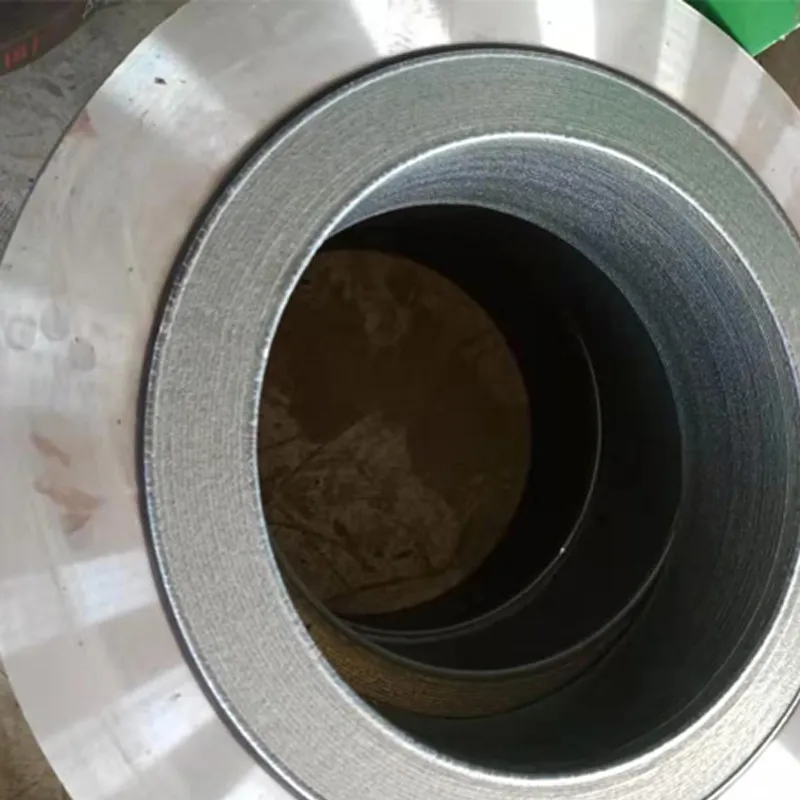
Challenge: An aging municipal water treatment plant required an upgrade of its main intake and distribution lines, where large diameter pipes (DN1000) experienced slight ground movement and vibration from large pumps. Standard rigid flanges were prone to stress cracking over time.
Solution: Large-diameter carbon steel flanges (PN16, EN 1092-1) were used, but specifically designed with a slight inherent flexibility and paired with specialized flexible flange couplings in critical sections. These couplings allowed for minor angular and axial deflections. All flanges were internally epoxy coated for enhanced corrosion protection against treated water.
Outcome: The integrated flexible flange system effectively absorbed ground shifts and pump vibrations, preventing premature fatigue failures seen in previous rigid setups. The epoxy coating ensured long-term resistance to water corrosion, contributing to a projected service life of 40+ years for the upgraded infrastructure.
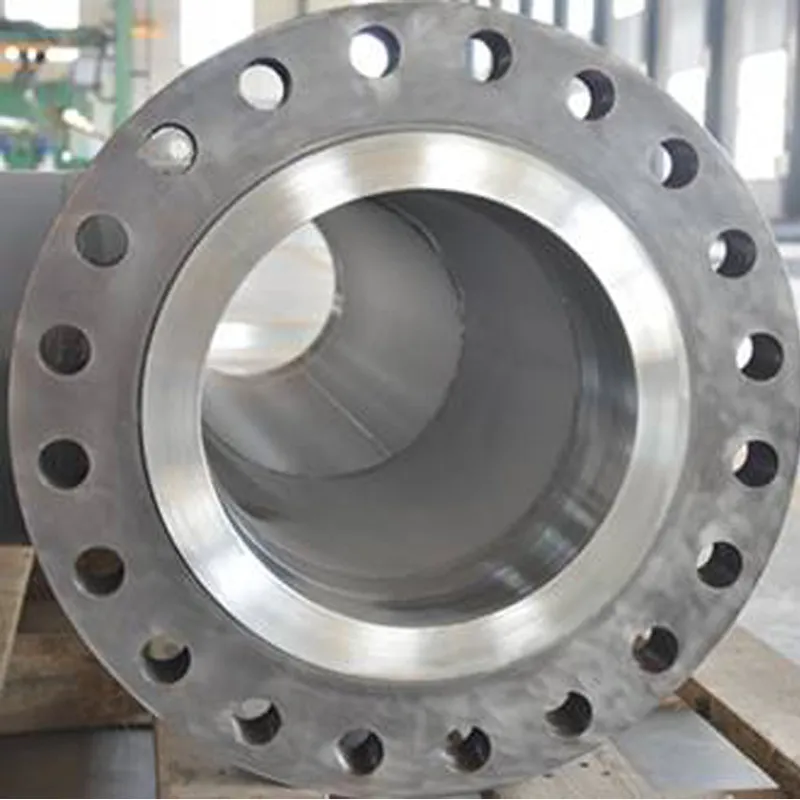
At Lion Pipeline, our commitment to quality, reliability, and customer satisfaction is paramount. We understand that for B2B decision-makers and engineers, trust is built on proven processes, clear commitments, and robust support.
Our streamlined manufacturing processes and robust supply chain allow us to offer competitive lead times. For standard metal flange products, typical lead times range from 2-4 weeks. Customized or large-volume orders may require 6-10 weeks, depending on complexity and material availability. We prioritize clear communication, providing transparent updates throughout the order fulfillment process to ensure project schedules are met.
Lion Pipeline provides a comprehensive warranty against manufacturing defects and material imperfections for all our metal flange products. Our standard warranty period is 12 months from the date of installation or 18 months from the date of shipment, whichever comes first. This commitment underscores our confidence in the quality and durability of our products.
Our dedicated customer support team is available to assist you with technical inquiries, order status, and after-sales service. We offer expert guidance from initial consultation to post-installation support.
Email: sales@lion-pipeline.com
Phone: +86-XXX-XXXX-XXXX (example number)
Operating Hours: Monday - Friday, 8:00 AM - 5:00 PM (GMT+8)
Ultimate Guide to 4130 Tubing Strength Performance and Applications
Properties and Industrial Applications of 4130 steel tubing
Comprehensive Guide to 40mm Steel Tube Applications and Material Selection
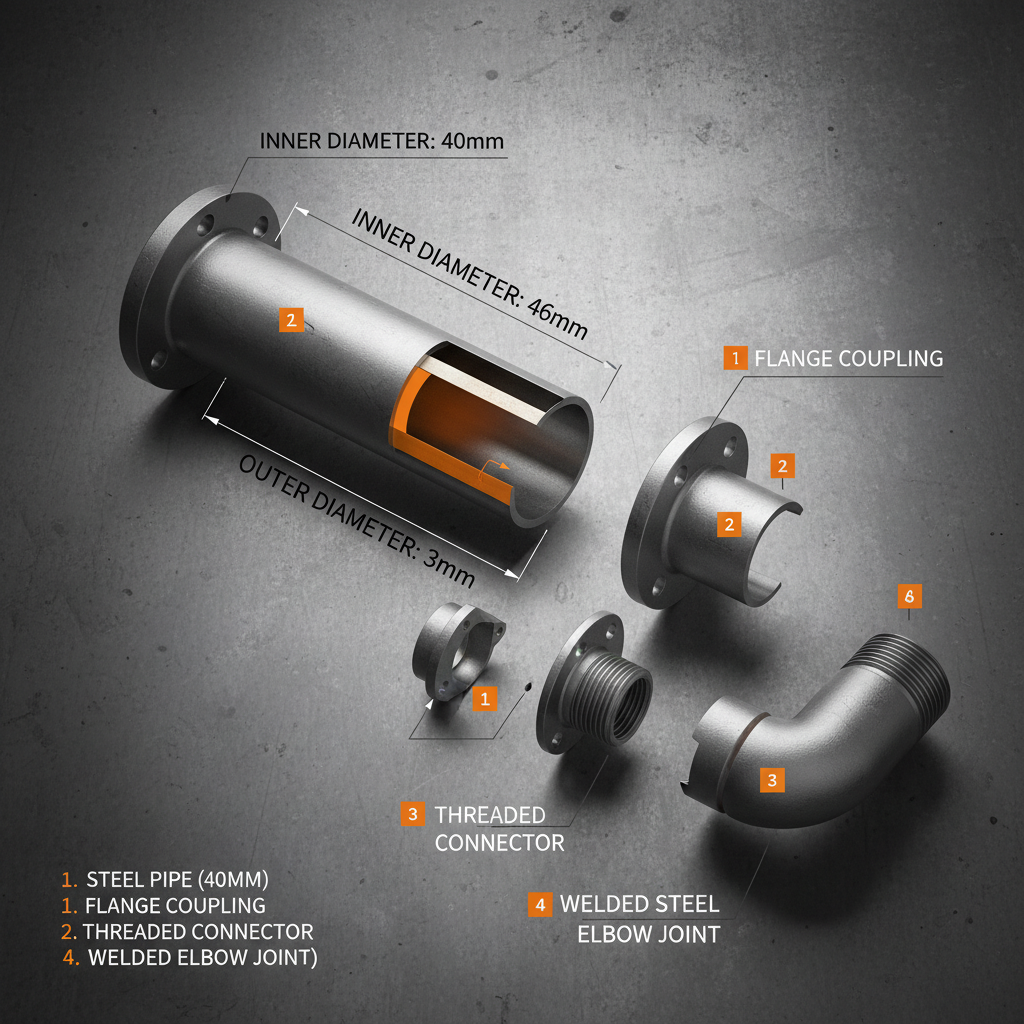
Comprehensive Guide to 40mm Steel Pipe Applications and Considerations
Comprehensive Guide to 40mm Metal Pipe Applications and Sourcing
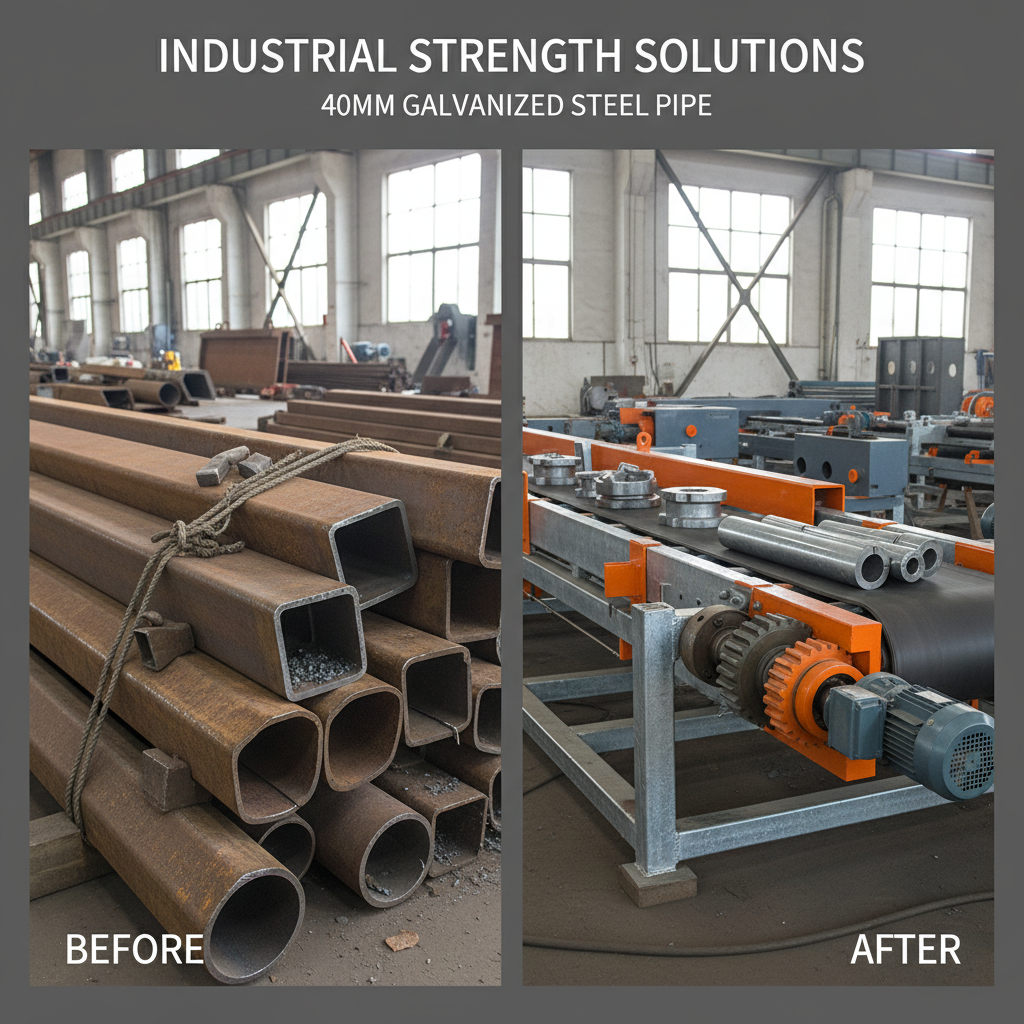
Comprehensive Guide to 40mm Galvanised Pipe Applications and Specifications