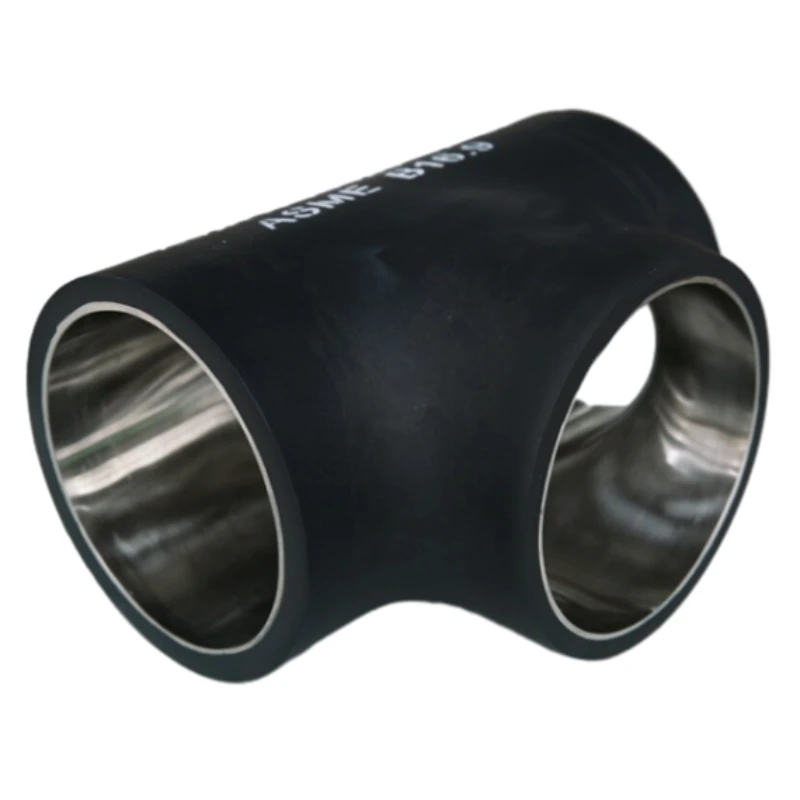
In the demanding landscape of modern industrial applications, the quest for materials offering superior performance, extended lifespan, and enhanced cost-efficiency is continuous. Among the most innovative solutions emerging, the composite pipe stands out as a critical advancement. Specifically, the integration of advanced cladding technologies like laser cladding has revolutionized pipeline integrity, particularly for industries operating under extreme conditions. This comprehensive overview delves into the technical intricacies, application benefits, and strategic advantages of these high-performance piping solutions, focusing on how they address the complex challenges faced by modern industrial infrastructure.
The global industrial sector is witnessing a significant shift towards more durable, sustainable, and cost-effective material solutions. Traditional steel pipes, while foundational, often struggle with severe corrosion, erosion, and high-temperature degradation in environments prevalent in petrochemical, offshore, and mining operations. This has propelled the demand for advanced materials capable of withstanding aggressive media and extending operational lifecycles without compromising safety or performance. The rise of sophisticated manufacturing techniques, such as laser cladding, offers a transformative approach to creating composite structures, where a high-performance alloy layer is metallurgically bonded to a cost-effective substrate. This technological leap provides a compelling alternative to exotic solid alloys, offering enhanced properties at a significantly reduced total cost of ownership. Industries are increasingly looking for solutions that not only meet stringent operational requirements but also contribute to environmental sustainability by reducing material consumption and waste through extended product life.
A composite pipe, in this context, refers to a bimetallic or multi-layer pipe system where a robust, load-bearing base material is internally or externally lined with a specialized alloy, chosen for its superior resistance to specific service conditions. The Laser Clad Pipe exemplifies this principle by utilizing a carbon steel or low-alloy steel base pipe for structural integrity and cost-effectiveness, combined with a protective inner layer applied through laser cladding.
The precise selection of cladding material is critical, involving detailed analysis of the fluid composition, operating temperatures, pressures, and potential abrasive particles to ensure optimal performance and longevity.
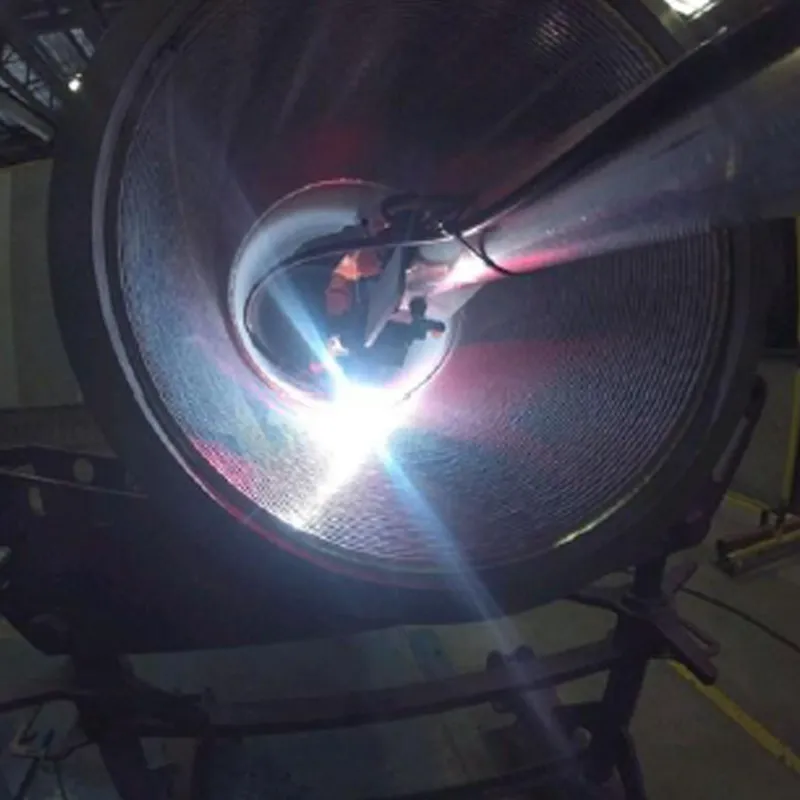
The manufacturing of a Laser Clad Pipe involves a sophisticated series of steps designed to achieve a metallurgical bond between the base pipe and the cladding material, ensuring high integrity and performance. This process is distinct from traditional overlay welding or mechanical lining, offering superior control and minimal heat input.
The controlled nature of laser cladding minimizes heat-affected zones (HAZ) in the base material, preserving its mechanical properties and reducing distortion, which is a significant advantage over other welding methods.
The Laser Clad Pipe, a prime example of an advanced composite pipe, offers unparalleled performance specifications crucial for challenging industrial environments. Here is a typical overview of key parameters:
| Parameter | Specification (Typical for Laser Clad Pipe) |
|---|---|
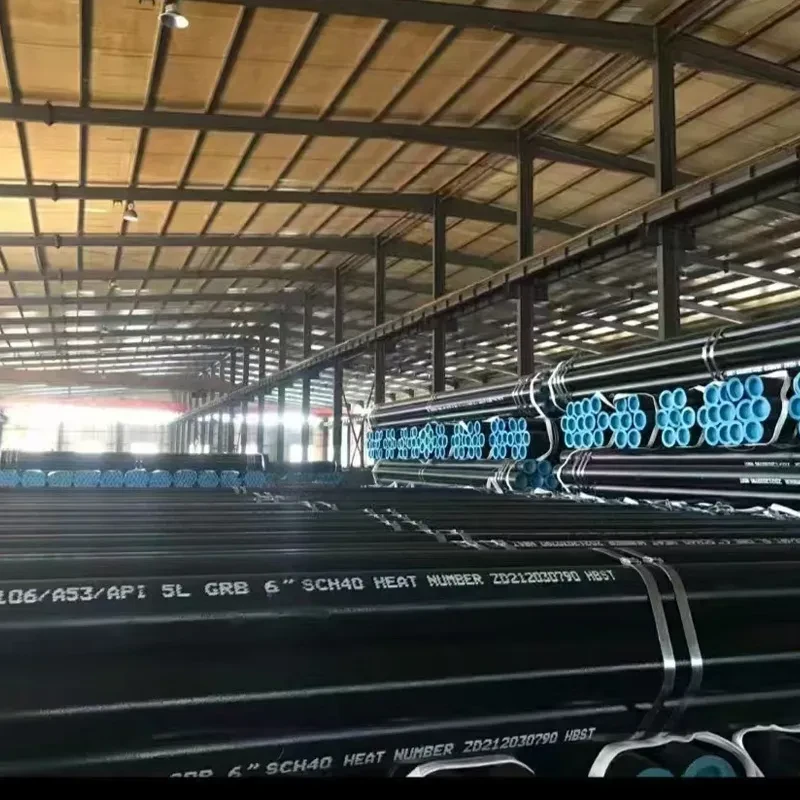
| Base Material | API 5L Gr. B to X80, ASTM A106 Gr. B |
| Cladding Material | Inconel 625, Inconel 825, Duplex 2205, Super Duplex 2507, 316L |
| Cladding Thickness | 1.5 mm to 4.0 mm (customizable) |
| Pipe Diameter Range (OD) | NPS 2" to NPS 36" (50.8 mm to 914.4 mm) |
| Corrosion Resistance | Highly resistant to H2S, CO2, chlorides (NACE MR0175 compliant) |
| Erosion/Wear Resistance | Excellent, especially with harder cladding alloys like Stellite |
| Operating Temperature Range | Up to 550°C (depending on base/cladding materials) |
| Pressure Rating | Up to ANSI Class 2500 (dependent on wall thickness) |
| Service Life | Typically 2-5 times longer than unclad pipes in corrosive environments |
These specifications highlight the robust engineering behind laser clad solutions, making them indispensable for critical infrastructure projects where failure is not an option.
The adoption of laser cladding technology in manufacturing composite pipe offers several distinct advantages over traditional piping solutions and other lining methods:
These advantages collectively position laser clad pipes as a premium solution for demanding industrial applications, offering robust performance and superior operational economics.
The versatility and enhanced performance of the composite pipe make it indispensable across a broad spectrum of industries where severe operating conditions are the norm. Key target industries and application scenarios include:
In these scenarios, the ability of laser clad pipes to withstand extreme conditions ensures operational continuity, enhances safety, and significantly reduces the economic burden associated with material degradation and premature failure.
Choosing the right composite pipe manufacturer is crucial for ensuring the quality, reliability, and long-term performance of your piping infrastructure. While many steel pipe manufacturers exist, not all possess the specialized expertise in advanced cladding technologies like laser cladding.
| Feature | Traditional Carbon Steel Pipe | Laser Clad Composite Pipe |
|---|---|---|
| Corrosion Resistance | Low (susceptible to rust, pitting, SCC) | High (tailored to specific corrosive media) |
| Erosion Resistance | Moderate to Low | High (depending on cladding alloy) |
| Service Life | Shorter in aggressive environments (2-10 years) | Significantly longer (20-50+ years) |
| Maintenance & Downtime | Frequent inspections and replacements | Minimised, leading to greater operational uptime |
| Total Cost of Ownership | Higher due to frequent replacements and downtime | Lower over the project lifecycle |
| Initial Cost | Lower | Higher, but justified by lifecycle benefits |
This comparison underscores the strategic value of investing in laser clad composite pipe solutions for long-term project viability and operational excellence.
Recognizing that no two industrial projects are exactly alike, leading composite pipe manufacturers offer highly customized solutions. This involves a collaborative process from initial design to final implementation:
This bespoke approach ensures that clients receive piping solutions perfectly aligned with their technical requirements and operational goals, maximizing efficiency and safety.
Challenge: A major offshore operator faced severe internal corrosion in their subsea flowlines due to high concentrations of H2S and CO2, leading to frequent failures and costly downtime. Traditional carbon steel pipes had an estimated lifespan of less than 5 years.
Solution: Implementation of Laser Clad Pipes with an Inconel 625 internal cladding layer over an API 5L X65 base pipe. The pipes were custom-fabricated to meet specific subsea dimensions and pressure ratings.
Result: After 10 years of operation, inspections revealed no signs of internal corrosion or degradation, far exceeding the lifespan of previous solutions. This success significantly reduced operational expenditure and enhanced environmental safety. Customer feedback highlighted the reliability and robust performance of the laser clad solution.
Challenge: An iron ore mining operation experienced rapid wear and tear in their slurry pipelines, attributed to the highly abrasive nature of the ore particles. Pipes required replacement every 18-24 months, causing production bottlenecks.
Solution: Installation of Laser Clad Pipes featuring a specialized hard-facing alloy (e.g., Stellite 6) as the internal cladding material, bonded to a high-strength carbon steel base pipe.
Result: The laser clad pipelines demonstrated exceptional resistance to abrasion, extending their service life to over 7 years with minimal signs of wear. This led to a significant reduction in maintenance costs, increased throughput, and improved operational efficiency. The client praised the bespoke engineering approach and the tangible economic benefits.
As a leading composite pipe manufacturer, our commitment to quality, expertise, authoritativeness, and trustworthiness is paramount. We adhere to the highest industry standards to ensure every Laser Clad Pipe delivers superior performance and reliability.
A1: Laser Clad Pipes offer superior corrosion, erosion, and wear resistance due to their specialized cladding layer. This significantly extends the pipe's service life, reduces maintenance requirements, and lowers the total cost of ownership compared to conventional pipes in aggressive conditions.
A2: Laser cladding creates a true metallurgical bond with minimal dilution and heat input, resulting in a high-integrity, defect-free layer with a fine-grained microstructure. This is superior to mechanical liners which can delaminate or buckle, and often offers better control and lower distortion than traditional weld overlay methods.
A3: Industries such as Oil & Gas (onshore, offshore, subsea), Petrochemical, Chemical Processing, Mining, Power Generation, and Water Treatment, which operate under severe corrosive, erosive, or high-temperature conditions, benefit immensely from these durable solutions.
A4: Yes, we offer extensive customization options, including selection of base and cladding materials, pipe dimensions (diameter, wall thickness, length), and specific testing protocols to meet the unique demands of each project.
A5: We provide comprehensive after-sales support, including technical assistance, installation guidance, and a robust warranty program. Our team is committed to ensuring the long-term success and optimal performance of your pipeline investment.
The Laser Clad Pipe represents a pinnacle in advanced piping technology, offering an indispensable solution for industries battling the relentless forces of corrosion, erosion, and extreme operating conditions. By meticulously combining the structural strength of base steels with the unparalleled resistance of high-performance alloys through precision laser cladding, these pipes deliver a significantly extended service life, reduced maintenance, and a lower total cost of ownership. For B2B decision-makers and engineers seeking to optimize their infrastructure, enhance safety, and ensure long-term operational integrity, investing in such advanced composite pipe solutions is not merely an option but a strategic imperative in today's demanding industrial landscape.
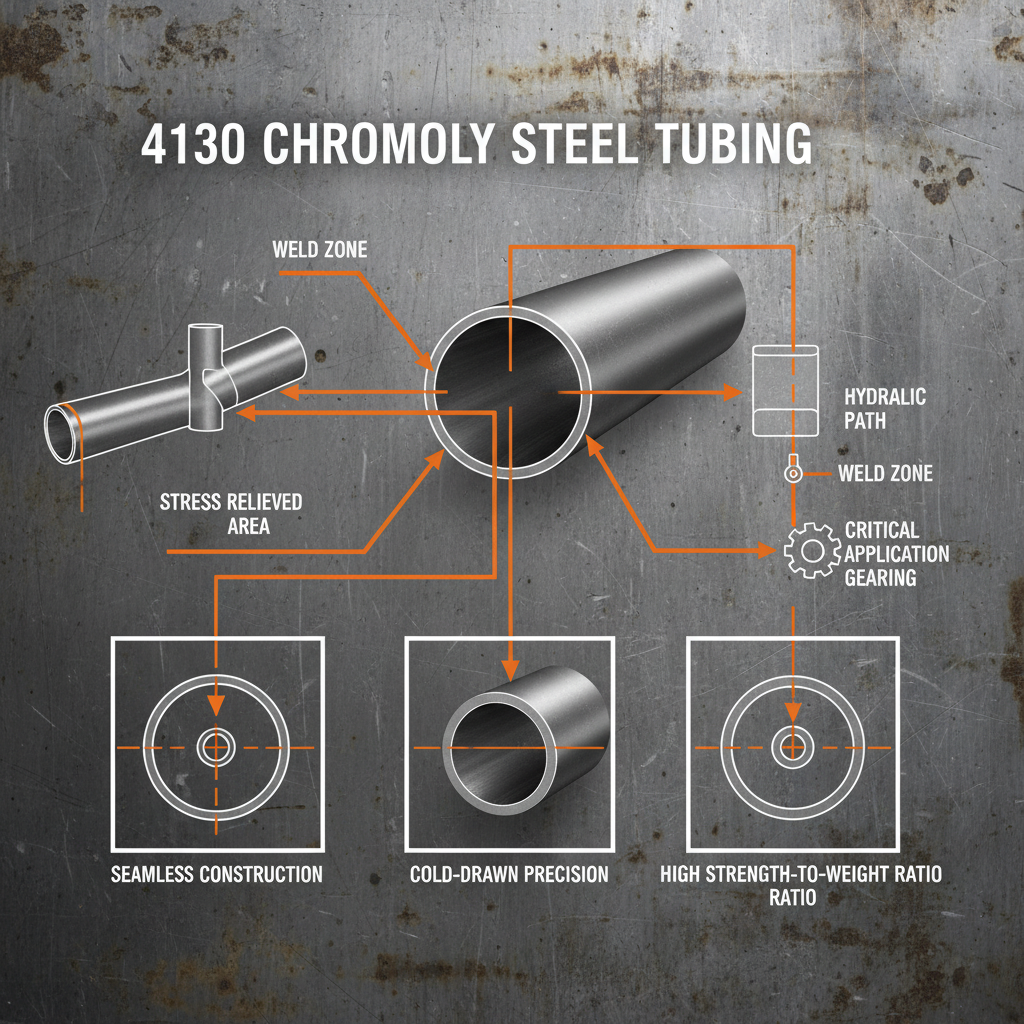
Ultimate Guide to 4130 Tubing Strength Performance and Applications
Properties and Industrial Applications of 4130 steel tubing
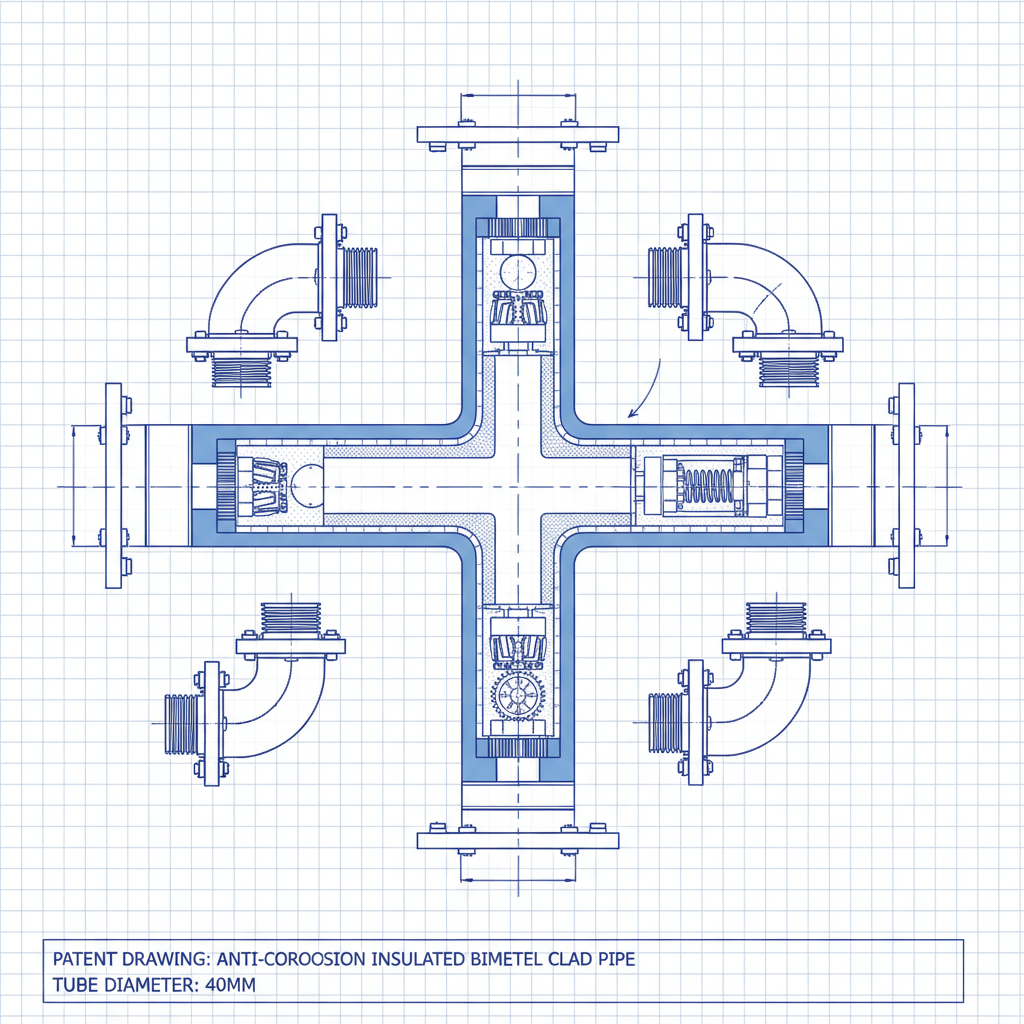
Comprehensive Guide to 40mm Steel Tube Applications and Material Selection
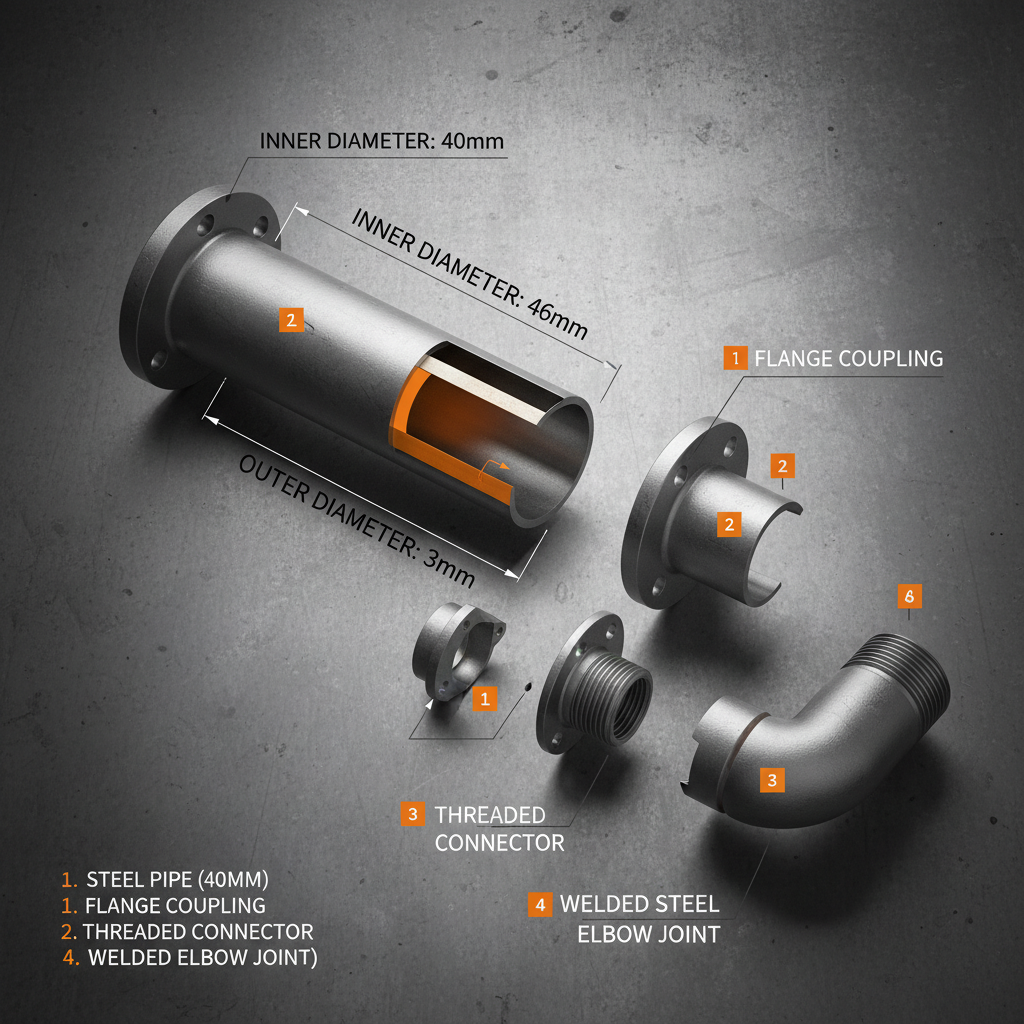
Comprehensive Guide to 40mm Steel Pipe Applications and Considerations
Comprehensive Guide to 40mm Metal Pipe Applications and Sourcing
Comprehensive Guide to 40mm Galvanised Pipe Applications and Specifications