Introduction to Pre-Insulated Steel Pipe Technology
In today's demanding industrial landscape, efficient energy transfer and robust corrosion protection are paramount. The pre insulated steel pipe stands as a cornerstone technology addressing these critical requirements across various sectors. These advanced piping systems are engineered to minimize heat loss or gain, ensuring the integrity and efficiency of transported media, while simultaneously offering unparalleled protection against external corrosive elements. This comprehensive overview delves into the intricate world of pre insulated steel pipework, from its manufacturing nuances to its diverse applications and technical supremacy.
The demand for high-performance fluid conveyance solutions continues to grow, driven by global initiatives for energy efficiency and environmental sustainability. Solutions like the pre insulated steel pipe are not merely components; they are integral systems designed for longevity and optimal performance in challenging environments, ranging from district heating and cooling networks to critical oil and gas pipelines. Our focus will be on the technical intricacies that make these pipes indispensable for modern infrastructure projects.
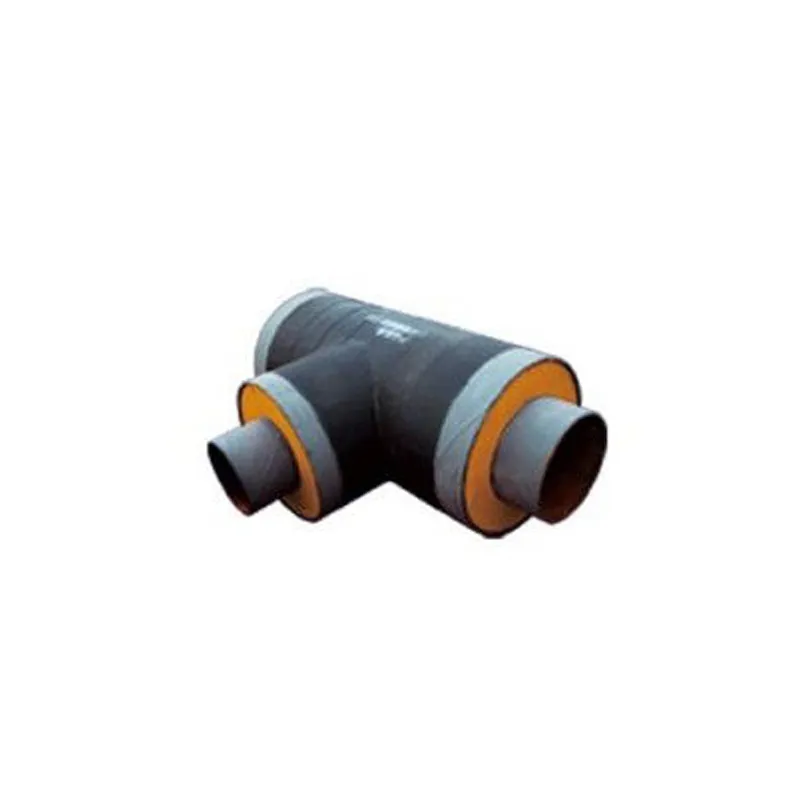
Manufacturing Process: Crafting the Pre-Insulated Steel Pipe
The production of a pre insulated steel pipe involves a sophisticated multi-stage process designed to achieve optimal thermal insulation and corrosion protection. This meticulous manufacturing flow ensures the final product meets stringent industry standards for performance, durability, and reliability.
Key Stages of Production:
-
Inner Steel Pipe Preparation: This stage begins with the selection of high-grade steel pipes, typically carbon steel or alloy steel, depending on the application's pressure, temperature, and media compatibility requirements. Common materials include API 5L Gr. B, ASTM A106 Gr. B, or ASTM A333 Gr. 6 for low-temperature services. The pipes undergo thorough cleaning, descaling, and surface preparation to ensure optimal adhesion for subsequent coatings. This often involves shot blasting to SA 2.5 or SA 3.0 cleanliness standards, as per ISO 8501-1.
-
Anti-Corrosion Pipe Coating Application: A critical layer for longevity, the anti corrosion pipe coating is applied to the outer surface of the inner steel pipe. This could be Fusion Bonded Epoxy (FBE), 3-Layer Polyethylene (3LPE), 3-Layer Polypropylene (3LPP), or coal tar epoxy. FBE offers excellent adhesion and chemical resistance, while 3LPE/3LPP provides superior mechanical protection and high electrical insulation. These coatings protect the steel pipe from external corrosive elements present in the trench or surrounding environment. Application methods typically involve electrostatic spraying for FBE or extrusion for multi-layer systems.
-
Insulation Layer Application: The core of thermal efficiency, the insulation layer is typically made of rigid polyurethane foam (PUR) or polyisocyanurate foam (PIR). These materials offer low thermal conductivity (e.g., 0.024-0.027 W/(m·K)) and excellent thermal stability. The foam is injected into the annular space between the coated inner pipe and the outer jacket pipe, where it expands and hardens, forming a dense, uniform insulation layer. Precise control over density and cell structure is crucial for optimal performance.
-
Outer Jacket Pipe Application: The insulation layer is protected by an outer jacket pipe, typically made of High-Density Polyethylene (HDPE) for underground applications or spiral-wound galvanized steel, aluminum, or fiberglass reinforced plastic (FRP) for above-ground installations. The HDPE jacket offers excellent moisture resistance, UV stability, and mechanical protection. For industrial process piping requiring additional robustness, a spirally wound galvanized steel jacket is preferred, offering superior impact resistance and fire protection.
-
End Sealing and Testing: After the composite structure is formed, the pipe ends are sealed to prevent moisture ingress during storage and transport. Each pre insulated carbon steel pipe undergoes rigorous testing. This includes visual inspection, dimensional checks, adhesion tests for coatings, foam density measurements, thermal conductivity tests, hydrostatic pressure testing of the inner pipe (e.g., to API 5L standards), and spark testing for jacket integrity. Non-destructive testing (NDT) methods like ultrasonic testing or radiographic inspection may also be employed on weld seams.
The adherence to standards such as EN 253, ASTM C518, ISO 9001, and ISO 14001 throughout this process ensures a service life often exceeding 30-50 years, significantly reducing maintenance and replacement costs.
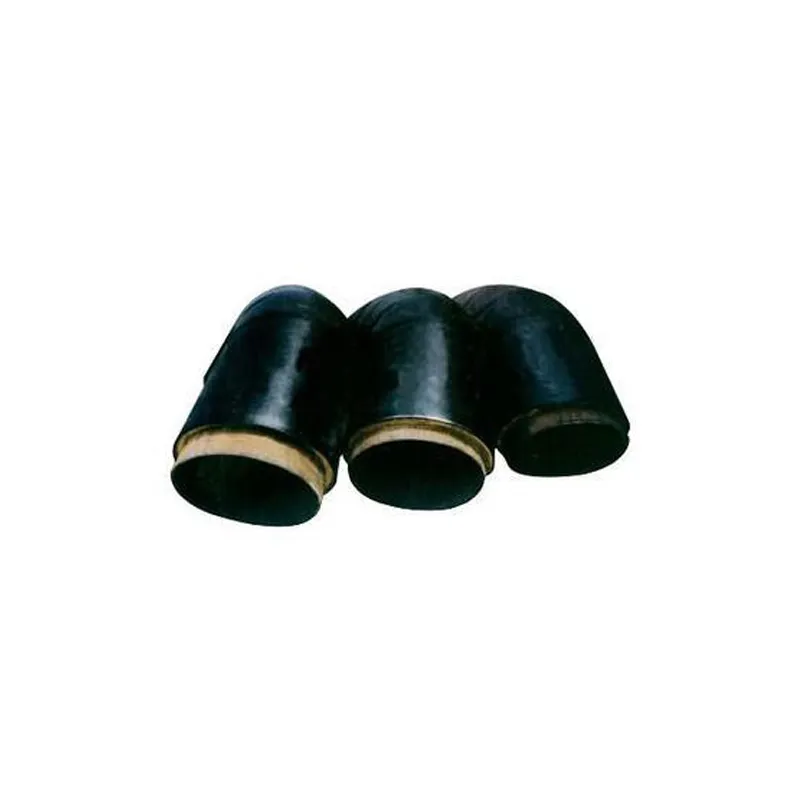
Technical Specifications and Parameters
Understanding the technical specifications of pre insulated steel pipework is crucial for proper selection and optimal system design. These parameters dictate the pipe's suitability for specific operating conditions and environments.
Typical Product Specification Table:
| Parameter |
Description |
Typical Value/Standard |
| Inner Pipe Material |
Carbon steel (e.g., API 5L, ASTM A106), Stainless steel (e.g., ASTM A312) |
API 5L Gr. B, ASTM A106 Gr. B |
| Insulation Material |
Rigid Polyurethane Foam (PUR), Polyisocyanurate Foam (PIR) |
Density 60-80 kg/m³, K-value 0.024-0.027 W/(m·K) |
| Outer Jacket Material |
High-Density Polyethylene (HDPE), Galvanized Steel, FRP |
HDPE (SDR 11/17.6), Galvanized Steel (0.5-1.0mm thickness) |
| Operating Temperature Range |
Range of temperatures for safe and efficient operation |
-40°C to +140°C (PUR), -200°C to +165°C (PIR) |
| Thermal Conductivity (Insulation) |
Measure of heat transfer efficiency |
0.024 - 0.027 W/(m·K) @ 50°C (EN 253) |
| Service Life |
Expected operational lifespan under typical conditions |
Minimum 30 years, often 50+ years |
| Testing Standards |
Relevant international and industry standards |
EN 253, ISO 9001, ISO 14001, ASTM, API |
The stringent control over these parameters ensures that each pre insulated steel pipe delivers superior performance in its intended application, minimizing energy losses and safeguarding the integrity of the transported medium.
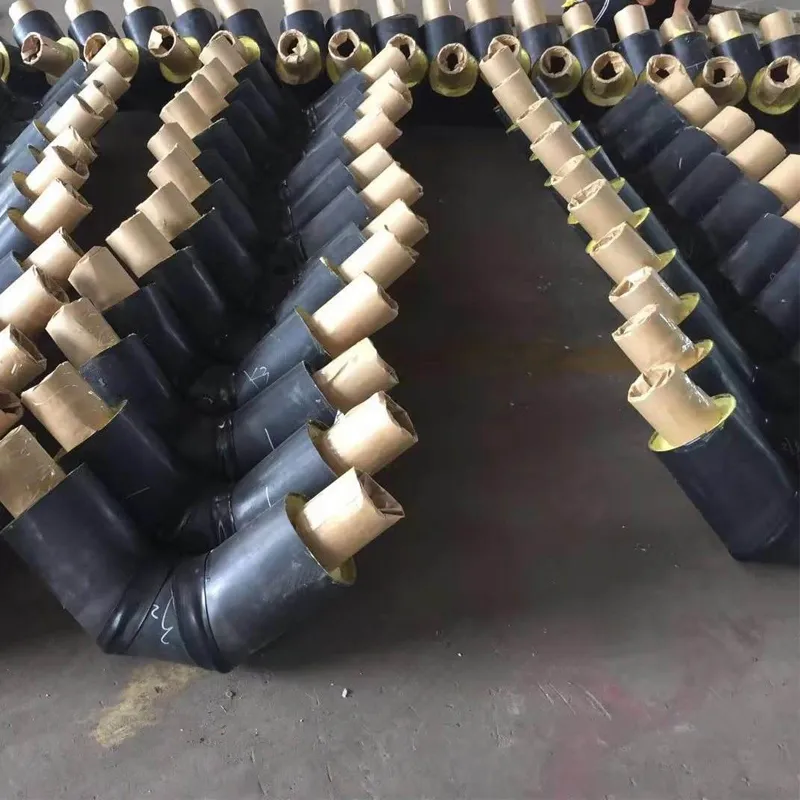
Application Scenarios and Target Industries
The versatility and robust performance of insulated piping solutions make them indispensable across a multitude of industries and applications. Their ability to maintain precise temperatures and resist environmental degradation offers significant advantages.
- District Heating and Cooling: Essential for transporting hot water, steam, or chilled water over long distances with minimal energy loss, significantly improving the efficiency of urban energy networks. The inherent thermal efficiency of pre insulated steel pipework directly translates to reduced operational costs for municipalities and utility providers.
- Oil and Gas Industry: Used for transporting crude oil, refined products, and natural gas, especially in harsh environments where temperature maintenance (e.g., preventing paraffin wax deposition) and corrosion resistance are critical. This ensures flow assurance and reduces the need for expensive heating stations.
- Petrochemical and Chemical Plants: For conveying process fluids that require precise temperature control or are corrosive, ensuring operational safety and product integrity. The anti corrosion pipe coating plays a vital role in extending the life of these critical lines.
- Water Supply and Drainage: Particularly for hot water distribution or in areas prone to freezing, providing insulation against temperature fluctuations and protection against external corrosion for potable and wastewater systems.
- Industrial Process Piping: Across various manufacturing sectors where specific process temperatures must be maintained for optimal production efficiency. This includes food processing, pharmaceutical, and mining industries.
- Cryogenic Applications: With specialized insulation materials like PIR or combinations with vacuum insulation, these pipes can maintain extremely low temperatures for conveying liquefied natural gas (LNG), liquid nitrogen, or oxygen, minimizing boil-off losses.
In each of these scenarios, the integration of superior thermal insulation with robust anti-corrosion properties ensures a reliable, long-lasting, and cost-effective piping solution, showcasing the significant advantages of opting for a properly engineered pre insulated carbon steel pipe system.
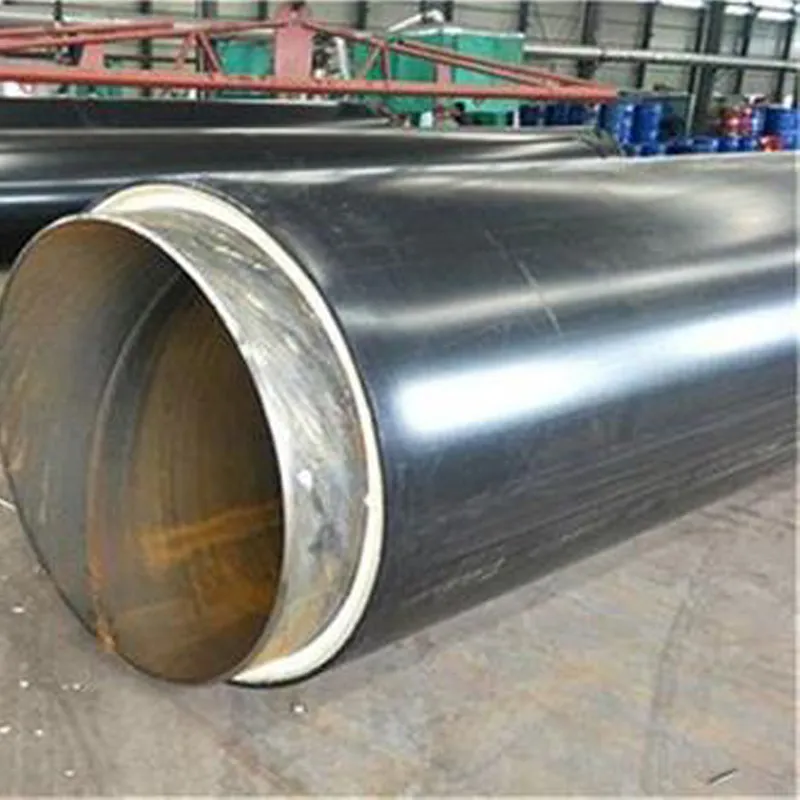
Technical Advantages and Economic Benefits
The adoption of pre insulated steel pipe solutions brings a multitude of technical and economic advantages that drive their widespread acceptance in modern infrastructure projects.
Key Advantages:
- Exceptional Energy Efficiency: The primary advantage is significantly reduced heat loss/gain. High-performance insulation materials like PUR or PIR, with thermal conductivities as low as 0.024 W/(m·K), drastically minimize energy consumption in heating or cooling systems. This directly translates to lower operational costs and a reduced carbon footprint, aligning with global sustainability goals.
- Superior Corrosion Protection: The integrated anti corrosion pipe coating (FBE, 3LPE/3LPP) and robust outer jacket provide comprehensive protection against external corrosive agents, moisture ingress, and mechanical damage. This extends the service life of the pipeline significantly, reducing the need for costly repairs and replacements.
- Enhanced Reliability and Safety: A factory-controlled manufacturing process ensures consistent quality and performance. The sealed system prevents moisture infiltration into the insulation layer, maintaining thermal efficiency throughout the pipe's lifespan. This also minimizes risks associated with pipe failures and potential environmental contamination.
- Simplified and Faster Installation: As a single, integrated unit, pre insulated steel pipework reduces on-site labor and installation time compared to traditional field-insulated systems. This means fewer components to assemble, less complexity, and quicker project completion, leading to overall cost savings in construction.
- Environmental Benefits: By reducing energy consumption and prolonging pipeline life, these systems contribute to a lower carbon footprint and reduced waste. The use of robust materials also minimizes the risk of leaks, protecting soil and water resources.
- Lower Maintenance Costs: The inherent durability and protection offered by the integrated design reduce the need for routine maintenance and external corrosion prevention measures, leading to substantial long-term savings.
Industry Trends and Market Dynamics
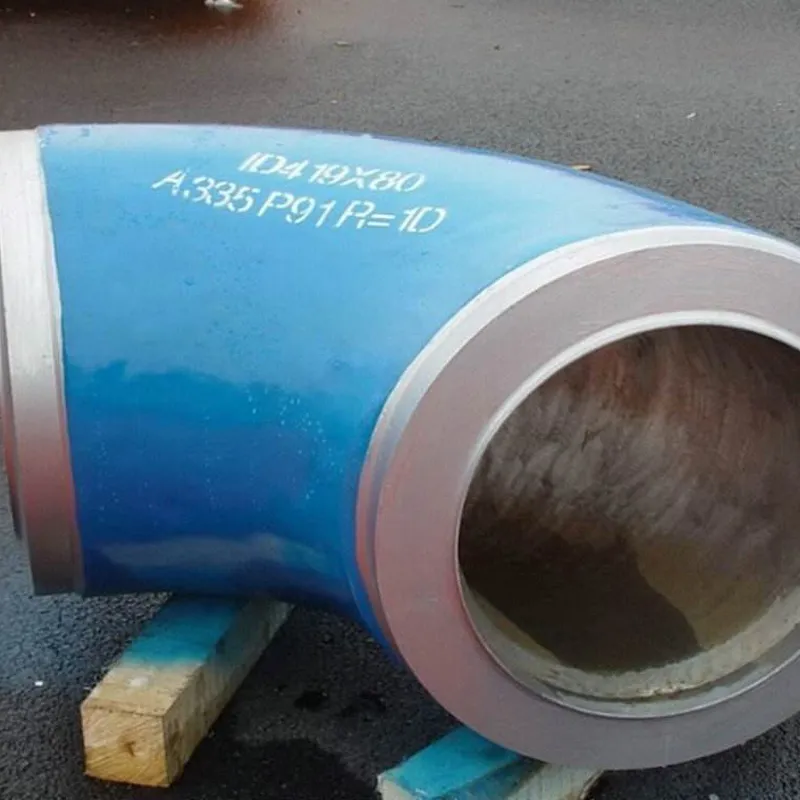
The market for pre-insulated pipe systems is experiencing robust growth, driven by several key industry trends and evolving global priorities.
- Sustainable Infrastructure Development: Governments and industries worldwide are prioritizing energy-efficient and environmentally responsible infrastructure. This fuels the demand for pre-insulated pipes in district heating/cooling and industrial applications.
- Urbanization and District Energy Expansion: Rapid urbanization is leading to expanded district energy networks in cities, where the efficiency of pre insulated steel pipework is crucial for cost-effective heat and cool air distribution.
- Growth in Oil & Gas Pipeline Networks: Despite a push for renewables, the global energy mix still heavily relies on oil and gas. New pipelines, especially in challenging environments (e.g., Arctic regions, deep-sea), require high-performance thermal insulation and anti-corrosion features.
- Technological Advancements in Materials: Ongoing research into insulation materials with even lower thermal conductivities (e.g., aerogels, vacuum insulation panels) and more durable, environmentally friendly anti corrosion pipe coating options is continually improving product performance and expanding application envelopes.
- Digitalization and Smart Monitoring: Integration of smart sensing technologies (e.g., leak detection systems, temperature monitoring) within pre insulated steel pipe systems is enhancing operational safety, predictive maintenance, and overall asset management.
These trends underscore the evolving landscape where pre insulated carbon steel pipe solutions are becoming increasingly sophisticated and integral to the world's energy and industrial infrastructure.
Vendor Comparison and Customized Solutions
Selecting the right vendor for pre insulated steel pipe requires careful consideration of various factors beyond just price. Quality, technical expertise, customization capabilities, and post-sales support are paramount.
Key Factors in Vendor Evaluation:
- Certifications & Standards: Verify compliance with international standards like EN 253, ISO 9001 (Quality Management), ISO 14001 (Environmental Management), and specific industry standards (e.g., API for Oil & Gas).
- Material Quality and Sourcing: Assess the quality of raw materials for the inner pipe, insulation, and outer jacket. Reputable vendors source materials from certified mills.
- Manufacturing Capabilities: Evaluate production capacity, level of automation, and in-house testing facilities. A strong manufacturing base ensures consistent product quality and timely delivery.
- Engineering and Design Expertise: A vendor's ability to provide detailed engineering support, including thermal calculations, stress analysis, and custom design for complex layouts, is crucial.
- Experience and Track Record: Longevity in the industry, successful project references, and positive client testimonials speak volumes about a vendor's reliability.
Customized Solutions:
Recognizing that every project has unique requirements, leading manufacturers offer extensive customization options for pre insulated steel pipework, including:
- Pipe Dimensions and Materials: Custom inner pipe diameters, wall thicknesses, and material grades (e.g., specific stainless steel alloys, high-strength carbon steel).
- Insulation Thickness and Type: Tailored insulation thickness to meet specific heat loss/gain requirements, or alternative insulation materials for extreme temperatures (e.g., mineral wool for higher temperatures, aerogel for specialized applications).
- Outer Jacket Options: Selection of HDPE jacket variants (e.g., UV stabilized, higher SDR for increased pressure resistance), galvanized steel, aluminum, or FRP jackets based on environmental conditions and mechanical protection needs.
- Special Coatings: Custom anti corrosion pipe coating systems for aggressive soil conditions, specific chemical resistance, or demanding operating environments.
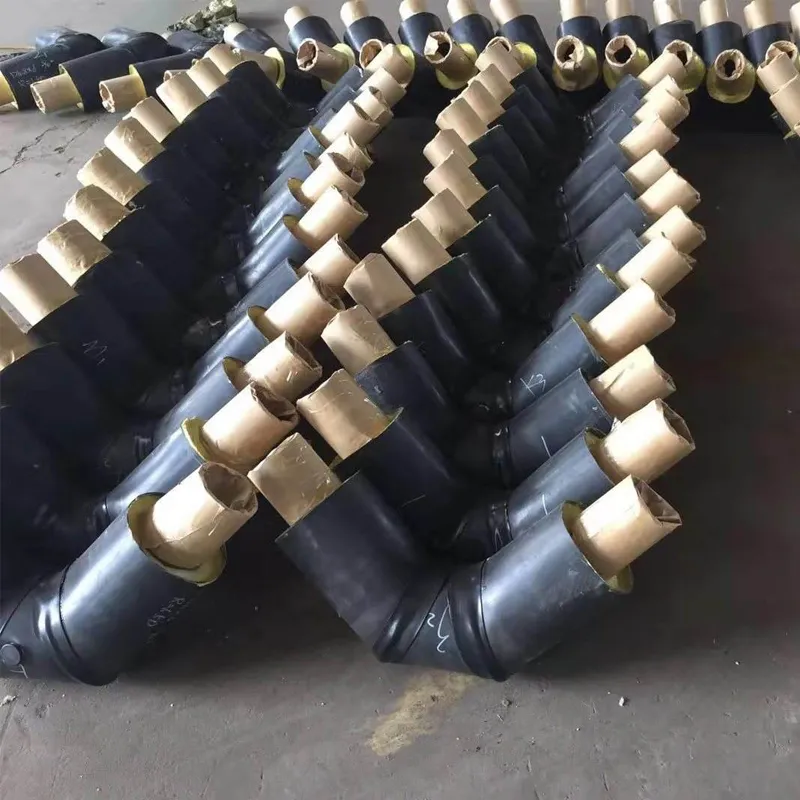
- Integrated Systems: Inclusion of leak detection wires, heat tracing cables, or specialized fittings and bends.
Application Case Studies and Customer Feedback
Real-world applications demonstrate the tangible benefits and reliability of pre insulated steel pipe in challenging projects.
Case Study 1: Urban District Heating Network Upgrade
Client: Major European Municipal Utility Company
Challenge: Replace an aging, inefficient district heating network suffering from significant heat losses and frequent maintenance due to corrosion. The network spanned over 50 km, serving residential and commercial properties.
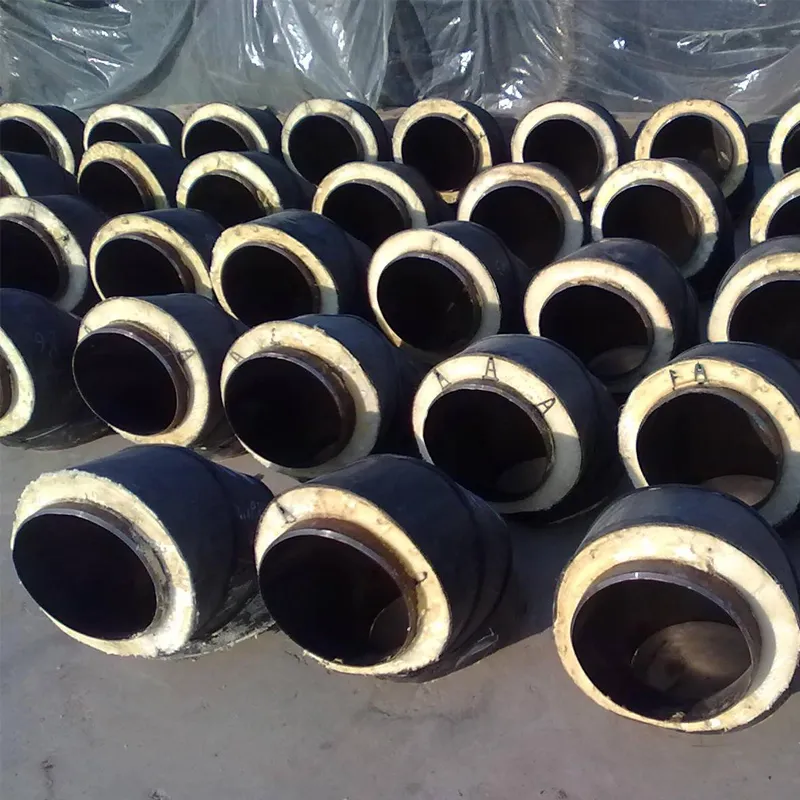
Solution: Deployment of a comprehensive pre insulated steel pipe system with high-density PUR insulation and HDPE outer jackets. The inner pipes were ASTM A106 Gr. B with 3LPE anti corrosion pipe coating. Custom bends and fittings were prefabricated to minimize on-site welding and insulation work.
Results: Post-installation, the network experienced a measured 25% reduction in heat loss compared to the previous system, leading to substantial energy savings and a reduction in CO2 emissions. Installation time was reduced by approximately 30% due to the pre-fabricated nature of the pipes. The project demonstrated enhanced operational reliability and customer satisfaction, with the utility reporting a significant decrease in maintenance calls.
Case Study 2: Arctic Region Oil Flowline
Client: International Oil & Gas Producer
Challenge: Transport viscous crude oil in an Arctic environment where ambient temperatures drop below -40°C, posing risks of wax deposition and flow assurance issues. The pipeline needed to withstand extreme mechanical stresses from ground movement and maintain a minimum fluid temperature.
Solution: Engineered a specialized pre insulated carbon steel pipe solution. The inner pipe was API 5L X65, protected by a high-build FBE coating. The insulation was a combination of high-density PIR foam and an additional layer of mineral wool for enhanced thermal performance under extreme cold. The outer jacket was a robust spiral-wound galvanized steel, designed to resist impact and abrasion. Integrated heat tracing cables were also incorporated to provide supplementary heating if required.
Results: The pipeline successfully maintained crude oil temperature above the wax appearance temperature, ensuring continuous flow without interruption. The robust design minimized external damage during construction and operation in the harsh climate. The client reported excellent thermal performance and zero instances of flow assurance issues related to temperature, contributing to consistent production.
Authoritativeness and Trustworthiness: Our Commitment
Our commitment to quality and customer satisfaction is built on a foundation of rigorous standards, proven expertise, and transparent operations.
Certifications and Compliance:
- ISO 9001:2015 Certified for Quality Management Systems, ensuring consistent product quality from design to delivery.
- ISO 14001:2015 Certified for Environmental Management Systems, demonstrating our commitment to sustainable practices.
- Compliance with EN 253, ASTM, API, and other relevant international standards for our thermal insulation products manufacturing and testing.
- Our products undergo independent third-party testing and verification to validate performance claims, including thermal conductivity and coating adhesion.
Partnerships and Experience:
With over two decades of experience in the anti-corrosion and thermal insulation products sector, we have partnered with leading EPC contractors, utility companies, and industrial clients globally. Our long-standing relationships are a testament to our reliability and the superior performance of our pre insulated steel pipework solutions. We continuously invest in R&D to bring cutting-edge solutions to the market.
Frequently Asked Questions (FAQ)
Q: What is the typical lead time for a custom pre insulated steel pipe order?
A: Lead times can vary based on project scope, pipe dimensions, and customization requirements. Generally, for standard orders, lead times range from 4 to 8 weeks after order confirmation. For complex, large-scale, or highly customized projects, a detailed project schedule will be provided. We prioritize efficient production planning to meet project deadlines.
Q: What warranty is provided for your pre insulated steel pipework?
A: We offer a standard warranty of 5 years from the date of shipment against manufacturing defects and material failures under normal operating conditions. Extended warranty options are available for specific projects, subject to negotiation and project requirements. Our commitment is to deliver products of the highest quality and durability.
Q: Do you offer on-site technical support for installation?
A: Yes, we provide comprehensive technical support, including detailed installation guides, training for client personnel, and, if required, on-site supervision by our experienced engineers to ensure correct handling and installation procedures are followed. Our goal is to ensure seamless project execution.
Q: How do your anti corrosion pipe coating options compare?
A: Our primary anti-corrosion coatings are FBE (Fusion Bonded Epoxy) and 3LPE/3LPP (3-Layer Polyethylene/Polypropylene). FBE offers excellent adhesion, high chemical resistance, and is ideal for high-temperature applications up to 100°C. 3LPE/3LPP provides superior mechanical protection, impact resistance, and lower water absorption, suitable for diverse soil conditions and mechanical stress. The choice depends on specific project requirements for temperature, soil conditions, and mechanical protection. We assist clients in selecting the optimal solution.
Conclusion
The continuous evolution of the pre insulated steel pipe represents a significant leap in pipeline technology, offering unparalleled efficiency, durability, and cost-effectiveness for a wide array of industrial and municipal applications. From district energy networks to critical oil and gas infrastructure, these advanced piping systems are engineered to meet the stringent demands of modern projects, delivering long-term performance and substantial economic benefits. By combining robust anti corrosion pipe coating with high-performance thermal insulation, manufacturers provide solutions that are not only energy-efficient but also remarkably resilient against environmental degradation. The investment in high-quality pre-insulated steel pipework translates directly into reduced operational costs, minimized environmental impact, and enhanced system reliability for decades to come.
References
- European Standard EN 253: District heating pipes - Pre-insulated bonded twin pipe systems for directly buried hot water networks.
- ASTM C518: Standard Test Method for Steady-State Thermal Transmission Properties by Means of the Heat Flow Meter Apparatus.
- International Organization for Standardization (ISO) 9001: Quality management systems - Requirements.
- American Petroleum Institute (API) Specification 5L: Specification for Line Pipe.
- NACE International: Corrosion Engineer's Reference Book.
- Polyurethane Foam Association: Technical data sheets and industry best practices for polyurethane insulation.