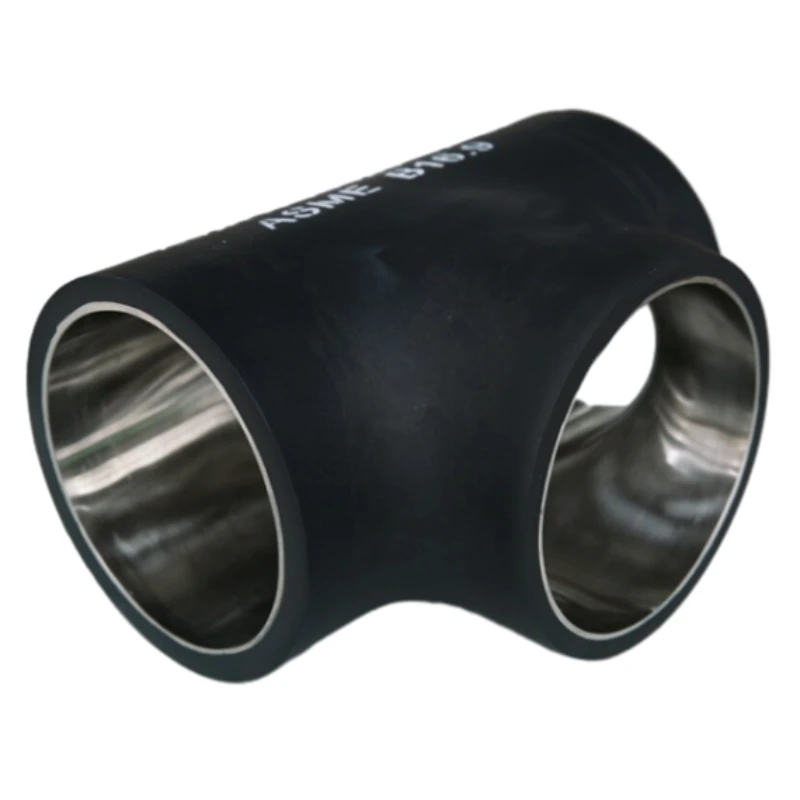
If you’ve ever wondered about the backbone of sturdy industrial frameworks, pipelines, and structural supports, you probably brushed shoulders with heavy wall steel tubing without realizing it. This isn’t just another piece of metal — it’s a critical component engineered for immense strength and resilience. Globally, as industries push for safer infrastructure, more reliable energy transmission, and improved disaster relief logistics, understanding heavy wall steel tubing becomes more than a technical curiosity; it’s a gateway to innovation and sustainability.
Why does it matter? Well, consider this: the World Steel Association estimates that over 1.8 billion tonnes of steel are produced globally each year, much of which finds its way into tubing used in oil and gas extraction, construction, and even humanitarian aid setups. Heavy wall steel tubing’s ability to withstand pressure, corrosion, and mechanical stress means fewer failures, lower maintenance costs, and ultimately, safer environments for millions worldwide.
From sprawling urban skyscrapers in Asia to remote pipeline installations in Siberia, heavy wall steel tubing is the unsung hero. It's no exaggeration to say that every significant pipeline transporting oil or gas likely leans heavily on these steel tubes. The ISO standards ensure quality and uniformity, which helps companies tackle global challenges — from climate resilience to rapid infrastructure deployment after natural disasters.
Yet, challenges remain. For example, harsh environments accelerate corrosion. Also, the shipping and installation logistics can be daunting due to weight and rigidity, especially in remote areas. This is exactly where the benefits of using thick-walled, precision-engineered steel tubes come into play: durability, safety, and long-term cost savings.
Heavy wall steel tubing, simply put, refers to steel pipes that have a thicker wall relative to their diameter compared to standard pipes. This thicker "wall" translates directly into higher pressure tolerance and enhanced structural integrity.
The term can be broken down technically, but in everyday industrial terms it means these tubes have been designed to handle more—whether higher internal pressures in pipelines, external loads in construction frameworks, or abrasive materials in transportation systems. Think of it as the difference between a flimsy coffee cup and a double-walled insulated mug — both hold liquid, but one is built to last and perform under tougher conditions.
It’s all about endurance here. The greater wall thickness helps resist deformation and failure under stress. This means heavy wall steel tubing can carry fluids at higher pressures and endure larger mechanical loads without cracking or buckling.
Many manufacturers apply specialized coatings or use alloys with chromium, nickel, or molybdenum to improve corrosion resistance. This is critical for pipelines running through salty coastal regions or industrial zones where chemical exposure is inevitable.
Modern manufacturing relies on tight tolerances and rigorous testing, including ultrasonic inspections and hydrostatic tests that verify integrity before installation. This ensures that what arrives onsite won’t suddenly fail six months down the line.
While initial costs for heavy wall tubing may be higher, the reduced maintenance frequency and longer life cycle make it a more economical choice. Engineers often find that investing upfront saves money long term.
Whether a 6-inch diameter steel tube for a refinery or a large 24-inch pipeline across a desert, heavy wall steel tubing can be customized to exact specs to meet a variety of industrial demands.
Globally, pipelines in Russia and Canada rely on these sturdy tubes to transport natural gas across frozen tundras, where failure is literally not an option. In post-disaster areas, NGOs turn to these steel tubes for building reliable temporary housing and wells quickly — the tubing’s robustness allows structures to be both safe and reusable.
In Asia, developing mega-infrastructure like bridges and stadium roofs often incorporates heavy wall steel tubing for their load-bearing frameworks. Even in maritime shipping, these tubes form parts of heavy cargo ships’ hulls and internal support.
Industries benefiting most include:
| Specification | Typical Range | Remarks |
|---|---|---|
| Outer Diameter | 6 in (150 mm) to 24 in (610 mm) | Custom sizes available |
| Wall Thickness | 0.25 in (6.35 mm) to 1.5 in (38.1 mm) | Defines pressure tolerance |
| Material Grade | ASTM A106, A334, API 5L | Industry standard steel alloys |
| Length | Up to 40 ft (12.2 m) | Can be cut per project needs |
| Coating | Epoxy, Zinc, Polyurethane | For corrosion protection |
| Vendor | Product Range | Quality Certifications | Global Shipping | Price Tier |
|---|---|---|---|---|
| SteelCore Industries | 6 in - 20 in, ASTM grades | ISO 9001, API 5L | Yes | Mid-High |
| Global Tube Solutions | 4 in - 24 in, custom coatings | ISO 14001, API 5CT | Yes | High |
| Lion Pipeline Company | 6 in - 22 in, premium alloys | ISO 9001, API 5L, NACE | Worldwide | Mid |
Beyond specs and numbers, what really counts is peace of mind. Industries can rely on these tubes for decades without worrying about catastrophic failures. For communities, that translates into safer infrastructure that doesn’t just meet regulations but genuinely protects lives.
Sustainability is also emerging as a big part of the conversation. With better steel recycling methods and coatings that last longer, heavy wall steel tubes now have smaller footprints than before. This means you're not just buying durability — you’re contributing to reducing waste and enhancing lifecycle performance.
Innovation buzzwords like digital twins and IoT-enabled pipeline monitoring are creeping into the steel tubing world. Imagine tubes embedded with sensors that warn operators of pressure drops or wall thinning — early detection equals huge savings.
Materials science is also advancing. New composite coatings and even hybrid-metal structures promise enhanced resistance to corrosion and wear, especially useful in offshore drilling platforms and high-sulfur environments.
With all their strengths, heavy wall steel tubes have one persistent issue: weight. Their thickness means they’re often cumbersome and require specialized logistics for transport and installation. But recent modular design approaches and improved handling equipment are helping mitigate those headaches.
Another thing is cost — upfront investment can be high, but smart planning and lifecycle assessment usually tip the scales back in favor of these products.
A: Primarily oil & gas for pipelines, construction for load-bearing frameworks, and energy plants. Even disaster relief agencies use these tubes for temporary but sturdy housing and water delivery systems.
A: Heavy wall tubes have a thicker wall relative to diameter, which improves pressure tolerance, durability, and resistance to mechanical damage. This makes them ideal for high-stress applications.
A: Yes. Steel is one of the most recycled materials globally. Modern coatings also reduce the need for frequent replacements, which lowers overall environmental impact.
A: Absolutely. Sizes, grades, coatings, and lengths can be tailored to match environmental, mechanical, and chemical requirements of your project.
A: With careful planning — using modular transport, specialized containers, and sometimes local manufacturing partnerships — companies streamline delivery without excess cost or delays.
It’s fascinating how something as seemingly straightforward as heavy wall steel tubing quietly supports so many vital industries and humanitarian efforts worldwide. The combination of strength, sustainability, and adaptability it offers is truly impressive. If you’re thinking about upgrading your infrastructure or enhancing your project’s reliability, exploring quality heavy wall steel tubing might just be the smartest move.
For more detailed info, product ranges, and expert consultation, visit our website: https://www.lion-pipeline.com. Sometimes, strength really does come from the inside out.
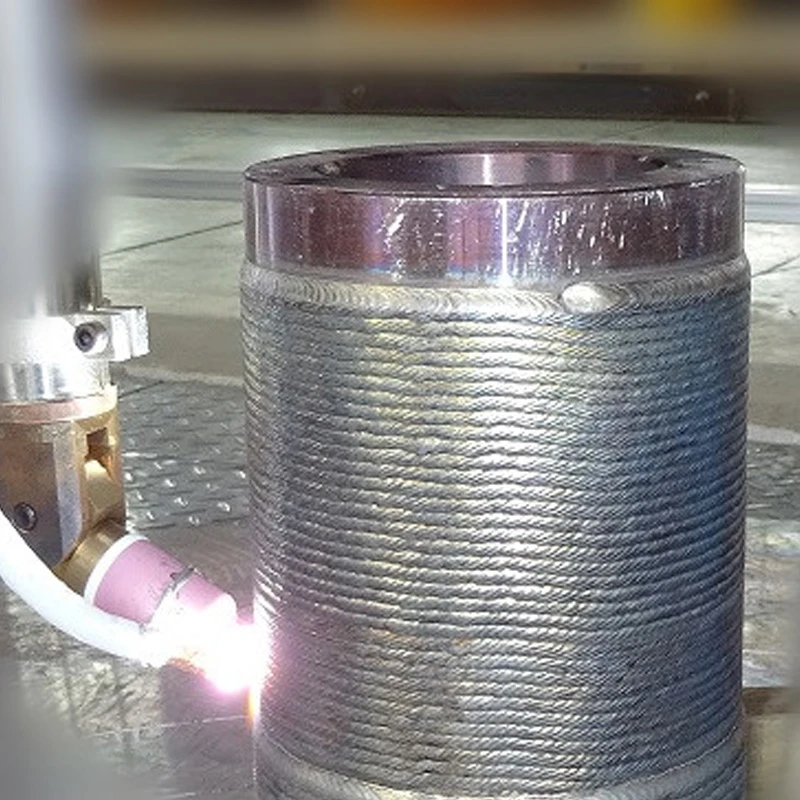
Overlay Welding Clad Steel Pipe
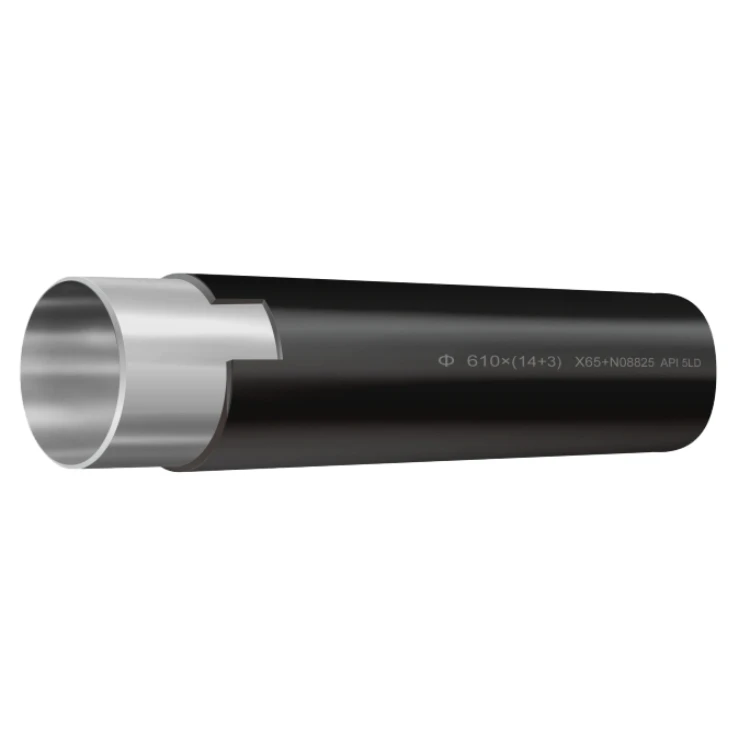
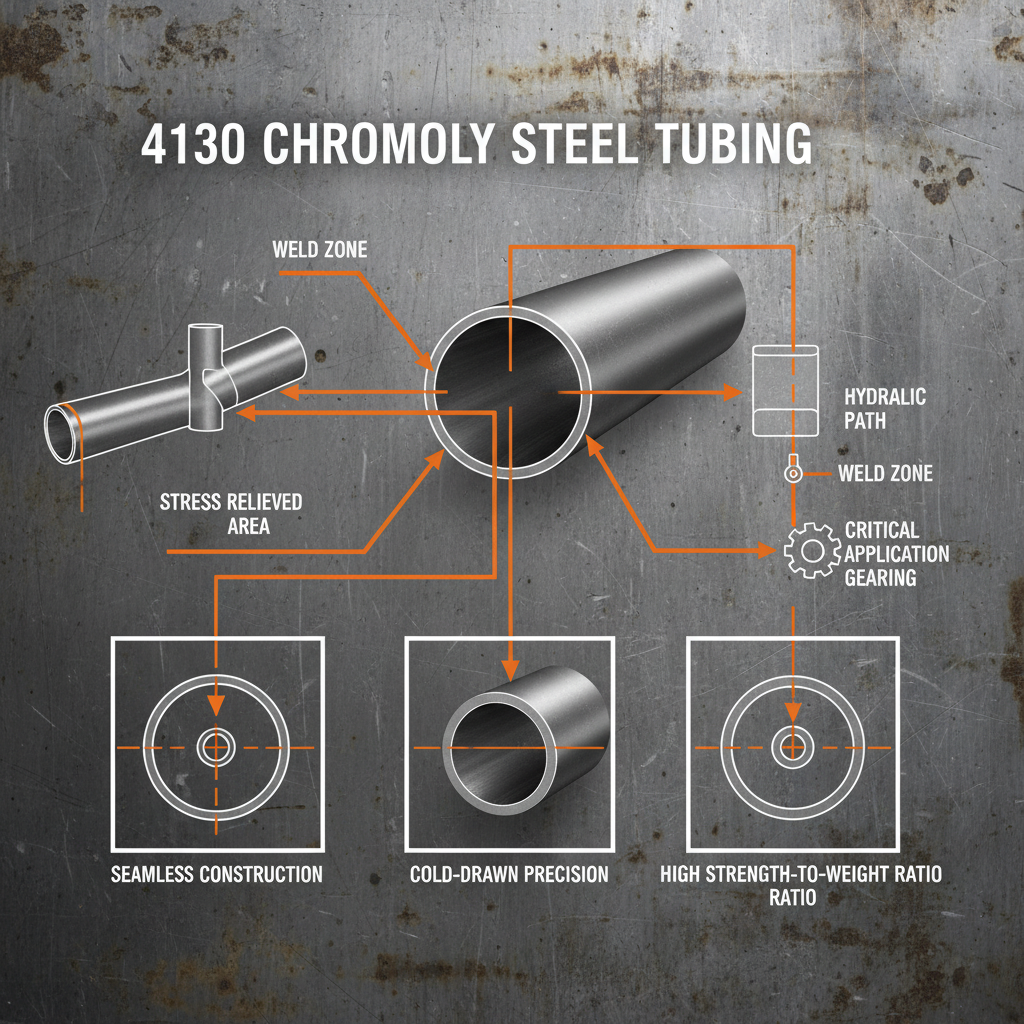
Ultimate Guide to 4130 Tubing Strength Performance and Applications
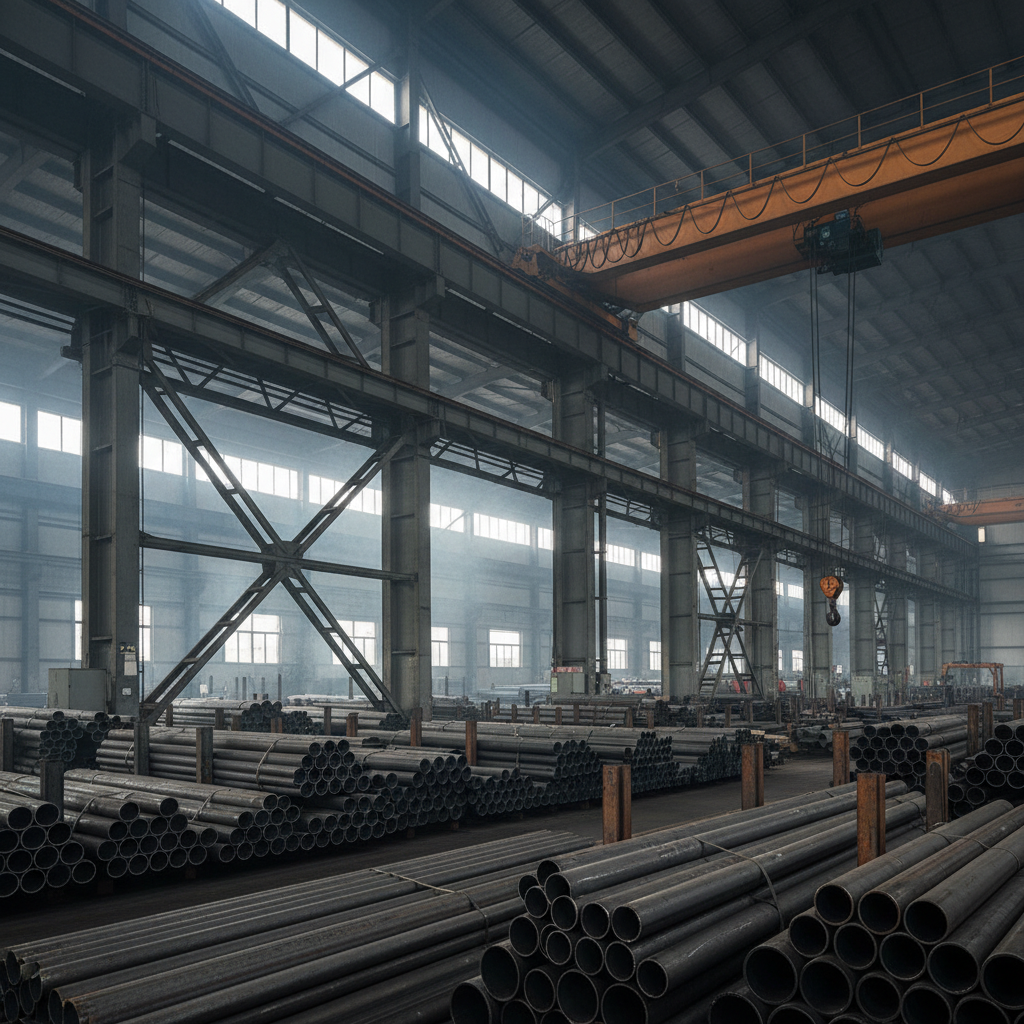
Properties and Industrial Applications of 4130 steel tubing
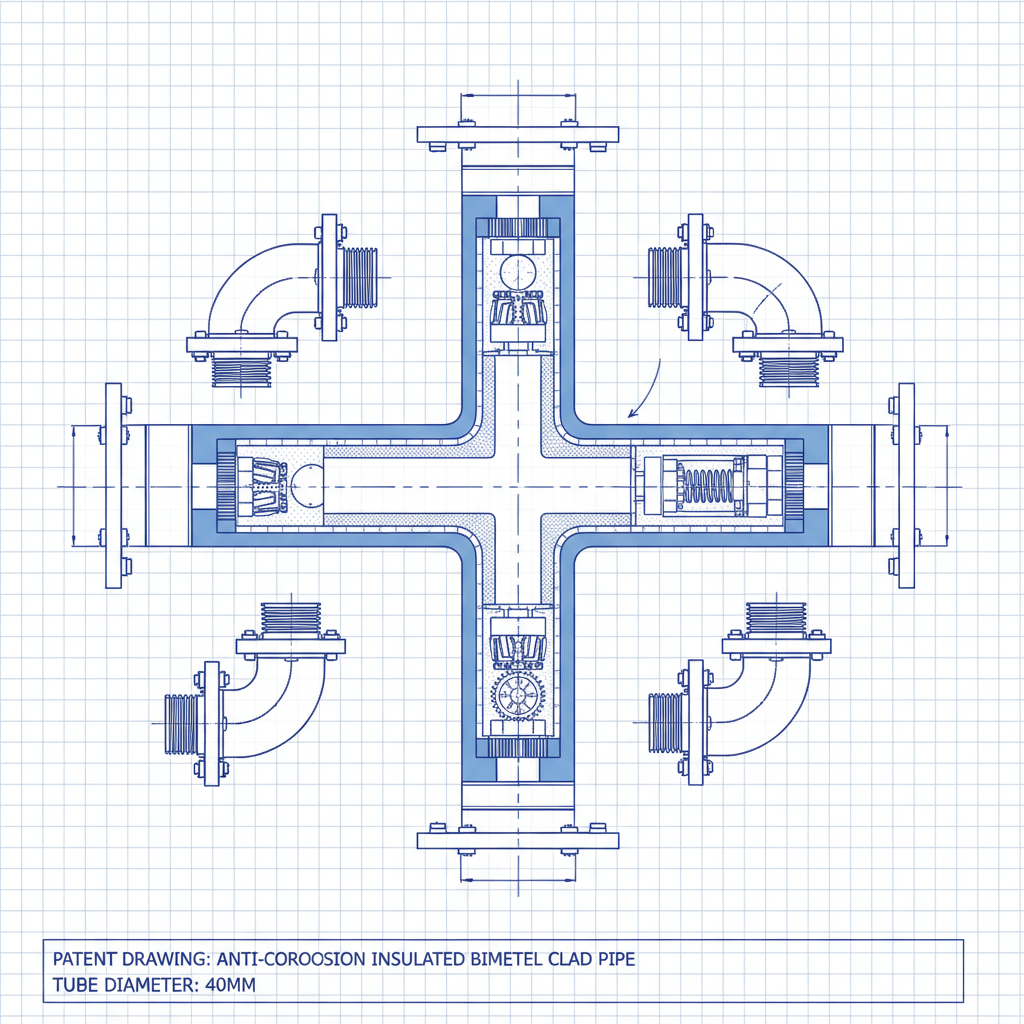
Comprehensive Guide to 40mm Steel Tube Applications and Material Selection
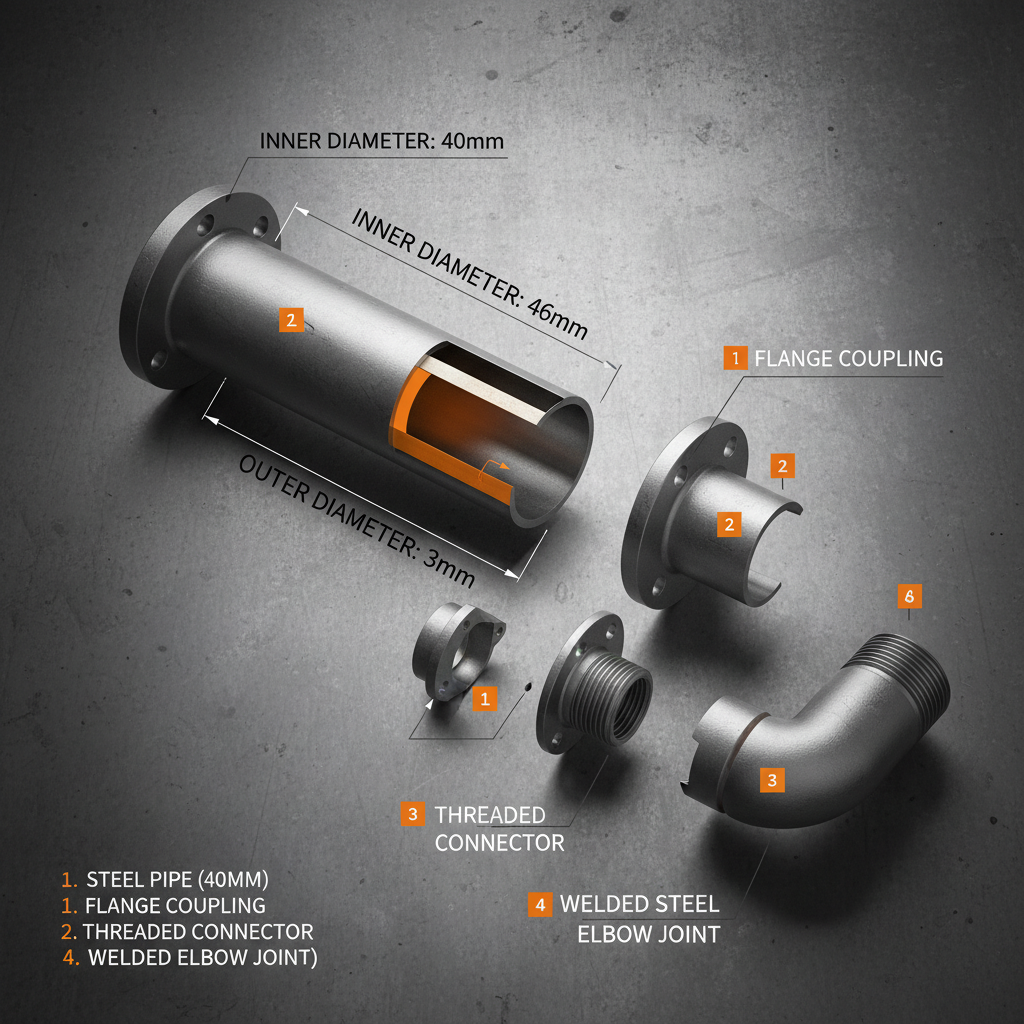
Comprehensive Guide to 40mm Steel Pipe Applications and Considerations
Comprehensive Guide to 40mm Metal Pipe Applications and Sourcing
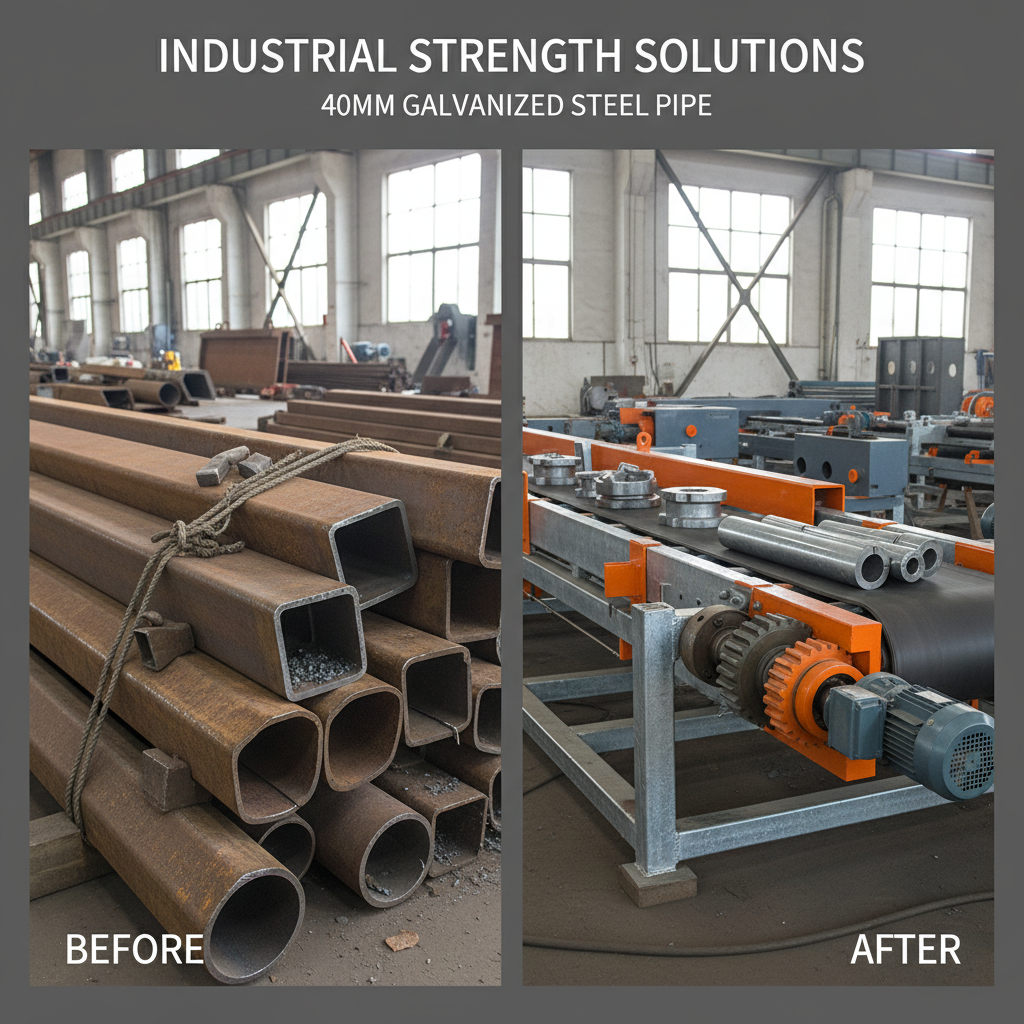
Comprehensive Guide to 40mm Galvanised Pipe Applications and Specifications