Heavy wall pipe might not be on your everyday radar, but in the grand scheme of things—whether it’s oil and gas pipelines crossing continents or waterworks beneath your city streets—this robust material quietly supports critical infrastructure worldwide. It’s not just about getting liquids or gases from one place to another; it’s about safety, resilience, and the future-proofing of economies and ecosystems. By understanding what heavy wall pipe is, how it’s used, and the innovations driving it forward, we get a peek into the global pulse of industry and humanitarian needs alike.
To start, let’s talk scale. According to the International Energy Agency (IEA), over 120 million kilometers of pipelines weave through the planet, many of which include grades of heavy wall pipe. The UN’s sustainable development goals push for resilient infrastructure, and heavy wall pipes help achieve that by providing durability in extreme environments—from the Arctic tundra to deserts. Consider this: pipeline failures globally cause billions in damage annually, and much of that risk can be mitigated with the right specifications — such as properly engineered heavy wall pipes.
One major challenge that heavy wall pipes address is the need to safely transport high-pressure materials in volatile conditions. Imagine cutting corners here—the fallout can be catastrophic environmentally and economically. This is why heavy wall pipes have become indispensable in sectors like oil & gas, water management, and even nuclear plants.
Simply put, a heavy wall pipe is a pipe with a thicker-than-average wall relative to its diameter. This extra thickness isn’t just about heft — it translates to increased mechanical strength, resistance to deformation, and improved longevity. These pipes are often made of steel alloys designed to endure extreme stresses and corrosive environments.
These pipes play a pivotal role in modern industry, enabling the transport of oil, gas, and water safely over long distances, often underground or undersea. Beyond industry, they support humanitarian needs — from clean water supply systems in emerging economies to emergency infrastructure after natural disasters.
Thickness means resilience. Heavy wall pipes provide enhanced resistance to pressure, physical impact, and corrosion. This makes them ideal for high-pressure environments like deep underwater pipelines or facilities handling hazardous liquids.
Thicker walls lower the risk of catastrophic failure. Engineers often choose heavy wall pipes where safety margins are critical—think earthquake zones or aging infrastructure where pipe failure could mean disaster.
From oil extraction off Norway's coasts to municipal water lines in Brazil, heavy wall pipes adapt to varied climates and uses. Their robustness simplifies logistics and repairs when downtime isn't an option.
Initially, these pipes might cost more due to materials and manufacturing. But their extended lifespan and reduced maintenance yield better economics long-term.
Heavy wall pipes usually conform to ISO and ASTM standards—ensuring consistent quality worldwide. This consistency matters when projects span borders or need certification for financing.
Oddly enough, heavy wall pipes are often hidden heroes during crises. For instance, after the 2010 Haiti earthquake, rapid deployment of water infrastructure utilized sturdy piping materials to restore basic services.
In remote oil fields of the Middle East, these pipes endure scorching heat and sand abrasion, showcasing their reliability. Meanwhile, in Canada’s northern territories, thick-walled steel pipes resist freezing and ground shifts, keeping pipelines operational year-round.
Industries leveraging heavy wall pipe include:
And it’s not just rich, industrialized countries benefitting. Emerging economies use heavy wall pipe technology to build resilient infrastructure that supports their growth and development plans.
Heavy wall pipe’s natural toughness makes it a foundational element across vast geographies and industries. Its global footprint reflects a delicate balance of innovation, safety, and cost-efficiency.
| Property | Typical Value | Unit | Notes |
|---|---|---|---|
| Outer Diameter | 219.1 | mm | Common nominal size |
| Wall Thickness | 16.0 | mm | Thicker than standard pipe |
| Material | API 5L X70 | — | High strength steel grade |
| Yield Strength | 490 | MPa | Supports high pressures |
| Length | 12 | meters | Standard pipe section length |
| Vendor | Material Quality | Global Reach | Customization Options | Price Range |
|---|---|---|---|---|
| Lion Pipeline | Premium API 5L X70 | 100+ countries | Diameter, thickness | Mid to high |
| Global Steel Pipes Ltd. | API 5L X60 | 50+ countries | Standard sizes only | Lower mid-range |
| GreenPipe Solutions | Recycled steel blends | 30+ countries | Limited customization | Competitive |
When you choose heavy wall pipes, you’re betting on longevity, safety, and peace of mind. The upfront costs might make you hesitate—the weight, the materials, the transport. But in real terms, these pipes shrink risks related to leaks or bursts, cut maintenance costs, and protect environments and communities downstream.
Socially, these pipes help ensure that clean water gets delivered where it’s needed – an emotional factor often overlooked in pipe talk. And environmentally, robust pipes reduce waste and spillage, helping us meet sustainability benchmarks.
Technology never sleeps, and neither does the heavy wall pipe sector. We’re seeing a push towards lighter but stronger alloys, carbon fiber reinforced pipes, and even smart pipes embedded with sensors that monitor stress, corrosion, and flow in real-time. Imagine a pipeline that warns operators before a problem turns critical. That’s contentment for engineers and safety for everyone.
Plus, green energy projects like hydrogen transport pipelines demand new specs, and heavy wall pipes evolve to meet these needs. Automation in manufacturing also improves consistency and quality—slowly pushing the industry towards zero-defect pipelines.
The main hurdles? Transportation logistics (heavier pipes = tougher to move), installation complexities, and upfront costs. Not to mention the need to navigate strict regulations in various countries, which can slow projects down.
Innovative responses include modular pipe systems, advanced welding techniques for faster on-site assembly, and multi-modal transportation approaches. Industry experts emphasize pre-project risk assessments paired with digital twins to map potential stress scenarios before installation.
Heavy wall pipes might sound like an unsung hero, but they’re fundamental to everything from safe water delivery to energy security worldwide. Choosing the right heavy wall pipe isn’t just about thickness or material—it's a strategic decision shaping infrastructure resilience and trust for decades.
For anyone considering pipeline projects, checking out trusted providers like Lion Pipeline can be the first step towards a safer, more sustainable future.
In the end, thinking about heavy wall pipe is thinking about building—building strong, safe, and ready to last through the challenges the future will throw at us.

Ultimate Guide to 4130 Tubing Strength Performance and Applications
Properties and Industrial Applications of 4130 steel tubing
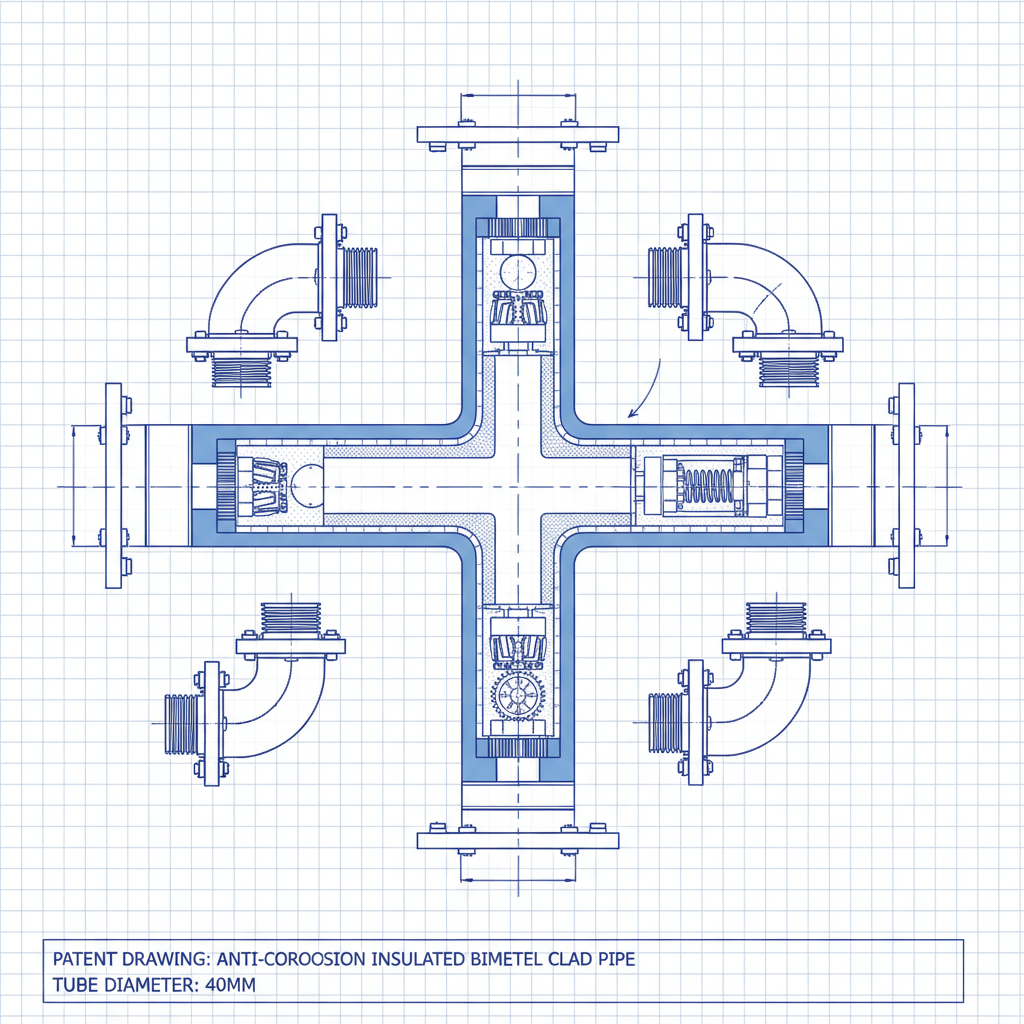
Comprehensive Guide to 40mm Steel Tube Applications and Material Selection
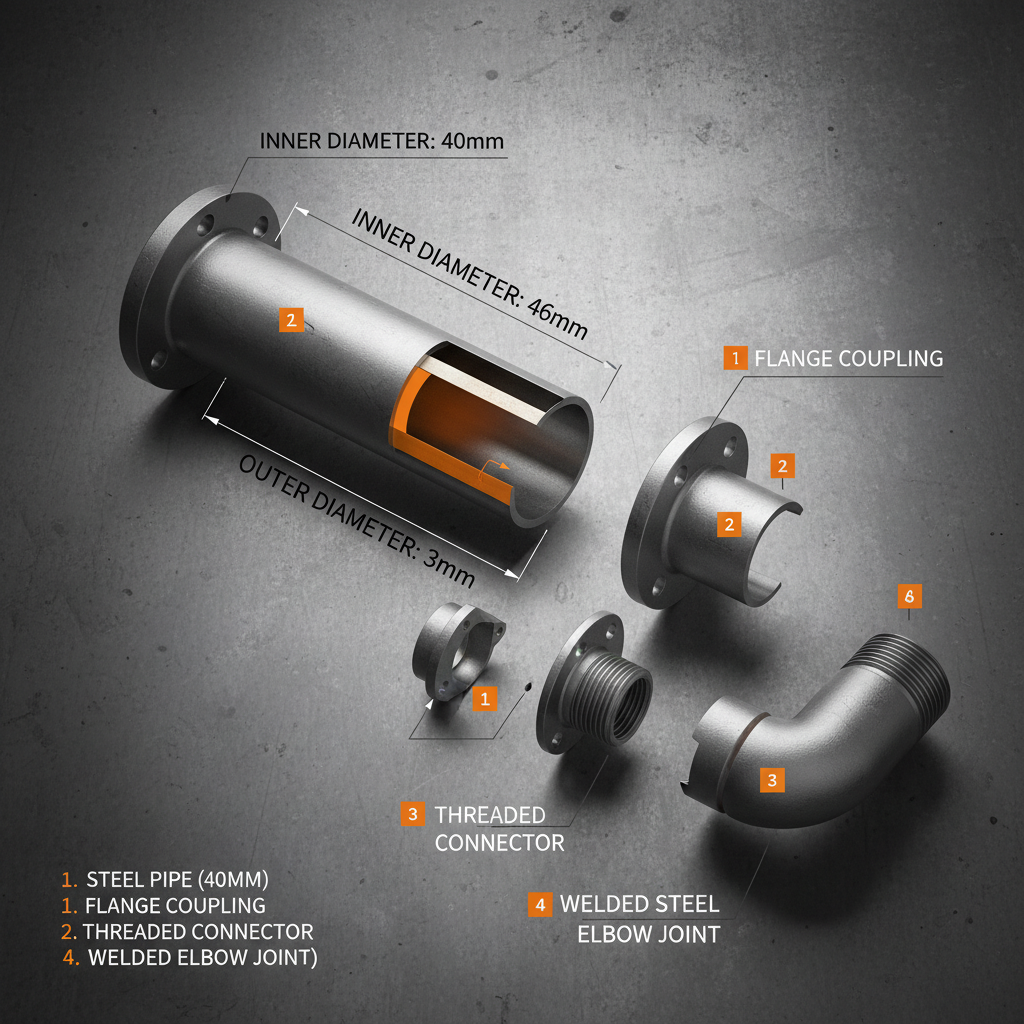
Comprehensive Guide to 40mm Steel Pipe Applications and Considerations
Comprehensive Guide to 40mm Metal Pipe Applications and Sourcing
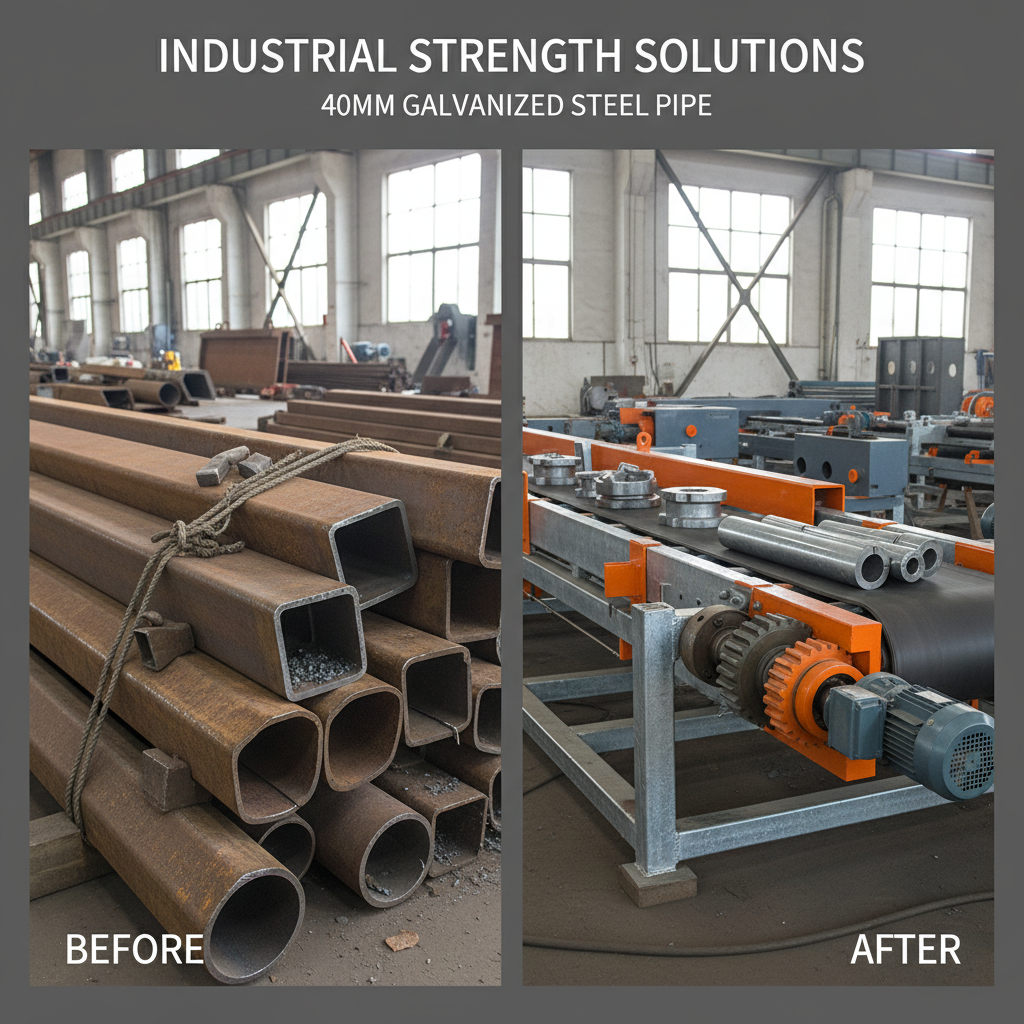
Comprehensive Guide to 40mm Galvanised Pipe Applications and Specifications