When we talk about precision and reliability in industries related to fluid and gas flow measurement, the gauge tube often plays a quietly crucial role. It might sound like a simple component—a tube, after all—but if you step back and look at how it factors into global energy systems, manufacturing lines, and even humanitarian supply chains, there’s a lot more at stake. From ensuring pressure accuracy in pipelines to supporting safety in hospitals, mastering gauge tube technology is pretty significant worldwide.
Why should anyone outside technical circles care? Because better gauge tubes mean safer infrastructure, cleaner resources, and reliable data that feed into decision-making globally. Plus, in developing regions or emergency zones, these tubes help experts quickly assess conditions and provide aid or services efficiently. So understanding their design and application isn’t just geek-level stuff — it’s a linchpin in modern industry and social welfare.
Consider this: the global pipeline infrastructure is estimated to stretch over 8 million kilometers, according to the International Energy Agency. A massive network, no doubt, and it’s responsible for transporting everything from drinking water to natural gas. Gauge tubes are essential in measuring pressure and flow rates consistently—data vital to avoid leaks, bursts, or contamination. The ISO has even standardized testing practices to ensure tubes meet strict durability and accuracy requirements.
Yet, many regions still grapple with old or suboptimal components that cause inaccuracies, costing millions annually in losses or repairs. Developing sustainable, cost-effective gauge tubes can bridge this gap, improve infrastructure, and even prevent accidents. It’s a classic engineering challenge at global scale.
Mini takeaway: Proper gauge tubes underpin critical measurement systems worldwide, blending safety, cost-efficiency, and performance in one unassuming tool.
Put simply, a gauge tube is a small-diameter tube designed to connect pressure gauges or measurement instruments to a pressurized system like a pipeline, boiler, or hydraulic setup. Its job: transfer pressure safely and accurately, often under harsh conditions.
Unlike regular tubing, gauge tubes are made of specialized materials and formed to precise standards to prevent leaks, corrosion, or distortion that might skew the reading. They’re often stainless steel, brass, or high-grade copper, sometimes with intricate bends to fit tight spaces.
On a grander level, these tubes help maintain safety in industries like oil & gas, chemical processing, and even medical sectors where reliable pressure data can mean the difference between smooth operation and shutdowns—or worse.
A gauge tube must resist corrosion, pressure shocks, and sometimes extreme temperatures. Stainless steel 316 is a favorite for this reason—it fights rust and holds up longer than alternatives. Durability reduces maintenance cycles, which is crucial for remote or hazardous environments.
Oddly enough, the way a tube is bent can affect measurement accuracy. Too sharp a bend risks collapsing it slightly, which dampens responsiveness. Skilled fabrication maintains shape integrity—often done with CNC machinery for consistent results.
Gauge tubes must fit seamlessly with gauges and devices. Compatibility with common thread standards (like NPT, BSP) is essential to avoid leaks and ensure easy replacement. Scalability matters too—whether you need a few dozen for a local plant or thousands for a multinational setup.
In the real world, budgets matter. Good gauge tubes strike a balance between premium materials and reasonable production costs. Using modular designs or standardized lengths sometimes helps cut procurement headaches.
Many manufacturers rigorously test tubes for pressure endurance, leak-proofing, and compliance with ISO 4126 and ASTM standards. Certification provides peace of mind for engineers and project managers alike.
Mini takeaway: Superior gauge tubes come from a blend of materials, fabrication precision, testing rigor, and practical compatibility.
If you’re picturing some industrial pipe maze, that’s correct—but gauge tubes are far more versatile than just oil pipelines. In fact, here’s where they show up:
Mini takeaway: Gauge tubes enable dependable pressure measurement across many fields—from heavy industry to healthcare—often behind the scenes but making a big difference.
Here’s the thing: good gauge tubes don’t just ensure measurement accuracy; they ripple into safety, cost savings, and environmental compliance. The advantages include:
I’d add, at some level we all benefit when the infrastructure works smoothly—from getting clean water to uninterrupted energy supply.
Technology isn’t standing still. Here’s where gauge tubes seem headed:
One vendor I spoke with mentioned rising demand for plug-and-play tube assemblies in emerging markets—a neat way to tackle installation delays.
Of course, nothing’s perfect. Gauge tubes do face hurdles:
Solutions? Innovations in coatings, flexible manufacturing, and local production hubs seem promising to address these. Plus, more demand for training technicians on proper handling and testing.
| Specification | GT-200 Gauge Tube |
|---|---|
| Material | Stainless Steel 316 |
| Outer Diameter | 6 mm |
| Max Working Pressure | 100 bar |
| Standard Length | 500 mm (customizable) |
| Coupling Type | 1/4” NPT Male Thread |
| Operating Temperature Range | -40°C to +200°C |
| Certification | ISO 4126 & ASTM A269 |
| Vendor | Material Options | Custom Bending | Lead Time | Price Range (per unit) |
|---|---|---|---|---|
| Lion Pipelines | SS316, Brass, Copper | Yes (CNC Precision) | 2–4 weeks | $15 - $30 |
| FlowGuard Inc. | SS304, SS316 | Limited | 3–5 weeks | $18 - $28 |
| TuboTech Ltd. | Brass, Aluminum | Yes (Manual Bending) | 1–3 weeks | $12 - $25 |
Material choice significantly impacts corrosion resistance and pressure tolerance. Stainless steel 316, for example, offers excellent durability in harsh conditions and longer operational life compared to standard brass or copper alternatives.
Yes, many manufacturers provide CNC or precision bending services to customize gauge tubes. Customized bends improve fit in tight or complex assemblies without compromising pressure readings.
Inspection intervals depend on the application environment but generally occur annually during scheduled maintenance. Replacement is recommended if corrosion, leaks, or deformation is detected to maintain measurement accuracy.
Most gauge tubes adhere to international thread standards (NPT, BSP), ensuring compatibility globally. However, checking local regulations or equipment requirements is prudent to avoid mismatches.
Emerging technologies integrate sensors inside or alongside gauge tubes to enable remote digital pressure monitoring, which reduces manual inspections and improves data collection efficiency.
In the grand scheme, gauge tubes might seem like small cogs, but their impact on safety, precision, and efficiency is enormous. Whether in sprawling oilfields or compact hospital equipment, choosing the right gauge tube can save money, time, and even lives. If you're interested in exploring reliable and tested gauge tube options, feel free to visit our website today for more information.
That said, thinking about something as unassuming as a gauge tube really drives home how every detail counts in engineering—and beyond.
Anti Corrosion And Thermal Insulation Products
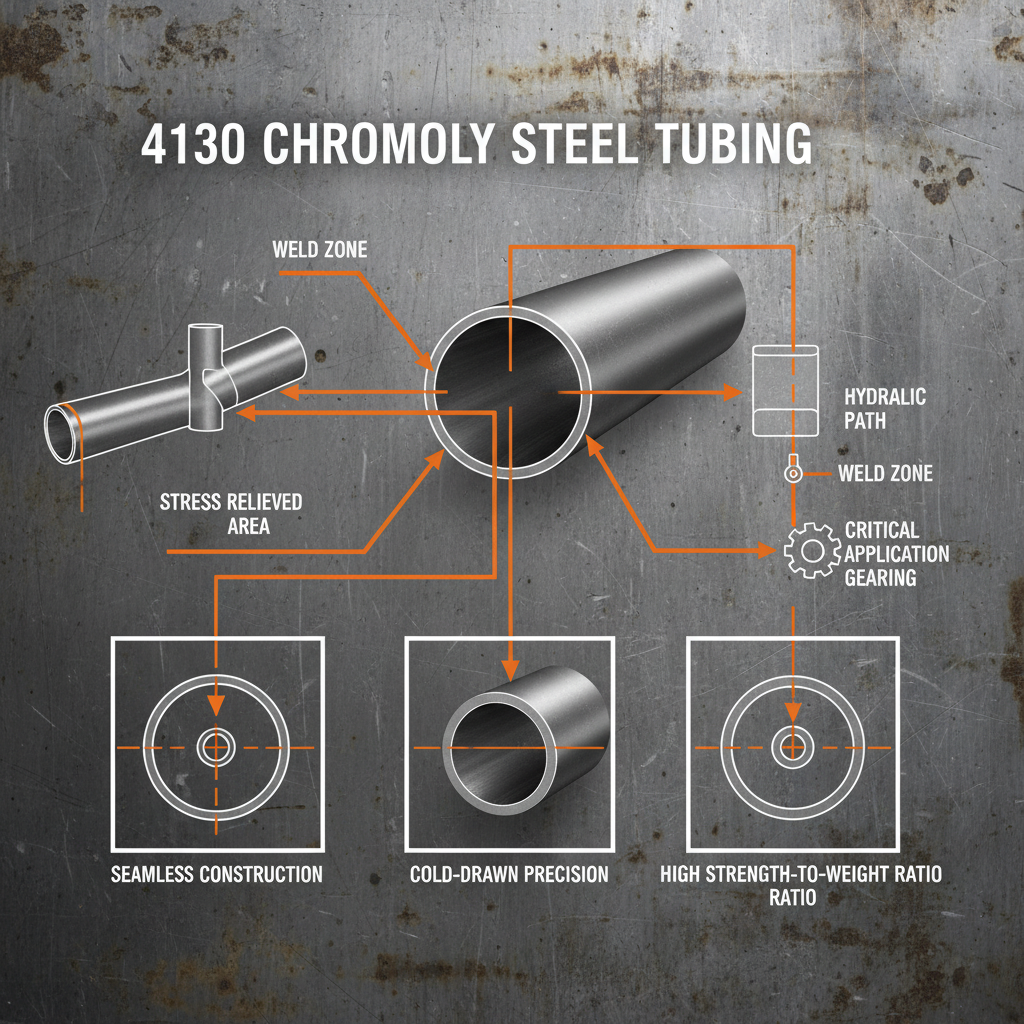
Ultimate Guide to 4130 Tubing Strength Performance and Applications
Properties and Industrial Applications of 4130 steel tubing
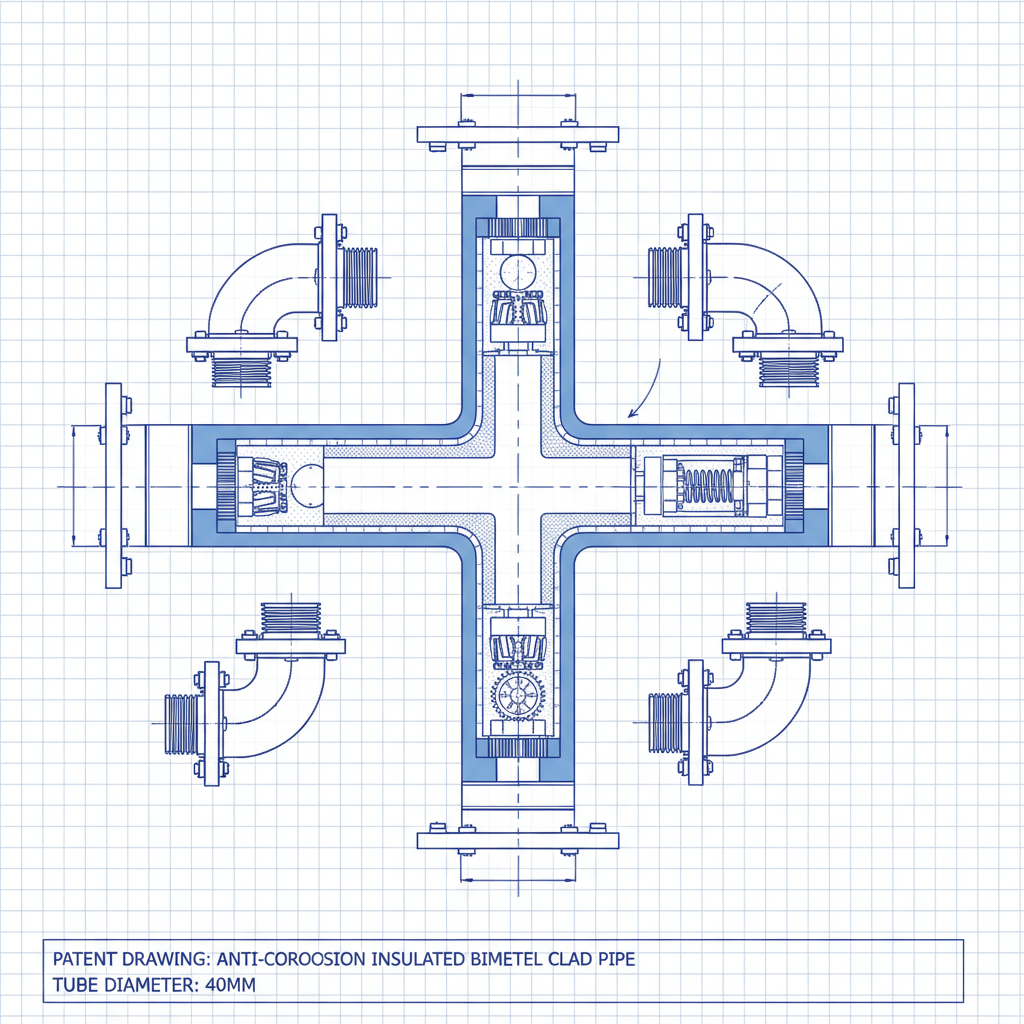
Comprehensive Guide to 40mm Steel Tube Applications and Material Selection
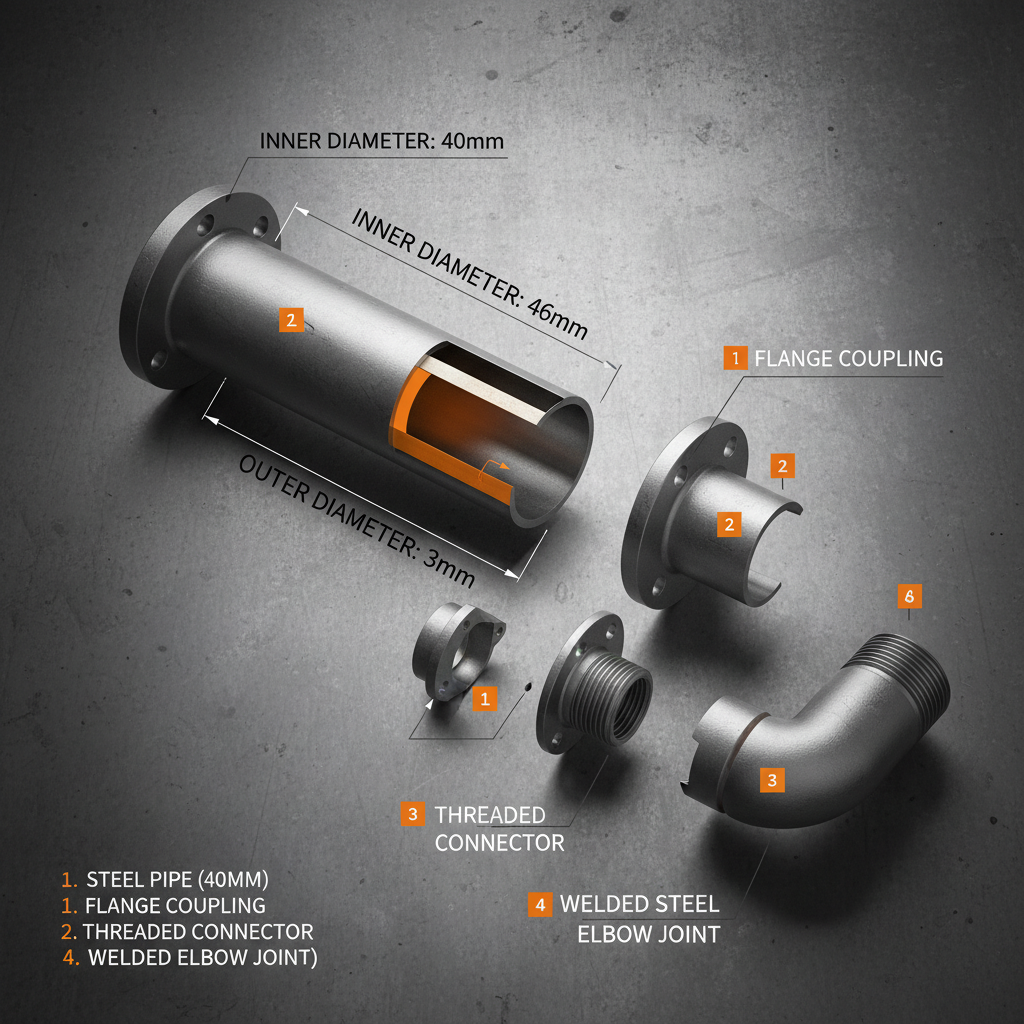
Comprehensive Guide to 40mm Steel Pipe Applications and Considerations
Comprehensive Guide to 40mm Metal Pipe Applications and Sourcing
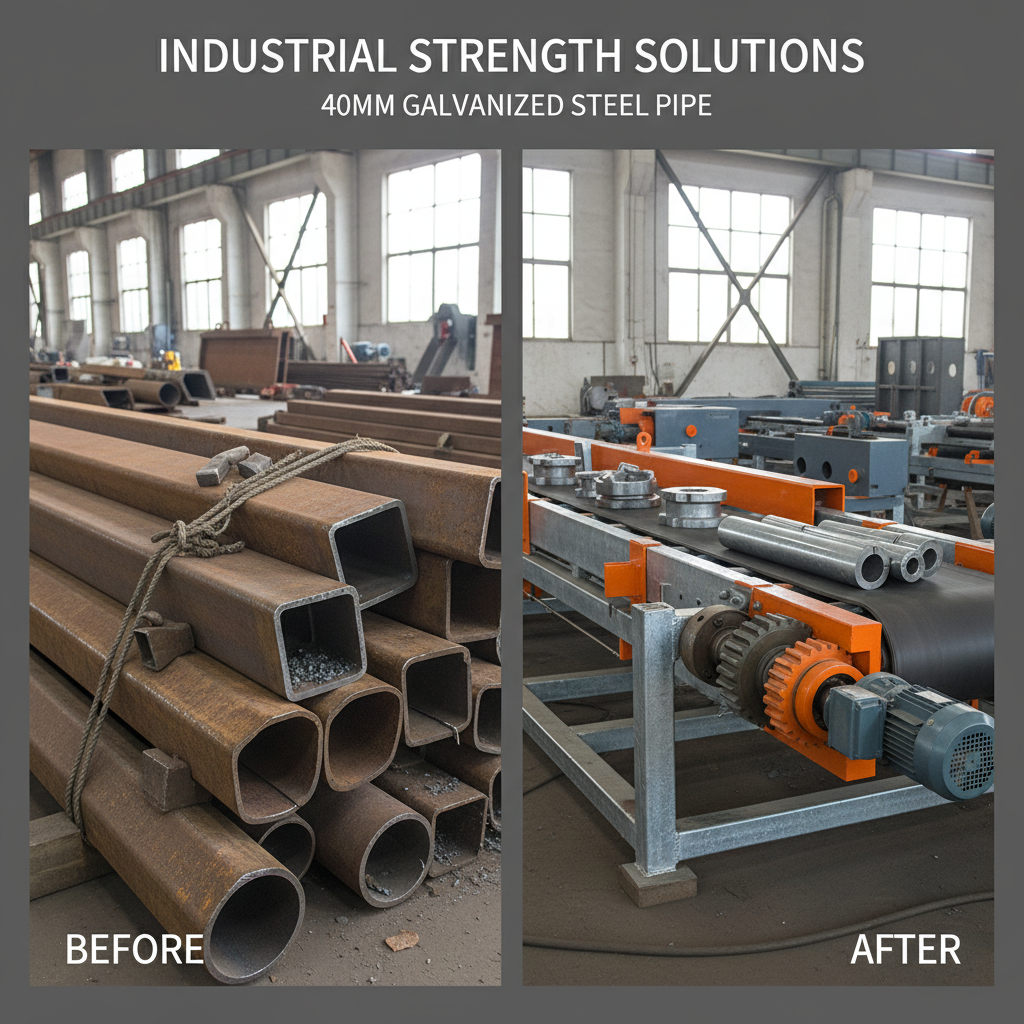
Comprehensive Guide to 40mm Galvanised Pipe Applications and Specifications