Hexagon steel tubing—yes, it sounds like a mouthful—is quietly becoming vital in everything from architectural frameworks to humanitarian projects. At first blush, it’s just steel shaped into six-sided tubes, but there’s far more depth beneath that geometry. Understanding the material’s unique structure and global applications offers insights into engineering advances, sustainable industrial design, and even disaster relief. Frankly, if you’re involved in construction, manufacturing, or logistics, knowing the ins and outs of hexagonal steel tubing might just be the edge you need.
With increasing demands for durable, lightweight, and versatile building materials worldwide, hexagon-shaped steel tubing stands out as an innovative answer to several problems—namely strength optimization, ease of assembly, and adaptability.
Mini takeaway: Hexagon steel tubing isn’t just a niche product; it’s a practical solution with global relevance.
The global steel market is huge—roughly 1.8 billion metric tons produced annually, according to the World Steel Association. Around 20–25% of that goes into structural tubing for construction, transport, and industrial sectors.
Hexagon steel tubing is a relatively recent innovation compared to standard round or square profiles but increasingly important. The International Organization for Standardization (ISO) highlights modular and adaptable steel profiles as critical for reshaping post-disaster infrastructure and sustainable urban development.
The problem? Most existing tubing shapes either waste raw material or don’t lend themselves to quick, secure assembly in tough environments—think remote construction sites or emergency shelters after a cyclone. Hexagon steel tubing addresses this by combining material strength with design efficiency.
Mini takeaway: Hexagon tubes are gaining traction globally because they solve durability and versatility challenges faced by traditional steel profiles.
So what exactly is hexagon steel tubing? Imagine a hollow steel pipe, but instead of the usual circle or rectangle, it has six straight, equal-length edges, forming a hexagon in cross-section. This design changes a lot in terms of mechanical behaviour. Each side offers flat mounting surfaces, which makes it easier to bolt, weld, or join to other components without complicated fittings.
In real terms, hexagon tubing feels like a modern take on traditional steel shapes, optimized for strength-to-weight ratio and modular assembly. It also carries a symbolic nod to nature’s hex: honeycombs, for instance, use a hexagonal pattern for optimal space and strength—something that engineers are keenly aware of.
Mini takeaway: Hexagon steel tubing blends practical design with structural efficiency, inspired both by engineering and nature.
The six-sided shape evenly distributes forces, especially torsional (twisting) loads, better than square tubing. This durability makes it ideal for structures subjected to dynamic loads such as bridges, cranes, and even artistic installations that must endure wind and vibration.
Flat faces on each side mean workers can bolt two tubes together without complex custom brackets. In fact, many engineers say that this modularity decreases construction time by up to 30% on certain projects, which is huge when labor costs dominate budgets.
Although the manufacturing process is slightly more involved than standard round tubing, the savings in materials and assembly time quickly balance out. Suppliers also note reduced waste compared to rectangular steel tubes, especially when fabricating custom lengths and fittings.
The hexagonal shape allows using thinner walls without sacrificing strength, which reduces dead weight in transport and installation—vital in aerospace, automotive, and remote infrastructure projects.
Many hexagon steel tubing products come with galvanization or powder coating options that extend lifespan dramatically, which is essential for marine or outdoor applications.
Manufacturing hexagonal tubes with recycled steel and optimized cutting patterns supports industry sustainability goals. In a world increasingly focused on circular economies, it’s more than just good engineering—it’s responsibility.
Mini takeaway: The combined durability, modularity, and cost advantages make hexagon steel tubing a compelling choice across sectors.
From Japan’s earthquake-resistant frameworks to Nigeria’s modular container homes, hexagon steel tubing finds diverse usage:
For example, in South East Asia, NGOs constructing quick-assembly shelters after typhoon seasons often rely on batches of hexagon steel tubing. Reports indicate these shelters remain intact longer than those built with conventional steel supports.
Mini takeaway: The hexagon form delivers practical, versatile results across continents and industries.
| Specification | Typical Value | Notes |
|---|---|---|
| Cross Section | Regular Hexagon with 30 mm side length | Custom sizes available |
| Wall Thickness | 2.5 mm - 10 mm | Depends on load requirements |
| Material Grade | ASTM A500 Grade B, or equivalent | Common for structural applications |
| Surface Treatment | Galvanized or Powder Coated | Enhances corrosion resistance |
| Yield Strength | 350 MPa - 450 MPa | Varies by steel grade |
| Length Options | 2 m up to 12 m standard | Cut-to-length services available |
| Vendor | Lead Time | Customization Options | Pricing | Global Shipping |
|---|---|---|---|---|
| SteelHex Ltd. | 3-4 weeks | Various wall thicknesses and coatings | Mid-range | Yes - Europe & Asia |
| HexaSteel Inc. | 2 weeks | Advanced alloy options | Premium | Worldwide |
| Global Tubing Corp. | 4-5 weeks | Standard sizes, limited coatings | Budget | Limited to North America |
In the end, hexagon steel tubing delivers a mix of reliability and cost-effectiveness that traditional tubing struggles with. Its strength lets engineers design lighter frameworks without sacrificing safety, which can reduce carbon emissions in transport and construction phases. This ties nicely into global sustainability agendas like the UN Sustainable Development Goals.
And it’s not just numbers. Imagine a disaster relief worker setting up a shelter that won’t buckle in the next storm or an architect designing a community center whose hex plots double as artistic, yet structurally sound, claddings. The sense of safety, dignity, and innovation here can’t be overstated.
Mini takeaway: Hexagon steel tubing is both a pragmatic and inspiring material for building resilient futures.
Looking ahead, hexagon steel tubing continues to evolve with advances in metallurgy and digital manufacturing. Additive manufacturing techniques and robotic welding are helping create complex connectors that snap perfectly onto hex shapes, speeding assembly even more.
Plus, the push for greener steel production means more recycled content and lower emissions embedded in every tube. Integration with sensors for structural health monitoring in smart buildings is on the rise, too — the future tubing won’t just support loads; it might tell you when it’s time for maintenance.
Of course, this innovation doesn’t come without hiccups. Manufacturers grapple with the higher tooling costs needed for hexagonal profiles compared to traditional shapes. Also, certain connection hardware made originally for round or square tubes must be redesigned or custom-produced.
But advance in modular designs and standardized fittings help mitigate these issues. Companies investing in flexible fabrication lines can offset costs as demand scales up. And in practice, workers report that on-site simplicity more than makes up for minor supplier premium differences.
If you’re considering a new build, upgrade, or a humanitarian project, hexagon steel tubing checks many boxes: long-term durability, cost-efficiency, and environmental friendliness. It solves practical challenges with elegant engineering — and that combination is rare.
Curious about the best sources or looking for tailored advice? Visit our website: hexagon steel tubing to explore product options, technical support, and real-world success stories.
References:
1. World Steel Association, World Steel Statistics 2023
2. International Organization for Standardization (ISO), ISO 9001 Quality Management
3. United Nations Sustainable Development Goals, Goal 9: Industry, Innovation and Infrastructure
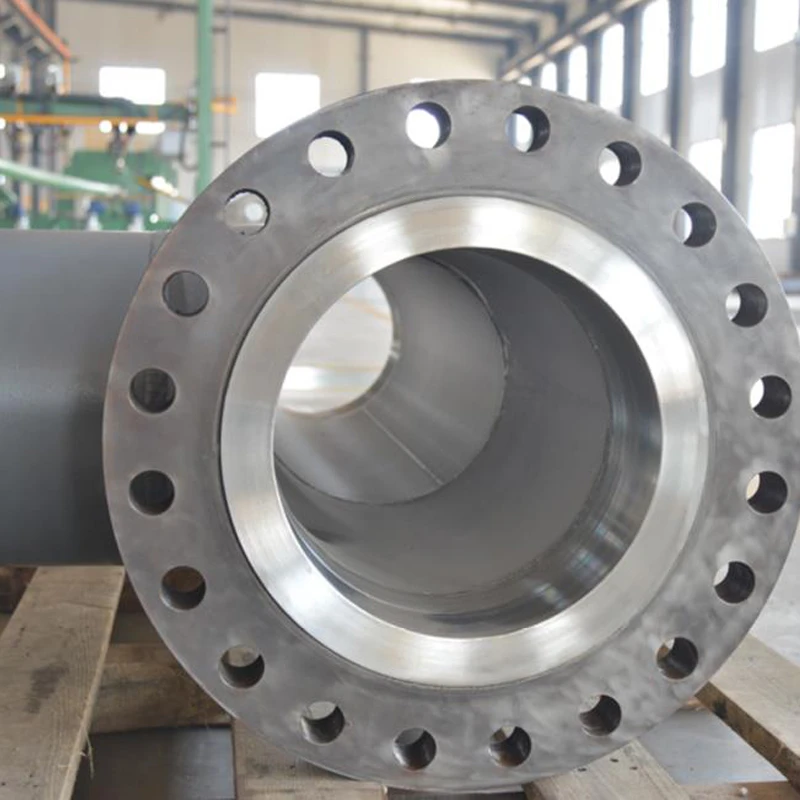
Factory Prefabricated Products
Anti Corrosion And Thermal Insulation Products
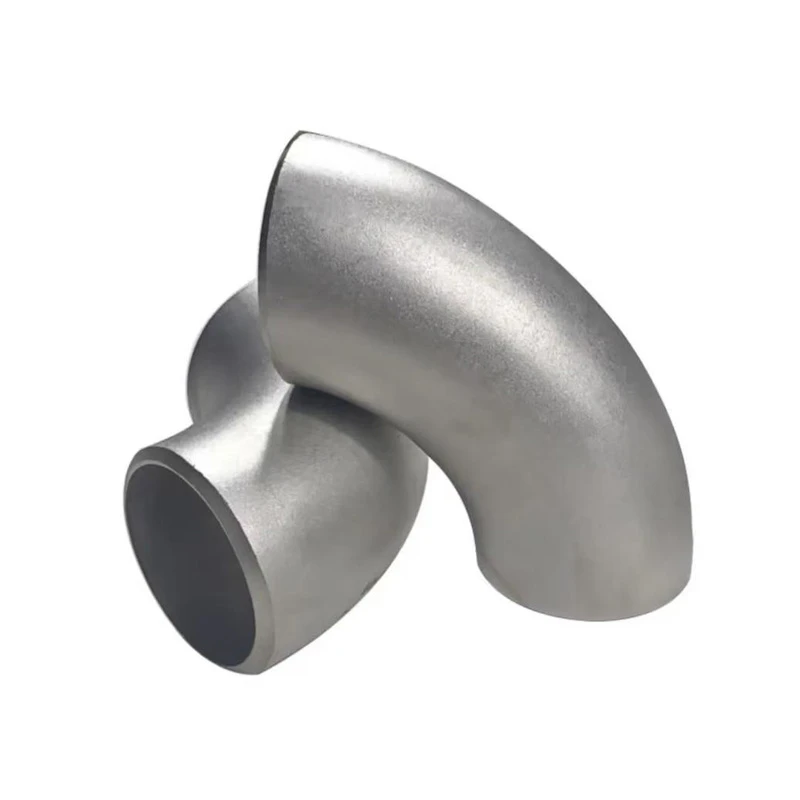
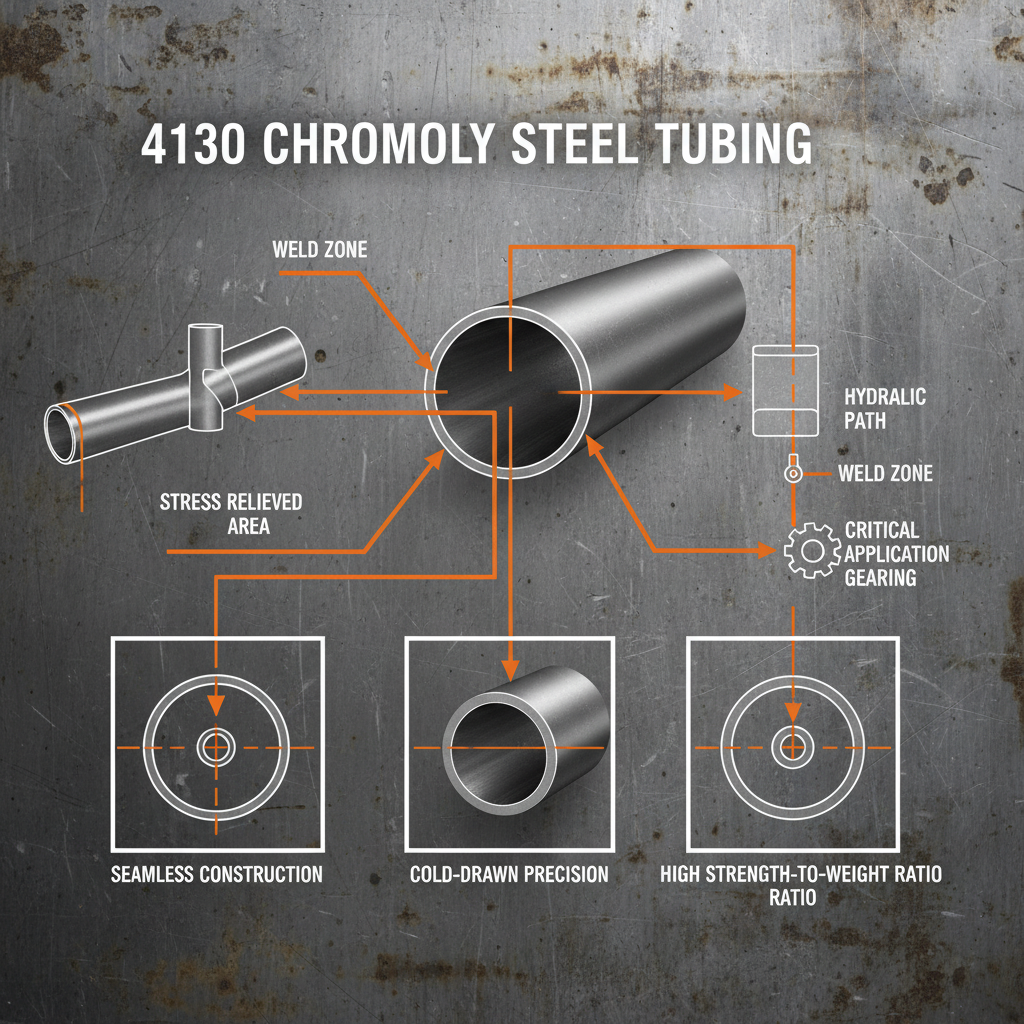
Ultimate Guide to 4130 Tubing Strength Performance and Applications
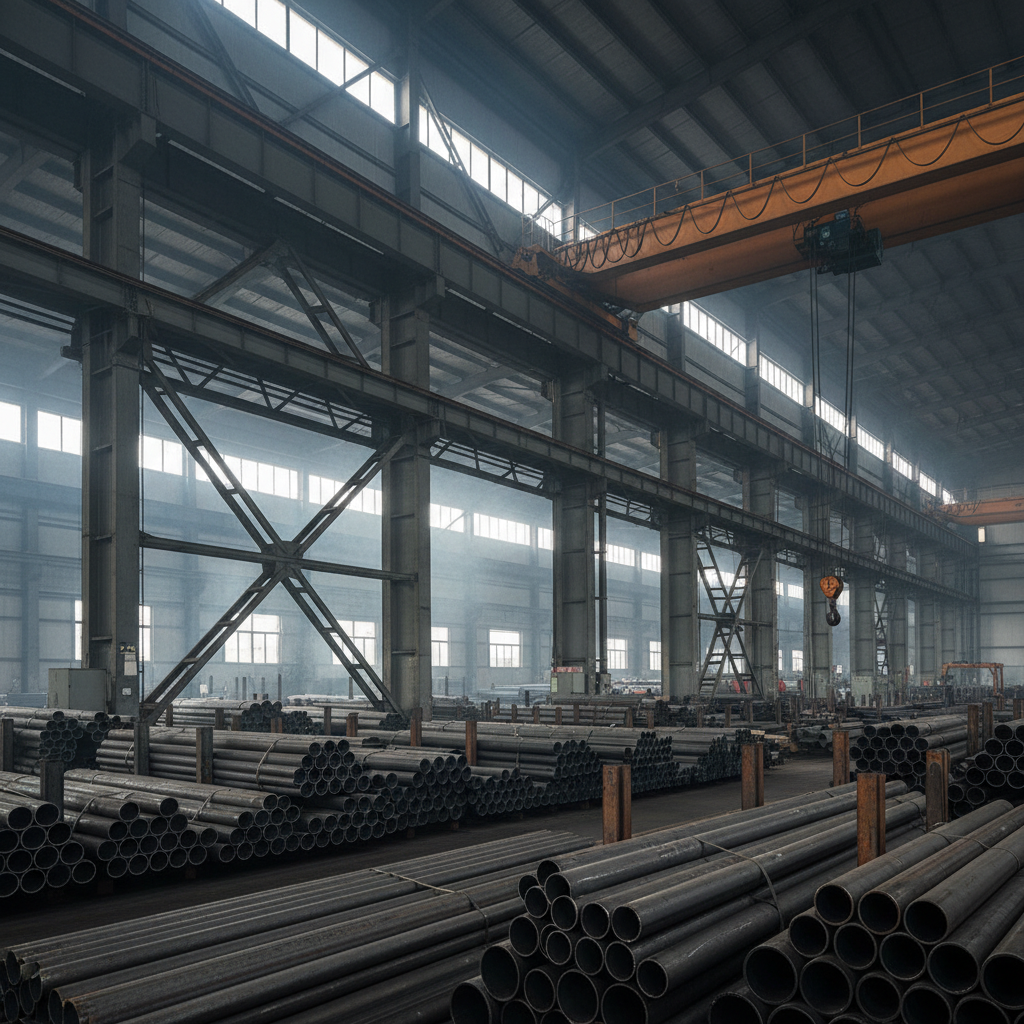
Properties and Industrial Applications of 4130 steel tubing
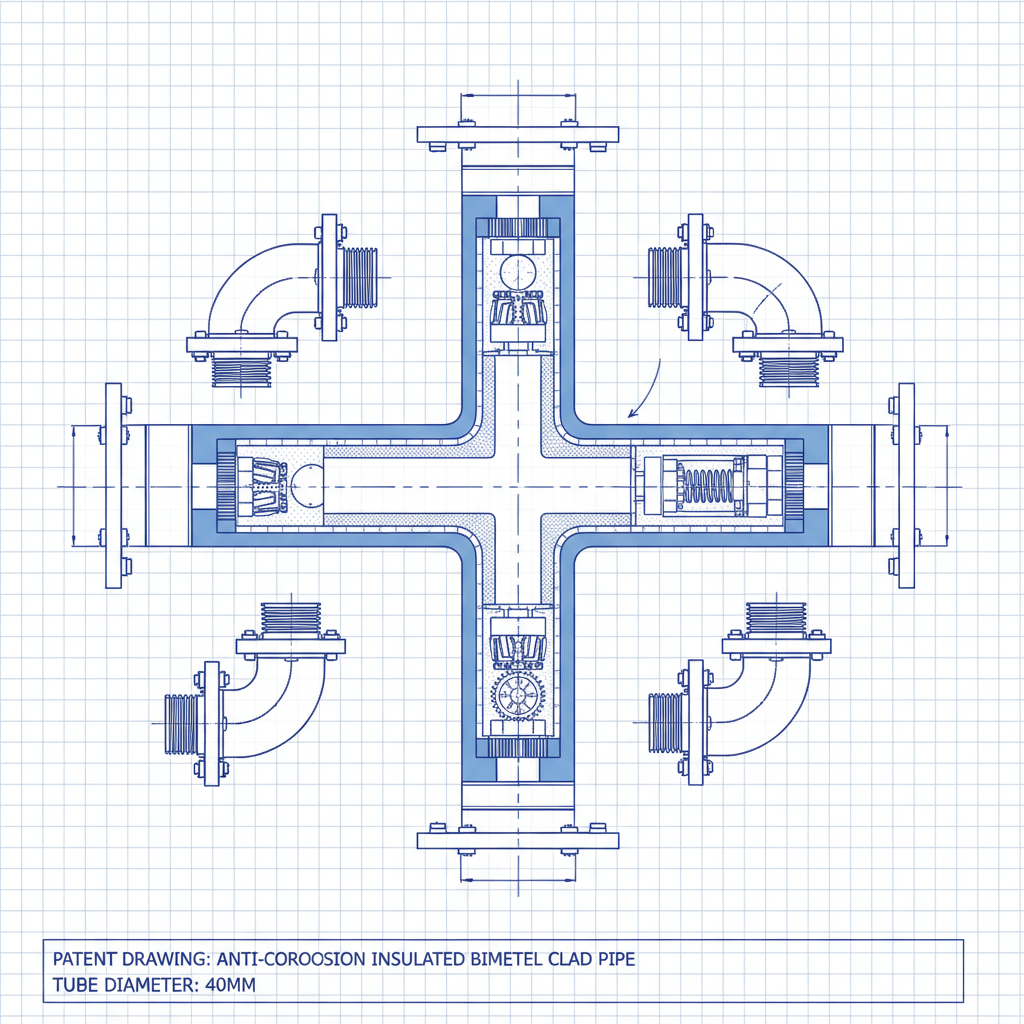
Comprehensive Guide to 40mm Steel Tube Applications and Material Selection
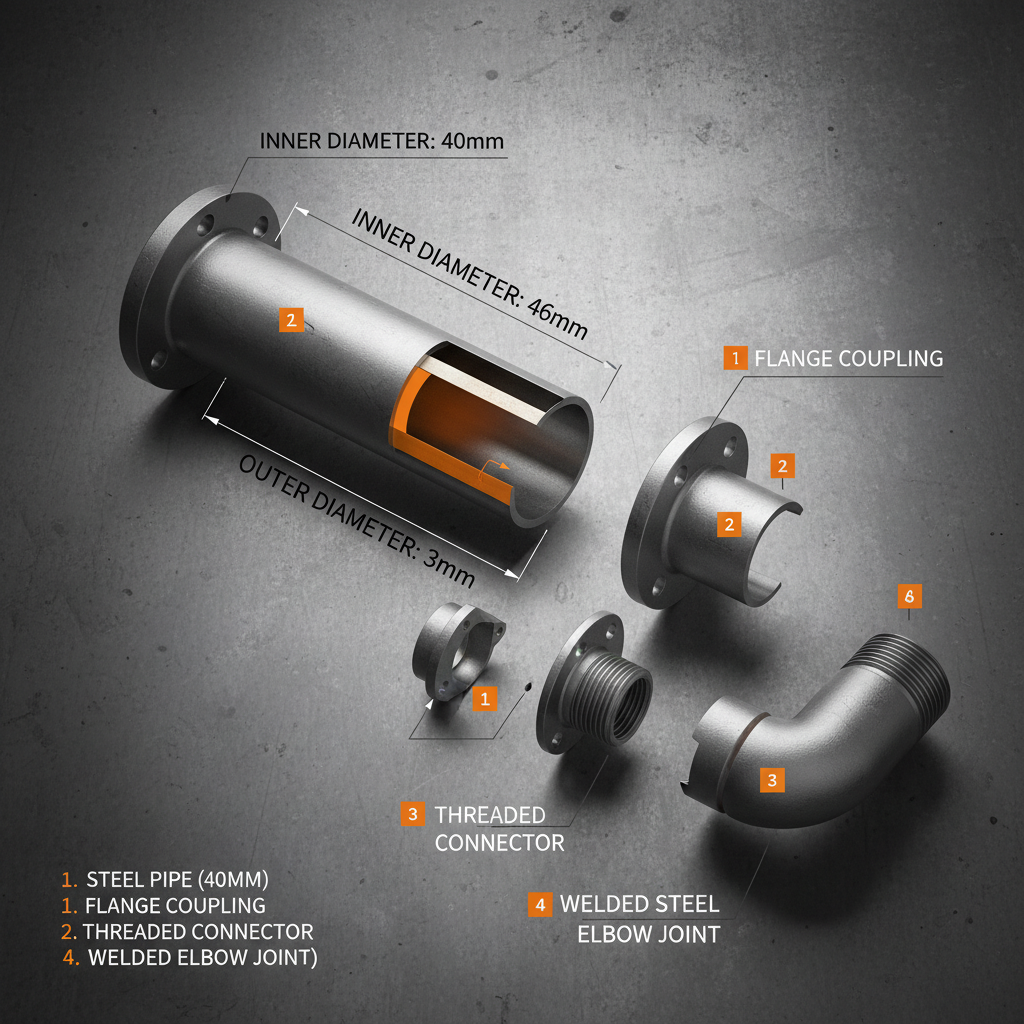
Comprehensive Guide to 40mm Steel Pipe Applications and Considerations
Comprehensive Guide to 40mm Metal Pipe Applications and Sourcing
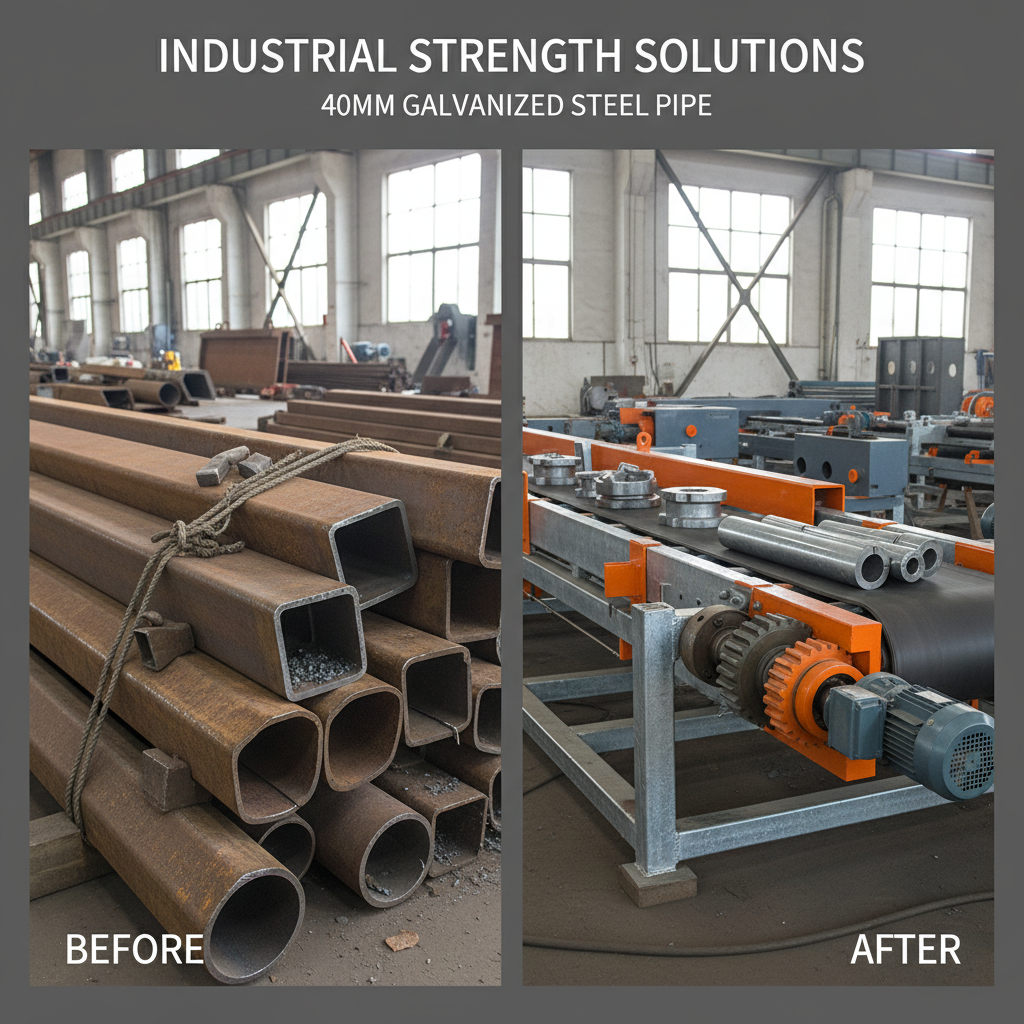
Comprehensive Guide to 40mm Galvanised Pipe Applications and Specifications