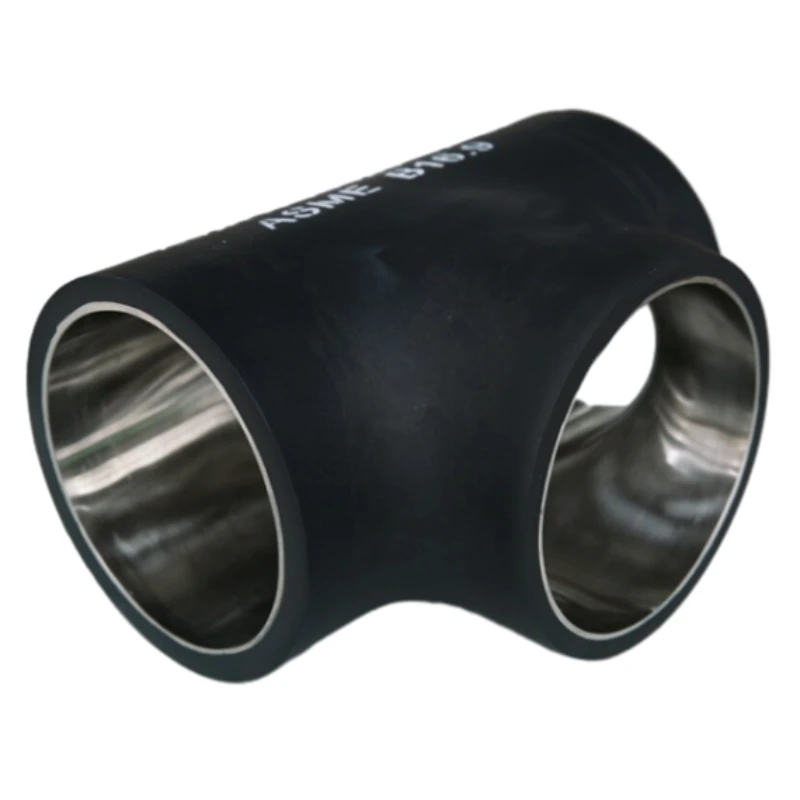
The precise shaping stainless steel into complex forms like pipe bends is fundamental to constructing efficient and reliable industrial piping systems. These components allow fluid and gas pathways to navigate complex layouts, avoid obstacles, and optimize flow dynamics with minimal pressure loss. However, achieving the required precision, durability, and corrosion resistance in bent stainless steel components involves significant manufacturing complexity, directly impacting cost. Understanding the key cost factors influencing industrial shaping stainless steel is crucial for project budgeting and sourcing decisions, especially for large-scale infrastructure in demanding sectors like oil & gas, chemicals, and power generation.
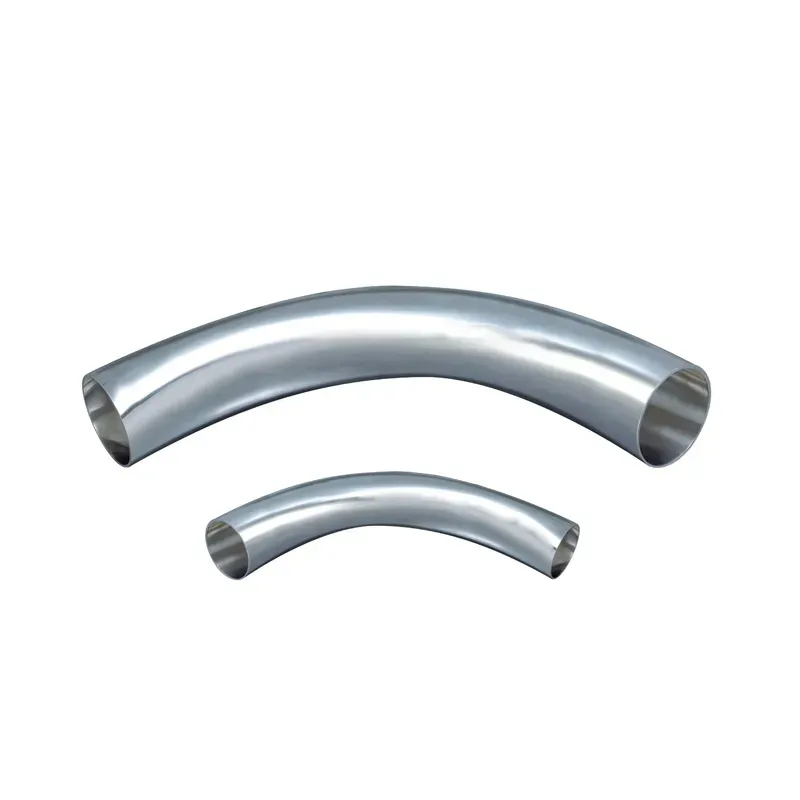
The initial cost driver lies in the raw material. Stainless steel alloys, chosen for their corrosion resistance and strength at high temperatures, are inherently more expensive than carbon steel. The specific grade (e.g., 304, 316, duplex) significantly impacts price, with higher alloy content commanding premium costs. Furthermore, the starting form matters. Seamless pipe, often preferred for high-pressure applications, costs more than welded pipe. For clad applications, the cost includes both the outer structural steel and the inner corrosion-resistant layer (like 304 stainless or non-metallic linings), plus the sophisticated bonding process. Preparation costs include cutting to length, edge preparation, and potential pre-heating, all adding to the baseline expense before shaping stainless steel even begins.
The chosen bending method profoundly affects both quality and cost. Cold bending techniques like rotary draw bending, especially using a mandrel bent steel tubing approach, offer superior precision. A mandrel, inserted internally during bending, supports the tube wall to prevent collapse, wrinkling, or excessive ovality. This is essential for maintaining consistent flow characteristics and structural integrity, particularly with thin walls or tight bend radii. While mandrel bent steel tubing delivers exceptional results, it requires sophisticated machinery, specialized tooling (dies and mandrels sized for each tube diameter and bend radius), skilled operators, and slower cycle times compared to simpler methods. These factors increase the per-bend cost but are often necessary for critical applications where flow efficiency and reliability are paramount, justifying the investment in high-quality bent stainless steel.
The complexity of the required shapes directly influences cost. Key complexity factors include:
Shaping stainless steel requires more force due to its higher strength and work-hardening characteristics. It often demands slower processing speeds, specialized tooling resistant to galling, and precise heat treatment controls to maintain corrosion resistance, all contributing to higher costs compared to carbon steel.
Mandrel bent steel tubing provides superior internal surface smoothness, minimal ovality, and controlled wall thinning compared to mandrel-less bending. This results in better flow characteristics, higher pressure integrity, and reduced turbulence, making it ideal for critical applications despite a higher per-bend cost.
Tighter bend radii significantly increase the cost of bent stainless steel. They require more powerful machinery, specialized tooling (like precise mandrels), greater skill to execute without defects, and may necessitate intermediate heat treatments to manage work hardening, all adding to the manufacturing expense.
Yes, large-volume production runs significantly reduce the per-unit cost of shaping stainless steel components. High volumes allow for efficient tooling setup amortization, optimized machine utilization, streamlined workflows, and bulk material purchasing discounts, making manufacturers like Cangzhou Lion with 10,000-ton component capacity cost-competitive for major projects.
Post-forming heat treatment is often critical for bent stainless steel. Processes like annealing relieve internal stresses induced during bending, restore corrosion resistance potentially compromised by cold work, and ensure the material meets required mechanical properties. Precise furnace control (±10°C) is essential, adding cost but ensuring component integrity and longevity.
The cost factors influencing industrial shaping stainless steel are multifaceted, encompassing raw material premiums, the choice of precision techniques like mandrel bent steel tubing, the inherent complexity of the desired shapes (bend radius, angle, size), required tolerances, and production volumes. While shaping stainless steel demands sophisticated processes and incurs higher costs than shaping more malleable metals, the investment is justified by the unparalleled corrosion resistance and strength it provides in demanding environments. Manufacturers equipped with heavy forming capabilities (e.g., 6000T presses), advanced bending technology, precise heat treatment facilities (±10°C control), large-scale production capacity (10,000+ tons annually for components), and deep material expertise, like Cangzhou Lion Technology Co., Ltd., are positioned to deliver high-quality bent stainless steel efficiently. Their ability to manage material selection, leverage scale, employ appropriate techniques (including mandrel bent steel tubing where needed), and ensure rigorous quality control allows them to offer cost-effective solutions for the complex shaping stainless steel requirements of major energy and industrial projects, balancing performance, longevity, and budgetary constraints.
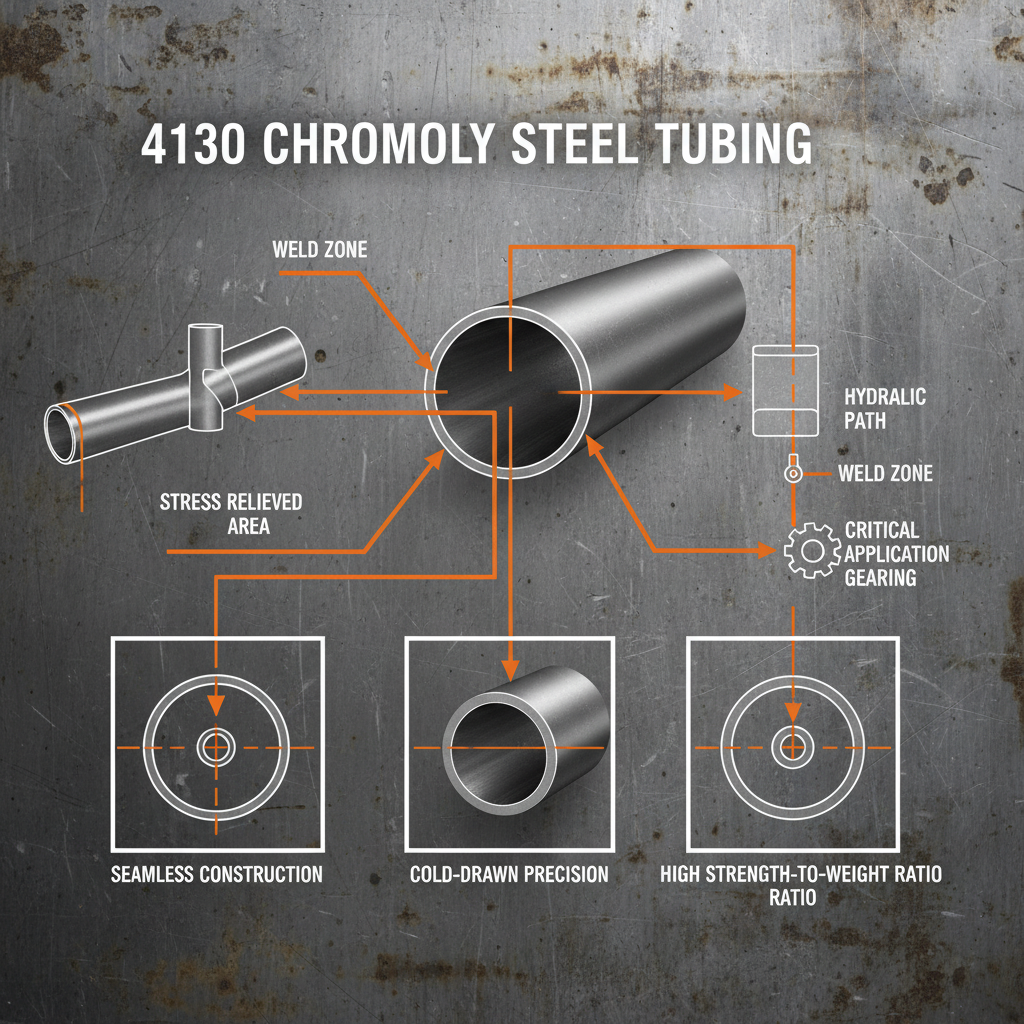
Ultimate Guide to 4130 Tubing Strength Performance and Applications
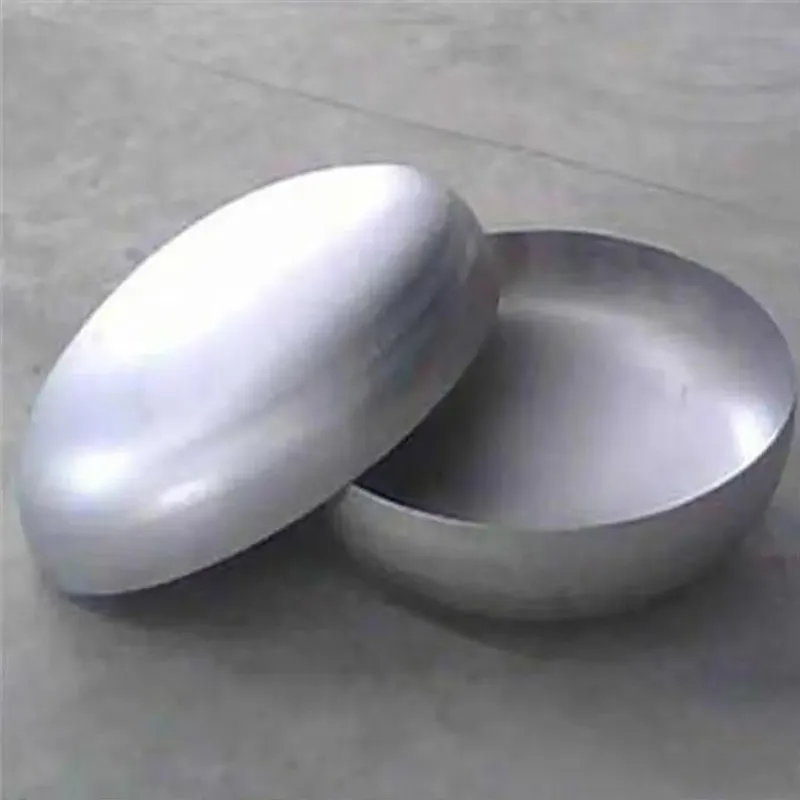
Pipe Cap-Cangzhou Lion Technology Co., Ltd.|Enhancing System Efficiency&Durability
Pipe Cap-Cangzhou Lion Technology Co., Ltd.|Enhancing System Efficiency&Durability
Pipe Cap-Cangzhou Lion Technology Co., Ltd.|Enhancing System Efficiency&Durability
Pipe Cap-Cangzhou Lion Technology Co., Ltd.|Enhancing System Efficiency&Durability
Pipe Cap-Cangzhou Lion Technology Co., Ltd.|Enhancing System Efficiency&Durability