tel
Email
to top

Cost Factors Influencing Industrial Shaping Stainless Steel

9月 09 2025
共有:

The precise shaping stainless steel into complex forms like pipe bends is fundamental to constructing efficient and reliable industrial piping systems. These components allow fluid and gas pathways to navigate complex layouts, avoid obstacles, and optimize flow dynamics with minimal pressure loss. However, achieving the required precision, durability, and corrosion resistance in bent stainless steel components involves significant manufacturing complexity, directly impacting cost. Understanding the key cost factors influencing industrial shaping stainless steel is crucial for project budgeting and sourcing decisions, especially for large-scale infrastructure in demanding sectors like oil & gas, chemicals, and power generation.
 

Cost Factors Influencing Industrial Shaping Stainless Steel


Material Selection and Preparation for Shaping Stainless Steel


The initial cost driver lies in the raw material. Stainless steel alloys, chosen for their corrosion resistance and strength at high temperatures, are inherently more expensive than carbon steel. The specific grade (e.g., 304, 316, duplex) significantly impacts price, with higher alloy content commanding premium costs. Furthermore, the starting form matters. Seamless pipe, often preferred for high-pressure applications, costs more than welded pipe. For clad applications, the cost includes both the outer structural steel and the inner corrosion-resistant layer (like 304 stainless or non-metallic linings), plus the sophisticated bonding process. Preparation costs include cutting to length, edge preparation, and potential pre-heating, all adding to the baseline expense before shaping stainless steel even begins.


Precision Techniques: The Impact of Mandrel Bent Steel Tubing


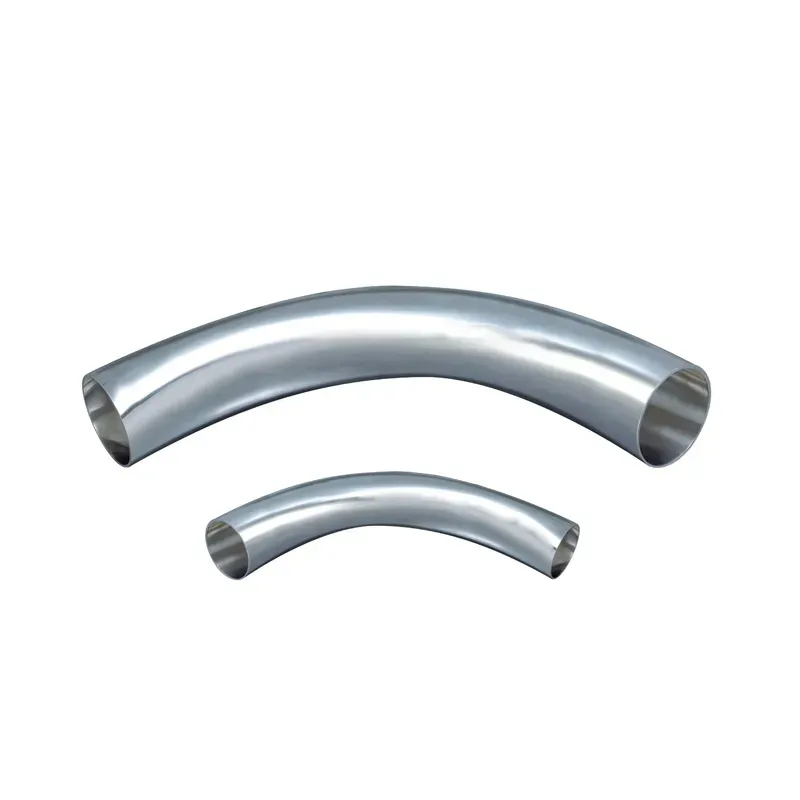
The chosen bending method profoundly affects both quality and cost. Cold bending techniques like rotary draw bending, especially using a mandrel bent steel tubing approach, offer superior precision. A mandrel, inserted internally during bending, supports the tube wall to prevent collapse, wrinkling, or excessive ovality. This is essential for maintaining consistent flow characteristics and structural integrity, particularly with thin walls or tight bend radii. While mandrel bent steel tubing delivers exceptional results, it requires sophisticated machinery, specialized tooling (dies and mandrels sized for each tube diameter and bend radius), skilled operators, and slower cycle times compared to simpler methods. These factors increase the per-bend cost but are often necessary for critical applications where flow efficiency and reliability are paramount, justifying the investment in high-quality bent stainless steel.


Complexity and Scale in Producing Bent Stainless Steel


The complexity of the required shapes directly influences cost. Key complexity factors include:

  • Bend Radius:Tight bends (smaller radius-to-diameter ratios) are significantly more challenging and costly to produce without defects than large-radius bends. Achieving tight radii often necessitates mandrel bent steel tubing
  • Bend Angle:Multiple bends on a single piece, compound bends (out-of-plane), or very large angles increase setup time, require more complex tooling, and heighten the risk of rework.
  • Wall Thickness and Diameter:Thicker walls require significantly more force to bend, demanding larger, more powerful equipment. Larger diameters also require larger, more expensive tooling and machinery capable of handling the size.
  • Tolerances:Extremely tight tolerances on ovality, wall thinning, or angle accuracy demand more precise processes, slower production speeds, and potentially extensive inspection, increasing costs.
    Scale also matters. High-volume production runs allow for the amortization of tooling setup costs and enable more efficient manufacturing workflows, reducing the per-unit cost of bent stainless steel
  •  

FAQs About Shaping Stainless Steel Costs


Why is shaping stainless steel more expensive to shape than carbon steel?


Shaping stainless steel requires more force due to its higher strength and work-hardening characteristics. It often demands slower processing speeds, specialized tooling resistant to galling, and precise heat treatment controls to maintain corrosion resistance, all contributing to higher costs compared to carbon steel.


What are the advantages of mandrel bent steel tubing?


Mandrel bent steel tubing provides superior internal surface smoothness, minimal ovality, and controlled wall thinning compared to mandrel-less bending. This results in better flow characteristics, higher pressure integrity, and reduced turbulence, making it ideal for critical applications despite a higher per-bend cost.


How does bend radius affect the cost of bent stainless steel?


Tighter bend radii significantly increase the cost of bent stainless steel. They require more powerful machinery, specialized tooling (like precise mandrels), greater skill to execute without defects, and may necessitate intermediate heat treatments to manage work hardening, all adding to the manufacturing expense.


Can large-scale production reduce the cost per piece for shaping stainless steel?


Yes, large-volume production runs significantly reduce the per-unit cost of shaping stainless steel components. High volumes allow for efficient tooling setup amortization, optimized machine utilization, streamlined workflows, and bulk material purchasing discounts, making manufacturers like Cangzhou Lion with 10,000-ton component capacity cost-competitive for major projects.


What role does heat treatment play after shaping stainless steel?


Post-forming heat treatment is often critical for bent stainless steel. Processes like annealing relieve internal stresses induced during bending, restore corrosion resistance potentially compromised by cold work, and ensure the material meets required mechanical properties. Precise furnace control (±10°C) is essential, adding cost but ensuring component integrity and longevity.


The cost factors influencing industrial shaping stainless steel are multifaceted, encompassing raw material premiums, the choice of precision techniques like mandrel bent steel tubing, the inherent complexity of the desired shapes (bend radius, angle, size), required tolerances, and production volumes. While shaping stainless steel demands sophisticated processes and incurs higher costs than shaping more malleable metals, the investment is justified by the unparalleled corrosion resistance and strength it provides in demanding environments. Manufacturers equipped with heavy forming capabilities (e.g., 6000T presses), advanced bending technology, precise heat treatment facilities (±10°C control), large-scale production capacity (10,000+ tons annually for components), and deep material expertise, like Cangzhou Lion Technology Co., Ltd., are positioned to deliver high-quality bent stainless steel efficiently. Their ability to manage material selection, leverage scale, employ appropriate techniques (including mandrel bent steel tubing where needed), and ensure rigorous quality control allows them to offer cost-effective solutions for the complex shaping stainless steel requirements of major energy and industrial projects, balancing performance, longevity, and budgetary constraints.

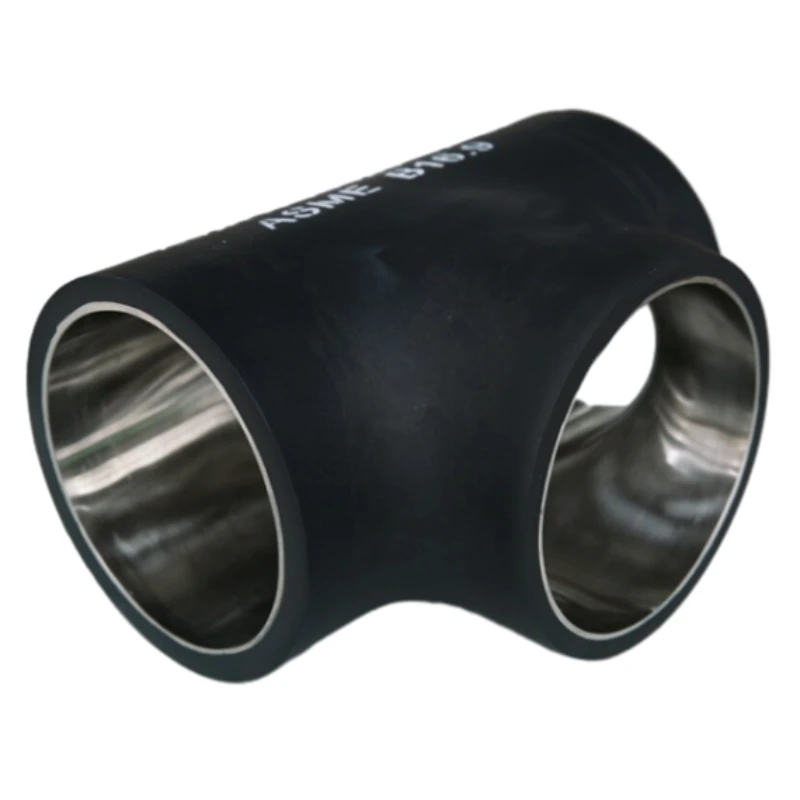
  • Tee Pipe

    ティーパイプ

    T 字型製品は、3 つの配管セクションを接続して「T」字型を形成するために使用する重要なパイプ継手です。炭素鋼、ステンレス鋼、合金鋼など、さまざまな材料で提供されており、流体の流れの迂回または合流を必要とするシステムで使用するように設計されています。
    すべて見る
  • Laser Clad  Pipe

    Laser Clad Pipe

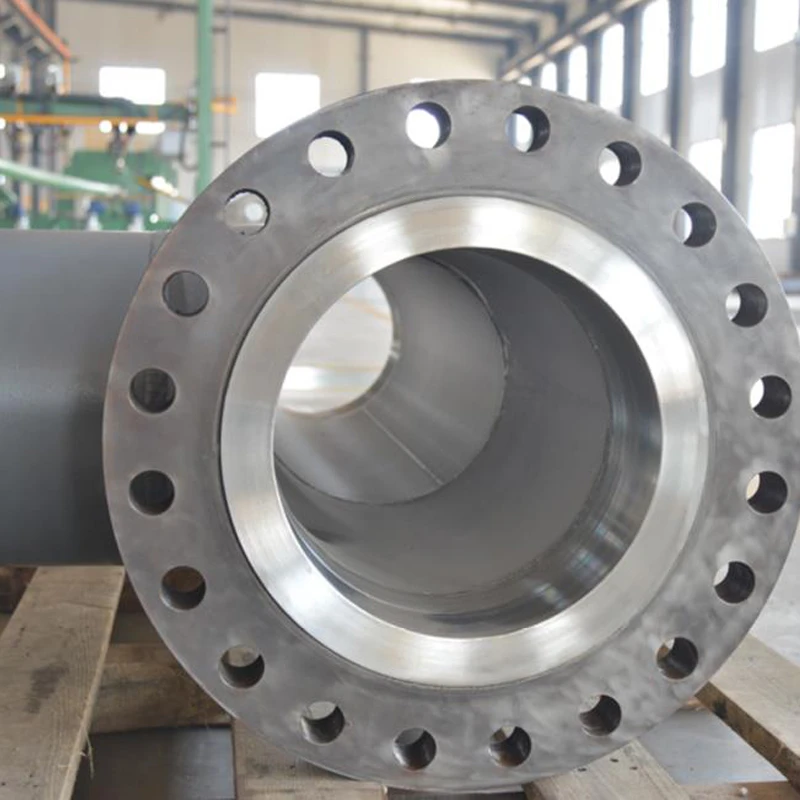
    Laser clad steel pipes are manufactured using laser cladding technology. This technology involves adding cladding material to the surface of ordinary steel pipe base material, using high-energy-density laser beams to fuse the cladding material with the steel pipe surface, forming a metallurgically bonded cladding layer. These pipes are generally used in compressed air energy storage projects as underground deep well transportation pipes or casings, as well as in oil, natural gas, and geothermal well extraction.
    すべて見る
  • Factory Prefabricated Products

    工場プレハブ製品

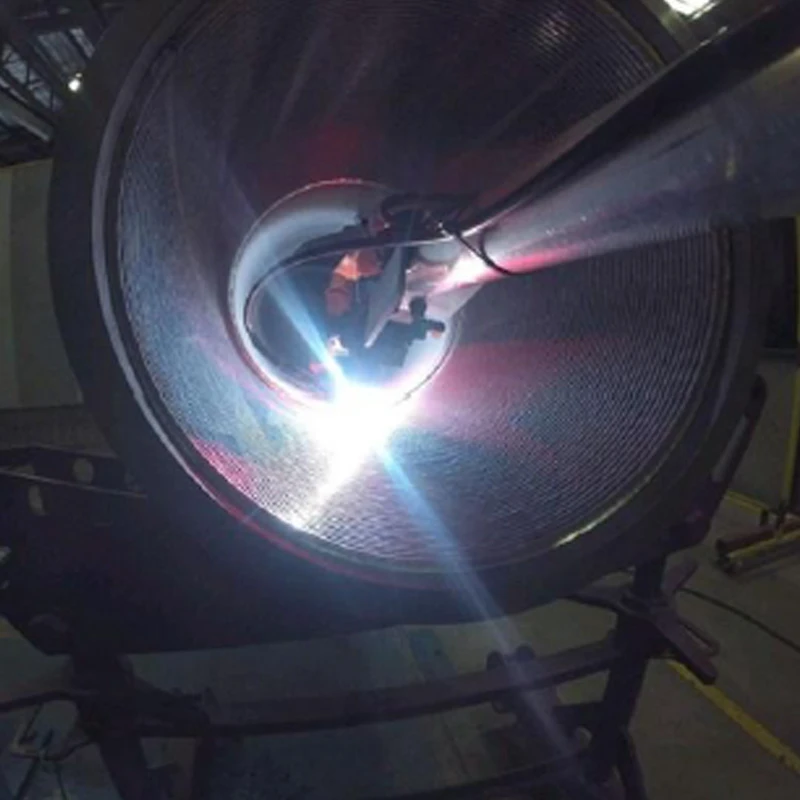
    現代の工業建設において、配管継手の品質と供給効率はプロジェクトの成否に直接影響します。先進的な生産コンセプトと強力な技術力により、当社は製品の工場プレファブリケーションに注力し、石油化学産業や石炭化学産業など多くの主要分野にオールラウンドな配管継手ソリューションを提供しています。
    すべて見る
顧客にとっての価値を創造します!
滄州レオテクノロジー株式会社は河北省滄州市孟村県経済開発区に位置し、複合管と継手の研究開発、生産、販売を一体化した専門ハイテク企業です。
ニュース
当社は製品の品​​質を企業の生命とみなし、業界および国家標準の要求に従って健全な品質管理システムを確立し、プロセス全体の入出力のすべての側面を管理し、細部にまで注意を払い、製品出荷合格率が100%であることを保証します。
Ultimate Guide to 4130 Tubing Strength Performance and Applications
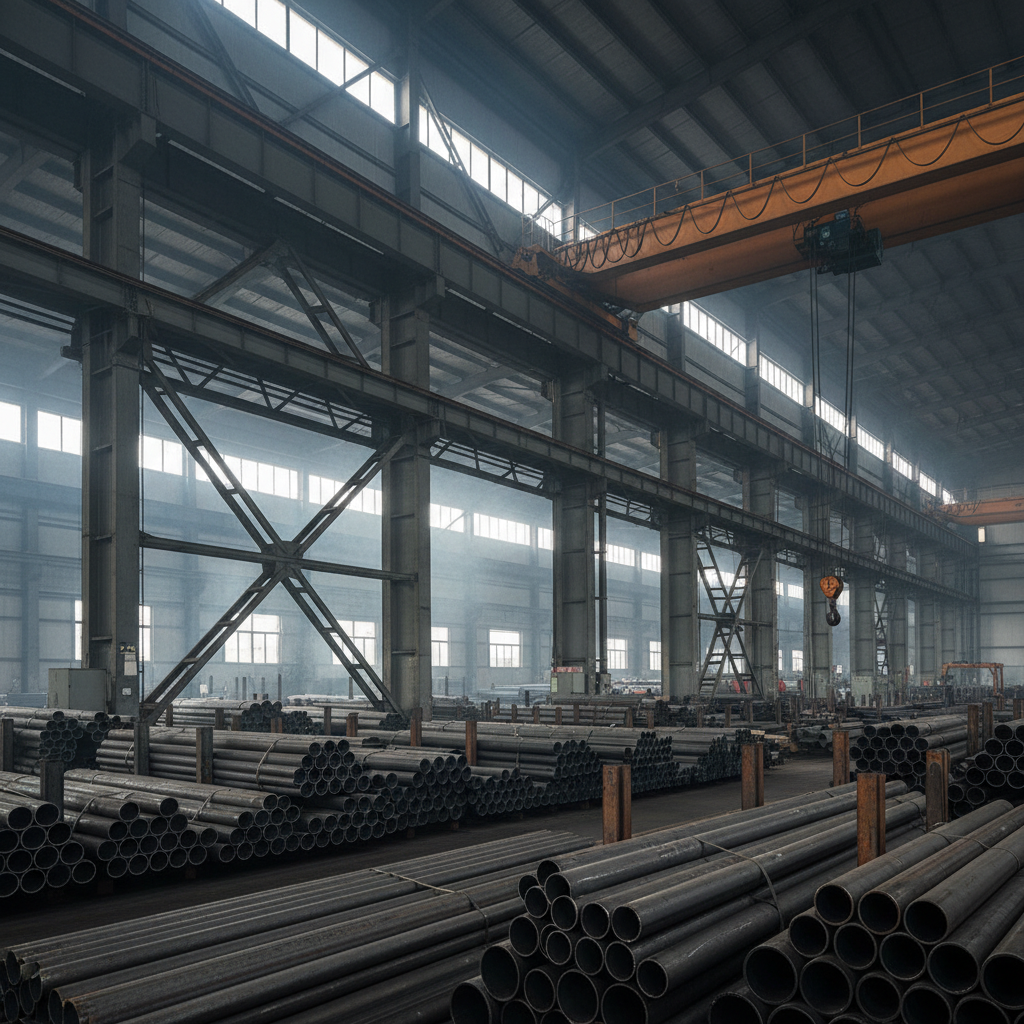
Ultimate Guide to 4130 Tubing Strength Performance and Applications

In the world of high-performance engineering, material selection is the foundation of safety and efficiency. 4130 tubing is widely regarded as the gold standard for applications requiring an exceptional strength-to-weight ratio. This chrome-molybdenum alloy steel is engineered to withstand extreme stress while remaining lightweight enough for aerospace and automotive use. Whether you are designing a roll cage, a bicycle frame, or a critical industrial component, understanding the nuances of this material is essential. In this comprehensive guide, we will explore why this specific alloy is preferred by engineers worldwide and how to choose the right specifications for your project.
Properties and Industrial Applications of 4130 steel tubing
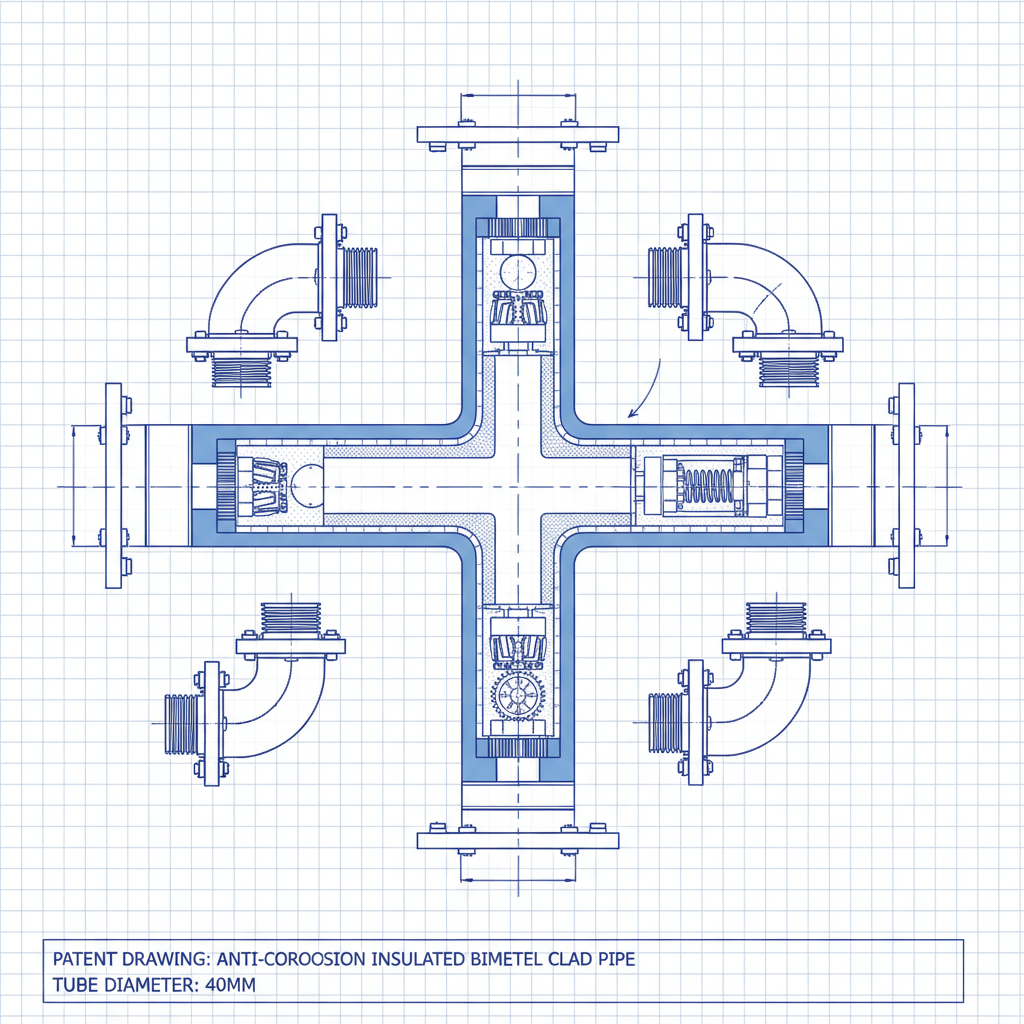
Properties and Industrial Applications of 4130 steel tubing

In the world of high-performance engineering, material selection is the foundation of safety and efficiency. 4130 steel tubing is widely recognized as the gold standard for applications requiring an exceptional strength-to-weight ratio. Known for its versatility and reliability, this chromium-molybdenum alloy is the preferred choice for everything from aircraft frames to professional roll cages. Understanding the nuances of this material allows engineers to optimize structural integrity without adding unnecessary bulk. In this comprehensive guide, we will explore why this specific alloy remains a top choice for critical industrial and aerospace components.
Comprehensive Guide to 40mm Steel Tube Applications and Material Selection
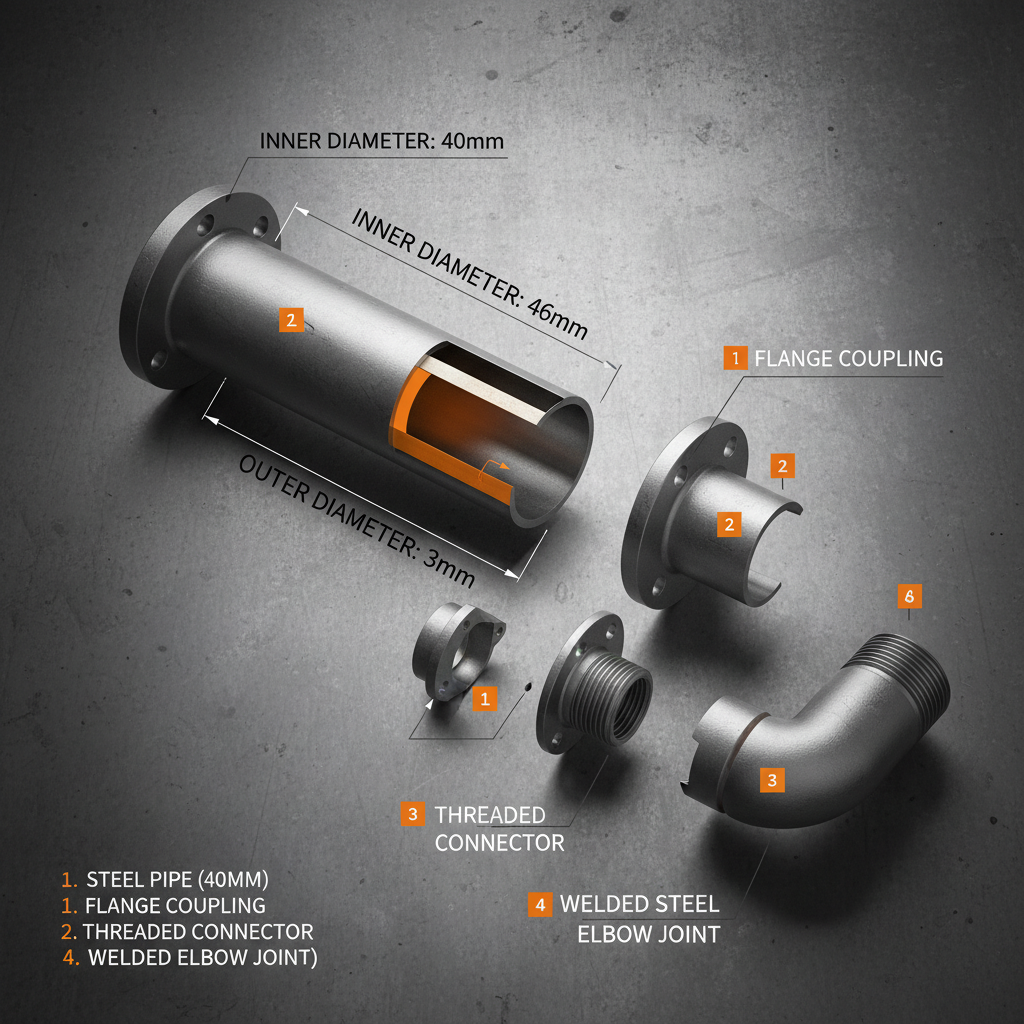
Comprehensive Guide to 40mm Steel Tube Applications and Material Selection

40mm steel tube is a versatile and widely used material in various industries, from construction and manufacturing to automotive and beyond. Its strength, durability, and cost-effectiveness make it an ideal choice for numerous applications. This article will delve into the characteristics, applications, benefits, and considerations when working with 40mm steel tube, providing a comprehensive overview for professionals and anyone interested in this essential material.
Comprehensive Guide to 40mm Steel Pipe Applications and Considerations
Comprehensive Guide to 40mm Steel Pipe Applications and Considerations

40mm steel pipe is a widely used material in various industries due to its strength, durability, and cost-effectiveness. From construction and infrastructure projects to industrial applications and fluid transportation, this pipe size offers a versatile solution. This article will delve into the properties, applications, standards, and key considerations when selecting 40mm steel pipe, helping you make informed decisions for your specific needs.
Comprehensive Guide to 40mm Metal Pipe Applications and Sourcing
Comprehensive Guide to 40mm Metal Pipe Applications and Sourcing

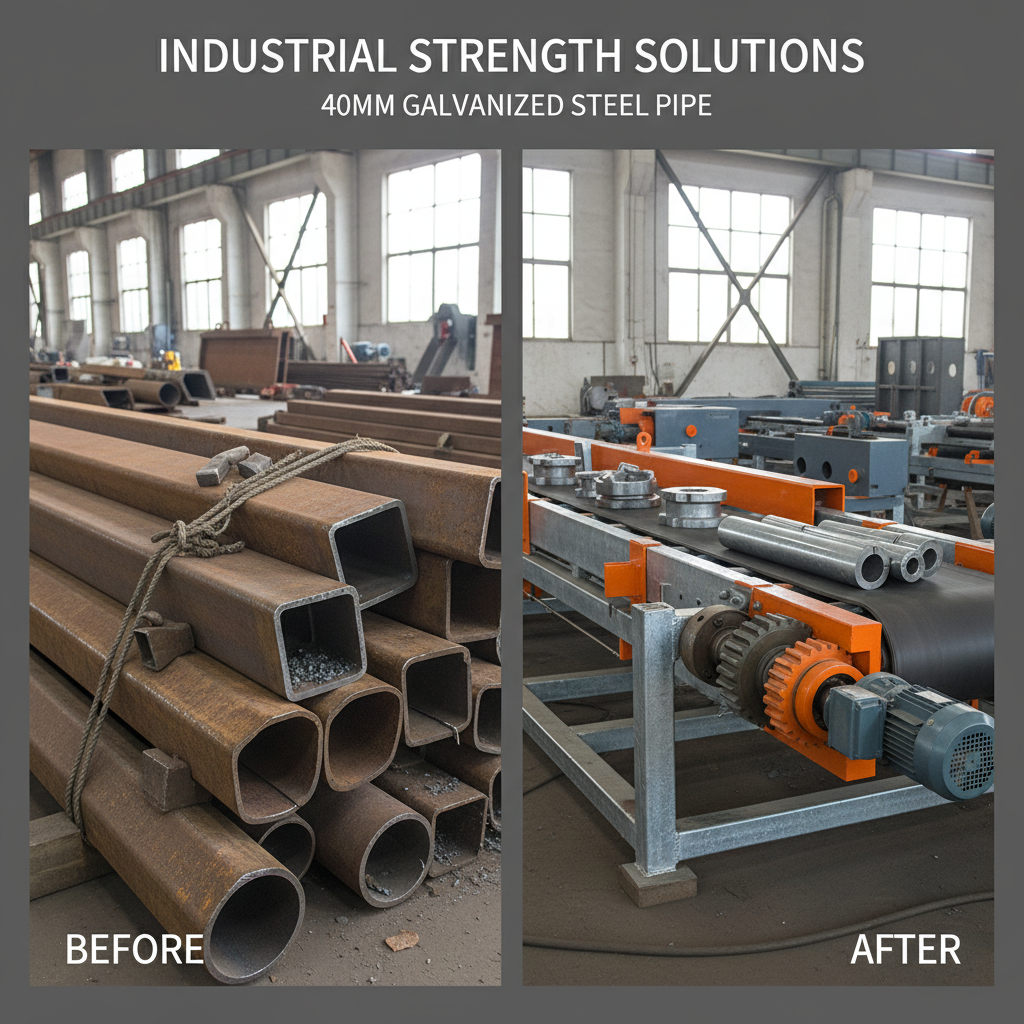
40mm metal pipe is a crucial component in a wide array of industries, from construction and plumbing to industrial manufacturing and fluid transport. Its strength, durability, and versatility make it a preferred material for countless applications. This article will delve into the specifics of 40mm metal pipe, exploring its various types, common uses, benefits, and where to source high-quality piping solutions.
Comprehensive Guide to 40mm Galvanised Pipe Applications and Specifications

Comprehensive Guide to 40mm Galvanised Pipe Applications and Specifications

When planning a plumbing, structural, or industrial project, selecting the right piping material is crucial. 40mm galvanised pipe is a widely used option known for its strength, durability, and corrosion resistance. This article provides a detailed overview of 40mm galvanised pipes, exploring their applications, benefits, specifications, and considerations for optimal usage. We'll cover everything from what galvanisation is to how to choose the right pipe for your specific needs.
tel email tel top

弊社の製品にご興味がございましたら、こちらに情報を残していただければ、すぐにご連絡させていただきます。