Modern structural steel framing demands robust connections capable of transferring significant loads while ensuring stability and longevity. Flanges, critical components within these systems, provide versatile and reliable joining solutions. Angle flange use in structural steel framing represents a specialized application where strength, precise alignment, and adaptability to complex geometries are paramount. Understanding the distinct roles of various flange types – including angle flange, base flange, and flat flange – and the manufacturing excellence required to produce them is essential for engineers designing and constructing large-scale industrial facilities, power plants, and infrastructure projects.
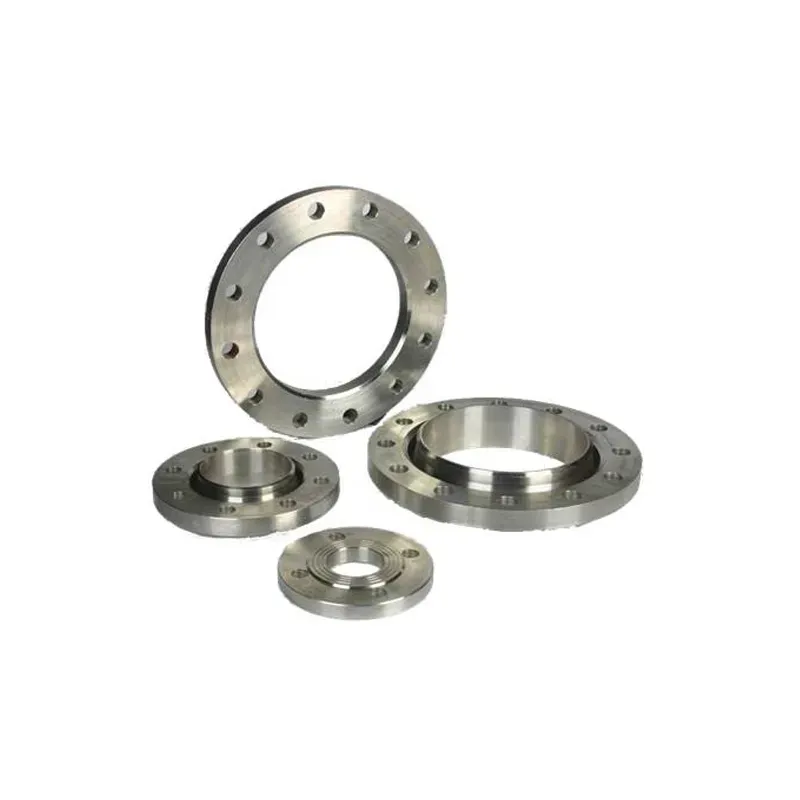
Within intricate structural frameworks, beams, columns, and bracing elements often meet at angles other than 90 degrees. This is where angle flange connections excel. An angle flange is specifically designed to facilitate secure, load-bearing connections between members intersecting at acute or obtuse angles. Its shape accommodates the angular deviation, providing a stable mating surface for bolting or welding. The primary angle flange use lies in creating rigid joints for trusses, support brackets, and specialized frames where standard perpendicular connections are impractical. The precision of the angle flange's machined surfaces and bolt holes is crucial for ensuring proper force transfer and preventing misalignment-induced stresses that could compromise structural integrity over time. Effective angle flange use requires components manufactured to exacting tolerances.
The foundation of any structure is its connection to the ground or supporting substructure. Base flange assemblies are fundamental to this critical interface. A base flange is typically a thick, robust plate welded to the bottom of a column or vertical member. It is then anchored securely to a concrete foundation using high-strength bolts embedded in the concrete. The base flange serves several vital functions:
While angle flange and base flange components often deal with primary structural loads, flat flange surfaces play a critical role in creating sealed interfaces, particularly where structural elements interface with piping systems or enclosures. A flat flange features machined, smooth, parallel faces designed to mate with a corresponding flange face. A gasket compressed between these flat flange surfaces creates a reliable seal, preventing fluid or gas leakage. Common applications include:
The effectiveness of the seal relies heavily on the flatness, surface finish (e.g., serrated or smooth), and dimensional accuracy of the flat flange faces. Imperfections can lead to gasket failure and leaks. These flanges adhere to international standards like ASME B16.5/B16.47 and API 6A, covering diameters from DN15 to DN2000+, ensuring compatibility.
Producing high-quality angle flange, base flange, and flat flange components for critical structural applications requires advanced manufacturing capabilities, material expertise, and stringent quality control. Cangzhou Lion Technology Co., Ltd., a leading high-tech enterprise based in the Mengcun County Economic Development Zone, Cangzhou City, Hebei Province, possesses the infrastructure and expertise to meet these demands for large-scale projects.
As a designated supplier to major energy groups under the State-owned Assets Supervision and Administration Commission (SASAC) and through continuous collaboration with domestic research institutes, Cangzhou Lion prioritizes innovation and quality. Their capabilities directly support structural flange production:
The primary advantage of angle flange use is its ability to create strong, rigid connections between structural steel members meeting at angles other than 90 degrees, accommodating complex frame geometries that would be difficult or impossible with standard perpendicular connection methods.
The size and thickness of a base flange are determined by the magnitude and type of loads it must transfer (vertical compression, uplift, shear, moment), the strength of the anchor bolts, the bearing capacity of the concrete foundation, and the dimensions of the column it supports. Engineering calculations based on structural codes are essential.
The surface finish of a flat flange is critical because it directly impacts the effectiveness of the gasket seal. A smooth, flat, and appropriately serrated or grooved finish ensures uniform gasket compression, creating a leak-tight barrier against fluids or gases under pressure, especially when adhering to standards like ASME B16.5.
While often custom-designed, angle flange and base flange components for structural use typically reference standards for material properties (ASTM A36, A572, A992), welding procedures (AWS D1.1), dimensional tolerancing, and surface preparation. Flat flange interfaces often adhere to pressure boundary standards like ASME B16.5 or API 6A if sealing is required.
Yes, manufacturers with significant capacity, like Cangzhou Lion Technology and their 10,000-ton annual output for pressure piping components (including flanges), heavy forming equipment (6000T press), and extensive machining/finishing capabilities, are well-equipped to produce large quantities of custom angle flange, base flange, and flat flange components to meet the demands of major structural steel framing projects.
Angle flange use in structural steel framing provides essential solutions for connecting members at non-standard angles, while base flange assemblies ensure stable and secure anchoring to foundations, and flat flange interfaces enable reliable sealed connections. The performance and longevity of these critical components hinge on precise engineering, high-quality materials, and advanced manufacturing processes capable of achieving strict tolerances and material properties. Cangzhou Lion Technology Co., Ltd., leveraging its substantial capabilities – including a 6000T hydraulic press for heavy forming, precision heat treatment furnaces (±10°C), extensive machining resources, and a dedicated 10,000-ton annual capacity for pressure components – stands as a key supplier for large-scale industrial projects. Their ability to produce robust angle flange, base flange, and flat flange products to exact specifications ensures the structural integrity, stability, and leak-free performance required in demanding applications, from energy infrastructure to complex industrial facilities. Selecting a manufacturer with this combination of scale, capability, and quality focus is fundamental to the success of modern structural steel framing.

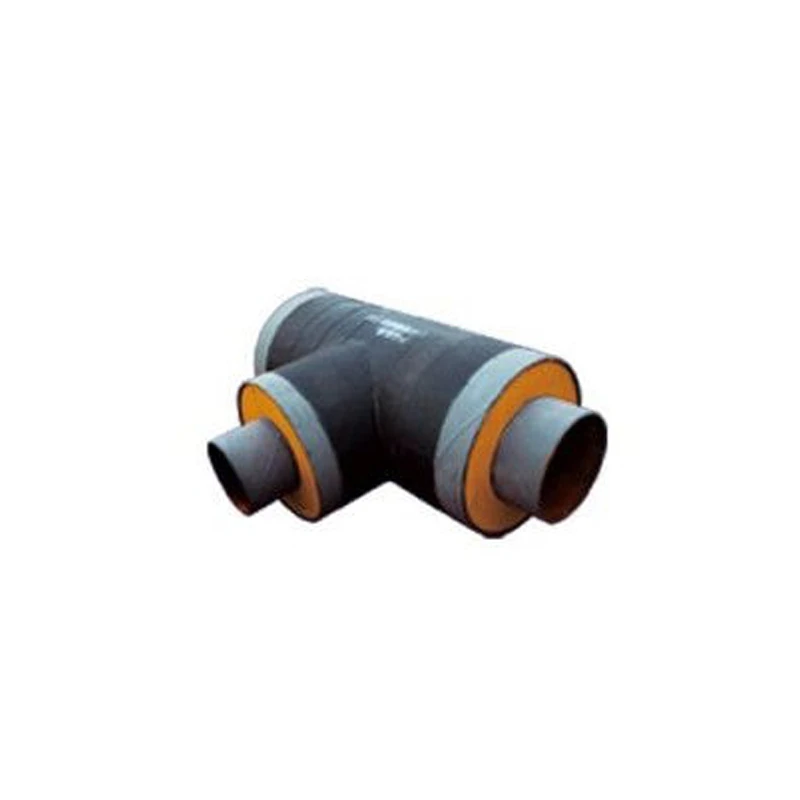
Anti Corrosion And Thermal Insulation Products
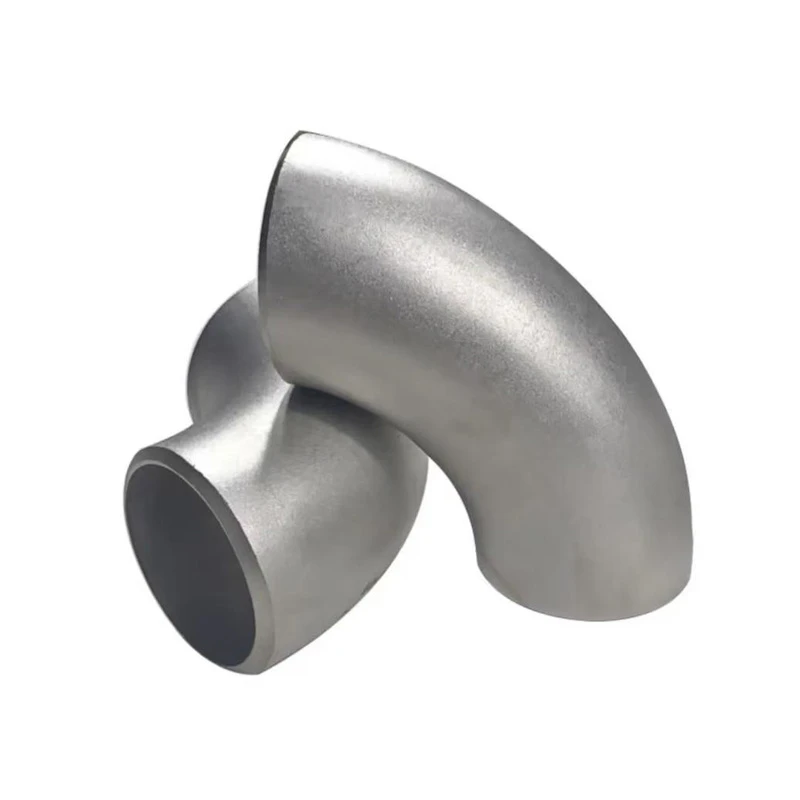
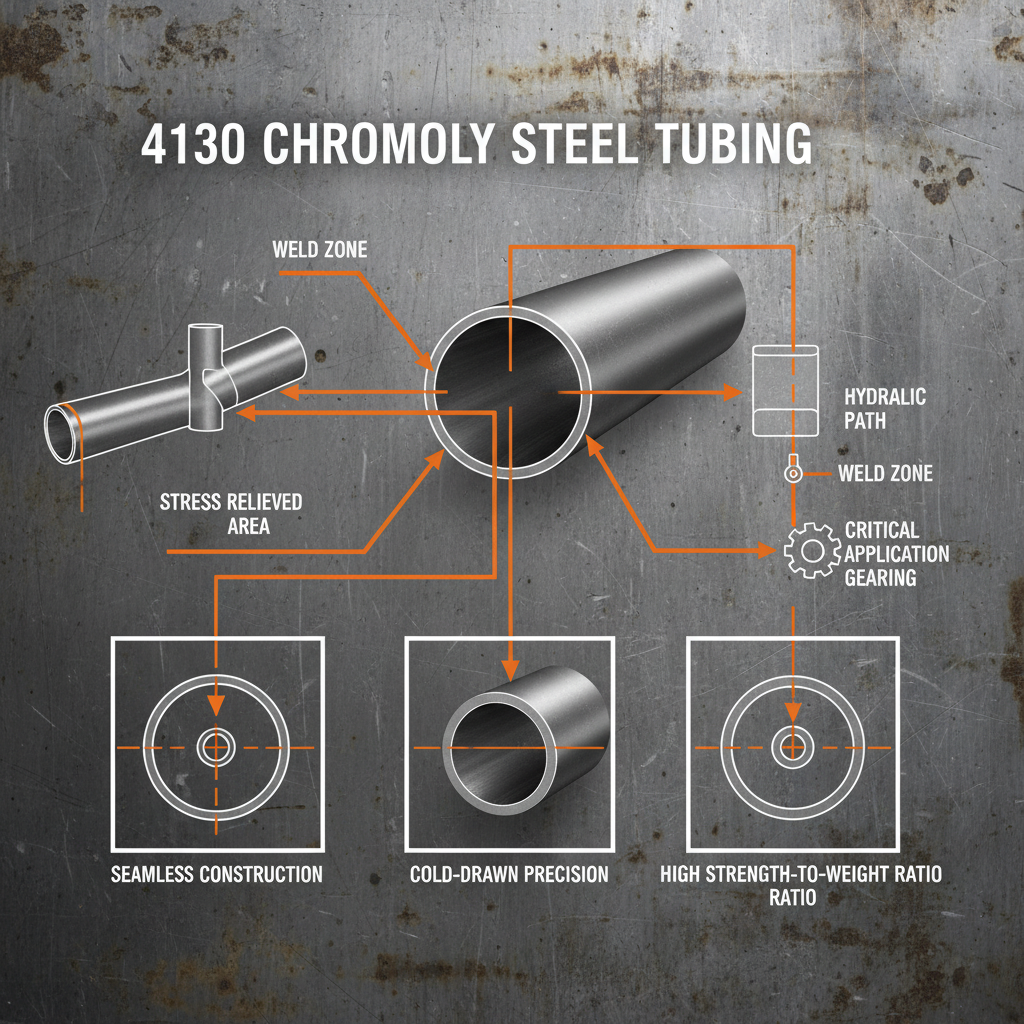
Ultimate Guide to 4130 Tubing Strength Performance and Applications
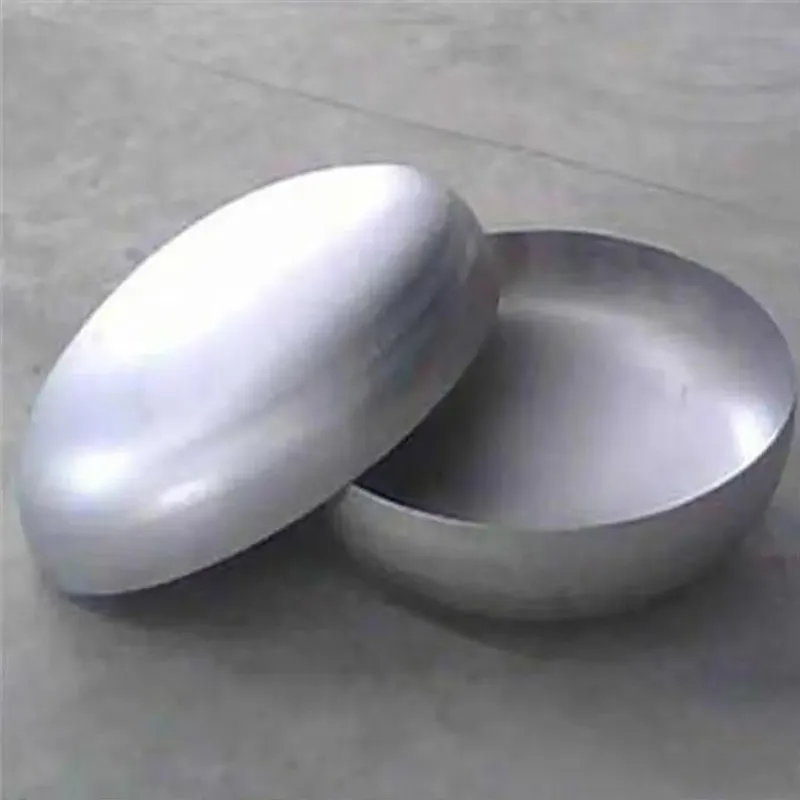
Pipe Cap-Cangzhou Lion Technology Co., Ltd.|Enhancing System Efficiency&Durability
Pipe Cap-Cangzhou Lion Technology Co., Ltd.|Enhancing System Efficiency&Durability
Pipe Cap-Cangzhou Lion Technology Co., Ltd.|Enhancing System Efficiency&Durability
Pipe Cap-Cangzhou Lion Technology Co., Ltd.|Enhancing System Efficiency&Durability
Pipe Cap-Cangzhou Lion Technology Co., Ltd.|Enhancing System Efficiency&Durability