In an era demanding unparalleled energy efficiency and robust infrastructure, the role of advanced piping systems cannot be overstated. Industries across the globe face persistent challenges in transporting fluids and gases while minimizing heat loss or gain, combating corrosion, and ensuring long-term operational integrity. Traditional piping methods often fall short, leading to significant energy waste, increased maintenance costs, and compromised system longevity.
Addressing these critical needs, the pre insulated steel pipe emerges as a superior engineering solution. This integrated system is meticulously designed to provide optimal thermal insulation and exceptional corrosion resistance, making it indispensable for a wide array of industrial applications. By combining a durable carrier pipe, a high-performance insulation layer, and a protective outer jacket into a single, cohesive unit, these pipes deliver unparalleled efficiency and reliability.
The market for advanced piping solutions, particularly for pre insulated steel pipe, is experiencing robust growth driven by several key global trends. Increasing focus on energy efficiency, stringent environmental regulations, and the expansion of urban infrastructure are primary catalysts. Industries are actively seeking solutions that reduce operational costs, minimize carbon footprint, and ensure sustainable development.
These trends collectively underscore the growing importance of high-performance piping solutions in achieving operational excellence and environmental stewardship across various industrial sectors.
The production of a pre insulated steel pipe is a sophisticated multi-stage process, ensuring the highest standards of quality, thermal efficiency, and corrosion protection. Each step is critical in delivering a product capable of performing reliably in demanding environments.
High-quality steel pipes (e.g., carbon steel, stainless steel) are selected based on fluid properties, pressure, and temperature. Common materials include ASTM A106 Grade B for carbon steel or ASTM A312 for stainless steel. The pipes undergo thorough cleaning, degreasing, and internal/external shot blasting to achieve a clean, roughened surface for optimal coating adhesion.
An essential layer of anti corrosion pipe coating is applied to the carrier pipe. This typically involves Fusion Bonded Epoxy (FBE), 3-Layer Polyethylene (3LPE), or liquid epoxy coatings. FBE offers excellent adhesion and cathodic disbondment resistance, while 3LPE provides superior mechanical protection. These coatings are applied under controlled conditions, often using electrostatic spraying or extrusion, and cured to form a robust protective barrier.
A High-Density Polyethylene (HDPE) or Spiral-Wound Steel jacket pipe is prepared. HDPE is preferred for its durability, UV resistance, and water tightness in buried applications, while steel jackets offer higher mechanical strength for above-ground or high-impact environments. The inner surface of the jacket pipe is often treated to enhance bonding with the insulation material.
The coated carrier pipe is accurately centered within the outer jacket pipe using specially designed spacers. This ensures an even annular gap, which is crucial for uniform insulation distribution and optimal thermal performance. CNC machining ensures precision in spacer manufacturing.
High-pressure injection of liquid polyurethane components (polyol and isocyanate) occurs into the annular space. The mixture rapidly expands and cures, forming a rigid, closed-cell foam that acts as the primary thermal insulation layer. This process is highly controlled to ensure uniform density, excellent thermal conductivity (k-value), and void-free insulation, typically conforming to EN 253 or ASTM C591 standards.
After foam curing, the pipe ends are sealed with shrink sleeves or end caps to protect the insulation from moisture ingress during storage, transport, and installation. This also allows for field joint insulation. Final visual inspection and dimensional checks are performed.
Each pre insulated steel pipe undergoes rigorous testing. This includes visual inspection, dimensional checks, adhesion tests of the coating and foam, insulation resistance tests, and hydrostatic pressure testing of the carrier pipe. Products conform to international standards such as ISO 9001 (Quality Management), ISO 14001 (Environmental Management), and specific product standards like EN 253 for district heating pipes. The typical service life is projected to be 30-50 years, significantly reducing replacement cycles.
These pipes find extensive applications in target industries such as petrochemicals, metallurgy, district heating and cooling, and water supply & drainage, where advantages like energy saving and superior corrosion resistance are paramount.
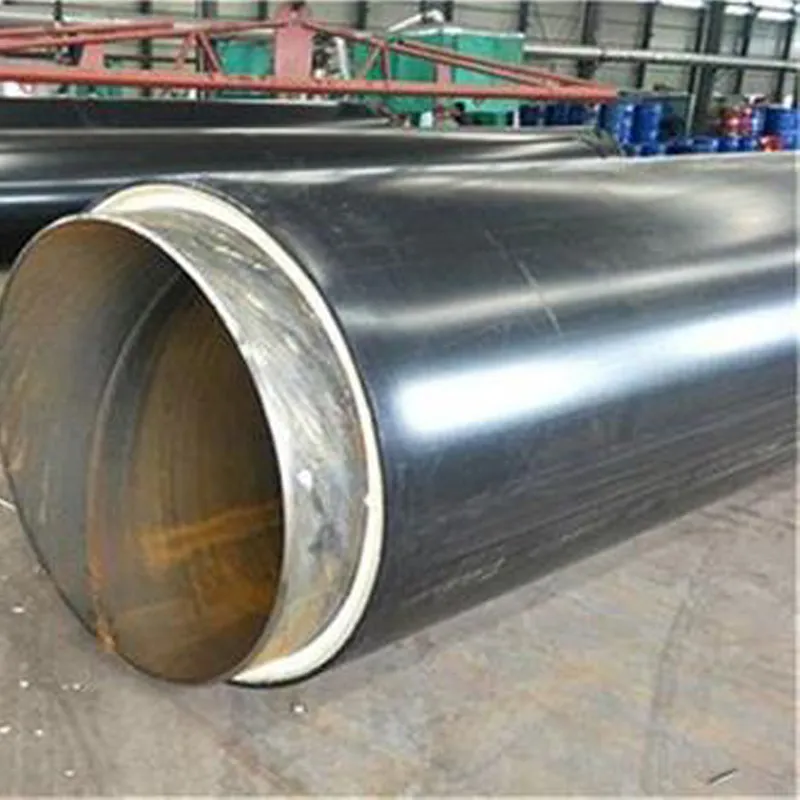
Understanding the intricate technical specifications of a pre insulated steel pipe is crucial for engineers and project managers. These parameters dictate the pipe's suitability for specific applications, ensuring optimal performance and compliance with industry standards. The typical structure comprises three concentric layers, each engineered for a distinct function.
These specifications highlight the robust engineering and high-performance capabilities inherent in modern pre insulated steel pipe systems, ensuring reliability and efficiency for critical applications.
The inherent advantages of pre insulated steel pipework, particularly its superior thermal performance and corrosion resistance, make it an indispensable choice across a diverse range of industries and application scenarios. From large-scale urban infrastructure to highly specialized industrial processes, these pipes deliver critical operational benefits.
This is one of the most prominent applications. Pre insulated steel pipe systems are integral to transporting hot water, steam, or chilled water from centralized energy plants to residential, commercial, and industrial consumers. They significantly reduce heat loss/gain over long distances, contributing to substantial energy savings and reduced CO2 emissions in urban environments.
In the oil and gas sector, these pipes are used for crude oil, natural gas, and refined product pipelines, especially in cold climates or for maintaining fluid viscosity. They prevent paraffin deposition and hydrate formation, ensuring flow assurance and reducing the need for costly external heating systems. The robust anti corrosion pipe coating is critical in harsh environments.
For transporting temperature-sensitive chemicals, hot oils, and corrosive media, pre-insulated pipes are vital. They maintain process temperatures, prevent crystallization or undesirable reactions, and offer enhanced safety and reduced risk of leaks due to their integrated corrosion protection and durable construction.
Used in cold storage facilities, food processing, and cryogenic gas transport (e.g., LNG, liquid nitrogen), these pipes ensure minimal heat ingress, maintaining extremely low temperatures and preventing condensation or ice formation on external surfaces.
In regions with extreme temperatures, pre-insulated pipes protect water supply lines from freezing in winter and excessive heating in summer. They also prevent condensation on chilled water lines and mitigate corrosion in aggressive wastewater environments, extending infrastructure lifespan.
Used for steam lines, condensate return lines, and hot water systems within power plants, ensuring efficient energy transfer and reducing thermal losses.
These varied applications underscore the adaptability and critical importance of pre insulated steel pipework in modern industrial and urban development, contributing to operational excellence, cost savings, and environmental sustainability.
The adoption of pre insulated steel pipe systems offers a multitude of compelling technical and economic advantages over conventional field-insulated pipelines. These benefits translate directly into improved operational efficiency, reduced lifetime costs, and enhanced environmental performance for B2B clients.
The integrated, factory-applied polyurethane foam insulation (PUR/PIR) delivers significantly lower thermal conductivity (k-value 0.027-0.030 W/mK) compared to field-applied methods. This results in minimal heat loss for hot media and minimal heat gain for cold media, leading to substantial energy savings of 20-30% or more over the system's operational life. This also prevents condensation or freezing issues.
The carrier pipe is protected by a multi-layered anti corrosion pipe coating (e.g., FBE, 3LPE), which is further shielded by the robust HDPE outer jacket and the insulation layer. This hermetically sealed system prevents moisture ingress and eliminates external corrosion, stress corrosion cracking, and damage from soil chemicals, vastly extending the pipe's lifespan.
With an estimated service life of 30-50 years, pre-insulated pipes significantly outperform traditional systems. The integrated design reduces the need for constant maintenance, repairs, and replacements associated with external insulation degradation or corrosion, resulting in lower operational expenditures.
As a factory-prefabricated system, installation time is dramatically reduced. There is no need for on-site insulation application, scaffolding, or complex weather protection, leading to faster project completion, reduced labor costs, and fewer delays. The pipe sections are simply welded and jointed.
Reduced energy consumption directly translates to a lower carbon footprint and decreased greenhouse gas emissions. The long service life also means fewer resources consumed in manufacturing and replacing piping systems over time, aligning with corporate sustainability goals.
The robust, integrated design minimizes leak points and provides superior mechanical protection. For critical applications, integrated leak detection systems further enhance safety by providing early warnings of potential issues, preventing catastrophic failures and ensuring uninterrupted operations.
These advantages make the pre insulated steel pipe a strategically sound investment for any industrial or infrastructure project prioritizing efficiency, durability, and long-term cost savings.
Choosing the right supplier for pre insulated steel pipework is a critical decision that directly impacts project success, operational reliability, and long-term cost-effectiveness. A thorough evaluation of potential vendors based on specific criteria is essential for B2B decision-makers and engineers.
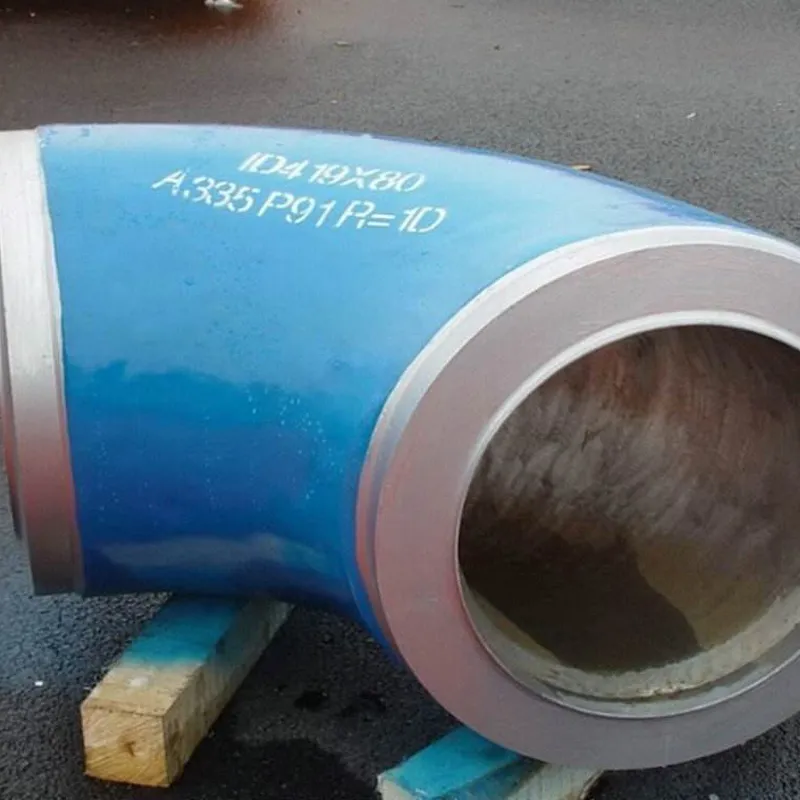
Ensure the vendor holds internationally recognized certifications such as ISO 9001 (Quality Management), ISO 14001 (Environmental Management), and ISO 45001 (Occupational Health and Safety). Products should comply with relevant industry standards like EN 253 for district heating pipes, ASTM, or API specifications, providing assurance of consistent quality and performance.
A vendor with extensive experience in manufacturing and supplying pre-insulated pipes for projects similar to yours demonstrates proven capabilities. Look for years of service, the scale of past projects, and successful applications in your target industry.
The ability to provide tailored solutions, such as specific carrier pipe materials (e.g., pre insulated carbon steel pipe for general purpose, or specialized alloys), varying insulation thicknesses, or different outer jacket materials, is crucial for optimizing system performance and cost for unique project requirements.
A forward-thinking vendor invests in research and development to offer advanced products, better materials (e.g., enhanced anti corrosion pipe coating), and improved manufacturing processes, ensuring you receive cutting-edge solutions.
Evaluate the vendor's capacity to manage large orders, adhere to strict lead times, and provide reliable logistics for global delivery. Effective communication and project coordination are vital for seamless execution.
A reputable vendor offers comprehensive after-sales service, including technical assistance, installation guidance, and a robust warranty program, providing peace of mind and long-term support for your investment.
By carefully evaluating these aspects, B2B clients can forge strong partnerships with vendors who not only supply high-quality products but also provide comprehensive support and value throughout the project lifecycle.
Every industrial project presents a unique set of challenges, environmental conditions, and operational demands. Recognizing this, leading manufacturers of pre insulated steel pipe offer extensive customization capabilities, ensuring that piping systems are perfectly tailored to meet specific project requirements and optimize performance.
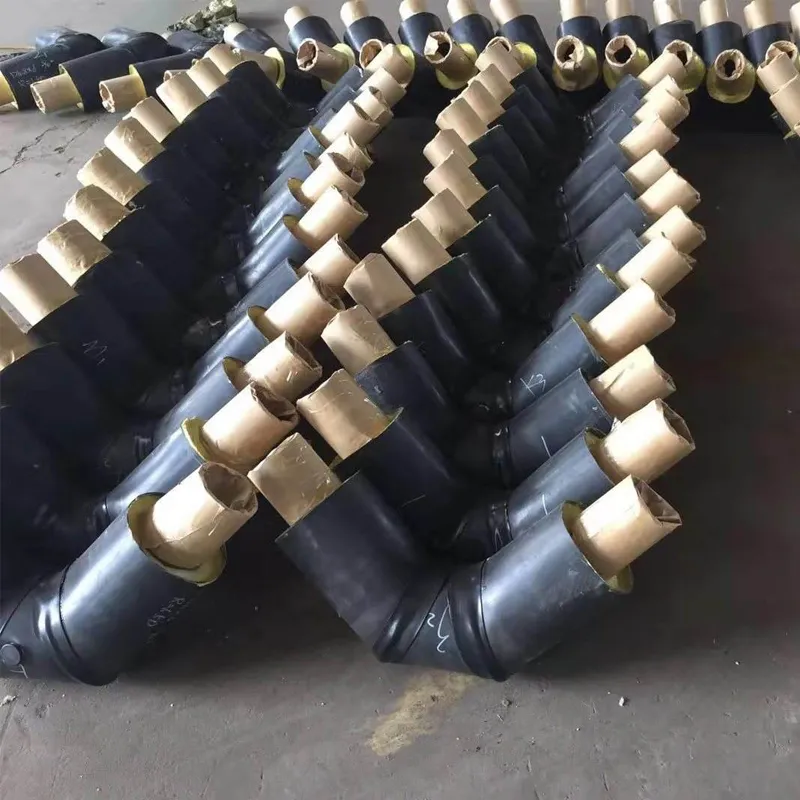
Clients can specify the carrier pipe material, such as various grades of pre insulated carbon steel pipe (e.g., API 5L, ASTM A106 Gr. B) for cost-effectiveness in non-corrosive environments, or high-alloy stainless steel (e.g., 304L, 316L, Duplex) for highly corrosive media or high-purity applications. Diameter and wall thickness are also engineered to precisely match pressure ratings and flow requirements.
While PUR is standard, PIR foam can be specified for higher temperature resistance or enhanced fire performance. The thickness of the insulation layer is critical and can be adjusted based on desired thermal efficiency, ambient temperatures, and energy saving targets. Specialized multi-layer insulation systems can also be developed for extreme conditions.
HDPE is common for underground installations due to its excellent moisture barrier and mechanical protection. For aggressive soil conditions or very high mechanical impact, spiral-wound steel or galvanized steel jackets can be used. UV-stabilized HDPE is available for above-ground applications.
Beyond standard FBE or 3LPE, specific anti corrosion pipe coating systems can be applied based on the corrosivity of the fluid, soil conditions, and expected operating temperatures. This might include specialized epoxy primers or additional sacrificial coatings.
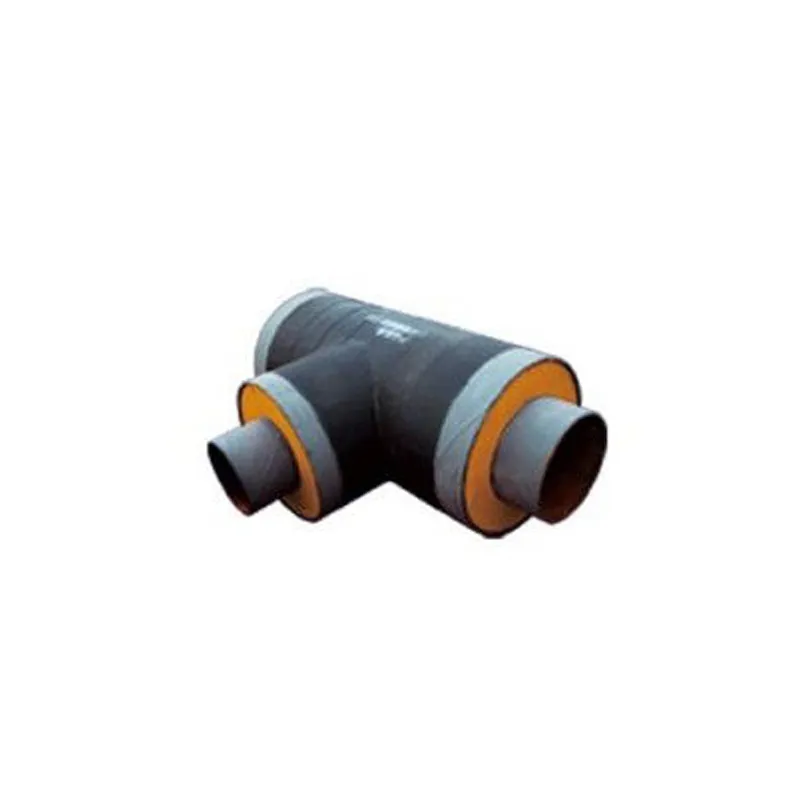
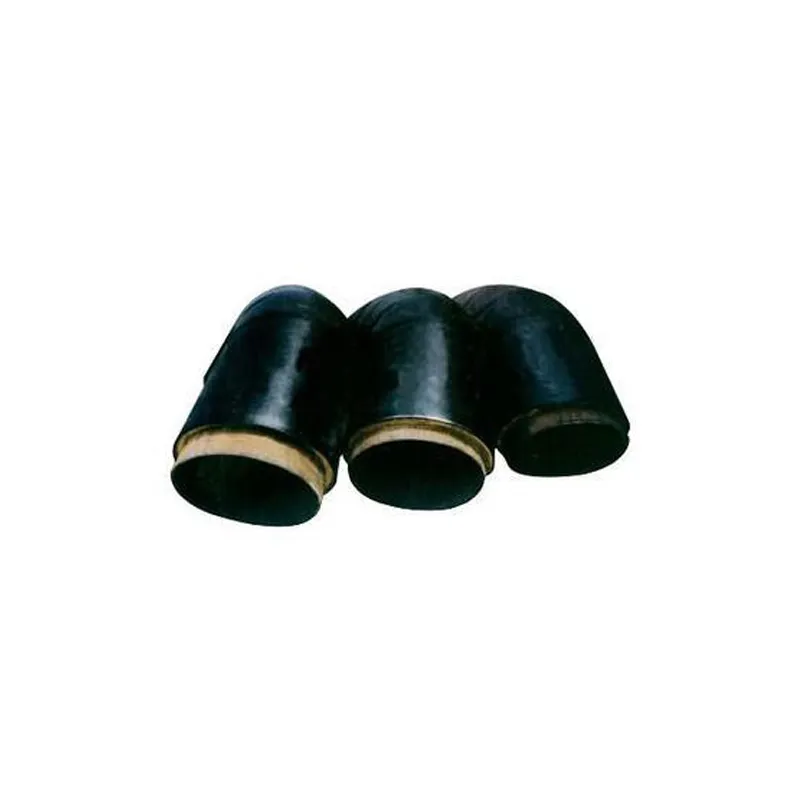
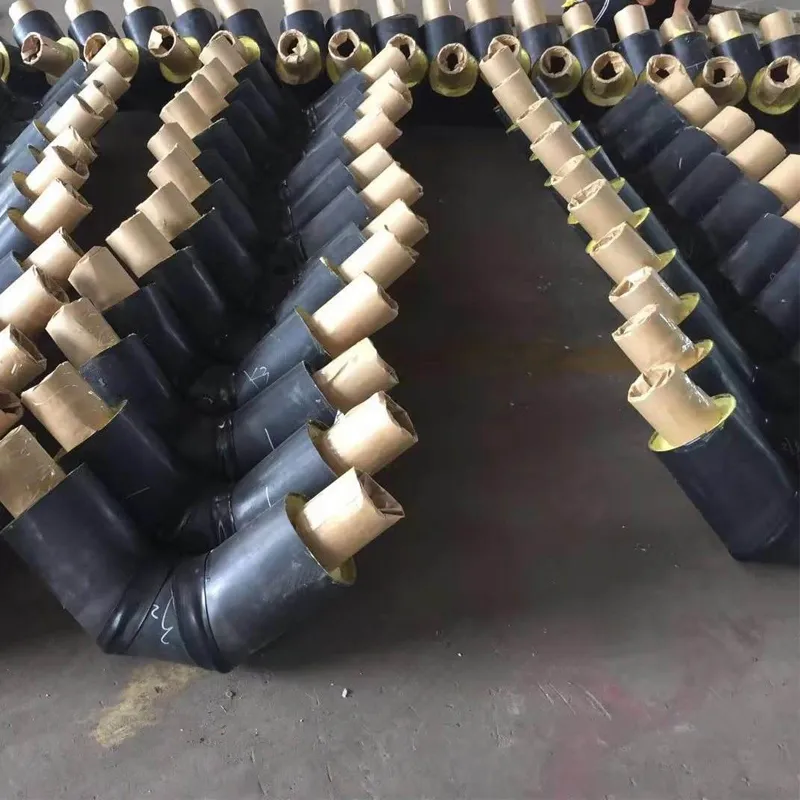
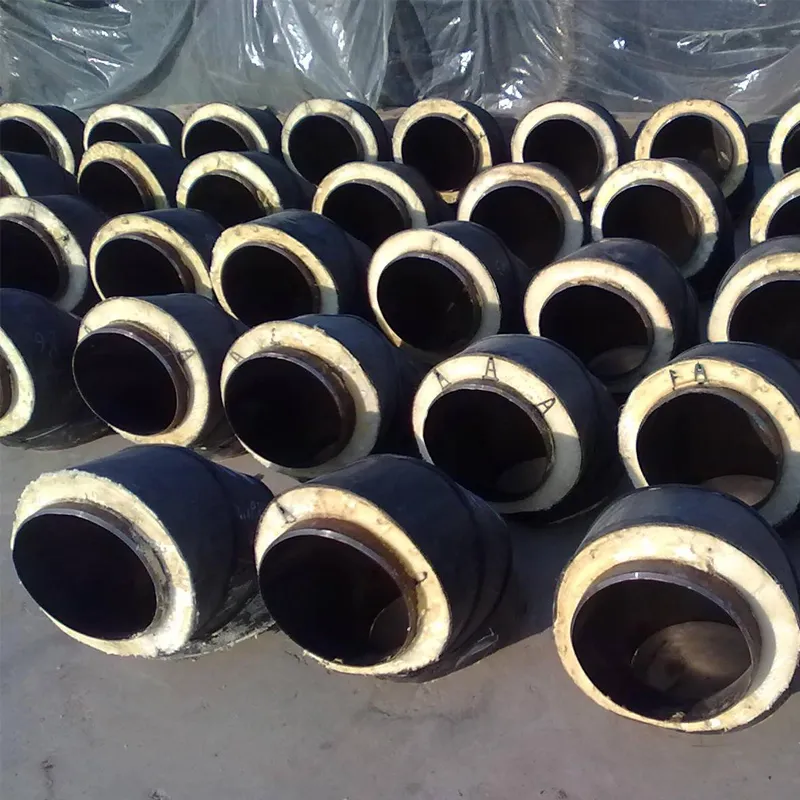
Customized fittings, elbows, tees, reducers, and expansion loops are manufactured to seamlessly integrate with the main pipe system, ensuring thermal and mechanical continuity. Alarm systems for leak detection can also be integrated into the insulation.
Leading vendors provide comprehensive engineering support, from initial design consultation and material selection to stress analysis and detailed CAD drawings, ensuring the customized solution performs flawlessly throughout its lifecycle.
This ability to provide highly customized pre insulated steel pipe solutions empowers clients to achieve optimal system performance, comply with stringent project specifications, and maximize their return on investment.
The effectiveness and reliability of pre insulated steel pipe technology are best demonstrated through successful real-world applications. These case studies highlight how these advanced piping systems address critical challenges and deliver significant benefits across diverse industrial sectors.
These examples underscore the versatility and tangible benefits of investing in high-quality pre insulated steel pipe solutions for critical infrastructure and industrial applications.
At Lion Pipeline, we understand that reliability and support are paramount for B2B clients. Our commitment to Google standards ensures that every aspect of our service, from product quality to post-sales assistance, builds trust and confidence.
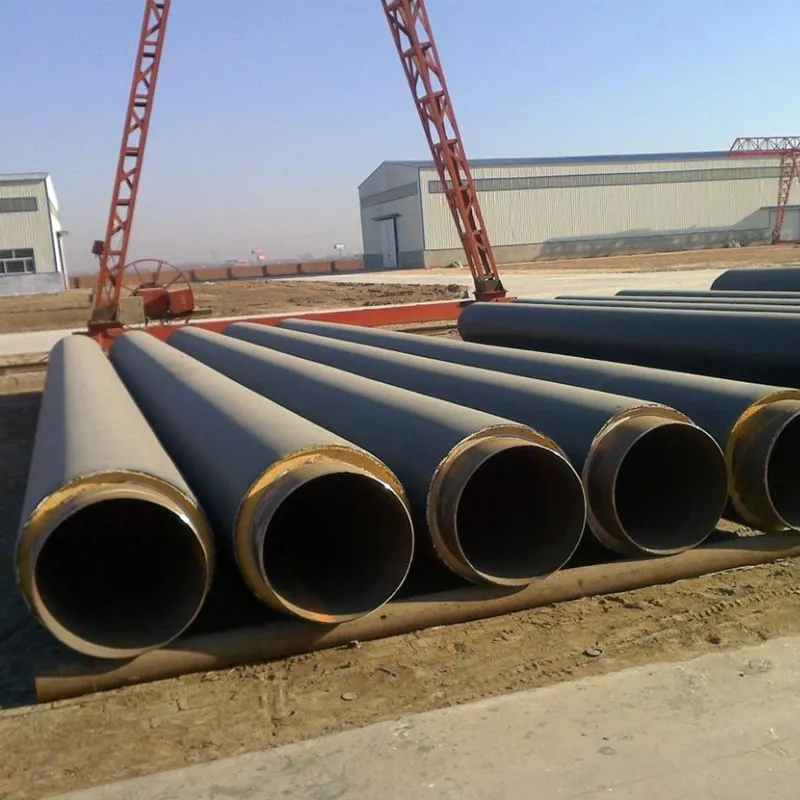
We operate with advanced manufacturing capabilities to ensure efficient order processing and timely delivery. Standard lead times for common pipe sizes and configurations typically range from 4 to 8 weeks, depending on order volume and customization requirements. For large-scale projects or urgent requirements, we offer project management support to optimize production and logistics schedules, including fast-track options where feasible. Our global logistics network ensures reliable fulfillment to project sites worldwide.
Lion Pipeline stands behind the quality and performance of our pre insulated steel pipe products. We provide a comprehensive warranty against manufacturing defects and material failures, typically for 5 years from the date of delivery or 3 years from the date of installation, whichever comes first, ensuring peace of mind for our clients. Specific warranty terms are detailed in our sales agreements and are aligned with industry best practices.
Our commitment to customer satisfaction extends far beyond product delivery. Lion Pipeline offers robust after-sales support, including:
We believe that comprehensive support is integral to the long-term success of our clients' projects, fostering enduring partnerships built on trust and mutual success.
The landscape of industrial piping is continuously evolving, with an increasing emphasis on efficiency, durability, and sustainability. The pre insulated steel pipe stands as a testament to this evolution, offering an integrated solution that addresses the multifaceted demands of modern infrastructure and industrial processes. From unparalleled thermal efficiency and robust corrosion protection to accelerated installation and extended service life, these advanced piping systems deliver tangible economic and environmental benefits.
As industries globally strive for higher performance standards and a reduced carbon footprint, the adoption of pre insulated steel pipework will only continue to expand. Partnering with an experienced and reputable manufacturer like Lion Pipeline ensures access to not only high-quality, customized products but also comprehensive technical support and a commitment to long-term project success. Investing in these innovative solutions is a strategic choice for businesses aiming to optimize operations, enhance reliability, and lead the way in sustainable industrial development.
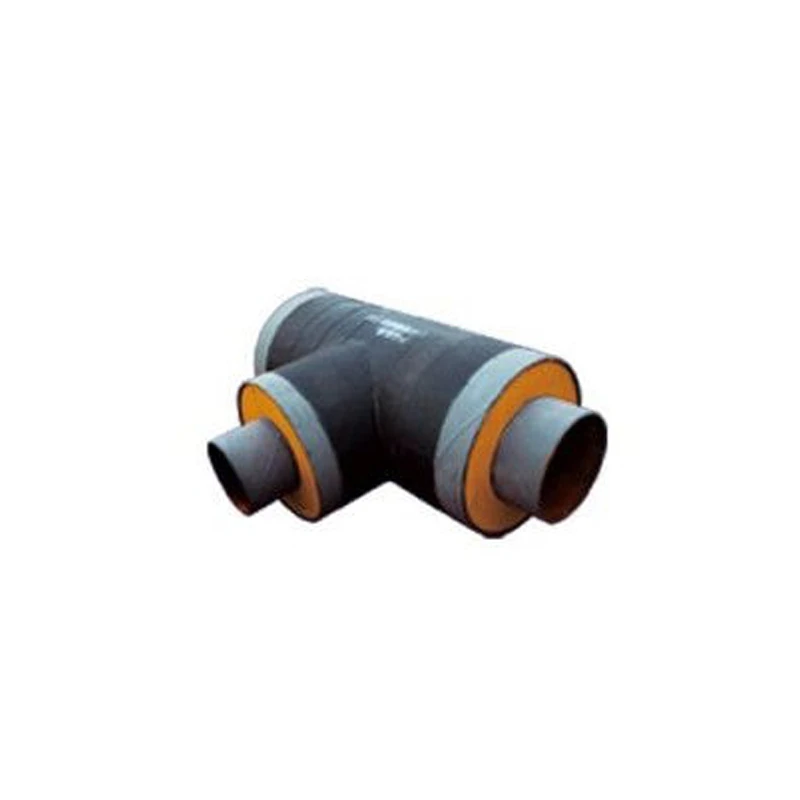
Anti Corrosion And Thermal Insulation Products
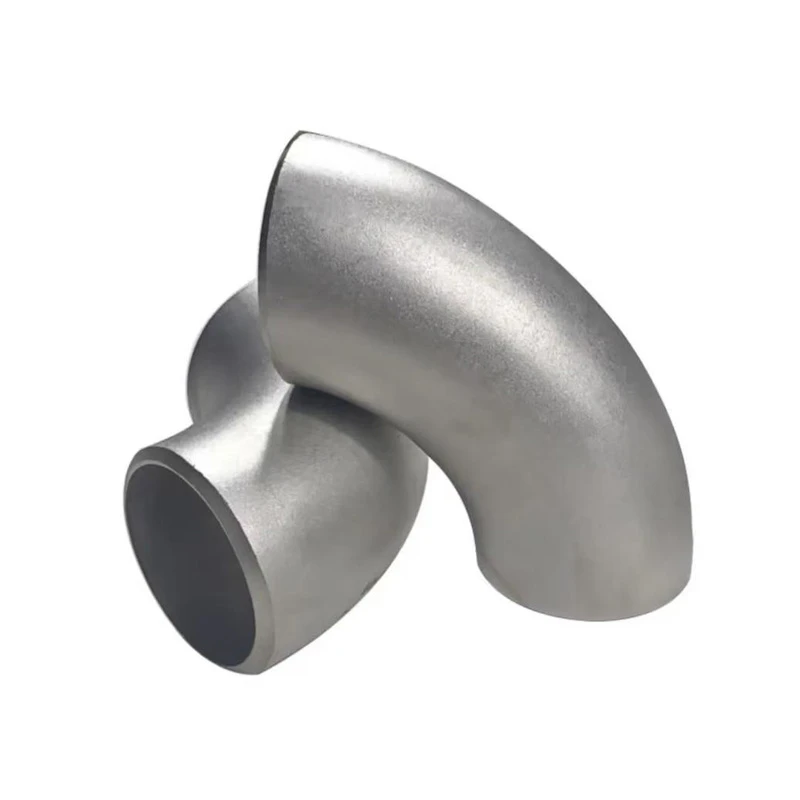
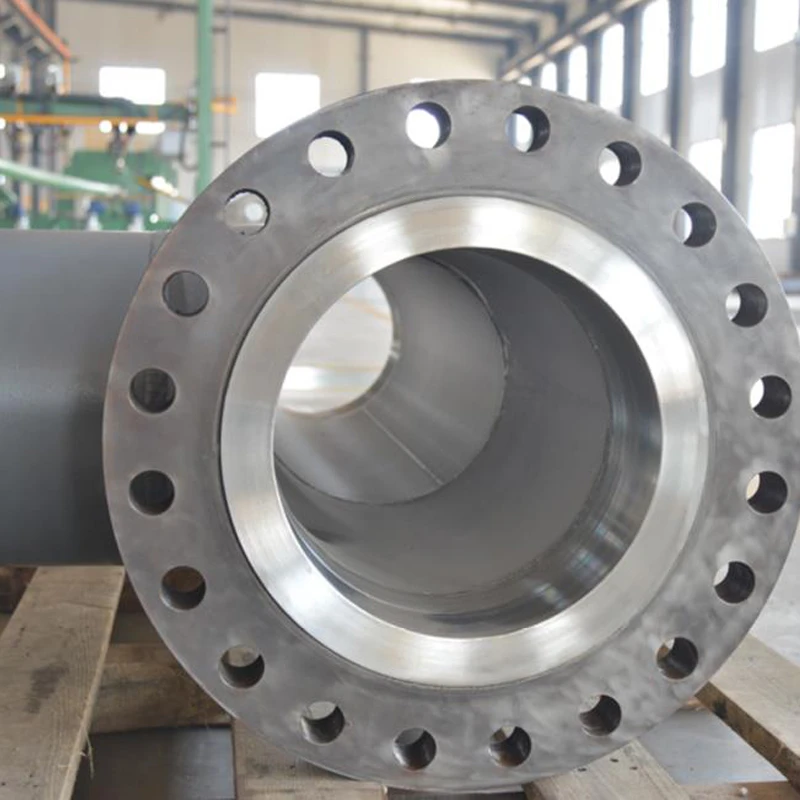
Factory Prefabricated Products
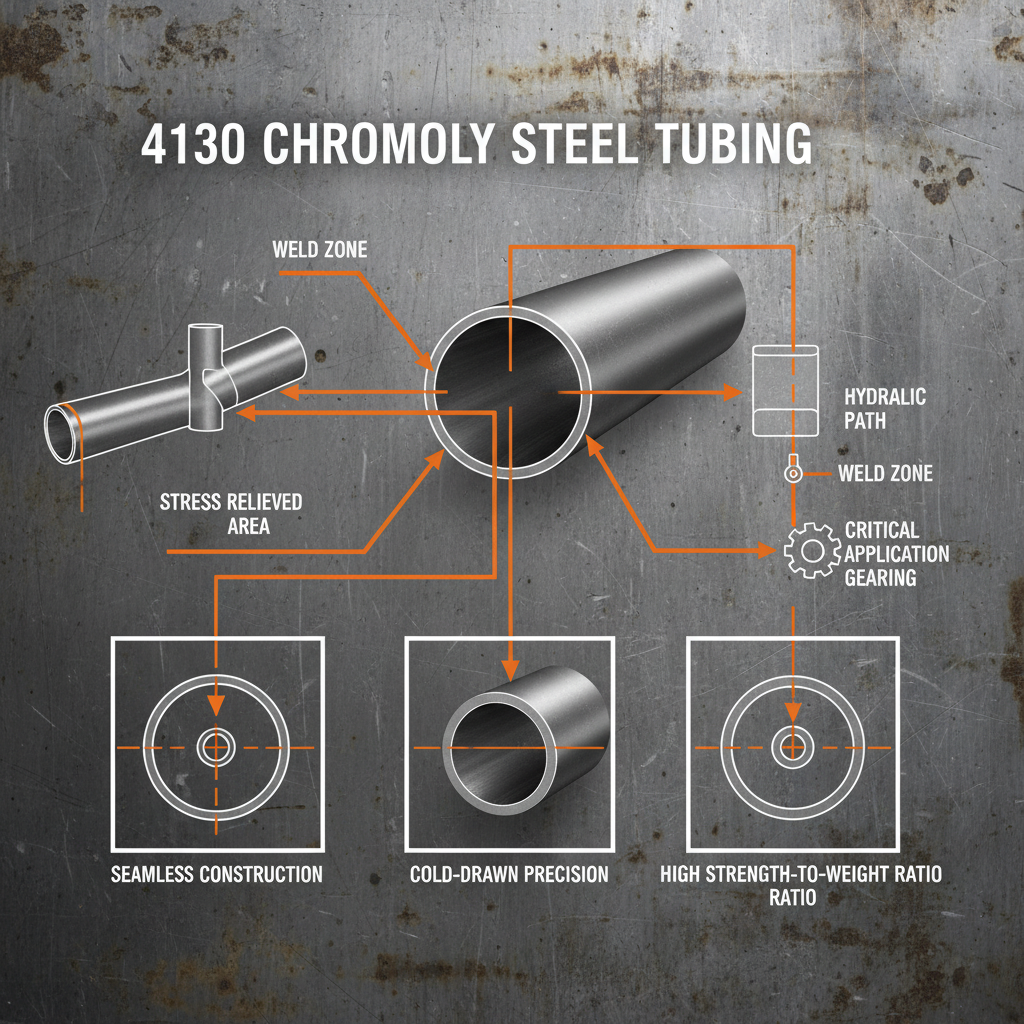
Ultimate Guide to 4130 Tubing Strength Performance and Applications
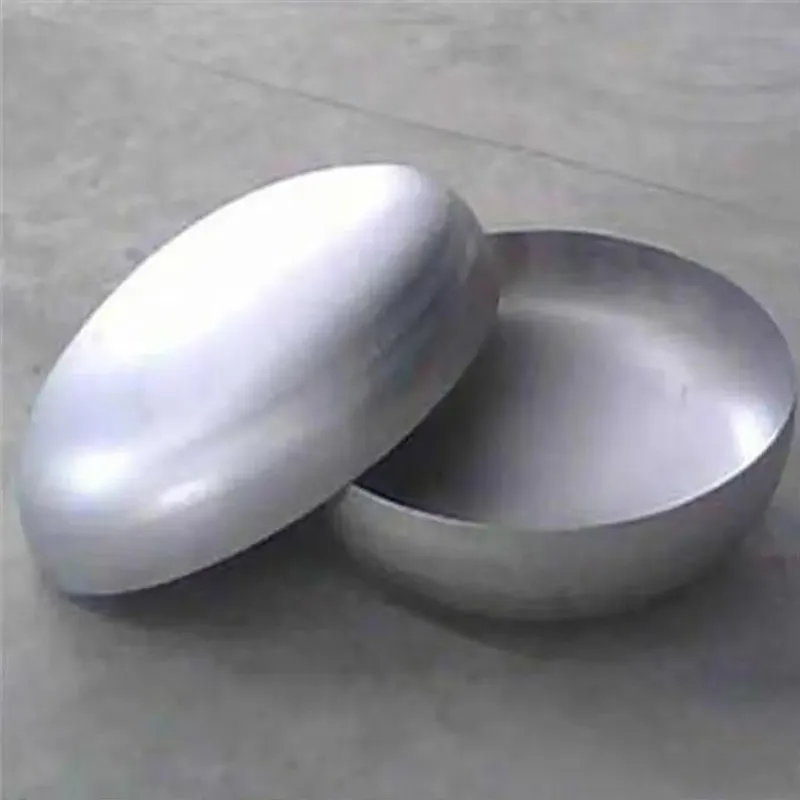
Pipe Cap-Cangzhou Lion Technology Co., Ltd.|Enhancing System Efficiency&Durability
Pipe Cap-Cangzhou Lion Technology Co., Ltd.|Enhancing System Efficiency&Durability
Pipe Cap-Cangzhou Lion Technology Co., Ltd.|Enhancing System Efficiency&Durability
Pipe Cap-Cangzhou Lion Technology Co., Ltd.|Enhancing System Efficiency&Durability
Pipe Cap-Cangzhou Lion Technology Co., Ltd.|Enhancing System Efficiency&Durability