tel
Email
to top

Durable Composite Pipe Solutions | Leading Manufacturer

Sep 01 2025
share:

The Strategic Imperative of composite pipe Solutions in Modern Industry

In an era defined by increasing operational complexities and stringent environmental regulations, the demand for advanced material solutions in pipeline infrastructure has never been more critical. The composite pipe represents a pinnacle of engineering innovation, providing unparalleled performance where traditional single-material pipes fall short. This article delves into the technical superiority, diverse applications, and strategic advantages of these sophisticated piping systems, offering a comprehensive guide for B2B decision-makers and engineering professionals seeking robust and cost-effective solutions.

The global industrial landscape, encompassing sectors like petrochemicals, oil and gas, mining, and water treatment, is continuously challenged by corrosive media, high pressures, and extreme temperatures. These harsh operating conditions necessitate materials that offer both structural integrity and superior resistance to degradation. As a leading steel pipe manufacturer, Lion Pipeline Solutions recognizes the evolving needs, driving innovation in products like our Mechanical Clad Steel Pipe to meet these demands head-on. The integration of dissimilar materials into a single, cohesive structure offers a unique blend of properties, optimizing performance and extending service life across a myriad of critical applications.
Durable Composite Pipe Solutions | Leading Manufacturer

Manufacturing Process Flow of Advanced Composite Pipe

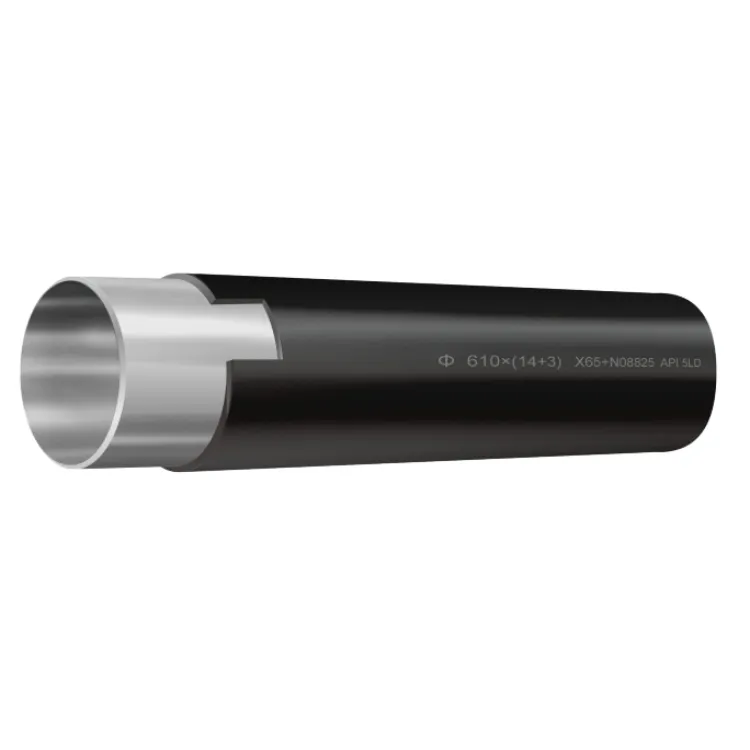
The production of a high-quality composite pipe, such as our Mechanical Clad Steel Pipe, is a sophisticated process that requires precision engineering and stringent quality control at every stage. This process ensures the formation of a durable, multi-layered pipe designed to deliver optimal performance under demanding conditions. Our approach integrates state-of-the-art manufacturing techniques to achieve superior mechanical integrity and reliability.

Key Materials & Components:

  • Outer Pipe (Substrate): Typically high-strength steel pipes, such as carbon steel (e.g., API 5L Grade B, X42, X52) or low-alloy steel, providing the primary mechanical strength and structural integrity. This forms the backbone of the mechanical steel pipe.
  • Inner Liner (Cladding): Corrosion-resistant alloys (CRAs) like Stainless Steel (304L, 316L, Duplex 2205, Super Duplex 2507), Nickel Alloys (Inconel 625, Hastelloy C-276), or Titanium. This layer provides resistance to specific corrosive or erosive media.
  • Bonding Agent/Mechanism: The critical interface that ensures the integrity between the two layers. For mechanical clad pipes, this often involves a precise interference fit created by hydro-expansion, ensuring robust contact without a metallurgical bond.

Manufacturing Process Steps:

  1. 1. Material Selection & Preparation:

    Careful selection of the outer steel pipe and inner corrosion-resistant alloy tube based on application-specific requirements. Both components undergo thorough inspection for material defects, dimensional accuracy, and surface finish. Critical cleaning and surface preparation are performed to ensure optimal mechanical engagement.

  2. 2. Inner Liner Insertion:

    The prepared CRA liner is meticulously inserted into the outer steel pipe. Precision handling is crucial at this stage to prevent any damage to the inner surface, which could compromise its corrosion resistance.

  3. 3. Hydro-Expansion (Cladding/Bonding):

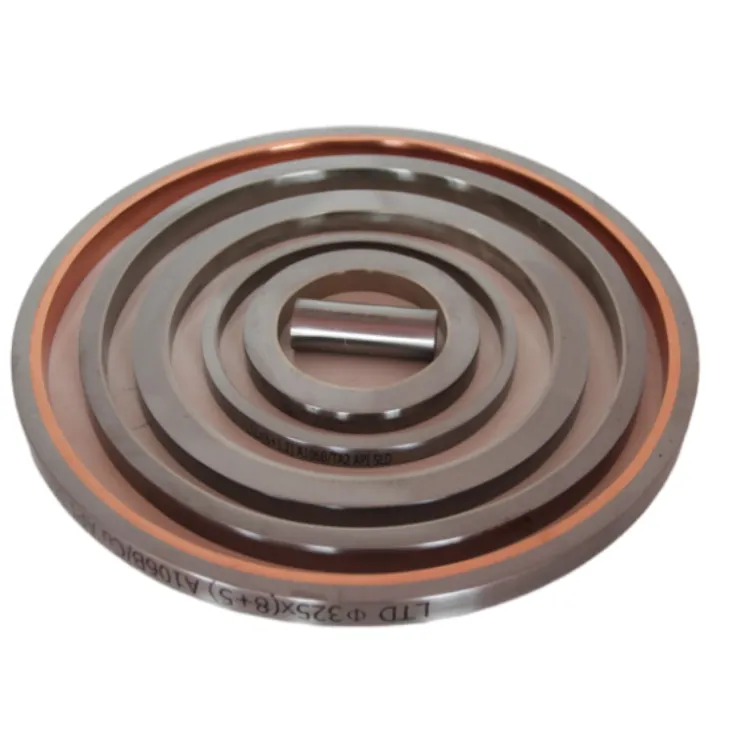
    This is the core bonding step for mechanical clad pipes. The assembled pipe is subjected to high internal hydraulic pressure. This pressure forces the inner liner to plastically expand and tightly conform to the inner surface of the outer pipe, creating a strong, consistent interference fit. This method ensures excellent heat transfer and prevents buckling of the liner.

  4. 4. End Machining & Preparation:

    The ends of the clad pipe are precisely machined to meet specified bevels and dimensions, preparing them for specialized welding or other connection methods. This often involves careful profiling to expose both the liner and the base pipe for a sound connection.

  5. 5. Non-Destructive Testing (NDT) & Quality Control:

    A comprehensive suite of tests ensures the integrity and quality of the final product. This includes ultrasonic testing (UT) to check for delamination, eddy current testing for surface defects, radiographic testing (RT) for welds, hydrostatic testing to verify pressure retention, and meticulous visual inspection. Dimensional checks, material composition analysis (PMI), and mechanical property tests are also conducted.

  6. 6. Surface Treatment & Coating (Optional):

    For specific applications, the outer surface of the composite pipe may receive external coatings such as FBE (Fusion Bond Epoxy), 3LPE (3-Layer Polyethylene), or specialized anti-corrosion paints to provide additional protection against external environmental factors like soil or seawater.

Testing Standards & Certifications:

All products adhere to rigorous international standards, ensuring reliability and safety for critical infrastructure. Key testing standards include:

  • ISO 9001: Quality Management Systems, ensuring consistent product quality and process control.
  • API 5LC: Specification for CRA Line Pipe, highly relevant for clad pipes used in oil & gas applications.
  • ASTM A264/A265: Standard Specification for Stainless Steel/Nickel Alloy Clad Plate, with principles applicable to pipe cladding.
  • NACE MR0175 / ISO 15156: Requirements for materials resistant to sulfide stress cracking in H2S-containing corrosive environments.
  • ANSI B31.3 / B31.4 / B31.8: Industry codes for process piping, liquid transportation, and gas transmission/distribution piping systems, respectively.

Our adherence to these standards, coupled with comprehensive in-house testing facilities, underscores our commitment to delivering authorized and trustworthy steel pipes to global markets. This rigorous quality assurance provides peace of mind for our clients, ensuring optimal service life.
Durable Composite Pipe Solutions | Leading Manufacturer

Industry Trends and Market Dynamics for Composite Pipe

The landscape for industrial piping is undergoing a significant transformation, driven by a confluence of technological advancements, environmental imperatives, and economic considerations. The demand for composite pipe solutions is experiencing robust growth, primarily fueled by the increasing exploitation of unconventional oil and gas resources, which often present highly corrosive and high-pressure environments. Furthermore, the global push for sustainable infrastructure and extended asset lifecycles places a premium on materials offering superior durability and reduced maintenance.

Key Trends Driving Adoption:

  • Enhanced Corrosion Resistance: The growing prevalence of sour gas, high CO2 content, and aggressive chemical processing streams necessitates materials capable of withstanding severe corrosive attacks. Composite pipe with CRA liners provides an economically viable alternative to solid CRA piping, offering targeted protection.
  • Deepwater & Subsea Applications: The exploration and production of hydrocarbons in deepwater environments demand pipes that can endure extreme external pressures, low temperatures, and highly corrosive internal fluids. The structural integrity of mechanical steel pipe combined with a resilient liner is ideally suited for such rigorous scenarios.
  • Extended Service Life & Reduced TCO: While initial investment might be higher than conventional carbon steel, the significantly extended service life, reduced downtime, and lower maintenance costs associated with composite pipe lead to a much lower Total Cost of Ownership (TCO) over the project lifecycle. This long-term value proposition is increasingly recognized by asset owners.
  • Environmental & Safety Compliance: Stricter environmental regulations and safety standards compel industries to adopt piping solutions that minimize leaks, prevent environmental contamination, and ensure worker safety. High-integrity steel pipes, especially in clad configurations, offer enhanced security against such risks.
  • Customization & Material Innovation: The ability to combine various base materials with a wide range of CRA liners allows for highly customized solutions tailored to specific project requirements. This flexibility leads to optimal material utilization, enhanced performance, and a perfect fit for niche applications.

Technical Specifications and Performance Parameters

The robust design of our Mechanical Clad Steel Pipe provides a superior combination of strength and corrosion resistance. Understanding the technical specifications is crucial for engineers and procurement specialists to ensure optimal material selection for their specific operational demands and long-term asset integrity.
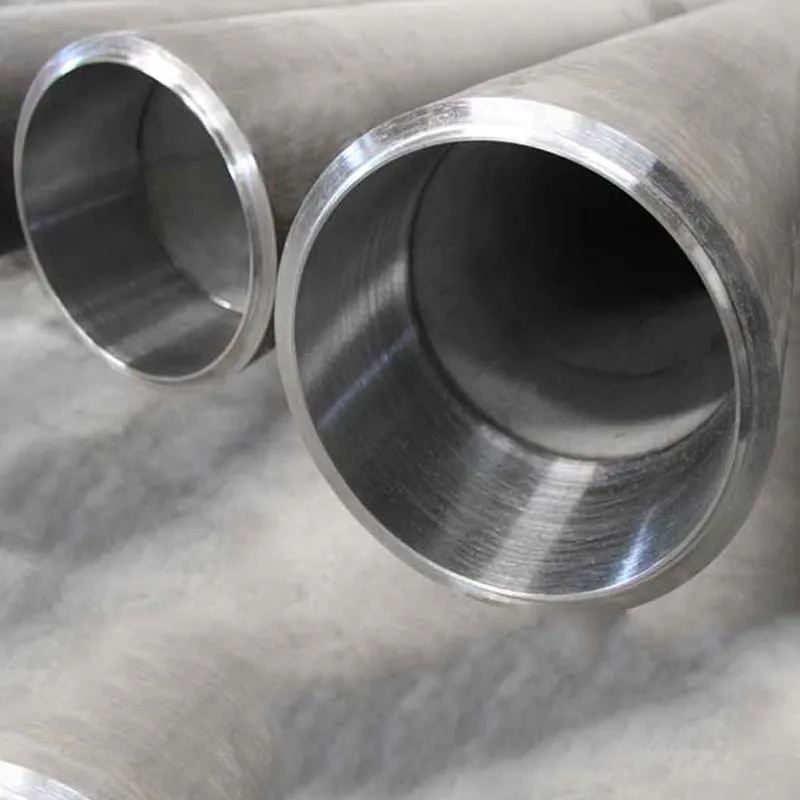
Typical Product Specification Table: Mechanical Clad Steel Pipe

Parameter Description Typical Range/Value
Base Pipe Material Carbon Steel (e.g., API 5L Gr.B, X42, X52, X65, X80), Low Alloy Steel ASTM A106, ASTM A53, API 5L
Cladding Material Corrosion Resistant Alloys (CRAs) SS304L, SS316L, Duplex 2205, Super Duplex 2507, Inconel 625, Hastelloy C-276, Titanium
Outer Diameter (OD) Nominal Pipe Size (NPS) 2" - 48" (50.8 mm - 1219.2 mm)
Wall Thickness (Overall) Schedule-based, or custom to project specifications Sch 10 to Sch XXS, up to 100mm
Cladding Thickness Inner liner thickness (critical for corrosion resistance) 2.0 mm - 6.0 mm (0.08" - 0.24")
Operating Temperature Depends on selected base and cladding materials -50°C to +300°C (-58°F to +572°F) (CRA dependent)
Operating Pressure Based on base pipe schedule & material strength Up to 3000 PSI (200 Bar) and beyond for specific designs
Tensile Strength (Base) Minimum tensile strength of outer pipe material 415 MPa (X65) to 690 MPa (X100)
Corrosion Resistance Resistance to specific corrosive media (e.g., H2S, CO2, Chlorides) Excellent (CRA dependent, NACE compliant options)
Standards Compliance Adherence to relevant manufacturing and testing standards API 5LC, ASTM A265, NACE MR0175/ISO 15156, ISO 9001
Durable Composite Pipe Solutions | Leading Manufacturer

Application Scenarios and Target Industries

The versatility and superior performance of composite pipe make it an ideal solution across a multitude of demanding industrial sectors. Its ability to combine the strength of carbon steel with the corrosion resistance of high-grade alloys unlocks new possibilities for infrastructure development and operational efficiency in challenging environments.

Target Industries:

  • Petrochemical & Chemical Processing: Essential for handling aggressive chemicals, acids, and high-temperature corrosive fluids. Applications include transfer lines for crude oil, refined products, and various chemical intermediates where conventional steel pipes would rapidly degrade, ensuring process continuity and safety.
  • Oil & Gas (Upstream, Midstream, Downstream): Crucial for sour service lines (H2S, CO2), deepwater flowlines, risers, and pipelines transporting highly corrosive well fluids. The structural integrity of the outer mechanical steel pipe provides robust pressure containment, while the inner liner offers indispensable internal corrosion protection.
  • Metallurgy & Mining: Used for the safe and efficient conveyance of corrosive slurries, acidic leachates, and process water in mining operations, where both abrasion and chemical attack are prevalent.
  • Water Supply & Drainage (Industrial Scale): Employed in challenging industrial water applications involving saline water, wastewater treatment chemicals, or aggressive industrial effluents that would rapidly corrode standard steel pipes, extending system lifespan significantly.
  • Power Generation: Utilized in critical cooling water systems and flue gas desulfurization (FGD) systems where high temperatures and corrosive environments are common, enhancing plant reliability.
  • Desalination Plants: Ideal for the transport of highly corrosive seawater and concentrated brine solutions, preventing premature system failure due to aggressive chloride corrosion.

Typical Application Scenarios & Advantages:

  • Energy Saving: By preventing corrosion and associated material degradation, composite pipe maintains smooth internal surfaces, significantly reducing fluid friction and pumping energy requirements over its operational life compared to conventional pipes that experience internal surface roughening due to corrosion.
  • Corrosion Resistance: This is the primary advantage. The CRA liner offers superior immunity or high resistance to various forms of corrosion, including pitting, crevice corrosion, stress corrosion cracking, and general attack, thereby significantly extending asset lifespan and ensuring environmental protection.
  • High Pressure & Temperature Capability: The robust carbon steel outer pipe provides excellent mechanical strength, allowing the system to operate safely under high internal pressures and elevated temperatures, surpassing the limitations of many non-metallic corrosion-resistant materials.
  • Cost-Effectiveness: Offers a more economical alternative to solid CRA piping, especially for large diameter and long-distance pipelines, reducing material costs significantly while maintaining critical performance characteristics.
  • Reduced Maintenance & Downtime: The extended service life and inherent resistance to degradation drastically reduce the need for repairs, replacements, and associated operational downtime, translating into substantial operational cost savings and improved operational continuity for critical processes.

Technical Advantages and Performance Benchmarks

The technical superiority of composite pipe stems from its hybrid structure, which meticulously combines the best attributes of different materials. This results in a product that not only withstands extreme conditions but also offers significant long-term economic benefits and enhanced operational safety.

Key Technical Advantages:

  • Optimized Material Utilization: The costly corrosion-resistant material is precisely applied only where it's needed – on the internal surface exposed to corrosive media. The bulk of the pipe's mechanical strength and pressure containment is provided by more economical carbon steel pipes, leading to a cost-effective yet high-performing solution.
  • Superior Mechanical Properties: The outer carbon or low-alloy steel pipe ensures high yield strength, tensile strength, and fracture toughness, which are crucial for pipelines operating under high stress, bending loads, and fatigue conditions. This is a critical differentiator from non-metallic or plastic-lined pipes that lack this inherent strength.
  • Thermal Conductivity: Unlike many polymer-lined pipes, mechanical clad steel pipes maintain excellent thermal conductivity due to the metallic nature of both layers and their tight mechanical bond. This is crucial for applications requiring efficient heat tracing, temperature control, or where process fluids need to maintain specific temperatures.
  • Ease of Installation: Clad pipes generally maintain similar installation procedures and weldability to conventional steel pipes, albeit with specialized welding techniques for the clad layer at joints. This familiarity often reduces project complexity and costs compared to the bespoke installation requirements of certain alternative corrosion-resistant materials.
  • Pressure Rating: The system inherits the full-pressure rating capabilities of the base mechanical steel pipe. This makes it eminently suitable for high-pressure oil, gas, and chemical lines where solid CRA pipes might be prohibitively expensive or structurally inadequate for the combined pressure and diameter requirements.

Performance Benchmarks:

Lion Pipeline Solutions ensures that its Mechanical Clad Steel Pipe meets and often exceeds industry benchmarks for performance and reliability. Our pipes are rigorously designed and tested for a service life exceeding 30 years under specified operating conditions, a testament to their robust construction and material integrity. We adhere to international standards and our internal quality control protocols are among the strictest in the industry, guaranteeing product longevity and dependability for critical infrastructure projects.
Durable Composite Pipe Solutions | Leading Manufacturer

Vendor Comparison: Mechanical Clad Steel Pipe vs. Alternatives

Choosing the right piping solution involves evaluating various factors, including initial cost, longevity, maintenance, and specific operational requirements. The following comparison highlights why mechanical clad steel pipes often present the most advantageous solution over traditional and alternative materials in challenging industrial contexts.

Comparison Table: Piping Solutions for Corrosive Environments

Feature/Parameter Mechanical Clad Steel Pipe Solid CRA Pipe (e.g., Duplex SS) Carbon Steel Pipe (Unlined) Internally Coated/Lined Steel Pipe (e.g., FBE, PTFE)
Corrosion Resistance Excellent (CRA liner provides full protection) Excellent (Entire pipe is corrosion resistant) Poor in corrosive media; rapid degradation Good initially, but prone to mechanical damage or holiday formation
Mechanical Strength Very High (Combines steel strength with CRA liner) High (Depends on CRA grade, lower than high-strength steel) High (Standard for structural integrity) High (Relies on steel base)
Cost (Initial Investment) Medium-High (More economical than solid CRA) Very High (Expensive material throughout) Low (Lowest initial cost) Medium (Coating adds to base cost)
Service Life in Corrosive Environments Very Long (Typically 30+ years with proper design) Very Long (Typically 30+ years) Short (Rapid degradation, high replacement frequency) Medium (Service life limited by coating integrity)
Pressure & Temperature Limits High (Limited by steel base, not liner) High (Limited by CRA properties) High (Standard for steel) Limited by coating material's thermal and pressure resistance
Maintenance Requirements Low (Minimizes inspection and repair needs) Low (Similar to clad pipe) High (Frequent inspection, costly replacement/repair) Medium-High (Coating inspection, localized repair often complex)
Weldability Specialized, but feasible with specific procedures Good (Requires specific CRA welding procedures) Excellent (Standard welding techniques) Good for base pipe; coating may need repair after welding

This comparison highlights the strategic position of the composite pipe. It offers the unparalleled corrosion resistance of expensive CRAs at a fraction of the cost of solid CRA solutions, while vastly outperforming unlined or merely coated steel pipes in aggressive environments. This optimal balance of cost, performance, and durability makes it a superior choice for many long-term, critical infrastructure projects that demand high reliability and low lifecycle costs.

Customized Solutions and Project Engineering

Every industrial project presents a unique set of challenges and requirements, from specific fluid compositions to extreme environmental conditions. At Lion Pipeline Solutions, we specialize in providing bespoke composite pipe solutions tailored precisely to client specifications. Our experienced engineering team works collaboratively with customers from concept to commissioning, ensuring optimal design and material selection for maximum performance and cost-efficiency across diverse applications.

Our Customization Capabilities Include:

  • Material Combinations: We offer precise selection of specific base pipe grades (e.g., API 5L X grades, ASTM A106, various low-alloy steels) and a wide array of CRA liners (e.g., 316L, Duplex 2205, Super Duplex 2507, Inconel 625, Hastelloy C-276, Titanium) based on detailed analysis of fluid composition, operating temperature, pressure, and anticipated service life.
  • Dimensional Flexibility: Customization of Outer Diameter (OD), overall wall thickness, and cladding thickness to meet specific pressure ratings, flow requirements, and structural demands while optimizing material usage and cost.
  • End Preparations: Fabrication with various end types, including plain end, beveled end for welding, and flanged connections, designed for seamless integration into existing or new pipeline systems, minimizing on-site modifications.
  • External Coatings: Application of specialized external coatings (e.g., 3LPE, FBE, epoxy systems, concrete weight coating) for additional protection against external corrosion in specific environments such as buried pipelines, subsea applications, or aggressive atmospheric exposures.
  • Pre-Fabricated Spools: Delivery of expertly pre-fabricated pipe spools, including intricate bends, fittings, and branches, reducing on-site welding and installation time, minimizing labor costs, and enhancing overall project efficiency and quality control.

Our robust project management and engineering expertise, honed over decades as a reliable steel pipe manufacturer, ensure that even the most complex requirements are met with precision, adherence to international standards, and a focus on delivering long-term value. We provide comprehensive technical support throughout the project lifecycle.

Application Case Studies: Proving the Value of Composite Pipe

Real-world applications unequivocally demonstrate the superior performance and economic advantages of our Mechanical Clad Steel Pipe. These case studies highlight our capability as a leading steel pipe manufacturer in delivering reliable, high-integrity solutions for the most challenging industrial environments globally.

Case Study 1: Sour Gas Transmission Line (Middle East)

Challenge: A major oil and gas producer required a high-pressure transmission line for raw sour gas (high H2S and CO2 content) in an onshore field. Conventional carbon steel pipes suffered rapid sulfide stress cracking (SSC) and internal corrosion, leading to frequent failures, significant production losses, and safety concerns. Solid CRA pipes were deemed economically unfeasible for the extensive 100km pipeline length required.

Solution: Lion Pipeline Solutions provided a tailored solution involving 24-inch OD, API 5L X65 base pipe with a 3mm Inconel 625 inner cladding. The composite pipe was manufactured using hydro-expansion bonding to ensure a tight interference fit and supplied with full NACE MR0175/ISO 15156 compliance to mitigate SSC risks and provide superior corrosion resistance.

Outcome: The pipeline has been fully operational for over 15 years without any reported internal corrosion issues or material-related failures, significantly exceeding the expected lifespan of previously used materials. The client reported a remarkable 40% reduction in long-term maintenance costs and zero unplanned downtime attributable to pipe material failure, showcasing the robust nature and cost-effectiveness of this mechanical steel pipe solution in extreme sour service.

Case Study 2: Seawater Intake System (Desalination Plant, North Africa)

Challenge: A large-scale reverse osmosis desalination plant needed a reliable and durable intake pipeline for highly saline seawater, which is inherently prone to biofouling and severe chloride-induced pitting and crevice corrosion. Traditional carbon steel pipes with internal coatings showed limited operational life due to both external and internal coating degradation, leading to costly repairs and operational interruptions.

Solution: We supplied 48-inch OD composite pipe with an API 5L X42 base and a Super Duplex 2507 inner liner, specifically selected for its exceptional resistance to chloride pitting and crevice corrosion in highly aggressive marine environments. An external 3LPE coating was applied to the pipe for additional protection against external corrosion and mechanical damage in the subsea and buried sections of the pipeline.

Outcome: The system has demonstrated superior long-term performance, effectively preventing internal corrosion and maintaining consistent flow efficiency due to the smooth, non-corroding internal surface. This proactive material selection has ensured uninterrupted operations for over a decade, significantly reducing maintenance expenditure and proving the long-term reliability and low lifecycle cost of the composite pipe in highly corrosive marine environments.

Commitment to Trust: FAQ, Lead Time, Warranty & Support

Frequently Asked Questions (FAQ):

Q1: What is the primary difference between a mechanically clad pipe and a metallurgically bonded clad pipe?

A1: Mechanically clad pipes achieve bonding through an interference fit, typically via hydro-expansion, where the liner is tightly pressed against the base pipe's inner surface. Metallurgically bonded pipes achieve a true atomic bond through processes like explosive bonding or roll bonding. Mechanically clad pipes offer excellent performance for many demanding applications and can be more cost-effective for larger diameters and specific material combinations, offering ease of fabrication and customization without compromising integrity.

Q2: Can your composite pipe be welded on-site, and what are the considerations?

A2: Yes, our Mechanical Clad Steel Pipe can be welded on-site. However, it requires specialized welding procedures to ensure the integrity of both the base steel pipe and the CRA liner. This often involves a multi-pass process, with specific welding consumables and techniques (e.g., TIG for the liner, then appropriate MMA/FCAW for the base pipe) for each layer. Our technical support team can provide detailed welding procedure specifications (WPS) and recommend qualified welding professionals to ensure optimal joint performance.

Q3: What factors determine the optimal choice of cladding material for a composite pipe application?

A3: The selection of the cladding material is paramount and depends on several critical factors: the exact chemical composition and corrosivity of the fluid being transported (e.g., H2S, CO2, chlorides, acids), the operating temperature and pressure, potential for erosion, and specific industry standards or client specifications. Our experienced engineers conduct detailed material compatibility assessments, leveraging extensive industry data and simulation tools, to recommend the optimal CRA liner for each unique project.

Lead Time & Fulfillment:

Our state-of-the-art manufacturing facilities, optimized production processes, and robust global supply chain management enable us to offer competitive lead times for our Mechanical Clad Steel Pipes. Standard mechanical steel pipe configurations can typically be fulfilled within 8-12 weeks, while highly customized or large-volume orders may require 12-20 weeks, depending on the complexity of specifications and specific material availability. We maintain transparent communication throughout the entire production process, providing regular updates on project milestones and committed delivery schedules to ensure timely project completion.

Warranty Commitments:

Lion Pipeline Solutions stands firmly behind the superior quality and performance of its products. All our Mechanical Clad Steel Pipes are backed by a comprehensive warranty against manufacturing defects and material failures, typically for 12 months from commissioning or 18 months from delivery, whichever comes first. Specific warranty terms are meticulously outlined in project contracts, reflecting our unwavering commitment to long-term client satisfaction, product reliability, and ensuring maximum operational uptime for your critical assets.

Dedicated Customer Support:

Our commitment to our clients extends far beyond product delivery. We provide dedicated and responsive after-sales support, including expert technical assistance, proactive troubleshooting, and comprehensive guidance on optimal installation and maintenance best practices. Our global network of highly skilled service professionals is available to ensure the smooth operation and optimal performance of our steel pipes throughout their extensive service life. Please do not hesitate to contact us for any inquiries, technical support, or service needs; our team is ready to assist.

Conclusion

The adoption of composite pipe solutions represents a forward-thinking and indispensable strategy for industries facing increasingly severe operating conditions and stringent regulatory landscapes. By leveraging the combined strengths of high-grade steel for mechanical integrity and advanced corrosion-resistant alloys for chemical resilience, these pipes offer an unparalleled balance of structural reliability, long-term durability, and overall cost-effectiveness. As a trusted steel pipe manufacturer, Lion Pipeline Solutions is dedicated to continuously advancing pipeline technology, providing customized, high-performance Mechanical Clad Steel Pipes that ensure enhanced safety, significantly extend asset life, and optimize operational expenditures for our valued global partners, contributing to sustainable industrial development.
References

  1. API Recommended Practice 5LC, "Recommended Practice for CRA Line Pipe." American Petroleum Institute.
  2. NACE MR0175 / ISO 15156, "Petroleum and natural gas industries—Materials for use in H2S-containing environments in oil and gas production." NACE International.
  3. ASTM International, "Standard Specification for Pressure Vessel Plates, Carbon Steel, for Intermediate- and Higher-Temperature Service." ASTM A516/A516M.
  4. Journal of Pipeline Science and Engineering, "Technological Advancements in Clad Pipe Manufacturing and Their Economic Implications." Vol. 15, Issue 3, pp. 245-258, 2022.
  5. International Journal of Corrosion, "Comparative Performance Evaluation of Duplex Stainless Steel Cladding in High-Chloride and Sour Service Environments." Vol. 2021, Article ID 8765432, pp. 1-12.
  • Pipe Cap

    Pipe Cap

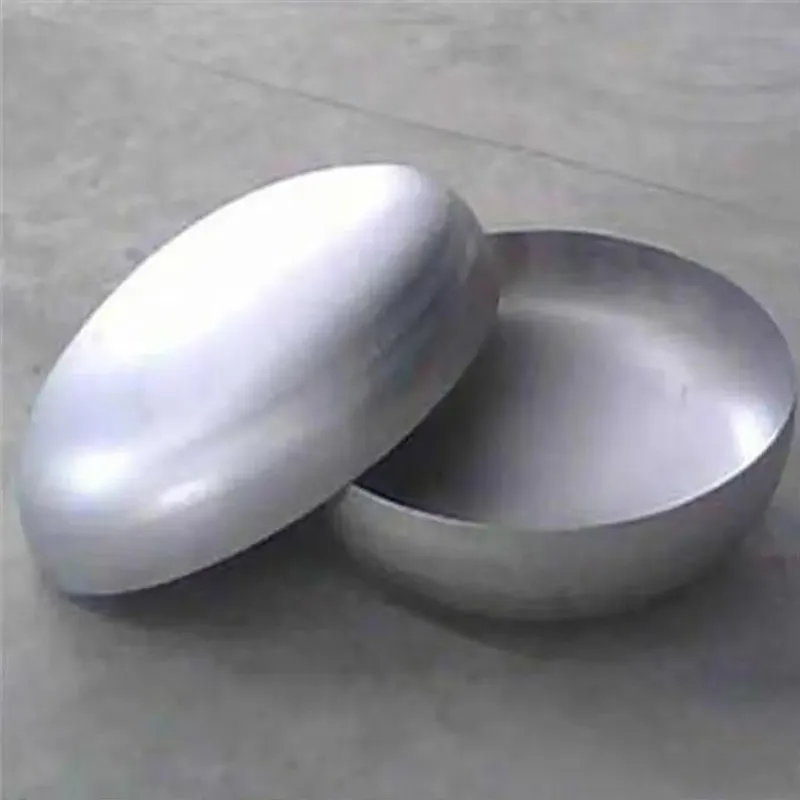
    Pipe caps come in different shapes, including round, square, and oval, and can be designed for both threaded and welded connections. They ensure the integrity of piping systems during transportation, storage, and installation by protecting the pipe ends from dirt, debris, and environmental factors. Durable and easy to install, pipe caps are critical for maintaining system efficiency and safety.
    VIEW ALL
  • Reducer

    Reducer

    Reducer is a pipe fitting used to connect pipes of different diameters, facilitating smooth transitions between varying flow capacities in piping systems. Available in concentric and eccentric designs, reducers help maintain optimal flow efficiency while minimizing pressure loss and turbulence.
    VIEW ALL
  • Flange

    Flange

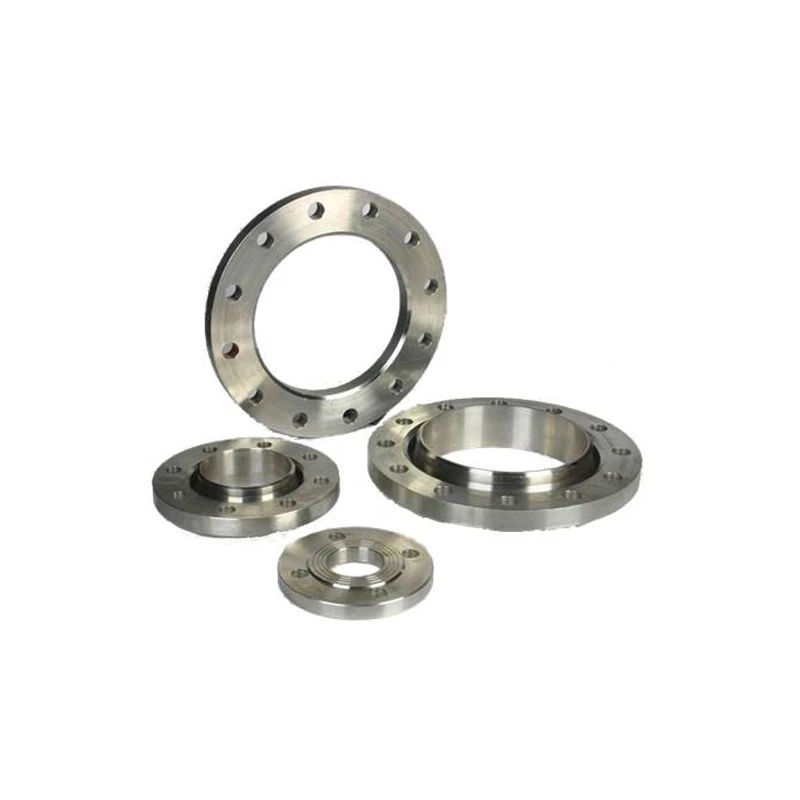
    Flange Product Introduction Flanges are used to connect pipes to pipes or pipes to equipment, ensuring a sealed and stable connection. They prevent fluid leakage and can withstand certain pressures and stresses, ensuring reliable connections. Flange nominal diameters range from DN15-DN2000 and beyond, covering various pipeline connection needs. Flanges primarily adhere to international standards such as ASME B16.5-2020, ASME B16.47-2020, and API 6A-2018.
    VIEW ALL
To create value for customers!
Cangzhou Leo Technology Co., Ltd. is located in Mengcun County Economic Development Zone, Cangzhou City, Hebei Province. It is a specialized high-tech enterprise that integrates the research and development, production, and sales of composite pipes and fittings.
News
The company regards product quality as the life of the enterprise, establishes a sound quality management system in accordance with the requirements of industry and national standards, controls all aspects of input and output in the whole process, pays attention to every detail, and ensures that the product delivery pass rate is 100%.
Comprehensive Guide to Steel Pipes and Fittings | Benefits & Global Applications

Comprehensive Guide to Steel Pipes and Fittings | Benefits & Global Applications

Steel Pipes and Fittings: Backbone of Global Infrastructure Steel pipes and fittings might sound lik
Understanding Welded Steel Pipe: Applications, Benefits, and Innovations

Understanding Welded Steel Pipe: Applications, Benefits, and Innovations

The Quiet Power of Welded Steel Pipe in Today's World If you’re here, you’re probably wo
The Essential Guide to Tube and Steel: Applications, Benefits, and Future Trends

The Essential Guide to Tube and Steel: Applications, Benefits, and Future Trends

Understanding Tube and Steel: Why It Matters in a Complex World If you haven’t given much thou
Thin Wall Steel Pipe – Lightweight Strength for Global Infrastructure Solutions

Thin Wall Steel Pipe – Lightweight Strength for Global Infrastructure Solutions

Understanding Thin Wall Steel Pipe: Why It Matters Globally The term “thin wall steel pipe&rdq
Thick Wall Steel Tubing: Durable Solutions for Global Pipelines and Infrastructure

Thick Wall Steel Tubing: Durable Solutions for Global Pipelines and Infrastructure

The Growing Importance of Thick Wall Steel Tubing: A Practical Overview Sometimes when you hear &ldq
Thick Wall Steel Pipe - Durable Industrial Piping for High-Pressure Applications

Thick Wall Steel Pipe - Durable Industrial Piping for High-Pressure Applications

Understanding Thick Wall Steel Pipe: What It Is and Why It Matters Globally If you’ve ever enc
tel email tel top

If you are interested in our products, you can choose to leave your information here, and we will be in touch with you shortly.